Farage Wants HS2 Scrapped
The title of this post, is the same as a sub-title in this article on The Times. which is entitled HS2: Labour confirms delay until 2033.
This is the sub-heading.
Nigel Farage has called for the whole HS2 project to be scrapped.
These two paragraphs give NF’s view.
The Reform UK leader told the Commons: “Has the moment not come, rather than having another reset, to recognise this is a failure?
“Let’s scrap HS2, let’s use the tens of billions of pounds we can save in the next decade to upgrade railway lines across the entirety of the United Kingdom to the benefit of many millions and spend the rest on other national priorities in these financially straitened times.”
Farage’s simplistic plan will appeal to his disciples, but the major thing that is needed, is more capacity between South and North. Or North and South depending on where you live!
HS2 will provide an extra seventeen paths between London and a large triangular junction in the West Midlands.
If HS2 Is Not Built There Will Be More Cars And Trucks On The Roads
In Footage Released Of East West Rail’s First Commercial Freight Train, I wrote about the SEGRO Logistics Park Northampton (SLPN), which would generate lots of road and rail traffic. Without developments like HS2, the roads will just get clogged up.
High Speed Two’s Originally Proposed Service Pattern
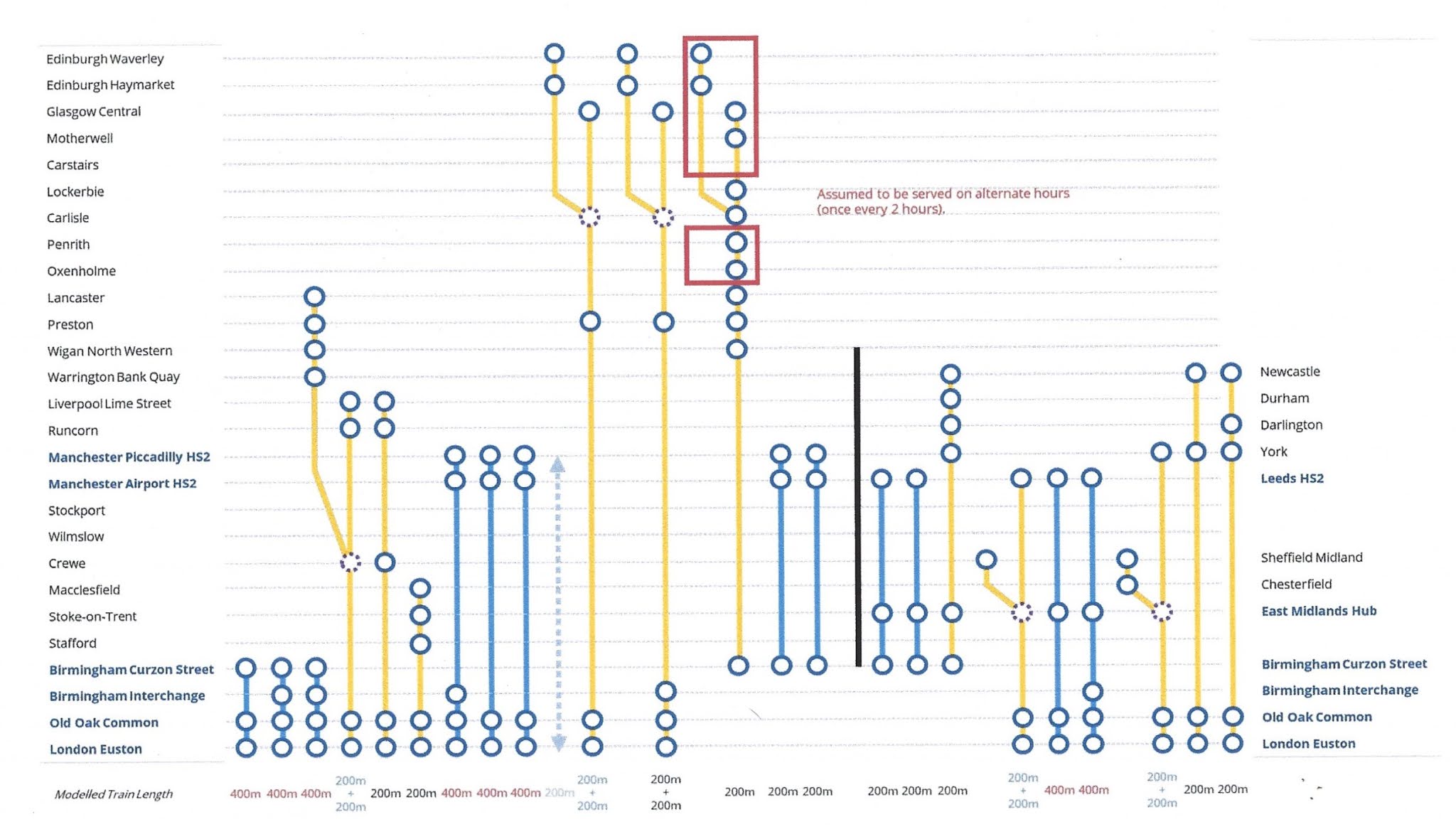
This graphic shows the original service pattern for High Speed Two.
Note.
- There are seventeen paths terminating in the South at Euston station.
- Six of these paths go to Leeds, Newcastle or York.
- As the Eastern leg has been abandoned, that means six extra trains can run between London and the large triangular junction in the West Midlands.
Six extra trains running to the West side of England and Scotland could give a substantial improvement of services.
High Speed Yorkshire
HS2 needs to be paired with High Speed Yorkshire, which would mainly be an upgrading of the East Coast Main Line running at up to 160 mph to serve Lincolnshire, Yorkshire, the North-East and East Scotland.
Note.
- British Rail built the Selby Diversion in the 1980s to run at 160 mph.
- Digital signalling is currently being installed on this route and this will allow trains to speed through the two bottlenecks of the Digswell Viaduct and the Newark Crossing.
- Times of three-and-a-half hours between King’s Cross and Edinburgh, should be possible.
These times should give the airlines a good kicking on London-Newcastle and London-Scotland routes.
Fast services would run on High Speed Yorkshire to Alnwick, Barnetby, Barnsley, Beverley, Berwick, Bradford, Brough, Cleethorpes, Darlington, Doncaster, Durham, Edinburgh, Goole, Grantham, Grimsby, Harrogate, Huddersfield, Hull, Leeds, Lincoln, Middlesbrough, Newcastle, Peterborough, Pontefract, Retford, Rotherham, Scarborough, Scunthorpe, Sheffield, Skipton, Stevenage, Sunderland, Wakefield, Worksop and York.
Most of these towns and cities are already served by Hitachi or other high speed trains from King’s Cross.
A high proportion of the services to Yorkshire destinations will be under two hours from London.
When the current trains need replacing, they could be replaced by High Speed Two Classic-Compatible trains.
Onward From Handsacre Junction
Services to the North-West and Scotland will join the Trent Valley Line at Handsacre junction.
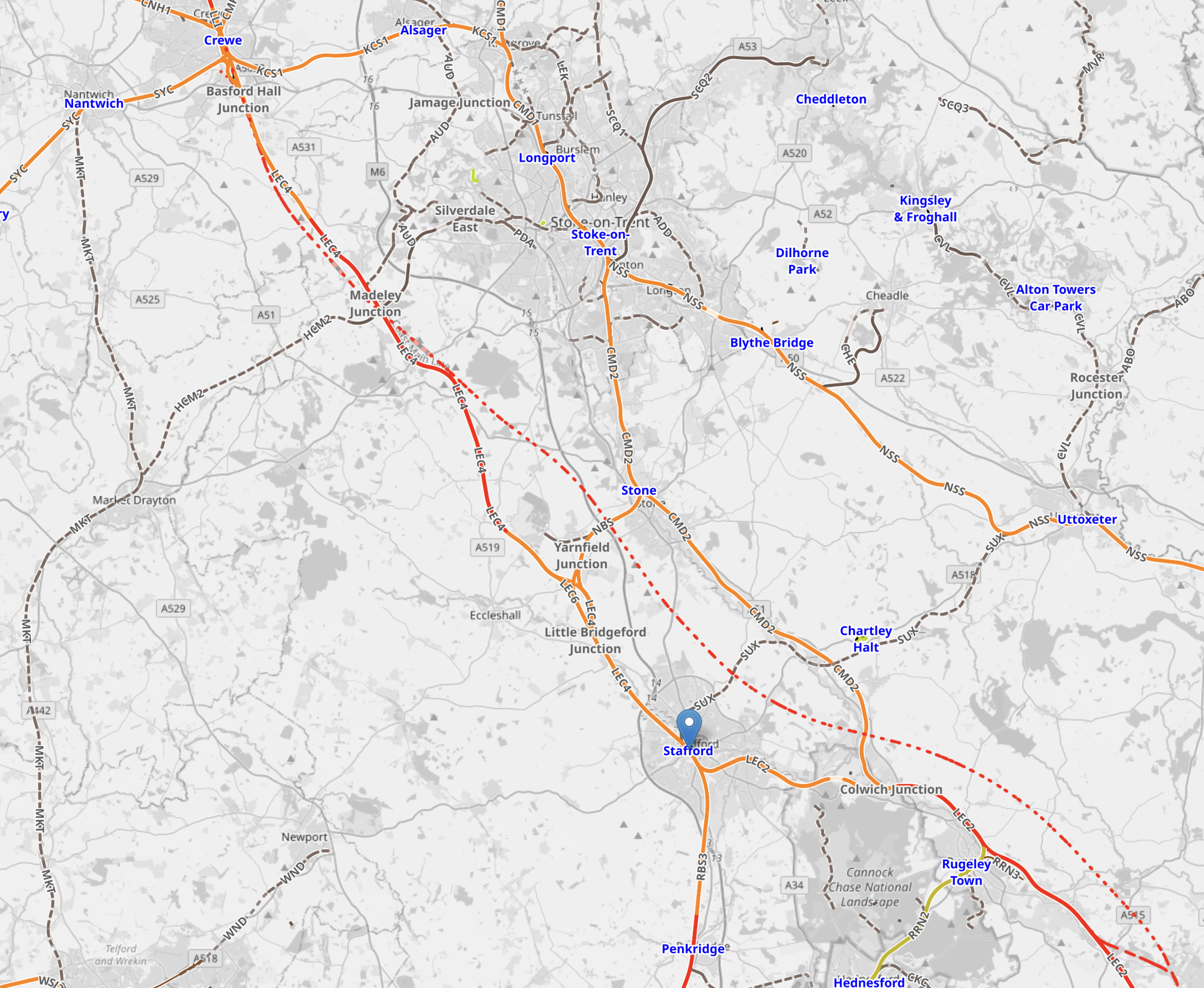
This OpenRailwayMap shows the Trent Valley Line between Crewe station and Handacre junction.
Note.
- The proposed route of High Speed Two is shown as a dotted line, running diagonally across the map.
- The red track to its West is the Trent Valley Line, which is a section of the West Coast Main Line.
- Handsacre junction is in the South-East corner of the map.
- The blue arrow indicates Stafford station on the West Coast Main Line.
- The main High Speed Two tracks will not connect to Stafford or Stoke-on-Trent stations.
- Crewe station is in the North-West corner of the map.
- Crewe station and Handsacre junction are 37.6 miles apart.
With the exception of the 6 mile twin-track section between Stafford Trent Valley and Colwich junctions, it appears that Crewe station and Handsacre junction is all quadruple track.
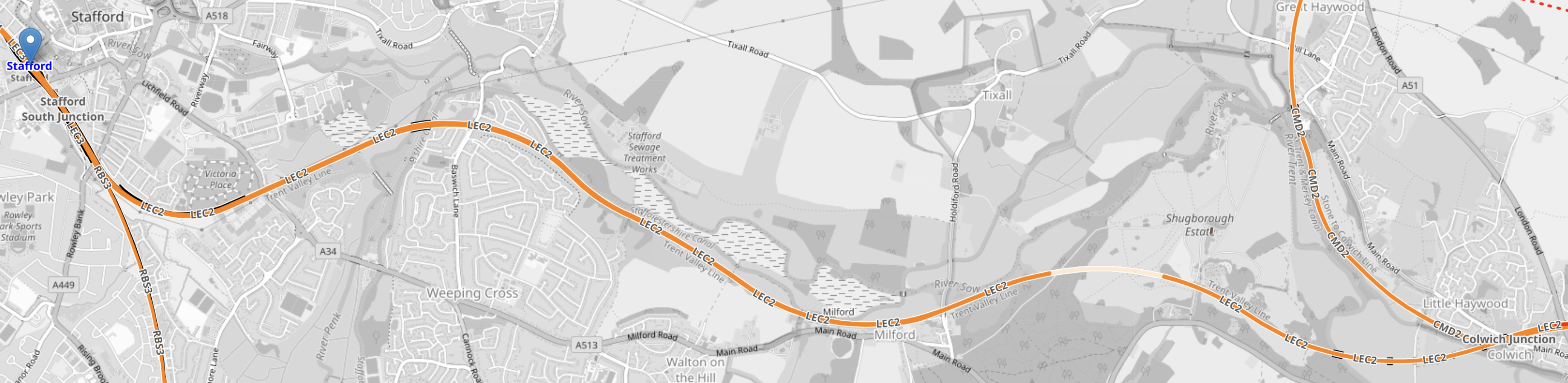
This OpenRailwayMap shows the Trent Valley Line between Stafford stationand Colwich junction.
Note.
- The Trent Valley Line, which is a section of the West Coast Main Line, runs across the map.
- The arrow in the North-West corner of the map indicates Stafford station.
- Colwich junction is in the South-East corner of the map.
- About three-quarters of the way across, the track is shown in cream. This is the twin-track Shugborough Tunnel, which is around a half-mile long.
- The Shugborough Tunnel has a 100 mph maximum speed.
- The portals of Shugborough Tunnel are Grade II Listed and the Wikipedia entry for the tunnel is certainly worth a read.
How Many High Speed Two trains per hour (tph) will use the Trent Valley Line route?
The original proposal in the graphic earlier shows these trains.
- 4 – London to Lancaster/Liverpool Lime Street – Splits at Crewe
- 5 – London to Liverpool Lime Street
- 6 – London to Stafford, Stoke -on-Trent and Macclesfield
- 7 – London and Birmingham Interchange to Manchester Airport and Manchester Piccadilly
- 8 – London to Manchester Airport and Manchester Piccadilly
- 9 – London to Manchester Airport and Manchester Piccadilly
- 10 – London and Birmingham Interchange to Preston, Carlisle, Edinburgh Haymarket and Edinburgh Waverley/Glasgow Central – Splits at Carlisle
- 11 – London Euston to Preston, Carlisle, Edinburgh Haymarket and Edinburgh Waverley/Glasgow Central – Splits at Carlisle
- 12 – Birmingham Curzon Street to Wigan North Western, Preston, Lancaster, Oxenholme, Penrith, Carlisle, Edinburgh Haymarket and Edinburgh Waverley Or Wigan North Western, Preston, Lancaster, Carlisle, Lockerbie, Motherwell and Glasgow Central- Services alternate.
- 13 – Birmingham Curzon Street to East Midlands Hub, Manchester Airport and Manchester Piccadilly
- 14 – Birmingham Curzon Street to East Midlands Hub, Manchester Airport and Manchester Piccadilly
Note.
- It looks like there will be eleven High Speed Two tph on the Trent Valley Line.
- As East Midlands Hub will not be built, I will assume trains 13 and 14 will be Birmingham Curzon Street to Manchester Airport and Manchester Piccadilly.
- Other trains will need to use the route.
- I suspect that freight trains, that couldn’t maintain 100 mph would not be allowed.
I believe that digital signalling can handle all the trains between Handsacre Junction and Crewe.
- Trains 10 and 11 would run every thirty minutes to give two tph between London and Glasgow Central and two tph between London and the two Edinburgh stations.
- Each of these trains would lead a flight of trains behind them through the Trent Valley Line.
- The last trains going North in the flights, would be trains 4 and 6, as they stop on the Trent Valley Line section.
I have written a lot of scheduling algorithms in the last fifty years and I wouldn’t be surprised if flights could be up to 7 or 8 trains, running 3 or 4 minutes apart.
It would be an impressive sight.
What Timings Would Be Possible On High Speed Two Using Handsacre Junction And The Trent Valley Line?
In Where Is Handsacre Junction? I calculated some times on High Speed Two to various destinations, using Handsacre junction and the Trent Valley Line. This is a more comprehensive table.
- London and Blackpool North – 205 mph – 1:55
- London and Blackpool North – 140 mph – 2:12
- London and Carlisle – 205 mph – 2:45
- London and Carlisle – 140 mph – 3:01
- London and Crewe – 205 mph – 1:03
- London and Crewe – 140 mph – 1:19
- London and Edinburgh Waverley – 205 mph – 4:14
- London and Edinburgh Waverley – 140 mph – 4:30
- London and Glasgow Central – 205 mph – 4:22
- London and Glasgow Central – 140 mph – 4:38
- London and Handsacre junction – 205 mph – 0:35
- London and Handsacre junction – 140 mph – 0:51
- London and Lancaster – 205 mph – 1:50
- London and Lancaster – 140 mph – 2:06
- London and Liverpool Lime Street – 205 mph – 1:46
- London and Liverpool Lime Street – 140 mph – 2:02
- London and Manchester Piccadilly – 205 mph – 1:41
- London and Manchester Piccadilly – 140 mph – 1:57
- London and Preston – 205 mph – 1:31
- London and Preston – 140 mph – 1:47
- London and Stafford – 205 mph – 0:45
- London and Stafford – 140 mph – 1:01
- London and Stoke-on-Trent – 205 mph – 0:55
- London and Stoke-on-Trent – 140 mph – 1:11
- London and Wigan North Western – 205 mph – 1:17
- London and Wigan North Western – 140 mph – 1:33
Note.
- 205 mph could be the average speed between London Euston and Handsacre junction for High Speed Two Classic-Compatible trains.
- 140 mph could be the average speed between London Euston and Handsacre junction for Class 390 trains.
- Times are in hh:nn.
- For times North of Handsacre junction are typical Class 390 times.
A typical timing between London Euston and Handsacre junction for Class 390 trains is 71 minutes, so if High Speed Two services were run using Class 390 trains, twenty minutes would be saved on all services via Handsacre junction compared to current Avanti West Coast services.
I have some other thoughts.
Using Class 390 Trains Is Not My Idea
This article on Rail nBusiness UK is entitled Viewpoint: Buy tilting trains and finish Delta Junction to salvage HS2, says Gibb.
This is the sub-heading.
UK: Procurement of a fleet of tilting trains and a focus on Birmingham – Manchester services are key to making the most the descoped High Speed 2 scheme, former Virgin Trains executive Chris Gibb tells Rail Business UK.
Chris Gibb has the right experience. and has been used as a go-to man, when projects are in trouble.
The major points of his plan are as follows.
- Connect High Speed Two to the Trent Valley Line to go North from the Midlands.
- Initially, use Class 390 trains or Pendelinos on Liverpool, Manchester and Scottish services.
- Run Class 390 trains at 140 mph between Euston and Handsacre junction.
- When the Pendelinos need to be retired, buy a new set of tilting trains.
- Complete the North-to-West leg of High Speed Two’s triangular junction, so that trains can run between Birmingham Curzon Street and Manchester.
- Gibb proposes a Blackpool service, that splits and joins with a Liverpool service. I assume he means train 5.
Gibb feels a fundamental review of the operating principles and fleet requirements is now needed.
It is a well-thought out viewpoint and very much a must-read.
Unlocking Euston Station
I dread using Euston station.
The connections to the London Underground in the station, involve a long walk to or from your train and then outside the station to.
- The Northern and Victoria Lines just outside the station.
- The sub-surface lines at Euston Square station, which is a long walk.
There is no connection to the Lizzie Line.
I have probably written more project management software, than any other individual in the world.
Good project managers and probably a few bad ones too, talk about getting all your ducks in a row or doing everything in the right order.
If High Speed Two is going to terminate at Euston, then the first sub-project must be to connect Euston station properly to the Metropolitan, Circle and Hammersmith & City or sub-surface lines of the Underground, which have new spacious air-conditioned trains and run on a line that is digitally signally, so the capacity can be easily increased.
The sub-surface lines also link, the National Rail stations of Liverpool Street, Moorgate, Farringdon, King’s Cross, St. Pancras, Euston, Paddington, Victoria, Charing Cross and Blackfriars, and could be connected to Fenchurch Street and Marylebone. It also has links to the Lizzie Line.
Improve the interchanges and this marvelous Victorian system could unlock London’s transport system like no other.
Five years ago, a similar arrangement to that at St. Pancras was proposed with subways under Euston Road that linked to extended platforms at Euston Square Underground station, by means of lifts and escalators.
Why has this new link between National Rail at Euston and sub-surface Underground not been built? I estimate that it would have taken a couple of years and have fitted in with all the work being done in front of Euston station.
The current Mayor never mentions the project, but then it is a North London project, so it doesn’t interest him and his supporters.
The Design Of The Updated Euston Underground Station
Ian showed this visualisation of the updated Euston Underground station.
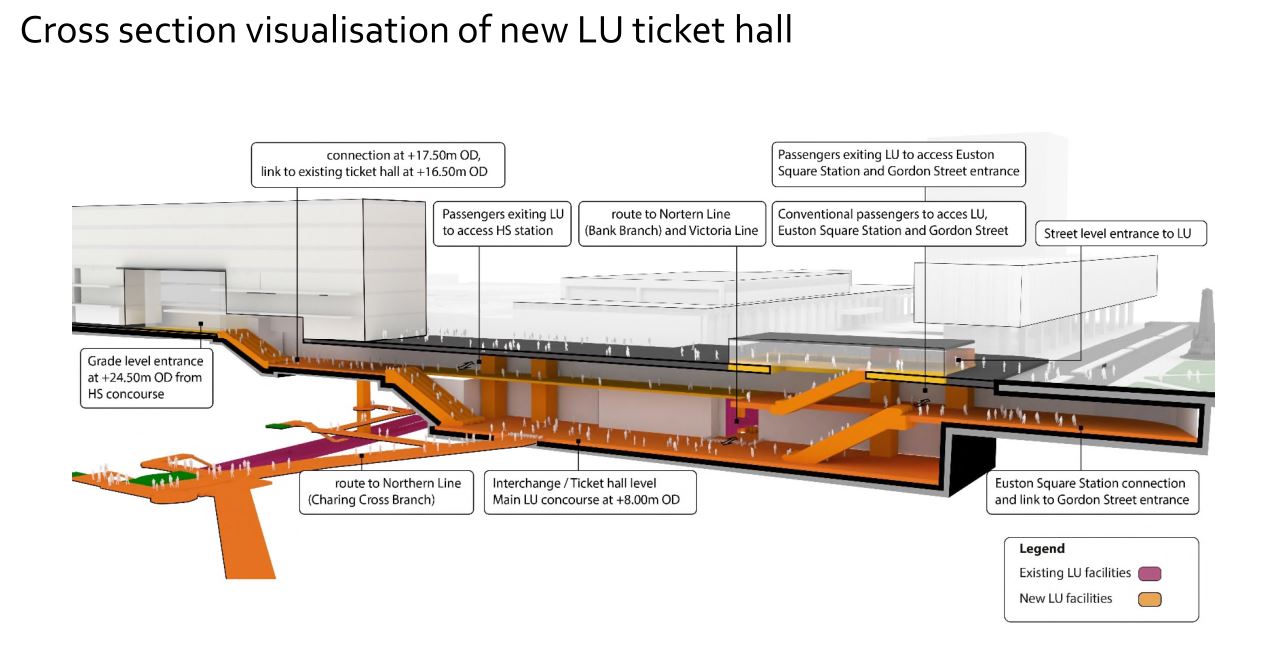
At a first look, it appears to be a very similar concept to the entrance to the Underground in front of St. Pancras station.
Click on the image to show it large and you can pick out the following.
- West is to the left and East is right.
- Much of the construction appears to replace the original car park and taxi rank.
- The upper level looks like where passengers enter and leave the station.
- The subway to Euston Square station and the new Gordon Street entrance joins to the upper level towards the Eastern end.
- There is grade access between the upper level and the High Speed Two concourse.
- There are lots of escalators to travel between levels. The square orange columns could be lift towers.
- The lower level is the Interchange/Ticket Hall level.
- The lower level is not much higher than the Charing Cross branch of the Northern Line.
- The design seems to make clever use of levels to make changing easier.
- The access between the lower level and the Charing Cross branch of the Northern Line at the Western end of the station, appears to be comprehensive and step-free.
- The access between the lower level and the Victoria Line and the Bank branch of the Northern Line, appears to use the current route, which will probably be upgraded to be fully step-free.
This second image shows the design from above the platforms of the conventional section of Euston station.
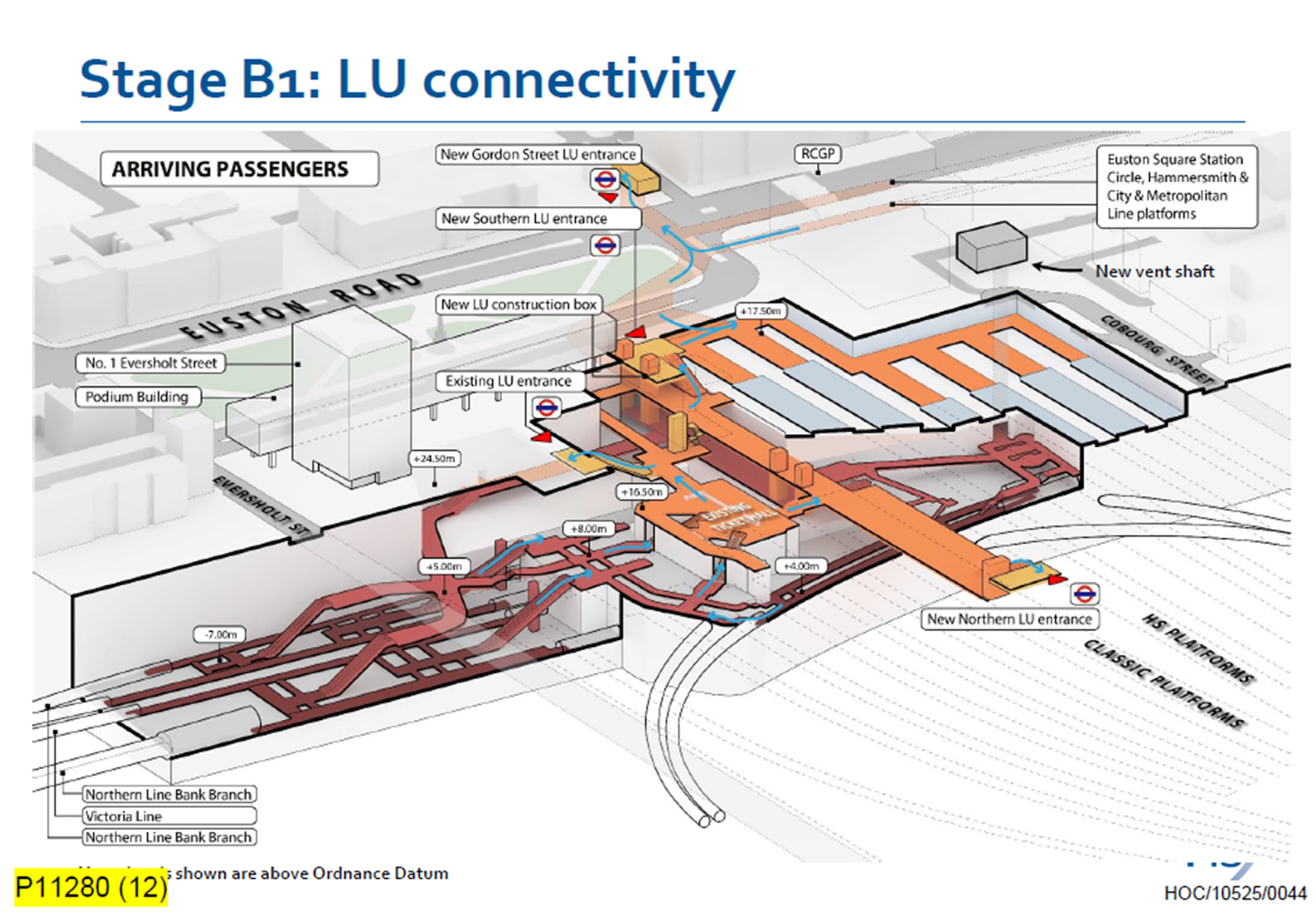
Click on the image to show it large and you can pick out the following.
- The complicated passages, escalators and lifts of the existing four platforms serving the Bank branch of the Northern Line and the Victoria Line.
- The cross passage connecting these lines to the platforms of the Charing Cross branch of the Northern Line.
- The two up and two down escalators leading to the existing ticket hall.
- The Charing Cross branch of the Northern Line curving in and away from the station. See the earlier map of the Underground lines.
- The eleven High Speed platforms on the West side of the station.
- The thirteen Classic platforms on the East side of the station.
- The new Northern entrance to the Underground between the two sets of platforms. How convenient!
- There appears to be a wide passage between the Northern and Southern entrances, with connections to the lines branching off.
- The subway to the new Gordon Street entrance is shown at the top of the image.
The design seems to have separated access to the two branches of the Northern line, by creating a new high-capacity route to the Charing Cross branch.
I also think, that the design allows the station to be built without disrupting passengers using the Underground and the current Euston station.
- A large hole for the station can be excavated, without touching existing access.
- It could then be fitted out section by section.
- Once the new access to the Charing Cross branch of the Northern Line is complete, the current access to the Northern and Victoria Lines can be refurbished.
Arriving At Euston
Imagine you are a passenger arriving from the North, who knows the Underground line, you need to take, you would then enter the Underground station using the new Northern entrance.
- For the Bank branch of the Northern Line or the Victoria Line, you would go through the existing ticket hall and down the escalators, much as you do now! Except that you’d enter the ticket hall on the other side from the East side of the passageway connecting the two entrances. New lifts appear to be shown.
- For the Charing Cross branch of the Northern Line, you would take the passages, lifts and escalators on the West side of the passageway connecting the two entrances.
- If you wanted the sub-surface lines, you would just keep going and take the new subway, which connects to the Eastern ends of the platforms at Euston Square station.
It will certainly do me fine, if I arrive at Euston, as I’ll walk through the subway and get in the front of any Eastbound train for Moorgate station, where being in the front is convenient for the exit and the nearby bus stop to my home.
This route will surely be one of the ways arriving passengers at Euston will get Crossrail to Abbey Wood, Canary Wharf and Shenfield stations. In Crossrail – Northern – Northern City Interchange At Moorgate Station, I show some visualisations of Moorgate station and the connectivity.
Where Is Handsacre Junction?
Handsacre Junction is where High Speed Two trains from London Euston and Birmingham will join the Trent Valley Line to complete their journeys via Stafford and Crewe.
This OpenRailwayMap shows the junction.
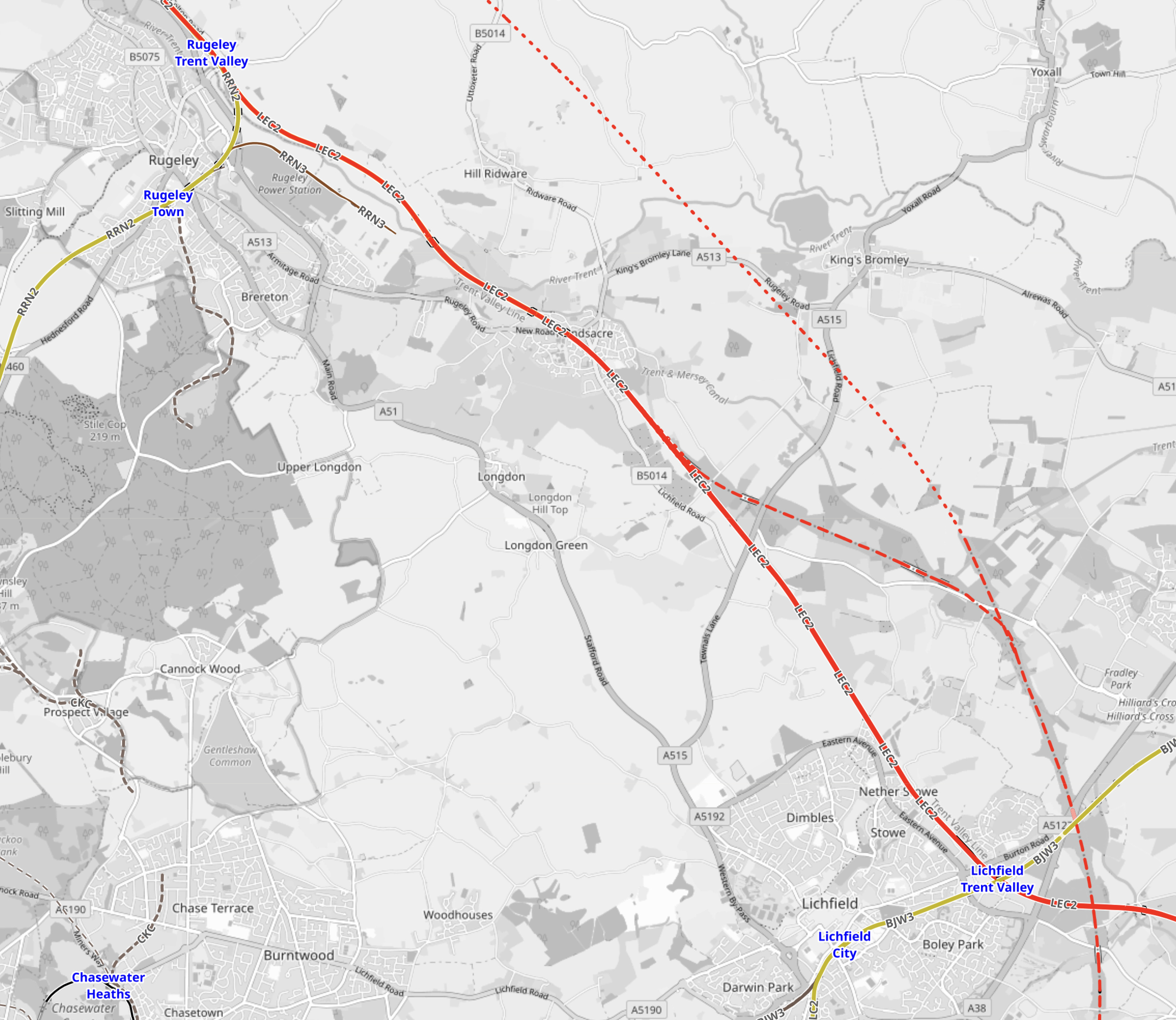
Note.
- The solid red track going diagonally across the map is the Trent Valley Line, which is a section of the West Coast Main Line.
- The station on the Trent Valley Line at the top of the map is Rugeley Trent Valley.
- The station on the Trent Valley Line at the bottom of the map is Lichfield Trent Valley.
- The dotted tracks running North-South show the proposed route of High Speed Two.
- Only the dashed sections of tracks will be built for Phase 1 of High Speed Two.
From the map, I estimate that that High Speed Two will join the Trent Valley Line at the mid-way point between the two stations.
According to Real Time Trains, the stations are these distances from Euston.
- Lichfield Trent Valley – 116.4 miles
- Rugeley Trent Valley – 124.4 miles
So this puts Handsacre Junction at 120.4 miles from Euston.
Searching the Internet, I find the distance between Euston and Handsacre Junction on High Speed Two as 192.77 km. or 119.8 miles.
It would appear that the High Speed Two route is 0.6 mile longer.
Euston And Handsacre Junction Times
This table shows Euston and Handsacre junction times at various speeds.
High Speed Two Average Speed – 205 mph – 35 mins.
Class 390 Train Average Speed – 140 mph – 51 mins.
Euston And Glasgow Central Times
If I assume, that the trains take the same three hours and 47 minutes between Handsacre junction and Glasgow Central as Class 390 trains do now, I get these times.
High Speed Two Average Speed – 205 mph – 4 hour and 22 mins.
Class 390 Train Average Speed – 140 mph – 4 hours and 38 mins.
Euston And Liverpool Lime Street Times
If I assume, that the trains take the same 71 minutes between Handsacre junction and Liverpool Lime Street as Class 390 trains do now, I get these times.
High Speed Two Average Speed – 205 mph – 1 hour and 46 mins.
Class 390 Train Average Speed – 140 mph – 2 hours and 2 mins.
Euston And Manchester Piccadilly Times
If I assume, that the trains take the same 66 minutes between Handsacre junction and Manchester Piccadilly as Class 390 trains do now, I get these times.
High Speed Two Average Speed – 205 mph – 1 hour and 41 mins.
Class 390 Train Average Speed – 140 mph – 1 hours and 57 mins.
A Taste Of The Future
On Friday, I went to Chester and took a train home from Crewe to Euston.
It was a new Hitachi Class 805, that sped me to London, with just a stop at Milton Keynes.
This picture shows the train arriving at Crewe.
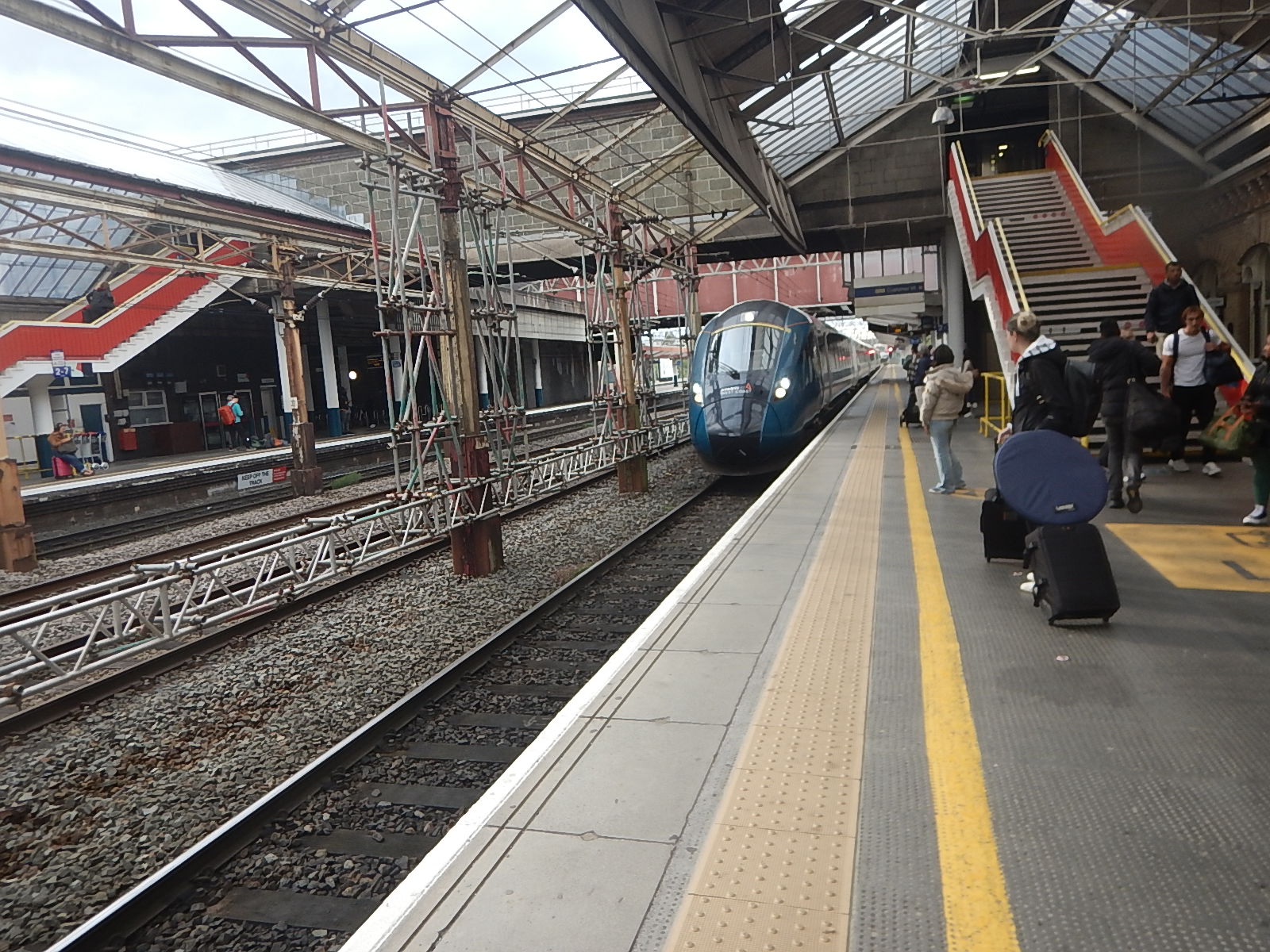
Note.
- High Speed Two it is not, but it went most of the way to Euston at 125 mph in an hour and 50 minutes.
- High Speed Two will take 56 minutes, although that is not cast in stone and steel yet.
- Crewe is one of the towns and cities, that will benefit most from High Speed Two.
But whether High Speed Two is delivered or or not, Crewe’s train service should improve in Spring 2026, as the first Lumo service on the West Coast Main Line service will be starting.
I describe the service in Lumo To Expand Scotland’s Rail Network With New London-Stirling Rail Route From Spring 2026.
This paragraph from the linked post, describes the route.
Lumo’s new route will link London Euston directly to Stirling, also calling at Milton Keynes, Nuneaton, Crewe, Preston, Carlisle, Lockerbie, Motherwell, Whifflet (serving Coatbridge), Greenfaulds (serving Cumbernauld) and Larbert.
It is fully-electrified and can support 125 mph running most, if not all, of the way.
It will certainly give knowledgeable travellers options on how they travel on the West Coast Main Line.
Lumo are also proposing another open access service on the West Coast Main Line to Rochdale, which will increase travel options.
My only worry is that Heidi Alexander will cancel it, on the grounds that open access services abstract the revenue of Great British Railways.
But then after announcing the service in a reception in Holyrood, she surely couldn’t cancel it now.
On the other hand, it could be that this Labour Government has discovered that open access trains are a more affordable way of developing rail services to and from London and over longer distances.
Consider.
- Recently, Lumo has proposed open access services from London to Carmarthen, Paignton, Rochdale and Stirling.
- Recently, Arriva has proposed open access services from London to Cleethorpes, Grimsby and Scunthorpe and between Newcastle and Brighton.
- Recently, Alsthom has proposed open access services from London to Shewsbury and Wrexham.
Not one of these services will cost the government a lot of money, but Network Rail will pick up access charges.
So has Heidi Alexander seen sense and feels that it is better to allow more open access services?
Could Any Other Open Access Services Be Opened On The West Coast Main Line?
London Euston and Rochdale is planned by Lumo and I wrote about it in FirstGroup’s Lumo Seeks To Launch Rochdale – London Open Access Service.
This sentence from the linked post, gives the route.
The trains would call at Warrington Bank Quay, Newton-le-Willows, Eccles and Manchester Victoria.
Other possibilities would surely be Blackpool and Barrow-in-Furness, but Blackpool gets a three trains per day (tpd) service from Euston and frequent trains from Preston.
Barrow-in-Furness could be a very useful destination.
With increased defence spending, the shipyards will be busy.
It could be another gateway to the Lake District.
Services could be extended to Sellafield, Whitehaven and Workington.
This OpenRailwayMap shows the Cumbrian Coast Line between the West Coast Main Line and Barrow-in-Furness.
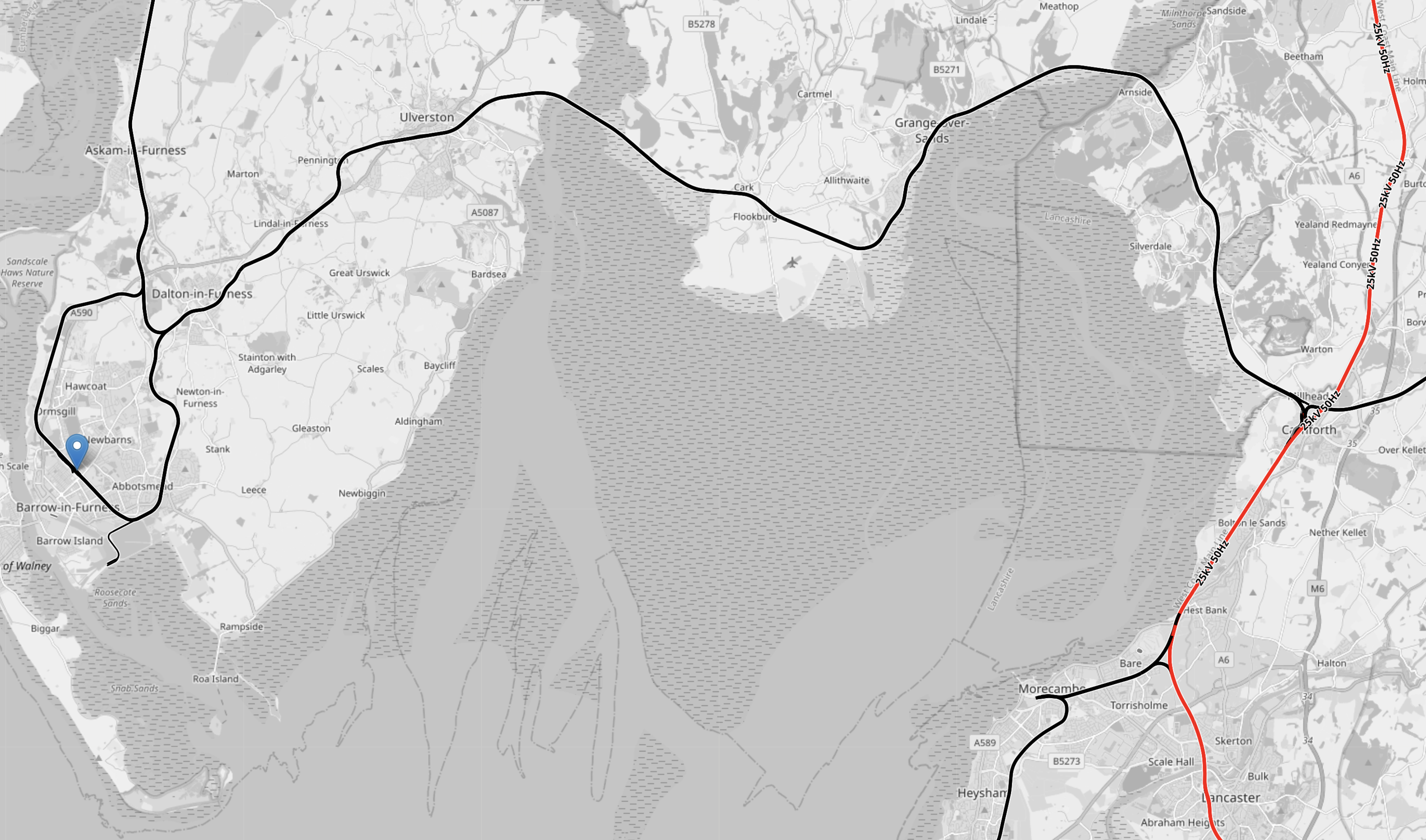
Note.
- The red tracks on the Eastern side of the map is the electrified West Coast Main Line.
- At the bottom of the map on the West Coast Main Line is Lancaster, with its station.
- The black track going West from Lancaster is the Morecambe and Heysham branch.
- The black track going West across the top of the map is the Cumbrian Coast Line.
- Barrow-in-Furness station is indicated by the blue arrow.
- The length of track without electrification on the route is less than thirty miles.
One of Lumo’s battery-electric trains would easily handle a London Euston and Barrow-in-Furness route.
Conclusion
There is obviously scope for new railway routes in the UK and some will be suitable for open access operators.
Perhaps, we need the Office of Road and Rail to be more proactive in deciding, when a route is to be served and then select an operator.
It would need to be an unbiased apolitical process, to stop an incumbent political party running trains to marginal seats, they hoped to win.
Preston Station – 23rd May 2025
I finally got to Preston station today, after my failure that I wrote about in An Annoying Day.
I took these pictures.
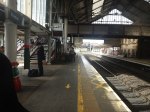
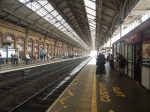

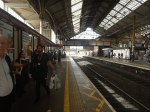

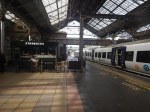
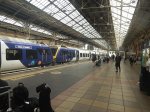
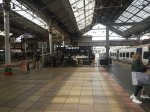
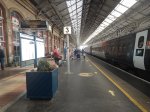

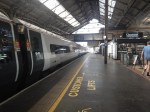
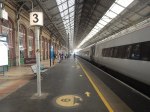
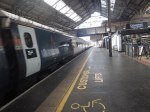
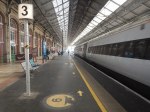
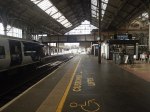
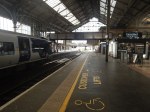
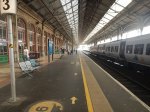
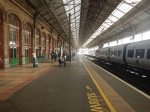
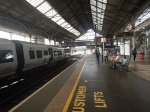
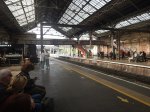
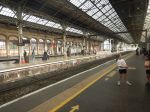
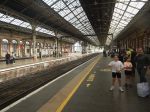
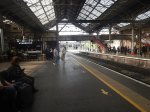

I shall deal with the features of the station in separate sub-sections.
The Original High Speed Two Schedule Through Preston Station
This diagram shows High Speed Two services, as they were originally envisaged before Phase 2 was discontinued.
Note.
- Trains to the left of the vertical black line are Phase 1 and those to the right are Phase 2.
- Full-Size trains are shown in blue.
- Classic-Compatible trains are shown in yellow.
- Blue circles are shown, where trains stop.
- The dotted circles are where trains split and join.
- In the red boxes routes alternate every hour.
Click on the diagram to enlarge it.
If I look at the trains counting from the left of the diagram, I see the following trains passing Preston station.
- Train 4 is a pair of classic-compatible trains, that split and join at Crewe, with one train going to Lancaster and the other to Liverpool Lime Street.
- Trains 10 and 11 are pairs of classic-compatible trains going between London and Scotland.
- Train 12 is a single classic-compatible train going between Birmingham and Scotland.
All four trains stop in Preston station.
The Track Layout
This OpenRailwayMap shows the track layout through the station.
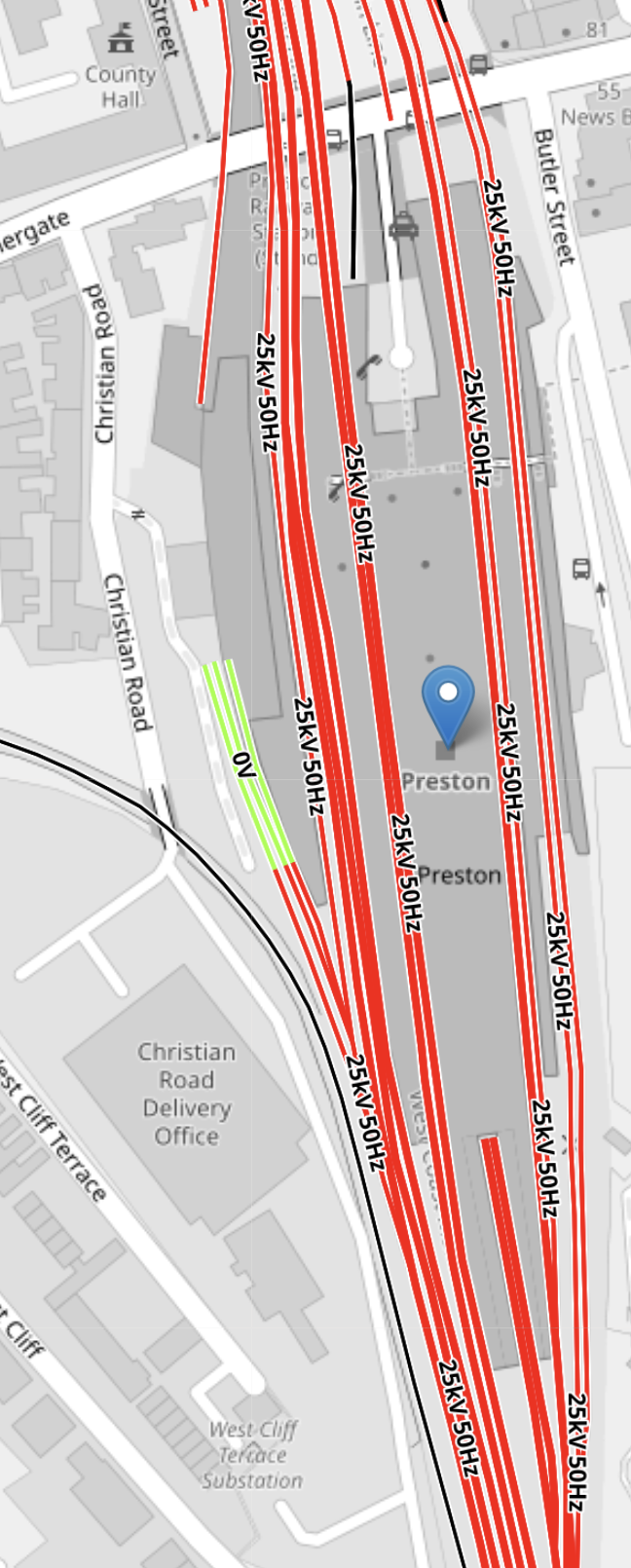
Note.
- Tracks shown in red are electrified and tracks in black or not.
- Platforms 3 and 4 form a large island platform in the middle of the station.
- The platform is 373 metres long so it will almost take a pairs of classic-compatible trains going between London and Scotland.
- There are platforms either side of the island platform.
Click on the diagram to enlarge it.
How Will High Speed Two Operate At Preston Station?
Four hourly High Speed Two classic-compatible trains on the original plan would have called at Preston.
- London and Lancaster – Single 200 metre train.
- London and Scotland – Pair of 200 metre trains, splitting at Carlisle with one going to Edinburgh and one to Glasgow.
- London and Scotland – Pair of 200 metre trains, splitting at Carlisle with one going to Edinburgh and one to Glasgow.
- Birmingham and Scotland – Single 200 metre train, going alternately to Edinburgh and Glasgow.
With 27 metres of lengthening, all trains would fit the island platform 3 and 4.
I could see the platforms at Preston station fitted with travelators.
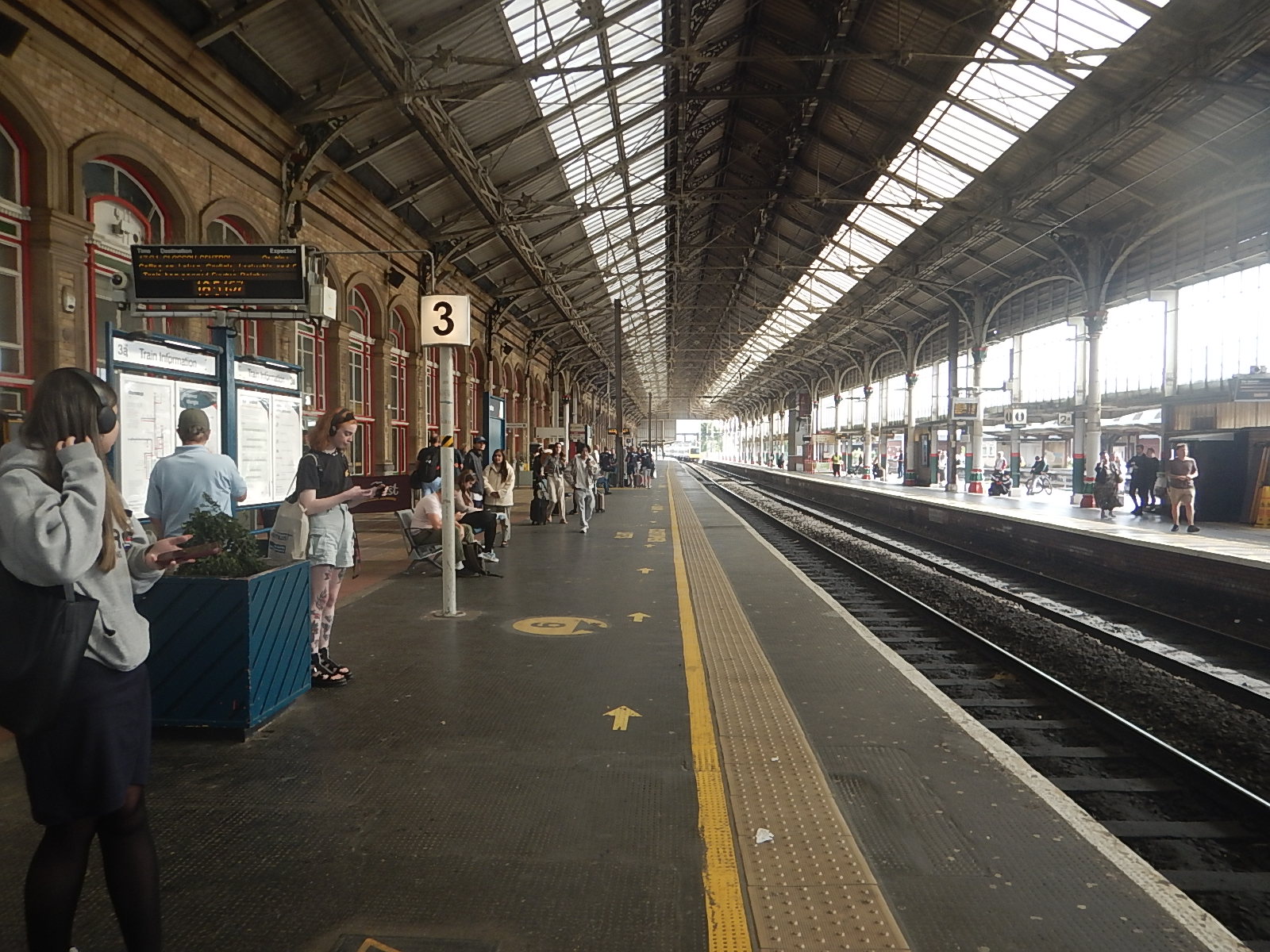
The picture shows the length of the Northbound Platform 3. The camera is looking South.
Footbridges And Subways
I would envisage that a lot of passengers would connect to High Speed Two at Preston station and the crossing from the outside platforms to the central island platform needs to be improved.
As the main trains will be 400 metres long, there will need to be fully step-free access with lifts at both ends of the station.
Judging from my pictures, the current footbridges need refurbishing.
Should Pairs Of High-Speed Trains Split and Join At Preston?
The pairs of High Speed Two classic-compatible trains running between London and Scotland are planned to split and join at Carlisle.
It could be better, if they split and joined at Preston, as it might avoid costly lengthening of the platforms at Carlisle.
Lancaster Station – 23rd May 2025
I finally got to Lancaster station today, after my failure that I wrote about in An Annoying Day.
I took these pictures.
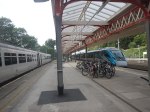
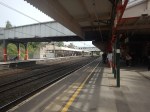
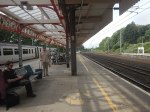
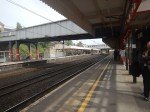
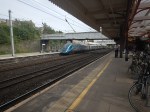
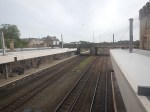
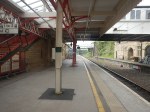
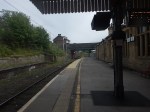
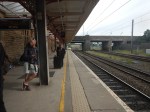
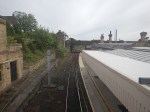
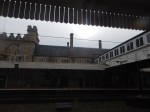
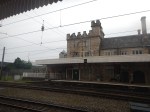
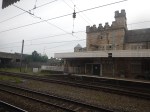
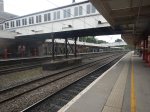
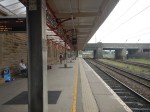
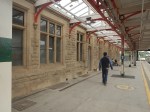
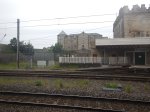
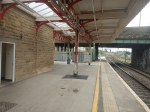
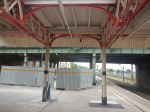
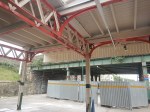
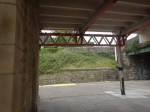
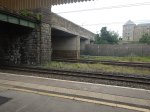
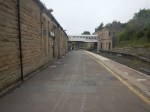
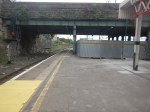
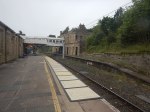
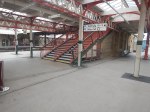
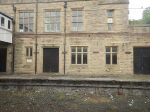
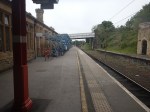
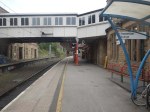
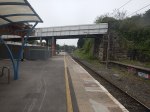
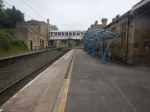
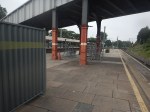
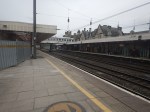
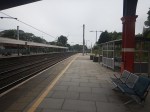
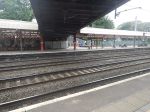
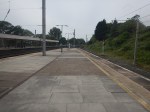
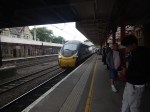
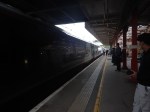
I shall deal with the features of the station in separate sub-sections.
The Original High Speed Two Schedule Through Lancaster Station
This diagram shows High Speed Two services, as they were originally envisaged before Phase 2 was discontinued.
Note.
- Trains to the left of the vertical black line are Phase 1 and those to the right are Phase 2.
- Full-Size trains are shown in blue.
- Classic-Compatible trains are shown in yellow.
- Blue circles are shown, where trains stop.
- The dotted circles are where trains split and join.
- In the red boxes routes alternate every hour.
Click on the diagram to enlarge it.
If I look at the trains counting from the left of the diagram, I see the following trains passing or terminating at Lancaster station.
- Train 4 is a pair of classic-compatible trains, that split and join at Crewe, with one train going to Lancaster and the other to Liverpool Lime Street.
- Trains 10 and 11 are pairs of classic-compatible trains going between London and Scotland.
- Train 12 is a single classic-compatible train going between Birmingham and Scotland.
Only the Lancaster portion of Train 4 stops in Lancaster station.
The Track Layout
This OpenRailwayMap shows the track layout through the station.
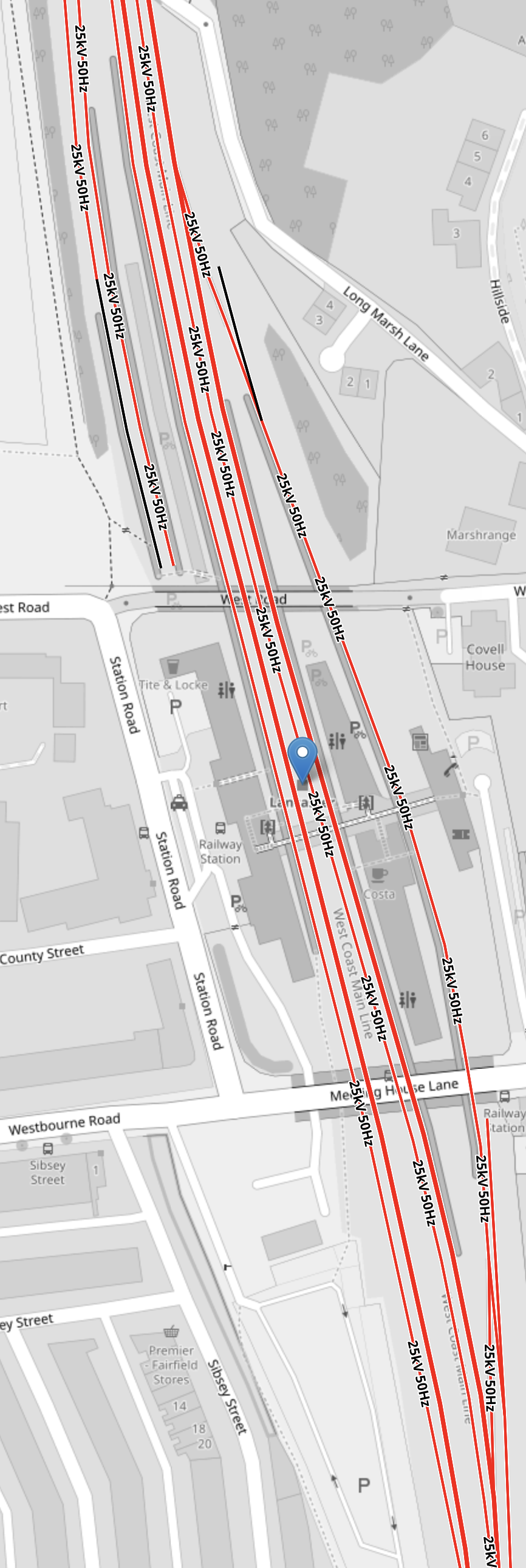
Note.
- Tracks shown in red are electrified and tracks in black or not.
- In the North-West corner of the map the two bay platforms 1 and 2, that are used for local services can be seen.
- Platform 3 is a long platform on the Western side of the station, which is generally for Northbound through stopping trains, that can take 265 metre long eleven-car Class 390 trains.
- Paired with the track through Platform 3, there is a Northbound avoiding line, that allows faster trains to overtake trains stopped in the station.
- Platform 4 is a long platform on the Western side of the island platform on the Eastern side of the station, which is generally for Southbound through stopping trains, that can take 265 metre long eleven-car Class 390 trains.
- Paired with the track through Platform 4, there is a Southbound avoiding line, that allows faster trains to overtake trains stopped in the station.
- Platform 5 is a long platform on the Eastern side of the island platform on the Eastern side of the station, that is over two hundred metres long.
- All through tracks have a 75 mph maximum speed, except for Platform 5, which is just 30 mph.
Click on the diagram to enlarge it.
How Will High Speed Two Operate At Lancaster Station?
I would expect that the three High Speed Two services to and from Scotland will go through Lancaster station on the avoiding lines, which will mean that each avoiding line will handle one High Speed Two classic-compatible train every twenty minutes.
The train, that terminates at Lancaster has a few options.
- It could terminate from London in any of platforms 3, 4 or 5.
- It could leave for London from any of the platforms 3, 4 or 5.
Note.
- All three platforms are long enough to accept a single High Speed Two classic-compatible train, which is only 200 metres long.
- There would probably need to be some works to the tracks so that trains could terminate in platforms 4 or 5.
- There might need to be some works to the tracks so that trains could leave from London from platform 3.
The logical way to terminate the train would probably for the train to arrive and leave in Platform 5, but then this would need improvements to the tracks and also to the passenger footbridge across the tracks.
Eden Project Morecambe And The Morecambe Branch
In a few years time, both the Eden Project Morecambe and High Speed Two will be open and I suspect, a day out could be to take High Speed Two to Lancaster and the local train to Morecambe for a day at the Eden Project Morecambe.
This paragraph from the Eden Project Morecambe web site, describes the current status of the project.
Eden Project Morecambe, previously known as Eden Project North, has been awarded £50m in the second round of the UK Government’s Levelling Up Fund. The funding allows the project to move into its next phase and begin the process of finalising the remaining funds required from private and philanthropic sources identified as part of the bidding process.
I had intended to take a train to Morecambe to have a look round, but the train, that I would have needed to catch to get back to London at a reasonable hour, didn’t run due to lack of train crew.
As High Speed Two will provide connections at Lancaster to Birmingham, Carlisle, Crewe, Edinburgh, Glasgow, London, Preston, Warrington and Wigan and other trains will provide connections to Leeds, Liverpool and Manchester, the Eden Project Morecambe will be well connected to those who might like to visit by rail.
A day out with the kids, could involve a trip on High Speed One to Lancaster, a trip on a battery-electric shuttle train to Morecambe and a day out at the Eden Project Morecambe.
The Eden Project Morecambe could be a big money earner for High Speed Two and other rail companies.
I would envisage, that you would be able to buy an All-in-One ticket to the Eden Project Morecambe, which included your rail tickets.
The Passenger Footbridge
There is a lift on the Southbound side, but on the Northbound and bay platform side, there are only steps.
If substantial numbers of passengers visit the station and need to cross the tracks on the footbridge, as you would from arriving in Platforms 4 or 5 and wanting to go to Eden Project Morecambe, the footbridge is totally inadequate.
Lancaster Station Architecture
Lancaster station is Grade II Listed and you can see why from the pictures.
Work appears to be ongoing to refurbish the station.
The stonework appeared immaculate and very much High Speed Two-ready.

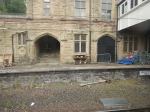
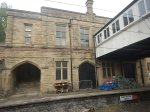
These picture shows part of the Costa coffee shop.
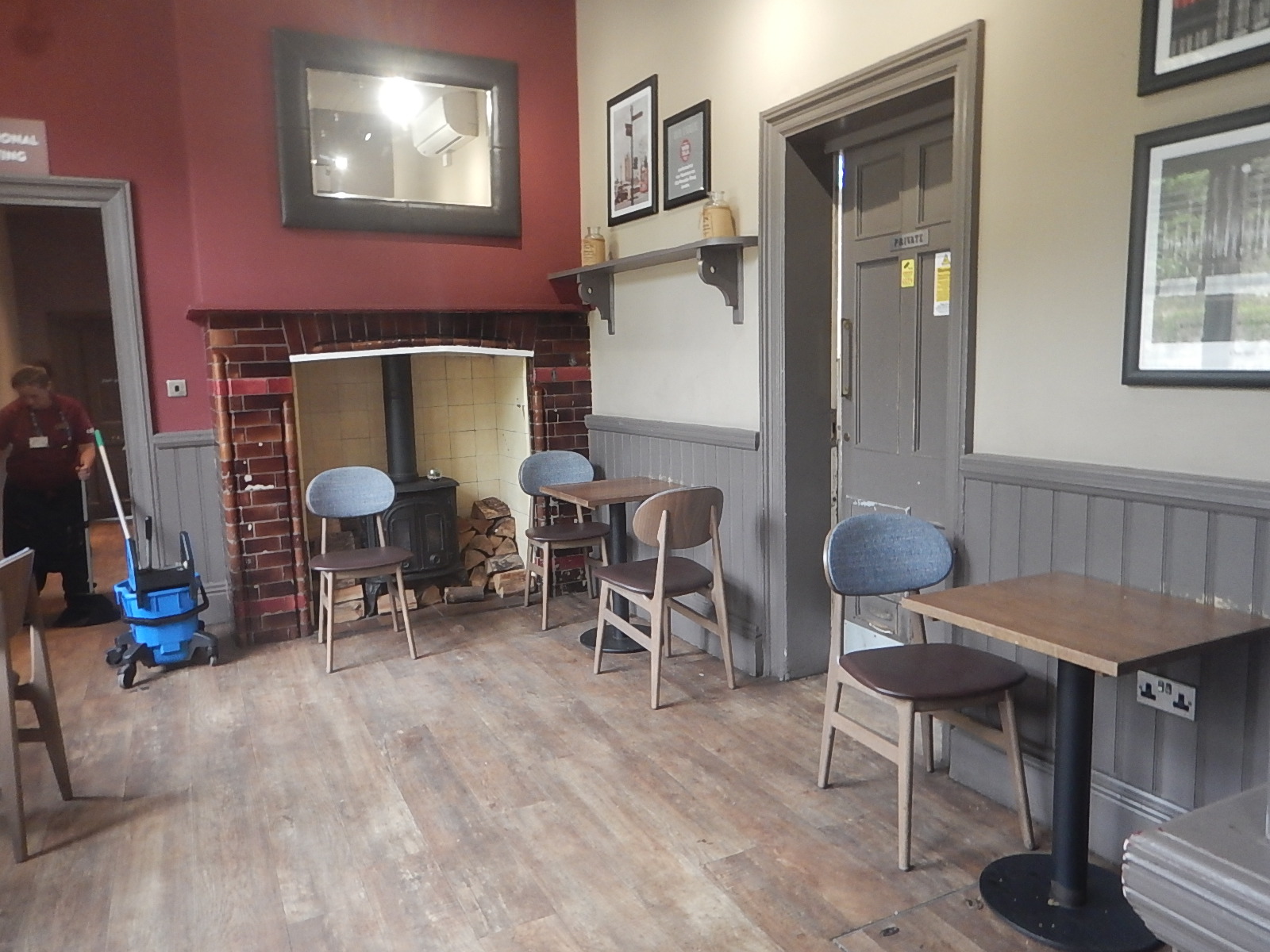
It was not what I expected.
Could High Speed Two Serve Chester And North Wales?
This diagram shows High Speed Two services, as they were originally envisaged before Phase 2 was discontinued.
Note.
- Trains to the left of the vertical black line are Phase 1 and those to the right are Phase 2.
- Full-Size trains are shown in blue.
- Classic-Compatible trains are shown in yellow.
- Blue circles are shown, where trains stop.
- The dotted circles are where trains split and join.
- In the red boxes routes alternate every hour.
Click on the diagram to enlarge it.
If I look at the trains counting from the left of the diagram, I see the following.
- Train 4 is a pair of Classic-Compatible trains, that split and join at Crewe, with one train going to Lancaster and the other to Liverpool Lime Street.
- Train 5 is a single Classic-Compatible train going to Liverpool Lime Street.
This gives Liverpool Lime Street two trains per hour (tph) and Lancaster one tph
Could train 5 be a a pair of Classic-Compatible trains, that split and join at Crewe, with one train going to Holyhead via Chester and the other to Liverpool Lime Street?
Consider.
- Yesterday, a pair of Class 805 trains, ran between Euston and Holyhead. Each Class 805 train is 130 metres long, so a pair of Class 805 trains is sixty metres longer than a High Speed Two Classic-Compatible train.
- I am certain, that a single High Speed Two Classic-Compatible train will fit the platforms between Crewe and Holyhead.
- Crewe and Holyhead is 105.5 miles and the route is not electrified.
- Crewe and Holyhead is double-track all the way except for the Britannia Bridge over the Menai Strait.
- With the exception of perhaps 2 to 3 miles, half the route between Crewe and Holyhead has a line speed of 90 mph. with the other half being 75 mph.
- Given the countryside and the number of important historic sites, electrification might be difficult, as the heritage Taliban will say no!
- It was promised by the last government that Crewe and Holyhead would be electrified, but I will assume it won’t be!
- Hitachi, who are part of the consortium building the High Speed Two Classic-Compatible trains have developed battery-electric high speed train technology, which is likely to be applied to the Current Class 805 trains, that work the route.
- Hitachi’s battery-electric high speed train technology can propel the trains at up to 125 mph, provided the track allows it.
I feel that Crewe and Holyhead can be developed into one of the most iconic high speed railways in the world, by using battery-electric high-speed trains. Tourists would come from all over the world, to experience mouse-quiet battery-electric trains.
High Speed Two should go for it!
These are some thoughts.
It Would Be A Green Route To Ireland
Consider.
The fastest direct Avanti service to Holyhead is scheduled to take three hours and forty-two minutes, with one hour and 46 minutes between Euston and Crewe, and one hour and fifty-seven minutes between Crewe and Holyhead.
- High Speed Two will knock thirty-four minutes off the time between Euston and Crewe, when the core route between Euston and Crewe is complete, which will reduce the time to three hours eight minutes, with with one hour and 12 minutes between Euston and Crewe, and one hour and fifty-seven minutes between Crewe and Holyhead.
- The Crewe and Holyhead section of the route would still take one hours and fifty-seven minutes, which is an average speed of just 54 mph, along the North Wales Coast.
- An overall time of three hours between Euston and Holyhead, would require an average speed along the North Wales coast, which would be an average speed of just 62 mph.
- The operating speed is an average of around 80 mph between Crewe and Holyhead, and would run the section of the route in 79 minutes, which would mean a Euston and Holyhead time of two hours and 31 minutes.
- A 100 mph average between Crewe and Holyhead, would run the section of the route in 63 minutes, which would mean a Euston and Holyhead time of of two hours and 15 minutes.
I believe that with track improvements, a more efficient stopping pattern and using Hitachi’s battery technology, that battery-electric High Speed Two Classic-Compatible trains could run between Euston and Holyhead in under two hours.
A fast ferry would complete the route between Holyhead and Dun Laoghaire.
Could More Than One Train Per Hour Be Sent To Chester And North Wales?
Consider.
- Because of the cancellation of Phase 2 of High Speed 2, there are spare paths on High Speed Two between London and the West Midlands.
- If the core section of High Speed Two is extended Northwards to Crewe, as advocated by Dyan Perry of the High Speed Rail Group, that I wrote about in The Future Of HS2 Could Lie In Its Original Vision, this would create extra paths to Crewe.
- If the West Midlands and Crewe section of the High Speed Two route has the same capacity as London Euston and the West Midlands it could handle seventeen tph.
- At present it looks like with the cancellation of Phase 2, the West Midlands and Crewe section will handle just ten tph.
, So there will be seven spare paths between Euston and Crewe!
In fact it will be better than that, as each train could be a pair of Classic-Compatible trains, that split and joined to serve two destinations.
Could A North Wales Service Call At Hawarden Airport?
Hawarden Airport is where Airbus build wings for their aircraft in the UK.This Google Map shows Hawarden Airport.
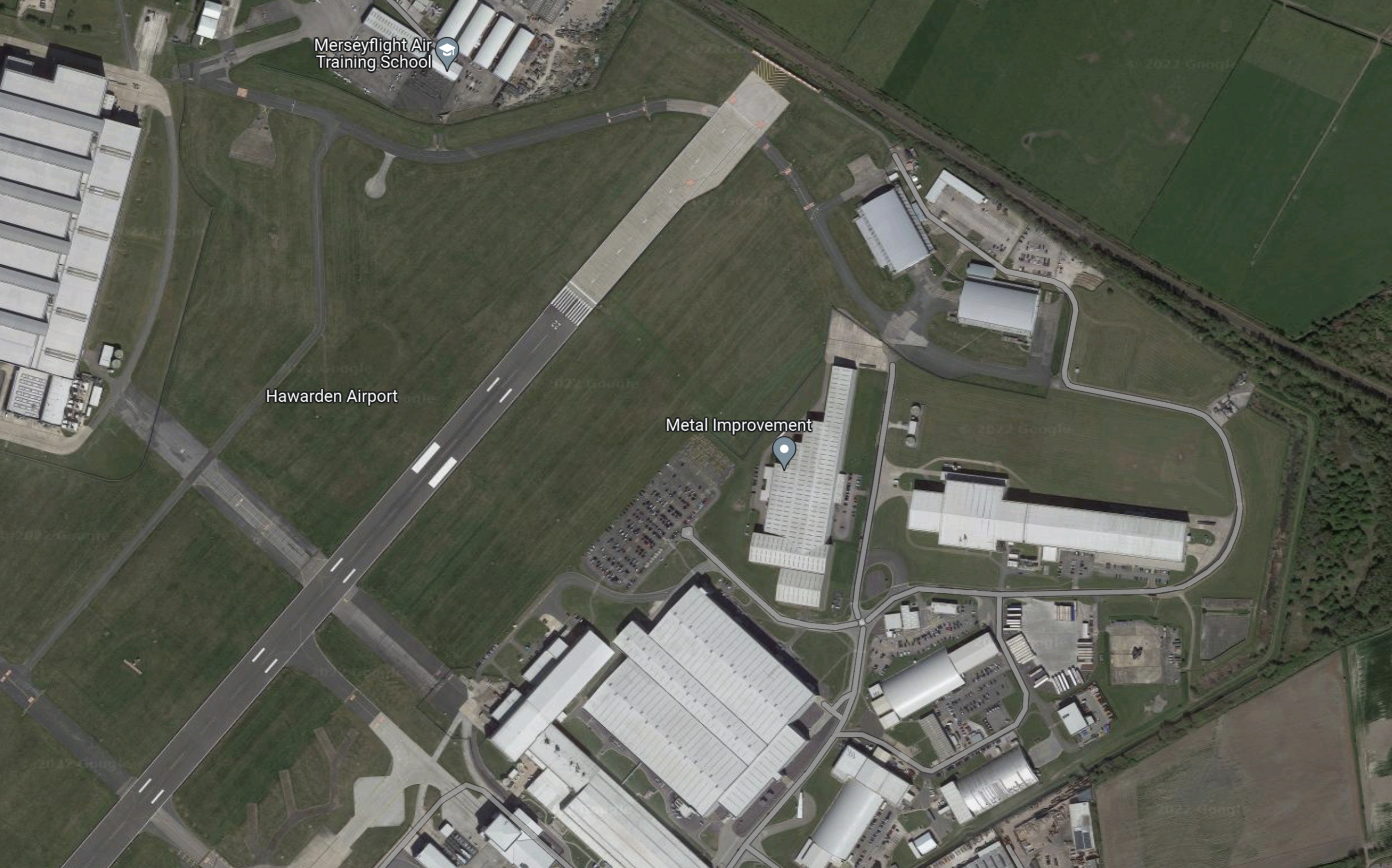
Note.
- The large runway.
- The various factory buildings.
- The North Wales Coast Line between Chester and Holyhead, runs along the North side of the Airport.
I doubt if Airbus wanted a station, it would be difficult to arrange.
Conclusion
Because of the vacant paths, it would appear that extra services to North Wales and North West England can be fitted in.
Could High Speed Two Serve Blackpool North?
Consider.
- Blackpool North station is electrified and will have an electrified route to London Euston HS2 and Birmingham Curzon Street stations, when High Speed Two opens.
- Yesterday, both 11-car and 9-car Class 390 trains, which are longer than single High Speed Two classic-compatible trains, used Blackpool North station.
- Blackpool is noted for fresh air and fun.
- Blackpool needs leveling-up. Surely High Speed Two will help with this?
- Blackpool has a unique Modern and Ancient tramway to bring residents and visitors to High Speed Two.
I am fairly sure, that single High Speed Two class-compatible trains could use Blackpool North station.
But could another High Speed Two service have a path between London and Preston to serve Blackpool?
Because of the cancellation of Phase 2 of High Speed 2, there are spare paths on High Speed Two between London and the West Midlands.
If the core section of High Speed Two is extended Northwards to Crewe, as advocated by Dyan Perry of the High Speed Rail Group, that I wrote about in The Future Of HS2 Could Lie In Its Original Vision, this would create extra paths to Crewe.
It looks to me, that the tricky part of the route is between Crewe and Preston.
This diagram shows High Speed Two services, as they were originally envisaged before Phase 2 was discontinued.
Note.
- Trains to the left of the vertical black line are Phase 1 and those to the right are Phase 2.
- Full-Size trains are shown in blue.
- Classic-Compatible trains are shown in yellow.
- Blue circles are shown, where trains stop.
- The dotted circles are where trains split and join.
- In the red boxes routes alternate every hour.
Click on the diagram to enlarge it.
Note that if Phase 1 were to be completed to Crewe, there would be five full-size and five classic-compatible trains using the West Midlands and Crewe section of the High Speed Two route, of which five trains would terminate at Manchester Piccadilly HS2 station and two classic-compatible trains would terminate at Liverpool Lime Street.
So just three Scottish trains and one to Lancaster would go North of Warrington Bank Quay station, which would be an average of one train every fifteen minutes.
High Speed Two will be fully digitally signalled and I’m sure that trains could run as flights of two or more trains, a couple of minutes apart.
This would mean that a London and Blackpool North service could run say two minutes behind one of the London and Scotland services to Preston
- Between London and the West Midlands, there would be twelve trains per hour (tph).
- Between the West Midlands and Crewe, there would be also be twelve tph.
- Between Crewe and Preston, there would be five tph.
I believe it would be possible for High Speed Two to run a London and Blackpool North service, provided that the London Euston to Crewe core of High Speed Two is completed soon after Phase 1 is completed.
It should also be noted, that I believe the second Scottish service from London could also have a flight with another service. So could Barrow or Blackburn have a High Speed Two service from London?
The Future Of HS2 Could Lie In Its Original Vision
The title of this post, is the same as that of this article on Railway Gazette.
This is the sub-heading.
High Speed 2 should be rescoped to run from London Euston to Crewe, taking advantage of the lessons learned and supply chain foundations established during Phase 1, says Dyan Perry, Chair of the High Speed Rail Group.
The article has been written by Dyan Perry, who knows her railways and especially high speed ones well.
These two first paragraphs introduce her arguments.
High Speed 2 stands at a defining crossroads. Phase 1 from Old Oak Common to Birmingham has the green light, and under the new leadership of HS2 Ltd CEO Mark Wild the project is undergoing a positive and much needed ’reset’. With around 31 000 jobs currently supported, more than 75% of tunnelling completed and construction underway on two-thirds of HS2’s viaducts, momentum is building again.
This fresh injection of energy is welcome after years of shifting goalposts and cuts to the project’s scope. However, while Phase I pushes ahead, the handbrake has been pulled on the next critical phases of the project: the route from the West Midlands to Crewe and Old Oak Common to London Euston.
In the short term, this may appear fiscally sensible. However, as with all infrastructure investments, the project and potential returns must be viewed through a long-term lens. After all, a half-built railway moulded by short-term decision-making risks squandering investment to date and losing billions of pounds of taxpayers’ money.
The High Speed Rail Group (HSRG) has these recommendations.
- A “Euston to Crewe” Core.
- West Midlands to Crewe must be given the go-ahead before the powers to do so run out. This would provide much needed capacity on the West Coast Main Line.
- Use the lessons learned on Phase 1 to build West Midlands to Crewe more effectively.
- Build a streamlined, cost effective station at Euston.
- HSRG believes a concession let for a London to Birmingham and Crewe railway line, one that takes learning from the High Speed One financing model, could generate between £7·5bn and £10bn in concession value, a significant return for taxpayers.
High Speed Two needs a cohesive long term plan.
I very much agree with what Dyan and the HSRG are saying.
I also have some related thoughts.
High Speed East Coast
I am a Control Engineer by training and I’ve felt for some time, that the some of the bottlenecks on the East Coast Main Line to the South of Doncaster could be solved by intelligent digital signalling.
I believe that the major cities of the North-East of England and Eastern Scotland would be best served by direct high speed trains from London on the East Coast Main Line. I also think, that such an approach would deliver similar times to High Speed Two via Birmingham.
North of York
Just as stations on the West Coast to the North of Crewe will be served by High Speed Two and the West Coast Main Line, stations North of York will be served by trains going up the East Coast Main Line.
The Element Of Competition
I said earlier, that if a 30-year concession were to be sold for the West Coast Main Line, it could raise between £7.5bn and £10bn.
So why not sell a concession for the East Coast Main Line?
A further benefit, is that competition between the two concessions and the budget airlines, might bring down timings and prices, just as competition did in the Railway Races of 1888 and 1895.
High Speed North Wales
I have believed for some time, that there is a need for a zero-carbon (green) route between London and Dublin and ultimately between the Channel Tunnel and Dublin.
The last Conservative government promised to electrify Crewe and Holyhead along the North Wales Coast.
This route could deliver passengers to Holyhead for a zero-carbon high speed catamaran to Dublin.
The EU would be a beneficiary and might like to help fund the route.
Is Wigan North Western Station Ready For High Speed Two?
This diagram shows High Speed Two services, as they were originally envisaged before Phase 2 was discontinued.
Note.
- Trains to the left of the vertical black line are Phase 1 and those to the right are Phase 2.
- Full-Size trains are shown in blue.
- Classic-Compatible trains are shown in yellow.
- Blue circles are shown, where trains stop.
- The dotted circles are where trains split and join.
- In the red boxes routes alternate every hour.
- Was Lancaster chosen as it’s close to the new Eden Project Morecambe?
Click on the diagram to enlarge it.
It would appear if High Speed Two sticks to this original pattern of services, then the following trains will go through Wigan North Western station.
- 200 metre single train – London Euston and Lancaster, which stops at Old Oak Common, Crewe, Warrington Bank Quay, Wigan North Western and Preston.
- 400 metre pair of trains – London Euston and Edinburgh Haymarket/Edinburgh Waverley/Glasgow Central, which stops at Old Oak Common, Preston, Carlisle.
- 400 metre pair of trains – London Euston and Edinburgh Haymarket/Edinburgh Waverley/Glasgow Central, which stops at Old Oak Common, Birmingham Interchange, Preston, Carlisle.
- 200 metre single train – Birmingham Curzon Street and Edinburgh Haymarket/Edinburgh Waverley or Motherwell/Glasgow Central, which stops at Wigan North Western, Preston, Lancaster, Carlisle and Lockerby and every two hours at Oxenholme and Penrith.
Note.
- Only single High Speed Two classic-compatible trains, stop in Wigan North Western station and they are only two hundred metres long.
- One train per hour (tph) terminates at Lancaster and a second tph terminates alternatively at Edinburgh Haymarket/Edinburgh Waverley or Glasgow Central.
- Four hundred metre long pairs of trains go through North Western station without stopping.
Currently Wigan North Western has 14 trains per day (tpd) stopping at the station, eleven of which go to Scotland and three to Blackpool.
This Google Map shows Wigan North Western station.
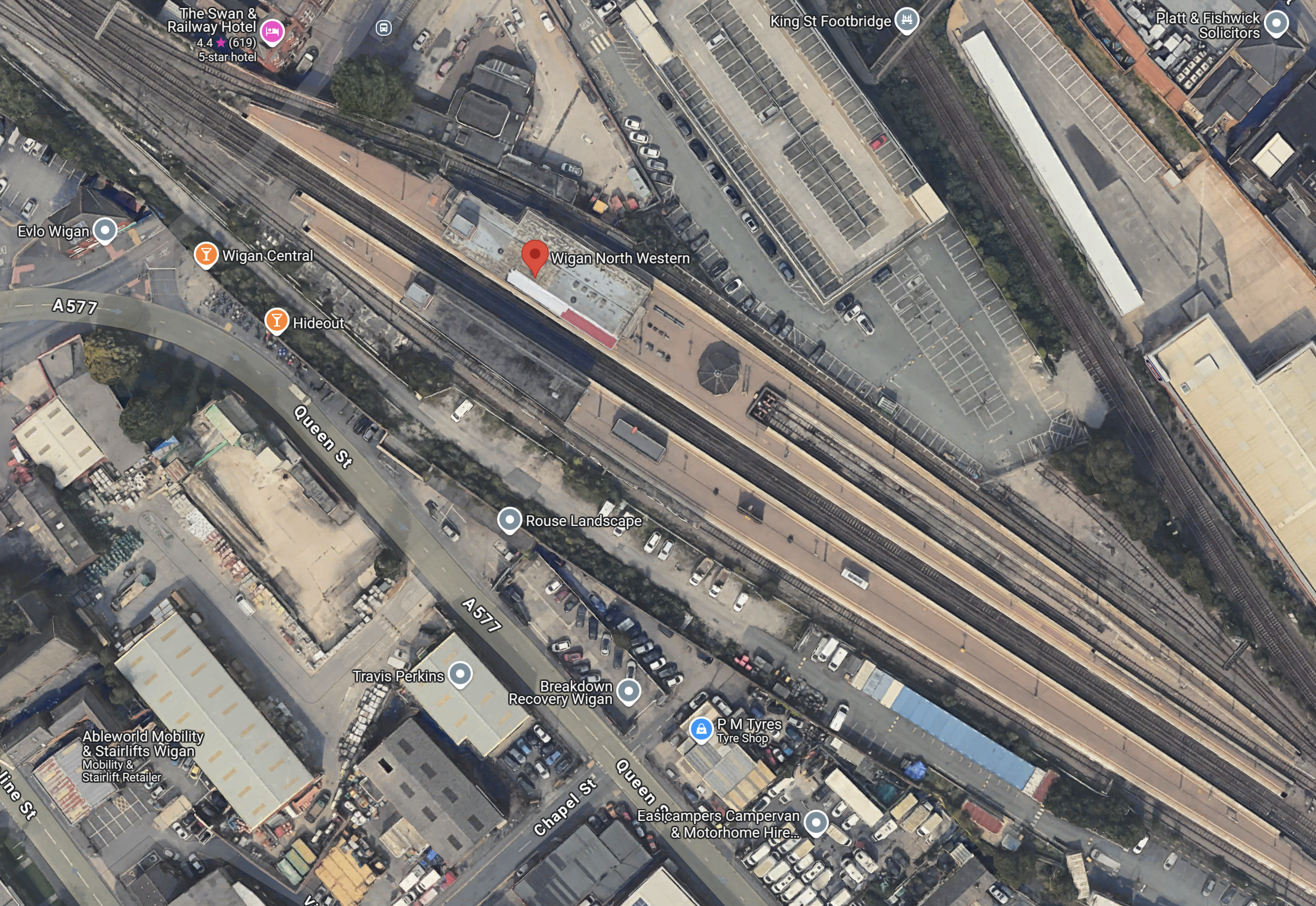
Note.
- The two long platforms in the middle of the station, where the Avanti trains stop.
- A long platform on the Southern side of the station used by local services to and from Liverpool and Blackpool.
- Three bay platforms on the Northern side of the station, one of which is unused, that handle local services to Manchester and beyond.
As the 265.3 metre long Class 390 trains can use the central platforms, High Speed Two classic-compatible trains will be able to use these platforms.
On my brief visit to the station yesterday, I took these pictures.
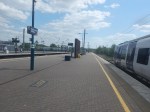
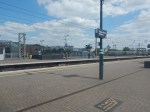
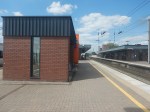
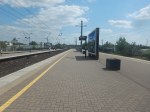
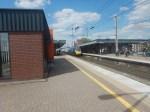
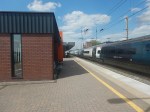
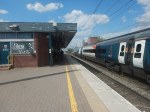
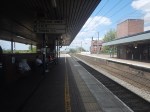
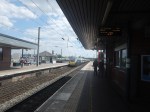
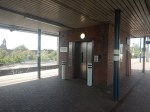
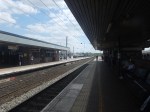
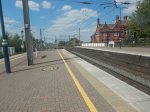
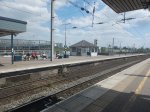
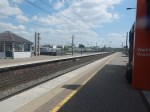
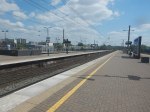
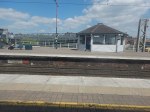
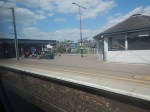
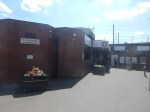

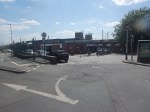
Note.
- All Class 390 trains are longer than High Speed Two classic-compatible trains, so the train in the pictures indicates that the High Speed Two trains will be able to stop at Wigan North Western station.
- The platforms are long and wide.
- The station is well-equipped with lifts, cafes, waiting rooms and some of the best toilets in a station in the North of England.
- Wigan Wallgate station is only a short walk away, with a selection of local services to Blackburn, Headbolt Lane, Manchester, Southport and a large proportion of Lancashire.
- The last two pictures were taken looking at the two stations from halfway.
- The shops between the two stations are a good selection and include a Morrisons Local.
I had been intending to go on to Preston, Lancaster and Morecambe, but a points failure at Preston meant that no trains were running.
Conclusion
The two Wigan stations and the buses that serve them, could be a good interchange for passengers to catch High Speed Two.
I feel that most of the work needed to be done at Wigan North Western to get the station ready for High Speed Two will mainly be cosmetic or technical upgrades like signalling. I can’t see any expensive or disruptive upgrades like platform lengthening being needed.
 The Anonymous Widower