Three New Step-Free Crossrail Stations – 15th June 2020
I first took a train from Paddington to Langley station, where I took these pictures.
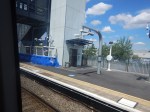


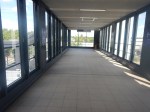


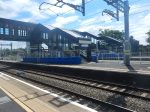
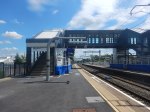
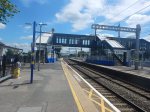
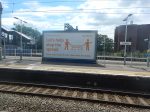


At Langley, I had eight minutes before I caught a train to Iver station, where I took these pictures.

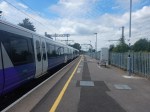


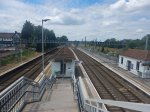


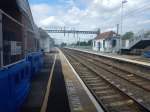


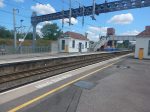
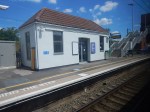
At Iver, I had fifteen minutes before I caught a train to Taplow station, where I took these pictures.



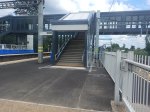


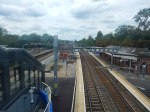


After Taplow, I took the train to West Drayton station, where I took these pictures.


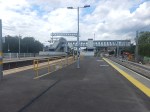
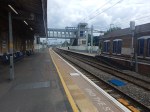
Note the extreme length of the new Platform 5. I can’t find any references to any proposed or possible services terminating at West Drayton, so is Platform 5 for emergency use, if there are problems on the Heathrow Branch and it allows the station to be used as an alternative for Heathrow.A bus would take you to the Airport!
Greater Manchester Illegal Raves: Man Dies, Woman Raped And Three Stabbed
The title of this post, is the same as that of this article on the BBC.
This is the introductory paragraph.
A 20-year-old man has died, a woman has been raped and three people have been stabbed during two illegal “quarantine raves” that attracted 6,000 people.
What the hell was going on?
There have been some exuberant parties in Hackney Marshes, but they didn’t appear to be the on the scale of the Mancunian troubles.
Last night on Stephen Nolan’s program, there was some very heated debate on what went on in Manchester. Some, who had been present, should have been arrested, if what they alleged they’d done was true.
If you look at total COVID-19 cases in London and the North West on June 15th, they are as follows.
- London 27, 330 – 306.8
- North-West 26,759 – 367
The second figure is a rate per 100,000 of the population. Although the Government data doesn’t give the legend on the chart! Poor presentation again from the Government statisticians!
I have been on public transport a lot in London and the behaviour of passengers seems to follow the rules. Especially, on the Overground, which seems to be busier than the buses and the Underground. Today on a trip out, everybody I saw on public transport was masked!
Grant Shapps Announcement On Friday
I listened to Grant Shapps announcement on Friday, when he gave the daily COVID-19 Press Conference.
This article on the Velocys web site is entitled Government Announces Jet Zero Council And Confirms Support For Velocys Waste-To-Jet-Fuel Project.
The article shows a video of the speech and this summary paragraph.
At this afternoon’s COVID-19 press conference, Secretary of State for Transport, Grant Shapps, announced the establishment of a new Jet Zero Council and confirmed Government support for Velocys.
So who are the company with the strange name of Velocys?
This is a quote from the Velocys CEO; Henrik Wareborn.
Today’s announcement on the formation of a Jet Zero Council shows that a new era of net zero carbon flying is on a credible path, at a time when we need it more than ever. This follows news earlier today that our Altalto waste-to-jet fuel facility – the first of its kind in the UK – has received additional funding from Government and formally received planning permission, meaning it could be producing sustainable aviation fuel in commercial scale by the middle of this decade.
Is a new era of net zero carbon flying a possibility or is this a dream too far?
The AltAlto Project
Yhe project is called AltAlto and it has its own web site.
It is backed by British Airways and Shell, and uses technology from Velocys.
This description of the project is on the home page.
Altalto turns household and commercial waste into clean-burning fuels with reduced greenhouse gas emissions for air and road transport.
A page called Technology describes how it is done.
This is the initial summary.
Our process can accept a wide variety of waste, while delivering a clean product. There are very limited emissions to atmosphere from the plant except water and carbon dioxide. Components of the waste which do not get turned into fuel, such as metals and stones, are recycled; a small amount of it (less than 3%) goes to landfill.
This diagram from the Velocys web site illustrates the process.
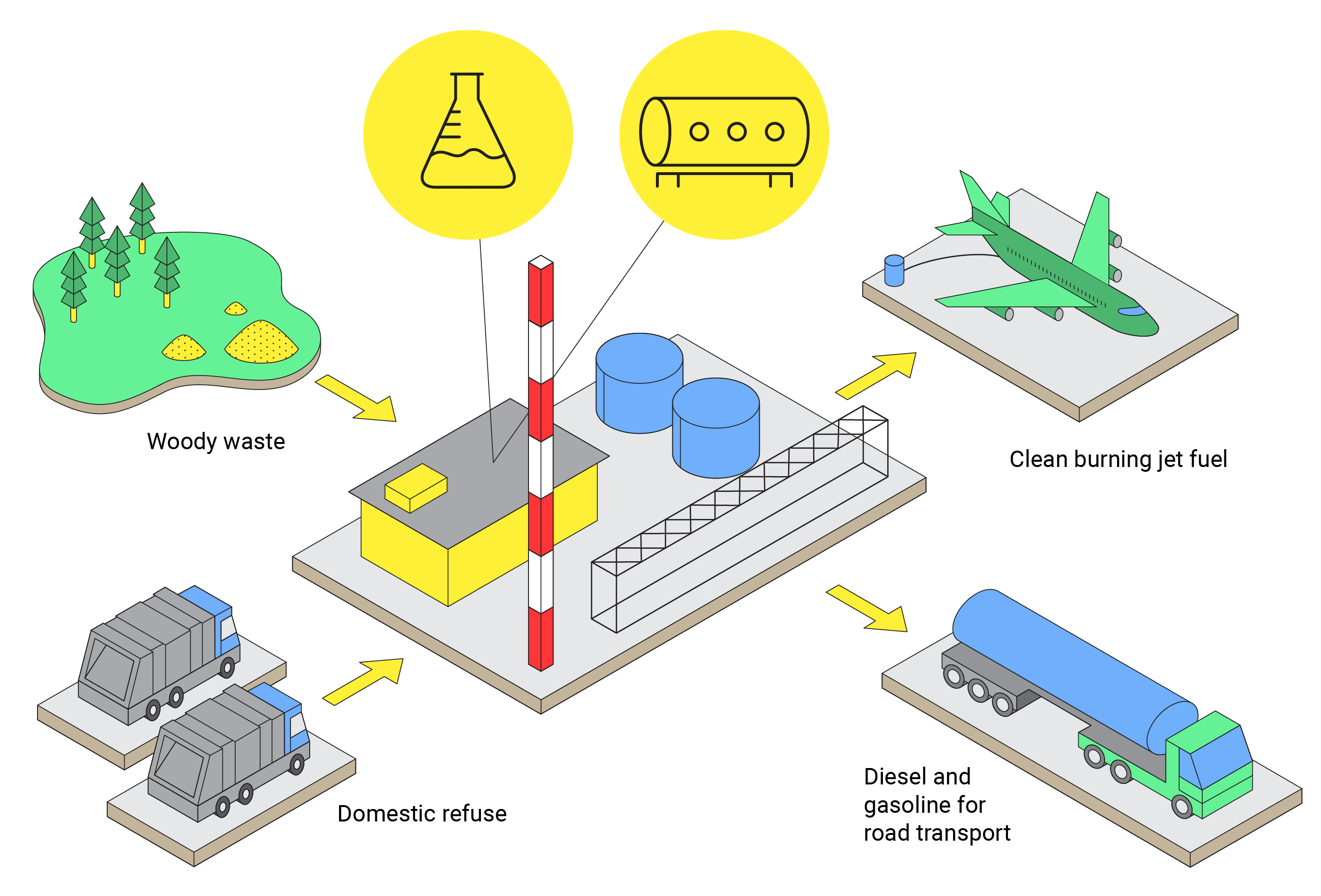
The then goes through the stages of the process.
- Stage 1 – Preparation – First the waste is treceived, sorted and prepared.
- Stage 2 – Gasification – Next the solid waste is gasified; heated to a high temperature to break it down and convert it into synthesis gas or syngas (carbon monoxide and hydrogen).
- Stage 3 – Synthesis – After cleaning, the syngas is used to synthesis hydrocarbons using the Fischer-Tropsch technology provided by Velocys.
- Stage 4 – Finishing – These hydrocarbons are then refined into the final products; renewable jet fuel (in the form of SPK) and naphtha.
They add this final summary.
The process is fundamentally different to incineration: instead of being burnt, the carbon in the waste is converted into a fuel for use in aircraft or vehicles.
There are many clean ways of making electricity, but it is really difficult to make sustainable jet fuel – this is one of the very few economic ways of doing so. It’s therefore a far better use of household waste than incineration, creating a much more valuable and environmentally beneficial product.
Could the process be considered a sophisticated waste incineration process, where the actual incineration is performed in the turbofan engine in the aircraft or the diesel engine in the truck to provide power?
I have a few questions.
What is Fischer-Tropsch Technology?
This is the first sentence for the Wikipedia entry for the Fischer-Tropsch Process.
The Fischer-Tropsch process is a collection of chemical reactions that converts a mixture of carbon monoxide and hydrogen into liquid hydrocarbons. These reactions occur in the presence of metal catalysts, typically at temperatures of 150-300 °C (302-572 °F) and pressures of one to several tens of atmospheres. The process was first developed by Franz Fischer and Hans Tropsch at the Kaiser-Wilhelm-Institut fur Kohlenforschung in Mulheim an der Ruhr, Germany, in 1925.
One of the companies involved in using the Fischer-Tropsch process is the South African company; Sasol. Wikipedia gives this summary about Sasol’s use of the process.
Another large scale implementation of Fischer-Tropsch technology is a series of plants operated by Sasol in South Africa, a country with large coal reserves, but little oil. The first commercial plant opened in 1952. Sasol uses coal and now natural gas as feedstocks and produces a variety of synthetic petroleum products, including most of the country’s diesel fuel.
The involvement with the apartheid regime in South Africa probably wasn’t the best of publicity for the process.
But have Oxford University and Velocys created a way of making net zero carbon aviation and diesel fuels?
What Is SPK?
SPK is Synthetic Paraffinic Kerosene and it is an aviation biofuel.
The Wikipedia entry for aviation biofuel has a sub-section called FT-SPK, where this is said.
The second route involves processing solid biomass using pyrolysis to produce pyrolysis oil or gasification to produce a syngas which is then processed into FT SPK (Fischer-Tropsch Synthetic Paraffinic Kerosene)
This sounds like the Velocys process.
What Are The Environmental Effects?
In the Wikipedia entry for aviation biofuel, there is a section called Environmental Effects. This is the first sentence.
A life cycle assessment by the Yale School of Forestry on jatropha, one source of potential biofuels, estimated using it could reduce greenhouse gas emissions by up to 85% if former agro-pastoral land is used, or increase emissions by up to 60% if natural woodland is converted to use. In addition, biofuels do not contain sulphur compounds and thus do not emit sulphur dioxide.
As Velocys produce their SPK from household waste, their fuel will have a different and more positive effect on greenhouse gas emissions.
This press release on the Velocys web site is entitled Plans Submitted For The First Waste To Jet Fuel Plant In The UK And Europe.
This is a paragraph.
The proposed plant will take hundreds of thousands of tonnes of household and commercial solid waste and turn it into clean burning sustainable aviation fuel, reducing net greenhouse gases by 70% compared to the fossil fuel equivalent – equal to taking up to 40,000 cars per year off the road.
Earlier, I quoted this about the process.
There are very limited emissions to atmosphere from the plant except water and carbon dioxide.
A lot depends on where the carbon dioxide is produced, but if it is produced by a well-designed process plant, it should be possible to capture it for storage.
There are also possibilities to reuse carbon-dioxide in the Fischer-Tropsch process.
Could Diesel Be Produced By The Process?
In the United States, Velocys are developing a project called Bayou Fuels.
This is said on the home page.
We are developing a plant in Mississippi that will create diesel fuel for road transportation in the U.S. It will process waste from the paper and lumber industries – woody biomass forest residue that would otherwise rot on the forest floor or contribute to forest fires.
It should be noted that this is said in the Wikipedia entry for the Port of Immingham.
In 2013 ABP began the development of the “Immingham Renewable Fuels Terminal” on the Humber International Terminal site, as part of a 15-year contract with Drax Power Station to supply biomass (wood pellet) to the powerplant. ABP’s total investment in biomass handling facilities, including installations at Hull and Goole was to be around £100 million.
As Velocys’s new plant will be at Immingham, close to the biomass port, I suspect the answer is yes.
Where Is The Plant Located?
This Google Map shows Immingham Port and the area to the South.
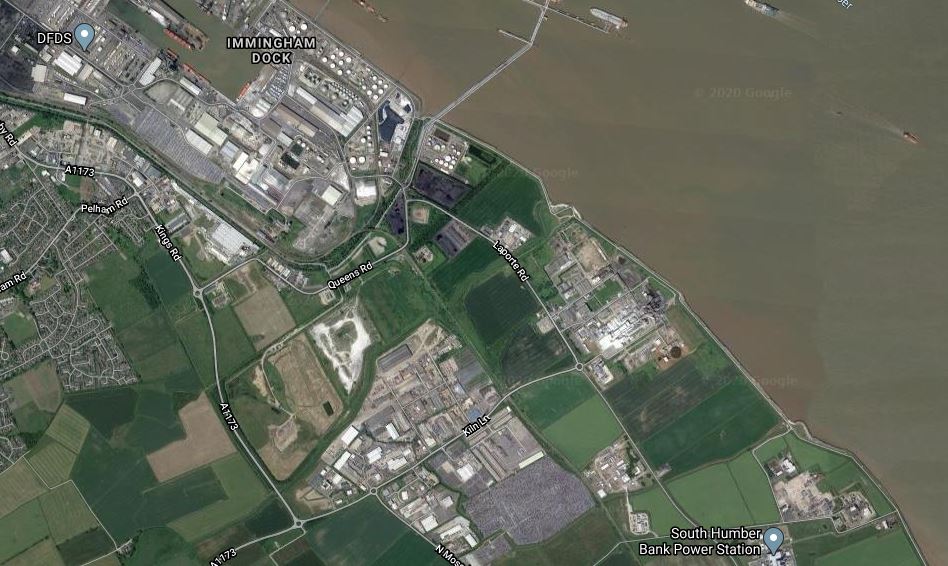
Note.
- Immingham Port is towards the North West corner of the map.
- South Humber Bank Power Station is towards the South East corner of the map.
It would appear that the Altalto plant, will be located on an 80 acre site between the port and the power station.
There would also appear from Google Maps that the Barton Line runs through the area, which would surely be handy for bringing in the waste and taking out the fuel.
This picture from the Altalto web site, shows a visualisation of the plant, looking North East.
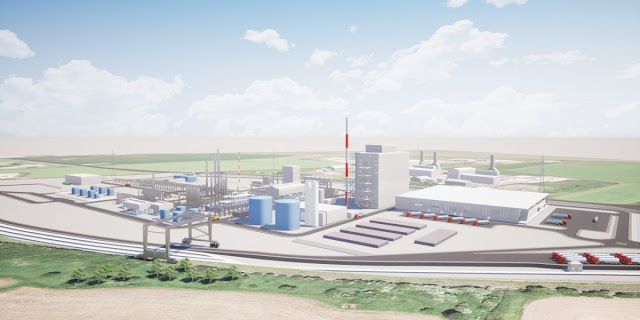
INote, what looks to be the railway, through the site in the foreground.
There are also a couple of informative videos, including one from the BBC, on this page of the Velocys web site.
t looks to be the ideal site.
How Much Fuel Will The Plant Produce?
According to the video on the web site, the plant will convert 500,000 tonnes of waste into 60,000,000 litres of fuel. I estimate that would be about 48,000 tonnes of jet fuel.
Could The Diesel Fuel Be Used To Decarbonise The Railways In The UK?
I believe that a substantial amount of the use of diesel on the UK’s railways will be cut by the use of battery and hydrogen power in multiple units and locomotives.
But some services like the heavy stone trains moving aggregates from the Mendips and the Peak District to London will be difficult to decarbonise, unless a locomotive manufacturer produces a hydrogen-powered locomotive with upwards of five megawatts of power. And that is a tough design challenge.
Low sulpur diesel produced from waste would be one way to reduce the carbon footprint.
Conclusion
It sounds a crazy idea to create aviation fuel and diesel from household waste!
Will It Work?
Consider.
- It appears that most of the technology used to produce this fuel has been around for decades.
- Sasol opened their first commercial plant in South Africa, using the Fischer-Tropsch process in 1952 and still use the technique today.
- Oxford University have added magic ingredients to the Fischer-Tropsch process.
- Velocys seem to have put in a lot of serious thought to get the Altalto project ticking all the right boxes.
The project could be late, but I feel it will deliver the main objective of converting household and commercial waste to jet fuel and diesel.
Splitting And Joining Of High Speed Two Trains
In Existing Stations Where High Speed Two Trains Will Call, I looked at how existing stations will need to be modified to handle the High Speed Two service pattern described in an article, which is entitled HS2 Minister Backs 18 tph Frequency, in the June 2020 Edition of Modern Railways.
The article states that splitting and joining of trains will take place at three stations; Carlisle, Crewe and East Midlands Hub.
To successfully split and join the pairs of 200 metre long High Speed Two trains, the following will be needed.
- 400 metre long platforms, that can handle the pair of trains.
- Excellent signage, so that passengers get into the right train and leave for the right destination.
- Efficient crew methods, so that drivers are in the correct cabs at the right time.
For many years trains at Cambridge and several places South of London have successfully split and joined.
This video shows two Class 395 trains coupling and uncoupling automatically.
It;s impressive and I suspect High Speed Two’s trains will be equally good or even better at this procedure.
Why Is Split And Join Needed For High Speed Two?
According to the Modern Railways article, the full High Speed Two service will be as follows in trains per hour (tph) and trains per two hours (tp2h)
- 1 tph – London Euston and Birmingham Curzon Street via Old Oak Common (OOC) – 400 metres
- 2 tph – London Euston and Birmingham Curzon Street via OOC and Birmingham Interchange – 400 metres
- 1 tph – London Euston and Lancaster via OOC, Crewe, Warrington Bank Quay, Wigan North Western and Preston – London Euston and Liverpool Lime Street via OOC, Crewe and Runcorn – 200+200 metres with Split/Join at Crewe
- 1 tph – London Euston and Liverpool Lime Street via OOC, Crewe and Runcorn – 200 metres
- 1 tph – London Euston and Macclesfield via OOC, Stafford and Stoke-on-Trent – 200 metres
- 1 tph – London Euston and Manchester Piccadilly via OOC, Birmingham Interchange and Manchester Airport – 400 metres
- 2 tph – London Euston and Manchester Piccadilly via OOC and Manchester Airport – 400 metres
- 1 tph – London Euston and Edinburgh Waverley via OOC, Preston, Carlisle and Edinburgh Haymarket – London Euston and Glasgow Central via OOC, Preston and Carlisle – 200 +200 metres with Split/Join at Carlisle
- 1 tph – London Euston and Edinburgh Waverley via OOC, Birmingham Interchange, Preston, Carlisle and Edinburgh Haymarket – London Euston and Glasgow Central via OOC, Preston and Carlisle – 200 +200 metres with Split/Join at Carlisle
- 1 tp2h – Birmingham Curzon Street and Edinburgh Waverley via Wigan North Western, Preston, Lancaster, Oxenholme, Penrith and Edinburgh Haymarket – 200 metres
- 1 tp2h – Birmingham Curzon Street and Glasgow Central via Wigan North Western, Preston, Lancaster, Oxenholme, Penrith, Lockerbie and Motherwell – 200 metres
- 2 tph – Birmingham Curzon Street and Manchester Piccadilly via Manchester Airport – 200 metres
- 2 tph – Birmingham Curzon Street and Leeds via East Midlands Hub – 200 metres
- 1 tph – Birmingham Curzon Street and Newcastle via East Midlands Hub, Darlington and Durham – 200 metres
- 1 tph – London Euston and Sheffield via OOC and East Midlands Hub – London Euston and Leeds via OOC and East Midlands Hub – 200 + 200 metres with Split/Join at East Midlands Hub
- 1 tph – London Euston and Leeds via OOC and East Midlands Hub – 400 metres
- 1 tph – London Euston and Leeds via OOC, Birmingham Interchange and East Midlands Hub – 400 metres
- 1 tph – London Euston and Sheffield via OOC, East Midlands Hub and Chesterfield – London Euston and York via OOC and East Midlands Hub – 200 + 200 metres with Split/Join at East Midlands Hub
- 1tph – London Euston and Newcastle via OOC and York – 200 metres
- 1 tph – London Euston and Newcastle via OOC, York and Darlington – 200 metres
Note.
- Trains 10 and 11 share the same path in alternate hours.
- Birmingham Curzon Street is effectively a second Southern terminus.
- Seventeen tph leave London Euston and Old Oak Common for the North, of which eight are 400 metre trains, five are a pair of 200 metre trains and four are 200 metre trains.
As the five pairs of 200 metre trains Split/Join en route, this effectively means, that London Euston is served by twenty-two tph.
It would appear that Split/Join is important, as it allows the same number of train paths between London Euston and the North to support more services.
Could Any Other Trains Be Split And Joined?
I don’t see why not!
There are eight tph going North from London Euston and Old Oak Common, that are 400 metre long trains that don’t Split/Join
- 3 tph – Birmingham Curzon Street
- 2 tph – Leeds
- 3 tph – Manchester Piccadilly
Note.
- Each 400 metre train would appear to have a capacity of around 1,100 passengers.
- Leeds is also served by another 200 metre train from London.
Effectively, this gives the following passenger capacities between London and the three major cities.
- Birmingham – 3,300
- Leeds – 2,750
- Manchester – 3,300
If these capacities have been carefully predicted, performing a Split/Join on these trains might cause a shortage of capacity.
There are four single 200 metre trains, that could be doubled up for their run to the North.
- London Euston and Liverpool Lime Street via OOC, Crewe and Runcorn
- London Euston and Macclesfield via OOC, Stafford and Stoke-on-Trent
- London Euston and Newcastle via OOC and York
- London Euston and Newcastle via OOC, York and Darlington
In theory, these four trains could be doubled to provide extra services.
But there are two problems.
Where Would The Trains Split and Join?
- Train 1 could Split/Join at Crewe.
- Train 2 could Split/Join at Stafford, if the platforms were lengthened to accept a pair of 200 metre trains.
- Trains 3 and 4 would need to stop at East Midlands Hub to Split/Join
It would appear that four extra trains could be run into London Euston, by running all single trains as pairs.
Where Would The Extra Services Terminate?
There are possibilities on the Western leg of High Speed Two.
- An extra train for Liverpool Lime Street
- An extra train for Lancaster
- A direct train for the current Manchester Piccadilly via Wilmslow and Stockport
- A direct train for Blackpool
But the Eastern leg of High Speed Two is more of a problem.
- An extra train for Sheffield
- A direct train for Hull.
Hull could be served via a new junction between High Speed Two and the Hull-Leeds Line to the North-West of Garforth or perhaps by extending a service from Sheffield.
Could Any Services North From Birmingham Curzon Street Be Split And Joined?
These 200 metre services go North from Birmingham Curzon Street station.
- 1 tp2h – Birmingham Curzon Street and Edinburgh Waverley via Wigan North Western, Preston, Lancaster, Oxenholme, Penrith and Edinburgh Haymarket
- 1 tp2h – Birmingham Curzon Street and Glasgow Central via Wigan North Western, Preston, Lancaster, Oxenholme, Penrith, Lockerbie and Motherwell
- 2 tph – Birmingham Curzon Street and Manchester Piccadilly via Manchester Airport
- 2 tph – Birmingham Curzon Street and Leeds via East Midlands Hub
- 1 tph – Birmingham Curzon Street and Newcastle via East Midlands Hub, Darlington and Durham.
Note that trains 1 and 2 share the same path in alternate hours.
There may be scope to double up some of these trains, to serve extra destinations in the North from Birmingham Curzon Street.
Conclusion
Split/Join is a powerful tool to increase the number of services without spending a fortune on new infrastructure.
Are The Class 387 Trains For Heathrow Express Ready To Roll?
These pictures show the refurbished Class 387 trains, that will be used by Heathrow Express.


They will replace Class 332 trains.
Are they ready to roll? I hope they are not going to cover. what I think is an attractive livery, with hideous advertising!
West Ealing Station – 12th June 2020
I took these pictures from a passing train of West Ealing station.
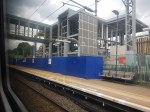
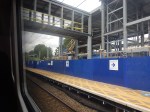


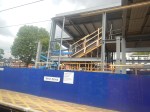
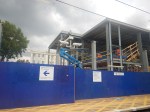


It looks like it will be a lot of steel and glass.
Nothing seems to have been said about improving the trains on the Greenford Branch.
Underneath A Class 800 Train
As I came into Paddington, there was a Class 800 train in an adjoining platform, with nothing in between.
So I took these pictures of the rows of neat cupboards underneath the train.
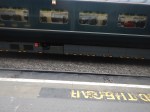
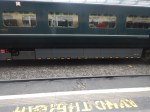

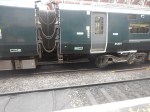
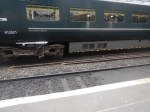
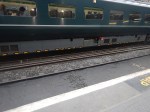
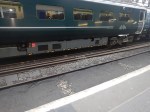
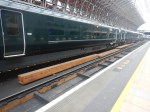
Are all of these boxes crammed full of diesel engines and electrical gubbins? Or is there space for batteries in a few empty boxes?
The underneath of the train and the boxes are all very tidy! Is that Japanese style?
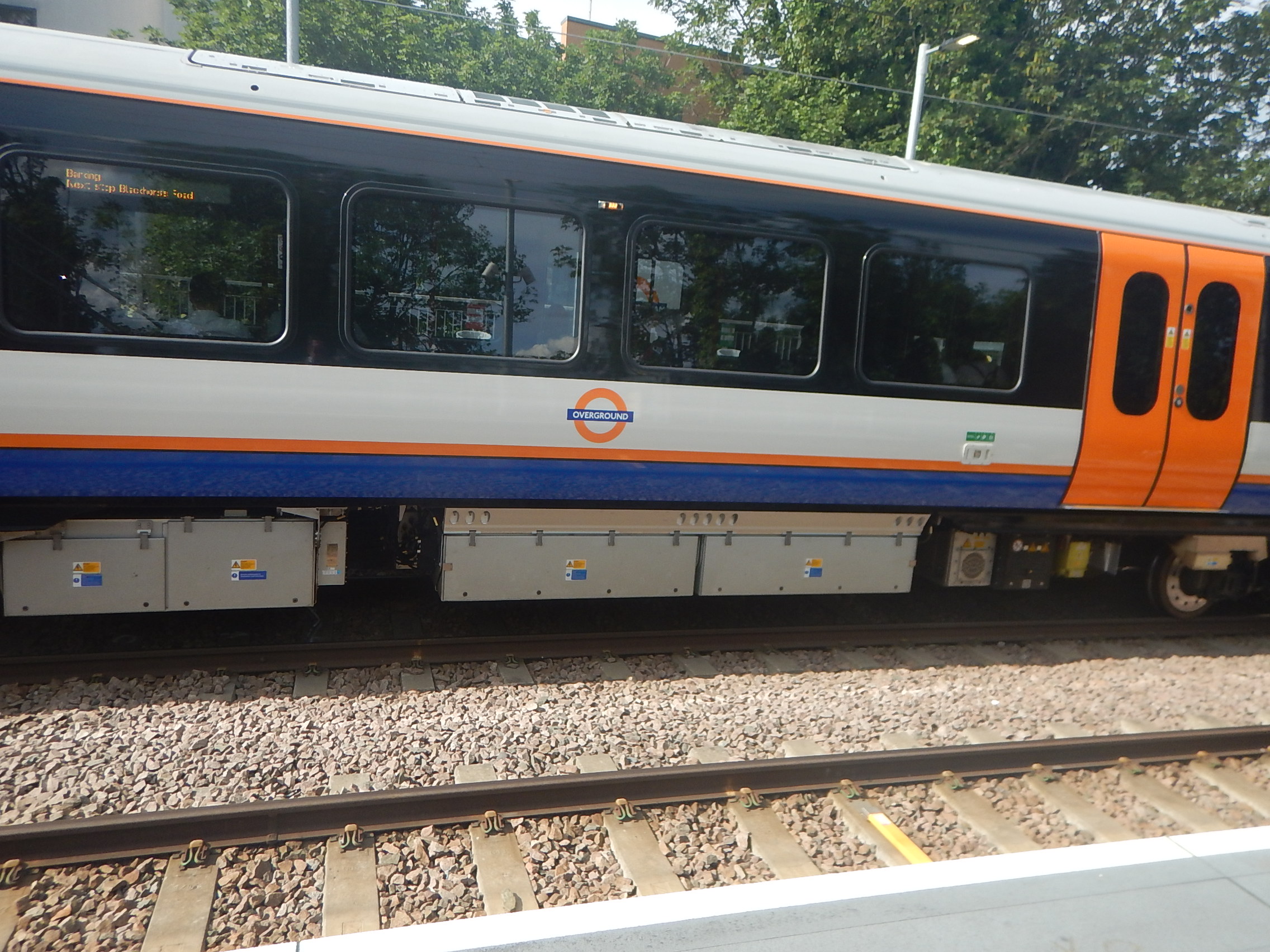
This picture of a Class 710 train has boxes, but they are not as neat!
Hanwell Station – 12th June 2020
These pictures show the current state of Hanwell station.




Note.
- Two lifts have now been installed to Platforms 1/2 and 3.
- The station is a Grade II Listed building.
- In Will Crossrail Open To Reading in 2019?, I worked it out that Hanwell station, will have a train every ten minutes all day.
Compare the pictures with these I took in 2014 and posted in Before Crossrail – Hanwell.
Existing Stations Where High Speed Two Trains Will Call
The June 2020 Edition Of Modern Railways has an article called HS2 Minister Backs 18 tph Frequency, which gives a detailed diagram of the route structure of High Speed Two and it is possible to summarise the stations, where High Speed Two trains will call.
- Carlisle – 3 tph – 400 metres – Split/Join
- Chesterfield – 1 tph – 200 metres
- Crewe – 2 tph – 400 metres – Split/Join
- Darlington – 2 tph – 200 metres
- Durham – 1 tph – 200 metres
- East Midlands Hub HS2 – 7 tph – 400 metres – Split/Join
- Edinburgh Haymarket – 2.5 tph – 200 metres
- Edinburgh Waverley – 2.5 tph – 200 metres – Terminal
- Glasgow Central – 2.5 tph – 200 metres – Terminal
- Lancaster – 2 tph – 200 metres – Terminal
- Leeds HS2 – 5 tph – 400 metres
- Liverpool Lime Street – 2 tph – 200 metres – Terminal
- Lockerbie – 1 tph – 200 metres
- Macclesfield – 1 tph – 200 metres – Terminal
- Manchester Airport HS2 – 5 tph – 400 metres
- Manchester Piccadilly HS2 – 5 tph – 400 metres
- Motherwell – 0.5 tph – 200 metres
- Newcastle – 3 tph – 200 metres – Terminal
- Oxenholme – 0.5 tph – 200 metres
- Penrith – 0.5n tph – 200 metres
- Preston – 4 tph – 400 metres
- Runcorn – 2 tph – 200 metres
- Sheffield – 2 tph – 200 metres
- Stafford – 1 tph – 200 metres
- Stoke-on-Trent – 1 tph – 200 metres
- Warrington Bank Quay – 1 tph – 200 metres
- Wigan North Western – 1 tph – 200 metres
- York – 4 tph – 200 metres
Note.
- HS2 after the station name indicates a new station for High Speed Two
- tph is trains per hour
- 0.5 tph is one train per two hours (tp2h).
- 200/400 metres is the maximum length of trains that will call.
- Terminal indicates that trains will terminate at these stations.
- Split/Join indicates that trains will split and join at these stations.
These are more detailed thoughts on how existing stations will need to be modified.
Train Lengths
Before, I look at the individual stations, I’ll look at the train lengths.
- High Speed Two train – Single – 200 metres
- High Speed Two train – Pair – 400 metres
- Class 390 train – 11-car – 265.3 metres
- Class 390 train – 9-car – 217.5 metres
- Class 807 train – 7-car – 182 metres
- Class 810 train – 5-car – 120 metres
- Class 810 train – Pair of 5-car – 240 metres
- InterCity 125 – 2+8 – 220 metres
- InterCity 225 – 9-car – 245 metres
- Class 222 train – 4-car – 93.34 metres
- Class 222 train – 5-car – 116.16 metres
- Class 222 train – 7-car – 161.8 metres
- Class 222 train – 4-car+5-car – 209.5 metres
- Class 222 train – 5-car+5-car – 232.32 metres
These are the thoughts on the individual stations.
Carlisle
Carlisle station will need two 400 metre through platforms, so each can accommodate a pair of 200 metre trains.
This Google Map shows the station.

I estimate the platforms are about 380 metres, but it looks like, they could be lengthened, without too much difficulty.
As High Speed Two trains to the North of Carlisle will be 200 metres long, there would probably be no need for platform lengthening North of Carlisle, as these trains are shorter than the Class 390 trains, that currently work the routes to Edinburgh and Glasgow.
Carlisle station is step-free, has good secondary rail connections and is within walking distance of the city centre.
The only thing it needs, is a connection to Edinburgh on a rebuilt Borders Railway.
Chesterfield
Consider.
- Chesterfield station will need to handle 200 metre trains.
- Chesterfield station may be rebuilt for High Speed Two.
- Chesterfield station can handle an InterCity 125, which is 220 metres.
- It will need to handle a pair of Class 810 trains, which would be 240 metres.
This Google Map shows Chesterfield station.
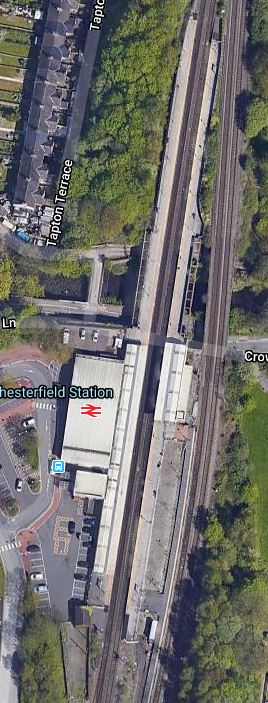
Note.
- The slow lines passing the station on the Eastern side.
- There are two long through platforms and a third bi-directional platform on the down slow line.
There is space to build two long platforms for High Speed Two, but is it worth it, when one one tph will stop?
- According to High Speed Two’s Journey Time Calculator, trains will take just twelve minutes between Sheffield and Chesterfield stations.
- This compares with 12-15 minutes for the current diesel trains.
- The distance between the two stations is 14 miles, which means that a twelve minute trip has an average speed of 70 mph.
- If there are still two tph to St. Pancras, there will be four tph, that run fast between the Sheffield and Chesterfield stations, of which three will stop at Chesterfield.
I think this could result in a simple and efficient design for the tracks between Sheffield and South of Clay Cross, where High Speed Two joins the Erewash Valley Line.
Chesterfield station is step-free.
Crewe
Crewe station will need two 400 metre through platforms, so each can accommodate a pair of 200 metre trains.
This Google Map shows the station.

There have been references to rebuilding of Crewe stations, but it does appear that some platforms are over 300 metres long.
Darlington
Darlington station will need to accommodate 200 metre trains.
As it already accommodates 245 metre InterCity 225 trains, there shouldn’t be too much of a problem.
Durham
Durham station will need to accommodate 200 metre trains.
As it already accommodates 245 metre InterCity 225 trains, there shouldn’t be too much of a problem.
Edinburgh Haymarket
Edinburgh Haymarket station will need to accommodate 200 metre trains.
As it already accommodates 245 metre InterCity 225 trains, there shouldn’t be too much of a problem.
Edinburgh Waverley
Edinburgh Waverley station will need to accommodate 200 metre trains.
As it already accommodates 245 metre InterCity 225 trains, there shouldn’t be too much of a problem.
Glasgow Central
Glasgow Central station will need to accommodate 200 metre trains.
As it already accommodates 265 metre Class 390 trains, there shouldn’t be too much of a problem.
Currently, Avanti West Coast runs the following services to Glasgow Central.
- One tph from London Euston calling at Warrington Bank Quay, Wigan North Western, Preston, Lancaster, Oxenholme Lake District (1tp2h), Penrith (1tp2h) and Carlisle.
- One tp2h from London Euston calling at Milton Keynes Central, Coventry, Birmingham International, Birmingham New Street, Sandwell and Dudley, Wolverhampton, Crewe, Warrington Bank Quay, Wigan North Western, Preston, Lancaster, Oxenholme Lake District (1tp2h), Penrith (1tp2h) and Carlisle.
High Speed Two is proposing to run the following trains to Glasgow Central.
- Two tph from London Euston calling at Old Oak Common, Preston and Carlisle.
- One tp2h from Birmingham Curzon Street calling at Wigan North Western, Preston, Lancaster, Oxenholme (1tp2h), Penrith (1tp2h), Carlisle, Lockerbie and Motherwell (1tp2h)
If the current services to Glasgow Central were to be replaced by the High Speed Two services, most travellers would get a similar or better service.
But if Avanti West Coast decide to drop their classic services to Glasgow via Birmingham, will travellers starting between Milton Keynes and Crewe, be a bit miffed to lose their direct services to Glasgow?
Glasgow Central station would appear to be ready for High Speed Two.
Lancaster
I was initially surprised, that on High Speed Two, one tph would terminate at Lancaster station.
This Google Map shows the station.
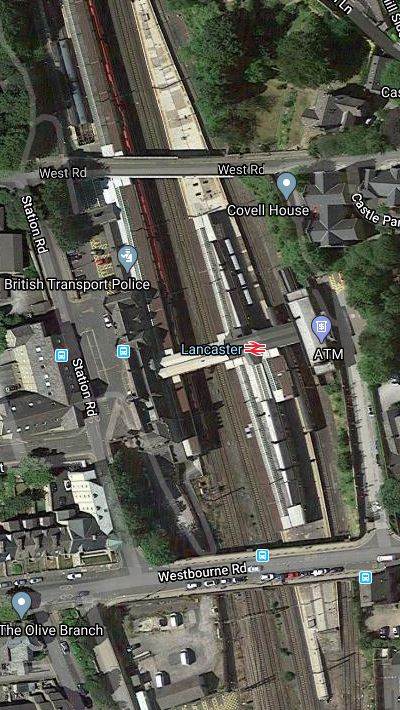
Note.
- There are two bypass lines without any platforms on the Western side of the tracks, where trains can speed through.
- The station has five platforms.
- Some Avanti West Coast services terminate at Lancaster station.
- 265 metre, eleven-car Class 390 trains, stop in Lancaster station.
As High Speed Two services will use 200 metre trains, which are shorter than all Class 390 trains, I would suspect that High Speed Two services will be able to be turned at Lancaster station, without too much difficulty.
Liverpool Lime Street
Liverpool Lime Street station will need to be able to turn two 200 metre High Speed Two tph.
- The remodelling of the station in 2018, probably allowed for two tph between London Euston and Liverpool Lime Street station.
- From 2022-2023, it will be turning two Class 807 trains per hour, which will probably be 182 metres long.
Liverpool Lime Street station may well be ready for Phase One of High Speed Two. It’s also very much step-free.
There are also alternative plans for a new High Speed station in Liverpool.
- It would be alongside the current Liverpool Lime Street station.
- The station would have a route to High Speed Two at Crewe via Warrington and a junction at High Legh.
- Northern Powerhouse Rail would start in the station and go to Manchester via Warrington, High Legh and Manchester Airport.
- It would enable six tph between Liverpool and Manchester, in a time of just 26 minutes.
I talked about this plan in Changes Signalled For HS2 Route In North, where I included this map.

High Legh Junction is numbered 5 and 6.
Nothing published about High Speed Two, would appear to rule this plan out.
Lockerbie
Lockerbie station will need to accommodate 200 metre trains.
As it already accommodates 265 metre Class 390 trains, there shouldn’t be too much of a problem.
Macclesfield
I was initially surprised, that on High Speed Two, one tph would terminal at Macclesfield station.
This Google Map shows the station.

Wikipedia says this about the platforms in the station.
There are three platforms but only two are in regular use, the up platform for services to Manchester and the down platform to Stoke-on-Trent and Birmingham. Platform 3 sees a small number of services. Evidence of a fourth platform can be seen, on which a Network Rail building now exists.
As the station has a regular Avanti West Coast service every hour, the platforms must be over 200 metres long and they will be long enough for the 200 metre High Speed Two trains.
So why would High Speed Two want to terminate a train at Macclesfield, rather than at Manchester Piccadilly as they do now?
Currently, Avanti West Coast runs these services between London Euston and Manchester Piccadilly.
- One tph via Milton Keynes Central, Stoke-on-Trent and Stockport.
- One tph via Stoke-on-Trent, Macclesfield and Stockport
- One tph via Stafford, Crewe, Wilmslow and Stockport
The diagram in the Modern Railways article shows these High Speed Two services to Manchester Piccadilly.
- One tph from London Euston via Old Oak Common, Birmingham Interchange and Manchester Airport
- Two tph from London Euston via Old Oak Common and Manchester Airport
- Two tph from Birmingham Curzon Street via Manchester Airport.
Note.
- None of these five tph serve Macclesfield, Milton Keynes Central, Stockport, Stoke-on-Trent or Wilmslow.
- All five proposed services are shown to call at Manchester Airport.
- It is likely, that a tunnel will be bored between Manchester Airport and Manchester Piccadilly stations.
- The High Speed Two station at Manchester Piccadilly might even be in a tunnel under the current Manchester Piccadilly station or central Manchester.
- A below-ground High Speed Two station for Manchester could also serve Northern Powerhouse Rail services to Leeds and the East.
- According to the plans, I talked about under Liverpool Lime Street earlier, there could also be up to six tph running between Liverpool and Manchester via Manchester Airport, as part of Northern Powerhouse Rail.
Plans need to be developed to serve the towns and cities, that will not be served by High Speed Two’s current proposals.
- It appears Stafford, Stoke-on-Trent and Macclesfield will be served by an independent High Speed Two service from London Euston.
- Terminating one tph at Macclesfield station doesn’t appear to be challenging.
- A rail route between Macclesfield and Manchester Airport to link up with the proposed tunnel could be very difficult.
- Manchester Piccadilly and Macclesfield stations have a frequent rail connection, with most trains calling at Stockport station.
- Perhaps during construction work for High Speed Two in the centre of Manchester, Macclesfield station can be used as an alternative route into the city, using the existing Manchester Piccadilly station.
The London Euston and Macclesfield service via Stafford and Stoke-on-Trent could be a pragmatic solution to part of the problem, but what about Milton Keynes, Wilmslow and Stockport?
According to the title of the Modern Railways article, High Speed Two will have a maximum frequency of 18 tph.
When fully-developed, the current proposed timetable shows the following.
- A frequency of 17 tph between London Euston and Birmingham Interchange stations.
- A frequency of 11 tph between Birmingham and Crewe.
- A frequency of 9 tph through East Midlands Hub station.
It would appear that if there is a capacity bottleneck, it is between London and Birmingham.
However if classic services to Manchester Piccadilly are replaced by the High Speed Two services to the city via the new tunnel from Manchester Airport to a new station in the City Centre, there will be spare capacity on the Crewe and Manchester Piccadilly route via Wilmslow and Stockport stations.
This could lead to a number of solutions.
- A direct High Speed Two service runs using the spare path, between London and the current Manchester Piccadilly station.
- Similar to the previous service, but the service splits and joins at Crewe, with one individual train going to Manchester Piccadilly and the other somewhere else. Blackpool?
- One service between London and Liverpool is planned to split and join at Crewe with individual trains going to Lancaster and Liverpool. The other Liverpool service could split at Crewe with individual trains going to Liverpool and Manchester Piccadilly.
- The service between London and Macclesfield is run by a pair of trains, that split at Birmingham Interchange, with individual trains going to Macclesfield and Manchester Piccadilly. The advantage of this service, is that if you got into the wrong train, you’d still be going to roughly the same destination.
- Wikipedia says “At peak times, the current Avanti West Coast services may additionally call at one or more of: Watford Junction, Rugby, Nuneaton, Tamworth, Lichfield Trent Valley.” So why not run classic services on the West Coast Main Line between Euston and Manchester Piccadilly via Milton Keynes using suitably fast trains. Perhaps, the new Class 807 trains would be ideal.
Note.
- All services serving the current Manchester Piccadilly station would call at Crewe, Wilmslow and Stockport stations.
- Passengers going to or from Manchester Airport would change at Crewe.
The more I look at Macclesfield, the more I like using it as a High Speed Two destination.
Motherwell
Motherwell station will need to accommodate 200 metre trains.
As it already accommodates 265 metre Class 390 trains, there shouldn’t be too much of a problem.
Newcastle
Newcastle station will need to accommodate 200 metre trains.
As it already accommodates 245 metre InterCity 225 trains, there shouldn’t be too much of a problem.
Oxenholme
Oxenholme station will need to accommodate 200 metre trains.
As it already accommodates 265 metre Class 390 trains, there shouldn’t be too much of a problem.
Penrith
Penrith station will need to accommodate 200 metre trains.
As it already accommodates 265 metre Class 390 trains, there shouldn’t be too much of a problem.
Preston
Preston station will need two 400 metre through platforms, so each can accommodate a pair of 200 metre trains.
This Google Map shows the station.

I estimate that the main through platforms aren’t much short of the required 400 metres.
But something must be done to make the station step-free.
Runcorn
Runcorn station will need to accommodate 200 metre trains.
As it already accommodates 217 metre Class 390 trains, there shouldn’t be too much of a problem. The station is also step-free.
Sheffield
Sheffield station will need to accommodate 200 metre trains.
This Google Map shows the station.

As the station can already handle a 220 metre InterCity 125, there shouldn’t be too much of a problem. The station is also substantially step-free.
Stafford
Stafford station will need to accommodate 200 metre trains.
This Google Map shows the station.

As it already accommodates 265 metre Class 390 trains, there shouldn’t be too much of a problem. The station is also step-free.
Wikipedia says this about Stafford station and High Speed Two.
Under current proposals, Stafford will be a part of the High Speed 2 network, via a ‘Classic Compatible’ junction, which will allow HS2 trains to operate to Stafford, and further on towards Liverpool. This would shorten journey time from Stafford to London, to an estimated 53 minutes. Under current proposals it is expected that an hourly services will operate in both directions, however it is currently unclear if these services will terminate at Stafford, or Liverpool.
This does appear to be rather out of date with High Speed Two’s latest proposals as disclosed in the Modern Railways article, which say that Stafford is served by the following service.
- One tph between London Euston and Macclesfield.
- Calls at Old Oak Common, Stafford and Stoke-on-Trent.
- A 200 metre train.
One possibility must surely be to run a pair of 200 metre trains to and from Stafford, where they would split and join.
- One could go as currently proposed to Stoke-on-Trent and Macclesfield.
- The second train could go to Liverpool via Crewe and Runcorn or Manchester Piccadilly via Crewe, Wilmslow and Stockport.
- The recent works at Norton Bridge Junction will have improved the route for the second train.
There would need to be platform lengthening at Stafford to accommodate the 400 metre pair of trains.
A split and join at Stafford does show the possibilities of the technique.
Another possibility is mentioned for Stafford in Wikipedia.
There is also been proposals to reintroduce services to Stafford to terminate on the Chase Line which was cutback to Rugeley Trent Valley in 2008. The Key Corridors states “Extension of Chase Line services to Stafford”. This is proposed to be in development.
It will surely connect a lot of people to Stafford for High Speed Two.
The extract from Wikipedia, that I used earlier, mentions a Classic Compatible junction, which will allow High Speed Two trains to reach Stafford.
This map clipped from the High Speed Two web site, shows the junction North of Lichfield, where High Speed Two connects to the Trent Valley Line through Stafford.

Note.
- High Speed Two runs North-South across the map.
- After the Junction by Fradley South,
- High Speed Two to Crewe and the North, is the branch to the East.
- The other branch connects to the Trent Valley Line, which can be picked out North of Lichfield, where it passes through Lichfield Trent Valley station.
The Trent Valley Line is no Victorian double-track slow-speed bottleneck.
- Most of the route between Rugby and Stafford is three or four tracks.
- The speed limit is generally 125 mph.
- I wouldn’t be surprised to see Avanti West Coast’s Class 390 and Class 807 trains running at 140 mph on the route.
- This speed would probably be attained by High Speed Two trains.
London Euston and Stafford would only have under twenty miles of slower line and that could be 140 mph, so High Speed Two times on the route could be very fast. High Speed Two is quoting 54 minutes on their Journey Time Calculator.
Stoke-on-Trent
Stoke-on-Trent station will need to accommodate 200 metre trains.
This Google Map shows the station.
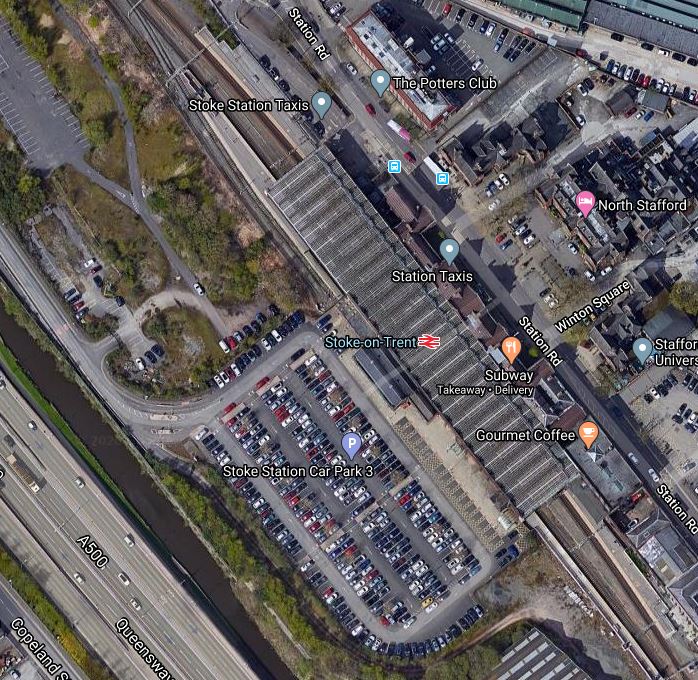
As it already accommodates 265 metre Class 390 trains, there shouldn’t be too much of a problem. The station is also step-free.
Warrington Bank Quay
Warrington Bank Quay station will need to accommodate 200 metre trains.
As it already accommodates 265 metre Class 390 trains, there shouldn’t be too much of a problem.
Wigan North Western
Wigan North Western station will need to accommodate 200 metre trains.
In Is Wigan North Western Station Ready For High Speed Two?, I said this.
Wigan North Western station would accept a single-train now, but the platforms would need lengthening to handle a double-train.
As all trains through Wigan North Western station will only be 200 metre single trains and the station is step-free, the station appears to be ready for High Speed Two.
York
York station will need to accommodate 200 metre trains.
As it already accommodates 245 metre InterCity 225 trains, there shouldn’t be too much of a problem.
Conclusion
I have come to these conclusions.
- Because most of these stations have been rebuilt in the last few decades to accommodate the 200-plus metre InterCity 125s, InterCity 225s and Class 390 trains, all the stations can handle a 200 metre High Speed Two train without significant lengthening.
- Some stations like Carlisle, Crewe, Preston and Stafford may need a small amount of platform lengthening to accommodate a pair of trains, but most of the improvements needed for a world-class High Speed railway will be more refurbishment than a complete rebuild.
- Using existing platforms at Lancaster and Macclesfield stations as terminal platforms is an elegant and a much more affordable solution than building new stations or even platforms.
- Because all five tph into the High Speed Two station at Manchester Piccadilly go via Manchester Airport, I would envisage that this will be in a tunnel, that can be part of a future Northern Powerhouse Rail.
I also think that the plan has been devised with the Project Management and minimising disruption to travellers in mind.
Ryze Hydrogen Wants To Make The North East Of Scotland A World Leader In Hydrogen
The title of this post, is the same as that of this article on H2 View.
This is the introductory paragraph.
Ryze Hydrogen has pledged to work with the Scottish Government and local authorities to make the North East of Scotland a world leader in hydrogen.
I think this is both a laudable and a very sensible aim.
- Large offshore wind farms are being built both around Aberdeen and the Far North of Scotland.
- Production of hydrogen is a sensible way to use spare renewable electricity.
- That area of Scotland is not short of wind.
- Aberdeen will be taking delivery of hydrogen buses later this year.
- With their experience of the oil industry, there would not be a shortage of people with the necessary expertise.
The article also details Jo Bamford’s plans for hydrogen buses.
 The Anonymous Widower