Lifting The Barriers To Refueling
The title of this post, is the same as that of this article on Railway Age.
It is a good summing up of Alstom’s problems of getting hydrogen for the iLint in Germany.
This paragraph from the article is puzzling.
Alstom’s task now is to clear external hurdles out of the way. Sprotte explains this using the Bremervörde project as an example: “The location is geographically favorable, almost in the middle of the regional transport network. If they were allowed to, Alstom and Linde could jointly supply several surrounding communities with ready-made hydrogen, for example for municipal commercial vehicles. But they can’t, and that’s because public funding for the project was only granted on the express condition that the filling station be used exclusively for rail transport.” This was met with incomprehension by the partners involved.
The Bremervörde project is to provide hydrogen for the Cuxhaven route that I wrote about in My First Ride In An Alstom Coradia iLint.
It strikes me that a certain amount of bureaucracy, is stopping the full deployment of the trains.
But then the London Mayor has a hydrogen policy of ignore it and it might go away.
Can Park-And-Ride Stations Be Used To Increase Motorway Capacity?
This article on the BBC is entitled New Smart Motorway Plans Being Scrapped.
I’ve never driven or even been driven on a smart motorway. But one incident in the 1970s, convinced me that we should have full hard shoulders on motorways and probably some dual carriageway roads.
I was travelling North on the then-two-lane M11 just North of Stansted Airport, doing around seventy in the outside lane of a not very busy motorway.
From nowhere an MGB convertible appeared in my mirrors and I pulled over to let the other car through.
There was a slight bend to the right at that point and the road was in a cutting.
The MGB just went straight on, climbed the banking and then turned over and rolled down and into the middle of the motorway.
A couple of other cars stopped on the hard shoulder and I initially pulled in behind them.
Miraculously, the driver had got out of the upside-down MGB and was standing beside the car.
I noticed that someone was using the emergency telephone by the side of the motorway, but I was worried that someone could come along too fast.
So as I had a large white car, I switched on the hazard lights and reversed down the hard shoulder. It certainly slowed everybody down and there were no more bumps or injuries. But what would have happened if the motorway had been busy?
When I first heard that smart motorways were going to be introduced in 2007, I was immediately against the idea because of that serious incident on the M11.
So what can we do to increase the capacity of our motorway and main road network?
Mathematical Modelling
In the 1970s, my software was used to model water supply in the UK. This piece of software just solved simultaneous differential equations and was used by the Government’s Water Resources Board.
I believe that software like I wrote fifty years ago and other more modern systems can be applied to traffic flows.
This should mean that any solutions put forward should be able to be tested.
Use Of Trains
If people can be encouraged to mode-shift and use trains, that must reduce the number of cars on the motorways.
But to get people out of their cars, there must be more Park-and-Ride stations.
And these new Park-and-Ride stations, must be attractive to motorists.
In Was Baldrick An Essex Man?, I looked at the design of the new Beaulieu Park station.
I feel that this is almost a new type of Park-and-Ride station, so is it part of a cunning plan to attract more passengers to the trains.
- It has a high-quality specification.
- Seven-hundred parking spaces will be built with hopefully an adequate number of chargers for electric vehicles.
- There will be five-hundred bicycle spaces.
- As it appears the station will be surrounded by 14,000 houses, I expect Network Rail are hoping lots of passengers will use the station.
But what is most unusual is that the station has an avoiding line, which should increase capacity and speed on the line through the station.
I also think, that the station is not just about journeys to London and Chelmsford, but also to other places in East Anglia like Cambridge, Ipswich and Norwich.
So have Network Rail designed a station that will maximise the return on their investment?
Only time will tell!
Conclusion
I think that Network Rail are trying to see if there is money to be made in the design of Park-and-Ride stations.
Could High Speed Two Have An Underground Station In London?
The Achievement Of The Bank Station Upgrade
This map from OpenRailwayMap shows the lines through Bank and Monument stations.
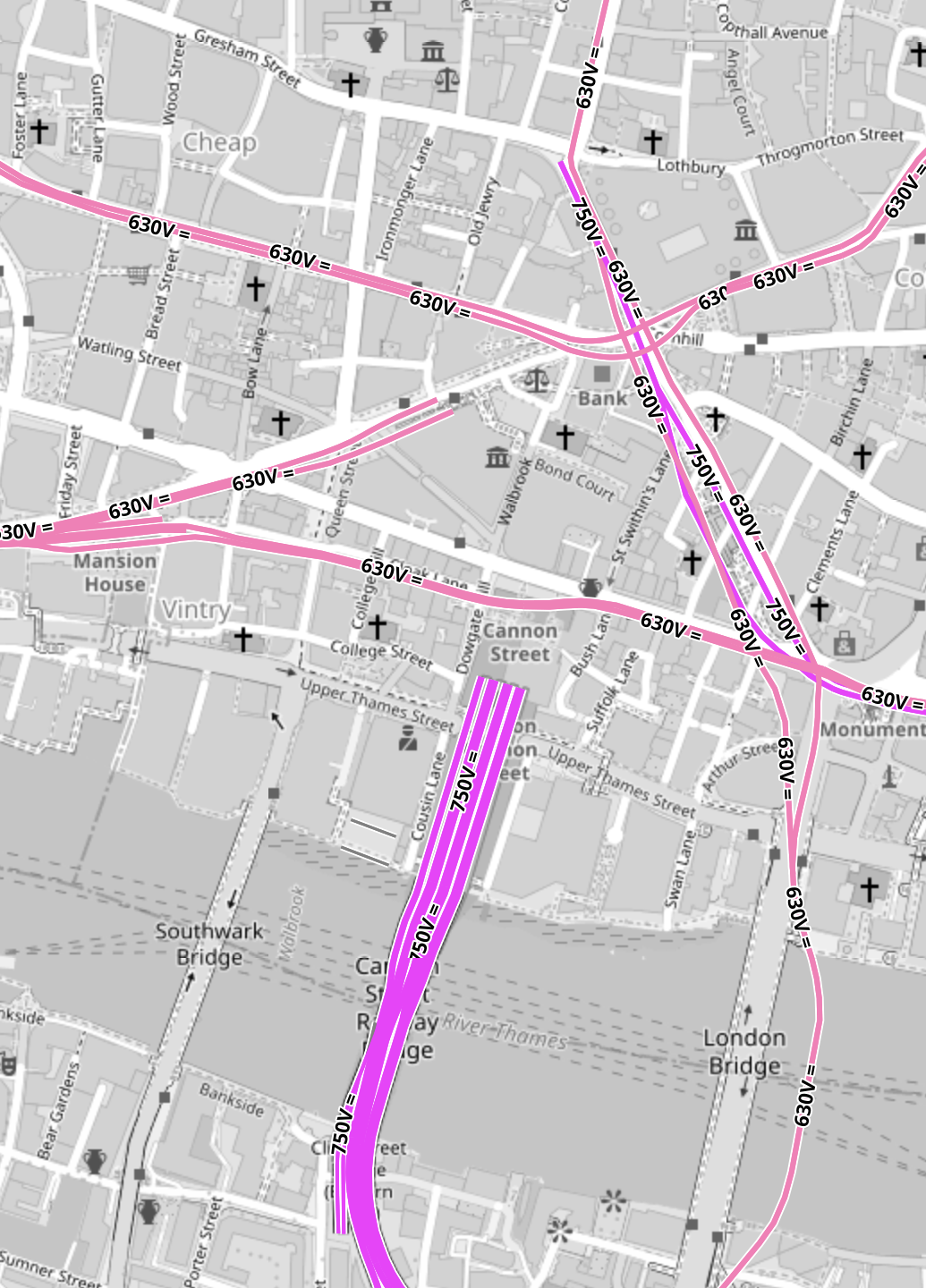
Note.
- All the pink lines are the lines of the London Underground.
- The line running alongside London Bridge is the Northern Line, which is deep under the Thames.
- The mauve lines are those with the slightly higher voltage of the UK National Rail network going into Cannon Street station.
In part of the Bank Station Upgrade, a new Southbound tunnel for the Northern Line was dug, so that the Northern Line platforms at Bank station could be farther apart.
This visualisation shows the station.
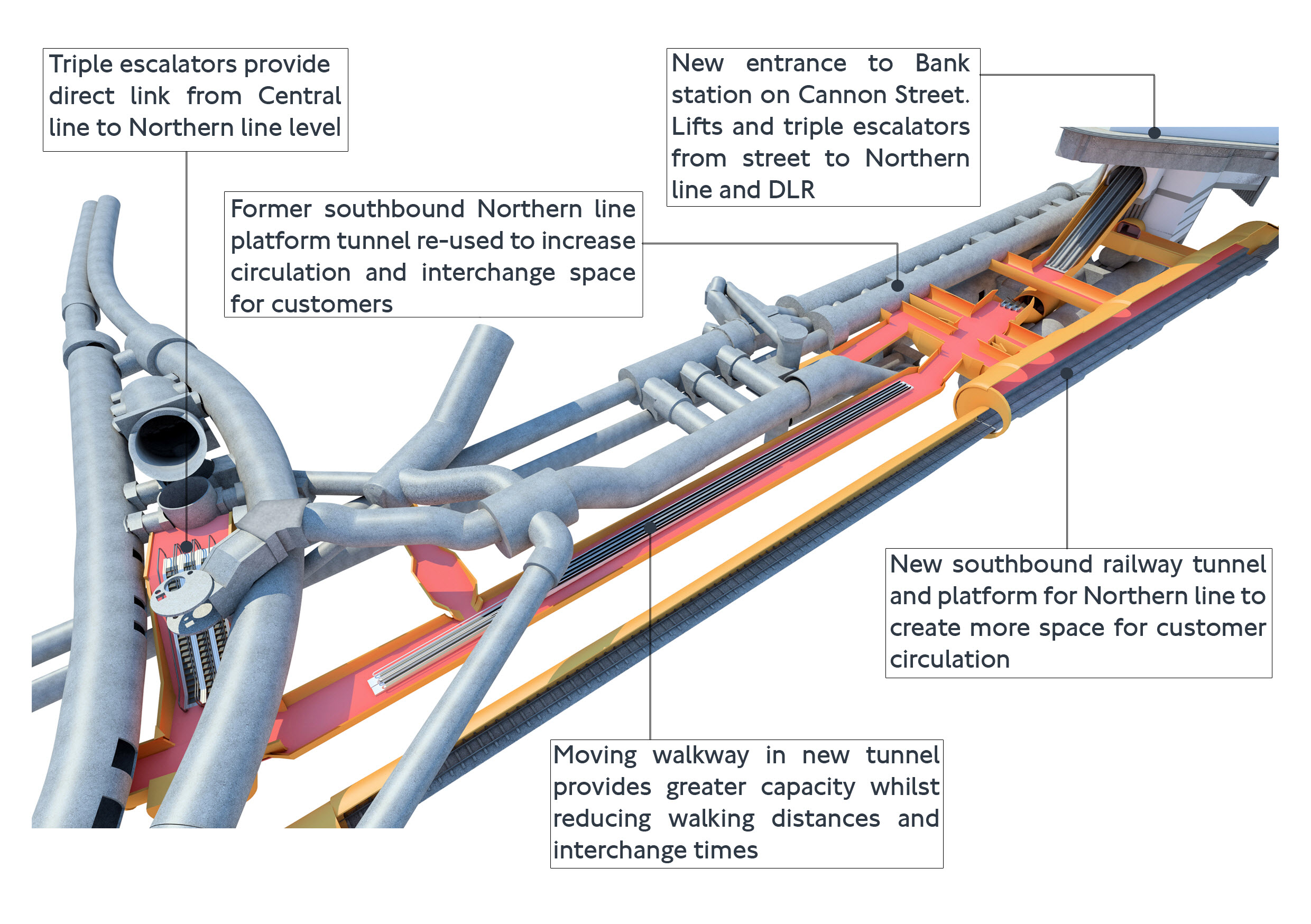
The project was an amazing demonstration of what is possible to be achieved in underground construction.
- There is a moving walkway to move passengers between the Central and Northern Lines.
- There are escalators and lifts everywhere.
It was also dug out from London’s helpful soils under scores of important buildings, many of which are listed.
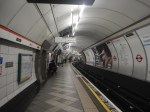
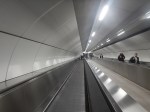
These pictures give a flavour of the underground section of the completed upgrade.


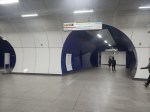
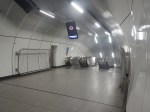
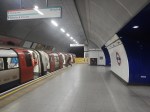
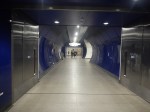

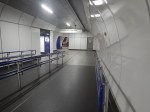


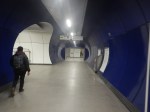
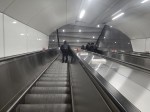


These pictures show the buildings on top of the complex.
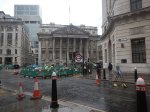
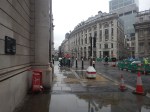




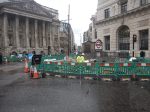



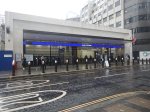





Note.
- There is no building of any great height above the station complex.
- There are a lot of quality buildings.
- During all the work underground, I didn’t see any reports of any problems with the buildings on top.
- In How Many Entrances And Exits Does A Station Need?, I counted that the complex now has twenty entries.
It is probably a project that could be repeated elsewhere.
Camden Town, Holborn and Bond Street/Oxford Circus are probably suitable cases for treatment.
Weston Williamson’s Plan For Manchester Piccadilly Station
In The Rival Plans For Piccadilly Station, That Architects Say Will ‘Save Millions’, I wrote about Weston Williamson’s plan for Manchester Piccadilly station.
This was their visualisation.

Note.
- In the visualisation, you are observing the station from the East.
- The existing railway lines into Piccadilly station are shown in red.
- Stockport and Manchester Airport are to the left, which is to the South.
- Note the dreaded Castlefield Corridor in red going off into the distance to Oxford Road and Deansgate stations.
- The new high speed lines are shown in blue.
- To the left they go to Manchester Airport and then on to London, Birmingham and the South, Warrington and Liverpool and Wigan, Preston, Blackpool, Barrow-in-Furness, the North and Scotland.
- To the right, they go to Huddersfield, Bradford, Leeds, Hull and the North East, and Sheffield, Doncaster and the East.
- Between it looks like a low-level High Speed station with at least four tracks and six platforms.
- The Manchester Metrolink is shown in yellow.
The potential for over-site development is immense. If the Station Square Tower was residential, the penthouses would be some of the most desirable places to live in the North.
Londoners Are The Tunnel Kings
Bring On The Robots
Could High Speed Two Have An Underground Station In London?
Look at this map from OpenRailwayMap.
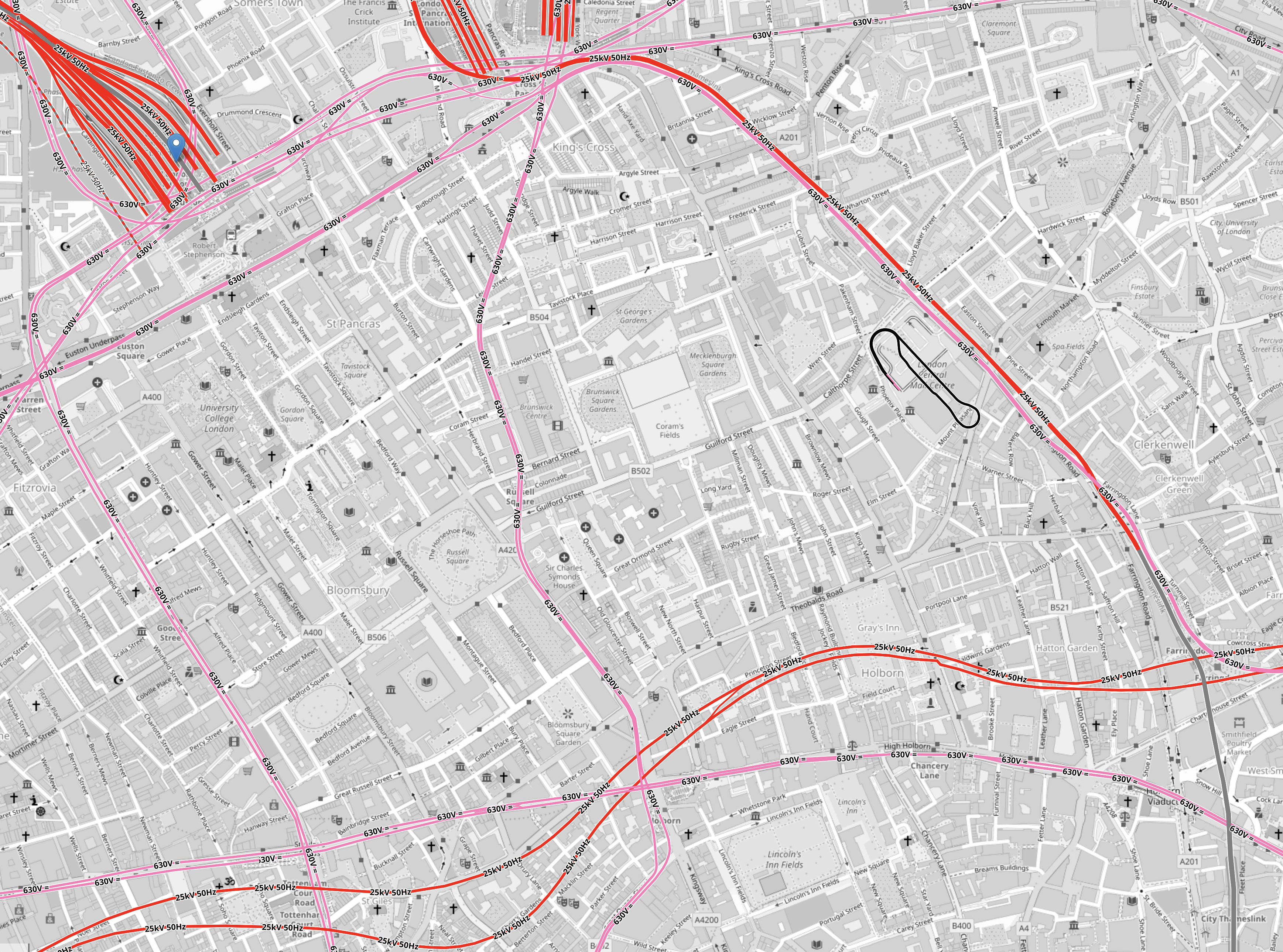
Note.
- Euston station is in the North-West corner of the map.
- St. Pancras and King’s Cross stations can just be seen at the top of the map.
- All lines shown in red have 25 KVAC overhead electrification.
- All lines shown in pink are the London Overground.
- The double track electrified railway meandering across the map from West to East is the Elizabeth Line.
- The pink line going down the middle of the map is the Piccadilly Line.
- The pink line going down the left of the map is the Charing Cross branch of the Northern Line.
There is a large square area to the South of Euston that doesn’t have any railways crossing it.
It is shown in this map from OpenRailwayMap.
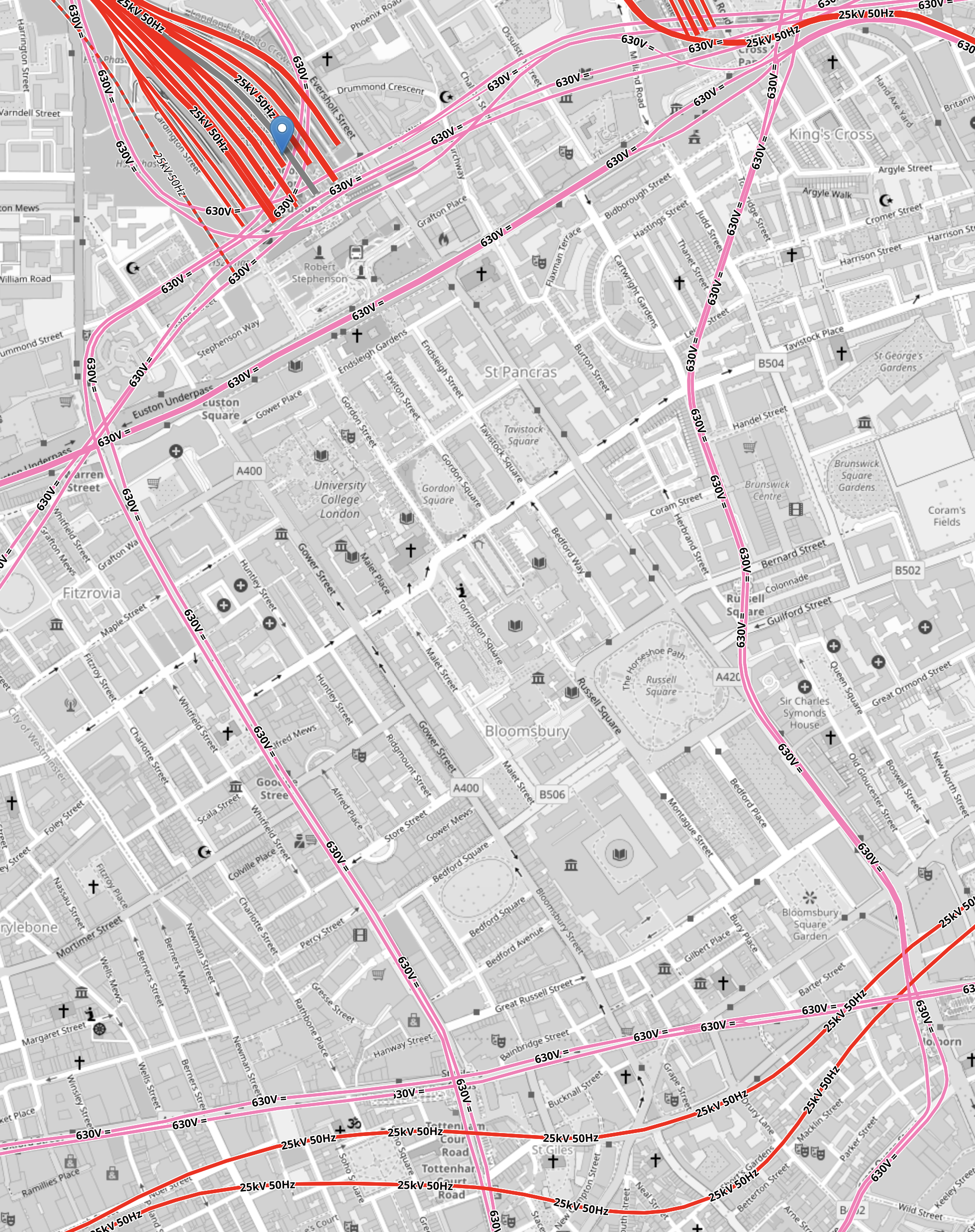
Note.
- As before, red lines have 25 KVAC overhead electrification and pink lines are the Underground.
- The Western boundary of the area is the Charing Cross branch of the Northern Line, which runs between Euston in the North and Tottenham Court Road in the South.
- The Eastern boundary of the area is the Piccadilly Line, which runs between King’s Cross in the North and Holborn in the South.
- The Northern boundary of the area is the sub-surface Circle, Hammersmith & City and Metropolitan Lines, which runs between Warren Street in the West and King’s Cross in the East.
- The Northern and Victoria Lines also run East-West to the North of the sub-surface lines.
- The Southern boundary of the area is the Central and Elizabeth Lines, which run between Tottenham Court Road in the West and Holborn in the East.
It is a substantial area.
So could it be hollowed out to create a below-ground London terminal for High Speed Two?
I got a bus from Tottenham Court Road to Euston station and then walked to Holborn, taking these pictures.
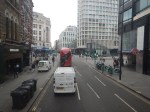
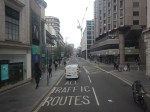
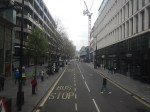
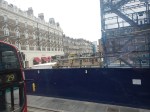
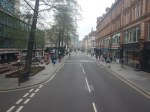
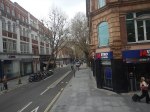

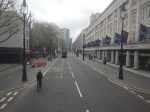
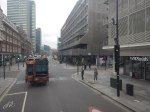

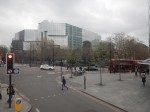
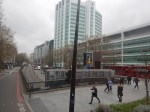
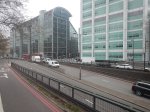

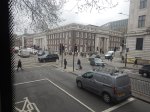

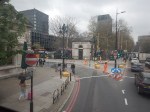


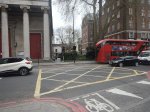
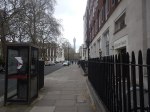
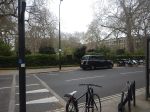
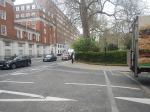
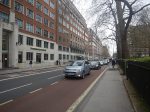
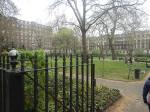
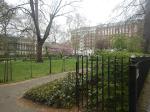
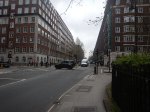
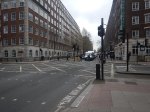

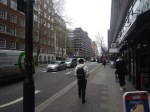
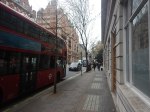

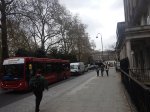

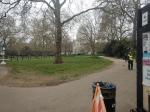






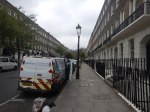


Note.
- There are only two buildings in the area with more than about six floors; University College Hospital and Senate House.
- There a lot of green spaces.
- Bloomsbury Square does have a car park beneath it.
I wonder if a terminal station could be build under the area?
- I suspect if you went fifty metres down there could be plenty of space, that could be excavated.
- Tunnels with moving walkway and escalators could link the station to the Central, Circle, Elizabeth, Hammersmith and City, Metropolitan, Northern and Piccadilly Lines.
- There would be space to have 400 metre long platforms.
- As all trains would be electric, there would be no fume problems.
- There could be lifts and escalators to the green spaces on the top.
I have a feeling that most of people living or working inside the North and South Circular Roads could get to the station by public transport with at most a single change.
Merseyrail Grand National Journeys Exceed 105,000
The title of this post, is the same as that of this article on the Liverpool Business News.
This is the first paragraph.
Train operator Merseyrail records more 105,000 passenger journeys made by racegoers during the three-day Grand National festival – and it gave away 4,000 pairs of flip-flops.
These are some points from the rest of the article.
- Many were carried on the new 777 Class trains.
- Merseyrail increased the number of trains during the three days and, at times, was running a seven-and-a-half-minute frequency.
- There was live music and entertainment for passengers at Aintree station.
- £4,200 was raised by charitable collections at the station.
It looks like a lot of people had a good time.
It was probably all good practice for Eurovision.
London Overground: Design Work For West London Orbital Route Begins
The title of this post, is the same as that as this article on the BBC.
This is the sub-heading.
Plans for a new London Overground link in west London are progressing, London’s mayor Sadiq Khan has said.
These paragraphs outline what will happen.
Engineering consultants who worked on the Elizabeth line have been chosen for the West London Orbital service.
“This engineering design will help determine the cost of delivering the scheme, which is currently unfunded,” Transport for London (TfL) said.
It hopes the scheme, which would connect Hounslow with Hendon and West Hampstead, could start next decade.
My feeling, is that they should get on with it.
- There would be no major construction like tunnels.
- Four stations would need to be built.
- I doubt there will be any demolition.
- It wouldn’t need more electrification, as the route is electrified at both ends and battery-electric trains could be used.
- It would create more connections to Old Oak Common for High Speed Two.
But if it does for North West London, what the Overground has done for North and East London, it will be very much worth it.
These are a few thoughts and observations.
The Route
This is a schematic of the route from the BBC article.
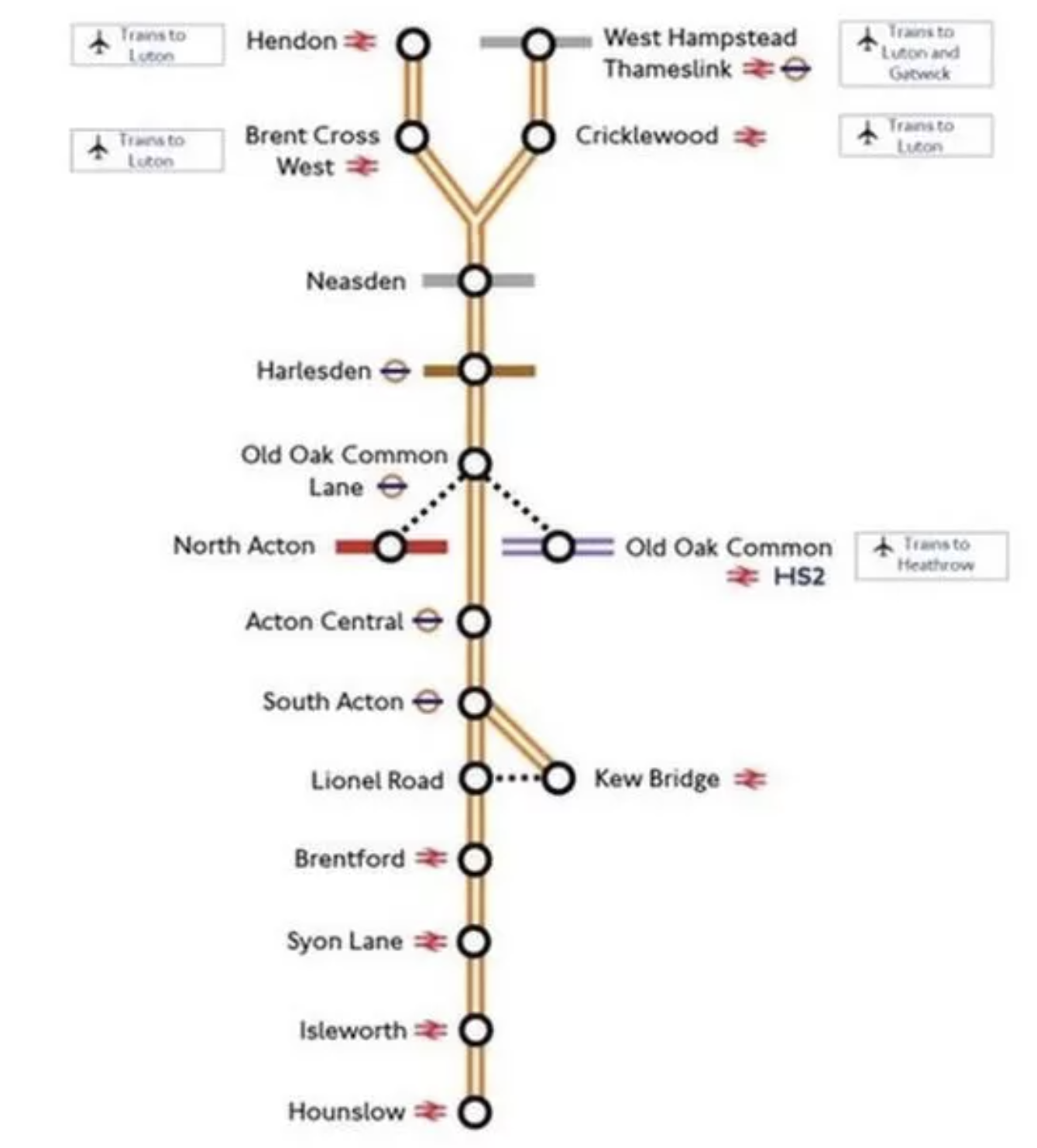
Note.
- Services will be between West Hampstead Thameslink and Hounslow stations and between Hendon and Kew Bridge stations.
- If services follow the London Overground frequency, they will be four trains per hour (tph).
- The new stations are Neasden, Harlesden, Old Oak Common Lane and Lionel Road.
- Acton Central, Brentford, South Acton, Syon Lane and West Hampstead Thameslink are step-free and Isleworth is on the way.
- The fully step-free Brent Cross West station will open soon.
- Lionel Road station will serve the new Brentford stadium.
- Old Oak Common Lane will serve High Speed Two, the Elizabeth Line and the North London Line.
They look to be a useful set of stations.
Kew Bridge Station
There’s been a lot of development at Kew Bridge station, since I was last there.

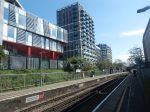
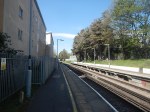

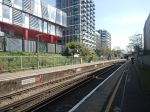
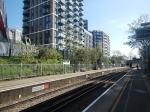
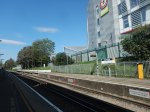

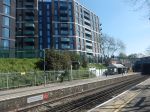
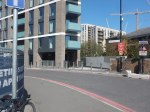


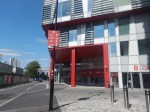


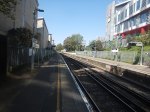
There are lots of flats and Brentford’s new stadium.
I suspect all the stations between Kew Bridge and Hounslow will see similar levels of development.
Electrification Issues On The Dudding Hill Line
The Dudding Hill Line forms the Northern section of the route between the Midland Main Line and the North London Line at Acton Wells Junction.
This map from OpenRailwayMap shows the junction between the Dudding Hill and Midland Main Lines.
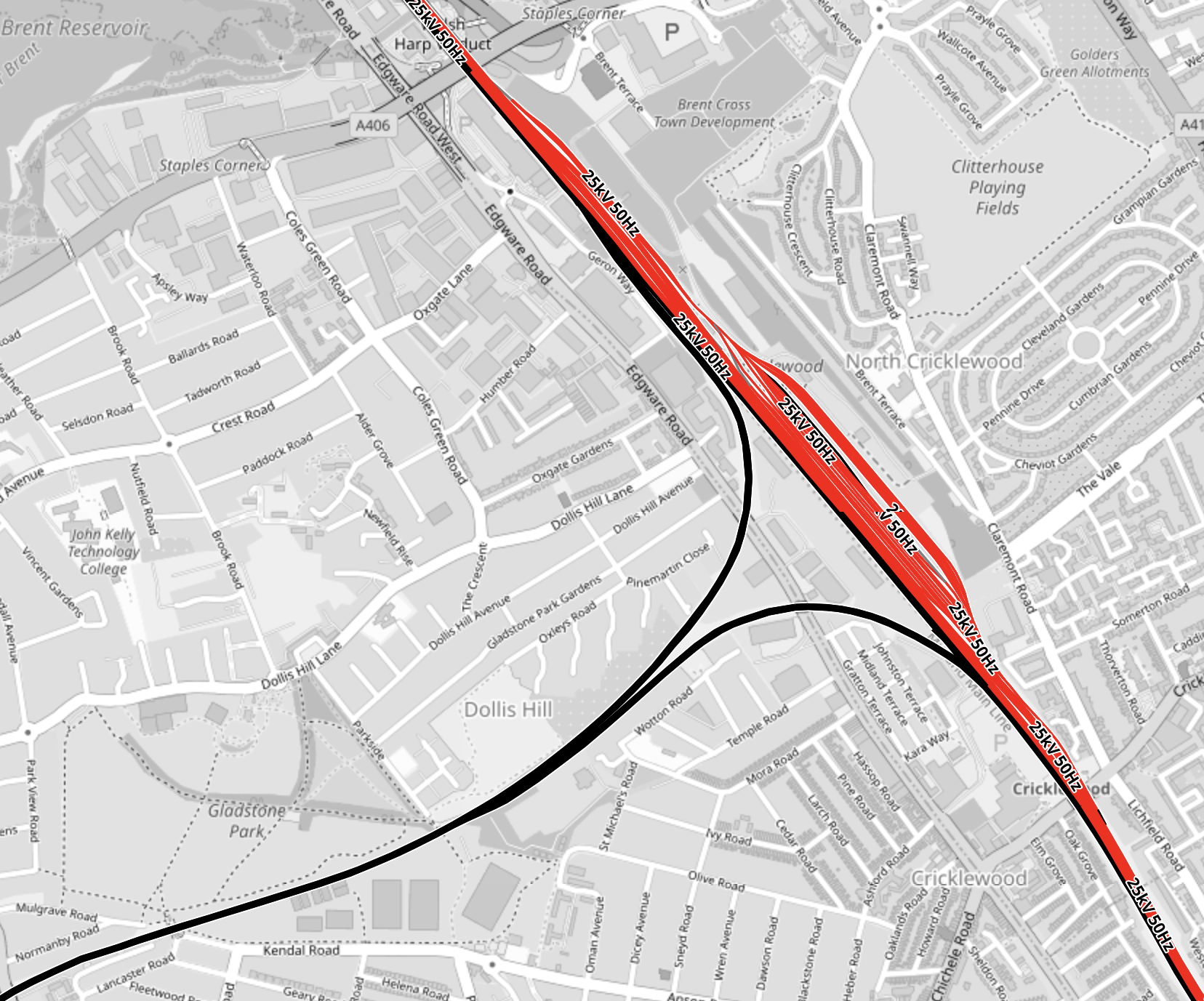
Note.
- The Midland Main Line is shown in red as it is electrified with 25 KVAC overhead wires.
- The Dudding Hill Line is shown in black, as it isn’t electrified.
This second map from OpenRailwayMap shows the junction between the Dudding Hill and North London Lines at Acton Wells junction.
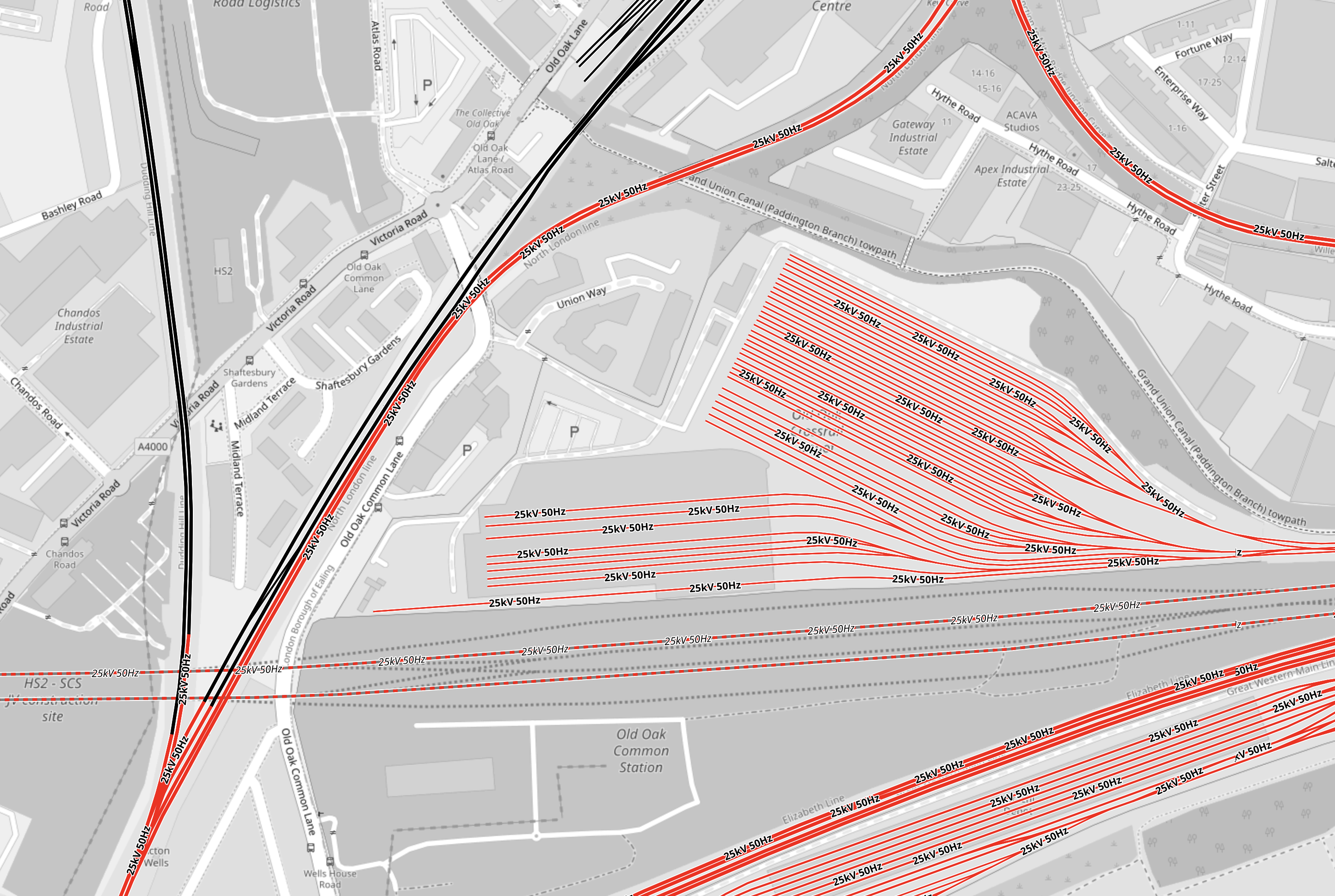
Note.
- As before red tracks are electrified with 25 KVAC overhead wires and black tracks have no electrification.
- The Dudding Hill Line is the black track running North-South at the West of the map.
- Acton Wells junction, where the Dudding Hill and North London Lines join is in the South-West corner of the map.
- The North London Line is shown in red running across the North-West corner of the map.
- The Great Western Main Line is shown in red running across the South-East corner of the map.
- High Speed Two will run East-West across the map and is shown dotted in red.
- The red lines in the middle of the map is the Elizabeth Line depot.
With all the 25 KVAC overhead electrification at both ends of the Dudding Hill Line, it would appear, that if this section is ever electrified, it will be electrified with this form of electrification.
There may be a problem, in that there are three or four bridges over the line.
Electrification Issues At Kew
This map from OpenRailwayMap shows the triangular junction by Kew Bridge station.
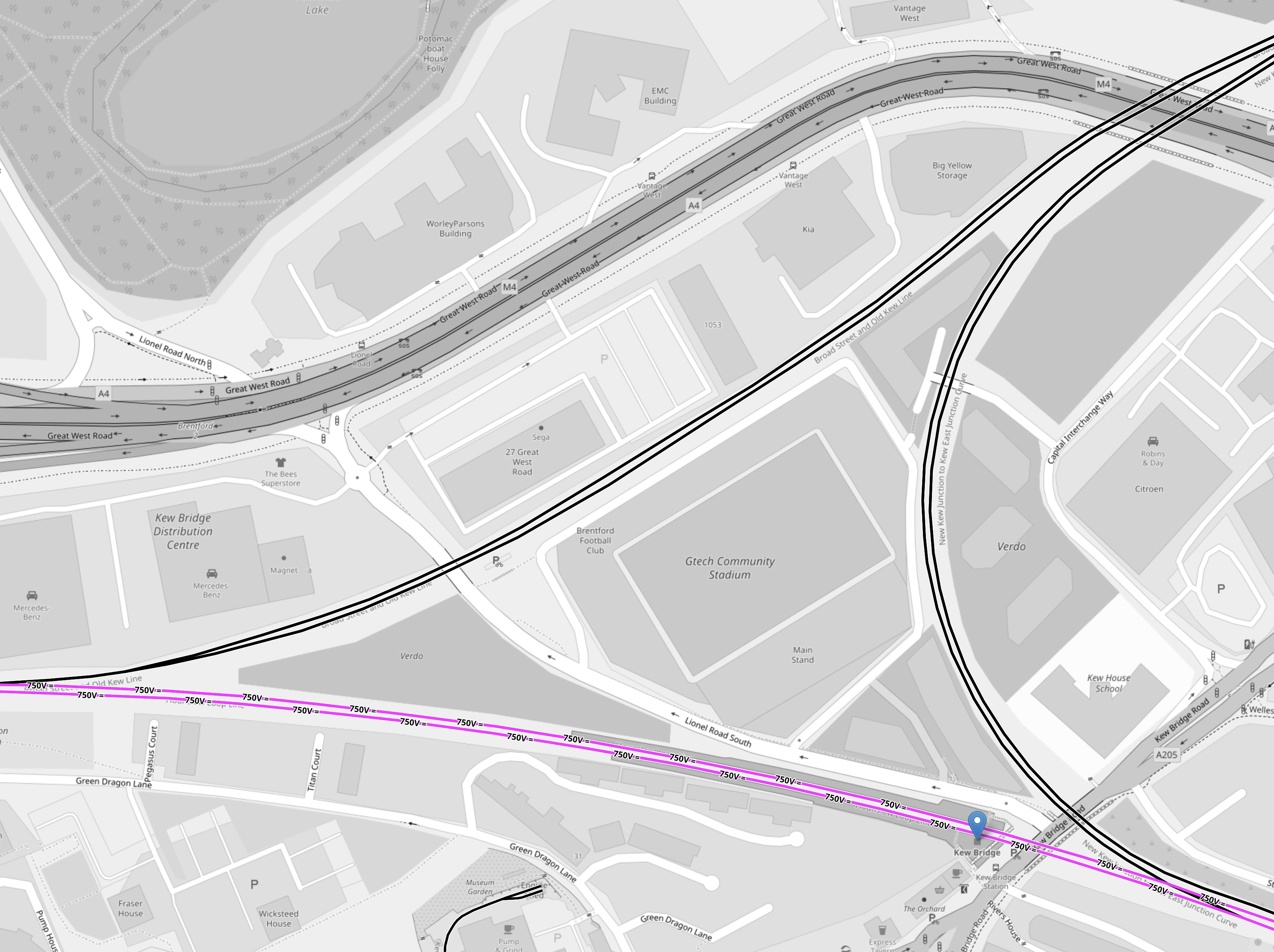
Note.
- As before black tracks have no electrification.
- Mauve tracks are electrified with 750 VDC third-rail electrification.
- Kew Bridge station is indicated by the blue arrow at the Eastern point of the junction.
- Trains to Hounslow will arrive in the North-East corner of the map and go diagonally across the map to leave in the South-West point of the junction.
- Trains to Kew Bridge will arrive in the North-East corner of the map and take the Eastern chord of the junction to a new platform in Kew Bridge station.
Brentford’s new stadium and a lot of housing are in the middle of the junction.
It would seem to be obvious to electrify the triangular junction using 750 VDC third-rail electrification.
But not to the ORR it isn’t, as they won’t allow any new third-rail electrification to be installed on Health and Safety grounds.
Charging Trains At Kew Bridge Station
Consider.
- It looks like trains from Hendon will terminate in a new platform on the chord without electrification to the North of the current Kew Bridge station.
- A short length of 25 KVAC overhead electrification could be used to charge trains.
It may be sensible to build two platforms on the chord, as this could allow more flexible operation of the London Overground during engineering works.
Charging Trains At Hounslow Station
A short length of 25 KVAC overhead electrification could be used to charge trains.
Project Management Issues
I believe this could be one of those projects, where by careful selection of the order of the sub-projects, time and money can be saved and passengers will see benefits earlier.
For example.
- Early delivery of Old Oak Common Lane station would also connect the North London Line to High Speed Two and the Elizabeth Line.
- Early delivery of step-free access at Kew Bridge station would help passengers going to the new Brentford stadium.
There may be other projects, that need an early delivery.
The Feltham And Wokingham Resignalling Programme
The Feltham And Wokingham Resignalling Programme is currently underway and there are pairs of new and old signals everywhere between Kew Bridge and Feltham and also between Feltham and Richmond.


These are digital signals and according to Network Rail, they will increase the capacity, which must surely allow the extra trains between Kew Bridge and Hounslow stations.
This signalling project finishes in mid-2024, so I suspect by then the Southern part of the West London Orbital Railway will not have any problems with interaction with other services.
The Feltham And Wokingham Resignalling Programme could be considered an important enabling sub-project of the West London Orbital Railway, that is being performed early.
Richmond Station
As I came through Richmond station, there was an Overground train in Platform 3 and I noticed that Platforms 3 to 5 were allocated to the Overground.
Has the new signalling given Network Rail and train operators more flexibility and extra capacity at Richmond?
Currently, the London Overground runs four trains per hour (tph) between Stratford and Richmond.
The increased flexibility may allow the following.
- An increase in frequency of trains to Stratford.
- An increase in frequency of District Line trains, if Ealing Broadway station swaps from being a District to a Piccadilly Line terminus, as I wrote about in Extending The Elizabeth Line – Piccadilly Line To Ealing Broadway.
- Could Richmond also act as a terminal of the West London Orbital Railway during construction and engineering works?
Another benefit that could be arranged is to run the current four tph London Overground services into Platform 3.
These pictures show a Waterloo-bound South Western Railway train in Platform 2 and a Stratford-bound London Overground train in Platform 3.
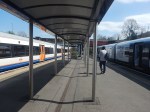
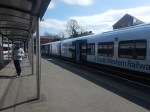
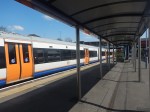
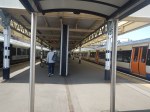
As there are 8 tph between Richmond and Waterloo via Clapham Junction, this could be quite a useful cross-platform interchange for passengers going from say Staines or Windsor to Hampstead.
Trains
Consider.
- The three most likely Northern termini are Brent Cross West, Hendon and West Hampstead Thameslink.
- There could be other terminals on the North London Line or the Gospel Oak and Barking Line.
- All possible Northern terminals have 25 KVAC overhead electrification.
- The two most likely Southern terminals are Hounslow and Kew Bridge.
- There may be other possible Southern terminals like Twickenham or Richmond.
- All possible Southern terminals have 750 VDC third-rail electrification.
- The sections without electrification of the route are less than twelve miles.
- The ORR won’t allow any new third-rail electrification.
It looks like the trains will need to be dual-voltage with a battery capability.
In this article in Global Rail News from 2011, which is entitled Bombardier’s AVENTRA – A new era in train performance, gives some details of the Aventra’s electrical systems. This is said.
AVENTRA can run on both 25kV AC and 750V DC power – the high-efficiency transformers being another area where a heavier component was chosen because, in the long term, it’s cheaper to run. Pairs of cars will run off a common power bus with a converter on one car powering both. The other car can be fitted with power storage devices such as super-capacitors or Lithium-ion batteries if required. The intention is that every car will be powered although trailer cars will be available.
Unlike today’s commuter trains, AVENTRA will also shut down fully at night. It will be ‘woken up’ by remote control before the driver arrives for the first shift
This was published over twelve years ago, so I suspect Bombardier or Alstom have refined the concept.
In an article in the October 2017 Edition of Modern Railways, which is entitled Celling England By The Pound, Ian Walmsley says this in relation to trains running on the Uckfield Branch, which is not very challenging.
A modern EMU needs between 3 and 5 kWh per vehicle mile for this sort of service.
So for a four-car running for twelve miles, the train would need a battery capacity of between 144 and 240 kWh.
These are not large batteries.
I suspect that the best trains for the route, will be dual-voltage Class 710 trains.
- The Class 710/2 variant used on the Gospel Oak and Barking Line is dual-voltage.
- London Overground has 54 Class 710 trains.
- I am certain, that the batteries needed can be fitted to the trains.
- Aventras are still in production in Derby.
A test battery-electric version could probably be created and tested on the short Romford and Upminster Line.
There may be other places in London and the rest of the UK, where a four-car battery-electric Aventra would be the ideal train.
Devizes Station Would Need To Be Part Of Wider Rail Plan
The title of this post, is the same as that of this article on Railway Gazette.
These two paragraphs outline the current status.
The construction of a Devizes Gateway station at Lydeway is unlikely to represent value for money as a standalone project, but it could be viable as part of a wider rail improvement programme, a study has concluded.
The feasibility study undertaken by Wiltshire Council, Devizes Development Partnership, GWR and Network Rail built on a strategic outline business case submitted to the Department for Transport under the Restoring Your Railway Fund programme in November 2021.
The Department for Transport will now decide what to do next.
I think there are other issues on the route between Reading and Taunton.
The Current Train Service
The only passenger services using the Reading and Taunton route are these three trains, which all have a frequency of one train per two hours (tp2h).
- London Paddington and Exeter St. Davids – Calling at Reading, Newbury, Hungerford, Pewsey, Westbury, Castle Cary, Taunton and Tiverton Parkway
- London Paddington and Plymouth – Calling at Reading, Taunton, Tiverton Parkway and Exeter St Davids
- London Paddington and Penzance – Calling at Reading, Taunton, Tiverton Parkway and Exeter St Davids
Note.
- London Paddington and Exeter St. Davids takes a few minutes over two hours.
- London Paddington and Plymouth takes a few minutes over three hours.
- London Paddington and Penzance takes a few minutes over five hours.
- The Reading and Taunton route is a double-track railway with a 110 mph operating speed.
- London Paddington and Newbury is electrified.
- The last two trains alternate to give Plymouth an hourly service.
- After Exeter St. Davids, trains have a sophisticated stopping pattern to give all stations served a good service.
From several trips along the line, I have the impression, that it’s a route, where drivers can get the best out of the trains.
Electrification
The line would benefit from electrification, in terms of journey times and decarbonisation.
But could this route be run by battery-electric trains?
- It is 89.7 miles between Newbury and Taunton.
- It is 120.4 miles between Newbury and Exeter St. Davids.
- It is 52.1 miles between Exeter St. Davids and Plymouth.
- It is 79.4 miles between Plymouth and Penzance.
- London Paddington and Newbury is electrified.
- Taunton, Exeter St. Davids, Plymouth and Penzance stations could have a charging system of some sort.
This Hitachi infographic shows the specification of the Hitachi Intercity Tri-Mode Battery Train.

Consider.
- Two trains go between Newbury and Taunton without stopping.
- The Exeter St. Davids service stops three times.
- Newbury and Taunton non-stop took 75 minutes at an average speed of 72 mph
- Newbury and Taunton with three stops took 78 minutes.
- All trains currently appear to be nine cars.
I suspect that Hitachi’s Intercity Tri-Mode Battery Train could go between Newbury and Taunton with a great deal of ease.
How many diesel engines and batteries would the train have?
Normally, nine-car Class 800/802 trains have five diesel engines.
So how many will be replaced by batteries?
The infographic says one engine will be replaced, so if that is a five-car train, it looks likely that a nine-car train could have two batteries.
But Hitachi could be playing a long game!
In Stadler FLIRT Akku Battery Train Demonstrates 185km Range, I wrote about how the FLIRT Akku has a range of 115 miles.
If Hitachi can squeeze 125 miles out of a nine-car Class 800 with two or three battery packs, they will outrange the FLIRT Akku and be able to run between London Paddington and Penzance on batteries, with some topping up on the way.
We mustn’t forget the engineers at Hyperdrive Innovation, who are designing and building Hitachi’s battery packs.
They will be ultracompetitive and know the range required to get battery-electric trains to Penzance.
I suspect that when the range of the nine-car battery-electric Class 800/802 is revealed, it will astonish everybody!
Bedwyn Station
Bedwyn station is served by an hourly shuttle train to and from Newbury, run by a diesel train.
The station used to have a direct service from London, but now passengers change at Newbury.
A Station For Marlborough
I investigated this in A Station For Marlborough, where this was my conclusion.
With the next generation of electric train with onboard energy storage or IPEMUs, a Marlborough station on a new Marlborough Branch Line can be used to create a two tph service to and from Paddington to replace the current one tph service from Bedwyn.
So a new Marlborough station would be a win for all those using stations on the Reading to Taunton Line to the East of Pewsey.
I also wonder how many other similar services can be developed by extending a service past a main line terminal to a new or reopened branch line, which is built without electrification and run using trains with onboard energy storage.
In answer to my posed question in the last paragraph, I suspect it is quite a few!
Devizes Gateway Station At Lydeway
I wrote about this proposed Devizes Gateway station in Reinstatement Of Rail Access To Devizes Via A New Station At Lydeway.
After writing Was Baldrick An Essex Man? about the building of an avoiding line at the new Beaulieu Park station North of Chelmsford, I do wonder, if it would be an idea to incorporate one in this proposed station, if there is a need to increase capacity.
This Google Map shows the station site, where the A342 crosses the railway.
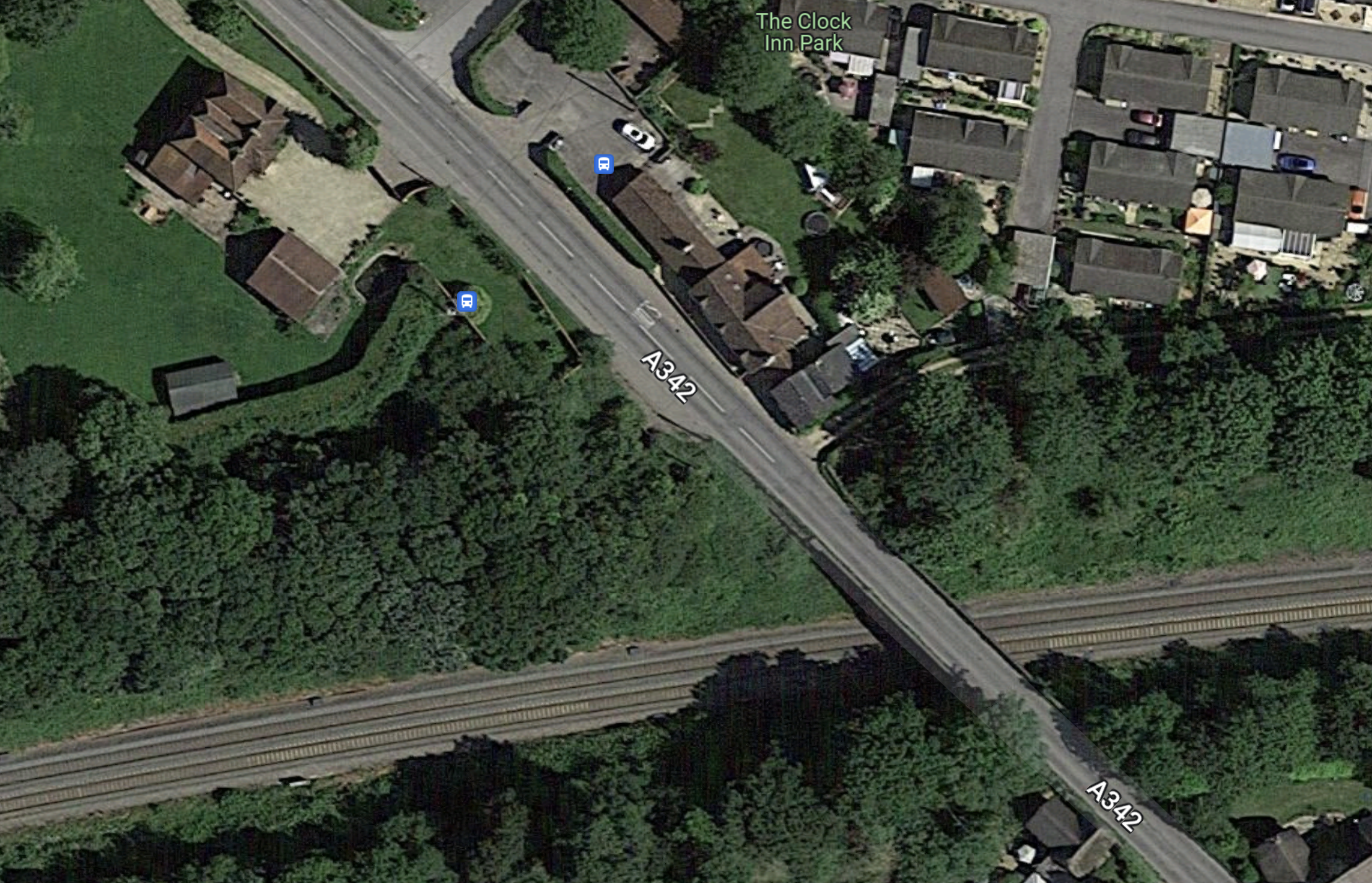
I suspect a third track can be squeezed in.
Westbury Station
Westbury station is a busy station, where the Reading and Taunton Line crosses the Wessex Main Line.
This map from OpenRailwayMap shows the lines in the station.
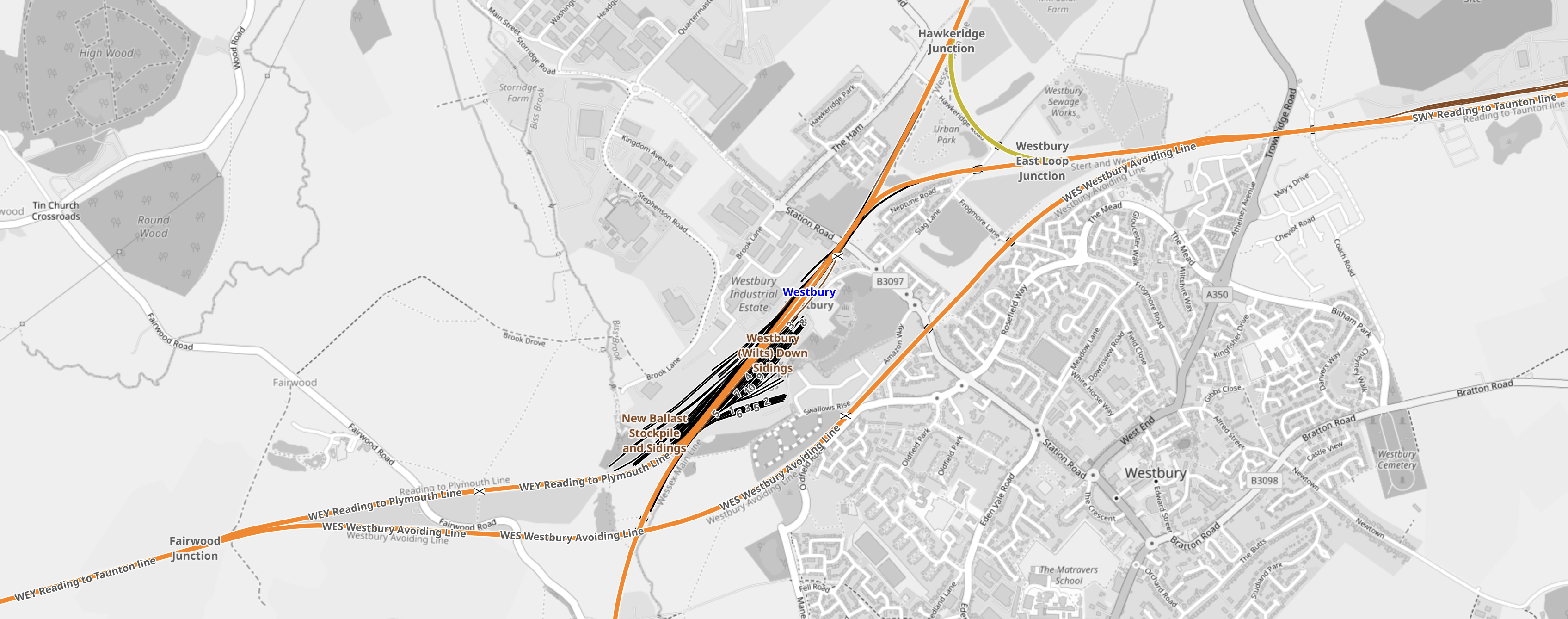
Note.
- The blue lettering indicates Westbury station.
- The two major rail routes are shown in orange.
- The Reading and Taunton Line goes East-West across the map.
- Note the avoiding line South of Westbury station.
- Reading is in the East and Taunton is in the West.
- The Wessex Main Line goes North-South across the map.
- Bristol is in the North.
- Salisbury and Southampton is in the South.
In Westbury Station – 30th July 2020, there are some pictures I took of Westbury station.
This section in Wikipedia says this about the Future of Westbury station.
The line to Westbury is not due to be electrified as part of the 21st-century modernisation of the Great Western Main Line. Although local councillors support it, the extension of electrification beyond Newbury to Westbury was assessed as having a benefit–cost ratio of only 0.31.
On the other hand this document on the Network Rail web site, which is entitled the Devizes Gateway Interim
Feasibility Study, suggests that another platform might be added at Westbury station.
Castle Cary Station
Castle Cary station doesn’t seem to have any well-publicised problems, so please tell me if you know of any.
Frome Station
Frome station is described in its Wikipedia entry as an unusual station and one that is Grade II Listed.
I suspect, it could do with some more services.
Somerton Station
I wrote about a new Somerton station in Somerset: Plans For New Railway Station On Levels.
Track Improvements
I suspect if Network Rail were improving the route between Reading and Taunton, they know of some places, where they could do some work.
Service Improvements
Consider.
- There is probably a need for a stopping train between Newbury and Taunton, which calls at all stations.
- It might terminate at the London end, at either London Paddington or Reading.
- It might be a battery-electric train.
- An hourly frequency would be ideal, if the track and signalling could handle it.
- Charging systems would be positioned as needed.
The train would interface with other Great Western services to Bristol, London Paddington, Gloucester, Salisbury, Southampton and Weymouth.
Oy could also interface with the Transwilts services.
Conclusion
This could be developed into a very useful network for Wessex.
Australia Climate Protest: Rising Tide Activists Shovel Coal Off Train
The title of this post, is the same as that of this article on the BBC.
This is the sub-heading.
About 50 climate activists have been arrested in the Australian state of New South Wales after protesters climbed on a train carrying coal and began shovelling its cargo out of the wagons.
At least with coal, the mess won’t do too much damage.
St. Pancras To Heathrow By Elizabeth Line
I ate breakfast in Le Pain Quotidien in St.Pancras station this morning and afterwards I took the Elizabeth Line to Heathrow.
I took Thameslink for one stop to Farringdon station and got a Elizabeth Line train direct to Terminal 2 and 3 at the Airport.


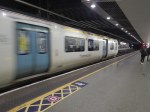
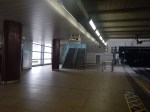



Note.
- The train I took was going to Gravesend. I suspect it was because of engineering work.
- An empty train passed through, whilst I waited. I’ve never seen that before on Thameslink in St. Pancras station.
- I travelled in the front of the Thameslink train for the one stop.
- The change at Farringdon station was very quick, as it was just down in the lift and the Heathrow train was waiting.
These are some notes on a fast change using the lifts between Southbound Thameslink and the Elizabeth Line at Farringdon station.
- Get the first lift of the two that arrives, if like me, you can use escalators.
- If it goes up, walk across the station at street level and get the two serial escalators down to the Elizabeth Line.
- If it goes down, take the lift to the Elizabeth Line.
If you can’t manage escalators, you have to wait for a lift going down.
I have some observations.
Meeting And Greeting At St. Pancras Station
From my position in Le Pain Quotidien, I was able to watch passengers leaving and arriving at the Eurostar terminal opposite.
There were quite a few people, who were meeting and greeting others.
In Effects Of The ULEZ In West London, I said this about meeting and greeting at Heathrow.
But as it now so easy to get to the Airport using the Elizabeth Line will more people use the new line to meet and greet and say goodbye to loved ones or business associates. Since the Elizabeth Line opened, I’ve met a couple of friends at Heathrow, who were passing through.
Will the Elizabeth Line increase the number of trips to the airport, by making meeting and greeting easier?
If it does, then it will put more pressure on the services to Heathrow Airport.
Seats In St. Pancras Thameslink Station
These pictures show some of the large number of seats in St. Pancras Thameslink Station.
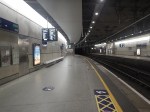


Should there be more seats along the platform at stations on the Elizabeth Line, where passengers change trains?
My Train To The Airport Was Crowded
Ten in the morning on a Sunday, is not the time I’d expect to be busy, but I estimated it was about ninety percent full, judging by the few empty seats.
There Were Eight Trains Per Hour (tph) To And From Heathrow
From Real Time Trains, it looks like the following trains were running.
- Elizabeth Line – Abbey Wood and Terminal Four – 2 tph
- Elizabeth Line – Abbey Wood and Terminal Five – 2 tph
- Heathrow Express – Paddington and Terminal Five – 4 tph
My train to the Airport had been going to Terminal Four.
Is eight tph the maximum frequency, that can use the tunnel to the Airport?
Is The Elizabeth Line Diverting Passengers From Heathrow Express?
When I returned from the Airport, my Elizabeth Line train left about ten minutes after a Heathrow Express train.
- The Heathrow Express train wasn’t very full.
- The Elizabeth Line train was very full.
- Passengers got out at all stations.
- I got out at Tottenham Court Road.
It will be interesting to see the Heathrow Express passenger figures.
Which Is The Best Elizabeth Line Station For A Marks and Spencer?
Because their gluten-free food is so much better than other shops, this is important to me.
- There are larger stores at Ealing Broadway, Tottenham Court Road (West), Liverpool Street (West), Stratford and Ilford.
- There are food only stores at Heathrow, Paddington, Bond Street and Liverpool Street (East).
Today, I used the large store by the Western entrance at Tottenham Court Road station.
But, if you want to avoid walking, Stratford is probably the easiest.
Effects Of The ULEZ In West London
This page on the Transport for London web site is entitled ULEZ Expansion 2023.
This is the first paragraph.
To help clear London’s air and improve health, the Ultra Low Emission Zone (ULEZ) is expanding across all London boroughs from 29 August 2023.
These are some points from the rest of the page.
- Poor air quality is impacting the health of Londoners, and it’s mainly caused by polluting vehicles.
- Air pollution even contributes to the premature death of thousands of Londoners every year.
- 9 out of 10 cars seen driving in outer London already meet the ULEZ emissions standards.
- If you drive anywhere within the ULEZ and your vehicle does not meet the emissions standards, you could face a daily charge of £12.50.
- Residents of the ULEZ are not exempt from the charge.
- Any money received from the scheme is reinvested into running and improving London’s transport network, such as expanding bus routes in outer London.
There is no reference to trucks or HGVs.
These are my thoughts.
Objections To The ULEZ
If you type ULEZ into Google and look at the News page, you get a lot of stories that don’t show the ULEZ in a good light.
Here are a few headlines.
- BBC – ULEZ: Labour MPs Seek Support For Non-Londoners
- BBC – Firms In Essex Could Close Due To ULEZ, Warns Business Leader
- Big Issue – London’s Ulez Plans Could Hit Disabled People, Charities And Small Businesses The Hardest
- Daily Mail – Sadiq Khan Claims That Nazis Have Infiltrated Anti-Ulez Protests
- Guardian – EU Motorist Fined Almost £11,000 After Falling Foul Of London Ulez Rule
- Guardian – London’s Mayor Faces High Court Challenge Over Ulez Expansion
- Kent Live – Anti-ULEZ Campaign Group Support Soars As Kent Drivers ‘Unfairly Targeted’
- LBC – No More Ulez? Sadiq Khan Considers Scrapping Controversial Scheme And Replacing It With ‘Pay-As-You-Drive’ System
- Slough Observer – Ulez Faces High Court Challenge
- Which? – Why It Could Cost £17.50 To Drop A Loved One At Heathrow This Summer
It looks like Sadiq Khan has fallen into a hole.
And he hasn’t stopped digging!
To make it worse, he has suggested a Pay-As-You-Drive System. I seem to remember, that a Dutch Prime Minister, who tried it, lost the next election.
But then Sadiq Khan likes tolls as the new Silvertown Tunnel and the Blackwall Tunnel will be tolled in a few years.
Heathrow Airport
Heathrow Airport is one of the world’s busiest airports and 76,000 people work at the airport, with many more employed nearby.
The airport handled 61.6 million passengers in 2022, which is a few short of 170,000 per day.
If you consider that those that work at the airport do two trips per day and passengers generally do one, that means there are 322,000 trips per day to or from the airport.
But as it now so easy to get to the Airport using the Elizabeth Line will more people use the new line to meet and greet and say goodbye to loved ones or business associates. Since the Elizabeth Line opened, I’ve met a couple of friends at Heathrow, who were passing through.
I wonder, if that daily journey total of 322,000 could be nearer to 350,000 or even 400,000.
If the ULEZ charge makes some passengers and staff switch from their car to using a bus or train, this probably means that public transport to and from the airport, will need to be boosted by a substantial amount.
But improving public transport to Heathrow wouldn’t be easy.
- The Elizabeth Line seems to have put a big hole in the finances of Heathrow Express.
- How many more trains can be squeezed into the Heathrow Tunnel?
- The Western Rail Link to Heathrow would probably need to be built. But that seems to be in limbo.
- New trains for the Piccadilly Line are a few years away.
It might have been better to build a different scheme for Western access to Heathrow like the Heathrow Southern Railway.
I suspect that there will be a lot more passengers on the Elizabeth Line to and from Heathrow.
A ULEZ For Heathrow
This article on fleetworld, from four years ago, is entitled Heathrow To Introduce Charging ULEZ In 2022.
It hasn’t happened, but that doesn’t mean it won’t be implemented in the future.
If it did happen, there would be more passengers for the Elizabeth Line.
The Elizabeth Line
I have written three posts about how busy the Western section of the Elizabeth Line can get.
- Very Busy Lizzie
- Elizabeth Line: Commuters Say Service ‘Not What Was Promised’
- So Many Cases On A Train!
Is there sufficient capacity to accommodate all the ULEZ-dodgers on the trains to and from Heathrow?
To make matters worse, there is a large Asian population from the Indian sub-continent living along the Elizabeth Line between Ealing Broadway and Reading.
- They seem to be enthusiastic users of the line.
- Having ridden several times on crowded Indian trains, perhaps using trains is very much part of South Asian culture.
- I also suspect that a lot of Indian families have spread themselves along the line, just like my mother’s close family spread themselves along the 107 bus route.
In Very Busy Lizzie, I said this.
Reading needs four tph to Central London.
The ULEZ will make this even more essential.
The Piccadilly Line
The Piccadilly Line may be getting new trains, but it is not a line that is blessed with lots of step-free stations.
The West London Orbital Railway
It does appear that the West London Orbital Railway may be more likely to be built, than a few months ago.
In Is There Progress On The West London Orbital Railway?, I wrote about a report, that consultants were being chosen.
This railway could ease pressure on the railways in West London.
Cutting Pollution In London From Trucks
London like all big cities has a lot of trucks.
As the average truck has a much larger engine than the average car, I would suspect it gives out more pollution.
One way to cut pollution from large vehicles would be to run them on hydrogen.
But unlike some cities in the UK, London has no hydrogen policy and filling stations to fill them up.
The Mayor could at least get a workable hydrogen policy.
Conclusion
I suspect the next Mayor of London will have to have a rethink on the ULEZ and implement a hydrogen policy.
East-West Rail: Bedford’s Mayoral Candidates Split On Rail Project
The title of this post, is the same as that of this article on the BBC.
This is the first sentence.
Part of the route of the controversial East-West Rail project will not be decided before we know the winner of Bedford’s mayoral elections.
Unfortunately, the four candidates for Mayor all seem to have different ideas for East-West Railway through the town.
I have a few thoughts and observations.
Thameslink
Thameslink has the following connections to the East West Railway.
- Four tph at Bedford.
- Three tph at Cambridge.
Note.
- tph is trains per hour.
- All Bedford trains terminate at Bedford.
- The half-hourly Luton Airport Express between London St. Pancras and Corby stops at Luton Airport Parkway, Luton, Bedford, Wellingborough and Kettering.
- Cambridge trains may extend to Cambridge North station.
- Cambridge has additional through services between London King’s Cross and Ely and/or King’s Lynn.
Both Bedford and Cambridge will be busy stations.
Extra Tracks At Bedford
Bedford station has four tracks; two which are generally used by Thameslink services and two main lines used by through trains.
- The fast lines must accommodate the following trains.
- East Midlands Railway – 6 tph in both directions. Two tph stop in Bedford station.
- Freight Trains – 2 tph in both directions.
- East West Railway – 2 tph in both directions. All trains will stop in Bedford station.
It strikes me, that the station may need at least one and possibly two extra tracks.
If there are extra tracks, there will need to be some demolition of houses.
Freight Trains
In Roaming Around East Anglia – Newmarket Station, I wrote this about the plans of the East West Rail Consortium in the area.
In this document on the East-West Rail Consortium web site, this is said.
Note that doubling of Warren Hill Tunnel at Newmarket and
redoubling between Coldham Lane Junction and Chippenham Junction is included
in the infrastructure requirements. It is assumed that most freight would operate
via Newmarket, with a new north chord at Coldham Lane Junction, rather than
pursuing further doubling of the route via Soham.
So would it be possible to create a double-track railway through Newmarket station?
In the related post, I came to this conclusion.
Newmarket can benefit from East West Rail, but the two parties must agree objectives that don’t cause problems for the other.
But I do think, that Newmarket will not welcome the building of a double-track railway through the town.
I do wonder, if the East West Rail Consortium plan to run freight trains between Felixstowe and South Wales and the West of England through Bedford and Oxford.
Four freight tph, through Bedford would certainly need extra tracks and the demolition of houses in the centre of Bedford.
Electrification
Two of the candidates for Bedford’s mayor, think that the line needs to be electrified.
As the route is full or partially-electrified at Didcot, Bletchley, Bedford and Cambridge, I believe that battery-electric trains could handle the route.
But then there are no plans to purchase any passenger trains of this type.
Freight trains would still need to be diesel hauled, unless more progress is made fairly quickly in the development of hydrogen-powered freight locomotives.
The Cambridge Effect
Cambridge is one of the most important cities in the world, because of its strength in innovation in high technology industries.
But Cambridge is bursting at the seams and needs more space for laboratories, advanced manufacturing and housing.
A fully-developed double-track and electrified East West Railway would open up Bletchley, Milton Keynes, Bedford, Newmarket, Bury St. Edmunds and Ipswich to act as satellites to help Cambridge build a shared and successful future.
The Felixstowe Effect
If Cambridge will stimulate the growth of passenger traffic, then Felixstowe will promote the growth of East-West freight traffic.
Conclusion
It may not be initially built that way, but probably by 2040, the East West Railway will be a fully-electrified double-track railway between Didcot and Felixstowe.
Extra tracks will also be needed through Bedford. This will mean demolition of houses.
 The Anonymous Widower