Farage Wants HS2 Scrapped
The title of this post, is the same as a sub-title in this article on The Times. which is entitled HS2: Labour confirms delay until 2033.
This is the sub-heading.
Nigel Farage has called for the whole HS2 project to be scrapped.
These two paragraphs give NF’s view.
The Reform UK leader told the Commons: “Has the moment not come, rather than having another reset, to recognise this is a failure?
“Let’s scrap HS2, let’s use the tens of billions of pounds we can save in the next decade to upgrade railway lines across the entirety of the United Kingdom to the benefit of many millions and spend the rest on other national priorities in these financially straitened times.”
Farage’s simplistic plan will appeal to his disciples, but the major thing that is needed, is more capacity between South and North. Or North and South depending on where you live!
HS2 will provide an extra seventeen paths between London and a large triangular junction in the West Midlands.
If HS2 Is Not Built There Will Be More Cars And Trucks On The Roads
In Footage Released Of East West Rail’s First Commercial Freight Train, I wrote about the SEGRO Logistics Park Northampton (SLPN), which would generate lots of road and rail traffic. Without developments like HS2, the roads will just get clogged up.
High Speed Two’s Originally Proposed Service Pattern
This graphic shows the original service pattern for High Speed Two.
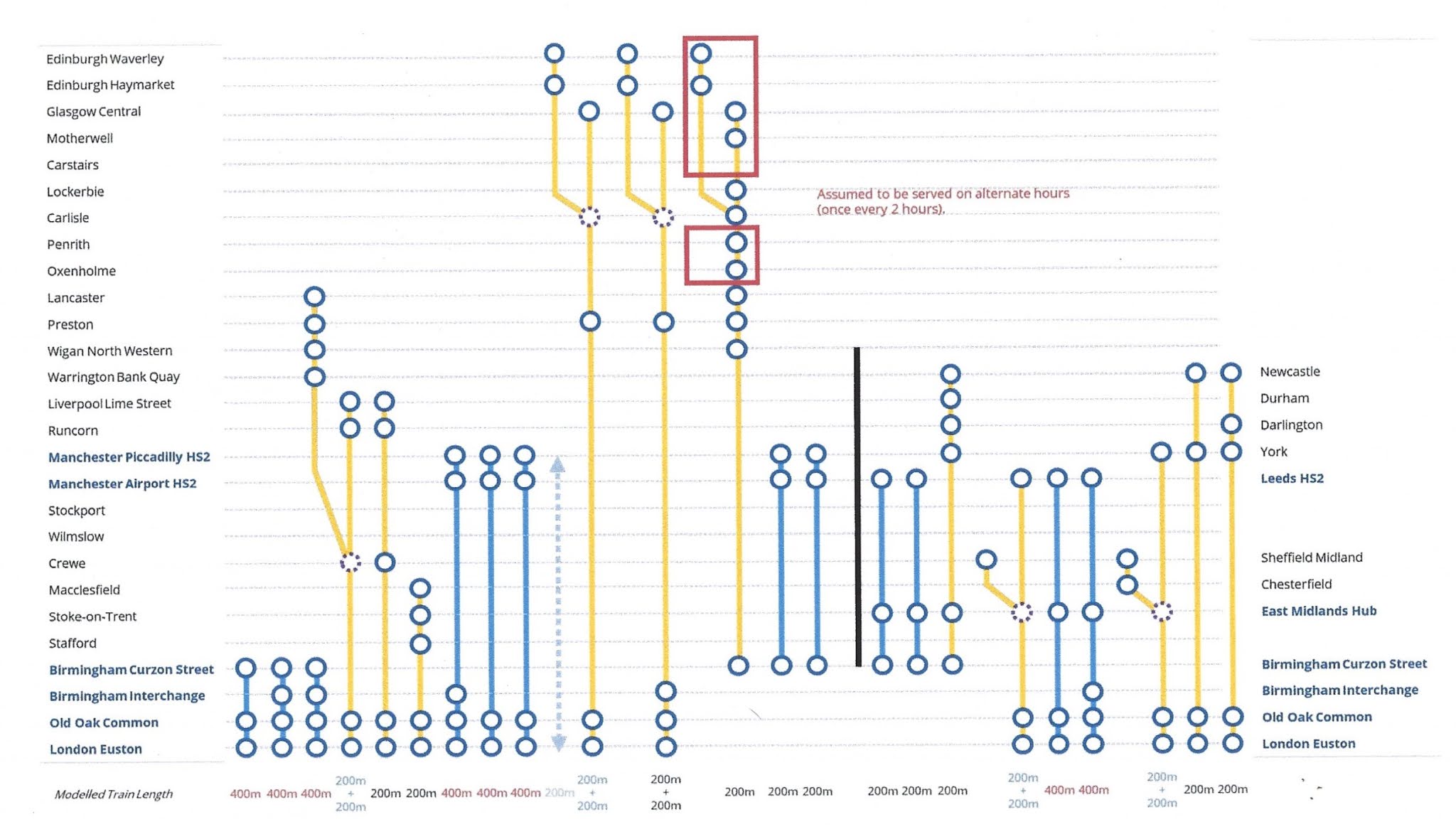
Note.
- There are seventeen paths terminating in the South at Euston station.
- Six of these paths go to Leeds, Newcastle or York.
- As the Eastern leg has been abandoned, that means six extra trains can run between London and the large triangular junction in the West Midlands.
Six extra trains running to the West side of England and Scotland could give a substantial improvement of services.
High Speed Yorkshire
HS2 needs to be paired with High Speed Yorkshire, which would mainly be an upgrading of the East Coast Main Line running at up to 160 mph to serve Lincolnshire, Yorkshire, the North-East and East Scotland.
Note.
- British Rail built the Selby Diversion in the 1980s to run at 160 mph.
- Digital signalling is currently being installed on this route and this will allow trains to speed through the two bottlenecks of the Digswell Viaduct and the Newark Crossing.
- Times of three-and-a-half hours between King’s Cross and Edinburgh, should be possible.
These times should give the airlines a good kicking on London-Newcastle and London-Scotland routes.
Fast services would run on High Speed Yorkshire to Alnwick, Barnetby, Barnsley, Beverley, Berwick, Bradford, Brough, Cleethorpes, Darlington, Doncaster, Durham, Edinburgh, Goole, Grantham, Grimsby, Harrogate, Huddersfield, Hull, Leeds, Lincoln, Middlesbrough, Newcastle, Peterborough, Pontefract, Retford, Rotherham, Scarborough, Scunthorpe, Sheffield, Skipton, Stevenage, Sunderland, Wakefield, Worksop and York.
Most of these towns and cities are already served by Hitachi or other high speed trains from King’s Cross.
A high proportion of the services to Yorkshire destinations will be under two hours from London.
When the current trains need replacing, they could be replaced by High Speed Two Classic-Compatible trains.
Onward From Handsacre Junction
Services to the North-West and Scotland will join the Trent Valley Line at Handsacre junction.
This OpenRailwayMap shows the Trent Valley Line between Crewe station and Handacre junction.
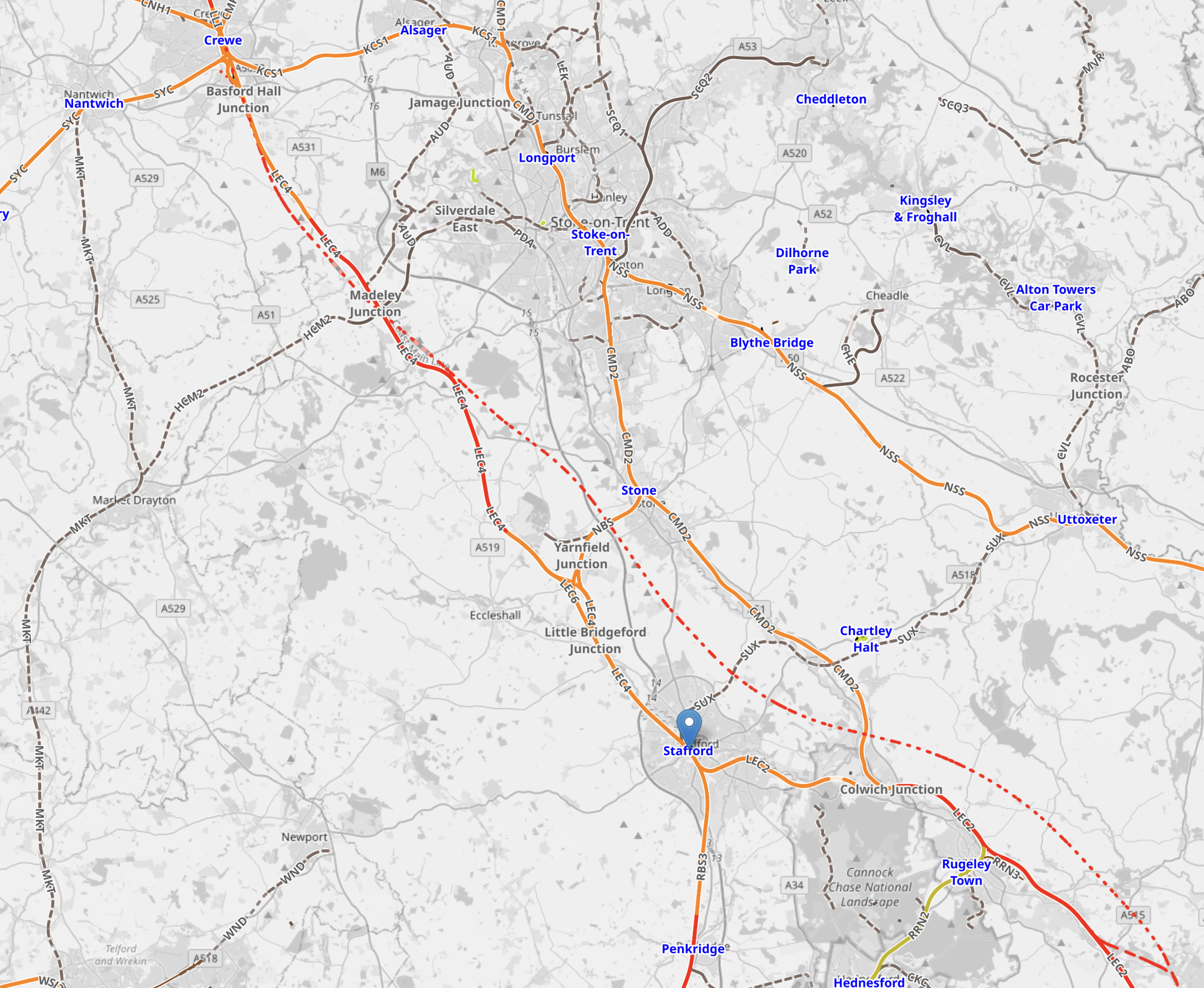
Note.
- The proposed route of High Speed Two is shown as a dotted line, running diagonally across the map.
- The red track to its West is the Trent Valley Line, which is a section of the West Coast Main Line.
- Handsacre junction is in the South-East corner of the map.
- The blue arrow indicates Stafford station on the West Coast Main Line.
- The main High Speed Two tracks will not connect to Stafford or Stoke-on-Trent stations.
- Crewe station is in the North-West corner of the map.
- Crewe station and Handsacre junction are 37.6 miles apart.
With the exception of the 6 mile twin-track section between Stafford Trent Valley and Colwich junctions, it appears that Crewe station and Handsacre junction is all quadruple track.
This OpenRailwayMap shows the Trent Valley Line between Stafford stationand Colwich junction.
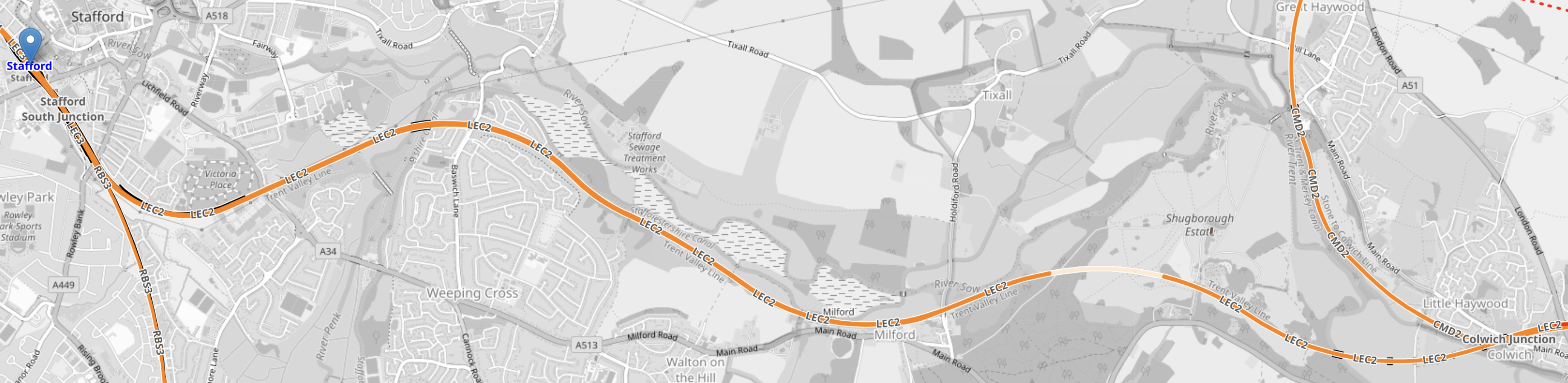
Note.
- The Trent Valley Line, which is a section of the West Coast Main Line, runs across the map.
- The arrow in the North-West corner of the map indicates Stafford station.
- Colwich junction is in the South-East corner of the map.
- About three-quarters of the way across, the track is shown in cream. This is the twin-track Shugborough Tunnel, which is around a half-mile long.
- The Shugborough Tunnel has a 100 mph maximum speed.
- The portals of Shugborough Tunnel are Grade II Listed and the Wikipedia entry for the tunnel is certainly worth a read.
How Many High Speed Two trains per hour (tph) will use the Trent Valley Line route?
The original proposal in the graphic earlier shows these trains.
- 4 – London to Lancaster/Liverpool Lime Street – Splits at Crewe
- 5 – London to Liverpool Lime Street
- 6 – London to Stafford, Stoke -on-Trent and Macclesfield
- 7 – London and Birmingham Interchange to Manchester Airport and Manchester Piccadilly
- 8 – London to Manchester Airport and Manchester Piccadilly
- 9 – London to Manchester Airport and Manchester Piccadilly
- 10 – London and Birmingham Interchange to Preston, Carlisle, Edinburgh Haymarket and Edinburgh Waverley/Glasgow Central – Splits at Carlisle
- 11 – London Euston to Preston, Carlisle, Edinburgh Haymarket and Edinburgh Waverley/Glasgow Central – Splits at Carlisle
- 12 – Birmingham Curzon Street to Wigan North Western, Preston, Lancaster, Oxenholme, Penrith, Carlisle, Edinburgh Haymarket and Edinburgh Waverley Or Wigan North Western, Preston, Lancaster, Carlisle, Lockerbie, Motherwell and Glasgow Central- Services alternate.
- 13 – Birmingham Curzon Street to East Midlands Hub, Manchester Airport and Manchester Piccadilly
- 14 – Birmingham Curzon Street to East Midlands Hub, Manchester Airport and Manchester Piccadilly
Note.
- It looks like there will be eleven High Speed Two tph on the Trent Valley Line.
- As East Midlands Hub will not be built, I will assume trains 13 and 14 will be Birmingham Curzon Street to Manchester Airport and Manchester Piccadilly.
- Other trains will need to use the route.
- I suspect that freight trains, that couldn’t maintain 100 mph would not be allowed.
I believe that digital signalling can handle all the trains between Handsacre Junction and Crewe.
- Trains 10 and 11 would run every thirty minutes to give two tph between London and Glasgow Central and two tph between London and the two Edinburgh stations.
- Each of these trains would lead a flight of trains behind them through the Trent Valley Line.
- The last trains going North in the flights, would be trains 4 and 6, as they stop on the Trent Valley Line section.
I have written a lot of scheduling algorithms in the last fifty years and I wouldn’t be surprised if flights could be up to 7 or 8 trains, running 3 or 4 minutes apart.
It would be an impressive sight.
What Timings Would Be Possible On High Speed Two Using Handsacre Junction And The Trent Valley Line?
In Where Is Handsacre Junction? I calculated some times on High Speed Two to various destinations, using Handsacre junction and the Trent Valley Line. This is a more comprehensive table.
- London and Blackpool North – 205 mph – 1:55
- London and Blackpool North – 140 mph – 2:12
- London and Carlisle – 205 mph – 2:45
- London and Carlisle – 140 mph – 3:01
- London and Crewe – 205 mph – 1:03
- London and Crewe – 140 mph – 1:19
- London and Edinburgh Waverley – 205 mph – 4:14
- London and Edinburgh Waverley – 140 mph – 4:30
- London and Glasgow Central – 205 mph – 4:22
- London and Glasgow Central – 140 mph – 4:38
- London and Handsacre junction – 205 mph – 0:35
- London and Handsacre junction – 140 mph – 0:51
- London and Lancaster – 205 mph – 1:50
- London and Lancaster – 140 mph – 2:06
- London and Liverpool Lime Street – 205 mph – 1:46
- London and Liverpool Lime Street – 140 mph – 2:02
- London and Manchester Piccadilly – 205 mph – 1:41
- London and Manchester Piccadilly – 140 mph – 1:57
- London and Preston – 205 mph – 1:31
- London and Preston – 140 mph – 1:47
- London and Stafford – 205 mph – 0:45
- London and Stafford – 140 mph – 1:01
- London and Stoke-on-Trent – 205 mph – 0:55
- London and Stoke-on-Trent – 140 mph – 1:11
- London and Wigan North Western – 205 mph – 1:17
- London and Wigan North Western – 140 mph – 1:33
Note.
- 205 mph could be the average speed between London Euston and Handsacre junction for High Speed Two Classic-Compatible trains.
- 140 mph could be the average speed between London Euston and Handsacre junction for Class 390 trains.
- Times are in hh:nn.
- For times North of Handsacre junction are typical Class 390 times.
A typical timing between London Euston and Handsacre junction for Class 390 trains is 71 minutes, so if High Speed Two services were run using Class 390 trains, twenty minutes would be saved on all services via Handsacre junction compared to current Avanti West Coast services.
I have some other thoughts.
Using Class 390 Trains Is Not My Idea
This article on Rail nBusiness UK is entitled Viewpoint: Buy tilting trains and finish Delta Junction to salvage HS2, says Gibb.
This is the sub-heading.
UK: Procurement of a fleet of tilting trains and a focus on Birmingham – Manchester services are key to making the most the descoped High Speed 2 scheme, former Virgin Trains executive Chris Gibb tells Rail Business UK.
Chris Gibb has the right experience. and has been used as a go-to man, when projects are in trouble.
The major points of his plan are as follows.
- Connect High Speed Two to the Trent Valley Line to go North from the Midlands.
- Initially, use Class 390 trains or Pendelinos on Liverpool, Manchester and Scottish services.
- Run Class 390 trains at 140 mph between Euston and Handsacre junction.
- When the Pendelinos need to be retired, buy a new set of tilting trains.
- Complete the North-to-West leg of High Speed Two’s triangular junction, so that trains can run between Birmingham Curzon Street and Manchester.
- Gibb proposes a Blackpool service, that splits and joins with a Liverpool service. I assume he means train 5.
Gibb feels a fundamental review of the operating principles and fleet requirements is now needed.
It is a well-thought out viewpoint and very much a must-read.
Lancaster Station – 23rd May 2025
I finally got to Lancaster station today, after my failure that I wrote about in An Annoying Day.
I took these pictures.
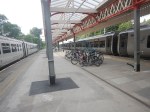
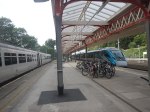
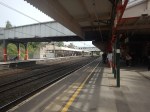
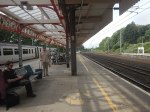
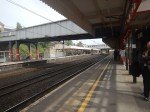
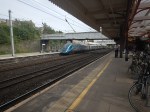
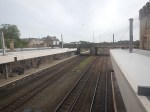
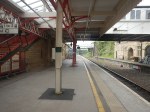
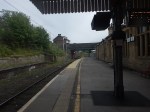
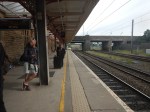
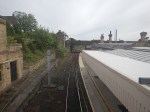
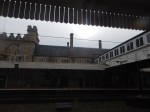
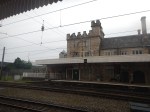
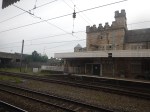
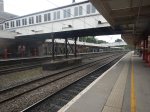
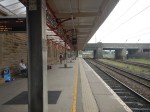
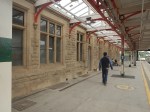
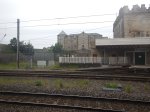
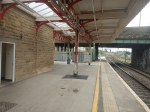
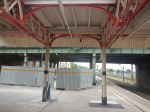
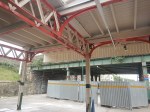
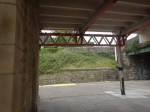
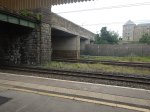
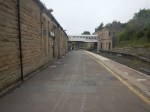
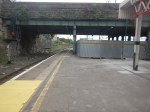
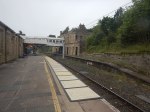
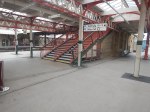
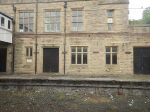
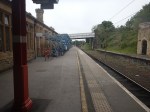
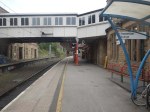
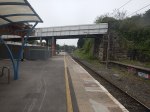
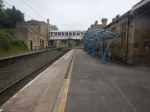
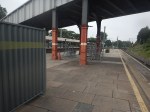
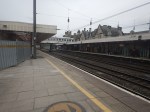
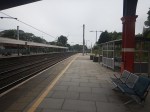
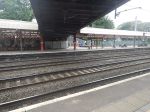
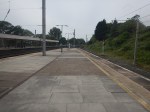
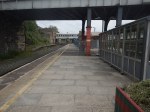
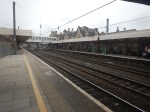
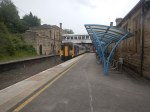
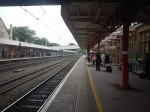
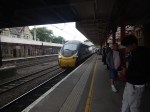
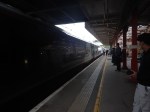
I shall deal with the features of the station in separate sub-sections.
The Original High Speed Two Schedule Through Lancaster Station
This diagram shows High Speed Two services, as they were originally envisaged before Phase 2 was discontinued.
Note.
- Trains to the left of the vertical black line are Phase 1 and those to the right are Phase 2.
- Full-Size trains are shown in blue.
- Classic-Compatible trains are shown in yellow.
- Blue circles are shown, where trains stop.
- The dotted circles are where trains split and join.
- In the red boxes routes alternate every hour.
Click on the diagram to enlarge it.
If I look at the trains counting from the left of the diagram, I see the following trains passing or terminating at Lancaster station.
- Train 4 is a pair of classic-compatible trains, that split and join at Crewe, with one train going to Lancaster and the other to Liverpool Lime Street.
- Trains 10 and 11 are pairs of classic-compatible trains going between London and Scotland.
- Train 12 is a single classic-compatible train going between Birmingham and Scotland.
Only the Lancaster portion of Train 4 stops in Lancaster station.
The Track Layout
This OpenRailwayMap shows the track layout through the station.
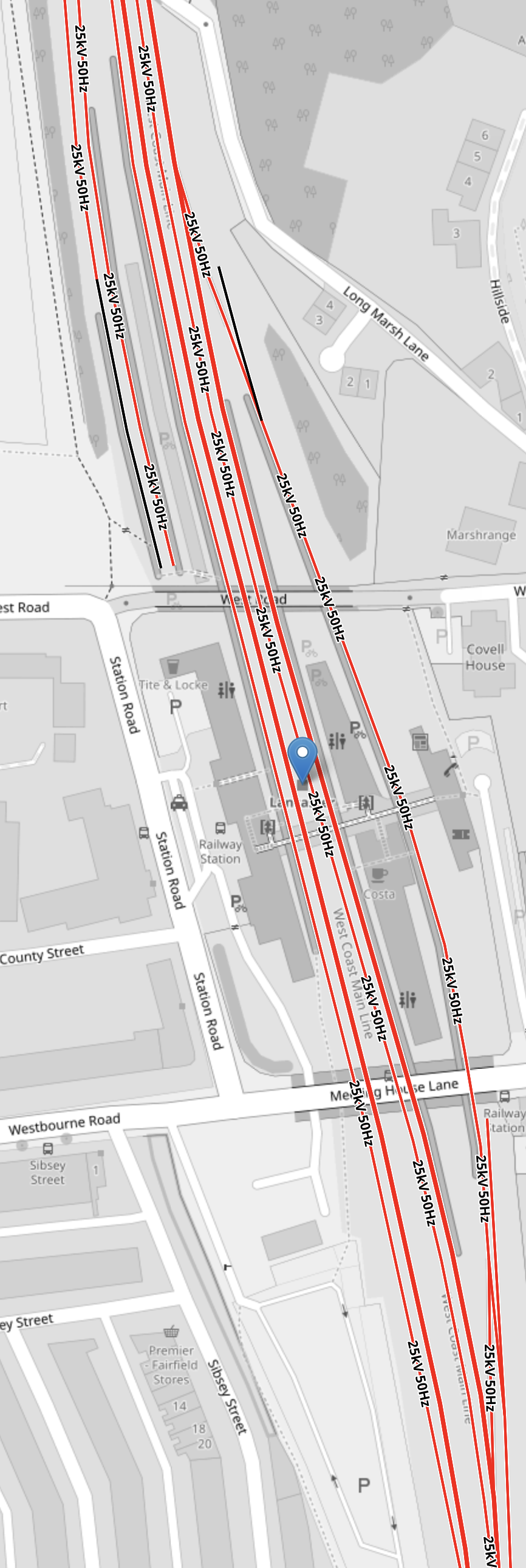
Note.
- Tracks shown in red are electrified and tracks in black or not.
- In the North-West corner of the map the two bay platforms 1 and 2, that are used for local services can be seen.
- Platform 3 is a long platform on the Western side of the station, which is generally for Northbound through stopping trains, that can take 265 metre long eleven-car Class 390 trains.
- Paired with the track through Platform 3, there is a Northbound avoiding line, that allows faster trains to overtake trains stopped in the station.
- Platform 4 is a long platform on the Western side of the island platform on the Eastern side of the station, which is generally for Southbound through stopping trains, that can take 265 metre long eleven-car Class 390 trains.
- Paired with the track through Platform 4, there is a Southbound avoiding line, that allows faster trains to overtake trains stopped in the station.
- Platform 5 is a long platform on the Eastern side of the island platform on the Eastern side of the station, that is over two hundred metres long.
- All through tracks have a 75 mph maximum speed, except for Platform 5, which is just 30 mph.
Click on the diagram to enlarge it.
How Will High Speed Two Operate At Lancaster Station?
I would expect that the three High Speed Two services to and from Scotland will go through Lancaster station on the avoiding lines, which will mean that each avoiding line will handle one High Speed Two classic-compatible train every twenty minutes.
The train, that terminates at Lancaster has a few options.
- It could terminate from London in any of platforms 3, 4 or 5.
- It could leave for London from any of the platforms 3, 4 or 5.
Note.
- All three platforms are long enough to accept a single High Speed Two classic-compatible train, which is only 200 metres long.
- There would probably need to be some works to the tracks so that trains could terminate in platforms 4 or 5.
- There might need to be some works to the tracks so that trains could leave from London from platform 3.
The logical way to terminate the train would probably for the train to arrive and leave in Platform 5, but then this would need improvements to the tracks and also to the passenger footbridge across the tracks.
Eden Project Morecambe And The Morecambe Branch
In a few years time, both the Eden Project Morecambe and High Speed Two will be open and I suspect, a day out could be to take High Speed Two to Lancaster and the local train to Morecambe for a day at the Eden Project Morecambe.
This paragraph from the Eden Project Morecambe web site, describes the current status of the project.
Eden Project Morecambe, previously known as Eden Project North, has been awarded £50m in the second round of the UK Government’s Levelling Up Fund. The funding allows the project to move into its next phase and begin the process of finalising the remaining funds required from private and philanthropic sources identified as part of the bidding process.
I had intended to take a train to Morecambe to have a look round, but the train, that I would have needed to catch to get back to London at a reasonable hour, didn’t run due to lack of train crew.
As High Speed Two will provide connections at Lancaster to Birmingham, Carlisle, Crewe, Edinburgh, Glasgow, London, Preston, Warrington and Wigan and other trains will provide connections to Leeds, Liverpool and Manchester, the Eden Project Morecambe will be well connected to those who might like to visit by rail.
A day out with the kids, could involve a trip on High Speed One to Lancaster, a trip on a battery-electric shuttle train to Morecambe and a day out at the Eden Project Morecambe.
The Eden Project Morecambe could be a big money earner for High Speed Two and other rail companies.
I would envisage, that you would be able to buy an All-in-One ticket to the Eden Project Morecambe, which included your rail tickets.
The Passenger Footbridge
There is a lift on the Southbound side, but on the Northbound and bay platform side, there are only steps.
If substantial numbers of passengers visit the station and need to cross the tracks on the footbridge, as you would from arriving in Platforms 4 or 5 and wanting to go to Eden Project Morecambe, the footbridge is totally inadequate.
Lancaster Station Architecture
Lancaster station is Grade II Listed and you can see why from the pictures.
Work appears to be ongoing to refurbish the station.
The stonework appeared immaculate and very much High Speed Two-ready.

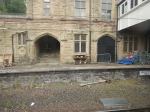
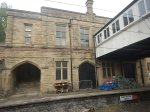
These picture shows part of the Costa coffee shop.
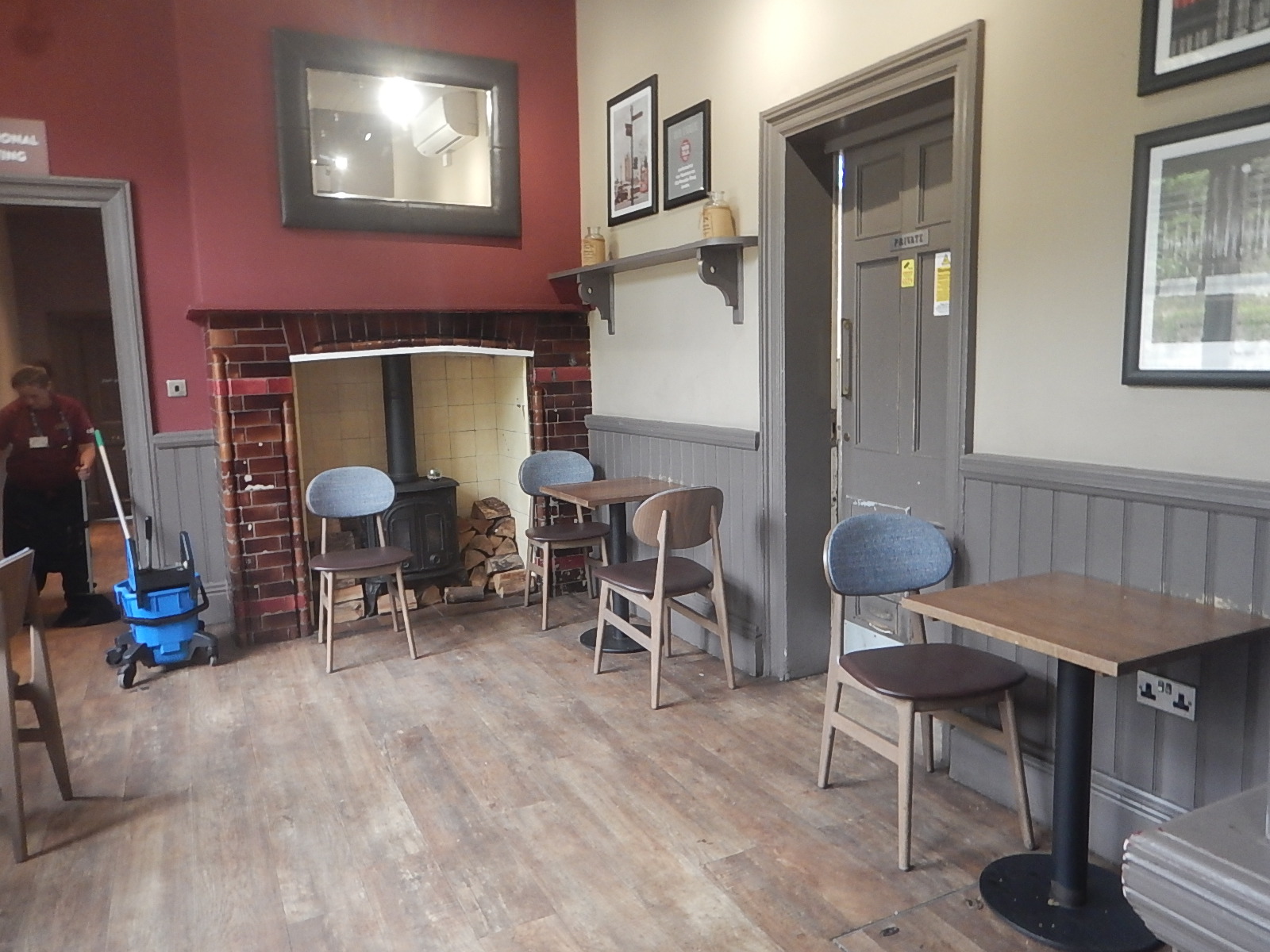
It was not what I expected.
Could High Speed Two Serve Blackpool North?
Consider.
- Blackpool North station is electrified and will have an electrified route to London Euston HS2 and Birmingham Curzon Street stations, when High Speed Two opens.
- Yesterday, both 11-car and 9-car Class 390 trains, which are longer than single High Speed Two classic-compatible trains, used Blackpool North station.
- Blackpool is noted for fresh air and fun.
- Blackpool needs leveling-up. Surely High Speed Two will help with this?
- Blackpool has a unique Modern and Ancient tramway to bring residents and visitors to High Speed Two.
I am fairly sure, that single High Speed Two class-compatible trains could use Blackpool North station.
But could another High Speed Two service have a path between London and Preston to serve Blackpool?
Because of the cancellation of Phase 2 of High Speed 2, there are spare paths on High Speed Two between London and the West Midlands.
If the core section of High Speed Two is extended Northwards to Crewe, as advocated by Dyan Perry of the High Speed Rail Group, that I wrote about in The Future Of HS2 Could Lie In Its Original Vision, this would create extra paths to Crewe.
It looks to me, that the tricky part of the route is between Crewe and Preston.
This diagram shows High Speed Two services, as they were originally envisaged before Phase 2 was discontinued.
Note.
- Trains to the left of the vertical black line are Phase 1 and those to the right are Phase 2.
- Full-Size trains are shown in blue.
- Classic-Compatible trains are shown in yellow.
- Blue circles are shown, where trains stop.
- The dotted circles are where trains split and join.
- In the red boxes routes alternate every hour.
Click on the diagram to enlarge it.
Note that if Phase 1 were to be completed to Crewe, there would be five full-size and five classic-compatible trains using the West Midlands and Crewe section of the High Speed Two route, of which five trains would terminate at Manchester Piccadilly HS2 station and two classic-compatible trains would terminate at Liverpool Lime Street.
So just three Scottish trains and one to Lancaster would go North of Warrington Bank Quay station, which would be an average of one train every fifteen minutes.
High Speed Two will be fully digitally signalled and I’m sure that trains could run as flights of two or more trains, a couple of minutes apart.
This would mean that a London and Blackpool North service could run say two minutes behind one of the London and Scotland services to Preston
- Between London and the West Midlands, there would be twelve trains per hour (tph).
- Between the West Midlands and Crewe, there would be also be twelve tph.
- Between Crewe and Preston, there would be five tph.
I believe it would be possible for High Speed Two to run a London and Blackpool North service, provided that the London Euston to Crewe core of High Speed Two is completed soon after Phase 1 is completed.
It should also be noted, that I believe the second Scottish service from London could also have a flight with another service. So could Barrow or Blackburn have a High Speed Two service from London?
Arriving In Liverpool Lime Street Station – 10th May 2025
Liverpool Lime Street station has one of the more spectacular approaches of British railway stations, as these pictures show.
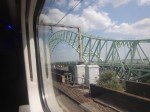



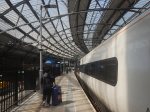
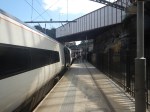
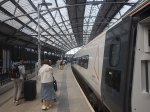

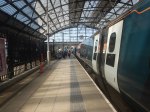
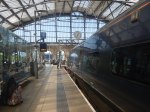

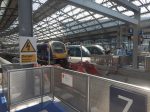
These sections describe the approach.
Crossing The Mersey
You cross the Mersey at Runcorn on the Ethelfreda or Britannia Bridge, which is described in this Wikipedia entry.
It was completed in 1868 and hopefully in a few years, it will be carrying High Speed Two trains between London and Liverpool.
On your right as you cross the Mersey to Liverpool is the Silver Jubilee road bridge, which is a through arch bridge that opened in 1961 to replace a historic transporter bridge. I am just a little bit too young to have seen the transporter bridge.
Further to your right, you can see the Mersey Gateway Bridge, which is a cable-stayed bridge, that opened in 2017 and is described in this Wikipedia entry.
Drax’s Biomass
As you approach Lime Street station, you pass through Edge Hill, where there are the GB Railfreight sidings, where the biomass trains for Drax power station are marshalled for their journey across the Pennines. These Drax trains seem to be one of the few freight trains in the UK, that carry advertising. Tesco trains also do, but their’s is just big letters.
In Do Cummins And Stadler Have a Cunning Plan?, I talked about the possible conversion at some date in the future of GB Railfreight’s new electro-diesel Class 99 locomotives to electro-hydrogen locomotives. These locomotives will surely be ideal for hauling Drax’s biomass trains across the Pennines.
I do believe that these Class 99 locomotives are the future of heavy freight trains in the UK. In Iarnród Éireann Looks At Diesel Loco Replacement Options, I write about speculation, that Stadler may build a version for the Irish.
Through The Edge Hill Cutting
From Edge Hill a deep cutting through the sandstone takes you into Lime Street station.
It looked good in the sun, but the first time I arrived in the city to start my studies at Liverpool University, it was chucking it down and the cutting was very dark and wet.
It was a very different welcome to that, which I got yesterday.
My Train Arrived In Platform 10
Liverpool Lime Street has two cast iron train sheds.
- The Western shed has platform 1 to 5 and generally handles trains from the East.
- The Eastern shed has platform 6 to 10 and generally handles trains from the South.
Note.
- Changing between trains is just a step-free walk across the station concourse.
- Both sections have their own taxi rank and full-size clock.
- The Ticket Office is in the Western train shed.
I just walked from my train to the Ticket Office, bought a Lancashire Day Ranger ticket and then walked fifty metres to my next train.
How many stations have such an easy change of trains?
Is Liverpool Lime Street Station Ready For High Speed Two?
Consider.
- I travelled North in an 11-car Class 390 train, which is 265.3 metres long and can carry 607 passengers.
- As the last pictures show, the train fitted easily into platform 10.
- High Speed Two plans to send 200 metre classic-compatible trains to Liverpool Lime Street, with each having a capacity of up to 528.
It looks to me, that these High Speed Two classic-compatible trains will fit into Liverpool Lime Street station, at any platform that currently accepts an eleven-car Class 390 train.
Looking on Real Time trains over the last few days, I’ve found eleven-car Class 390 trains using platforms 9, 10 and 6.
It seems that Network Rail’s engineers have done a superb job to turn the Grade II Listed station, into one of the best operationally.
Avanti West Coast Increases Liverpool – London Services With Launch Of Electric Evero Trains
The title of this post, is the same as that of this article on Railway Gazette.
This is the sub-heading.
Avanti West Coast officially launched the Class 807 electric only-version of its Hitachi-built Evero trainsets into service on November 11. This enables the operator to offer an additional weekday return service between Liverpool Lime Street and London Euston.
On the 14th of November 2024, these services were run by new Class 807 trains.
- 3F79 – 807001 – 2100 – Northampton to Liverpool Lime Street
- 3F80 – 807001 – 0023 – Liverpool Lime Street to Edge Hill Depot
- 5A99 – 807001 – 0836 – Edge Hill Depot to Liverpool Lime Street
- 1A99 – 807001 – 0901 – Liverpool Lime Street to London Euston – 02:40
- 1F12 – 807003 – 0743 – London Euston to Liverpool Lime Street – 03:07
- 1A28 – 807003 – 1043 – Liverpool Lime Street to London Euston – 02:20
Note,
- I have shown all Class 807 movements that happened. Some possibly didn’t!
- There appear to be extra services, which I’ve marked with their times.
- Time seems to be available to go to Edge Hill Depot if needed.
- I suspect an open return ticket can be used on any train, that’s running.
Services seem to be slow, but they can be booked.
Avanti Are Ramping Up The Service
I suspect that as they add more trains, times will come down and a stop at Liverpool South Parkway will be added.
The Class 390 trains currently used on the Liverpool route are too long for Liverpool South Parkway station.
But seven-car Class 807 trains would fit easily.
The shorter and lighter seven-car Class 807 trains may well have faster acceleration and deceleration than the nine- or eleven-car Class 390 trains with their heavy tilting mechanism.
Could this extra performance mean that the Class 807 trains could still meet the timetable with extra stops?
In Is Liverpool Going To Get High Speed One-Point-Five?, I discussed various options for the London and Liverpool service.
I believe that a practical timetable like this could work.
- Eleven-car Class 390 train – one tph – Non-stop or perhaps a single stop in the Midlands – Under two hours
- Seven-car Class 807 train – one tph – Stopping at Nuneaton, Stafford, Crewe, Runcorn and Liverpool South Parkway – Current time or better
Note.
- An hourly service between London and Liverpool in under two hours would surely be a passenger magnet.
- Two tph would be a 43 % hourly increase in the number of seats between London and Liverpool.
- There would be better connections between Liverpool Lime Street and the East Midlands.
The Railway Gazette article also says this.
From the December timetable change AWC will supplement the current hourly Liverpool – London service with an extra two trains each way every weekday and a third service on Saturdays.
In the short term, AWC will not be delivering the long-standing plan for a half-hourly service on the route, but further services are to be introduced over the next year.
One constraint relates to the power supply. Network Rail has identified two locations where additional electric services cannot currently be accommodated, and discussions over a resolution are ongoing.
A fast service could also be applied to one of the London and Manchester services.
It should be noted, that the two hours and eight minutes record between Manchester and London Euston was set by an InterCity 225 in 1992, so perhaps a seven-car Class 807 could do better than a Class 390 train.
Could A Pair Of Class 807 Trains Leave Euston For Liverpool And Manchester, And Split At Crewe?
Train lengths are as follows.
- Seven-car Class 807 train – 182 metres.
- Fourteen-car Class 807 train – 364 metres.
- Nine-car Class 390 train – 217.5 metres.
- Eleven-car Class 390 train – 365.3 metres.
- Caledonian Sleeper – 374 metres.
I suspect with perhaps a small amount of platform lengthening, a pair of Class 807 could be fitted into all stations, where they would need to call.
This might be a way of adding extra capacity and faster services to Manchester, without needing an extra path on the West Coast Main Line.
Could A Single Class 807 Train Call At Manchester Airport Station?
The platforms at Manchester Airport station are 192 metres long, so a single Class 807 train should fit.
This would allow an hourly service from Manchester Airport to the South, without a change at Manchester Piccadilly or Crewe.
To save paths, it could split and join with the second Liverpool service at Crewe.
Conclusion
The new Class 807 trains could increase performance to between London Euston and both Liverpool Lime Street and Manchester Piccadilly.
Rochdale Station – 12th November, 2024
Yesterday, I went to Rochdale station, to ascertain, the suitability of running a Lumo service between Euston and Rochdale stations.
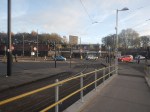


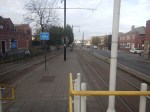
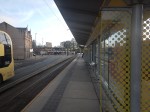
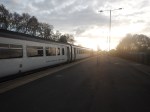
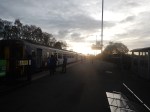
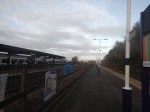




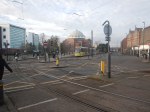
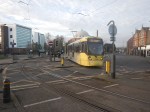
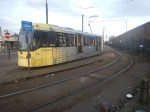
Note.
- The building in the style of a mosque, is actually a Catholic church.
- The island tram platform is at right angles to the railway lines through the station.
- The tram takes you a short distance to the North to the town centre.
This map shows the station and the tram stop.
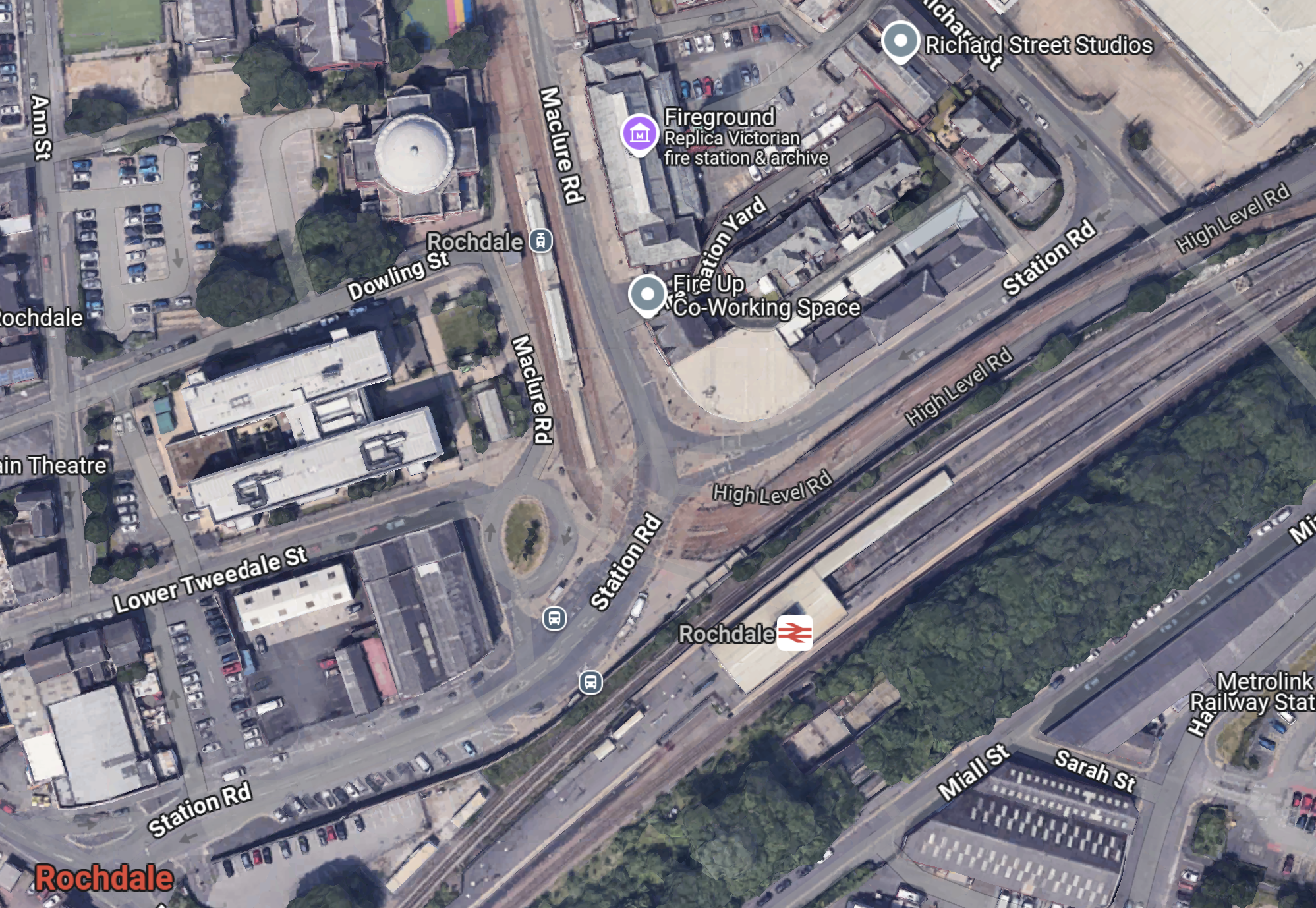
Note.
- The station has four platforms and two tram platforms.
- The two outer train platforms are quite long.
- The West-facing bay platform could probably take a five-car Lumo train.
- The tram platform runs North from the station.
- There is a co-working space by the tram-stop.
- There is a cafe in the station.
- There is a manned ticket office.
- Car parking is free.
- There are sixteen bicycle spaces.
With some tidying up, this could be a neat interchange.
These are my thoughts.
Will Rochdale Station Accommodate One Of Lumo’s Five-Car Trains?
The Wikipedia entry for Rochdale station, says this about the Bay Platform 4, that was used for the Cltheroe train.
In 2015, construction on a fourth railway platform began. The 135m-long bay platform was completed in 2016 and is used to relieve congestion at Manchester Victoria, where terminating trains would otherwise occupy the through platforms; numerous services now continue on to Rochdale as opposed to terminating at Victoria. It is located at the south end of the main island platform, with the southbound through line having been re-aligned slightly further east to accommodate the new terminating line and is used by the half-hourly stopping service from Blackburn/Clitheroe via Bolton and Victoria.
A 135 metre platform should be able to accommodate a five-car train with 27 metre carriages, so it looks like a 5-carriage Lumo train with 26-metre cars would fit in the bay platform 4.
Will Rochdale Station Accommodate A Pair Of Lumo’s Five-Car Trains?
Consider.
- Lumo’s Hitachi trains, like all their siblings can run in pairs. As I reported in Ten-Car Hull Trains, Hull Trains do it regularly.
- Rochdale station may or may not be able to accommodate a pair of five-car trains, but say if one of Manchester’s Premier League clubs was playing in the FA Cup Final, I’m sure they would find a way to run a ten-car train to London.
- It looks like Warrington Bank Quay, Newton-le-Willows, Eccles and Manchester Victoria could all take 10-car trains.
- Euston probably can as well, as 9-car and 11-car Class 390 trains are 217.5 and 265.3 metres respectively long respectively and a 10-car Lumo train would only be 260 metres.
Perhaps, one train can start at Rochdale and the other at Manchester Victoria, before they join at Victoria and go to London as a pair.
Could The Lumo Service Be Extended Across The Pennines?
Distances Along the Calder Valley Line to Leeds are as follows.
- Rochdale 10.4 miles –
- Hebden Bridge – 23.6 miles
- Halifax – 32.7 miles
- Low Moor – 37.5 miles
- Bradford Interchange – 40.4 miles
- Leeds – 49.8 miles
Note.
- The 70 km. rang of a Lumo train will be 43.5 miles.
- The train can be charged at both end stations and will be fully charged, when it leaves Manchester Victoria and Leeds.
- There are short lengths of electrification at Manchester Victoria and Leeds.
- There may be extra electrification between Bradford Interchange and Leeds, in the next few years.
I am fairly certain, that a battery-electric Lumo Class 803 train will be able to provide a London Euston and Leeds service.
How Long Will Services Take?
Timings on the extended route from London Euston to Manchester Victoria, Rochdale, Bradford and Leeds would take.
- London-Euston – Warrington Bank Quay – One hour and forty-four minutes – Current Avanti timings.
- Warrington Bank Quay – Newton-le-Willows -Eleven minutes – Current Northern timings.
- Newton-le-Willows – Eccles -Ten minutes – Current Northern timings.
- Eccles – Manchester Victoria – Ten minutes – Current Northern timings.
- Manchester Victoria – Rochdale – Fourteen minutes – Current Northern timings.
- Rochdale – Hebden Bridge – Sixteen minutes – Current Northern timings.
- Hebden Bridge – Halifax – Fifteen minutes – Current Northern timings.
- Halifax – Low Moor – Six minutes – Current Northern timings.
- Low Moor – Bradford Interchange -Ten minutes – Current Northern timings.
- Bradford Interchange – Leeds – Nineteen minutes – Current Northern timings.
Totals.
- London and Manchester Victoria – Two hours and fifteen minutes.
- London and Rochdale – Two hours and twenty-nine minutes.
- London and Bradford – Three hours and six minutes.
- London and Leeds – Three hours and twenty-five minutes.
I suspect times could be speeded up a bit.
Proposed Developments Of Manchester Metrolink
This sub-title has its own Wikipedia entry.
Developments that would be beneficial to a Lumo service might include.
A station at Cop Road on the Oldham and Rochdale Line, that would support new housing.
Tram-trains between Oldham and Heywood On the Calder Valley Line.
These two developments will directly bring more passengers to the Lumo service, but because the Lumo service has links with the Metrolink at Eccles, Manchester Victoria and Rochdale any Metrolink improvements should benefit the Lumo service.
3rd October 2024 – A Day In Liverpool
A Three-Leg Journey North
This is the second time, I’ve bought one of there journeys North and they are a pain, unless you want to guarantee seats.
I suppose, I should buy my tickets earlier, but if I can buy my rickets on the day on other train companies, I would prefer to do it on Avanti West Coast.
Avanti West Coast’s problem is that they haven’t got their new Class 807 trains into service yet, which will double the services to Liverpool.
T arrived at Warrington Bank Quay on time and the transfer to Newton-le-Willows went smoothly, but then, I waited thirty minutes for my train to Liverpool Lime Street.
This OpenRailwayMap shows the route I took.
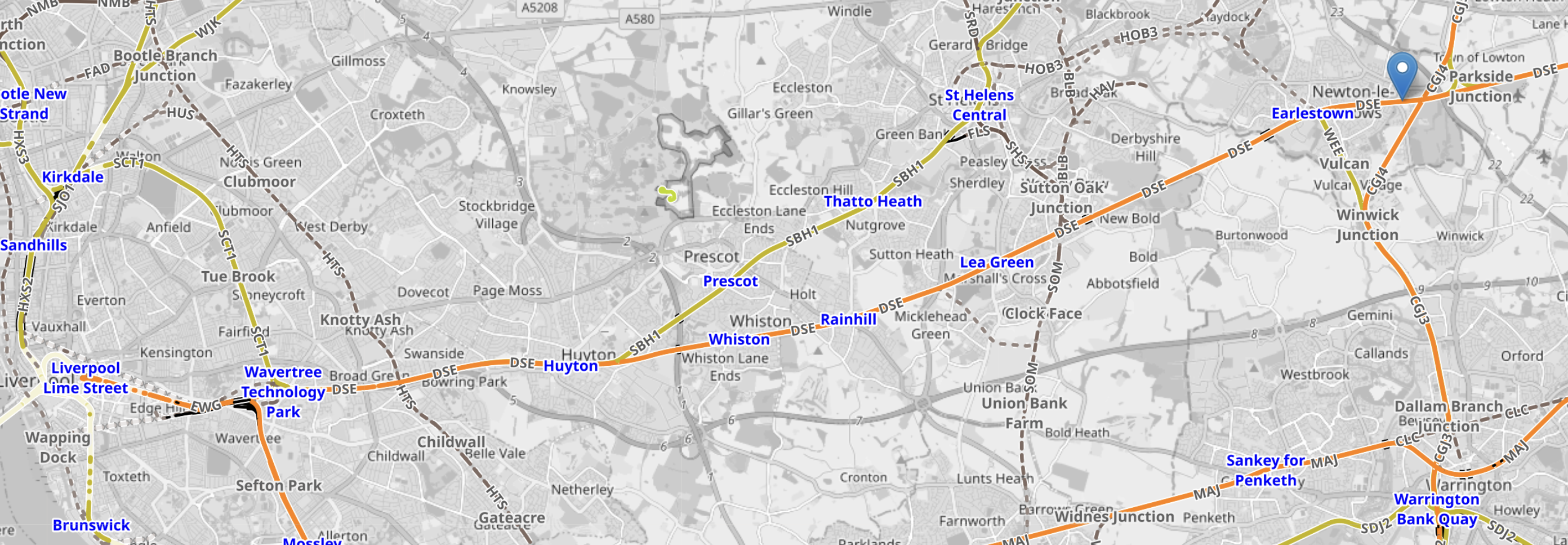
Note.
- Liverpool Lime Street station is at the Western side of the map.
- Newton-le-Willows station is marked by the blue arrow in the top right corner of the map.
- Warrington Bank Quay station is in the bottom right corner of the map.
It does seem a round about route, But I got there. Although, I was late.
Hopefully, in a couple of years, you’ll be able to take a local train between Liverpool Lime Street and Newton-le-Willows stations to link up with FirstGroup’s low-cost Lumo Open Access service between Euston and Rochdale.
A Single Journey Home
I was booked home on the 18:43 train from Lime Street, but as you can often do, I asked and was allowed to board the 17:43.
A Crowded And Crazy Euston
I arrived back at Euston at 20:00, but it was crowded, as the station is very much a building site for High Speed Two.
I felt I would treat myself to a taxi, but I couldn’t find any.
So I took a 205 bus along Euston Road to King’s Cross, where I jumped on the the Circle Line for Moorgate.
From there I took my usual 141 bus home.
A friendly station guy at Moorgate, indicated, there might not be any taxis at Euston.
I’d also found earlier, that there were no escalators to the Underground.
Perhaps more than ever, care should be taken at Euston, when getting to and from the station.
It Looks To Me That High Speed Two Has Got Their Planning Wrong At Euston
The big problem at Euston is getting to and from the National Rail station from East or West,
Compare Euston in this respect with Liverpool Street, King’s Cross, St. Pancras or Paddington.
In The New Step-Free Entrance At Euston Square Station, I show the plans for step-free access to the sub-surface lines.
This new entrance to Euston station, should be built first.
All the dithering about High Speed Two seems to have delayed it!
ORR: Open Access Services Given Green Light Between London And Stirling
The title of this post is the same as that of this press release from the Office of Rail and Road.
This is the sub-heading.
The latest access decision by the Office of Rail and Road (ORR) provides more services for rail passengers travelling between London and central Scotland.
These five paragraphs detail the ORR’s decision.
ORR has today (7 March) given the go-ahead for Grand Union Trains, an open access operator, to start a new train service between London and the city of Stirling, from June 2025. ORR’s decision will offer more choice to passengers, bring private sector investment to the railway and increase competition.
Grand Union Trains will introduce four new return services per day between London Euston and Stirling stations. These services will also call at Milton Keynes Central, Nuneaton, Crewe (subject to agreement between Grand Union Trains and Network Rail), Preston, Carlisle, Lockerbie, Motherwell, Whifflet, Greenfaulds and Larbert. Larbert, Greenfaulds and Whifflet will receive their first direct services to London.
ORR found that the proposed services would increase choice for passengers, significantly increasing direct journey opportunities to and from London and central and southern Scotland, while making use of existing capacity on the network.
The new services will be the first run by an open access operator on the West Coast Mainline. Open access operators run services independently of government funding as they do not have a franchise agreement with government.
Following ORR’s decision to approve new Grand Union Trains services between Carmarthen in south Wales and London Paddington in 2022, ORR has now approved open access services on three of Britain’s major routes.
Note.
- The Grand Union service appears to be running into London Euston. Earlier plans had it terminating at Queen’s Park station.
- Larbert, Greenfaulds and Whifflet will receive their first direct services to London.
- London Euston and Stirling is electrified all the way.
- The third open access service, that the ORR has approved is the Lumo service between King’s Cross and Edinburgh via the East Coast Main Line.
I have a few thoughts.
Stirling Is An Ideal Place To Explore Central Scotland By Train
In Stirling, I give the reasons, why I spent a couple of days in Stirling, when I wanted to visit several places in Central Scotland.
Note.
- Stirling has direct services to Aberdeen, Dundee, Edinburgh, Glasgow, Inverness and Perth.
- Aberdeen is one hour and 15 minutes away.
- Dundee is just 63 minutes away.
- Edinburgh is just 48 minutes away.
- Glasgow is just 39 minutes away.
- Inverness is two hours and 46 minutes away.
Stirling has about a dozen affordable hotels and guest houses within walking distance of the station, as this map shows.
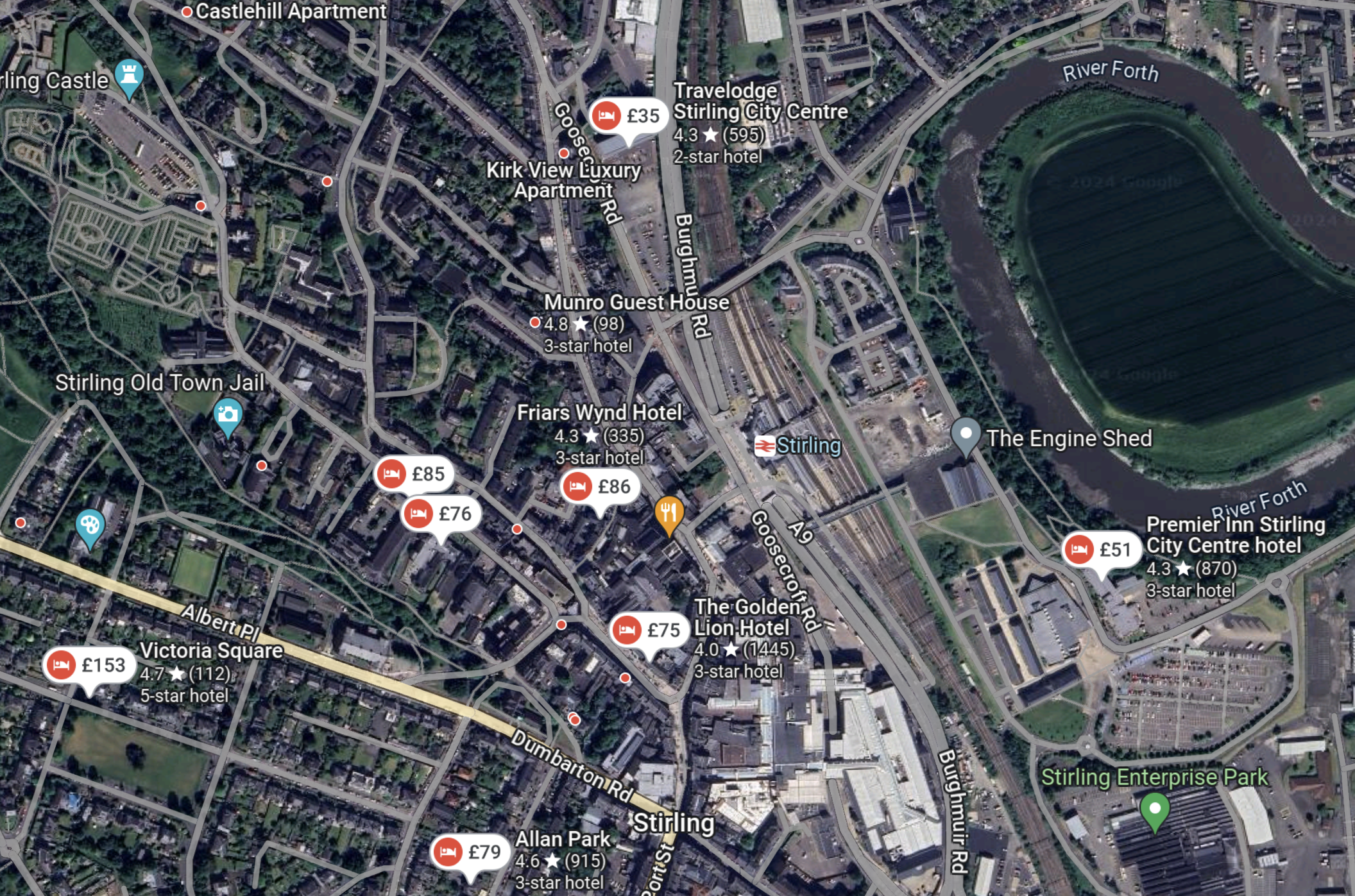
Stirling would appear to have got Central Scotland covered.
Could The Train Serve Gleneagles?
Gleneagles is about twenty minutes North of Stirling and is served by the Caledonian Sleeper from London.
This Google Map shows the area around Gleneagles station.
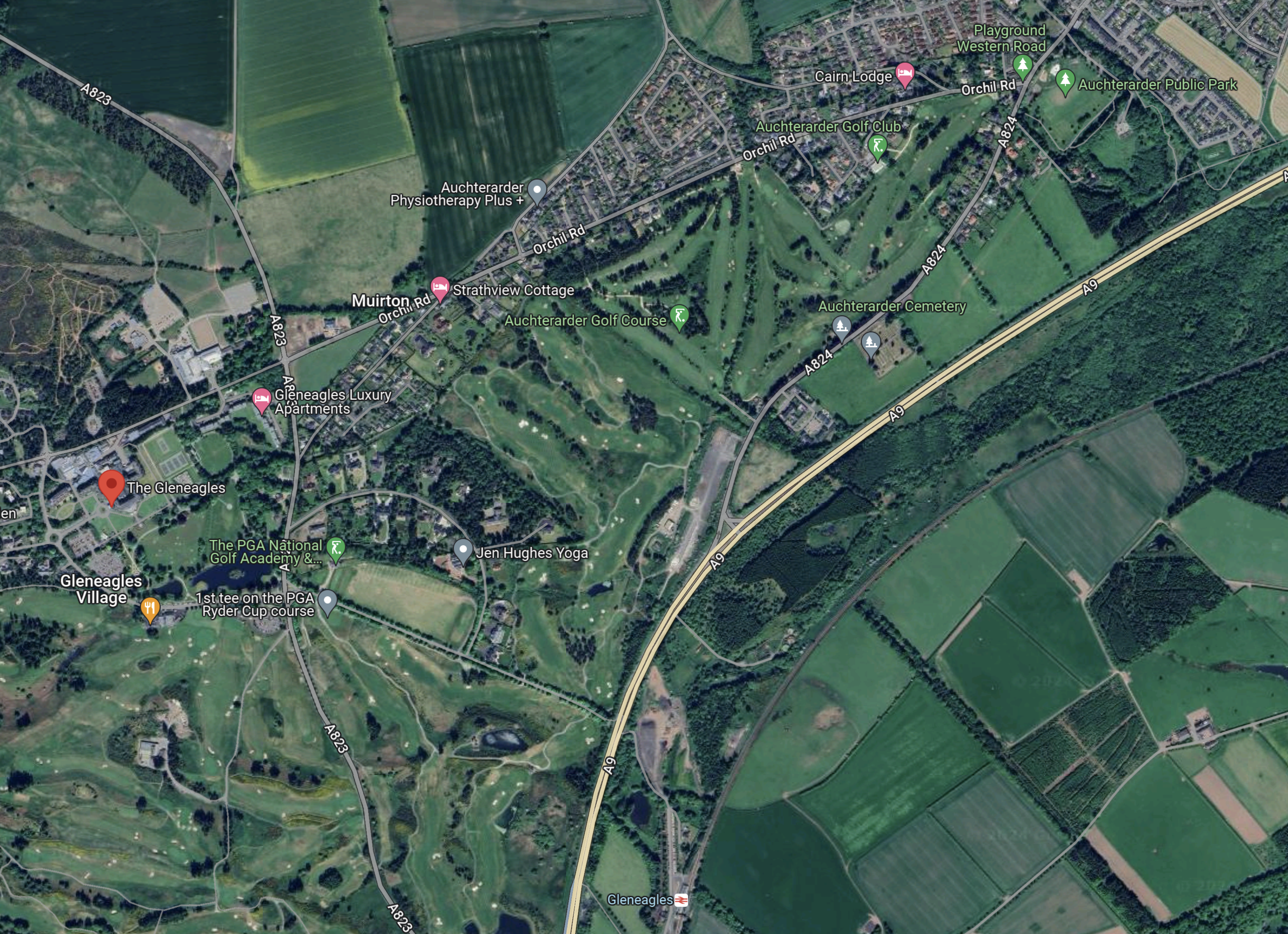
Note.
- Gleneagles station is at the bottom of the map.
- The red arrow indicates the famous Gleneagles hotel.
- The pink dots are other hotels.
- Airbnb lists several very splendid properties in the varea.
Not everybody, who goes to the Gleneagles area will be exceedingly rich and I could see the Gleneagles area generating substantial business for Grand Union Trains. I suspect the best way to serve Gleneagles would be a zero-emission coach from Stirling.
Along The Motherwell And Cumbernauld Line
Between Motherwell and Stirling, a lot of the route used is on the Motherwell and Cumbernauld Line.
- The line is fully-electrified.
- It is only 28.9 miles between Motherwell and Stirling.
- \cumbernaukd and Motherwell takes 20 minutes.
I do wonder, if extra stops might be worthwhile.
Motherwell Has Good Connections To Edinburgh And Glasgow
As well as Stirling, Motherwell has good connections to both Edinburgh and Glasgow, so some passengers might find their most convenient route involves a change at Motherwell.
Nuneaton And Scotland Would Get A New Service
Nuneaton has been named by Avanti West Coast, as a place that needs more trains, as it connects with the service between Birmingham and Stansted Airport, via Coleshill Parkway, Leicester, Peterborough, March, Ely and Cambridge.
I suspect that, Nuneaton will become an interchange, between East Anglia and, the North West and West Scotland.
Milton Keynes And Scotland Should Get An Improved Service
Consider.
- It appears that all Avanti West Coast services between Milton Keynes and Scotland, go via Birmingham.
- I suspect that Grand Union’s route using the Trent Valley Line could be faster with similar trains.
- Creating a new route between Milton Keynes and Stirling could be a good move, as it gives one-change access to much of Central Scotland.
- Milton Keynes has good local connections to places like Northampton, Rugby, Tring and Watford Junction.
- Milton Keynes will be a stop on the new East-West Railway.
- From many stations, it will be quicker to go via Milton Keynes rather than Euston.
I suspect Milton Keynes could be a nice little earner.
Will Grand Union’s Trains Be Fitted With Digital Signalling?
Consider.
- At some point in the next ten years the West Coast Main Line will be fitted with digital signalling, to enable trains to run at 140 mph on selected parts of the route.
- Digital signalling will allow extra services between London Euston and Motherwell.
- Motherwell and London Euston is 388 miles.
I suspect, that Grand Union’s Trains will need to be fitted with digital signalling, so they can save time on services and possibly add in a few more.
It will add costs, although the faster speed will surely attract passengers.
Will Grand Union’s Trains Be Electric?
There are these train services going between England and Scotland.
- Avanti West Coast – London Euston to Edinburgh Waverley via Birmingham New Street – 7 tpd – Class 390 – Electric
- Avanti West Coast – London Euston to Glasgow Central via Birmingham New Street – 5 tpd – Class 390 – Electric
- Avanti West Coast – London Euston to Glasgow Central via Trent Valley – 1 tph – Class 390 – Electric
- CrossCountry – Plymouth to Edinburgh Waverley – 1 tph – Class 220/221 – Diesel – Uses diesel all the time
- LNER – London King’s Cross/Leeds to Aberdeen – 4 tpd – Class 800 – Bi-mode – Uses diesel North of Edinburgh
- LNER – London King’s Cross to Inverness – 1 tpd – Class 800 – Bi-mode – Uses diesel North of Stirling
- LNER – London King’s Cross to Edinburgh Waverley – 3p2h – Class 800 – Bi-mode or Class 801 – Electric
- LNER – London King’s Cross to Glasgow Central – 1 tpd – Class 801 – Electric
- LNER – London King’s Cross to Stirling – 1 tpd – Class 801 – Electric
- Lumo – London King’s Cross to Edinburgh – 5 tpd – Class 803 – Electric
- TransPennine Express – Newcastle to Edinburgh Waverley – 7 tpd – Class 802 – Bi-mode
- TransPennine Express – Liverpool Lime Street to Glasgow Central – 2 tpd – Class 397 – Electric
- TransPennine Express – Manchester Airport to Edinburgh Waverly – 1 tp2h – Class 397 – Electric
- TransPennine Express – Manchester Airport to Glasgow Central – 1 tp2h – Class 397 – Electric
Note.
- tpd is trains per day.
- tph is trains per hour.
- tp2h is trains per two hours.
- LNER services to Glasgow and Stirling are likely to be dropped.
- Some Lumo services are likely to be extended from Edinburgh to Glasgow.
- Many services South from Stirling to Edinburgh Waverley and Glasgow Queen Street are electric.
The current two tpd direct trains to Stirling are electric and if you change at Edinburgh Waverley or Glasgow, it is likely to be an all-electric service.
For marketing reasons, I would recommend, that Grand Union Trains ran electric trains between London Euston and Stirling, as they are competing against an all-electric service.
Although to meet service dates it might be necessary to run something like a diesel Class 222 train to get the service started.
What Trains Will Grand Union Use?
The Wikipedia entry for Grand Union Trains, says this for their London Euston and Stirling service.
In 2023 Grand Union revised its proposal changing its planned rolling stock to Class 22x units, at the same time the start date for this service was changed to June 2025.
I would suspect they will put in the order for new electric trains fairly sharpish.
The new trains could be.
- A variant of Hitachi’s Class 800 trains.
- A variant of CAF’s Class 397 trains.
Would they have an emergency battery un case of overhead line failure?
How Long Will A Service Take?
The service can be divided into two sections.
- London Euston and Motherwell – 388 miles.
- Motherwell and Stirling – 28.9 miles.
Note.
- The 08:30 train from Euston to Motherwell takes 4 hours and 17 minutes with six stops via Nuneaton.
- The Grand Union Trains service will also have six stops and go via Nuneaton.
I would expect with today’s signalling and electric trains, that Euston and Motherwell would take a maximum of 4 hours and 17 minutes.
- The twenty minute time to Cumbernauld could be added.
- The twenty-five minute time between Cumbernauld and Stirling could be added.
It looks the time would be just over five hours.
I doubt there would be much scope for increasing speed North of Motherwell, but could there be savings made to the South of Motherwell?
Consider.
- London Euston and Motherwell is 388 miles.
- Four hours and 17 minutes is 257 minutes.
- Motherwell is on the main London Euston and Glasgow Central route.
This is an average speed between London Euston and Motherwell of 90.6 mph.
By comparison.
- London King’s Cross and Edinburgh is 392.6 miles.
- Journeys can take four hours and 20 minutes or 260 minutes.
This is an average speed between London King’s Cross and Edinburgh of 90.6 mph.
In the next decade, there will be improvements on both the East and West Coast Main Lines.
- King’s Cross and Edinburgh is currently being digitally signalled.
- London Euston and Glasgow Central is likely to be an early priority for digital signalling after London King’s Cross and Edinburgh is completed.
- When High Speed Two opens to Birmingham and Lichfield, High Speed Two trains between London Euston and Glasgow Central will use the West Coast Main Line to the North of Lichfield.
- I wouldn’t be surprised to see some track realignment and modifications to improve speeds on the West Coast Main Line to the North of Lichfield.
I can build a table of times between London Euston and Motherwell against average speed.
- 90 mph – 4 hours 19 minutes
- 100 mph – 3 hours 53 minutes
- 110 mph – 3 hours 32 minutes
- 120 mph – 3 hours 14 minutes
- 125 mph – 3 hours 6 minutes
- 130 mph – 2 hours 59 minutes
Note.
- Adding 15 minutes gives a London Euston and Glasgow Central time.
- Adding 45 minutes gives a London Euston and Stirling time.
- Averaging 120 mph would give London Euston and Glasgow Central or Stirling times of under four hours.
It strikes me, that to improve Anglo-Scottish relations and to make rail a better alternative to flying, a priority for all West Coast services is to improve the West Coast Main Line and install digital signalling, so that a 120 mph average is possible between London Euston and Motherwell.
What Difference Will High Speed Two Make?
High Speed Two is claiming it will knock thirty minutes off times between London Euston and Glasgow Central, when it opens to Birmingham and Lichfield.
But Grand Union Trains are not expected to use the new line between London Euston and Lichfield, as High Speed Two will, as it will make calling at Milton Keynes and Nuneaton impossible, as they are bypassed by High Speed Two.
Conclusion
This train service is going to be good for Milton Keynes, Nuneaton and Stirling and all the towns in Central Scotland.
But they must make full use of the available electrification.
Lumo Carbon Data Shows Its Trains Are 22 Times Greener Than Flying
The title of this post, is the same as that of this article on Rail Advent.
These paragraphs detail how the figures were obtained.
To mark the second anniversary of its branding as ‘Lumo’, the operator commissioned consultancy firm Arup to provide an independent report about all direct emissions from its operations; emissions from the grid-supplied energy it uses; and other emissions in its supply chain.
Scope 1: Direct emissions from operations that are owned and controlled by Lumo;
Scope 2: Emissions from the use of grid-supplied electricity, heat, steam and/or cooling by Lumo;
Scope 3: All other emissions that occur in the value chain of Lumo.In the last two years, Lumo has carried over two million passengers. The figures reveal that, per passenger, emissions from a London-to-Edinburgh journey are twenty-two times the level for flying (149 kgCO2e) than for using Lumo (6.8kgCO2e).
I have a few thoughts.
Carbon Savings With LNER
LNER’s Class 801 trains are similar to Lumo’s Class 803 trains.
The main difference, is that the LNER have emergency diesel engines, whereas Lumo have emergency batteries to run the trains systems, if the catenary goes down.
So LNER on balance will generate a bit more carbon than Lumo.
But the difference will be marginal.
Carbon Savings With Avanti West Coast
Avanti’s Class 390 trains to Scotland, are all-electric, so there will be a carbon-saving.
Probably about the same as with LNER.
Avanti West Coast’s New Class 807 Trains
If the Class 807 trains were cars, they would be Lotuses.
- They are electric only and have no heavy diesel engines or traction batteries.
- They don’t even have emergency batteries for when the catenary fails.
- They have a redesigned nose. Is it more aerodynamic?
- The heavy tilt mechanism is history.
- As with all the other Hitachi high speed trains, they are capable of 125 mph, or 140 mph if the signalling permits.
These trains will undoubtedly have faster acceleration and deceleration and could probably knock minutes off the timings at all the stops.
Tucked away beside the Grand Union Sets Out Stirling Ambitions article in the December 2022 Edition of Modern Railways is a report on Avanti West Coast’s application for a second service between Euston and Liverpool.
This is said.
Avanti West Coast has applied for access rights for its second hourly Euston to Liverpool service, starting from December 2023, although a phased introduction of the new service is likely. This would make use of Avanti’s new fleet of 10×7-car Class 807 Hitachi EMUs, which are expected to enter service from Autumn 2023. The ‘807s’ would be deployed on the current hourly Liverpool service, on which a call at Liverpool South Parkway would be added. (provision is made for this in the December 2022 timetable.).
Pendolinos would then operate the second service each hour, calling at Lichfield Trent Valley and Tamworth.
A linespeed project is in progress to raise the permissible speed for non-tilting trains on the West Coast Main Line, and Avanti’s new Hitachi trains will take advantage of this.
I can’t wait to go to Liverpool in one of these trains.
Their carbon emissions should be in line with Lumo.
Avanti West Coast’s New Class 805 Trains
These are equivalent to the Class 802 trains, but with probably Class 807 train interiors and looks.
I wonder how long these trains will keep their diesel engines before battery power is the most affordable option.
Once they go battery-electric, their carbon emissions should be in line with Lumo.
Conclusion
I can’t see any other mantra than.
Electric good, diesel bad
Especially, if like most computers, it’s just plug and play.
High Speed Two To Blackpool
There has been a lot of speculation about the Northern end of High Speed Two, so I might as well add sort out a few facts and add a bit of speculation of my own.
The Current Blackpool Service
I shall look at the 05:35 train on the 5th October 2023.
- It was a pair of Voyagers or Class 221 trains.
- Euston and Blackpool North are 226.5 miles apart.
- The train called at Preston, Wigan North Western, Warrington Bank Quay, Crewe and Stafford
- The train should have arrived at Preston at 05:56 and left at 0600.
- The train should have arrived at Wigan North Western at 06:11 and left at 06:12.
- The train should have arrived at Warrington Bank Quay at 06:22 and left at 06:24.
- The train should have arrived at Crewe at 06:46 and left at 06:55.
- The train should have arrived at Stafford at 07:13 and left at 07:14.
- The train should have arrived at London Euston at 08:35
- The journey took three hours.
- The average speed was 75.5 mph.
- The Crewe and Blackpool North section is 68.5 miles and the train is scheduled to take one hour and eleven minutes.
- The average speed between Crewe and Blackpool North is 57.9 mph.
- There are three trains per day (tpd).
Note.
- Other services between London Euston and Blackpool North are run by eleven-car Class 390 trains or Pendolinos.
- Blackpool North is fully electrified to London.
This means that London Euston and Blackpool North could be run using High Speed Two Classic-Compatible trains.
I have a few questions.
What Time Would Be Possible At The Present Time?
Consider.
- According to the Wikipedia entry for High Speed Two, one hour and seventeen minutes is the fastest time between London Euston and Stafford.
- The 05:35 is timed to take one hour and thirteen minutes with the four stops, between Blackpool North and Stafford.
This would give a London Euston and Blackpool North time of two hours and thirty minutes.
What Time Would Be Possible When High Speed Two Lite Opens To Handsacre Junction?
Consider.
- According to the Wikipedia entry for High Speed Two, fifty-five minutes will be the fastest time between London Euston and Stafford, after High Speed Two opens to Handsacre junction.
- The 05:35 is timed to take one hour and thirteen minutes with the four stops, between Blackpool North and Stafford.
This would give a London Euston and Blackpool North time of two hours and eight minutes.
What Frequency Would Be Needed?
LNER seem to run their secondary services to places like Harrogate and Lincoln using a frequency of one train per two hours (tp2h).
That could be an ideal frequency.
Would There Be A Path For The Train To And From London Euston?
This graphic shows High Speed Two services after Phase 2b is completed.
Note.
- Services shown in blue are run by High Speed Two Full Size trains.
- Services shown in yellow are run by High Speed Two Classic-Compatible trains.
- Each of these trains will have a frequency of one tph.
- The nine paths to the right of the vertical black line will not be needed for some time. If ever!
- It looks like a maximum of only eleven paths will be needed to the South of Birmingham.
- It looks like a maximum of only fourteen paths will be needed to the North of Birmingham.
In Will High Speed Two Lite Make Stafford An Important Station?, I totted up all the services through Stafford after High Speed Two Lite opened to Handsacre junction and got these figures.
- Through Stafford station, there are totals of 11 tpd and 14 tph.
- Along the Trent Valley Line, there are totals of 11 tpd and 12 tph.
- North of Stafford on the West Coast Main Line, there are totals of 9 tpd and 12 tph.
- South of Stafford on the West Coast Main Line, there are totals of 2 tpd and 2 tph.
- Between Stafford and Stoke-on-Trent, there are totals of 2 tph.
I accounted for services moving from the West Coast Main Line to High Speed Two.
Consider.
- A large proportion of the route between Preston and Handsacre junction, where the route would join High Speed Two Light has two dedicated high speed tracks and two tracks for freight and local services.
- Digital signalling on High Speed Two has been designed to handle eighteen trains per hour (tph) at 225 mph.
- Surely, the two dedicated high speed tracks, if fitted with High Speed Two digital signalling could handle say 16 tph at 140 mph.
- Network Rail are good at juggling trains to squeeze in more services.
- Extra paths could be created by splitting and joining trains at Crewe or Preston.
My Control Engineering training and practice tells me that it should be possible to add perhaps two tph between Preston and Euston.
Conclusion
I believe that High Speed Two Classic-Compatible trains could be close to two hours between Blackpool and London Euston, when High Speed Two Lite opens from Handsacre junction.

