Would A Train Manufacturer Save CrossCountry’s Iconic Aberdeen And Penzance Route?
The article in The Times about the cancelling of CrossCountry’s iconic Aberdeen and Penzance route was entitled After 104 Years UK’s Longest Train Route Is Cancelled For Ever, I gave my post the same name and both received a number of nostalgic comments, from those, who had ridden the route or wished they had.
The Characteristics Of The Line
This article on the BBC is entitled We Had To Be On Last Run Of UK’s Longest Train Route.
This is said in the BBC article.
The connection – first established back in 1921 – is 775 miles (1,247km) long.
But electrification is rather thin on the ground.
Between Leeds and Edinburgh stations is electrified and I suspect that some of the route through Birmingham New Street and Bristol Parkway stations are also electrified, so perhaps, a battery-electric train could get a top-up on the way.
But as Leeds and Edinburgh is around 220 miles, there’s about 550 miles of the route or 70 % without electrification.
Battery Power, Hydrogen Power Or Both?
If diesel is ruled out on environmental grounds, it means that only battery or hydrogen power could be used for the route.
Despite some of the progress made by battery-electric trains in the last few years, I feel that unless the route has a large number of charging stations, then battery-electric trains will not be a practical solution.
This is a paragraph from The Times article.
Rail bosses said one of the reasons for ending the train was the difficulty keeping such a long journey on time. The fact that most customers made only short journeys along the route was also a consideration.
And this is another.
As an “express” service it was severely challenged, partly because of the long waits at a number of stations along the way, including 14 minutes at both Edinburgh Waverley and Bristol Temple Meads, and seven minutes at Birmingham New Street and Exeter St Davids.
Stopping regularly to charge the batteries, is going to make timekeeping more difficult and will probably end up with irritable passengers, after all the waiting.
So I suspect, hydrogen would be the ideal power for such a long service over a route with such sparse electrification.
But the trains, would be fitted with regenerative breaking to battery, so that kinetic energy is conserved as much as possible in the station stops.
I believe, that the trains should effectively be tri-mode or hydrogen-hybrid trains, but then many drivers praise the frugality of their hybrid cars.
Would Efficient Hydrogen-Hybrid Trains Attract More Passengers?
Consider.
- All the battery and hydrogen trains and buses, with one exception, that I have ridden on, have been mouse-quiet.
- The exception was a German hydrogen train, that had a very noisy mechanical transmission.
- I also would expect that the trains would be capable of keeping up a cruising speed of 100 mph or perhaps even 125 mph.
- This would enable them to handle the current timetable, which is written for 125 mph Class 222 diesel trains.
An efficient, unobtrusive, reliable and speedy service would surely attract passengers.
What’s In It For The Manufacturer?
Consider.
- There are not many 775 mile routes in the UK.
- But, there are many long rail around the world, that need decarbonising or even creating.
- Some countries, like China, India and France are creating more electrified high speed long-distance lines.
- Others countries, like Australia and the United States are planning and building high speed long-distance lines.
Perhaps, what is needed is a drop-in solution to decarbonise and/or create new high speed long-distance railways.
Could Aberdeen and Penzance be an ideal test bed to trial and demonstrate, your drop-in hydrogen solution?
I am reminded of a story, told to me, by a guy, who was selling an expensive air traffic control radar to an Arab state.
The initial presentations were done in the company’s offices in London.
The only working radar was installed at Prestwick Airport and had been working successfully for a couple of years, so the Arabs would be taken on a visit.
As they were very important clients, the salesman was told, that he was entitled to borrow the chairman’s executive jet for the trip.
The flight to Scotland was uneventful, but as they left the plane, the pilot said to the salesman. “There’s no finer view, than the Scottish Highlands at this time of year, I could fix it, that I gave them the view of a lifetime on the way home.”
After thinking about it for a few seconds, the salesman asked the pilot to fix it.
When they returned to the plane after a successful demonstration, the pilot said. “It’s on if you want it?”
The tale had a very happy ending, in that the Arabs bought an Air Traffic Control radar.
To return to the hydrogen trains; What better route is there to show off the capabilities of your high speed hydrogen-hybrid trains?
- There is the spectacular scenery of the North of Scotland, The Pennines and Cornwall.
- The Firth of Forth is crossed on the Forth Rail Bridge.
- There is running on the wires between Edinburgh and Leeds.
- There is the spectacular views of Durham and York from the train.
- There will be several hours of running on hydrogen.
- The Saltash Bridge is crossed.
What better route is there to sell trains?
Could CrossCountry Customer Service Be Improved?
I’ve never done a long journey on CrossCountry.
But surely, if the trains were designed for the route and the manufacturer was showing them off, the trains could have a top-of-the-range specification and high-quality service?
If you’re going to be stuck on a train for over a dozen hours the service must be good.
Conclusion
Get everything right and the train service would be an unquestionable asset to the UK and extremely good for the manufacturer.
After 104 Years UK’s Longest Train Route Is Cancelled For Ever
The title of this post, is the same as that of this article on The Times.
These three paragraphs describe the last journey.
With a muted fanfare the UK’s longest train rolled out of Aberdeen on Friday morning for its final sojourn down to Penzance, ending a service that connected both ends of the country for more than 100 years.
The 8.20am CrossCountry train took 13 hours and 20 minutes, with stops at 35 stations along the way, to cover the 774-mile route. Passengers spent more than two hours of the journey in the stations.
The service, which was launched in 1921, headed south through York, Bristol, Taunton and Truro on its way past some of the country’s finest landscapes, and arrived in Penzance at 9.31pm.
Looking at a ticket site and it appears that by using two trains from Aberdeen to King’s Cross and Paddington to Penzance you can be a few minutes faster, if you know your Underground.
This route will get quicker.
- As the East Coast Main Line rolls out its new digital signalling, this should speed up trains, by allowing some running at 140 mph instead of the current 125 mph.
- LNER will also be bringing their new tri-mode (electric/battery/diesel) trains into service, which could give some speed improvements on the diesel section North of the Forth Bridge in terms of speed and ride noise, especially as ScotRail will be partially electrifying part of this section.
- GWR should also be upgrading some of their fleet to tri-mode, which should improve speed and ride noise on the sections, where the route is not electrified.
- CrossCountry could compete, by buying new trains, but it would be a big financial risk, as the London route should get quicker, as track improvements and increased use of digital signalling speed up services from London to Aberdeen and Penzance.
CrossCountry ‘s owner; Arriva isn’t standing still, but have applied for extra Grand Central open access services on the East Coast Main Line to Scunthorpe and Cleethorpes and a new service from Newcastle to Brighton via Birmingham, which will partly fill the gap caused by the loss of the Aberdeen and Penzance service, by linking with GWR at Reading and LNER at Newcastle.
Arriva Group Invests In New Battery Hybrid Train Fleet In Boost To UK Rail Industry
The title of this post, is the same as that of this news item from Arriva Group.
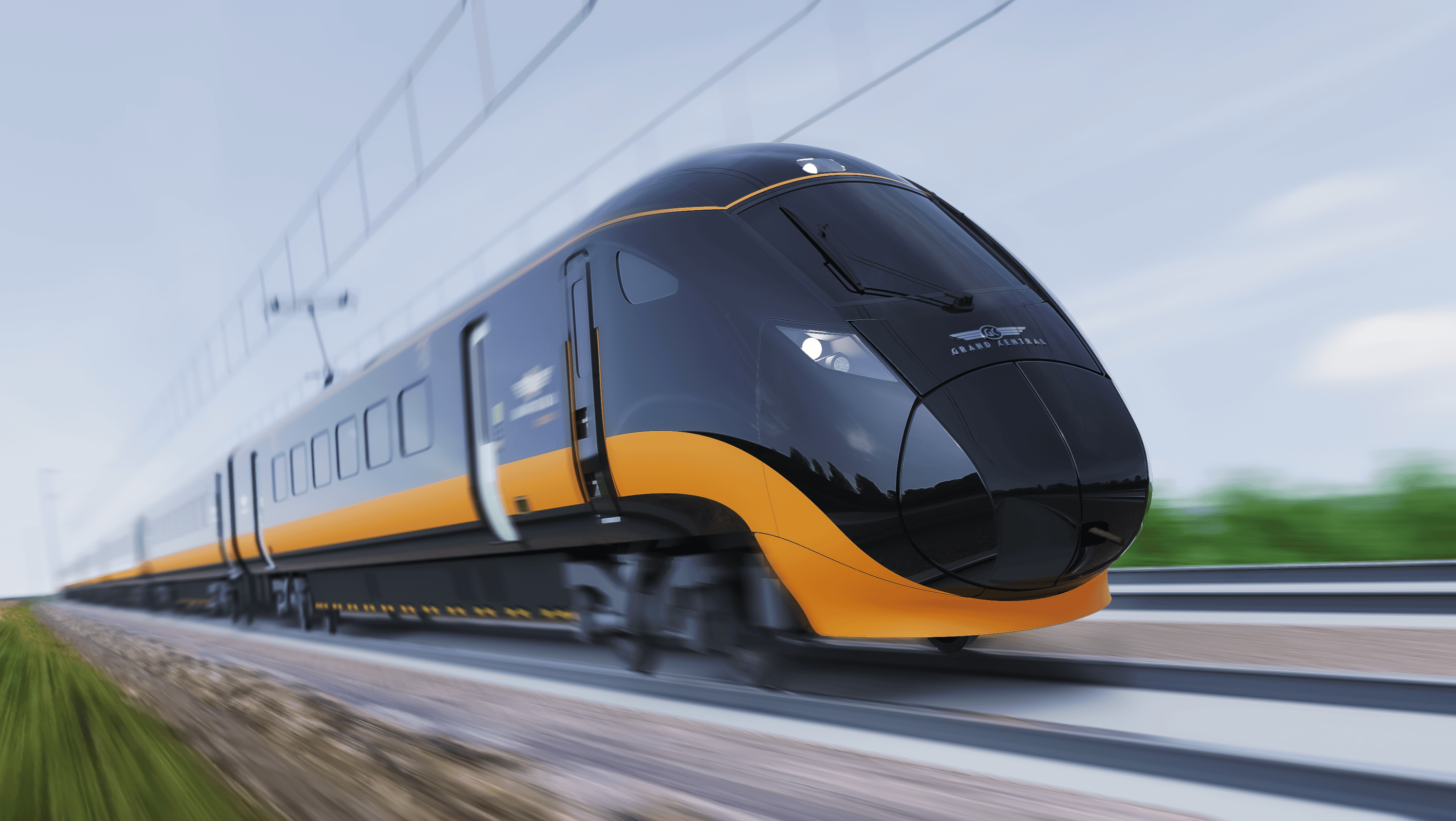
These four bullet points act as sub-headings.
- Order worth around £300 million for fleet of new trains, which will increase seats by 20 per cent, improving capacity and connectivity.
- 45 rail cars to be manufactured at Hitachi Rail in the North East and financed by Angel Trains, helping secure highly skilled jobs and unlocking a new advanced manufacturing opportunity for rail.
- State-of-the-art ‘tri-mode’ train technology has proven its ability to cut emissions and fuel costs by around 30 per cent to support UK Government’s decarbonisation agenda.
- Announcement is made from Hitachi’s Newton Aycliffe factory and attended by the Secretary of State for Transport, Heidi Alexander MP.
These three paragraphs give more details.
Arriva Group announced today an order for nine cutting-edge battery hybrid trains to replace its entire Grand Central fleet, providing a major boost to regional economies and offering passengers more comfortable, greener travel options.
The order for 45 Hitachi Rail ‘tri-mode’ cars, which have the flexibility to run on electrified and non-electrified tracks, along with a 10-year maintenance contract, represents an investment of around £300 million. Tri-mode means the trains can be powered using electricity, battery or diesel.
It follows approval by the rail regulator for extended track access rights for Grand Central’s existing services through to 2038, with the investment underpinning Arriva’s long-term commitment to UK rail and to delivering sustainable public transport solutions to communities up and down the country and across Europe.
The trains will be built by Hitachi at Newton Aycliffe.
I have some further thoughts and questions.
What Distances Will The Trains Run Away From Electrification?
The distances that the various services will run away from electrification are as follows.
- King’s Cross and Bradford Interchange – Doncaster and Bradford Interchange – 52.1 miles.
- King’s Cross and Cleethorpes – Doncaster and Cleethorpes – 52.1 miles.
- King’s Cross and Sunderland – Longlands junction and Sunderland – 48.5 miles.
It would appear that a train with a range away from electrification of 55 miles would be enough, if there were to be charging at all the destinations.
Will The Trains Be Able To Take The Great Northern And Great Eastern Joint Line (GNGE) Diversion Via Lincoln On The East Coast Main Line?
I discussed using this diversion in detail in London And Edinburgh By Lumo Using the Joint Line Diversion.
In that post, I said this.
The January 2024 Edition of Modern Railways says that the diversion is approximately 90 miles or 145 kilometers.
If the trains have a 90 mile capability on batteries and/or diesel, they will be able to use the diversion.
As Hull Trains, LNER and Lumo all need this ability to take the GNGE Diversion, I suspect, it will be a tick-box on the order form for the trains.
When Will The Trains Be In Service?
The news item says this.
The trains will be delivered in 2028 under a 10-year leasing arrangement, in partnership and financed by Angel Trains.
Will The New Trains Be Faster?
They might save a couple of minutes, if Doncaster is the first stop.
Will The New Trains Be Quieter?
The news item says this about noise and emissions.
State-of-the-art ‘tri-mode’ train technology has proven its ability to cut emissions and fuel costs by around 30 per cent to support UK Government’s decarbonisation agenda.
Hitachi have said that the diesel engines will not run in stations.
Could The Trains Run Grand Central’s Routes Carbon-Free?
In The Data Sheet For Hitachi Battery Electric Trains, I came to these conclusions
- The battery pack has a capacity of 750 kWh.
- A five-car train needs three battery-packs to travel 100 miles.
- A nine-car train needs five battery-packs to travel 100 miles.
- The maximum range of a five-car train with three batteries is 117 miles.
- The maximum range of a nine-car train with five batteries is 121 miles.
As battery technology gets better, these distances will increase.
If I was choosing the trains for Grand Central, the trains would be able to operate these routes without using diesel.
- Doncaster and Bradford Interchange and return.
- Doncaster and Cleethorpes and return.
- Longlands junction and Sunderland and return.
Passengers might not like to have noisy passengers.
Probably, the best insurance policy to avoid running out of battery power, would be to have perhaps fifty metres of electrification at terminal stations. Hitachi claim they can offer a nice line in short lengths of electrification.
Quiet Trains Should Attract Passengers
I’ve seen it before and also with buses.
The Number Of Trains Ordered
The basic order is for nine trains, but Railway Gazette says this.
Arriva welcomed the ‘swift decision-making’ by ORR and the backing of the Department for Transport and Network Rail. It has also submitted applications to run more trains to Bradford and introduce services to Cleethorpes, and has an option to buy more trains if these are approved.
I’ve read somewhere that the option is for three extra trains.
So that’s a total of twelve, which would replace the ten Class 180 trains and two Class 221 trains, that Grand Central Trains currently run.
What About Chiltern Railways And CrossCountry?
Train operating companies Chiltern Railways, CrossCountry and Grand Central Trains are all wholly owned subsidiaries of Arriva Trains UK, who are described like this in the first paragraph of their Wikipedia entry.
Arriva UK Trains Limited is the company that oversees Arriva’s train operating companies in the United Kingdom. It gained its first franchises in February 2000. These were later lost, though several others were gained. In January 2010, with the take-over of Arriva by Deutsche Bahn, Arriva UK Trains also took over the running of those formerly overseen by DB Regio UK Limited
Arriva is ultimately owned by American infrastructure investment company; I Squared Capital.
Both Chiltern Railways and CrossCountry have trains, that are coming to the date, when they will need to be replaced and similar trains to those ordered by Grand Central could be suitable. to replace some.
Chiltern Railways have six rakes of Mark 3 coaches, that are hauled by diesel locomotives between London Marylebone and Birmingham Moor Street stations, These rakes of coaches could be replaced by Hitachi tri-mode trains, of perhaps five or six cars.
Chiltern Railways also have about sixty assorted diesel multiple units totalling up to about 150 carriages.
CrossCountry Trains have twenty-nine two- or three-car Class 170 trains and sixty-one four- or five car Class 220 or 221 trains. All these ninety trains were built this century and are diesel-powered.
The Government’s policy of net-zero by 2050, would probably mean a significant number of these smaller diesel multiple units need to be replaced by 2030.
If the Grand Central Trains new Hitachi trains are a success, then changing the longer four-, five- and six-car trains for similar Hitachi trains, would be a low-risk replacement strategy for I Squared Capital, that could be applied at Chiltern Railways and CrossCountry.
I can also see a need for a two-, three- or four-car tri-mode train for Chiltern Railways and CrossCountry.
Was The Date Of The Announcement Significant?
In October 2020, I wrote Hitachi Targets Export Opportunities From Newton Aycliffe and I believe that tri-mode trains like these that Grand Central have ordered could have export opportunities.
One country for exports has possibilities and that is the United States.
- Hitachi AT-300 trains like these don’t need expensive high-speed tracks and there are probably many lines in the United States, where these trains could fit existing tracks.
- This page on the Hitachi Rail web site is entitled Hitachi Rail in the USA and Canada.
- In the UK, companies like GWR, LNER, Southeastern and TransPennine Express effectively use theHitachi trains as fast commuter trains on some routes.
- Trump’s tariffs would only be 10 % on these trains.
- The Grand Central version looks very stylish!
- Hitachi’s battery technology is owned by Turntide Technology, who are a US company.
- For some routes, the trains would probably only need to be battery-electric.
Has the experience of running Chiltern Railways, CrossCountry and Grand Central Trains convinced I Squared Capital, that running railways is a good investment?
Have I Squared Capital identified some railroads in the United States, that could follow a similar upgrade path to Chiltern Railways?
Was it significant that the order was announced the day after Trump’s tariffs?
.
Stadler’s FLIRT H2 Sets World Record For Hydrogen Powered Train
The title of this post, is the same as that of this article on Rail Technology Magazine.
These three paragraphs introduce the article.
Stadler’s FLIRT H2 has set the Guinness World Record for the longest distance achieved by a hydrogen-powered passenger train without refuelling or recharging.
The record attempt began on the evening of 20th March 2024 at the ENSCO test centre in Pueblo, Colorado, and concluded 46 hours later, with the train completing 2803 kilometres on a single tank filling.
A team of engineers from Stadler and ENSCO drove the vehicle in shifts during the attempt.
The journey is about the same distance as the crow flies between Edinburgh and Athens.
Stadler have also published this video.
The train appears to be a a Flirt, like Greater Anglia’s Class 755 trains or Transport for Wales’s Class 231 trains, with a power unit in the middle.

Note.
- The picture shows a Class 231 train at Cardiff Queen Street station.
- A Greater Anglia driver told me, these trains are 125 mph trains.
- The Flirt H2 has only two passenger cars, but UK Flirts are have three or four cars.
Perhaps we should buy a few of these trains for long routes like Liverpool and Norwich or Cardiff and Holyhead!
They would surely be ideal for CrossCountry
What Will Be The Power Unit In LNER’s New CAF Tri-Mode Trains?
There is a short article in the January 2024 Edition of Modern Railways, that is entitled New LNER Fleet To Have Joint Line Capability.
This is said about the diesel engines in the new CAF tri-mode trains.
CAF will supply 10×10-car trains with overhead electric, battery and diesel capability, financed by Porterbrook. The inclusion of diesel engines as part of the winning bid, rather than a straightforward battery-electric unit, has surprised some observers, but LNER’s specification was that the fleet should have sufficient self-powered capability to cover the length of the joint line, which is approximately 90 miles. This is currently to be considered to be beyond the scope of battery-power alone, although as the technology evolves diesel engines could be replaced by batteries. The configuration of diesel engines and batteries within the sets has yet to be decided.
As the paragraph says that the diesel engines can be replaced by batteries and the trains are from CAF’s modular Civity family, it sounds like CAF are using a modular power system.
The CAF Class 195, 196 and 197 diesel multiple units, that are used in the UK, use mtu Railcar Power Packs, which are shown on this web page.
mtu are a Rolls-Royce subsidiary.
mtu also make a Hybrid Power Pack, which is shown on this web page.
This is the sub-title on the web page.
Individual hybrid drive with a modular design
Underneath is this sub-heading.
It takes revolutionary thinking to develop a smart rail drive system like the Hybrid PowerPack. Find out what makes mtu different, and why our Hybrid PowerPack brings added value to operators while benefiting passengers and the environment alike.
These paragraphs describe the mtu Hybrid PowerPack.
The Hybrid PowerPack was developed from the successful mtu underfloor drives: Tried and tested mtu PowerPacks were modified and equipped with additional components and functionalities in order to integrate hybrid technology. The mtu hybrid concept consists of a modular kit with a variety of drive elements. It satisfies all existing railway standards and can be arranged according to customer specifications.
Thanks to its compact design and the use of power-dense electrical machines, the Hybrid PowerPack can be easily integrated in the existing installation space under the floor, both in new rail vehicles or for repowering. mtu EnergyPacks – the energy storage – can be positioned at various places in the vehicle: on the roof or underfloor. The modular design creates great flexibility for operators who are planning new diesel hybrid vehicles or want to convert existing vehicles.
Based on specifications for the hybrid train and the profile of the planned routes, mtu can simulate the lifecycle costs (capital, maintenance and operating costs) of specific projects. This means that a variety of drive options can be defined even before the design stage. Together with you, we then determine an optimal concept based on your needs.
Note.
- mtu Hybrid PowerPacks can be used in new rail vehicles or for repowering.
- It looks to me, that the total of 161 of Class 195, 196 and 197 trains, that will soon be all in service in the UK may well have been designed to be converted to hybrid power using mtu Hybrid PowerPacks.
- In Would You Buy A Battery Energy Storage System From Rolls-Royce?, I talk about how mtu EnergyPacks are also used for battery storage.
- In fact, mtu EnergyPacks could be the secret ingredient to both systems.
This looks like a typical Rolls-Royce product, that pushes the design to the full.
I will be very surprised if LNER’s new CAF tri-mode trains are not powered by mtu Hybrid PowerPacks.
I have a few thoughts.
CAF Are Going For A Proven Solution
CAF are going for a proven power solution, that they will also need for 161 trains in the UK.
Integration of systems like these can be difficult but CAF are using another company to combine diesel, electric and battery power in an efficient way.
I also feel that mtu Hybrid PowerPacks have a big future and Rolls Royce mtu will do what it takes to make sure they dominate the market.
Decarbonising The Trains
I suspect given Rolls-Royce’s philosophy, that the diesel engines will run on sustainable fuels from delivery.
But as the extract from the Modern Railways article says, the space used by diesel engines can be used for batteries.
Follow The Money
Consider.
- Porterbrook and Rolls-Royce are both based in Derby.
- Porterbrook are a rolling stock leasing company, who own a lot of rolling stock, that could be converted to hybrid trains, using mtu Hybrid PowerPacks.
- Porterbrook are financing LNER’s new CAF tri-mode trains.
I wouldn’t be surprised if Porterbrook and Rolls-Royce have done a lot of due diligence on these trains.
Other Train Operators Will Follow
LNER’s new CAF tri-mode trains may be a bespoke design for LNER, but other train operators will need a similar train.
- CrossCountry need a replacement low-carbon fleet.
- ScotRail need a replacement fleet for their Inter7City services.
- Great Western Railway need a replacement fleet for their GWR Castles.
- Grand Central need a replacement low-carbon fleet.
- TransPennine Express need new trains.
- Open Access Operator Grand Union Trains will need trains.
I think CAF are gong to be busy.
Conclusion
The more I read about Rolls-Royce and its engineering, the more I’m impressed.
East Midlands Railway To Leeds
This news story from the Department of Transport is entitled Yorkshire And The Humber To Benefit From £19.8 billion Transport Investment.
This is said about Leeds and Sheffield services.
The line between Sheffield and Leeds will be electrified and upgraded, giving passengers a choice of 3 to 4 fast trains an hour, instead of 1, with journey times of 40 minutes. A new mainline station for Rotherham will also be added to the route, which could give the town its first direct service to London since the 1980s, boosting capacity by 300%.
These are my thoughts.
A New Mainline Station For Rotherham
This page on Rotherham Business News, says this about the location of the Rotherham mainline station.
South Yorkshire Mayoral Combined Authority (SYMCA) and Rotherham Council have been developing a scheme to return mainline train services to the borough for the first time since the 1980s. A site at Parkgate is the frontrunner for a regeneration project described by experts as “a relatively straightforward scheme for delivery within three to four years.”
Various posts and comments on the Internet back the councils preference for a new station at Rotherham Parkgate.
- It would be at Rotherham Parkgate shopping centre.
- It connects to the tram-trains, which run half-hourly to Cathedral in Sheffield city centre via Rotherham Central.
- There appears to be plenty of space.
This OpenRailwayMap shows the tracks at the current Rotherham Parkgate tram stop.
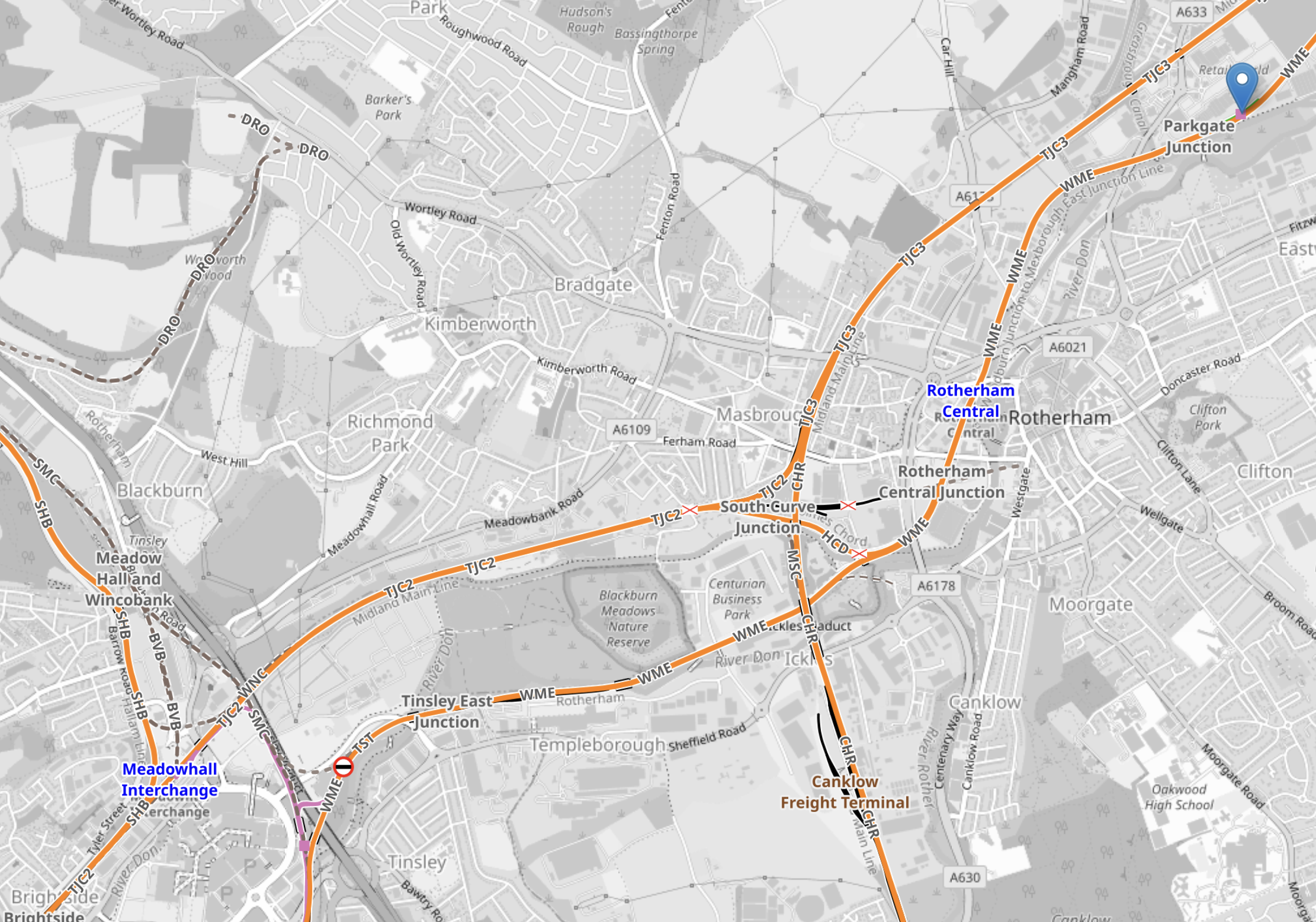
Note.
- The orange lines are the main railway tracks.
- Rotherham Parkgate is indicated by the blue arrow in the North-East corner of the map.
- Trains would run between Sheffield and Rotherham Parkgate via Meadowhall Interchange and Rotherham Central.
- Trains and tram-trains would share tracks through Rotherham Central.
After passing Rotherham Parkgate trains would go to Swinton, and then on to Doncaster or Leeds.
Sheffield And Leeds Via Rotherham Parkgate
Currently, there is an hourly service between Leeds and Sheffield, that goes through the Rotherham Parkgate site.
- It calls at Outwood, Wakefield Westgate, Sandal & Agbrigg, Fitzwilliam, Moorthorpe, Thurnscoe, Goldthorpe, Bolton-upon-Dearne, Swinton, Rotherham Central, Meadowhall.
- The service takes one hour and thirteen minutes, but there are eleven stops.
- As the distance is 38.9 miles, that works out at an average speed of 32 mph.
I suspect this schedule was written for Pacers.
The Department of Transport is aiming for a forty minute journey, which is an average speed of 58.4 mph.
Consider.
- If you look at the maximum speeds of the route from Rotherham Parkgate to Wakefield Westgate, it is 21.8 miles of 100 mph track.
- About twenty miles to the South of Wakefield Westgate is electrified.
- Leeds and Wakefield Westgate is 10.1 miles of 75-85 mph track.
- LNER’s expresses leave Wakefield Westgate, eleven minutes after leaving Leeds.
- I can find a TransPennine Express that takes thirteen minutes to go between Sheffield and Rotherham Parkgate late at night on the way to the depot.
The eleven and thirteen minutes mean that leaves 16 minutes for Rotherham Parkgate to Wakefield Westgate, if Sheffield and Leeds are to be timed at forty minutes, which would be an average speed of 82 mph between Rotherham Parkgate and Wakefield Westgate.
I feel that for a forty minute journey between Leeds and Sheffield, the following conditions would need to be met.
- Very few stops. Perhaps only Meadowhall, Rotherham Parkgate and Wakefield Westgate.
- 100 mph running where possible.
- 100 mph trains
- Electric trains would help, as acceleration is faster. Battery-electric trains would probably be sufficient.
- Some track improvements might help.
But forty minutes would certainly be possible.
At present there are five trains per hour (tph) between Leeds and Sheffield.
- Northern – 2 tph – via Wakefield Kirkgate, Barnsley and Meadowhall – 58 minutes
- Northern – 1 tph – via Outwood, Wakefield Westgate, Sandal & Agbrigg, Fitzwilliam, Moorthorpe, Thurnscoe, Goldthorpe, Bolton-upon-Dearne, Swinton, Rotherham Central and Meadowhall – One hour and 13 minutes
- Northern – 1 tph – via Woodlesford, Castleford, Normanton, Wakefield Kirkgate, Darton, Barnsley, Wombwell, Elsecar, Chapeltown and Meadowhall – One hour and 19 minutes.
- CrossCountry – 1 tph – via Wakefield Westgate – 44 minutes
Note.
- Only the second service will go through Rotherham Parkgate.
- The CrossCountry service takes the more direct route avoiding Rotherham Parkgate.
- All trains go via Meadowhall, although the CrossCountry service doesn’t stop.
- If the CrossCountry service was run by electric trains, it might be able to shave a few minutes as part of the route is electrified.
The CrossCountry service indicates to me, that 40 minutes between Leeds and Sheffield will be possible, but a stop at Meadowhall could be dropped to save time.
Extending East Midlands Railway’s Sheffield Service To Leeds
Consider
- Sheffield station has two tph to London all day.
- The CrossCountry service looks like it could be timed to run between Leeds and Sheffield in forty minutes.
- An East Midlands Railway Class 810 train could probably be timed at 40 minutes between Leeds and Sheffield via Meadowhall, Rotherham Parkgate and Wakefield Westgate.
- The current Northern services could continue to provide connectivity for stations between Leeds and Sheffield.
Extending one tph of East Midlands Railway’s trains to Leeds would probably be sufficient to give two fast trains per hour between Leeds and Sheffield.
- The East Midlands Railway and CrossCountry services could provide a fast service between Leeds and Sheffield in forty minutes.
- If they were electric or battery-electric trains, I suspect that they could call at Meadowhall, Rotherham Parkgate and Wakefield Westgate.
- They could be backed up by the two tph through Barnsley, which could probably be speeded up to around fifty minutes by electrification or using battery-electric trains.
The East Midlands Railway service between London and Leeds would be under three hours.
- Rotherham would get an hourly train to London.
- ,London and Leeds in under three hours, would be slower than Leeds and King’s Cross.
- But the electrification of the Midland Main Line would speed it up a bit.
A fast Leeds and Derby service might compensate for the loss of the Eastern leg of High Speed Two.
Sheffield And Doncaster Via Rotherham Parkgate
At present there are three tph between Sheffield and Doncaster.
- Northern – 1 tph – via Meadowhall, Rotherham Central, Swinton, Mexborough and Conisbrough – 42 minutes
- Northern – 1 tph – via Meadowhall – 28 minutes
- TransPennine Express – 1 tph – via Meadowhall – 27 minutes
Note.
- The first Northern train continues calling at all stations to Adwick.
- The second Northern train continues calling at all stations to Scarborough.
- Both Northern services go through Rotherham Parkgate.
- The TransPennine Express service takes the more direct route avoiding Rotherham Parkgate.
- All trains go via Meadowhall.
These services would give good connectivity for a London train, with a change at Rotherham Parkgate.
Improving Tracks Between Doncaster, Leeds and Sheffield
Consider.
- About 65 % of the main routes between Doncaster, Leeds and Sheffield have a maximum operating speed of 100 mph.
- Doncaster and Leeds is electrified.
- Only 35 miles is without electrification.
- The Midland Main Line is in the process of being electrified to Sheffield.
- There are plans to extend the Sheffield tram-trains to Doncaster Sheffield Airport, that I wrote about in Sheffield Region Transport Plan 2019 – Doncaster Sheffield Airport.
There is also heavyweight electrification infrastructure through Rotherham Central for the Sheffield tram-trains.


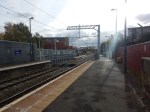
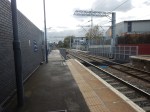
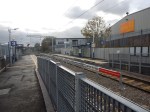
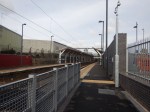




As it is only used by the tram-trains it may be only 750 VDC. But it can probably handle 25 KVAC.
- Could these routes be improved to allow faster running?
- Would it be cost-effective to electrify between Sheffield and the East Coast Main Line and the Doncaster and Leeds Line?
- Alternatively battery-electric trains could be run on the routes between Doncaster, Leeds and Sheffield, charging at all three main stations.
Any form of electric train should be faster, as acceleration and deceleration is faster in any electric train, be it powered by electrification, batteries, hydrogen or a hybrid diesel-battery-electric powertrain.
Conclusion
Interview: Rethinking ‘Unusual And Special’ CrossCountry
The title of this post, is the same as that of this article on Railway Gazette.
This is the sub-heading.
CrossCountry’s National Rail Contract came into force on October 15, giving the business some medium-term certainty and Managing Director Tom Joyner a chance to reflect with Rail Business UK on its evolving role as a truly national train operator.
These are thoughts based on what is said in the article.
Unusual And Special
This paragraph is Tom Joyner’s explanation of what he meant.
‘CrossCountry is unusual and special. The fact that we’re a long-distance operator that connects so many places means we can be there for something different’, believes Managing Director Tom Joyner as he reflects on the operator’s short and medium-term future following the award on September 20 of its National Rail Contract.
I have found CrossCountry useful in the past to efficiently visit some towns and cities in the past, when Ipswich Town are playing away.
Arriva UK’s Contract To Run CrossCountry
This paragraph details the operating contract.
Under the NRC, incumbent Arriva UK Trains will continue to run the non-London inter-city passenger business as it has since November 2007. Commencing on October 15, the contract has a guaranteed core term of four years and an option for this to be extended to eight. The government will take the revenue risk, as it has done since the pandemic, with Arriva receiving a fixed fee to operate the business, with limited bonuses on offer if certain performance targets are met.
As a resident of London, I rarely use CrossCountry. But my only obvious improvement would be that CrossCountry ran trains with a smaller carbon footprint.
Post Pandemic Purpose
This paragraph details their post-pandemic purpose.
‘CrossCountry hasn’t benefitted from re-franchising in the last 10 years and this has presented challenges, particularly from a rolling stock perspective. We’ve been working closely with DfT to agree the post-pandemic purpose and vision for CrossCountry and how these fit into our railway network’, Joyner reports.
Most rail operators in the UK are London-centric or regional. Perhaps CrossCountry should become more ‘Unusual And Special’ to serve the important places, that other rail operators cannot reach.
One place would be the National Memorial Arboretum, which I wrote about in New Station Proposed For National Arboretum.
There must be lots of other places.
It could surely be the transport network for those who wanted to roam the UK on a holiday.
Could it be at the heart of levelling up the regions of the UK?
Fleet Under Pressure
This paragraph describes the current fleet and its condition.
Perhaps most reassuring for regular users of CrossCountry is news that the NRC will allow the operator to deliver some improvements to its train fleet, the backbone of which are the Class 220 and 221 DEMUs Arriva inherited from Virgin Trains in 2007. Other than some minor cosmetic work, these have not been refurbished since they were introduced in 2001. These 200 km/h Voyager trainsets are augmented by a fleet of Class 170 Turbostar DMUs for 160 km/h operation on regional routes to Cardiff and Stansted Airport; CrossCountry withdrew its last ex-British Rail IC125 High Speed Trains on September 18.
I do think, that some way must be found to reduce the operators large carbon footprint.
Are Battery Trains The Answer?
This paragraph gives Tom Joyner’s view on battery trains.
He is equally sceptical about the prospects for alternative traction technology to replace diesel. ‘I keep hearing views from industry colleagues who say, “electrification isn’t the answer, battery is the answer”. But you can’t get a battery that’s got the range that we need, even on the regional services currently worked by Class 170s.’
Birmingham New Street and Leicester is only 39.8 miles, so this route for a Class 170 train, might be possible for battery-electric trains, when there is electrification or charging at Leicester.
Perhaps the plan would be to run battery-electric trains between Birmingham and Leicester and see how the passengers react and how this will change the economics of the other Class 170 services?
A Lot More Food For Thought
There are some more sections in the article, that are worth a read.
- Sustainability Challenge
- Service Offering
- Commuters’ ‘Coventry Conundrum’
- Doing Something Different
This paragraph towards the end of the article makes the levelling up case, that CrossCountry can fulfil.
He suggests that the operator may not need as structured a timetable, and that its operating model could involve serving more destinations rather than the current largely fixed hourly axes crossing in Birmingham. ‘We serve regional Britain and when we talk about levelling up, the railway company best placed to level up in terms of connecting the whole of Britain is us’, he insists. This ethos is reflected in the daily Cardiff – Edinburgh service, with Joyner noting that this will not be a repeating service through the day.
Read the whole article.
I wish Tom Joyner the best of luck!
Cardiff – Edinburgh Open Access Train Service Proposal Under Development
The title of this post, is the same as that of this article on Railway Gazette.
This is the first paragraph.
Grand Union has begun industry consultation over a proposal to operate five open access services a day between Cardiff and Edinburgh, and separately is looking at rolling stock options for its planned London – Carmarthen and London – Stirling services.
These are my thoughts.
Current Train Services Between Cardiff and Edinburgh
I have chosen Monday, the 4th of December and find, that the basic fare is £120.40 with changes at Birmingham New Street and Preston, for a journey of six hours and 52 minutes.
There would appear to be three other sensible trains on that day and the others take around seven hours and cost over £230.
Cardiff and Edinburgh, is one of those routes, where the one-third saving of a railcard will pay for the card on the first trip.
Current Flights Between Cardiff and Edinburgh
I have again chosen Monday, the 4th of December and there is one direct flight that takes one hour and 15 minutes and costs £130.
There are flights under forty pounds, via Dublin or Belfast City airports, which take 4½ and 9 hours.
What About The Sleeper?
If you live in Cardiff and want to get to Edinburgh, early on the 4th, it’s probably better to take an evening train to London on the day before and then get the Caledonian Sleeper to Scotland.
An ideal train could be a sleeper between Plymouth and Edinburgh, that could be picked up at Bristol Parkway, that I wrote about in Would A North-East And South West Sleeper Service Be A Good Idea?.
But that train is only a proposal.
Although, there could be a luxury coach or conveniently-timed direct train to link Swansea, Cardiff Central and Cardiff Bay to Bristol Parkway for the sleeper.
I Feel That A Cardiff and Edinburgh Service May Have Possibilities
Grand Union are proposing to operate five open access services a day between Cardiff and Edinburgh, which seems about right.
I estimate that the service would take around seven hours. But that time is based on the fastest journeys to Birmingham New Street from both ends of the route.
Breaking it down further into three legs via Birmingham New Street and Doncaster, following times could be possible.
- Cardiff and Birmingham New Street – two hours and five minutes
- Birmingham New Street and Doncaster – two hours and five minutes
- Doncaster and Edinburgh – three hours and ten minutes
Note.
- These times are based on average of the better times of the day.
- They could probably be improved by more electrification and a bi-mode train like a Class 802 or Class 755 train.
They total up to seven hours and twenty minutes.
Intermediate Stops
These are listed as Cardiff, Newport, Severn Tunnel Junction, Gloucester, Birmingham New Street, Derby, Sheffield, Doncaster, York, Newcastle and Edinburgh.
Times and distances for the various legs are as follows.
- Cardiff and Severn Tunnel Junction – 21.6 miles – Electrified – 26 mins
- Severn Tunnel Junction and Bromsgrove – 72.5 miles – Not Electrified – One hour and thirteen mins
- Bromsgrove and Birmingham New Street – 14.3 miles – Electrified – 21 mins
- Birmingham New Street and Derby – 41.2 miles – Not Electrified – 33 mins
- Derby and Sheffield – 36.4 miles – Being Electrified – 30 mins
- Sheffield and Doncaster – 16.8 miles – Not Electrified – 24 mins
- Doncaster and Edinburgh – 237.1 miles – Electrified – two hours and 54 mins
These add up to six hours and 21 minutes.
Is Cardiff and Edinburgh An Ideal Route For A Battery-Electric Train?
The route has three unelectrified sections
- Severn Tunnel Junction and Bromsgrove – 72.5 miles
- Birmingham New Street and Derby – 41.2 miles
- Sheffield and Doncaster – 16.8 miles
Note.
- I am assuming Derby and Sheffield is electrified, under the Midland Main Line Electrification.
- The longest unelectrified section is the 72.5 miles between Severn Tunnel Junction and Bromsgrove.
- All three unelectrified sections are sandwiched between two electrified sections, that are long enough to charge the trains.
A battery-electric train with a range of 80-90 miles should be able to handle the route.
As Cardiff and Swansea is only 45.7 miles, with a range of 100 miles, the service could be extended to Swansea.
Competition
This article on Rail Advent is entitled New Cardiff – Scotland Train Service Announced As Part Of New CrossCountry Contract.
This is the relevant paragraph.
Building on the changes made to the timetables in May this year, further enhancements will include a new direct service daily between Cardiff and Edinburgh to strengthen connections across Great Britain.
Will this bang a hole in Grand Union’s plans or is there room in the market for two operators?
On the other hand LNER and Hull Trains run a 1/5 split on the King’s Cross and Hull route.
Tourism
In the past ten years, I’ve travelled regularly between London and Edinburgh by train.
- On those trips, I’ve met a large number of tourists from countries like Canada, Germany, Italy and the United States.
- Many were also visiting Paris using the Eurostar.
- Cardiff, Edinburgh and King’s Cross all have excellent hotels nearby.
- There are other historic and/or large cities on the route, who might like to get in on the act, like Bath, Birmingham, Bristol, Durham, Glasgow, Newcastle, Sheffield and York.
- Cities, hotels, museums and the train companies could form a marketing group.
Cardiff and Edinburgh would complete a very useful triangular route for anoraks, business travellers and tourists.
Conclusion
Cardiff and Edinburgh could be a new route that would work well!
Could Sheffield Station Become A Battery-Electric Train Hub?
Promised Improvements To Train Services At Sheffield
This news story from the Department of Transport is entitled Yorkshire And The Humber To Benefit From £19.8 billion Transport Investment.
Sheffield station gets several mentions of improvement to these routes.
Sheffield And Hull
This is said about train services between Sheffield and Hull.
The number of trains between Hull and Sheffield will be doubled, to 2 per hour, with capacity also doubled.
These points describe typical current services.
- The route is 59.4 miles long.
- Modern Class 170 trains take 78 minutes.
- There are stops at Meadowhall, Doncaster, Goole and Brough.
- The maximum speed of the line is mostly around 70 mph, with one short section of 100 mph.
- The average speed is 45.7 mph.
- The train continues to Scarborough after a six-minute stop at Hull.
I believe that if this route were to be electrified, that a time around an hour would be possible between Sheffield and Hull.
Sheffield and Scarborough takes two hours and 45 minutes. With electrification, this time could be less than two hours and 30 minutes.
But it would be around 113 miles of new double-track electrification.
I believe that Sheffield and Hull is a route that could be run by battery-electric trains, that would be charged at both ends of the route.
Sheffield And Leeds
This is said about train services between Sheffield and Leeds.
The line between Sheffield and Leeds will be electrified and upgraded, giving passengers a choice of 3 to 4 fast trains an hour, instead of 1, with journey times of 40 minutes. A new mainline station for Rotherham will also be added to the route, which could give the town its first direct service to London since the 1980s, boosting capacity by 300%.
These points describe typical current services.
- The route is 41.1 miles long.
- Modern Class 195 trains take 56 minutes.
- There is a few miles of electrification at the Leeds end.
- There are stops at Meadowhall, Barnsley and Wakefield Kirkgate.
- The maximum speed of the line is mostly around 60-70 mph.
- The average speed is 44 mph.
I believe that if this route were to be electrified, that a time around fifty minutes might be possible between Sheffield and Leeds.
That is not really good enough, but if they went through a new mainline station for Rotherham, the trains would be able to use 100 mph tracks all the way to Leeds. There would also be electrification between South Kirby junction and Leeds.
I suspect forty minutes should be possible with 100 mph running between Rotherham and Leeds.
I believe that Sheffield and Leeds is a route that could be run by battery-electric trains, that would be charged at both ends of the route.
Sheffield And Manchester
This is said about train services between Sheffield and Manchester.
The Hope Valley Line between Manchester and Sheffield will also be electrified and upgraded, with the aim of cutting journey times from 51 to 42 minutes and increasing the number of fast trains on the route from 2 to 3 per hour, doubling capacity.
In Electrification Of The Hope Valley Line, I talked about electrification of the line and how the services on the line could be run by battery-electric trains.
This was my conclusion in the linked post.
I believe that full electrification of the Hope Valley Line is not needed, if battery-electric trains are used.
I also believe that battery-electric trains and the current improvements being carried out on the Hope Valley Line will enable a forty minute time between Manchester Piccadilly and Sheffield.
I believe that the Hope Valley Line could be speeded up, by the use of intelligent engineering, rather than expensive and disruptive electrification.
Don Valley Line
This is said about the Don Valley Line.
Communities will be reconnected through the reopening of lines and stations closed under the Beeching reforms of the 1960s. This will include the restoration of the Don Valley Line between Stocksbridge and Sheffield Victoria, and new stations at Haxby Station, near York, Waverley, near Rotherham, and the Don Valley Line from Sheffield to Stocksbridge.
I’ve talked about the Don Valley Line before in Reopening The Don Valley Section Of The Former Woodhead Line Between Stocksbridge and Sheffield Victoria To Passenger Services.
The Don Valley Line has a comprehensive Wikipedia entry, which is well worth a read.
Could the Don Valley Line be worked by battery-electric trains?
It would appear that these promised improvements to and from Sheffield could be worked by battery-electric trains.
Now that battery-electric trains are being developed, it could also have services, using these trains.
Could Battery-Electric Trains Improve Other Services At Sheffield?
These are some possibilities.
Chesterfield And Sheffield Victoria
This news story from the Department of Transport is entitled East Midlands To Benefit From £9.6 billion Transport Investment.
This news story also talks about the Stocksbridge Line and Sheffield Victoria, where this is said.
Funding will also be provided for the Barrow Hill Line between Chesterfield and Sheffield Victoria, with a new station at Staveley in Derbyshire.
I wrote about the Barrow Hill Line in Reinstatement Of The Barrow Hill Line Between Sheffield And Chesterfield.
In the related post, this was my conclusion.
This looks to be a very sensible project.
- It could be run with either trains or tram-trams.
- It should be electrified, so it could be zero-carbon.
- Tram-trains could be used to make stations simpler.
- It could give an alternative route for electric trains to Sheffield station.
- The track is already there and regularly used.
But surely the biggest reason to built it, is that it appears to open up a lot of South and South-East Sheffield and North-East Chesterfield for development.
Now that battery-electric trains are being developed, Chesterfield and Sheffield could also have services, using these trains.
Sheffield And Adwick
Nothing is said in the news story about train services between Sheffield and Adwick.
Consider.
- Sheffield and Adwick is 22.7 miles.
- Journeys take fifty minutes.
- There are seven intermediate stations.
- This is an average speed of 27.2 mph.
- Adwick and Doncaster is 4.4 miles and electrified.
- There are generous turn-round times at both ends of the route.
- There are rather unusual reversing arrangements at Adwick.
I wonder if electric trains on this route, would knock a few minutes off the journey time because of the better acceleration and deceleration of electric trains.
Could this route be another route from Sheffield suitable for battery-electric trains?
- The train could fully charge between Adwick and Doncaster and at Adwick.
- It is only a short route with a round trip under sixty miles.
I believe this route could be very suitable for battery-electric trains.
Sheffield And Huddersfield
Nothing is said in the news story about train services in the Penistone Line between Sheffield and Huddersfield.
Consider.
- Sheffield and Huddersfield is 36.4 miles.
- Journeys take one hour and nineteen minutes.
- There are fifteen intermediate stations.
- This is an average speed of 27.6 mph.
- Huddersfield is being electrified as part of the TransPennine Upgrade.
I wonder if electric trains on this route, would knock a few minutes off the journey time because of the better acceleration and deceleration of electric trains.
Could this route be another route from Sheffield suitable for battery-electric trains?
Sheffield And Lincoln
Nothing is said in the news story about train services between Sheffield and Lincoln.
Consider.
- Sheffield and Lincoln is 48.5 miles.
- All Sheffield and Lincoln services start in Leeds.
- Journeys take one hour and twenty-five minutes.
- There are nine intermediate stations.
- This is an average speed of 34.2 mph.
- There is no electrification.
- Turn-round time at Lincoln is 26 minutes.
- All trains terminate in Platform 5 at Lincoln.
I wonder if electric trains on this route, would knock a few minutes off the journey time because of the better acceleration and deceleration of electric trains.
Could this route be another route from Sheffield suitable for battery-electric trains?
- Platform 5 could be electrified at Lincoln.
- There may need to be a battery top-up at Sheffield and Leeds.
I believe this route could be very suitable for battery-electric trains.
Electrification Between Sheffield And London
Consider.
- The Midland Main Line electrification is creeping up from London.
- It should soon be installed between St. Pancras and Market Harborough.
- Sheffield and Market Harborough is 81.9 miles.
- The Class 810 trains that will run the Sheffield and London route can’t be far off entering service.
There might be scope for running battery-electric trains on the route, until the electrification is complete.
A Battery-Electric Train Hub At Sheffield
I believe that a fair proportion of services to and from Sheffield could be run using battery-electric trains or bog-standard electric trains.
This OpenRailwayMap shows the platforms at Sheffield.

Note.
- The lilac tracks are those of the Sheffield Supertram.
- The darker lines are the tracks in the station.
- Tracks could be electrified as required.
Eventually, Sheffield will be a fully-electrified station, because of the Midland Main Line electrification.
But why not do it sooner rather than later, so that by running new or refurbished battery-electric trains to places like Huddersfield, Hull, Leeds, Lincoln, London and Manchester?
- Services would be speeded up by around a minute or two for each stop.
- Faster journeys may attract more passengers.
- Routes would be creating less carbon emission and pollution.
- In some cases, routes would be zero carbon.
Some routes would need electrification at the terminal to charge the trains, but Leeds, London St. Pancras and Manchester are already fully electrified.
Charging Long Distance Battery-Electric Trains When They Stop In Sheffield
These long distance services stop in Sheffield.
- CrossCountry – Plymouth and Edinburgh
- CrossCountry – Reading and Newcastle
- East Midland Railway – London and Leeds
- East Midland Railway – Liverpool Lime Street and Norwich
- Northern – Leeds and Lincoln
- Northern – Leeds and Nottingham
- Northern – Sheffield and Cleethorpes
- TransPennine Express – Liverpool Lime Street and Cleethorpes
battery-electric trains could be given a top-up, as they pass through.
I am assuming that CrossCountry, East Midland Railway, Northern and TransPennine Express will be running suitable battery-electric trains.
Battery-Electric Train Hubs
To be a battery-electric train hub, a station probably needs to have all or nearly all of its platforms electrified.
- It should be able to fully-charge any battery-electric trains terminating in the station, provided that the turn-round time is long enough.
- It should be able to give a through battery-electric train a boost if required, so that it gets to the final destination.
It would appear that there are already several battery-electric train hubs in the England, Scotland and Wales.
This map from OpenRailwayMap shows Liverpool Lime Street station, with electrified tracks shown in red.

It would appear that the station is fully electrified and is an excellent battery-electric train hub.
This map from OpenRailwayMap shows Manchester Piccadilly station, with electrified tracks shown in red.

It would appear that the station is fully electrified, except for the Northernmost platform, and is an excellent battery-electric train hub.
This map from OpenRailwayMap shows Leeds station, with electrified tracks shown in red.
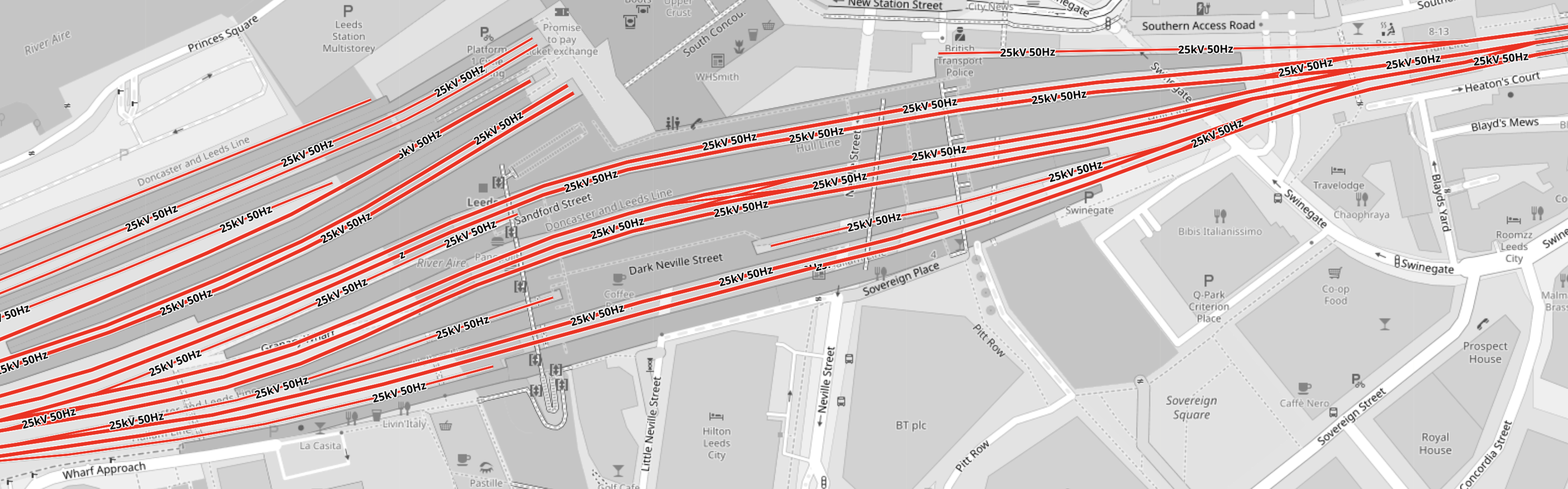
It would appear that the station is fully electrified and is an excellent battery-electric train hub, with twelve electrified bay platforms.
Conclusion
I can see a very comprehensive scheme being developed for Sheffield, based on a hub for battery-electric trains at Sheffield station.
Will High Speed Two Lite Make Stafford An Important Station?
Stafford station is where the Trent Valley Line joins the West Coast Main Line and with the current proposals for High Speed Two, which I refer to as High Speed Two Light, it will also have to handle those High Speed Two services to and from Crewe.
Current Services Through Stafford Station
These are current services through Stafford station.
- Avanti West Coast – London Euston and Blackpool North via Birmingham – 2 tpd – Stops at Wolverhampton, Stafford and Crewe
- Avanti West Coast – London Euston and Glasgow Central via Birmingham – 5 tpd – Stops at Wolverhampton, Stafford and Crewe
- Avanti West Coast – London Euston and Edinburgh via Birmingham – 7 tpd – Stops at Wolverhampton, Stafford and Crewe
- Avanti West Coast – London Euston and Blackpool North via Trent Valley – 1 tpd – Stops at Stafford and Crewe
- Avanti West Coast – London Euston and Glasgow Central via Trent Valley – 1 tph – Non-Stop
- Avanti West Coast – London Euston and Holyhead via Trent Valley – 8 tpd – Stops at Stafford and Crewe
- Avanti West Coast – London Euston and Liverpool Lime Street via Trent Valley – 1 tph – Stops at Crewe
- Avanti West Coast – London Euston and Manchester Piccadilly via Trent Valley – 1 tph – Stops at Stafford and Crewe
- CrossCountry – Birmingham New Street and Manchester via Wolverhampton and Stoke-on-Trent – 2 tph – Stops at Wolverhampton, Stafford and Stoke-on-Trent.
- West Midlands – London Euston and Crewe via Trent Valley – 1 tph – Stops at Stafford and Crewe
- West Midlands – Birmingham New Street and Crewe via Wolverhampton and Stoke-on-Trent – 1 tph – Stops at Wolverhampton, Stafford, Stoke-on-Trent and Crewe
- West Midlands – Birmingham New Street and Liverpool Lime Street via Wolverhampton – 1 tph – Stops at Wolverhampton, Stafford and Crewe
Note.
- tpd is trains per day.
- tph is trains per hour.
- Through Stafford station, there are totals of 23 tpd and 8 tph.
- Along the Trent Valley Line, there are totals of 9 tpd and 4 tph.
- North of Stafford on the West Coast Main Line, there are totals of 23 tpd and 4 tph.
- South of Stafford on the West Coast Main Line, there are totals of 14 tpd and 4 tph.
- Between Stafford and Stoke-on-Trent, there are totals of 3 tph.
Stafford is a very busy station.
Services have these frequencies from Stafford.
- Crewe – 21 tpd and 3 tph.
- Stoke-on-Trent – 3 tph.
- London Euston – 23 tpd and 4 tph.
- Wolverhampton – 13 tpd and 4 tph.
Could Stoke-on-Trent and Stafford do with a few extra services?
High Speed Two Services Through Stafford Station
This graphic shows High Speed Two services after Phase 2b is completed.
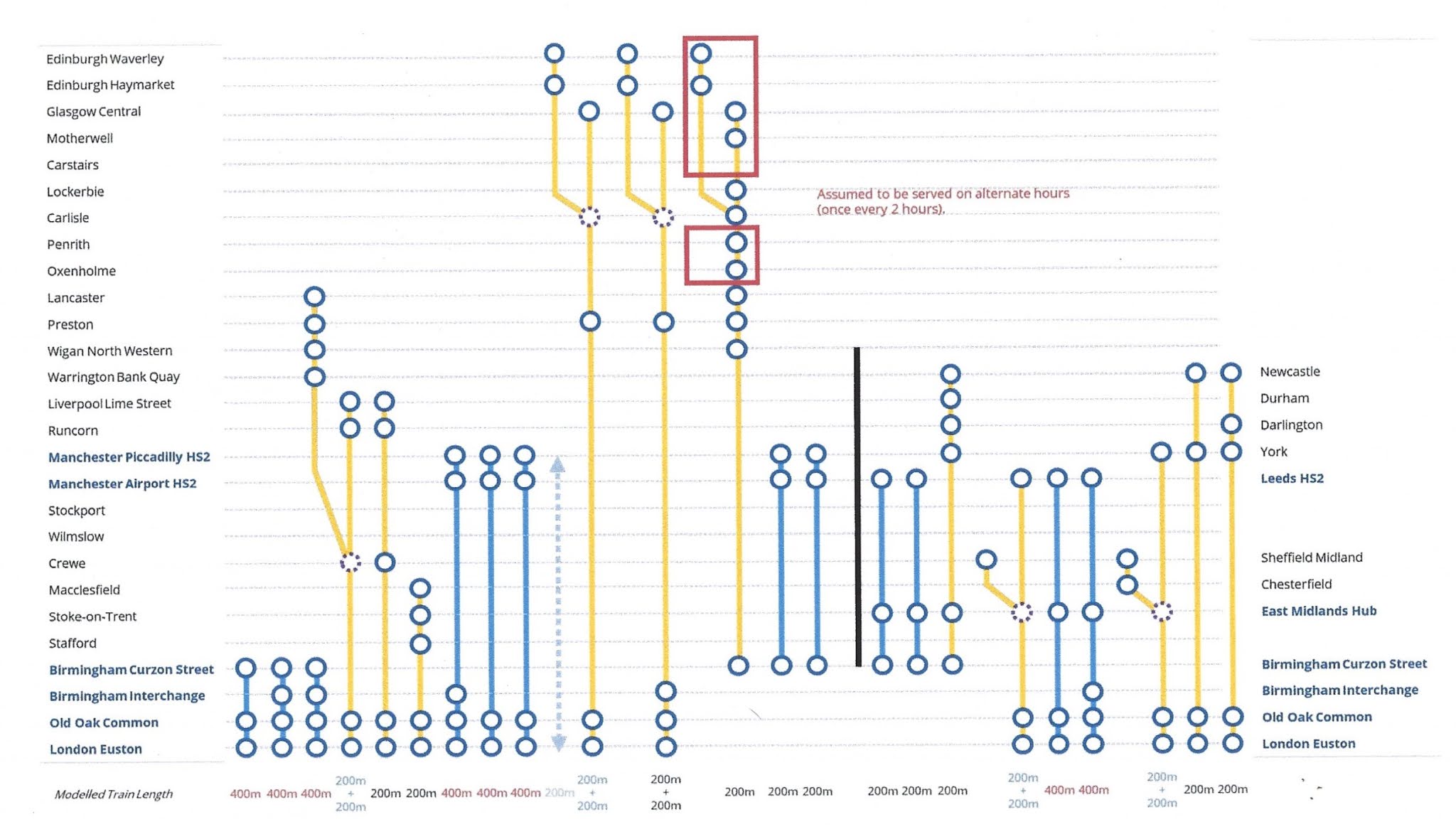
Note.
- Services shown in blue are run by High Speed Two Full Size trains.
- Services shown in yellow are run by High Speed Two Classic-Compatible trains.
- Each of these trains will have a frequency of one tph.
These could be High Speed Two services through Stafford station, when High Speed Two Lite opens.
- High Speed Two – London Euston and Liverpool Lime Street/Lancaster via High Speed Two and Trent Valley Line – 1 tph – Stops at Crewe
- High Speed Two – London Euston and Liverpool Lime Street via High Speed Two and Trent Valley Line – 1 tph – Stops at Crewe
- High Speed Two – London Euston and Macclesfield via High Speed Two and Trent Valley Line – 1 tph – Stops at Stafford and Stoke-on-Trent
- High Speed Two – London Euston and Manchester Piccadilly via High Speed Two and Trent Valley Line – 3 tph
- High Speed Two – London Euston and Glasgow/Edinburgh via High Speed Two and Trent Valley Line – 2 tph
- High Speed Two – Birmingham and Glasgow/Edinburgh via High Speed Two and Trent Valley Line – 1 tph
- High Speed Two – Birmingham and Manchester Piccadilly via High Speed Two and Trent Valley Line – 2 tph
Note.
- Through Stafford station, there are totals of 11 tph.
- Along the Trent Valley Line, there are totals of 11 tph.
- North of Stafford on the West Coast Main Line, there are totals of 11 tph.
- Between Stafford and Stoke-on-Trent, there are totals of 1 tph.
There are a lot of trains to squeeze through. But remember that High Speed Two signalling is designed to handle 18 tph.
Combined Services Through Stafford Station
These could be the combined current High Speed Two services through Stafford station, when High Speed Two Lite opens.
- Avanti West Coast – London Euston and Blackpool North via Birmingham – 2 tpd – Stops at Wolverhampton, Stafford and Crewe
- Avanti West Coast – London Euston and Glasgow Central via Birmingham – 5 tpd – Stops at Wolverhampton, Stafford and Crewe
- Avanti West Coast – London Euston and Edinburgh via Birmingham – 7 tpd – Stops at Wolverhampton, Stafford and Crewe
- Avanti West Coast – London Euston and Blackpool North via Trent Valley – 1 tpd – Stops at Stafford and Crewe
- Avanti West Coast – London Euston and Glasgow Central via Trent Valley – 1 tph – Non-Stop
- Avanti West Coast – London Euston and Holyhead via Trent Valley – 8 tpd – Stops at Stafford and Crewe
- Avanti West Coast – London Euston and Liverpool Lime Street via Trent Valley – 1 tph – Stops at Crewe
- Avanti West Coast – London Euston and Manchester Piccadilly via Trent Valley – 1 tph – Stops at Stafford and Crewe
- CrossCountry – Birmingham New Street and Manchester via Wolverhampton and Stoke-on-Trent – 2 tph – Stops at Wolverhampton, Stafford and Stoke-on-Trent.
- West Midlands – London Euston and Crewe via Trent Valley – 1 tph – Stops at Stafford and Crewe
- West Midlands – Birmingham New Street and Crewe via Wolverhampton and Stoke-on-Trent – 1 tph – Stops at Wolverhampton, Stafford, Stoke-on-Trent and Crewe
- West Midlands – Birmingham New Street and Liverpool Lime Street via Wolverhampton – 1 tph – Stops at Wolverhampton, Stafford and Crewe
- High Speed Two – London Euston and Liverpool Lime Street/Lancaster via High Speed Two and Trent Valley Line – 1 tph – Stops at Crewe
- High Speed Two – London Euston and Liverpool Lime Street via High Speed Two and Trent Valley Line – 1 tph – Stops at Crewe
- High Speed Two – London Euston and Macclesfield via High Speed Two and Trent Valley Line – 1 tph – Stops at Stafford and Stoke-on-Trent
- High Speed Two – London Euston and Manchester Piccadilly via High Speed Two and Trent Valley Line – 3 tph
- High Speed Two – London Euston and Glasgow/Edinburgh via High Speed Two and Trent Valley Line – 2 tph
- High Speed Two – Birmingham and Glasgow/Edinburgh via High Speed Two and Trent Valley Line – 1 tph
- High Speed Two – Birmingham and Manchester Piccadilly via High Speed Two and Trent Valley Line – 2 tph
Note.
- Through Stafford station, there are totals of 23 tpd and 19 tph.
- Along the Trent Valley Line, there are totals of 9 tpd and 15 tph.
- North of Stafford on the West Coast Main Line, there are totals of 23 tpd and 15 tph.
- Between Stafford and Stoke-on-Trent, there are totals of 4 tph.
But there are duplicate services.
High Speed Two services to Liverpool, Manchester and Scotland, will replace Avanti West Coast services.
High Speed Two services between Birmingham and Manchester, will replace CrossCountry services.
Removing these current services gives.
- Avanti West Coast – London Euston and Blackpool North via Birmingham – 2 tpd – Stops at Wolverhampton, Stafford and Crewe
- Avanti West Coast – London Euston and Blackpool North via Trent Valley – 1 tpd – Stops at Stafford and Crewe
- Avanti West Coast – London Euston and Holyhead via Trent Valley – 8 tpd – Stops at Stafford and Crewe
- West Midlands – London Euston and Crewe via Trent Valley – 1 tph – Stops at Stafford and Crewe
- West Midlands – Birmingham New Street and Crewe via Wolverhampton and Stoke-on-Trent – 1 tph – Stops at Wolverhampton, Stafford, Stoke-on-Trent and Crewe
- West Midlands – Birmingham New Street and Liverpool Lime Street via Wolverhampton – 1 tph – Stops at Wolverhampton, Stafford and Crewe
- High Speed Two – London Euston and Liverpool Lime Street/Lancaster via High Speed Two and Trent Valley Line – 1 tph – Stops at Crewe
- High Speed Two – London Euston and Liverpool Lime Street via High Speed Two and Trent Valley Line – 1 tph – Stops at Crewe
- High Speed Two – London Euston and Macclesfield via High Speed Two and Trent Valley Line – 1 tph – Stops at Stafford and Stoke-on-Trent
- High Speed Two – London Euston and Manchester Piccadilly via High Speed Two and Trent Valley Line – 3 tph
- High Speed Two – London Euston and Glasgow/Edinburgh via High Speed Two and Trent Valley Line – 2 tph
- High Speed Two – Birmingham and Glasgow/Edinburgh via High Speed Two and Trent Valley Line – 1 tph
- High Speed Two – Birmingham and Manchester Piccadilly via High Speed Two and Trent Valley Line – 2 tph
Note.
- Through Stafford station, there are totals of 11 tpd and 14 tph.
- Along the Trent Valley Line, there are totals of 11 tpd and 12 tph.
- North of Stafford on the West Coast Main Line, there are totals of 9 tpd and 12 tph.
- South of Stafford on the West Coast Main Line, there are totals of 2 tpd and 2 tph.
- Between Stafford and Stoke-on-Trent, there are totals of 2 tph.
With these frequencies, I suspect digital signalling will be needed.
Services have these frequencies from Stafford.
- Crewe – 11 tpd and 5 tph.
- Stoke-on-Trent – 2 tph.
- London Euston – 11 tpd and 4 tph.
- Wolverhampton – 3 tpd and 2 tph.
Note.
- Stoke-on-Trent needs more trains.
- There is virtually no trains on the West Coast Main Line to the South of Stafford.
- The frequencies indicate digital signalling will be needed.
On this brief look, I think that High Speed Two Lite will open up a lot of possibilities.

