Could The Settle And Carlisle Be Used As A More Formal Route?
In June 2021, I wrote Through Settle And Carlisle Service Under Consideration, which starts like this.
The title of this post, is the same as that of an article in the June 2021 Edition of Modern Railways.
This is the first paragraph.
Plans for a new Leeds to Glasgow through service via the Settle and Carlisle line are being developed, with CrossCountry and the Department for Transport starting to look at the possible scheme.
It sounds like a sensible idea to me.
The article also suggests the following.
- CrossCountry is a possible operator.
- CrossCountry are keen to improve services between Leeds and Glasgow
- The trains could be InterCity 125s, freed up, by a the arrival of Class 221 trains from Avanti West Coast, when they receive their new Class 805 trains.
- Maintenance of the trains wouldn’t be a problem, as this could be done at Neville Hill in Leeds or Craigentinny in Edinburgh.
- Services could start in December 2023.
But nothing more has been heard.
However some things have happened.
The Settle And Carlisle Has Become A Popular Charter Route
Google AI gave me this paragraph.
The Settle and Carlisle line is an extremely popular, premier route for heritage rail charters, steam excursions, and luxury rail tours in the UK, often operating at full capacity. Renowned for its scenic 72-mile journey through the Yorkshire Dales and Pennines, it features iconic structures like the Ribblehead Viaduct.
I have also written these posts about charters on the Settle and Carlisle Line.
Scheduled Steam-Hauled Services For the Settle And Carlisle Railway
Rail Operator Crosses Line For First Time In Years
‘Staycation Express’ To Return Along Full Length of S & C
It doesn’t appear that the numbers of charter trains are showing any sign of decrease.
LNER Has Ordered Class 897 Trains
When LNER took over the East Coast Main Line services, they had six main classes of trains.
- Five-car Class 800/1 bi-mode trains
- Nine-car Class 800/2 bi-mode trains
- Five-car Class 801/1 electric trains
- Nine-car Class 801/2 electric trains
- Seven-car InterCity225 trains
- Nine-car InterCity225 trains
Note.
- The five-car trains can run in pairs as ten-car trains.
- The Class 800 and Class 801 trains can run to destinations, that lack full electrification using diesel power where needed.
- Hitachi are developing battery-power for rail routes without electrification.
In 2023 to replace the InterCity225 trains ten ten-car Class 897 tri-mode trains were ordered from CAF, which will soon be in service, over all LNER’s network.
LNER Has Fully Electrified And Unelectrified Destinations
LNER’s current destinations, that are fully electrified to King’s Cross include.
- Bradford Forster Square
- Berwick on Tweed
- Darlington
- Doncaster
- Durham
- Edinburgh Haymarket
- Edinburgh Waverley
- Grantham
- Keithley
- Leeds
- Newark Northgate
- Newcastle
- Peterborough
- Retford
- Shipley
- Skipton
- Stevenage
- Wakefield Westgate
- York
Whilst those are not fully electrified include.
- Aberdeen
- Cleethorpes
- Dundee
- Grimsby Town
- Harrogate
- Huddersfield
- Horsforth
- Hull
- Inverness
- Lincoln
- Middlesbrough
- Sheffield
- Sunderland
- Thornaby
- Worksop
Note.
- Other destinations can be added as required.
- I suspect, that Class 897 trains will be able to approach many stations without electrification on battery power alone.
- Staff and Passengers would probably like underground stations like Sunderland to be worked on batteries alone.
The Class 800 bi-mode, the Class 801 electric and the Class 897 tri-mode trains will give LNER a very flexible fleet.
Onward To Skipton, Carlisle and Glasgow Central And Edinburgh From Bradford Forster Square
I wonder is someone has realised that the Class 897 trains could use their tri-mode capabilities to invade Scotland?
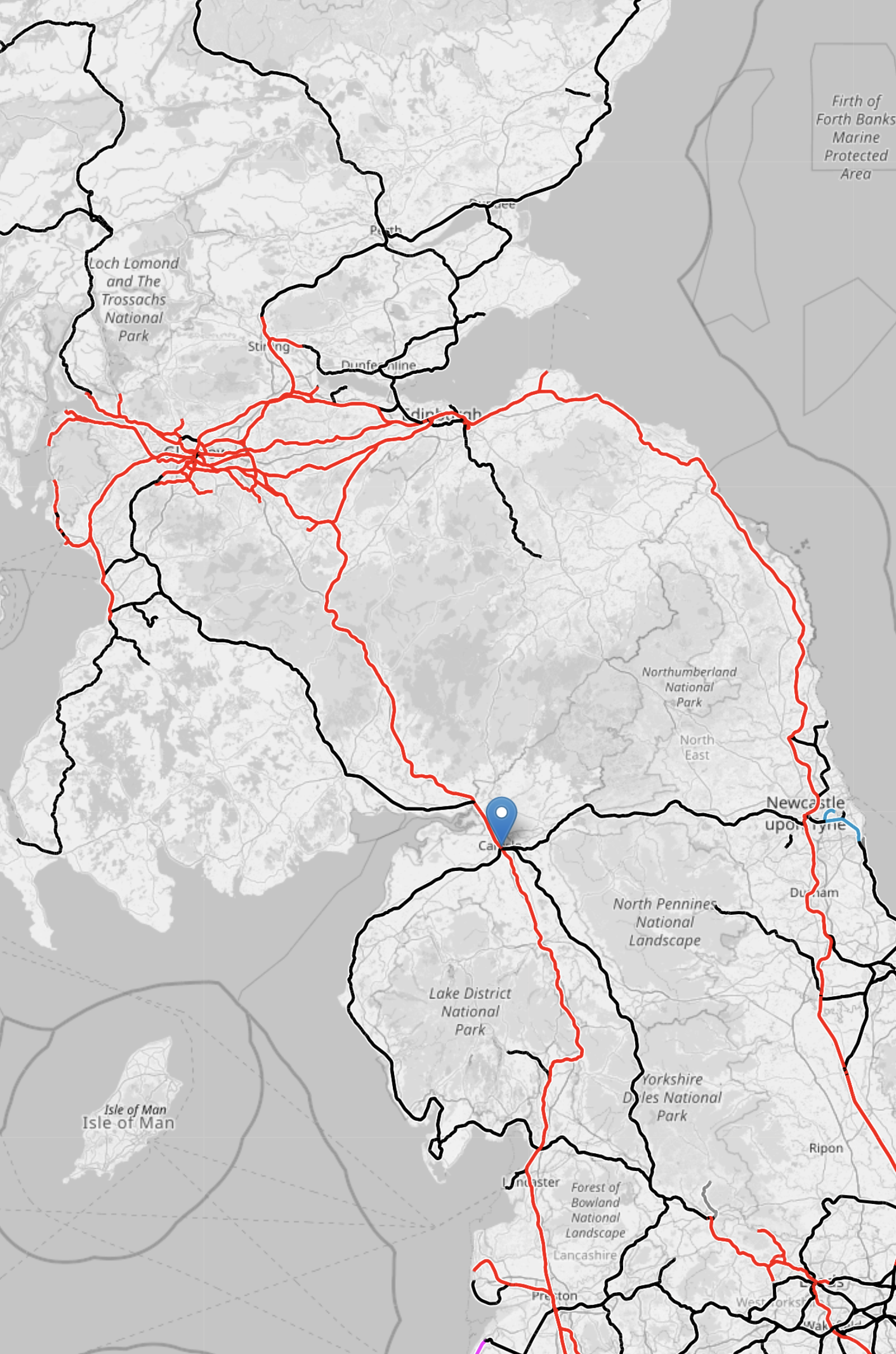
This OpenRailwayMap shows the railways between the Scottish Lowlands and northern England.
Note.
- Red tracks are electrified.
- Black tracks are not.
- The blue arrow in the middle of the map indicates Carlisle.
- The red track going North-South through Carlisle is the West Coast Main Line.
- The black track going South from Carlisle is the Settle and Carlisle Line.
- Where it turns red is at Skipton station and the electrification can power the train to Bradford Foster Square, Doncaster, Leeds or Sheffield stations.
- The West Coast Main Line splits North of Carlisle and electrified trains can reach either Glasgow Central in the West or Edinburgh Haymarket or Waverley in the East.
- The black track going North-South between Carlisle and Glasgow via Dumfries is the Glasgow South Western Line, which can be used as a diversionary route by some trains with a self-powered capability.
The Settle and Carlisle Line certainly makes Anglo-Scottish routes more robust and flexible when there is bad weather, engineering works or overhead wire or signalling failures.
Will Class 897 Trains Be Able To Run On The Settle And Carlisle Line?
I asked Google AI this question and it gave this answer.
Yes LNER’s new Class 897 tri-mode trains (scheduled for introduction from 2027) will be able to run on the Settle and Carlisle line. As tri-mode electro-diesel multiple units, these 10-car trains are designed to operate across the entire LNER network, utilizing electric, diesel, or battery power to manage non-electrified routes like this, providing a modern alternative to older, diesel-only fleets.
Key details regarding Class 897 on the Settle and Carlisle Line:
Tri-mode Capability: These trains can run on electric, diesel, or battery power, making them highly versatile for non-electrified, scenic, or challenging routes.
Operating Strategy: The trains are designed for flexibility and can be used across the LNER network, which includes routes connecting to Scotland via the West Coast Main Line (WCML) or through services from Leeds.Upgrading Service: They will replace the 40-year-old InterCity 225 fleet, offering a more environmentally friendly, modern alternative to current diesel bi-modes, such as the Class 800/802.
The route is a major, yet challenging, rail line featuring 20 viaducts and 14 tunnels, making it suitable for modern, versatile train sets.
I also believe that running Class 897 trains between Yorkshire and Glasgow offers opportunities to run new services, that will appeal to both travellers and rail operators.
Does The UK Need More Passenger Rail Capacity Between Yorkshire And Glasgow?
I asked Google AI this question and it gave this answer.
Yes, the UK requires more passenger rail capacity between Yorkshire and Glasgow due to severe overcrowding and forecasted demand growth. Major routes like the East Coast Main Line (ECML) and West Coast Main Line (WCML) are, or will soon be, at maximum capacity. Key constraints include infrastructure limitations and the need for better Scotland-England connectivity.
Key insights on this need:
Capacity Constraints: The WCML, particularly at its southern end, is already effectively full, with limited capacity for additional, longer trains. Similarly, the ECML is experiencing significant overcrowding.
Growing Demand: Passenger demand for long-distance rail travel continues to rise, with significant increases noted in journeys between Scotland and other regions.
Infrastructure Issues: Constraints include steep inclines, tight curves, and the need to mix passenger and freight traffic, particularly on the West Coast route.
Proposed Solutions: While some improvements are planned, such as Lumo extending services to Glasgow, the Integrated Rail Plan (IRP) focuses on capacity enhancements in the North/Midlands.
Strategic Need: Enhanced, high-speed connections are considered essential for long-term economic integration and to prevent increased air travel/emissions.
The great advantage of the route, is that is already in place.
Can The Settle And Carlisle Line Handle Planned Diversions?
Can The Settle And Carlisle Line Handle The Caledonian Sleeper?
I asked Google AI this question and it gave this answer.
The Settle-Carlisle line is not a standard route for the Caledonian Sleeper, which typically travels via the West Coast Main Line (WCML) to Edinburgh, Glasgow, and beyond. While the line is a scenic, double-track route with significant infrastructure, it is generally used for local services and freight, not long-distance, heavy sleeper trains.
Key Considerations:
Route: The Caledonian Sleeper operates on the West Coast Main Line, serving destinations like Edinburgh, Glasgow, Aberdeen, Inverness, and Fort William.
Capacity & Infrastructure: While the Settle-Carlisle line has major structures like the Ribblehead Viaduct, it is not the primary route for high-speed or overnight sleeper services.
Operational Normal: The sleeper service splits into portions at Edinburgh, and does not regularly operate via the Settle-Carlisle line.
In short, the Settle-Carlisle line is not designed for or used by the Caledonian Sleeper, which operates via the West Coast Main Line.
But it does appear, that in the past some sleeper trains have used it.
How Many Freight Trains Use the Settle And Carlisle Line In A Typical Day?
This article on the BBC is entitled Settle To Carlisle line: Shortage of trains ‘Hampering Growth’, says this about the number of trains.
From only two trains a day in the 1980s the Settle and Carlisle line now sees 14 passenger and 18 freight services a day.
That is progress!
Observations On A Trip To Doncaster And Sheffield
My objectives were.
- Buy a walk-up ticket from a machine at King’s Cross for Doncaster station and then use it.
- Use local trains, tram-trains and trams to get to as quick as possible to Sheffield station.
- Buy a walk-up ticket from a machine at Sheffield station for St. Pancras and then use it.
This is the story of my day.
A Ticket From King’s Cross for Doncaster
This happened at King’s Cross
- I got charged £38.65, but I didn’t get any tickets.
- So I complained in the Booking Office.
- But they didn’t believe me.
- Then I showed them the debit on my credit card account.
- Then a lady came and checked the machine, but couldn’t find any tickets.
- They then issued me with a new ticket for Doncaster.
- But they were these design crimes of flimsy tickets.
- I now have two debits on my credit card account.
They said one will be refunded.
King’s Cross To Doncaster
I took these pictures of the trucks along the nearby A1 to the North of Newark.






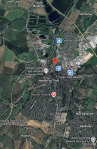
This map shows how the A1 curves round the town.
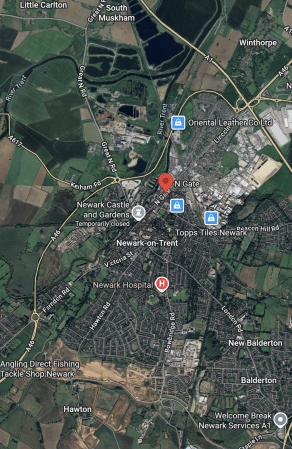
Note.
- The A1 Road curving around the right of the town.
- The red arrow marking Newark Northgate station.
- There is a notorious flat crossing, that needs to be replaced to the North of the station.
I believe as a Control Engineer, that digital signalling might solve the problem of the crossing and I wrote about it in Could ERTMS And ETCS Solve The Newark Crossing Problem?.
But there was no problems on the journey
- The train was ten coaches.
- It was going to Edinburgh.
- It left on time.
- It didn’t appear to be very full.
- It was four minutes late at Doncaster and arrived at 14:47.
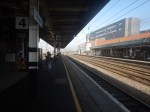
These pictures show Doncaster station.
Note.
There are nine platforms and eleven tracks.
The nine platforms are arranged in three island platforms.
Could Doncaster Sheffield Airport Become A Hydrogen Airport?
I asked Google AI, what is the current status of Doncaster Sheffield Airport and received this reply.
Doncaster Sheffield Airport (DSA) is currently in a state of active, public-funded redevelopment after closing in late 2022 due to financial issues, with plans to reopen for passenger flights by late 2027 or 2028, following significant funding (around £160m) secured by the South Yorkshire Mayoral Combined Authority (SYMCA) for the City of Doncaster Council to take over operations and rebuild commercial viability, with freight and general aviation potentially returning sooner.
This Google Map shows the location of the airport.
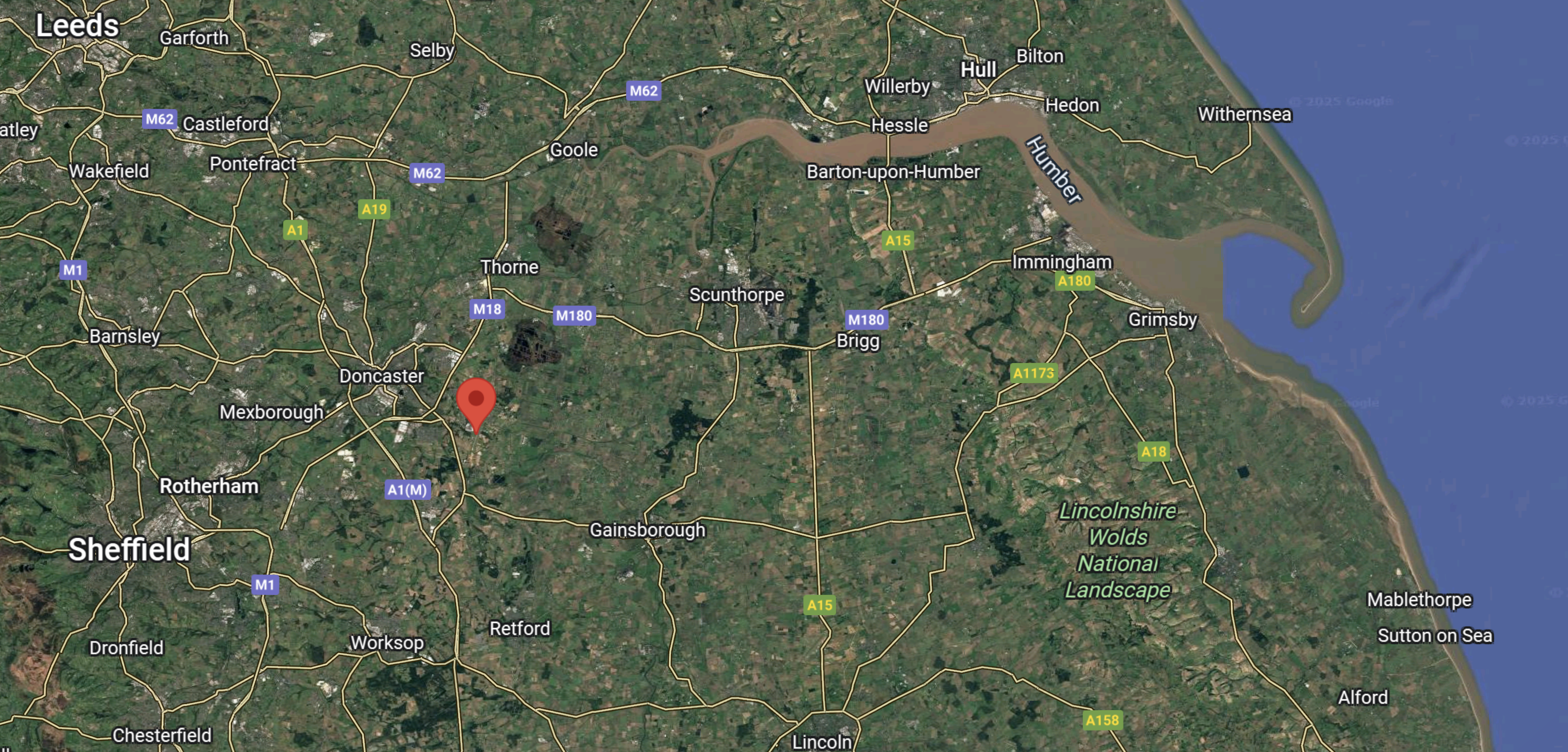
Note.
- The distinctive mouth of the River Humber can be picked out towards the North-East corner of the map.
- Hull and Grimsby sit in the mouth of the Humber.
- The red arrow indicates Doncaster Sheffield Airport.
- Leeds is in the North-West corner of the map.
- The towns and city of Doncaster, Rotherham and Sheffield can be picked out to the West of the airport.
This second Google Map shows a close-up of the airport.

On my visit to NASA in the 1980s, where an Artemis system was used to project manage the turnround of the Space Shuttle, I was asked questions by one of NASA’s support people about RAF Finningley. Nothing too technical, but things like what is Doncaster like.
When I asked why, they said there’s a high chance that a Space Shuttle could land at RAF Finningley, as it has one of the best runways for a very heavy aircraft in Europe.
Looking at the runway, it is a long and wide runway that was built for heavy RAF nuclear bombers like Valiants, Victors and Vulcans.
I believe that we will eventually see hydrogen- and/or nuclear-powered airliners flying very long routes across the globe, just as a nuclear-powered example, attempted to do in the first episode of the TV series Thunderbirds, which was called Trapped in the Sky and has this Wikipedia entry.
Just as the Space Shuttle did, these airliners and their air-cargo siblings will need a large runway.
Doncaster Sheffield Airport already has such a runway.
These hydrogen- and nuclear-powered aircraft will make Airbus A 380s look small and will need runways like the one at Finningley.
But I don’t think we’ll ever see nuclear-powered aircraft in the near future, so the aircraft will likely be hydrogen.
Other things in favour of making Doncaster Sheffield Airport, an airport for long range hydrogen aircraft include.
- The airport is close to the massive hydrogen production and storage facilities being developed on Humberside at Aldbrough and Rough.
- The airport could be connected to the Sheffield Supertram.
- The airport could be connected to the trains at Doncaster station, which has 173 express trains per day to all over the country.
- The airport would fit well with my thoughts on hydrogen-powered coaches, that I wrote about inFirstGroup Adds Leeds-based J&B Travel To Growing Coach Portfolio
- The airport might even be able to accept the next generation of supersonic aircraft.
- The airport could certainly accept the largest hydrogen-powered cargo aircraft.
- The Airport isn’t far from Doncaster iPort railfreight terminal.
Did I read too much science fiction?
I have some further thoughts.
Do Electric Aircraft Have A Future?
I asked Google AI this question and received this answer.
Yes, electric aircraft absolutely have a future, especially for short-haul, regional, and urban air mobility (UAM), promising quieter, zero-emission flights, but battery limitations mean long-haul flights will rely more on hydrogen-electric or Sustainable Aviation Fuels (SAF) for the foreseeable future. Expect to see battery-electric planes for shorter trips by the late 2020s, while hybrid or hydrogen solutions tackle longer distances, with a significant shift towards alternative propulsion by 2050.
That doesn’t seem very promising, so I asked Google AI what range can be elected from electric aircraft by 2035 and received this answer.
By 2035, fully electric aircraft ranges are expected to be around 200-400 km (125-250 miles) for small commuter planes, while hybrid-electric models could reach 800-1,000 km (500-620 miles), focusing on short-haul routes due to battery limitations; larger, long-range electric flight remains decades away, with hydrogen propulsion targeting 1,000-2,000 km ranges for that timeframe.
Note.
- I doubt that many prospective passengers would want to use small commuter planes for up to 250 miles from Doncaster Sheffield airport with hundreds of express trains per day going all over the UK mainland from Doncaster station.
- But Belfast City (212 miles), Dublin (215 miles) and Ostend (227 miles), Ronaldsway on the Isle of Man (154 miles) and Rotterdam(251 miles) and Schipol 340 miles) may be another matter, as there is water to cross.
It looks like it will be after 2035 before zero-carbon aircraft will be travelling further than 620 miles.
My bets would be on these aircraft being hydrogen hybrid aircraft.
What Will The Range Of Hydrogen-Powered Aircraft In 2040?
I asked Google AI this question and received this answer.
By 2040, hydrogen-powered commercial aircraft are projected to have a range that covers short- to medium-haul flights, likely up to 7,000 kilometers (approximately 3,780 nautical miles), with some models potentially achieving longer ranges as technology and infrastructure mature.
The range of these aircraft will vary depending on the specific technology used (hydrogen fuel cells versus hydrogen combustion in modified gas turbines) and aircraft size.
It looks like we’ll be getting there.
This Wikipedia entry is a list of large aircraft and there are some very large aircraft, like the Antonov An-225, which was destroyed in the Ukraine War.
A future long-range hydrogen-powered airline must be able to match the range of current aircraft that will need to be replaced.
I asked Google AI what airliner has the longest range and received this reply.
The longest-range airliner in service is the Airbus A350-900ULR (Ultra Long Range), specifically configured for airlines like Singapore Airlines to fly extremely long distances, reaching around 9,700 nautical miles (18,000 km) for routes like Singapore to New York. While the A350-900ULR holds records for current operations, the upcoming Boeing 777-8X aims to compete, and the Boeing 777-200LR was previously known for its exceptional range.
I believe that based on the technology of current successful aircraft, that an aircraft could be built, that would be able to have the required range and payload to be economic, with the first version probably being a high-capacity cargo version.
What Would An Ultra Long Range Hydrogen-Powered Airliner Look Like?
Whatever the aircraft looks like it will need to be powered. Rolls-Royce, appear to be destining a future turbofan for aircraft called the Ultrafan, which has this Wikipedia entry.
I asked Google AI, if Rolls-Royce will produce an Ultrafan for hydrogen and received this answer.
Rolls-Royce is actively developing the UltraFan architecture to be compatible with hydrogen fuel in the future, but the current UltraFan demonstrator runs on Sustainable Aviation Fuel (SAF). The company has a research program dedicated to developing hydrogen-powered engines for future aircraft, aiming for entry into service in the mid-2030s.
I asked Google AI, if Rolls-Royce have had major difficulties converting engines to hydrogen and received this answer.
Rolls-Royce has not encountered insurmountable difficulties but faces significant engineering and logistical challenges in converting engines to run on hydrogen. The company has made substantial progress in testing both stationary and aero engines using pure hydrogen, confirming its technical feasibility.
Given the company’s success in developing engines in the past, like the R Type, Merlin, RB 211, Pegasus, Trent, mtu 4000 and others, I suspect there’s a high chance of a successful hydrogen-powered Ultrafan.
If you look at a history of large passenger and cargo aircraft over the last sixty years, there has been a lot of the following.
- Conversion of one type of aircraft to a totally different type.
- Fitting new engines to a particular type.
- Fitting new avionics to a particular type.
Examples include.
- Fitting new CFM-56 engines to DC-8s.
- The first two Nimrods were converted from unsold Comet 4Cs.
- Converting Victor bombers to RAF tanker aircraft.
- Converting BA Tristars to RAF tanker aircraft.
- Converting DC-8s to cargo aircraft.
- Airbus converted five Airbus A 300-600 into Belugas, which have this Wikipedia entry.
- Airbus converted six Airbus A 330-200F into BelugaXLs, which have this Wikipedia entry.
- Converting two Boeing-747s to carry Space Shuttles ; one from American Airlines and one from Japan Airlines, which have this Wikipedia entry.
Note.
- Most of these examples have been successful.
- The last three examples have been very successful.
- Most of these applications do not have a human cargo.
This picture shows an Emirates Air Lines’s Airbus A 380 on finals at Heathrow.
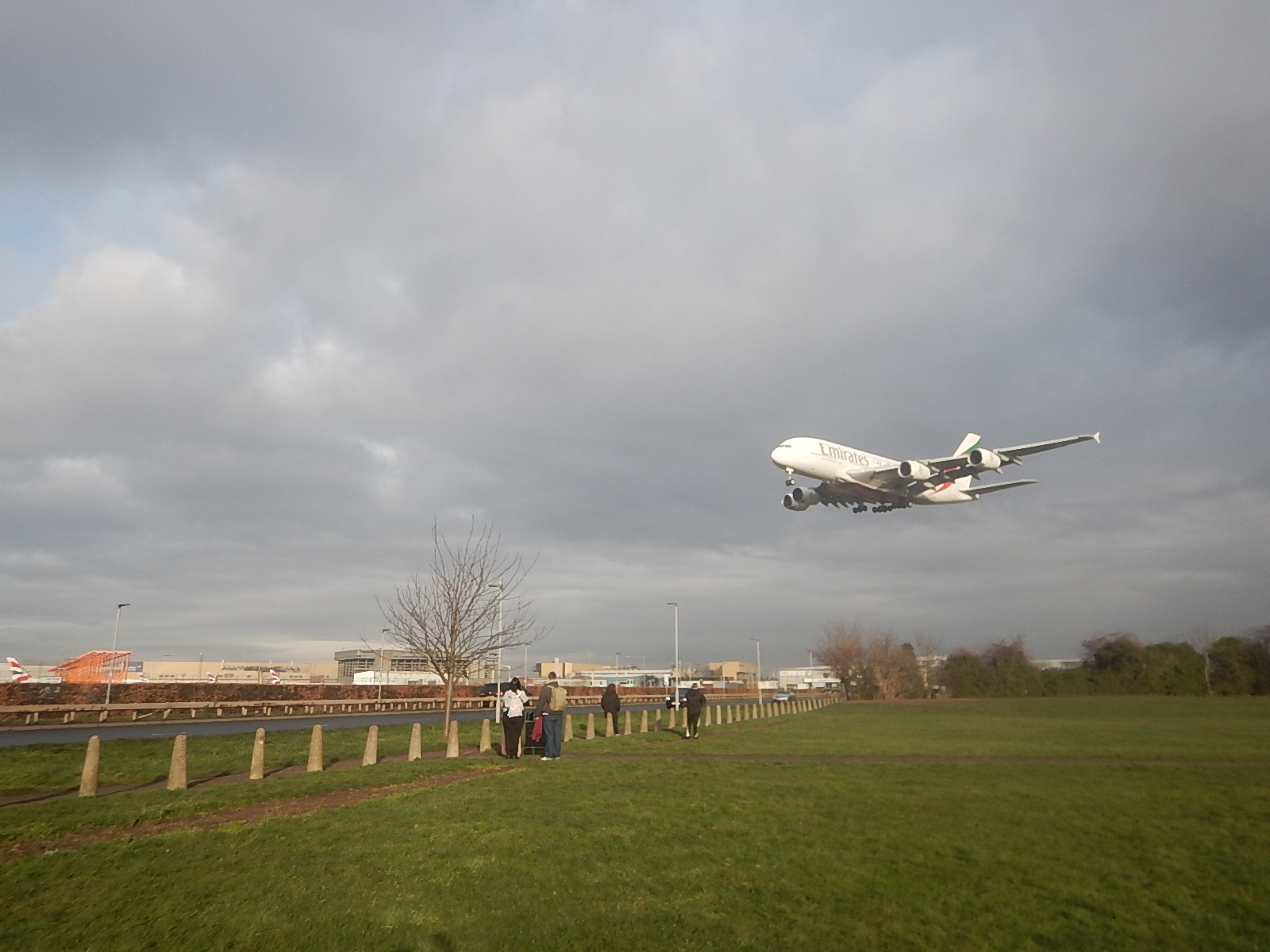
Note.
- The aircraft was landing on Runway 27 L.
- The four engines and the vertical oval cross-section of the fuselage are clearly visible.
- The Wikipedia entry for the Airbus A 380 shows two floors across the fuselage; the upper floor with eight seats in 2-4-2 and the lower floor with ten seats in 3-4-3, and a pair of LD3 cargo containers in the basement.
I’d be interested to know, how much hydrogen could be put in the basement and how far it could take the plane with a full load of passengers!
This link to the Wikipedia entry, shows the cross section in detail.
Note
I wouldn’t be surprised that the first application of large hydrogen aircraft will be for cargo and it could be an Airbus Beluga or perhaps an Airbus A 380 freighter?
Rail Operator Crosses Line For First Time In Years
The title of this post, is the same as that of this article on the BBC.
This is the sub-heading.
An operator’s first passenger train has crossed a historical and scenic route for the first time in more than a decade.
These three paragraphs give more details about the reason for the trip.
Avanti West Coast’s 07:54 GMT from Wigan was the first to run on the Settle to Carlisle route earlier.
The 73-mile line is renowned for its picturesque views across the Yorkshire Dales and the North Pennines via the Ribblehead viaduct.
The route is usually only used by Northern trains operating between Leeds and Carlisle, but Avanti is using it as a diversion while work to replace the Clifton Bridge take place over the M6 near Penrith.
I’ve only ridden the Route once and that was on a day in 2014, when the weather wasn’t at its best.
Afterwards I wrote Long Live The Settle And Carlisle, so the trip couldn’t have been that bad!
These paragraphs give the reason for and details of the diversion.
The Settle to Carlisle line does not have overhead power lines, meaning Avanti is using bi-mode Class 805 Evero trains which operate on diesel.
Several timetable changes have been made during the engineering works, with disruption expected until 15 January.
Until 5 January, the railway will also be blocked south of Preston, meaning on these days the diverted services are running between Wigan North Western and Carlisle.
But if Great British Railways could get their act together and convert a sufficient number of their Hitachi diesel bi-modes to battery-electric bi-modes and do some testing and a few calculations, the problem would be solved.
In 2021, I wrote Through Settle And Carlisle Service Under Consideration, after Modern Railways wrote an article of the same name.
Could Lumo Run A Lincoln And Glasgow Service Via Doncaster, Leeds And Settle?
In South Yorkshire Now Has Better North-South Connections, I calculated that Doncaster station now has 173 express trains per day, that stop at the station.
So why not add five or six express trains per day to Doncaster, Lincoln, Leeds, Settle, Carlisle and Glasgow?
And why not ask Lumo to run it, as they’d know how to run such a service?
How Will The East Coast Main Line Timetable Change Affect Sheffield?
This article in the October 2025 Edition of Modern Railways is entitled Industry Gears Up For December ECML Timetable Change.
This is the first paragraph.
Major changes are planned to trains along the East Coast main line from 14 December as the long-heralded timetable takes effect.
In this post, I will see how the changes detailed in the article in Modern Railways will affect Sheffield and Doncaster.
Aberdeen-Edinburgh
This is said about Aberdeen and Edinburgh services.
Monday-Saturday services will not change between Aberdeen and Edinburgh, with all intermediate stations served at similar times.
The LNER service to and from King’s Cross will call additionally at Doncaster, Newark Northgate and Peterborough; the last LNER Monday-Friday departure from Aberdeen will terminate at Doncaster instead of Leeds, and the first LNER Monday-Saturday train to Aberdeen will start from King’s Cross at 05:48 instead of Leeds.
Note.
- An hourly fast train between Edinburgh and King’s Cross will have a journey time of 4 hours and 10 minutes, which is a saving of at least 12 minutes.
- There is an Aberdeen-Manchester air service, but no Edinburgh-Manchester or Leeds-Scotland air services.
- In Could London And Central Scotland Air Passengers Be Persuaded To Use The Trains?, I speculated about how air passengers could be tempted to use the trains between London and Central Scotland.
- It looks to me, that LNER are strengthening their services between Doncaster and Scotland.
- Will that 05:48 King’s Cross departure for Aberdeen, enable a working day in Aberdeen and return?
Is LNER’s aim to get travellers to use the trains between Doncaster and Scotland, as an alternative to driving or trains from Leeds?
Alnmouth and Berwick
This is said about Alnmouth services.
Quicker LNER journey times are promised to stations South of York, with King’s Cross-Alnmouth journey times up to 15 minutes quicker.
More TPE trains will run between Newcastle, Morpeth, Alnmouth, Berwick, Reston, Dunbar, East Linton and Edinburgh Waverley.
The number of trains calling at Durham on weekdays will fall from 18 to 13 Southbound and from 15 to 10 Northbound.
This is said about Berwick services.
LNER trains will call every two hours during the middle of the day, and the number of weekday trains to King’s Cross falls from 15 to 11 Southbound with a 13 to nine fall Northbound. More TPE trains will call.
Note.
- Lumo serves Newcastle, Morpeth and Edinburgh.
- Reston and East Linton are new stations.
- The stations between Newcastle and Edinburgh need adequate parking to attract commuters.
It looks to me, that LNER are timing the trains to attract day trips along the East Coast Main Line.
Bradford Forster Square/Interchange
This is said about Bradford Forster Square services.
The number of weekday trains will remain as per May 2025, but on Sundays, the number of trains serving Forster Square increases from two to six each way on a two-hourly interval. LNER stopping patterns change, with fewer trains calling at Peterborough and none at Grantham or Retford.
Trains currently stop at Peterborough, Doncaster, Wakefield Westgate, Leeds and Shipley, but surely a more regular six trains per day (tpd) is preferable.
This is said about Bradford Interchange services.
At Interchange, Grand Central Trains will run at different times to the May 2025 timetable, with King’s Cross journeys up to 20 minutes quicker. One GC each way will call at Peterborough, while some will stop at Pontefract Monkhill on Sundays for the first time.
Note.
- Trains currently stop at Peterborough, Doncaster, Pontefract Monkhill, Wakefield Kirkgate, Mirfield, Brighouse, Halifax and Low Moor
- Is the twenty minutes time saving due to the new digital signalling to the South of Doncaster?
- Is this another open access operator being allowed to do what they do best?
This looks to be a very useful service, which serves several stations, with no other service to London.
Doncaster
This is said about Doncaster services.
Additional trains calling at destinations including Birmingham New Street, Sheffield, York, Newark and Berwick-upon-Tweed. LNER Aberdeen/Inverness trains will call at Doncaster. EMR trains will be retimed at Doncaster to provide better connections with LNER’s revised timetables, but journeys from Doncaster to Sleaford and Spalding will require a change at Lincoln. This change has been made to “enable improved connections” at Peterborough, Sleaford, Lincoln and Doncaster. The number of trains calling at Stevenage falls from 24 to 19 Southbound and 24 to 21 Northbound, with Grantham stops dropping by seven trains to 28 Southbound and 4 to 29 Northbound.
If CrossCountry Trains were to switch their trains to Hitachi InterCity Battery trains, I believe that a version of these trains could handle routes like Plymouth and Aberdeen.
- This would speed up services.
- Trains would run close together and thus increase capacity.
- Services could even be faster.
So expect a replacement order for CrossCountry Trains diesel multiple units soon.
Glasgow
LNER gave up serving Glasgow Central from King’s Cross in the December 2024 timetable change.
In Lumo Will Extend Its King’s Cross And Edinburgh Service To Glasgow, I talked about Lumo extending their King’s Cross and Edinburgh service to Glasgow Central station.
Hull
This is said about Hull services.
On Mondays-Fridays, Hull Trains will provide an extra train from London.
The LNER Monday-Friday Hull-Doncaster train will be withdrawn;
Northern will operate a 20:25 departure to Doncaster; calling at Brough and Selby.
Note.
- It looks like Great British Railways have surrendered Hull and Beverley to Hull Trains.
- Hull Trains are converting their Class 802 trains to battery-electric power.
- It is likely that Hull Trains upgraded trains will be able to use the Great Northern and Great Eastern Joint Line via Lincoln on battery power.
The new timetable appears to be ready for the future of Hull Trains.
Leeds
This is said about Leeds services.
LNER services will depart to King’s Cross at xx.10 and xx.40.
Northern will introduce an extra mostly hourly service between Leeds and Sheffield calling at Wakefield Westgate. They will depart about 30 minutes earlier or later than the CrossCountry service.
Note.
- I would expect the two King’s Cross and Leeds services which would both stop at Doncaster and Wakefield Westgate would set the timings between Doncaster and Leeds.
- Currently, of the four trains that run to and from Leeds every two hours, two are planned to terminate at Leeds, one at Harrogate and one at Bradford Forster Square.
- There is also a daily service between King’s Cross and Skipton via Leeds.
- I can envisage another service between King’s Cross and Ilkley via Leeds, Kirkstall Forge, Guiseley, Burley-in-Wharfedale and Ben Rhydding.
- I can envisage another service between King’s Cross and Huddersfield, via Leeds, White Rose, Morley, Batley, Dewsbury, Ravensthorpe, Mirfield and Deighton.
- I can envisage another service between King’s Cross and Hebden Bridge, via Leeds, White Rose, Morley, Batley, Dewsbury, Ravensthorpe, Mirfield, Sowerby Bridge, Mytholmroyd and Brighouse.
- An alternative to Hebden Bridge would be Rochdale, which already has four platforms and is on the Manchester Metrolink
- It appears that Bradford Forster Square, Harrogate, Huddersfield, Leeds and Skipton stations can turn nine or ten-car trains and Ilkley can turn five-car trains.
- I also believe that one of Hitachi’s InterCity Battery trains could use battery power to take the spectacular Settle and Carlisle Line to Carlisle or even Glasgow Central.
- If needed pairs of five-car trains could split and join at Leeds, with one train waiting at Leeds and the other train going on to another destination.
- The CrossCountry and Northern Trains services on the Sheffield and Leeds route via Doncaster and Wakefield Westgate would probably need to be modern battery-electric trains to maximise the capacity on the route.
There certainly seem to be opportunities to give a number of stations in Yorkshire an all-electric service to King’s Cross with a two-hourly frequency, in a time of a few minutes over two hours.
Lincoln
This is said about Lincoln services.
One more LNER train from King’s Cross will run, with the first train arriving earlier and the last train later. There will no longer be an LNER train serving Stevenage with passengers having to change at Newark Northgate or Peterborough. An improved service will run to and from Nottingham, with an increase from one to two trains per hour on Mondays-Saturdays. An hourly service will run to Crewe, and a new Matlock-Nottingham-Lincoln-Cleethorpes service will run. EMR will cease all bar morning peak direct trains to/from Leicester. Newark Northgate-Lincoln trains will be reduced from five to four on Mondays-Fridays, eight to four on Saturdays and ten to eight on Sundays.
Note.
- Travellers between Lincoln/Nottingham and the North/Scotland will have two trains per hour to Newark Northgate, where there will be two tph to the North/Scotland.
- The hourly Crewe service will give access to Liverpool Manchester and the West Coast Main Line.
- Will there still be a Liverpool and Norwich service or will this be replaced by East-West Rail?
There seems to be a big sort out to EMR services.
Newcastle
This is said about Newcastle services.
The number of trains serving King’s Cross increases from 35 to 53 Southbound on weekdays and from 36 to 52 Northbound. One train every hour will run non-stop to York. More TPE trains will run Northbound (see Alnmouth and Berwick), while Northern is retiming services on the Northumberland Line in anticipation of Northumberland Park and Bedlington stations opening in early 2026. A semi-fast hourly service between Newcastle and Middlesbrough will run on Mondays-Saturdays and there will be an hourly stopping service between them.
Note.
- There will be a big increase in services between King’s Cross and Newcastle.
- Is the aim to persuade travellers to use trains rather than airlines?
- LNER also runs one train per day (tpd) between King’s Cross and Middlesbrough.
- Grand Central Trains will be running at a frequency of six tpd between King’s Cross and Sunderland via Thirsk, Northallerton, Eaglescliffe, Hartlepool and Seaham.
Hull appears to have been left to Hull Trains and Glasgow to Lumo, and Sunderland appears to be left for Grand Central Trains.
Conclusions
I am coming to some conclusions about services on the East Coast Main Line, with respect to Sheffield.
Doncaster Is A Well-Equipped Station
Doncaster is the nearest station to Sheffield on the East Coast Main Line.
- Over the last few years, Doncaster station has been improved.
- It has a subway with a more than adequate number of lifts.
- The station has nearly 600 parking spaces.
- There is a taxi rank.
- There is no Marks & Spencer’s food store, which is important for a coeliac like me.
- There are thirty bus stands close to Doncaster station.
- Doncaster station is well-equipped with cafes, a pub and coffee stalls.
- All trains to Aberdeen, Bradford Forster Square, Bradford Interchange, Edinburgh, Hull, King’s Cross, Leeds, Sheffield and Wakefield seem to stop at the station.
- There are several local trains per hour.
- Changing trains is not a strenuous exercise.
Doncaster is one of the UK’s better regional stations.
Doncaster Needs A Connection To The Sheffield Supertram
One of the first things, I do when I arrive in a strange town or city is look for the local public transport network.
In 2019, Sheffield published an ambitious plan for their tram network, which I wrote about in Sheffield Region Transport Plan 2019 – Doncaster Sheffield Airport.
The post contained this map, of Sheffield’s plans for the trams.
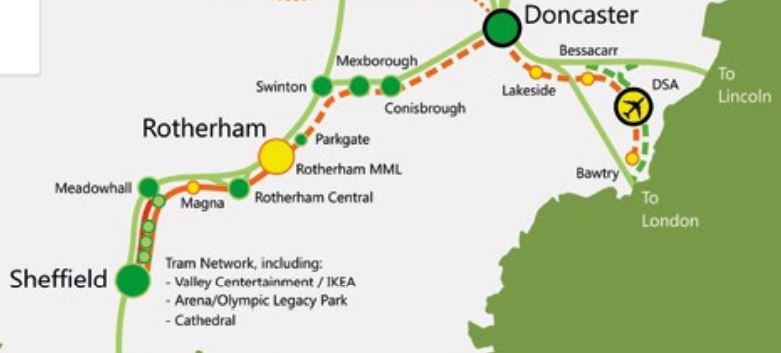
Doncaster and Doncaster Sheffield Airport are connected to the current end of the tram-train route at Rotherham Parkgate.
This OpenRailwayMap shows the rail lines between Rotherham Parkgate and Doncaster.
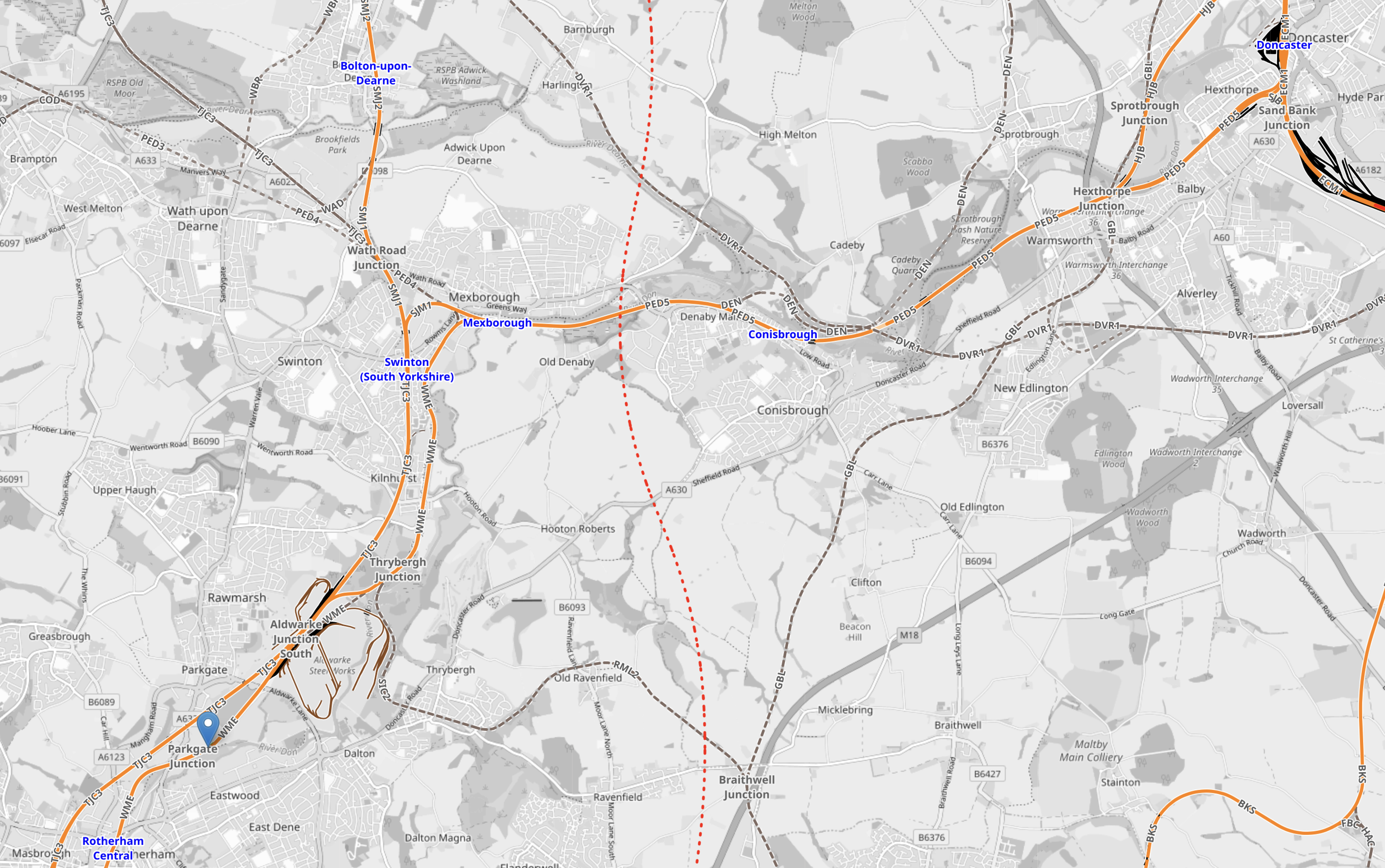
Note.
- Doncaster station is in the North-East corner of the map.
- Rotherham Central station is in the South-West corner of the map.
- The blue arrow in the South-West corner indicates Rotherham Parkgate tram stop.
- Swinton, Mexborough and Conisbrough stations can be picked out.
- The dotted red line running North-South across the map is the route of the ill-fated Eastern Leg of High Speed Two.
It is a simple application of tram-train technology to connect Doncaster station and Doncaster Sheffield Airport to the Sheffield Supertram.
With all the comings and goings on the East Coast Main Line at Doncaster station, I believe that the tram-train connection to Sheffield and Rotherham is essential.
The Cities Of Bradford, Doncaster, Leeds, Sheffield and Wakefield Can Have a High-Frequency Rail Connection
Consider.
- Four stations are all step-free with a bridge or subway served by lifts.
- Bradford Forster Square station has level access to the platforms from the street.
- The rail lines between the five stations are electrified, with the exception of Sheffield and Doncaster.
- Services between the cities are run by CrossCountry Trains, Grand Central Trains, Hull Trains, LNER and Northern Trains.
- Most maximum speeds are not unduly slow.
Consequently the five cities can have a high-frequency rail connection in excess of four tph.
Could this be the basis of a Five-Cities Metro?
Open Access Services
There are six open access services running on the East Coast Main Line.
- Grand Central Trains – King’s Cross-Bradford Interchange via Peterborough, Doncaster, Pontefract Monkhill, Wakefield Kirkgate, Mirfield, Brighouse, Halifax and Low Moor – 4 tpd
- Grand Central Trains – King’s Cross-Sunderland via Peterborough, York, Thirsk, Northallerton, Eaglescliffe and Hartlepool – 6 tpd
- Hull Trains – King’s Cross-Hull via Stevenage, Grantham, Retford, Doncaster, Selby, Howden, Brough – 4 tpd
- Hull Trains – King’s Cross-Beverley via Stevenage, Grantham, Retford, Doncaster, Selby, Howden, Brough, Hull and Cottingham – 2 tpd
- Lumo – King’s Cross-Edinbugh via Stevenage, Newcastle and Morpeth – 5 tpd
- Lumo – King’s Cross-Glasgow Queen Street via Stevenage, Newcastle, Morpeth, Edinburgh and Falkirk High – 2 tpd
Note.
- tpd is trains per day.
- All seem to serve an exclusive area, except Lumo.
- In a couple of years, all could be using Hitachi trains.
- I suspect some services will swap their diesel generators for batteries.
Battery-power would allow some services to be zero-carbon, even when using the GNGE diversion.
Wakefield Westgate Station – 18th September 2025
To get to Knottingley and the consultation about Ferrybridge hydrogen-fired power station, I had to change trains at Wakefield Westgate station.
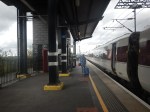
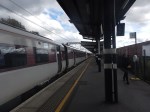
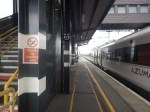
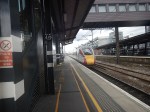
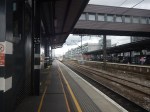
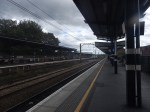
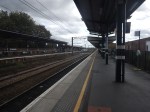
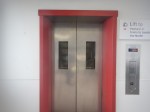

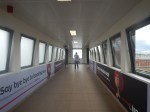

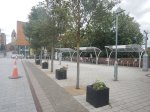
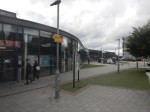
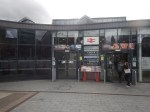
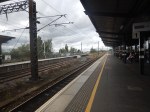
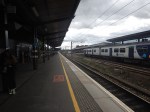
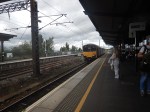
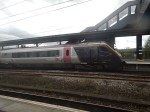
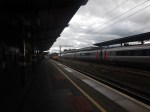
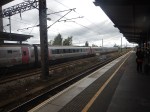
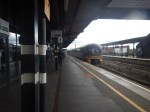
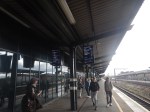
Note.
- It is an impressive station.
- It has been rebuilt since the turn of the century.
- It is fully step-free.
- Entrance is level from the square outside the station to the Southbound platform.
- There are toilets on the Southbound platform.
- There are six trains per hour (tph) between Wakefield Westgate and Leeds.
Certainty, in the time I was changing trains and waiting for my train to Knottingley, there were a lot of trains going to and from Leeds.
The timetables are changing on December 14, 2025 and the October 2025 Edition of Modern Railways gives this summary for Wakefield.
On Mondays-Saturdays, the CrossCountry train calling at Westgate at 18:17 will no longer stop at Wakefield. Northern will introduce an additional hourly fast train seven days a week between Leeds and Sheffield, and on Saturdays there will be extra later last trains between Sheffield and Westgate via Rotherham and Sheffield and Kirkgate via Barnsley.
With the development of the Leeds Metro, I can see more services being added on the route between Doncaster and Bradford via Wakefield Westgate and Leeds.
- Bradford is getting a new through station.
- From December 14, 2025, Sunday services to Bradford Forster Square will be increased for two to six each way per day.
- It also looks like from December 14, 2025, the new Northern service between Leeds and Sheffield via Wakefield Westgate, will form a two trains per hour with the CrossCountry service.
It certainly looks like the train companies have been co-operating to create a high-class Trans-West Yorkshire service.
Arriva Group Submits Open Access Rail Application To Connect Newcastle And Brighton, Via London Gatwick
The title of this post, is the same as that of this press release from Arriva Group.
These three bullet points act as sub-headings.
- New services operated by Arriva’s Grand Central would introduce a direct rail connection between the Northeast and Midlands to London Gatwick and the South Coast.
- Making better use of available network capacity, the proposed route would connect underserved communities in the UK and enhance long-distance connectivity without the need to interchange through London.
- The application reflects Arriva’s wider European strategy to connect people and places through sustainable transport solutions, strengthening regional economies and supporting modal shift.
This introductory paragraph provides more details.
Arriva Group has today announced it is submitting an open access application to the Office of Rail and Road (ORR) to introduce a new direct rail service between Newcastle and Brighton, via London Gatwick, providing vital connectivity for underserved communities along the route.
Other points to note include.
- There will be five trains per day in each direction.
- The proposed service would call at Durham, Darlington, Northallerton, York, Doncaster, Sheffield, Derby, Burton-on-Trent, Birmingham New Street, Warwick Parkway, Banbury, Oxford, Reading, Wokingham, Guildford, Redhill, London Gatwick and Haywards Heath.
- The service would be operated by Grand Central.
- The service could be introduced from December 2026.
It will be the be the first direct service between Newcastle and Brighton.
This final paragraph outlines where the service fits in Arriva’s wider philosophy.
The plans are part of Arriva Group’s broader commitment to strengthening regional connectivity and making better use of available rail capacity. By opening up new travel corridors, Arriva is helping to connect more people to jobs, education and leisure opportunities – and to encourage a greater shift from private cars to public transport.
There are certainly plenty of places in Europe, that could use a service like this one between Brighton and Newcastle.
In The Ultimate Open Access Service, I describe a possible open access service between Amsterdam and Hamburg, which is about the same distance as Brighton and Newcastle, which is 372.8 miles by Arriva’s proposed route.
These are some of my thoughts in no particular order.
A High-Class Service Between Oxford And Brighton Could Be An Interesting Development In Its Own Right
Governments, rail operators and passenger groups of all persuasions and flavours have warmly welcomed the planned reopening of the rail route between Oxford and Cambridge.
I suspect an Oxford and Brighton service would be equally welcomed.
Brighton may not be an academic powerhouse yet, but it does have one thing that Oxford and Cambridge lack ; the sea.
Gatwick Airport Will Surely Welcome The Extra Connectivity
Gatwick Airport will expand and extra rail services will do the following for the airport.
- Make it easier to get the planning permission for the second runway.
- Make it easier for passengers and airport and airline staff to get to the airport.
- Surely, the more direct rail connections the airport has, will increase the likelihood, that families and other groups, will choose to fly from Gatwick.
- More train services could cut the amount of car parking per flight needed at the airport.
Gatwick Airport station has recently rebuilt and added extra capacity, so I doubt there will be trouble accommodating another ten trains per day.
Would The Army Welcome The New Service?
Two of the British Army’s main training areas are in North Yorkshire and in Surrey.
Would they find a train service between the two areas useful?
What Trains Will Grand Central Trains Use For The New Service?
In Arriva Group Invests In New Battery Hybrid Train Fleet In Boost To UK Rail Industry, I talked about how Grand Central will be acquiring Hitachi trains for their routes between London and Bradford and Sunderland.
- These will be Hitachi tri-mode trains.
- The trains will have a range of over forty miles on batteries.
- They will probably be serviced in Yorkshire or the North-East.
- The trains will be built by Hitachi at Newton Aycliffe, with batteries from Turntide Technologies in Sunderland.
- The first trains will be delivered in 2028.
As Arriva intend to start services from December 2026, they would probably use diesel trains to start with.
I would expect that Grand Central would go for a unified fleet, which would mean more Hitachi tri-mode trains.
For convenience, they could all be serviced at Doncaster, which all Grand Central services will pass through.
What Sections Will Not Be Electrified Between Brighton and Newcastle?
As far as I can see from OpenRailwayMap, the following sections of the route are not electrified.
- Two sections of the North Downs Line – 29 miles.
- Didcot and Birmingham New Street – 80.9 miles
- Birmingham New Street and Derby – 41.3 miles
- Derby and Sheffield – 36.4 miles
- Sheffield and Doncaster – 18.4 miles
Note.
- Electrification South of Reading will be third rail, so some trains will need to have third-rail shoes.
- The length without electrification is a total of 206 miles.
- As Newcastle and Doncaster, Redhill and Brighton, Reading and Didcot, and Birmingham New Street station are all electrified, the longest sections the trains would run without electrification would be between Didcot and Birmingham New Street and between Birmingham New Street and Doncaster.
- The planned electrification between Derby and Sheffield would make life easier.
It appears that trains capable of handling a hundred miles of unelectrified railway are needed.
Hitachi have shown that a five-car train with one battery will travel 70 km (43.5 miles) on a full battery, so one with three batteries should be able to manage the hundred miles needed in a few years.
Will Any Extra Electrification Be Needed?
I think Birmingham New Street station will be the critical point.
- The next electrification on the route to the South of Birmingham New Street is at Didcot, which is 80.9 miles away.
- The next electrification on the route to the North of Birmingham New Street is at Doncaster, which is 96.1 miles away.
These battery ranges should be possible, but an alternative would be to provide an electrified platform at one or more intermediate stations to be safe.
Stations that could be equipped to the South would include Oxford and Banbury and to the North would include Burton-on-Trent, Derby and Sheffield.
Perhaps electrifying a single platform at these stations, should be the first thing to be done, so that battery-electric trains can run on some useful routes as soon as they are delivered and approved.
Electric Trains, Even Battery-Electric Ones, Will Be Quick Off The Mark
Electric trains have good acceleration and I wonder, if this acceleration will enable stops, that are not feasible with diesel trains to be fitted in with electric trains, without having to take the same time penalty.
This might allow useful stops to be added to the service.
- Chesterfield is not mentioned, but most trains passing through stop.
- As I said, Farnborough North could be a useful stop for the Army.
- There might be a case for selective stopping patterns.
Battery-electric trains stop without any noise or pollution.
Connection To The Ivanhoe Line At Burton-on-Trent
The proposed Ivanhoe Line is intended to link Burton-on-Trent and Leicester.
As it is intended that the Newcastle and Brighton service will call ten times per day at Burton-on-Trent station, this must surely improve the economics of the Ivanhoe Line.
Are there any other new or reopened rail schemes, that will be helped by the proposed Brighton and Newcastle service?
Updated Frequencies At Sheffield
Currently, trains at Sheffield have these daily frequencies to the towns and cities on the proposed Newcastle and Brighton route.
- Newcastle – 18
- Durham – 16
- Darlington – 15
- Northallerton – 0
- York – 19
- Doncaster – 64
- Derby – 58
- Burton-on-Trent – 9
- Birmingham New Street – 21
- Warwick Parkway – 0
- Banbury – 0
- Oxford – 3
- Reading – 4
- Wokingham – 0
- Guildford – 0
- Redhill – 0
- London Gatwick – 0
- Haywards Heath – 0
- Brighton – 0
Note.
- Sheffield gets five trains per day (tpd) direct connections to nine new destinations.
- Other useful destinations will get five more tpd.
- Reading is a useful interchange for Wales and the West.
- Guildford is a useful interchange for Portsmouth, Southampton and West Surrey.
- Reading and Guildford have coach services to Heathrow.
There are also a large number of universities along the route.
Hitachi Can Offer A One-Supplier Battery-Electric Train Solution
It should be noted that Hitachi can offer a complete package including battery-electric trains and all the electrification, transformers and other electrical gubbins needed.
So perhaps for the Chiltern Main Line, which is used for part of the route between Didcot and Birmingham, Hitachi could deliver a one-supplier solution, that would also electrify Chiltern’s services between Marylebone and Birmingham Moor Street.
Remember, Chiltern are another Arriva Group company.
If Hitachi get this right, I can see other lines being electrified in this way.
Could This One-Supplier Battery-Electric Solution Be Exported?
I discussed this in Arriva Group Invests In New Battery Hybrid Train Fleet In Boost To UK Rail Industry, where I suggested that the United States could be a market.
- Arriva Group are ultimately American-owned.
- Hitachi’s battery technology is also American-owned.
In these days of Trump’s tariffs, these could prove useful facts.
As Arriva Group used to be owned by Deutsche Bahn, they may be another interested party, especially as they have a lot of lines, where I believe Hitachi’s solution would work.
Conclusion
A battery-electric railway service of nearly four hundred miles would certainly attract the passengers.
Does Innovation Get Mr. Ed Miliband Better Prices To Doncaster?
The East Coast Main Line has ticketing unlike any other in the UK.
Turn up at any LNER station to go to any station that is served by trains from that station and you will be given a choice of the best prices at the ticket machines or at the booking office.
Effectively, you are sold your choice of the cheapest Advance tickets for your journey, at the time of booking.
In the last few months, I have taken three trips from London to Doncaster. All were priced between £20 and £25, with one trip on each of Grand Central, Hull Trains and LNER.
Some might argue it is because of the three Open Access operators on the route, that good value is available. But I would argue that it is down to the fact that because of the Open Access operators there is more seats on the route.
This ticketing model should be adopted on the West Coast Main Line and the Midland Main Line.
The ticketing has certainly modified my behaviour.
If I want to go to Sheffield, I go to Doncaster, as it’s a lot cheaper, then get a local train between Doncaster and Sheffield.
Ed Miliband Is A Doncaster MP
When he is going between his Doncaster North constituency and London, does he use last minute ticketing?
Arriva Group Invests In New Battery Hybrid Train Fleet In Boost To UK Rail Industry
The title of this post, is the same as that of this news item from Arriva Group.
These four bullet points act as sub-headings.
- Order worth around £300 million for fleet of new trains, which will increase seats by 20 per cent, improving capacity and connectivity.
- 45 rail cars to be manufactured at Hitachi Rail in the North East and financed by Angel Trains, helping secure highly skilled jobs and unlocking a new advanced manufacturing opportunity for rail.
- State-of-the-art ‘tri-mode’ train technology has proven its ability to cut emissions and fuel costs by around 30 per cent to support UK Government’s decarbonisation agenda.
- Announcement is made from Hitachi’s Newton Aycliffe factory and attended by the Secretary of State for Transport, Heidi Alexander MP.
These three paragraphs give more details.
Arriva Group announced today an order for nine cutting-edge battery hybrid trains to replace its entire Grand Central fleet, providing a major boost to regional economies and offering passengers more comfortable, greener travel options.
The order for 45 Hitachi Rail ‘tri-mode’ cars, which have the flexibility to run on electrified and non-electrified tracks, along with a 10-year maintenance contract, represents an investment of around £300 million. Tri-mode means the trains can be powered using electricity, battery or diesel.
It follows approval by the rail regulator for extended track access rights for Grand Central’s existing services through to 2038, with the investment underpinning Arriva’s long-term commitment to UK rail and to delivering sustainable public transport solutions to communities up and down the country and across Europe.
The trains will be built by Hitachi at Newton Aycliffe.
I have some further thoughts and questions.
What Distances Will The Trains Run Away From Electrification?
The distances that the various services will run away from electrification are as follows.
- King’s Cross and Bradford Interchange – Doncaster and Bradford Interchange – 52.1 miles.
- King’s Cross and Cleethorpes – Doncaster and Cleethorpes – 52.1 miles.
- King’s Cross and Sunderland – Longlands junction and Sunderland – 48.5 miles.
It would appear that a train with a range away from electrification of 55 miles would be enough, if there were to be charging at all the destinations.
Will The Trains Be Able To Take The Great Northern And Great Eastern Joint Line (GNGE) Diversion Via Lincoln On The East Coast Main Line?
I discussed using this diversion in detail in London And Edinburgh By Lumo Using the Joint Line Diversion.
In that post, I said this.
The January 2024 Edition of Modern Railways says that the diversion is approximately 90 miles or 145 kilometers.
If the trains have a 90 mile capability on batteries and/or diesel, they will be able to use the diversion.
As Hull Trains, LNER and Lumo all need this ability to take the GNGE Diversion, I suspect, it will be a tick-box on the order form for the trains.
When Will The Trains Be In Service?
The news item says this.
The trains will be delivered in 2028 under a 10-year leasing arrangement, in partnership and financed by Angel Trains.
Will The New Trains Be Faster?
They might save a couple of minutes, if Doncaster is the first stop.
Will The New Trains Be Quieter?
The news item says this about noise and emissions.
State-of-the-art ‘tri-mode’ train technology has proven its ability to cut emissions and fuel costs by around 30 per cent to support UK Government’s decarbonisation agenda.
Hitachi have said that the diesel engines will not run in stations.
Could The Trains Run Grand Central’s Routes Carbon-Free?
In The Data Sheet For Hitachi Battery Electric Trains, I came to these conclusions
- The battery pack has a capacity of 750 kWh.
- A five-car train needs three battery-packs to travel 100 miles.
- A nine-car train needs five battery-packs to travel 100 miles.
- The maximum range of a five-car train with three batteries is 117 miles.
- The maximum range of a nine-car train with five batteries is 121 miles.
As battery technology gets better, these distances will increase.
If I was choosing the trains for Grand Central, the trains would be able to operate these routes without using diesel.
- Doncaster and Bradford Interchange and return.
- Doncaster and Cleethorpes and return.
- Longlands junction and Sunderland and return.
Passengers might not like to have noisy passengers.
Probably, the best insurance policy to avoid running out of battery power, would be to have perhaps fifty metres of electrification at terminal stations. Hitachi claim they can offer a nice line in short lengths of electrification.
Quiet Trains Should Attract Passengers
I’ve seen it before and also with buses.
The Number Of Trains Ordered
The basic order is for nine trains, but Railway Gazette says this.
Arriva welcomed the ‘swift decision-making’ by ORR and the backing of the Department for Transport and Network Rail. It has also submitted applications to run more trains to Bradford and introduce services to Cleethorpes, and has an option to buy more trains if these are approved.
I’ve read somewhere that the option is for three extra trains.
So that’s a total of twelve, which would replace the ten Class 180 trains and two Class 221 trains, that Grand Central Trains currently run.
What About Chiltern Railways And CrossCountry?
Train operating companies Chiltern Railways, CrossCountry and Grand Central Trains are all wholly owned subsidiaries of Arriva Trains UK, who are described like this in the first paragraph of their Wikipedia entry.
Arriva UK Trains Limited is the company that oversees Arriva’s train operating companies in the United Kingdom. It gained its first franchises in February 2000. These were later lost, though several others were gained. In January 2010, with the take-over of Arriva by Deutsche Bahn, Arriva UK Trains also took over the running of those formerly overseen by DB Regio UK Limited
Arriva is ultimately owned by American infrastructure investment company; I Squared Capital.
Both Chiltern Railways and CrossCountry have trains, that are coming to the date, when they will need to be replaced and similar trains to those ordered by Grand Central could be suitable. to replace some.
Chiltern Railways have six rakes of Mark 3 coaches, that are hauled by diesel locomotives between London Marylebone and Birmingham Moor Street stations, These rakes of coaches could be replaced by Hitachi tri-mode trains, of perhaps five or six cars.
Chiltern Railways also have about sixty assorted diesel multiple units totalling up to about 150 carriages.
CrossCountry Trains have twenty-nine two- or three-car Class 170 trains and sixty-one four- or five car Class 220 or 221 trains. All these ninety trains were built this century and are diesel-powered.
The Government’s policy of net-zero by 2050, would probably mean a significant number of these smaller diesel multiple units need to be replaced by 2030.
If the Grand Central Trains new Hitachi trains are a success, then changing the longer four-, five- and six-car trains for similar Hitachi trains, would be a low-risk replacement strategy for I Squared Capital, that could be applied at Chiltern Railways and CrossCountry.
I can also see a need for a two-, three- or four-car tri-mode train for Chiltern Railways and CrossCountry.
Was The Date Of The Announcement Significant?
In October 2020, I wrote Hitachi Targets Export Opportunities From Newton Aycliffe and I believe that tri-mode trains like these that Grand Central have ordered could have export opportunities.
One country for exports has possibilities and that is the United States.
- Hitachi AT-300 trains like these don’t need expensive high-speed tracks and there are probably many lines in the United States, where these trains could fit existing tracks.
- This page on the Hitachi Rail web site is entitled Hitachi Rail in the USA and Canada.
- In the UK, companies like GWR, LNER, Southeastern and TransPennine Express effectively use theHitachi trains as fast commuter trains on some routes.
- Trump’s tariffs would only be 10 % on these trains.
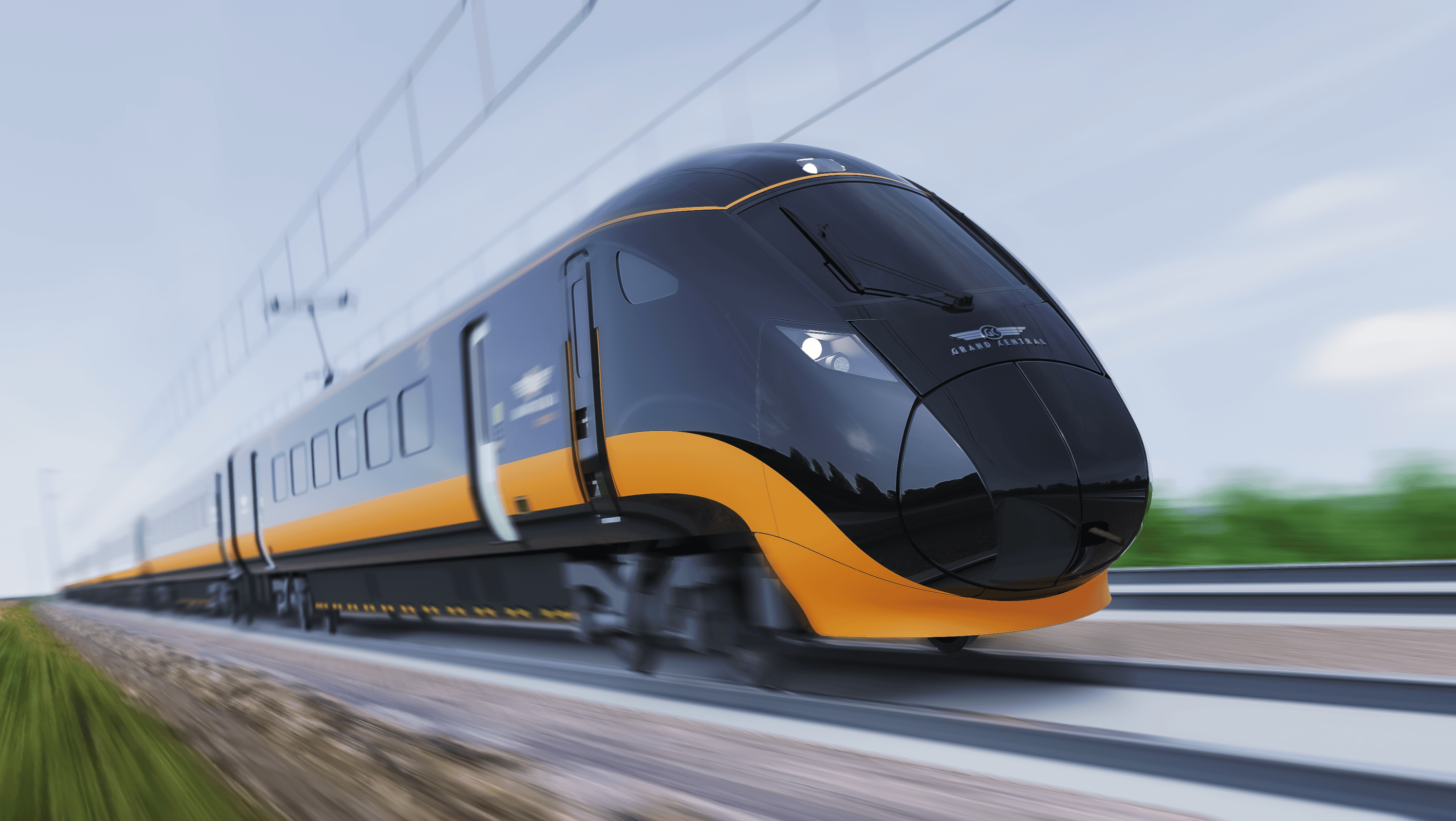
- The Grand Central version looks very stylish!
- Hitachi’s battery technology is owned by Turntide Technology, who are a US company.
- For some routes, the trains would probably only need to be battery-electric.
Has the experience of running Chiltern Railways, CrossCountry and Grand Central Trains convinced I Squared Capital, that running railways is a good investment?
Have I Squared Capital identified some railroads in the United States, that could follow a similar upgrade path to Chiltern Railways?
Was it significant that the order was announced the day after Trump’s tariffs?
.
The Train Trip Where I Arrived Before My Train
Yesterday, I went to Sheffield on Grand Central Trains. But owing to a small mix-up at Peterborough station, I ended up getting to Doncaster on an LNER train, before my Grand Central Train arrived.
This was the sequence of events.
- I bought a ticket from a machine at King’s Cross for Doncaster for the keen single price of £25.70 with my Senior Railcard.
- I had managed to assign myself a forward facing window seat.
- The aisle seat was occupied by a large man before I took my seat.
- But I was able to squeeze past.
- I did tell my travelling companion that I was going to Doncaster., as I have been known to fall asleep on trains and didn’t want to end up in Bradford.
- My train left for Doncaster at 10:52.
- I then found thyself waking up, with the train stopped in a station, which I didn’t recognise.
- So I asked my companion, where we were and he said. “Doncaster!”
- I then squeezed past him again and left the train, only to find, that I had got out at Peterborough.
- Luckily, by the time I realised I was at the wrong station, an LNER train had arrived that was also going to Doncaster.
- So a helpful member of LNER’s station staff told me to get on the LNER train.
- Another helpful member of LNER’s train staff approved my ticket, so I didn’t have to buy another.
- As my new train, passed Retford, we passed the Grand Central Train at rest in Retford station.
- I arrived in Doncaster at 12:45.
Looking at Real Time Trains, I find this is said.
This service was cancelled between Retford and Bradford Interchange due to the train striking a bird (V8)
As it was a V8 bird, I assume it was a large one.
 The Anonymous Widower
