St. Pancras To Heathrow By Elizabeth Line
I ate breakfast in Le Pain Quotidien in St.Pancras station this morning and afterwards I took the Elizabeth Line to Heathrow.
I took Thameslink for one stop to Farringdon station and got a Elizabeth Line train direct to Terminal 2 and 3 at the Airport.


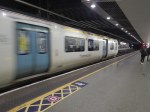


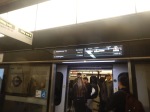

Note.
- The train I took was going to Gravesend. I suspect it was because of engineering work.
- An empty train passed through, whilst I waited. I’ve never seen that before on Thameslink in St. Pancras station.
- I travelled in the front of the Thameslink train for the one stop.
- The change at Farringdon station was very quick, as it was just down in the lift and the Heathrow train was waiting.
These are some notes on a fast change using the lifts between Southbound Thameslink and the Elizabeth Line at Farringdon station.
- Get the first lift of the two that arrives, if like me, you can use escalators.
- If it goes up, walk across the station at street level and get the two serial escalators down to the Elizabeth Line.
- If it goes down, take the lift to the Elizabeth Line.
If you can’t manage escalators, you have to wait for a lift going down.
I have some observations.
Meeting And Greeting At St. Pancras Station
From my position in Le Pain Quotidien, I was able to watch passengers leaving and arriving at the Eurostar terminal opposite.
There were quite a few people, who were meeting and greeting others.
In Effects Of The ULEZ In West London, I said this about meeting and greeting at Heathrow.
But as it now so easy to get to the Airport using the Elizabeth Line will more people use the new line to meet and greet and say goodbye to loved ones or business associates. Since the Elizabeth Line opened, I’ve met a couple of friends at Heathrow, who were passing through.
Will the Elizabeth Line increase the number of trips to the airport, by making meeting and greeting easier?
If it does, then it will put more pressure on the services to Heathrow Airport.
Seats In St. Pancras Thameslink Station
These pictures show some of the large number of seats in St. Pancras Thameslink Station.
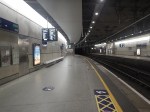


Should there be more seats along the platform at stations on the Elizabeth Line, where passengers change trains?
My Train To The Airport Was Crowded
Ten in the morning on a Sunday, is not the time I’d expect to be busy, but I estimated it was about ninety percent full, judging by the few empty seats.
There Were Eight Trains Per Hour (tph) To And From Heathrow
From Real Time Trains, it looks like the following trains were running.
- Elizabeth Line – Abbey Wood and Terminal Four – 2 tph
- Elizabeth Line – Abbey Wood and Terminal Five – 2 tph
- Heathrow Express – Paddington and Terminal Five – 4 tph
My train to the Airport had been going to Terminal Four.
Is eight tph the maximum frequency, that can use the tunnel to the Airport?
Is The Elizabeth Line Diverting Passengers From Heathrow Express?
When I returned from the Airport, my Elizabeth Line train left about ten minutes after a Heathrow Express train.
- The Heathrow Express train wasn’t very full.
- The Elizabeth Line train was very full.
- Passengers got out at all stations.
- I got out at Tottenham Court Road.
It will be interesting to see the Heathrow Express passenger figures.
Which Is The Best Elizabeth Line Station For A Marks and Spencer?
Because their gluten-free food is so much better than other shops, this is important to me.
- There are larger stores at Ealing Broadway, Tottenham Court Road (West), Liverpool Street (West), Stratford and Ilford.
- There are food only stores at Heathrow, Paddington, Bond Street and Liverpool Street (East).
Today, I used the large store by the Western entrance at Tottenham Court Road station.
But, if you want to avoid walking, Stratford is probably the easiest.
Moorgate And Luton Airport Parkway
This morning I went by train from Moorgate to Luton Airport Parkway to have a look at the Luton DART.
I used the following route.
- Elizabeth Line – Moorgate to Farringdon.
- Thameslink – Farringdon to Luton Airport Parkway.
I came back from Luton Airport Parkway on a Luton Airport Express.
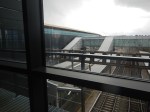
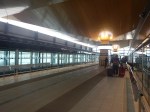
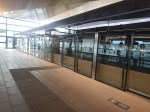
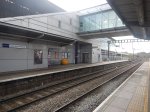
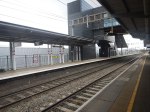
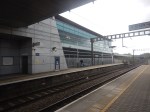
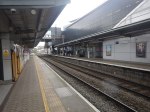
I took these pictures on the route.





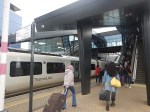
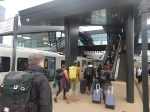
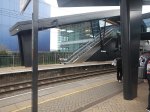
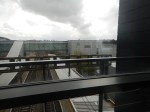


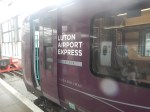
Note.
- The change at Farringdon station was very easy.
- You walk past toilets at the Farringdon change.
- There are two bridges, lots of escalators and lifts at Luton Airport Parkway station.
- I didn’t take the DART to the airport.
These are some detailed thoughts.
Luton Airport Parkway Station
It is a much improved station, but still has some work to do.
- There was a problem with one escalator.
- Some of the signage is not finalised.
- I had a problem with ticketing, as I was sold the wrong ticket.
- Staff probably need a bit more training.
But then the station has only been open three weeks.
Luton Airport Express
East Midland Railway’s St. Pancras and Corby service is now branded as Luton Airport Express.
- It has its own web site.
- Trains only stop at Luton Airport Parkway, Luton, Bedford, Wellingborough and Kettering.
- Trains take as little as twenty-two minutes between St. Pancras and Luton Airport Parkway.
- Class 360 trains are used.
- Trains run every thirty minutes.
As it serves the local area, I wonder how many airport employees, now use this train to get to work?
Could There Be An Elizabeth Line Extension To Grays?
This article on My London is entitled London Underground Tube Map: The Towns That Could Be Added To The Elizabeth Line As New Giant Loop Through London, Essex And Kent Is Proposed.
This paragraph described the proposal.
The proposal, which is part of its Vision 2050 local transport plan, would see the current Elizabeth line service from Romford take over the Overground branch to Emerson Park and Upminster, then join c2c services continuing via Chafford Hundred Lakeside to Tilbury. It would then head under a new tunnel beneath the Thames to Gravesend, connecting with the reintroduced Eurostar at Ebbsfleet International/Northfleet.
It’s certainly a bold idea and you can view the report to Thurrock Council here.
These are my thoughts.
The Frequency Of Trains
Currently, these services have a frequency of two trains per hour (tph) in both directions.
- Romford and Upminster.
- Upminster and Tilbury Town.
It would seem sensible that this frequency is preserved, thus giving every station on the loop four tph to and from the Eastern End of the Central Tunnel at Whitechapel station. Two tph would go via Romford and Stratford and two tph would go via Ebbsfleet and Abbey Wood.
What Would Be The Western Terminal?
It would probably be the two busiest terminals in the West.
I suspect that these will be Heathrow Terminal 4 and Heathrow Terminal 5
- Two tph would go between Heathrow Terminal 4 and Heathrow Terminal 5 via the loop.
- Two tph would go between Heathrow Terminal 5 and Heathrow Terminal4 via the loop.
- Two tph would go clockwise.
- Two tph would go anticlockwise.
I suspect the digital signalling can sort it out, just as it does the loop in Thameslink.
The Connection At Romford To The Romford and Upminster Line
Consider.
- The Romford and Upminster Line is single-track.
- A well-signalled single-track railway can handle two tph in both directions in an hour.
- Trains take five minutes to go between Romford and Emerson Park stations.
- Trains between Romford and Upminster will use Platform 5 at Romford station.
- Trains between Upminster and Romford will use Platform 4 at Romford station.
This map from cartometro shows the track layout at Romford station.
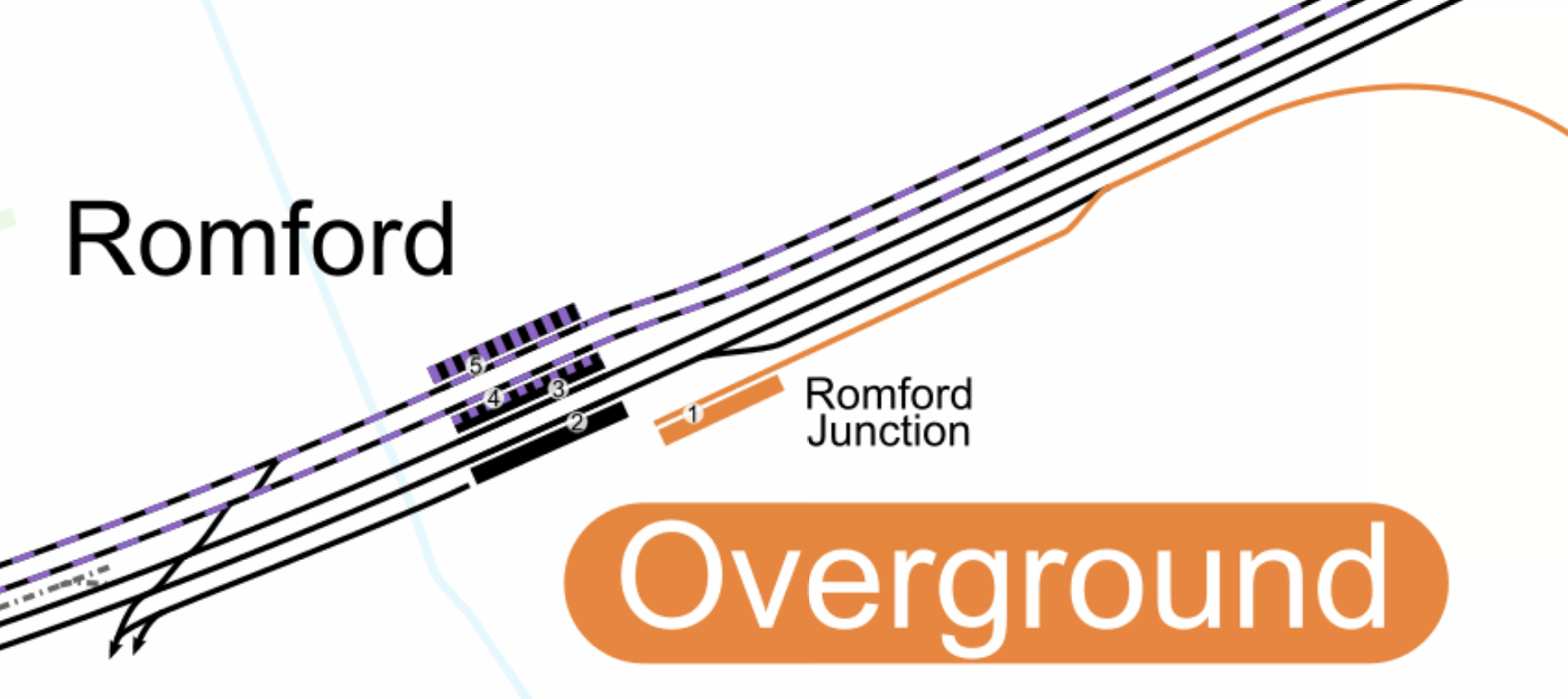
Note.
- The orange lines are the Overground tracks of the Romford and Upminster Line, which connects to Platform 1 in Romford station.
- The black and purple lines are the Elizabeth Line, which go through Platforms 4 and 5 at Romford station.
- The black lines are the fast lines of the Great Eastern Main Line, which go through Platforms 2 and 3 at Romford station.
- There is no connection between the Elizabeth Line and the Romford and Upminster Line.
I believe it is possible to build a single-track flyover or dive-under that connects both Platforms 4 and 5 at Romford station to the Romford and Upminster Line.
A similar double track flyover was built to connect the Barking Riverside branch to the main lines through Barking.
- But this track layout would only need to be single-track.
- I also suspect that there may not be enough space to put in a full double-track flyover.
- It would avoid the inconvenience and danger of using flat junctions to cross the fast lines of the Great Eastern Main Line.
As it only takes five minutes to go between Romford and Emerson Park stations, there is plenty of time to fit two tph in both directions in an hour.
Platform Extension In Platform 1 At Romford Station
Platforms 4 and 5 at Romford regularly take nine-car Class 345 trains, but I think that Platform 1 should be lengthened, to provide a bay platform on the route to help out when the service needs to recover.
Platform Extension At Emerson Park Station
The platform at Emerson Park station will need to be lengthened to take nine-car Class 345 trains.
Some commentators claim, that the passing loop at the station needs to be rebuilt. But I suspect, this isn’t needed as the expanded layout at Romford station effectively creates a passing loop.
The Connection At Upminster Between The Romford and Upminster Line And The Upminster And Tilbury Town Line
Consider.
- Both lines are single-track.
- But there is a passing loop at Ockenden station.
- There are three tracks between West Thurrock junction and Grays.
- Trains take five minutes to go between Emerson Park and Upminster stations.
- Trains take ten minutes to go between Upminster and Chafford Hundred stations.
- Trains take four minutes to go between Chafford Hundred and Grays stations.
- Trains take thirteen minutes to go between Upminster station and West Thurrock junction.
This map from cartometro shows the track layout at Upminster station.

Note.
- The orange lines are the Overground tracks of the Romford and Upminster Line, which connects to Platform 6 in Upminster station.
- The green lines are the District Line tracks that handle the services that terminate at Upminster station.
- The black lines are the c2c tracks between Fenchurch Street and Southend Central stations go through Platforms 1 and 2 at Upminster station.
- The Upminster and Tilbury Town Line leaves Upminster station in a South-Easterly direction.
- The Upminster and Tilbury Town Line connects to Platforms 1 and 2 at Upminster station.
I believe it is possible to build a single-track flyover or dive-under that connects both Platforms 1 and 2 at Upminster station to the Romford and Upminster Line.
This would connect the following.
- The Romford and Upminster Line to the the Upminster and Tilbury Town Line.
- The Romford and Upminster Line to the the Fenchurch Street and Southend Central Line.
Upminster station would be a much improved interchange.
Two tph Between Tilbury Town and Romford Stations
Consider.
- The route is fully electrified.
- The route is a mixture of single and double-track.
- There is a passing loop at Ockendon station.
- The platform at Emerson Park and possibly others may need to be extended to take nine-car Class 345 trains.
I believe single-track flyovers or dive-unders at Romford and Upminster stations would enable two tph on the route.
The only downside I can see, is that passengers going between Fenchurch Street and Chafford Hundred or Ockendon stations would need to change at Grays or Upminster stations.
Alternatively, they could take the Elizabeth Line, which would have a 4 tph direct service between the Central Tunnel of the line and Chafford Hundred and Ockendon stations.
Under The Thames
This map from OpenRailwayMap shows the lines on the North bank of the Thames.
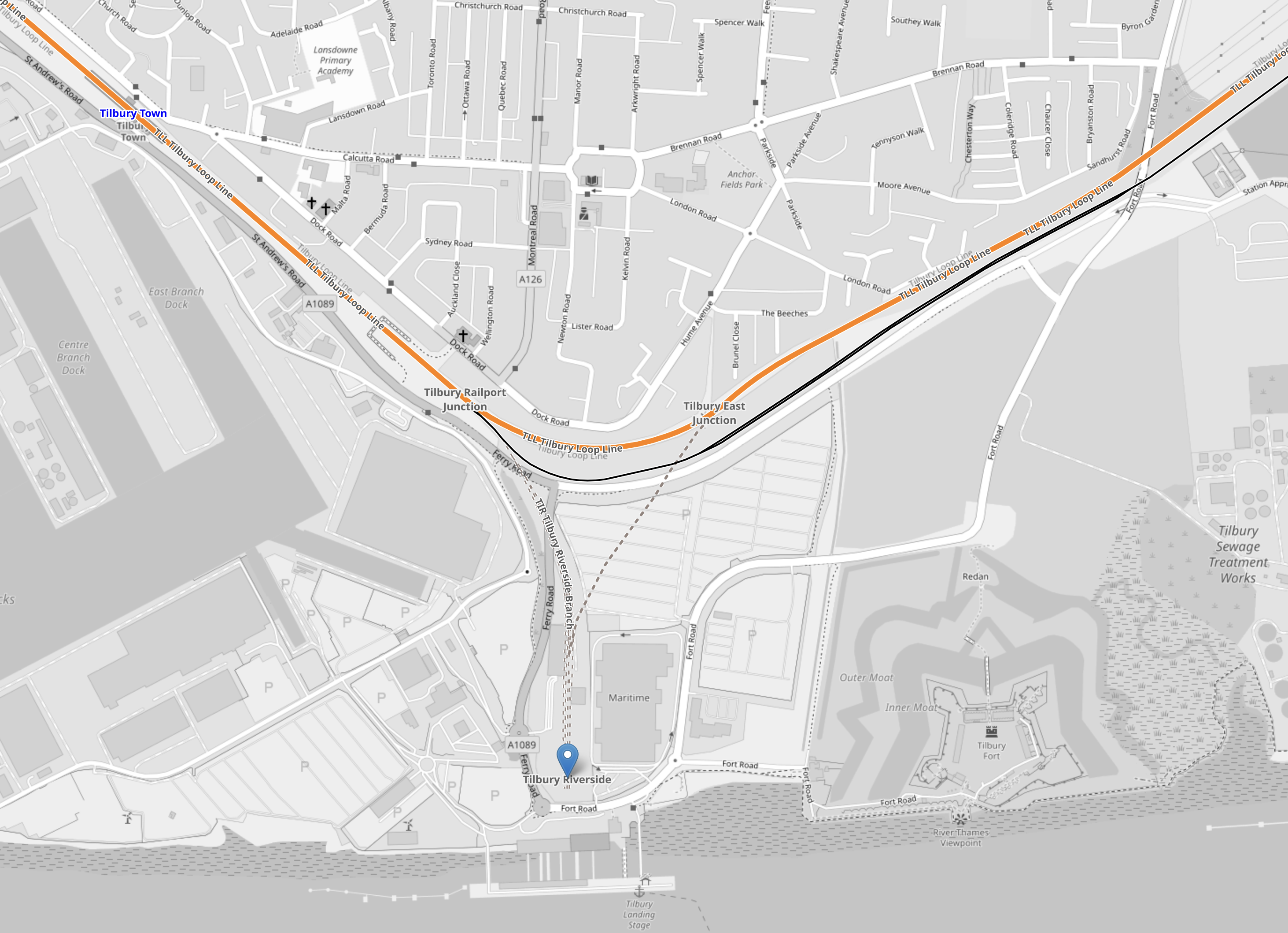
Note.
- The orange line is the double-track Tilbury Loop Line between Fenchurch Street and Southend Central stations.
- Tilbury Town station is in the North-West corner of the map.
- There is a proposal for a Tilbury Fort station in the North-East corner of the map.
- The blue arrow at the bottom of the map indicates the former Tilbury Riverside station, which is next to the London International Cruise Terminal.
I believe the North portal of the tunnel under the river could be at the site of the former Tilbury Riverside station.
Would it be an idea to rebuild the station and connect it to the cruise terminal, so that passengers on the cruise ships would have excellent access to Central London, Ebbsfleet International station for High Speed One and Heathrow Airport?
This map from OpenRailwayMap shows the lines on the South bank of the Thames.
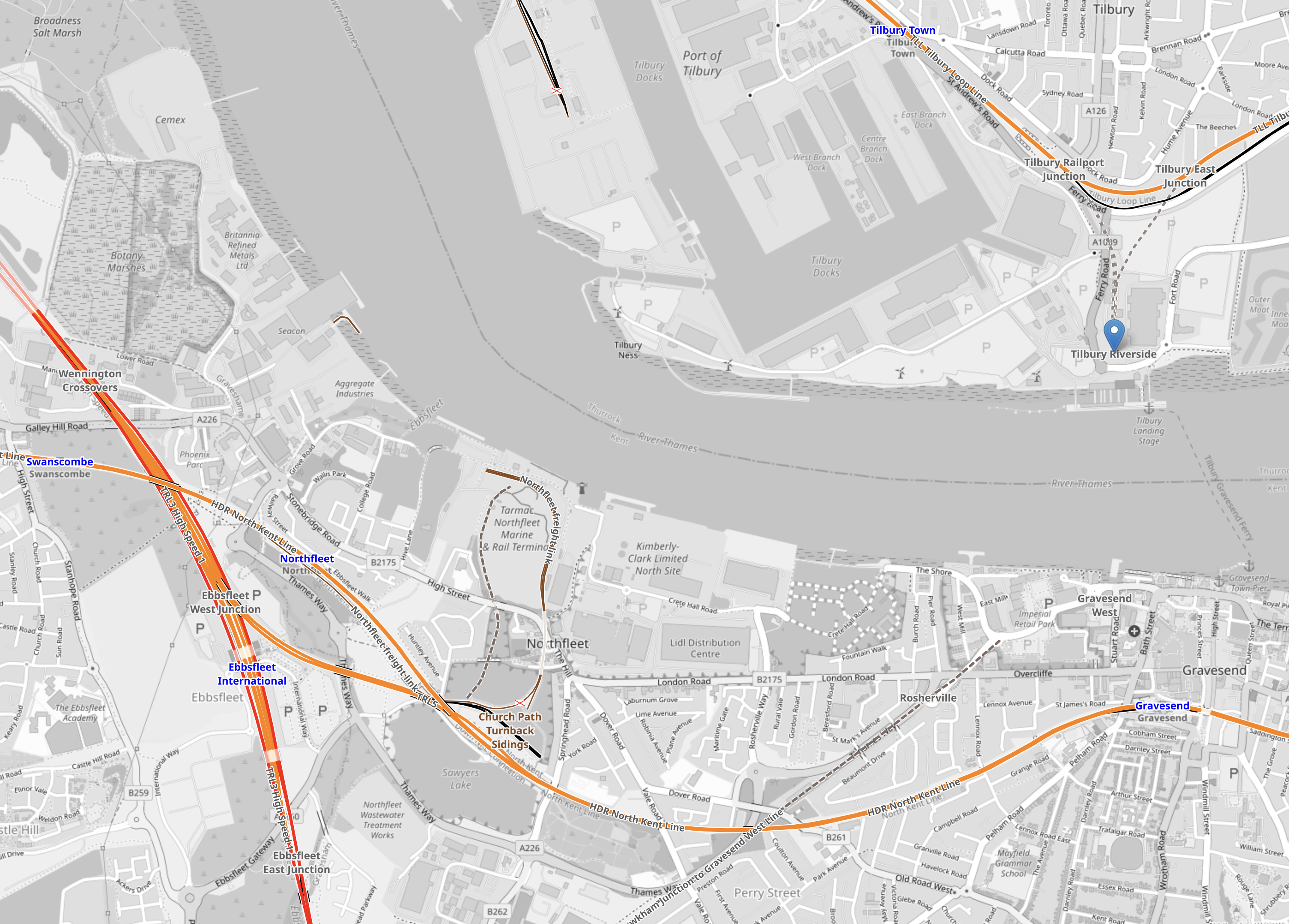
Note.
- Tilbury Town station, the former Tilbury Riverside Riverside station and the Tilbury Loop Line are in the North-East corner of the map.
- Gravesend station is in the South-East corner of the map.
- The wide orange line going vaguely North-South at the Western side of the map is High Speed One going through Ebbsfleet International station.
- Connecting Gravesend and Ebbsfleet International stations is the North Kent Line.
I suspect it would be possible to bore a tunnel from Tilbury Riverside, that passed under Gravesend station and joined the North Kent Line to the West of the station.
How Would The River Crossing Connect To Gravesend Station?
The platform or platforms on the Elizabeth Line Loop would have to be underground, as there is not much space at Gravesend station as these pictures show.
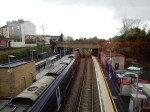
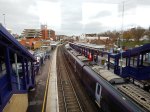
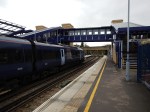
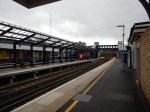
Note.
- Gravesend has SouthEastern HighSpeed services to St. Pancras International station and North-East Kent.
- The route to Gravesend has been safeguarded for the Elizabeth Line.
- The railway under the Thames could replace the Tilbury and Gravesend Ferry.
There also could be operational advantages in not terminating Elizabeth Line services at Gravesend.
Abbey Wood And Gravesend
In Elizabeth Line To Ebbsfleet Extension Could Cost £3.2 Billion, I looked at the Transport for the South East proposal for extending the Elizabeth Line to Kent.
This image from the Abbeywood2Ebbsfleet consultation, shows the proposal.
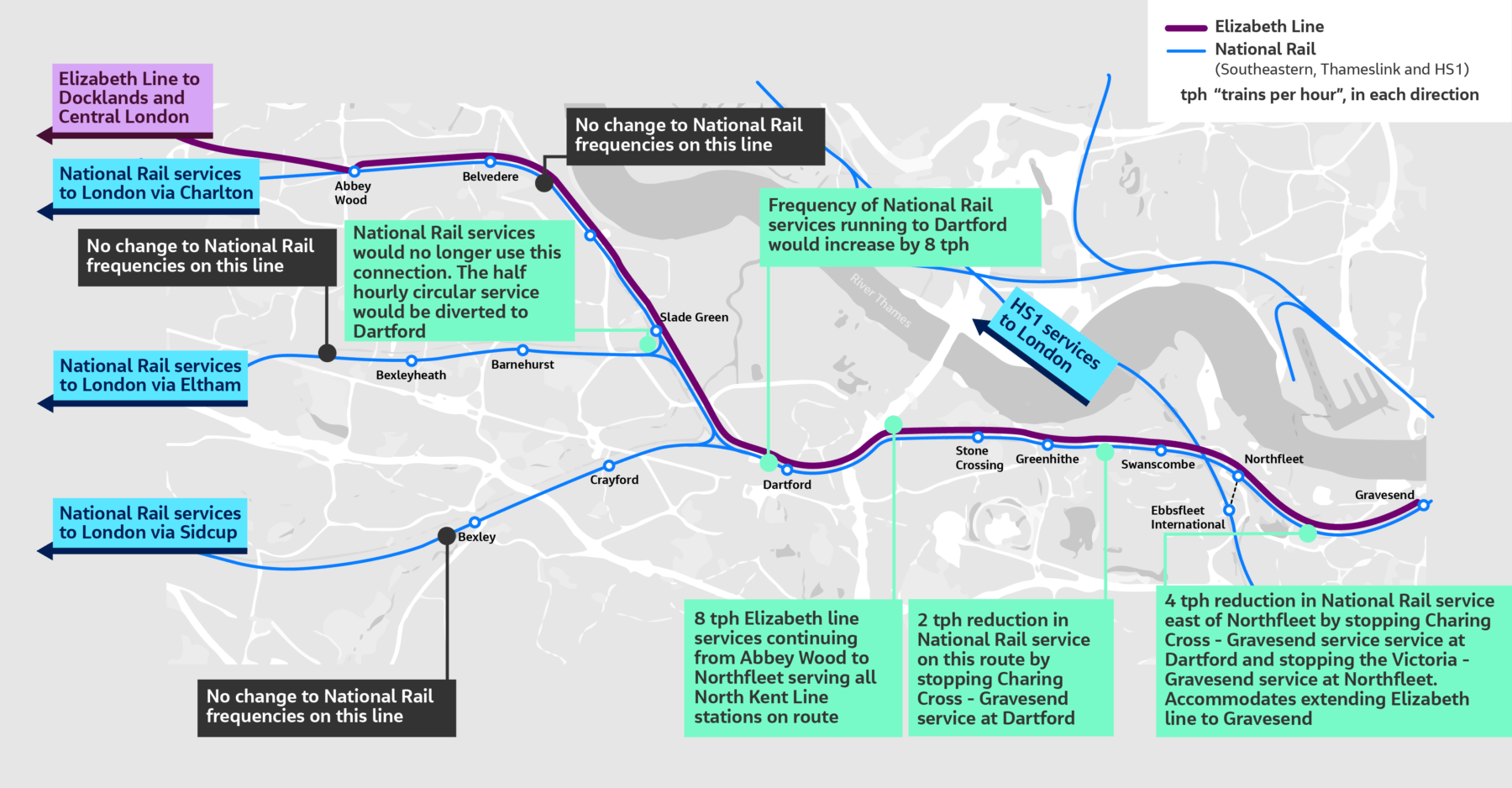
Note, that there doesn’t appear to be too much new infrastructure, except for a proper connection between Northfleet and Ebbsfleet stations. References on the Internet, say that the similar-sized Luton DART connection at Luton Airport, cost around £225 million, but we now know it was well upwards of that.
The TfSE proposal says that trains would terminate as follows.
- Abbey Wood – 4 tph
- Northfleet – 4 tph
- Gravesend – 4 tph
As space is limited at Gravesend and there is money for extending a railway service to a new Hoo station, I feel that proposing a two tph service to Hoo station would be a prudent action to take.
This would leave a handy two tph to take the loop back to Central London.
Could A Large Parkway Station Be Built Between Romford and Tilbury Riverside Stations?
Ebbsfleet International station, which is to the South-East of London, has 5,000 parking spaces and is the only large Park-and-Ride site around the capital.
Could another large Park-and-Ride site be opened on the Elizabeth Line North of the Thames?
One place could be at Chafford Hundred station and the nearby Lakeside Shopping Centre.
This Google Map shows the area.
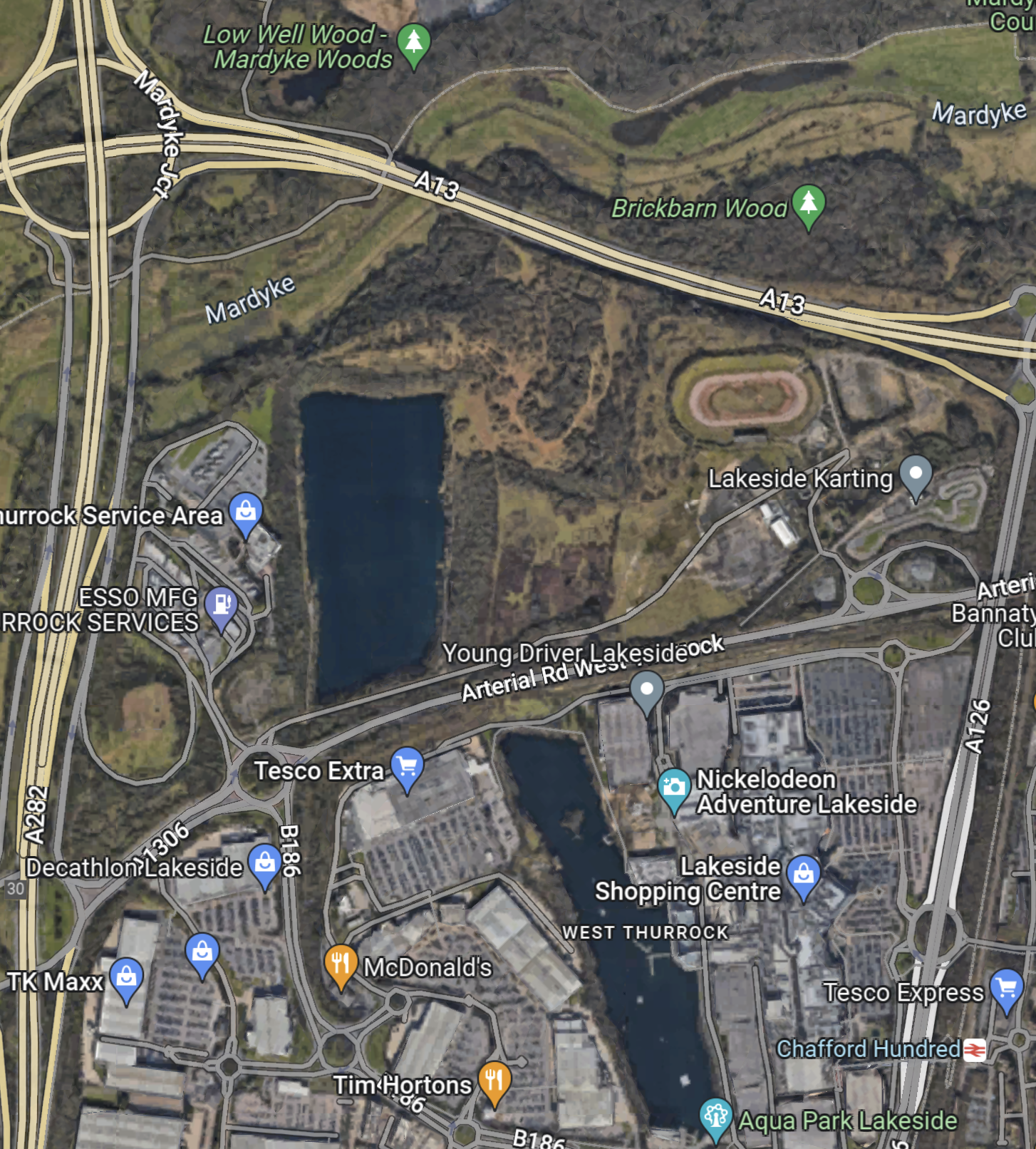
Note.
- The M25 runs North-South up the Western side of the map.
- Chafford Hundred station is in the South-East corner of the map.
- The shopping centre is next to the station.
Last time I went, Lakeside was looking tired.
Timings To And From Whitechapel
These are estimated timings to and from Whitechapel.
- Romford – 26 mins – 81 mins
- Emerson Park – 31 mins – 76 mins
- Upminster – 35 mins – 72 mins
- Ockendon – 41 mins – 66 mins
- Chafford Hundred – 45 mins – 62 mins
- Grays – 49 mins – 58 mins
- Tilbury Town – 52 mins – 55 mins
- Tilbury Riverside – 58 mins – 49 mins
- Gravesend – 62 mins – 45 mins
- Northfleet – 65 mins – 42 mins
- Swanscombe – 68 mins – 39 mins
- Greenhithe for Bluewater – 71 mins – 36 mins
- Stone Crossing – 73 mins – 34 mins
- Dartford – 81 mins – 26 mins
- Slade Green – 86 mins – 21 mins
- Erith – 88 mins – 19 mins
- Belvedere – 89 mins – 18 mins
- Abbey Wood – 92 mins – 15 mins
Note.
- The times between Tilbury Town and Gravesend are my best estimates.
- All other times are taken from current services.
- The first time is the time to Whitechapel via Romford.
- The second time is the time to Whitechapel via Abbey Wood.
It does appear that the best times from all stations are under an hour.
Thoughts On Extending The Northern Line To Clapham Junction
As I wrote in Northern Line Could Be Extended To Clapham Junction In Regeneration Plans, the extension of the newly-built extension to Battersea Power Station station could be further extended to Clapham Junction station.
Railways Between Battersea And Clapham
This map from OpenRailwayMap shows the tracks that run between the two stations.

Note.
- Battersea Power Station station is in the North-East corner of the map.
- The orange and yellow lines going North from that corner go to Victoria station.
- The orange and yellow lines going North-East from that corner go to Waterloo station.
- The yellow line going West is the West London Line to Shepherds Bush and Willesden Junction stations.
- Clapham Junction station is in the South-West corner of the map.
I estimate that the distance between Battersea Power Station and Clapham Junction stations is about three kilometres.
This map from OpenRailwayMap shows an enlargement of the tracks around Battersea.
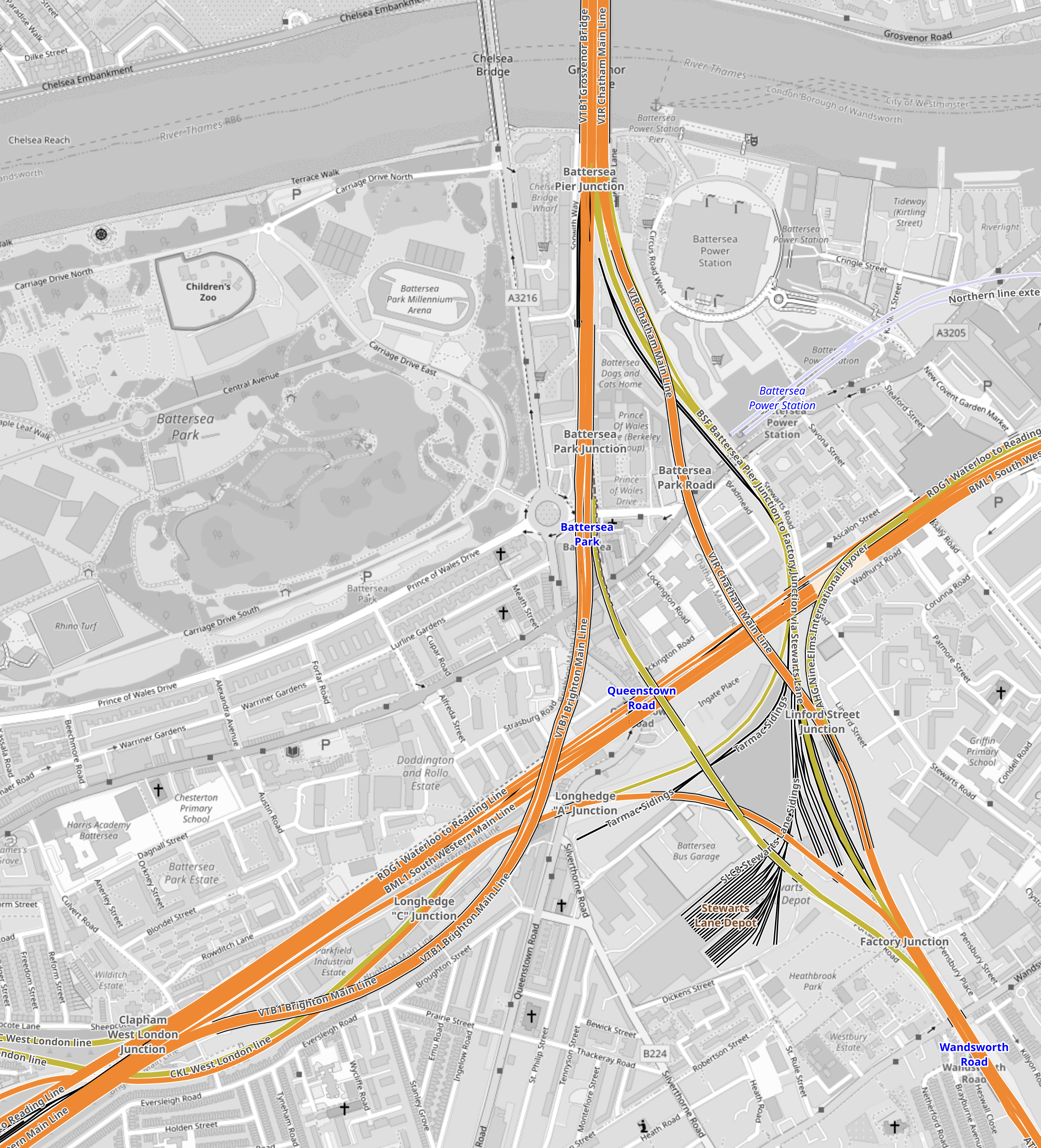
Note.
- The tracks going North over the River to Victoria station.
- The tracks going East to Waterloo station.
- The tracks going South West to Clapham Junction station.
- The tracks from Victoria pass over and then join the tracks from Waterloo to continue to Clapham Junction station.
Battersea Power Station station can be seen to the North-East of the junction.
This map from OpenRailwayMap shows an enlargement of the tracks around Battersea Power Station station.
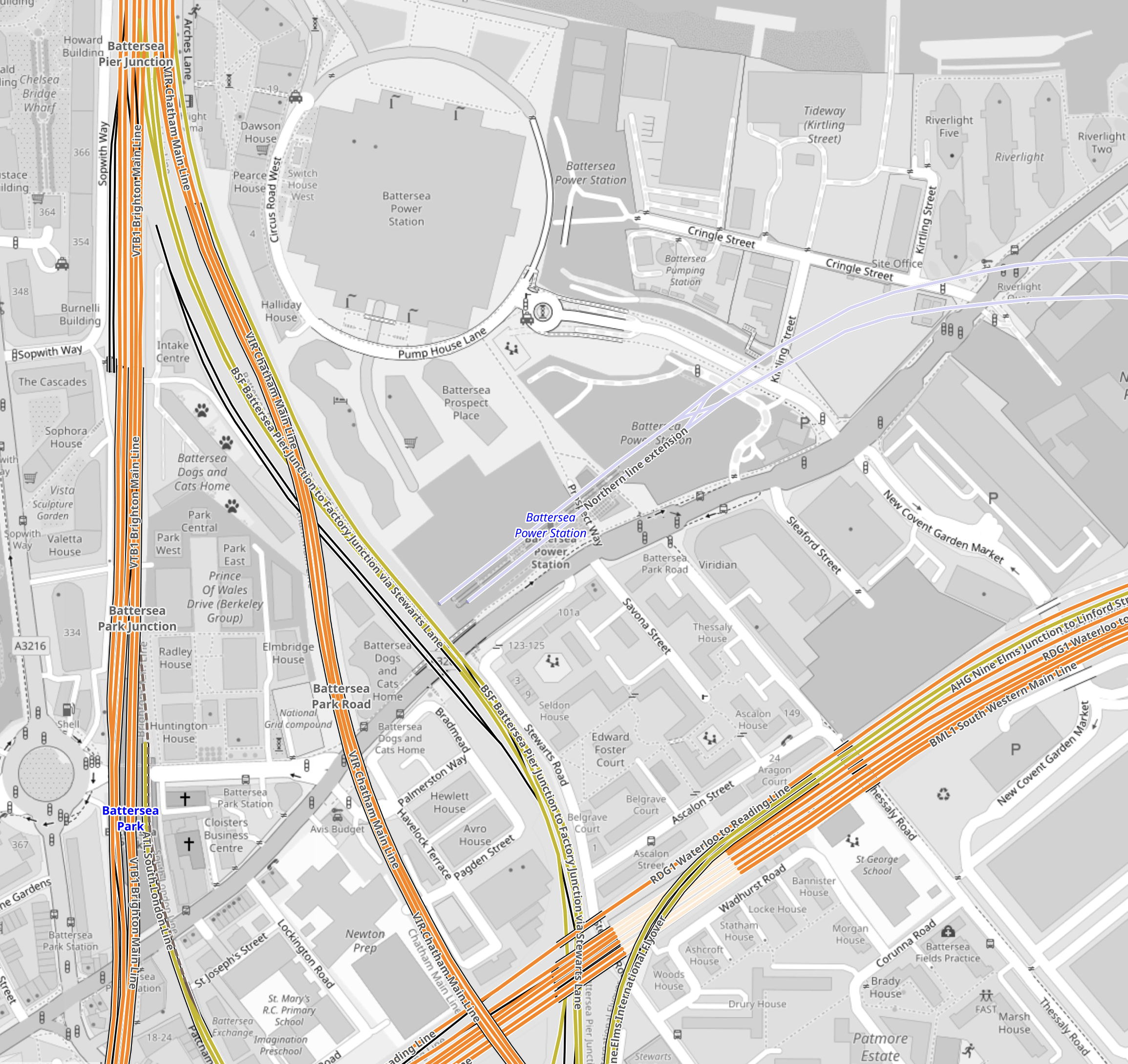
Note how the tracks go through Battersea Power Station station and terminate just before the lines into Victoria station.
It should also be noted that the platforms at Battersea Power Station station are reached using two sets of escalators, so they could be over forty metres below the surface. This would surely make the construction of tower blocks with deep foundations easier over the Northern Line.
But the depth would also enable an extended Northern Line to be below any existing or future construction.
This map from OpenRailwayMap shows the approaches to Clapham Junction station.
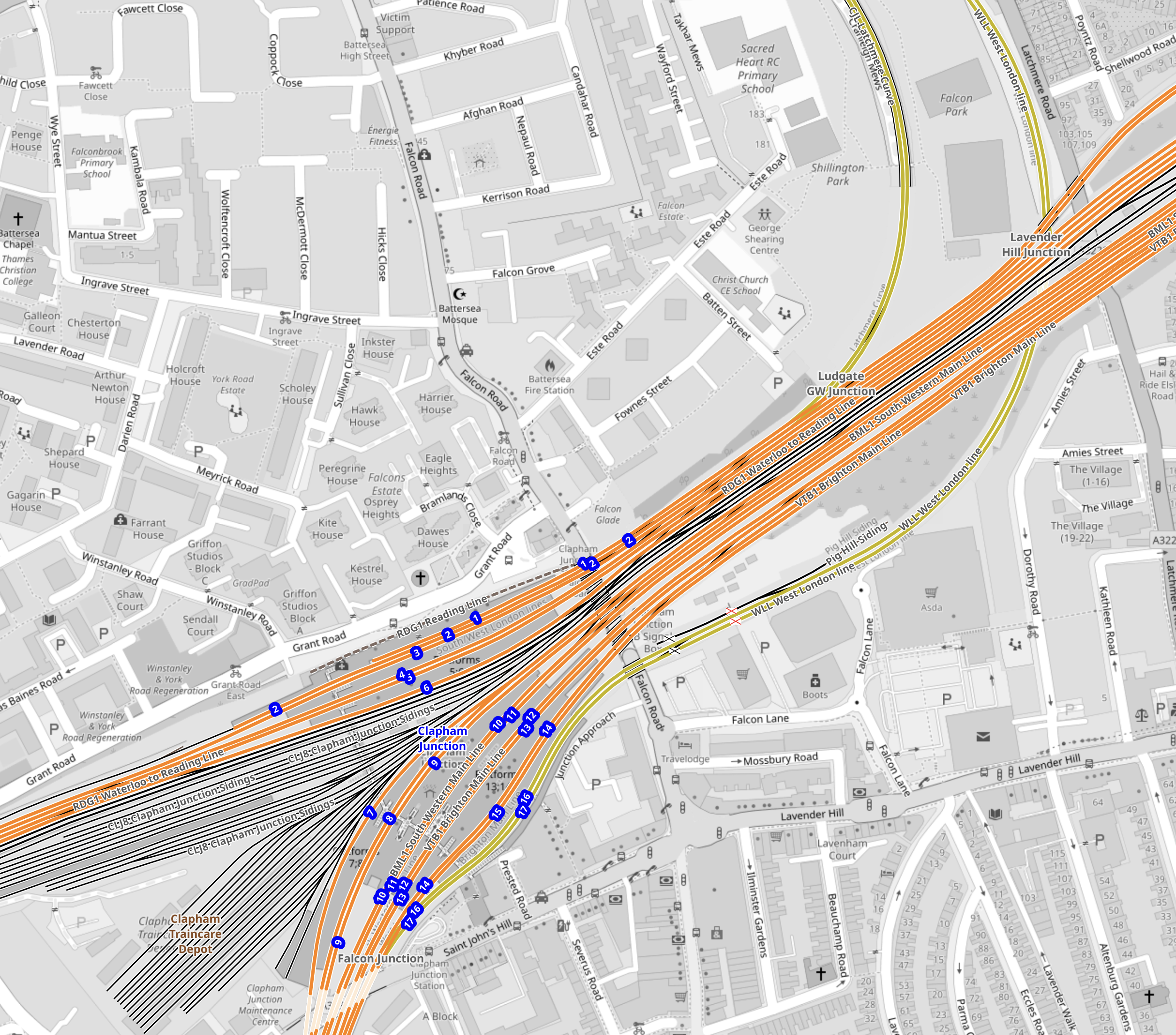
There are certainly a lot of tracks through Clapham Junction station.
Reasons For The Extension Of The Northern Line To Clapham Junction
These reasons come to mind.
To Enable Development In The Area
This is always a good reason.
In Network Rail To Outline Business Case For Clapham Junction Redevelopment, I said this.
The Rail Technology Magazine article talks of decking over the whole station and putting two million square feet of development on top. But it also cautions, it would be very expensive.
With that amount of development, there would be a need for as many transport links as possible.
To Improve Access To The Elizabeth Line For Passengers On Trains To And From Victoria
Victoria station does not have an Underground Line, that connects to easily the Elizabeth Line.
The best route to use is described in The Lizzie Line And Circle/District Line Interchange At Paddington – 1st July 2022, where you use the Circle to Paddington.
- To go to the West on the Elizabeth Line, take the Circle/District Line to Paddington.
- To go to the East on the Elizabeth Line, take the District Line to Whitechapel.
- To go to Liverpool Street take the Circle Line all the way.
Getting to the stations between Paddington and Liverpool Street means a change at either of those stations.
At Waterloo, you can use the Northern Line, which has a direct connection to Tottenham Court Road on the Elizabeth Line.
Connecting to the Northern Line at Clapham Junction will give Victoria-bound passengers, the advantages of those going to Waterloo.
An Alternative Way Of Connecting Victoria To The Elizabeth Line
The lack of an easy connection between the Victoria and the Elizabeth Line is a pain and I believe that it was a major omission in the design of the Elizabeth Line.
- Dear Old Vicky has a frequency of upwards of thirty trains per hour (tph)
- With some improvements at stations like Oxford Circus, Highbury & Islington and Walthamstow Central, the line could handle some more passengers.
- More step-free access would also help increase capacity.
- Engineers are a competitive bunch and I could see the day, when Vicky is running at 40 tph.
If Vicky was running at forty full tph, it would be moving 45120 passengers per hour.
This would mean that to match the passenger capacity of the older line, the Elizabeth Line would have to be running at a frequency of thirty tph.
As passengers at the ends of the line have difficulty getting to places like Paddington and Heathrow, a connection between the two Queens would really help.
Vicky was universe-class in the 1960s and now she needs updating to the 21st Century.
This map from cartometro shows the Lines through Bond Street and Oxford Circus stations.
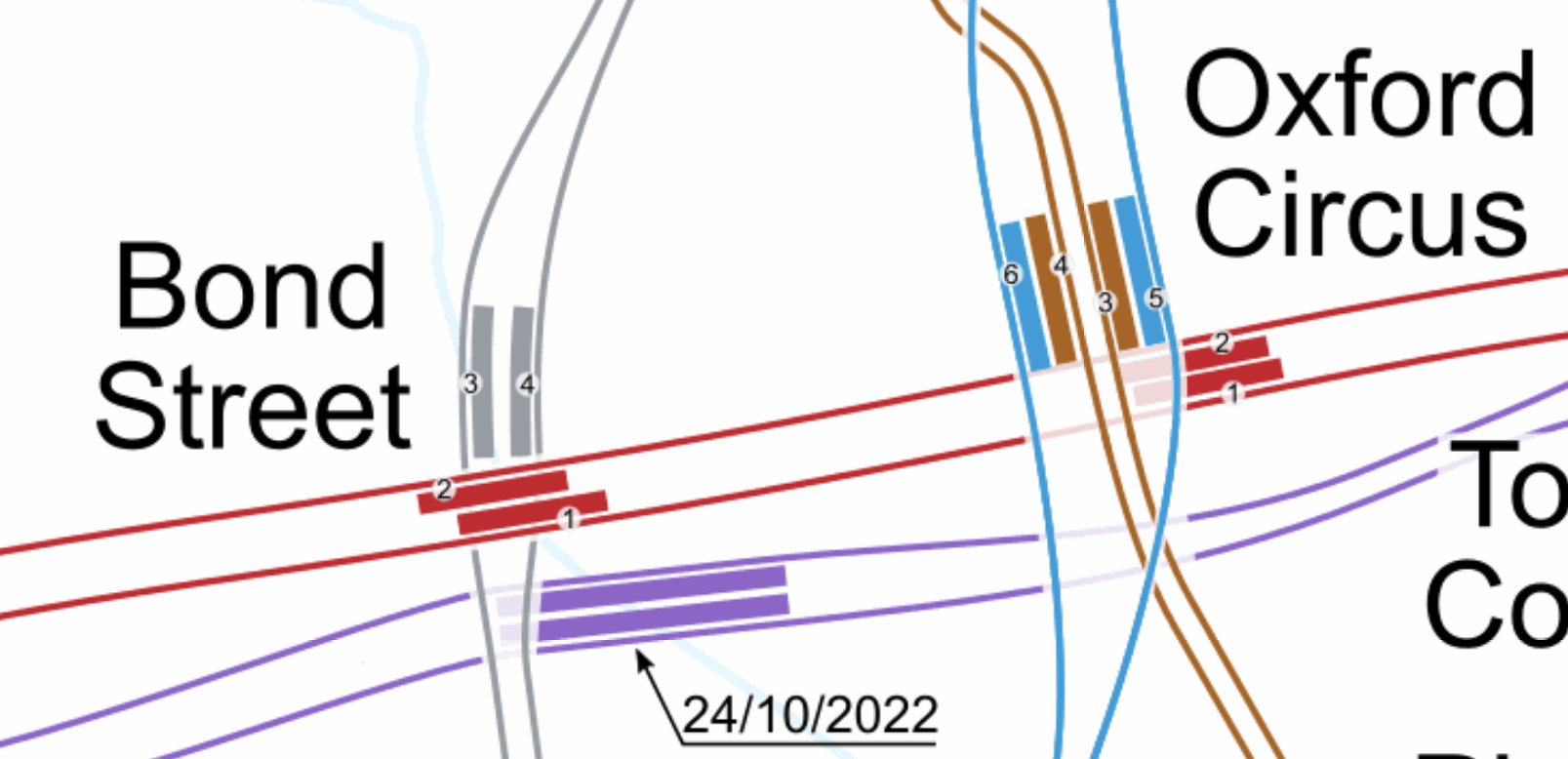
Note.
- The Bakerloo Line is shown in brown.
- The Central Line is shown in red.
- The Elizabeth Line is shown in purple.
- The Victoria Line is shown in light blue.
- The Elizabeth Line is the deepest line.
In addition, consider.
The Eastern exit of the Elizabeth Line at Bond Street station has three escalators and lifts. It also opens onto Hanover Square, so it won’t suffer from overcrowding problems outside.
- Hanover Square is just a garden, with no car park underneath, so pedestrian tunnels could pass under it
- I also suspect there are no existing or planned buildings between the two stations with deep foundations that would block a pedestrian tunnel.
- With the capability and ingenuity of three-D design software, I can see wide tunnels being created that would link Oxford Circus and the two Bond Street stations.
- The new wide tunnels at Bank station have opened up the station’s capacity and all the tunnels were dug traditionally.
- If it was felt to be needed, moving walkways could be added, just as they have been at Bank station.
I am absolutely sure, that by using the ideas and methods, that have worked so well in the upgrade of Bank station, that Oxford Circus and Bond Street stations could be turned into a London Superhub Station, that connects all the Underground lines together and has entrances all over the area.
The benefits of such a station would be.
- It would provide a high-capacity link between London’s two highest-capacity Underground Lines; Elizabeth and Victoria.
- It would provide a high-capacity link between the Elizabeth Line and Euston, St. Pancras and King’s Cross.
- It would provide a high-capacity link between the Elizabeth Line and Victoria.
- It would provide a high-capacity link between the Elizabeth Line and High Speed Two.
- Areas like Brixton, Haringey and Walthamstow would gain a much needed link to the Elizabeth Line for Heathrow and Paddington.
Wikipedia says this about the building of the Bank Station Upgrade.
As part of the development of the scheme, TfL worked with potential bidders to improve the design of the station from TfL’s original design. The design proposed in the winning bid by Dragados was 9.7% cheaper than the original design (saving TfL £60m), took 10 months less time to construct than the original design (the proposed closure of the Northern line was also 5 weeks shorter), and the layout of the station was more efficient. This substantially improved the benefit–cost ratio by 45% to 3.5:1.
The Mayor should be knocking on the door of Dragados and asking them for a price for a design and build for a West End Superhub station.
A Possible Route For The Extension Of The Northern Line To Clapham Junction
I suspect that the simplest route for the extension of the Northern Line would be to bore or dig a twin-track railway underneath the numerous other railways in the area.
It could terminate in two underground platforms at Clapham Junction station.
This is the first map of this post and it shows the tracks that run between the two stations.
Note.
- Battersea Power Station station is in the North-East corner of the map.
- Clapham Junction station is in the South-West corner of the map.
The Western of the pair of orange Lines going off the map in the North-East corner of the map is the Brighton Main Line.
It passes through Battersea Park station.
It passes over the South Western Main Line out of Waterloo.
It then loops to the West and joins the lines to Clapham Junction on the Southern side.
It serves four platforms at Clapham Junction; 12 and 14 are up platforms and 13 and 15 are down platforms.
This Google Map shows an overview of Clapham Junction station.
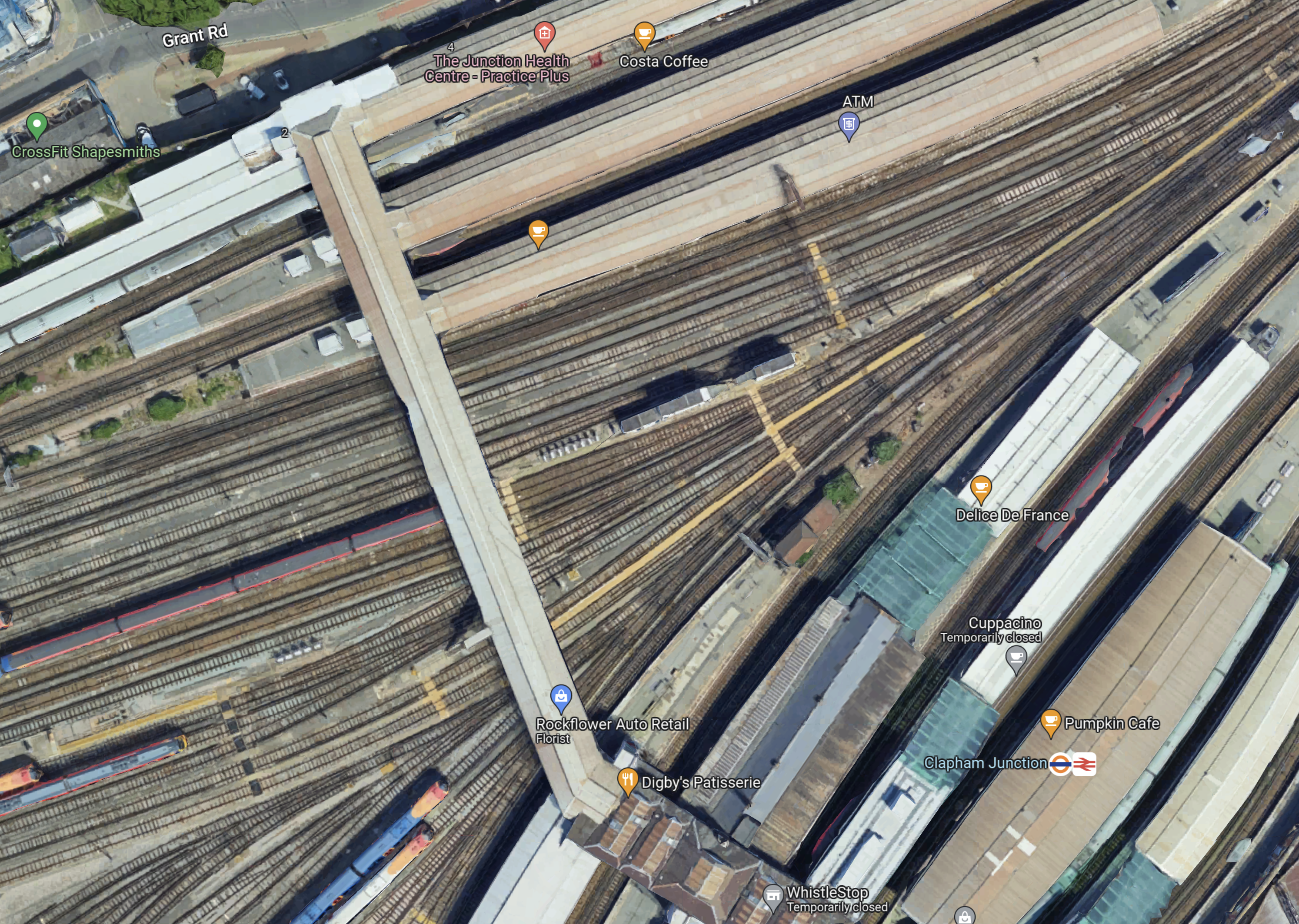
Note.
- Platforms 1 and 2 at the top of the map, handle London Overground services.
- Platforms 3 to 11 handle South Western Train services.
- Platforms 12 to 17 handle Southern services.
- Platforms 9 and 10 have a Delice de France cafe.
- Platforms 11 and 12 have a Cuppacino cafe.
- Platforms 13 and 14 have the logos.
- All platforms have full step-free access with lifts to the wide footbridge that connects all platforms.
The platforms don’t seem to be very wide and putting stairs and escalators down to underground platforms could be a difficult proposition.
This map from OpenRailwayMap shows shows the platforms at Clapham Junction station and the track layout to the West of the footbridge.
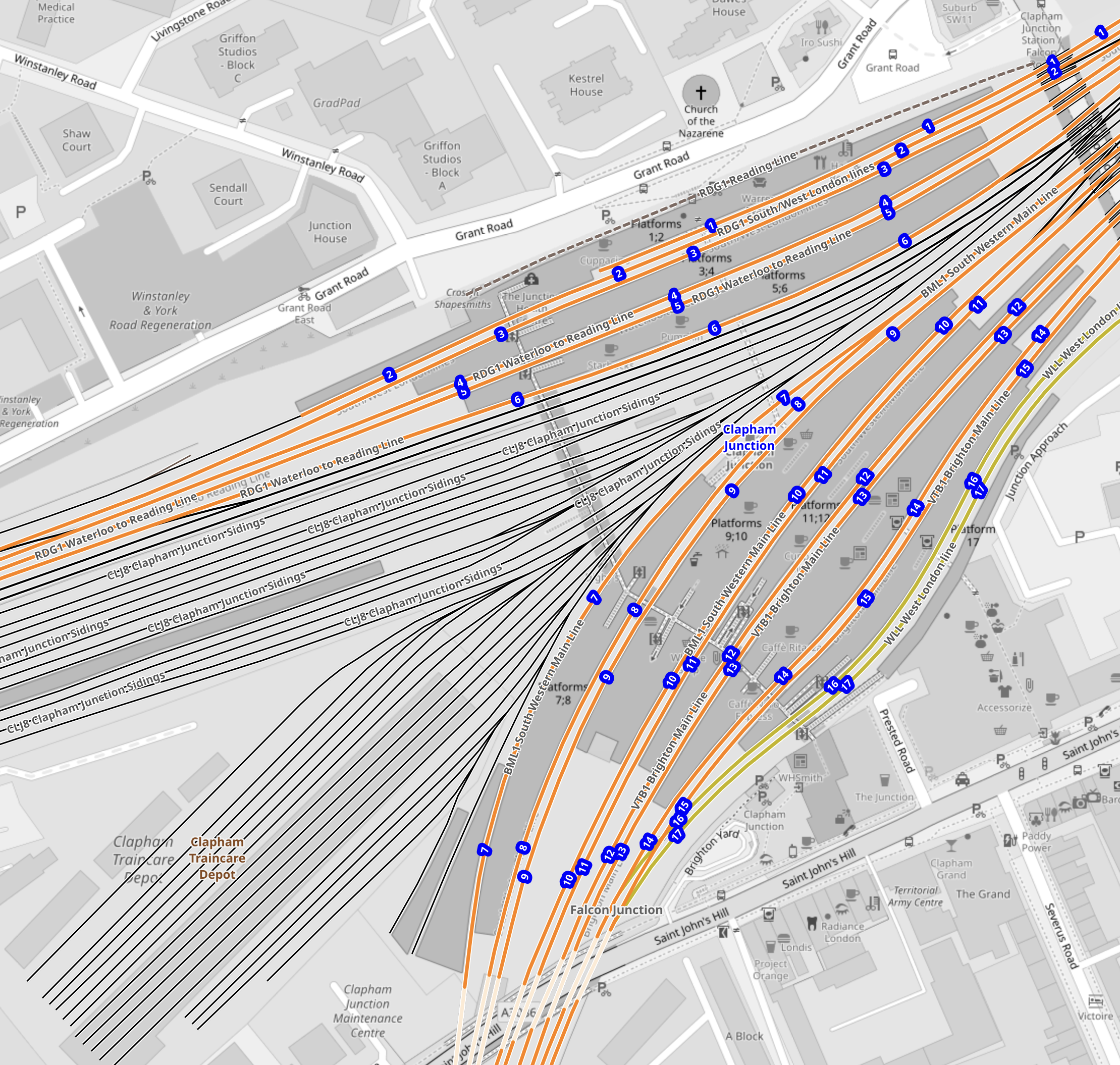
Note.
- The tracks through the platforms are shown in orange.
- The blue dots are platform numbers.
- The bridge connecting all the platforms is shown shaded in the middle of the map.
- To the West of the bridge are Clapham Junction Sidings and Clapham Traincare Depot.
These pictures were taken from the bridge.
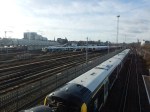
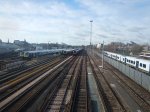
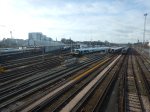
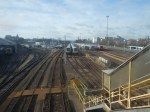
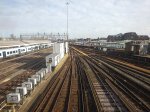
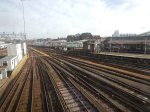
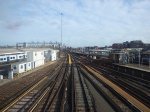
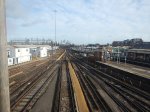
Note.
- The top row of pictures were taken looking West.
- The bottom row of pictures were taken looking East.
- Many of the tracks are electrified.
- There is a lot of space to park trains.
Will all the space be needed now, that a new depot has been built at Feltham.
Could Two New Surface Platforms Be Built For The Extension Of The Northern Line To Clapham Junction?
Consider.
- The step-free bridge across all the platforms at Clapham Junction station works well.
- It is connected to the streets around the station at both ends.
- Clapham Junction station will be redeveloped and surplus depot land could be used for housing.
- As the maps show, there is a large gap in the platforms between the South Western Railway and the Southern sides of the station.
- As Battersea Power Station station can turn services on the Northern Line with only two platforms, there would only need to be the same number of Northern Line platforms at Clapham Junction.
So could an extra pair of platforms be built under the bridge, with stairs and a lift similar to the existing platforms?
- The platform would have full step-free access.
- The platforms could be long enough for any future trains.
- There could be sidings for a few trains.
- The tunnels from Battersea Power Station would surface just outside the station.
- There would need to be a crossover or a turnback siding for operational reasons.
I also think, that once the depot and sidings at Clapham Junction have released the space, the new platforms and tracks could be installed without interrupting main line services through the station.
Would The Extension Of The Northern Line Be Electrified?
Consider.
- Merseyrail were not allowed to use third-rail electrification to Headbolt Lane station and had to use batteries.
- The Northern Line was extended to Battersea Power Station station using London’s four-rail electrified system.
- Clapham Junction station has third-rail electrification everywhere.
I think that the authorities would be very churlish not to allow electrification to Clapham Junction.
Conclusion
I believe it is possible to extend the Northern Line to two new surface platforms at Clapham Junction station.
But I also believe that using similar methods to those used in the Bank Station Upgrade, that a full interchange between the Elizabeth and Victoria Lines can be built at Oxford Circus and Bond Street.
.
Extending The Elizabeth Line – Connection To Southeastern High Speed One Services
The Two Stratford Stations
In this post, Stratford station is the station handling Greater Anglia and London Overground, Underground and Docklands Light Railway services, with Stratford International station handles High Speed services.
The Elizabeth Line And The Great Western Railway Services
One of the most important stations on the Elizabeth Line is Paddington, where it connects to the London terminus of the Great Western Railway.
I would expect that quite a few passengers going to the West and Wales on the Great Western Railway, will be transported to Paddington by the Elizabeth Line.
The Elizabeth Line And Greater Anglia Services
Another of the important stations on the Elizabeth Line is Liverpool Street, where the station is the London terminus of the Greater Anglia.
I would expect that quite a few passengers going to East Anglia on the Greater Anglia, will be transported to Liverpool Street by the Elizabeth Line.
Southeastern High Speed One Services
Southeastern runs some High Speed services on High Speed One to provide Kent with an improved service to London.
Current services are
- London St Pancras International to Ramsgate via Faversham.
- London St Pancras International to Ramsgate via Dover Priory.
- London St Pancras International to Margate via Canterbury West.
Note
- All trains are one train per hour (tph).
- All trains stop at Stratford International and Ebbsfleet International.
- All trains are run by 140 mph Class 395 trains.
There has also been talk of running a fourth service to Hastings and Eastbourne via Stratford International, Ebbsfleet International and Ashford International.
St. Pancras Station
All of these trains terminate in three platforms; 11 to 13 at St. Pancras International station.
St. Pancras is not the ideal terminal for the Southeastern High Speed services.
- St. Pancras is not on the Elizabeth Line.
- St.Pancras doesn’t have good connections to Heathrow.
- All connections to the Underground are a long walk.
- Eurostar services are a longer walk.
- East Midland services are also a longer route, with stairs and escalators for good measure.
St. Pancras station was designed by a committee, as a museum to Victorian architecture, rather than as a working station.
Ebbsfleet International Station Must Be The Largest Parkway Station In The UK
It holds nearly five thousand cars and it is served by Southeastern High Speed Services.
Thanet Parkway Station Will Open This Year
Thanet Parkway station is under construction.
- It will have nearly three hundred parking spaces.
- It will be served by Southeastern High Speed Services.
- It should open in May 2023.
This station will need a good connection to London.
Could An Interchange Between The Elizabeth Line And Southeastern High Speed Services Be Provided At Stratford?
Such an alternative interchange would be popular with passengers.
- The Elizabeth Line from Stratford currently serves the West End, the Northern section of the City of London, East London, Liverpool Street, Paddington and the West End directly.
- The Elizabeth Line from Stratford currently serves Canary Wharf, Cannon Street, Charing Cross, Euston, Heathrow, King’s Cross. Reading, St. Pancras and Victoria with a change at Whitechapel.
- The Central Line, which shares platforms with the Elizabeth Line serves Bank and the West End directly.
- The Overground is easily accessed for travel across North London to Richmond.
- The Jubilee Line is easily accessed for travel to London Bridge, Waterloo and Westminster.
It would be connected to two large parkway stations and lots of parking all over Kent.
I believe that Stratford must be promoted as an alternative terminus for Southeastern High Speed Services.
Today, I walked both ways between two Stratford stations.
These pictures show the route I took between Stratford and Stratford International stations, through the Eastfield Shopping Centre.
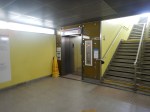
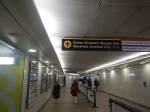
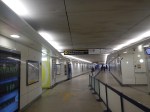

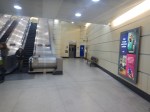


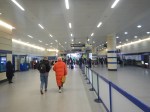
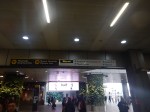








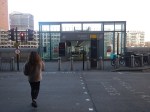
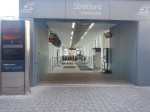
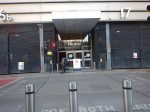
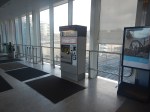
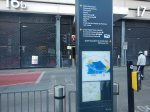
Note.
- I went through the Shopping Centre.
- I passed Marks & Spencer’s large food hall, excellent toilets and a Food Court.
- By the Food Court is an exit that leads to an entrance to Stratford International station.
- The walk took about 10 minutes.
- It was vaguely level.
- Lifts by-passed the escalators.
- One thing that makes the journey to London easier, is to travel in the Eastern end of the train, as the lifts and escalators at Stratford International station, are at that end.
It does need some better signage, but they were doing a bit of refurbishment, so that may already be underway.
It could be a very high quality interchange and it is already better than St. Pancras.
Coming back I took the longer route outside the Shopping Centre.


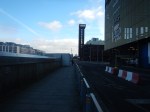

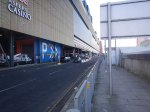
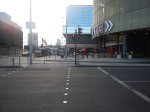
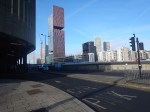

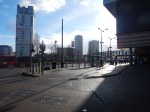
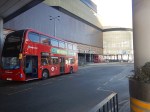


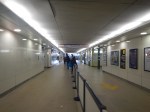
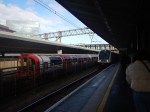
Note.
- I just turned left out of the entrance, walked along the road and turned right past the bus station.
- If the weather had been colder or wetter, I’d have gone back via the Shopping Centre.
- The walk took about 12 minutes.
I think normally, I’d go back through the Shopping Centre, as there’s a Marks and Spencer Food Hall on the route and it’s slightly quicker and often warmer.
Could Stratford Station Be A London Superhub Station?
When you consider the stations connected to Stratford in London, East Anglia and Kent, it has an excellent collection.
- Airports – Gatwick, Heathrow, Luton, Southend and Stansted
- Cities – Cambridge, Canterbury, Chelmsford, Colchester, Ipswich, Norwich and Southend-on-Sea
- London Main and Terminal Stations – Cannon Street, Charing Cross, Clapham Junction, Euston, Farringdon, King’s Cross, London Bridge, Liverpool Street, Marylebone, Moorgate, Paddington, Victoria and Waterloo
- Major Areas – Canary Wharf, City of London, Hampstead, Olympic Park and West End
- Ports – Dover, Felixstowe, Folkestone and Harwich
You can even get a train to Slough, with a change at Whitechapel.
I would think it already is a London Superhub Station.
Battery EMUs Envisaged In Southeastern Fleet Procurement
The title of this post, is the same as that of this article on Railway Gazette.
This is the first paragraph.
Southeastern has invited expressions of interest for the supply of new electric multiple-units with an optional battery capability for operation away from the 750 V DC third-rail network.
This article on bidstats is entitled Supply Of And Maintenance Support For New Rolling Stock For Southeastern, and gives more details.
These are my thoughts.
Southeastern HighSpeed Services
There would appear to be no changes in this contract to the Class 395 trains, that work on High Speed One, as this is said in the bidstats article.
Full compatibility with Southeastern infrastructure (excluding High Speed 1 infrastructure)
which appears to rule out running on High Speed One.
In addition, this article on Rail Magazine is entitled Southeastern’s Class 395 Javelin Train Sets Are To Receive A £27 million Facelift.
Southeastern Have Both 75 and 100 mph Trains
In addition to their Class 395 trains, Southeastern have the following trains in their fleet.
- Class 375 trains – 100 mph – 10 x 3 cars
- Class 375 trains – 100 mph – 102 x 4 cars
- Class 376 trains – 75 mph – 36 x 5 cars
- Class 465 trains – 75 mph – 129 x 4 cars
- Class 466 trains – 75 mph – 36 x 2 cars
- Class 707 trains – 100 mph – 18 x 5 cars
Note.
- Running a mixed fleet of 75 and 100 mph trains can’t be very efficient.
- The Class 465 and 466 trains are the oldest trains and date from 1991-1994.
- They are often to be seen in ten-car formations of 2 x 465 trains and a Class 466 train.
- Another twelve Class 707 trains are planned to join Southeastern.
I would expect the Class 465 and Class 466 trains to be replaced first.
What Length Will The New Trains Be?
If you look at the new suburban electric trains, they have the following lengths.
- c2c – Class 720 trains – 5 cars
- Greater Anglia – Class 720 trains – 5 cars
- Northern – Class 331 trains – 3 and 4 cars
- Southeastern – Class 707 trains – 5 cars
- South Western Railway – Class 701 trains – 5 and 10 cars
- West Midlands Trains – Class 730 trains – 3 and 5 cars
Note.
- Southeastern already run five-car trains as pairs.
- A significant proportion of existing suburban trains are five-car trains.
- Great Western, Hull Trains, LNER, Lumo and TransPennine Express run five-car Hitachi trains, with more companies to follow.
- A pair of five-car trains make a pair of a convenient length for most platforms.
I would be fairly confident, that the new trains will be five-car trains, with the ability to run as pairs.
What Will Be The Operating Speed Of The New Trains?
To match the speed of the Class 375 and Class 707 trains, I would expect them to be 100 mph trains.
The Quietness Of Battery-Electric Trains
All of the battery-electric trains I have ridden, have been mouse-quiet, with none of the clunking you get for a lot of electric trains.
This is said in the bidstats article says this about the interiors
Interiors suitable for metro & mainline operation.
I wouldn’t be surprised to see a lot of these trains on commuter routes to attract passengers.
Battery Power
This is said in the bidstats article about battery power.
Inclusion of options for traction batteries with capability for operation in depots and sidings without the need for external power supply, and with the capability to operate on the main line where power supply is not available due to isolations or incidents, or for non-electrified line sections of up to 20 miles.
Although Merseyrail’s new Class 777 trains are not in service yet, I find it interesting that the proposed Southeastern trains will be similarly-fitted with a small battery for depot and siding operation.
The twenty mile battery range is specific and I wonder if it will be used innovatively. I suspect it could be a bit longer in the future, as battery technology improves.
Possible Electrified Routes Using Battery Power
These are a few possibilities.
The Hoo Branch
In Effort To Contain Costs For Hoo Reopening, I discussed running electric trains to a proposed Hoo station.
I made these two points.
- Hoo junction to Hoo station is no more than five or six miles.
- There are also half-a-dozen level crossings on the route, which I doubt the anti-third rail brigade would not want to be electrified.
It would appear that a battery-electric train with a range of twenty miles would handle this route easily.
- Charging would be on the nearly thirty miles between Hoo junction and Charing Cross station.
- No charging would be needed at Hoo station.
There may be other possibilities for new routes locally to open up new housing developments.
The Sheerness Line
The Sheerness Line has the following characteristics.
- It is double-track
- It is electrified
- It is less than eight miles long.
- For most of the day, the service is one train per hour (tph)
- There are two tph in the Peak.
- Would two tph attract more passengers to the line?
- Does the power supply on the Sheerness Line limit the size and power of trains that can be run on the line?
- Is there a need for one train per day to London in the morning and a return in the evening?
- Could the Sheerness Line be run more economically with battery trains. providing a two tph service all day?
The Isle of Sheppey needs levelling up, perhaps 100 mph trains to London using battery power on the Sheerness Line, might just make a difference.
The Medway Valley Line
The Medway Valley Line has the following characteristics.
- It is double-track
- It is electrified
- It is less than twenty-six and a half miles long.
- For most of the day, the service is two tph.
- In the Peak there are HighSpeed services between Maidstone West and St.Pancras International stations.
If electrification was removed between Paddock Wood and Maidstone West stations, the HighSpeed services could still be run and battery-electric trains with a twenty mile range could still run the Tonbridge and Strood service.
The Marshlink Line
The Marshlink Line has the following characteristics.
- It is mainly single-track with a passing loop at Rye station.
- It is not electrified
- It is 25.4 miles between the electrified Ashford International and Ore stations.
- Services are irregular and less than one tph.
If the proposed battery-electric train had a range of thirty miles, it should be able to handle the Marshlink Line.
The service between Eastbourne and Ashford International stations would need to be moved between the Southern and Southeastern operations.
The Uckfield Branch
The Uckfield Branch has the following characteristics.
- It is a mixture of single- and double-track.
- It is not electrified South of Hurst Green Junction.
- It is 24.7 miles between the electrified Hurst Green Junction and Uckfield station
- Services are one tph.
If the proposed battery-electric train had a range of thirty-miles, it should be able to handle the Uckfield Branch, with a charging system at Uckfield station.
Will Battery-Electric Trains Allow Some Lines To Have Their Electrification Removed?
There are several reasons, why electrification might be removed.
- It is on a line, where the electrification needs upgrading.
- It is on a line, where there are lots of trespassers.
- Possibly at a level-crossing or a stretch of track with several.
- Possibly in a tunnel, with a large inflow if water.
- It is a depot or siding, where safety is important to protect the workforce.
Obviously, the electrification would not be removed unless battery-electric trains can handle all possible services.
These are surely some possibilities for electrification removal.
The Hayes Line
The Hayes Line has the following characteristics.
- It is double-track
- It is electrified
- It is less than eight miles to Ladywell Junction, where the branch joins the main line at Lewisham.
- It is currently run by Class 465 and Class 466 trains, which will likely be changed for the new trains with a battery capability.
- Services are four tph.
If the proposed battery-electric train had a range of twenty-miles, it would be able to handle the route between Ladywell junction and Hayes station.
Erith Loop, Crayford Spur and Slade Green Depot
This map from Cartometro.com shows the Erith Loop, the Crayford Spur and the Slade Green Depot.

Note.
Not many trains take the Erith Loop or the Crayford Spur.
- The distance between Slade Green and Barnehurst is less than a mile-and-a-half.
- Dartford station is off the South-East corner of the map.
- The distance between Barnehurst and Dartford is less than three miles.
- The distance between Slade Green and Crayford is less than two miles-and-a-half.
- The distance between Crayford and Dartford is less than two miles.
- The main line through Slade Green would need to remain electrified, as electric freight trains use the line.
I suspect, that quite a lot of electrification could be removed here, much to the disgust of the copper thieves.
It might even be possible to build on top of the depot.
Southbound Thameslink To Eastbound Elizabeth Line At Farringdon Station
I travelled today from St. Pancras International station to Whitechapel station, using the following route.
- Southbound Thameslink service to Farringdon station.
- Eastbound Elizabeth Line service to Whitechapel station.
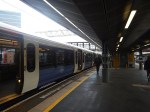
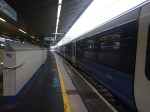
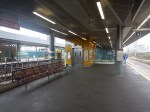
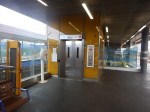
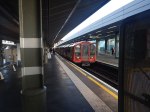
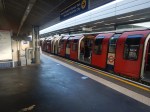
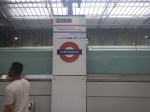
These pictures show my walk at Farringdon station.
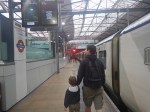
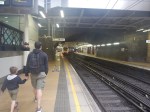
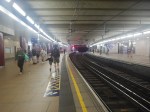


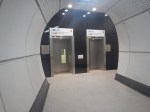
Note.
- I was riding at the back of the train, so I had a long walk to the lifts.
- It would be better to travel in the Southern end of the Thameslink train, as the lifts are at the Southern end of the Southbound Thameslink platform.
- I used the lifts to descend to the Elizabeth Line platforms.
- It is only a short walk between the lifts and the Elizabeth Line trains.
As the last picture indicates, the connecting lifts that I used, can also be used to go from the Southbound Thameslink to the Westbound Elizabeth Line at Farringdon Station.
These connecting lifts can also be used in the reverse direction to go from all Elizabeth Line services to Southbound Thameslink services to London Bridge, East Croydon, Gatwick Airport, Brighton and all the other Southern Thameslink destinations!
If you want to avoid the lifts, as it appears they can busy, you have to climb the stairs to get to the concourse and then descend to get the escalator down to the Elizabeth Line, that I wrote about in Westbound Elizabeth Line To Northbound Thameslink At Farringdon Station.
Conclusion
There would appear to be an imbalance of quality between the connections between the Elizabeth Line and the two Thameslink platforms.
- Those going between the Elizabeth Line and the Northbound Thameslink platform will find it easy, as most of the route is on an escalator.
- On the other hand, those using the Southbound Thameslink platform at busy times could find it congested and slow.
I suspect that regular users of the station, will develop their own routes through the station.
Is This One Of The Most Useful Lifts In London?
This lift at King’s Cross station must be one of the most useful lifts in London’s extensive public transport system.
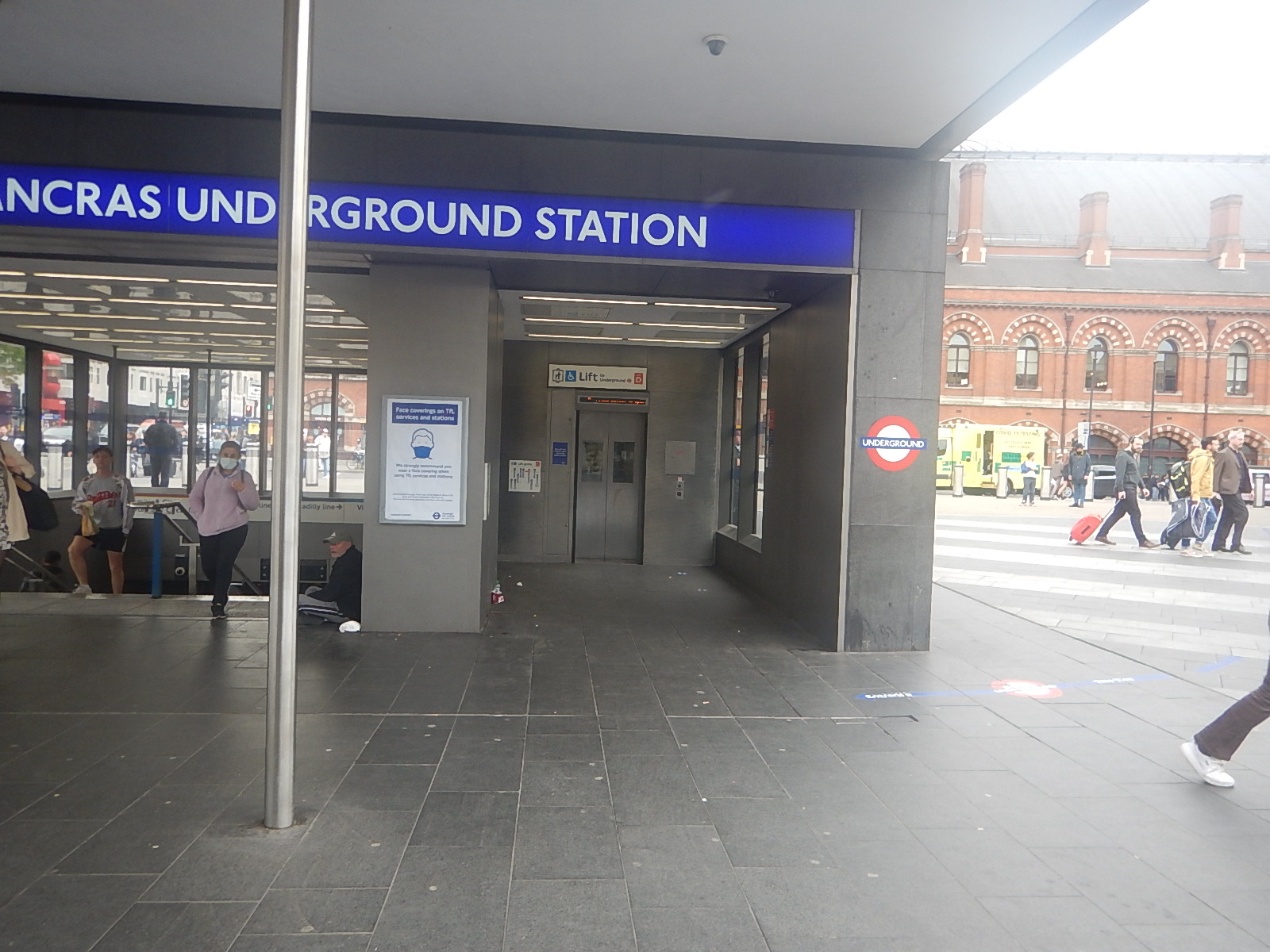
At the top-level it comes out into King’s Cross Square and it is a level walk to the following.
- All the platforms in King’s Cross National Rail station.
- The shops, which include Leon, Marks and Spencer, Waitrose and W H Smith, in King’s Cross National Rail station.
- The taxi rank.
- The Eastbound buses, which line up at their stops along the side of King’s Cross Square.
I was using it yesterday, to get a bus to Boots at the Angel, as I had a prescription to pick up. The 30 or 73 bus is quicker than the Northern Line, as that is a long walk and a road crossing at the Angel.
I’d arrived at King’s Cross on the Circle Line from Paddington and the bottom level of this lift is by the ticket gates under King’s Cross Square, that give access to all lines through King’s Cross Underground station.
There is also a middle level on the lift, that takes you under Euston Road to get a Westbound bus or gives you access to a step-free route to St. Pancras station.
Could We See Between London And Much Of The North By Train In Under Two Hours?
I shall write about each route in order starting from Euston and working East.
Avanti West Coast And Euston
These are services from Euston, that I feel could be under two hours.
London Euston And Liverpool Lime Street
On Thursday, I went to Liverpool by train.
- My train took two hours and thirteen minutes between London Euston and Liverpool Lime Street stations.
- There were stops at Stafford, Crewe and Runcorn.
- The Class 390 train was travelling at 125 mph for a lot of the way.
- The distance between the two terminals is 193.6 miles.
- The start to stop average including the stops was 87.3 mph.
So could London Euston and Liverpool Lime Street be achieved in the magic two hours?
A few thoughts.
Average Speed
To do the journey in this time would need an average speed of 96.8 mph.
Accelerating And Stopping
Ideally, the train will run as fast as it can only changing speed for the station stops.
- The train will accelerate from stop to cruising speed at Euston, Stafford, Crewe and Runcorn or four times.
- The train will decelerate from cruising speed to stop at Stafford, Crewe, Runcorn and Liverpool Lime Street or four times.
Effectively, the train goes through four complete station stops, although one will be split between the two ends of the journey.
These figures are from Wikipedia and the Internet
- The acceleration of the Class 390 train is 1.0 mph/sec which means that it takes 125 seconds to get to 125 mph.
- The deceleration of a Class 390 train is 2.0 mph/sec, which means that it takes 63 seconds to stop from 125 mph.
- The acceleration of a Class 801 train is 1.6 mph/sec which means that it takes 78 seconds to get to 125 mph.
- The deceleration of a Class 801 train is 2.2 mph/sec, which means that it takes 57 seconds to stop from 125 mph.
These figures would appear to show, that a Class 801 train can decelerate and accelerate at a stop in nearly a minute faster than a Class 390 train.
So how can we increase the acceleration and deceleration? The two obvious ways are more power and less weight.
Form the Internet, I estimate that the average car in a Class 390 train is around 52 tonnes, as opposed to 41 tonnes for the Hitachi trains.
So does this weight difference explain some of the difference in acceleration and deceleration times?
Consider.
- The Class 390 trains have all the extra weight of the tilt mechanism. More weight means slower acceleration.
- Avanti West Coast’s new Class 807 trains have no diesel engines or batteries. Have the trains been put on a diet?
- They also have a reprofiled nose. Is it more aerodynamic?
So if these trains can save time on the four accelerate/decelerate cycles compared to the Class 390 trains, they must be getting nearer to the magic two hours.
If two minutes a stop can be saved that would save eight minutes on the journey between London Euston and Liverpool Lime Street.
140 Mph Running
The time to do a mile at various speeds are as follows.
- 100 mph – 36 seconds
- 125 mph – 29 seconds
- 140 mph – 26 seconds
So running at 140 mph, as opposed to the current 125 mph would save three seconds for every mile.
To save five minutes would mean the train would have to run for a hundred miles at 140 mph instead of 125 mph.
As Stafford is 133.5 miles from London, it could be that full digital signalling should be installed on the West Coast Main Line all the way to Stafford or even Crewe, which is 158 miles from London.
This schematic map of the West Coast Main Line was clipped from Wikipedia.

Note.
- Trains between London Euston and Liverpool Lime Street take the Trent Valley Line through Nuneaton and Lichfield Trent Valley and stop at Stafford, Crewe and Runcorn.
- Trains between London Euston and Manchester take a variety of routes and all go via Stockport.
- One train per hour (tph) between London Euston and Glasgow Central takes the Trent Valley Line and goes non-stop between London Euston and Warrington Central.
- Norton Bridge Junction just to the North of Stafford has recently been remodelled.
I believe there is potential to enable up to at least a hundred miles of 140 mph running to the South of Crewe. Especially as most of the track South of Crewe is quadruple track.
This should enable the shaving of five or more minutes off the time of any train capable of 140 mph running that uses the Trent Valley Line through Nuneaton, Lichfield Trent Valley and Stafford.
Norton Bridge Junction
Norton Bridge junction, which is five miles North used to be a bottleneck, but it has now been remodelled.
I wrote about it in The New Norton Bridge Junction In Action.
The new junction has probably been designed so that it can save a few seconds for trains going between Stafford and Crewe, whether or not they stop at either or both stations.
Non-Stop Between London Euston and Runcorn
If you look at the times of a London Euston and Glasgow Central train via the Trent Valley Line , it travels the 174.7 miles between London Euston and Weaver Junction non-stop in one hour and forty minutes. This is an average speed of 104.8 mph.
By comparison, my train on Thursday took one hour and forty-seven minutes with the two stops at Stafford and Crewe.
So there is at least six minutes to be saved by going non-stop.
Two Trains Per Hour Between London Euston And Liverpool Lime Street
Wikipedia says this about an additional service.
Subject to approval by the Office of Rail and Road, an additional hourly service will be introduced between London Euston and Liverpool Lime Street with a stop at Liverpool South Parkway from December 2022.
I have a few thoughts and questions on extra services between London Euston and Liverpool Lime Street,
- In my view the second service is much needed.
- I also think, that a later train back to London is needed.
- Does the Wikipedia statement mean that only one train will stop at Liverpool South Parkway?
- Does Runcorn need two tph to and from London?
- Would the platforms at Liverpool South Parkway be lengthened to accept eleven-car Class 390 trains?
I feel that if a train stopped at both Liverpool South Parkway and Runcorn, this would make a two-hour journey more difficult to achieve.
London Euston And Liverpool Lime Street In Two Hours
The new Class 807 trains will be delivered by 2022. Because of the pandemic, I’ll assume that of the ten trains on order, some, but not all, will be available by the December 2022 timetable change.
The time savings needed for a two-hour journey will come from four improvements.
- The increased performance of the Class 807 trains.
- Full digital signalling South of Crewe.
- The track improvements already completed like Norton Bridge Junction.
- Cutting out stop on the second service.
There may also be time savings to be obtained at the intermediate stops, by better working practices.
I doubt that the full digital signalling will have been installed, but all trains will be capable of 125 mph running.
Avanti West Coast probably have a good idea of the time they could achieve without digital signalling and I feel that they could be about five minutes over two hours with the Class 807 trains.
As the eleven-car Class 390 trains are too long for Liverpool South Parkway station, could we see the following service?
- 1 tph – Class 390 train – London Euston And Liverpool Lime Street via Runcorn, Crewe and Stafford.
- 1 tph – Class 807 train – London Euston And Liverpool Lime Street via Liverpool South Parkway.
Note.
- The Class 390 train would run the existing timetable in two hours and thirteen minutes.
- The Class 807 train would be a two-hour express service if possible.
- Going from three stops to one could save the express at least seven minutes, as I showed earlier by looking at train timings South of Weaver Junction.
- There would be time savings of at least two minutes on the express service due to the better performance of the Class 807 train.
To save the final four minutes, there would need to be at least eighty miles of 140 mph running, as each mile saves three seconds.
I am fairly certain, that London Euston and Liverpool Lime Street can be regularly achieved in two hours.
London Euston And Warrington Bank Quay
The hourly London Euston and Glasgow Central expresses seem to take one hour and forty-five minutes for the non-stop trip of 182.1 miles, which is an average speed of 104 mph.
As this service is non-stop, I believe that this service would get the maximum benefit from digital signalling and this service will only get faster, as more and more of the route allowed 140 mph-running.
I wouldn’t be surprised to see almost ten minutes lopped off this service by signalling and other improvements.
I am fairly certain, that London Euston and Warrington Bank Quay can be regularly achieved in well under two hours, by a Class 390 train.
London Euston And Wigan North Western
The hourly London Euston and Glasgow Central expresses seem to take one hour and fifty-six minutes for the single-stop trip of 193.9 miles, which is an average speed of 100.3 mph.
As this service just a single stop at Warrington Bank Quay, I believe that this service would get the maximum benefit from digital signalling and this service will only get faster, as more and more of the route allowed 140 mph-running.
As with Warrington Bank Quay, I wouldn’t be surprised to see almost ten minutes lopped off this service by signalling and other improvements.
I am fairly certain, that London Euston and Wigan North Western can be regularly achieved in comfortably under two hours, by a Class 390 train.
London Euston And Preston
The hourly London Euston and Glasgow Central expresses seem to take two hours and eleven minutes for the two -stop trip of 209 miles, which is an average speed of 95.7 mph.
As this service just stops at Warrington Bank Quay and Wigan North Western, I believe that this service would get the maximum benefit from digital signalling and this service will only get faster, as more and more of the route allowed 140 mph-running.
As with Warrington Bank Quay and Wigan North Western, I wouldn’t be surprised to see almost ten minutes lopped off this service by signalling and other improvements.
I am fairly certain, that London Euston and Preston can be regularly achieved in just under two hours, by a Class 390 train.
London Euston And Blackpool North
Avanti West Coast have indicated that their new Class 807 trains will run between London Euston and Blackpool North.
Consider.
- I am fairly certain that a Class 390 train will be able to run between London Euston and Preston in under two hours, once digital signalling is installed South of Crewe.
- Currently, Class 390 trains take twenty minutes between Preston and Blackpool North stations.
- The Class 807 trains have better acceleration and deceleration and should be able to execute faster stops than the Class 390 trains.
I wonder if Avanti West Coast, Hitachi, Network Rail and Rock Rail have thought up a cunning plan to run Class 807 trains between London Euston And Blackpool North, in under two hours.
Trains would go via the Trent Valley.
Trains might only stop at perhaps Milton Keynes Central, Warrington Bank Quay, Wigan North Western and Preston.
Trains would run at up to 140 mph using digital signalling, in as many places as possible.
Is the performance of the Class 807 trains sufficient to achieve London Euston and Blackpool North in under two hours via the Trent Valley?
London Euston And Manchester Piccadilly via Wilmslow
Consider.
- Most trains between London Euston and Manchester Piccadilly via Wilmslow seem to take around six or seven minutes over two hours.
- I believe that if the 158 miles between London Euston and Crewe were to be digitally signalled, then this could save up to eight minutes by allowing trains to run at 140 mph rather than the current 125 mph.
This could be enough to bring the London Euston and Manchester Piccadilly via Wilmslow below two hours.
I am not surprised at this, as the trains were built for 140 mph and because there is no digital signalling, they are limited to 125 mph, which slows the trains by six or seven minutes.
London Euston And Manchester Piccadilly via Stoke-on-Trent
Everything I said about trains between London Euston and Manchester Piccadilly via Wilmslow probably apply, except that the services via Stoke-on-Trent are a few minutes slower.
But I do feel, that this could be enough to bring the London Euston and Manchester Piccadilly via Stoke-on-Trent below two hours.
East Midlands Railway And St. Pancras
These is only one service from St. Pancras, that is not comfortably under two hours.
London St. Pancras And Sheffield
A typical service between London St. Pancras And Sheffield takes a few minutes over two hours..
- There are two tph
- There are stops at Leicester, Loughborough, East Midlands Parkway, Long Eaton, Derby or Chesterfield depending on the service.
- The Class 222 trains travel at 125 mph for most of the way.
- The distance between the two terminals is 164.7 miles.
- The start to stop average including the stops is 81 mph.
I would suspect that East Midlands Railway’s new bi-mode Class 810 trains will be able to easily break the two-hour barrier.
- They have four diesel engines so they can cruise at 125 mph on diesel.
- They have electric power for South of Market Harborough.
- Some diesel engines will be changed for batteries.
As electrification increases on the Midland Main Line, these trains will use less and less diesel.
I also suspect that digital signalling will start to creep into the route, starting from Bedford, where it is used on Thameslink.
LNER And King’s Cross
These are services from King’s Cross, that are or I feel will be under two hours.
London King’s Cross And Doncaster
A typical service between London King’s Cross And Doncaster takes around one hour and thirty-seven minutes.
- There are four tph
- There are stops at Stevenage, Peterborough, Grantham, Newark and Retford depending on the service.
- The Class 80x trains travel at 125 mph for most of the way.
- The distance between the two stations is 156 miles.
- The start to stop average including the stops is 96.5 mph.
Digital signaling is being installed on this section of the East Coast Main Line and I suspect that this will reduce timings between London King’s Cross And Doncaster.
A simple estimate based on the maximum operating speed, indicates a time of one hour and twenty-six minutes should be possible.
But as a Control Engineer, I believe that digital signalling will lead to faster running over the Digswell Viaduct and through the flat crossing at Newark.
The timing will certainly be under one hour and thirty minutes between London King’s Cross And Doncaster.
London King’s Cross And York
A typical service between London King’s Cross And York takes around one hour and forty-eight minutes.
- There are two tph
- There are stops at Stevenage, Peterborough, Grantham, Newark, Retford and Doncaster depending on the service.
- The Class 80x trains travel at 125 mph for most of the way.
- The distance between the two stations is 188.5 miles.
- A non-stop service takes one hour and fifty-two minutes, which is a start to stop average including the stops is 101 mph.
If my crude estimate of time savings because of digital signalling South of Doncaster can be applied, this would imply a reduction in journey time of at least eleven minutes.
London King’s Cross And Leeds
A typical service between London King’s Cross And Leeds takes around two hours and thirteen minutes.
- There are three tph
- There are stops at Stevenage, Peterborough, Grantham, Newark, Doncaster and Wakefield Westgate depending on the service.
- The Class 80x trains travel at 125 mph for most of the way.
- The distance between the two terminals is 185.9 miles.
- This is a start to stop average including the stops is 83.9 mph.
If my crude estimate of time savings because of digital signalling South of Doncaster can be applied, this would imply a reduction in journey time of at least eleven minutes, which would put a time between London King’s Cross and Leeds of around two hours.
London King’s Cross And Bradford Forster Square
LNER run some services on this route
- The services take thirty minutes between Leeds and Bradford Forster Square stations.
- The services do not reverse at Leeds.
Given that two hours should be possible between London Kings Cross and Leeds, it would appear that two hours and thirty minutes should be possible between Leeds and Bradford Forster Square stations.
London King’s Cross And Bradford Interchange
Grand Central run some services on this route
- The services call at Doncaster, Wakefield Kirkgate, Mirfield, Brighouse and Low Moor
- The services take two hours and fifty-four minutes between London King’s Cross and Bradford Interchange stations.
- The services take one hour and seventeen minutes between Doncaster and Bradford Interchange stations.
The services are run by Class 180 diesel trains, which will have to be replaced to decarbonise the route.
I suspect that Hitachi will have a train for this route, that could use diesel or batteries to the North of Doncaster.
- My estimate for the best time between King’s Cross and Doncaster is one hour and twenty-six minutes.
- The current time between Doncaster and Bradford Interchange stations is one hour and seventeen minutes.
This gives a best time of perhaps two hours and forty-three minutes between Doncaster and Bradford Interchange stations.
The route to Bradford via Leeds is perhaps fifteen minutes faster, but it serves different stations.
London King’s Cross And Harrogate
LNER has been running to Harrogate for some time.
- There is one train per two hours (tp2h)
- The service calls at Stevenage, Grantham, Doncaster, Wakefield Westgate and Leeds.
- some services reverse at Leeds.
- The service takes two hours and fifty-five minutes between London King’s Cross and Harrogate stations.
- The service takes thirty minutes between Leeds and Harrogate stations.
Given that two hours should be possible between London Kings Cross and Leeds, it would appear that two hours and thirty minutes could be possible between London King’s Cross and Harrogate stations.
London King’s Cross And Huddersfield
In LNER Expands To Huddersfield, I described LNER’s new service to Huddersfield.
- There will be one train per day (tpd)
- The service will call at Peterborough, Newark North Gate, Doncaster, Wakefield Westgate, Leeds and Dewsbury.
- The service will split and join with the London King’s Cross and Skipton service at Leeds.
- The service will reverse at Leeds.
- The service take two hours and fifty-five minutes between London King’s Cross and Huddersfield stations.
- The service will take twenty-five minutes between Leeds and Huddersfield stations.
- Improvements are planned, which include electrification, between Dewsbury and Huddersfield
Given that two hours should be possible between London Kings Cross and Leeds, it would appear that two hours and thirty minutes could be possible between London King’s Cross and Huddersfield stations.
London King’s Cross And Hull
The fastest Hull Trains service between London King’s Cross And Hull takes around two hours and thirty minutes.
- There are seven tpd
- There are stops at Stevenage, Grantham, Retford, Doncaster, Selby, Howden and Brough depending on the service.
- The Class 80x trains travel at 125 mph for most of the way.
- The distance between the two terminals is 205.3 miles.
- This is a start to stop average including the stops is 82.1 mph.
If my crude estimate of time savings because of digital signalling South of Doncaster can be applied, this would imply a reduction in journey time of at least eleven minutes, which would put a time between London King’s Cross and Hull of around two hours and twenty minutes.
London King’s Cross And Middlesbrough
LNER have announced a Middlesbrough service, which I wrote about in LNER’s Middlesbrough And London Service. Starts On December 13th.
- There will be one tpd in both directions
- Intermediate stops will be at Thornaby and York.
- The Middlesbrough and London service will leave Middlesbrough from Platform 1 at 07:08 and arrive in King’s Cross at 10:22.
- The London and Middlesbrough service will leave King’s Cross at 15:25 and arrive in Middlesbrough in Platform 2 at 18:18.
There appear to be some curiosities in the timetabling of these trains, which I may explore later.
I would assume that is because LNER want a competitive time of three hours between King’s Cross and Middlesbrough.
These are Southbound times between Eaglescliffe and King’s Cross in the morning.
- Grand Central – Two hours and thirty-nine minutes
- LNER – Three hours and two minutes
Is this because the Class 180 train is a genuine 125 mph train on diesel and the Class 800 train is not?
If my crude estimate of time savings because of digital signalling South of Doncaster can be applied, this would imply a reduction in journey time of at least eleven minutes, which would put a time between London King’s Cross and Middlesbrough of around three hours.
Conclusion
Of the cities and towns in the North, that I have discussed only Bradford, Harrogate, Huddersfield, Hull and Middlesbrough, are ones that will be difficult to be provided with a two-hour journey time to and from London. But all should be possible in close to or under two hours and thirty minutes.
Anxiety Over HS2 Eastern Leg Future
I did think about giving this post a title of Here We Go Again, as it yet another story about delaying or cancelling the Eastern Leg of High Speed Two.
But in the end I decided to use the title of the article in the September 2021 Edition of Modern Railways.
I wrote about this subject in Is The Eastern Leg Of High Speed Two Under Threat? in December 2020.
In that post, this was my major conclusion.
To achieve the required timings for High Speed Two, major improvements must be made to existing track on the East Coast Main Line and these improvements will mean that existing services will be competitive with High Speed Two on time.
It is backed up by the timings in the following table., which show the direct time by High Speed Two and my best estimate of time on an improved East Coast Main Line.
- Bradford – Will not served by High Speed Two – One hour and fifty-four minutes
- Cleethorpes – Will not served by High Speed Two – Two hours and fifty-one minutes
- Darlington – One hour and forty-nine minutes – One hour and forty-nine minutes
- Doncaster – Will not served by High Speed Two – One hour
- Edinburgh – Three hours and forty minutes via Western Leg – Three hours and thirty minutes.
- Grimsby – Will not served by High Speed Two – Two hours and thirty-six minutes
- Harrogate – Will not served by High Speed Two – One hour and fifty-two minutes
- Huddersfield – Will not served by High Speed Two – Two hours and eight minutes
- Hull – Will not served by High Speed Two – One hour and fifty minutes
- Leeds – One hour and twenty-one minutes – One hour and thirty minutes
- Lincoln – Will not served by High Speed Two – One hour and fifty-one minutes
- Middlesbrough – Will not served by High Speed Two – Two hours and twenty minutes
- Newcastle – Two hours and seventeen minutes – Two hours and sixteen minutes
- Nottingham – One hour and seven minutes – One hour and fifty minutes
- Scarborough – Will not served by High Speed Two – Two hours and fifty-seven minutes
- Sheffield – One hour and twenty-seven minutes – One hour and twenty-seven minutes
- Skipton – Will not served by High Speed Two – Two hours and seven minutes
- Sunderland – Will not served by High Speed Two – Two hours and thirty minutes
- York – One hour and twenty-four minutes – One hour and twenty-four minutes
Note.
- I have included all destinations served by Grand Central, Hull Trains and LNER.
- I have included Nottingham and Sheffield for completeness and in case whilst electrification is installed on the Midland Main Line, LNER run services to the two cities.
- I suspect LNER services to Bradford, Harrogate, Huddersfield and Skipton will split and join at Leeds.
There are a total of nineteen destination in this table.
- Twelve are not served by High Speed Two.
- Six are not more than fifteen minutes slower by the East Coast Main Line.
Only Nottingham is substantially quicker by High Speed Two.
In Is The Eastern Leg Of High Speed Two Under Threat?, I said that if Nottingham services ran at the sort of speed on the East Coast Main Line, that a time of one hour and twenty-one minutes between London St. Pancras and Nottingham could be possible. That would be just fourteen minutes slower than the time on High Speed Two with a change at East Midlands Hub.
Conclusion
I am getting more convinced that we don’t need the Eastern Leg of High Speed Two to East Midlands Hub and Leeds for a few years yet, as by uprating the East Coast and Midland Main Lines we can handle the traffic that we currently are generating with ease.
 The Anonymous Widower