Cardiff Bridge Avoids £40m Demolition Thanks To Electric Resistant Paint
When I first saw this headline on this press release on the Network Rail web site, I felt it sounded too good to be true.
This is the introductory paragraph.
In a world first, electric resistant paint combined with voltage-controlled clearance (VCC) has helped make a Victorian railway bridge usable by new electric trains, avoiding weeks of passenger disruption and train delays in the process.
I think this is the bridge.
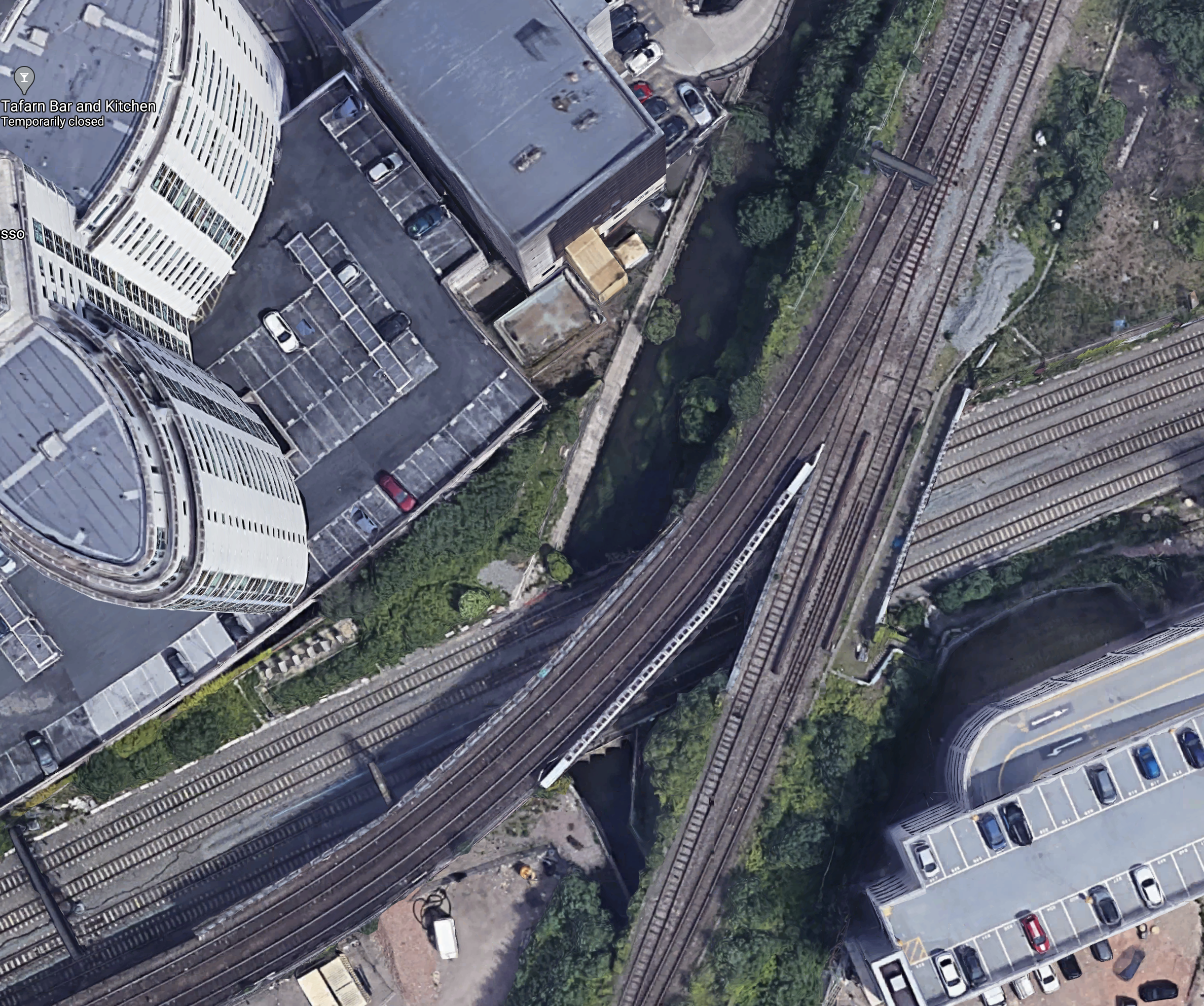
Note.
- The South Wales Main Line runs East-West, with Cardiff Central station to the West.
- The track between Cardiff Queen Street and Cardiff Bay stations runs North-South, with Cardiff Queen Street station to the North.
- The two rail lines cross over a canal.
- The site is surrounded by new high-rise buildings.
- The clearance been the bridge and the main line underneath appeared to be too tight for electrification to be fitted.
But by using the combination of technologies, as stated in the introductory paragraph, Network Rail were able to squeeze the wires through, which didn’t need the bridge to be demolished and rebuilt on a tricky site.
I can see that railways and other places, where high-voltage cables are close to metal structures, will be able to find lots of uses for Southampton University’s “Magic Paint”
Riding Sunbeams To Finance Railway Connected 3.75MW Community Solar Farm With £2.5m Grant
The title of this post, is the same as that of this article on Solar Power Portal.
This is the introductory paragraph.
The 3.75MW Cuckmere Community Solar Farm is to directly power the Eastbourne-London mainline railway in a world-first project.
This is certainly good news for Riding Sunbeams, who have been promoting the concept of powering railway electrification using solar power.
This Google Map shows the location.
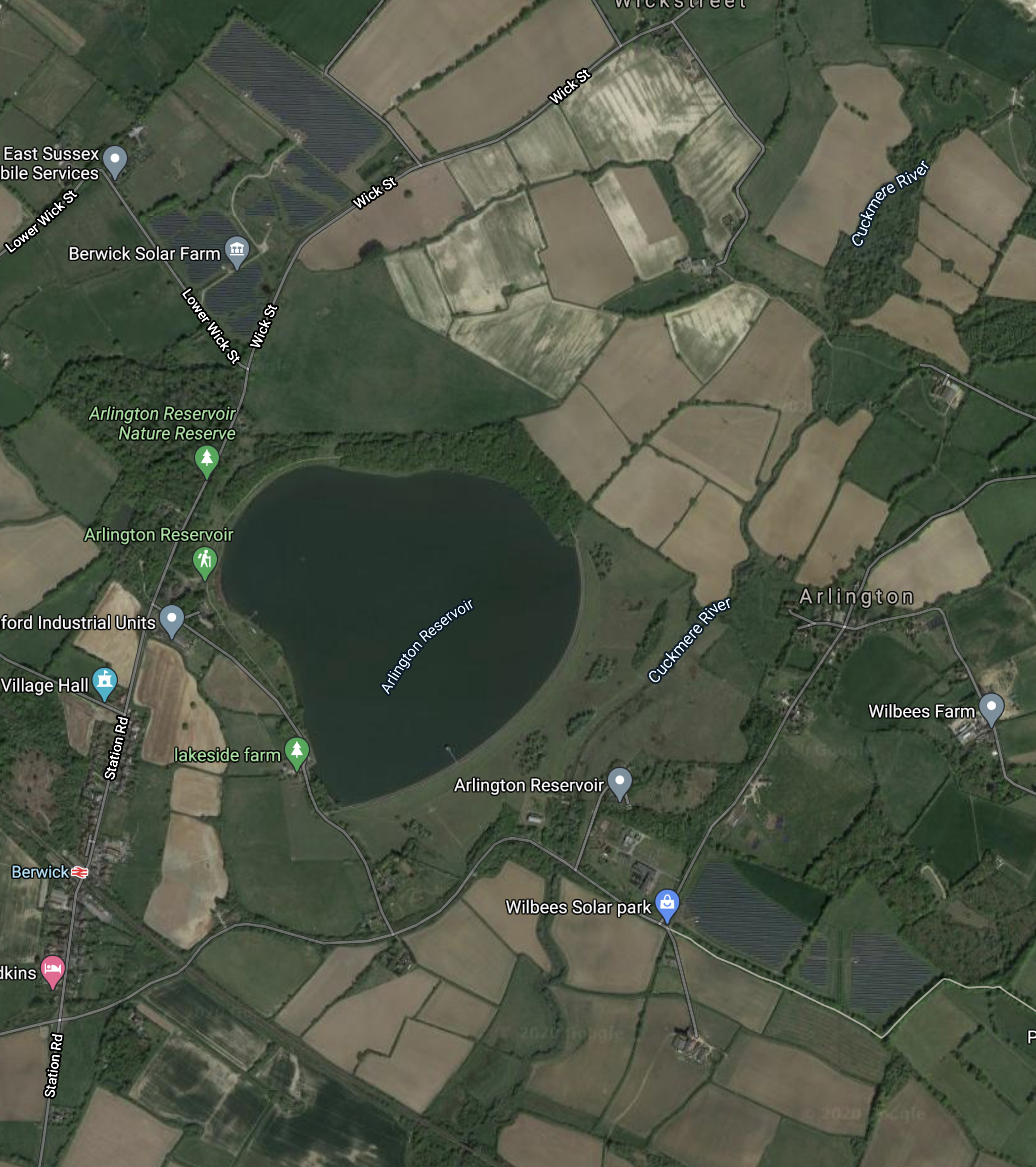
Note.
- The 3.5 MW Berwick Solar Farm is to the North of Arlington reservoir.
- Berwick station and the mainline between London and Eastbourne is in the South East corner of the map.
- There is also Wilbees Solar Park to the South East of the reservoir.
If you look on Real Time Trains, there is usually around five or six trains per hour in both directions. As each train needs about a MW of power, the Berwick Solar Farm probably has a useful market for its power.
The Cuckmere Community Solar Company has developed the farm and has some interesting information on their web site.
Conclusion
I can’t really make up my mind about Riding Sunbeams.
Their heart is definitely in the right place, but there hasn’t been much take-up of the idea, as of now!
In this project, they would appear to have been more of an enabling company, who connected a solar farm to Network Rail’s infrastructure to the benefit of both parties.
As an electrical and control engineer, I can’t help feeling that there should be substantial energy storage in there somewhere.
Northern Powerhouse Rail – Connecting Sheffield To HS2 And On To Leeds
In this article on Transport for the North, which is entitled Northern Powerhouse Rail Progress As Recommendations Made To Government, one of the recommendations proposed for Northern Powerhouse Rail is connecting Sheffield to High Speed Two and on to Leeds.
Northern Powerhouse Rail’s Objective For The Sheffield and Leeds Route
Wikipedia, other sources and my calculations say this about the trains between Leeds and Sheffield.
- The distance between the two stations is 39 miles
- The current service takes around 40 minutes and has a frequency of one train per hour (tph)
- This gives an average speed of 58.5 mph for the fastest journey.
- The proposed service with Northern Powerhouse Rail will take 28 minutes and have a frequency of four tph.
- This gives an average speed of 84 mph for the journey.
This last figure of 84 mph, indicates to me that a fast route will be needed.
But given experience of 100 mph lines in other parts of the UK, 100 mph trains and infrastructure could make this demanding objective of twenty-eight minutes between Sheffield and Leeds a reality
Connecting Sheffield To High Speed Two
Sheffield is to be accessed from a branch off the Main High Speed Two route to Leeds.
This map clipped from High Speed Two’s interactive map, shows the route of the Sheffield Branch, from where it branches North West from the main Eastern Leg of High Speed Two.
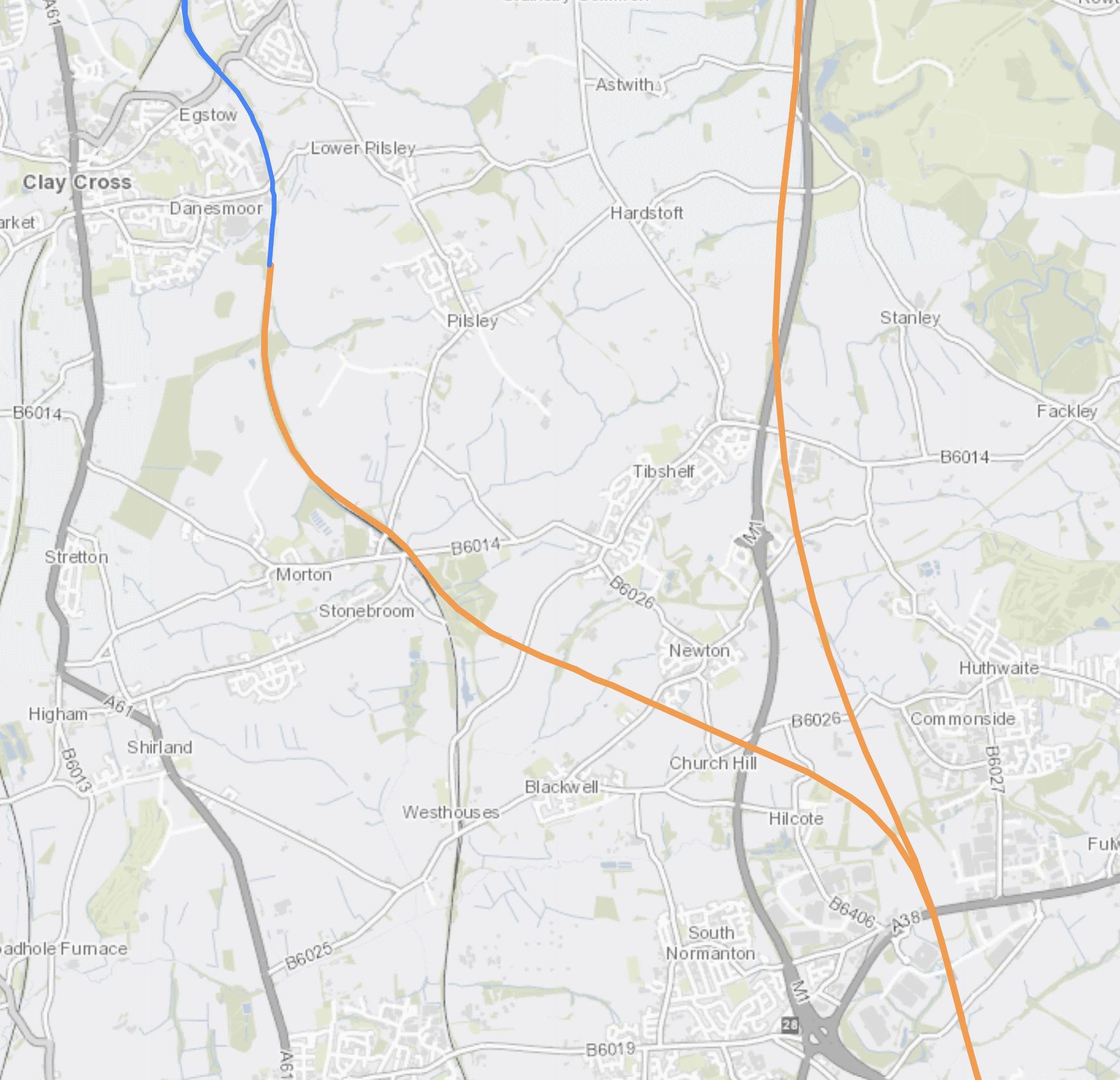
Note.
- Orange indicates new High Speed Two track.
- Blue indicates track that High Speed Two will share with other services.
- The orange route goes North to Leeds, along the M1
- The blue route goes North to Chesterfield and Sheffield, after skirting to the East of Clay Cross.
- The orange route goes South to East Midlands Hub station.
This second map, shows where the Erewash Valley Line joins the Sheffield Branch near the village of Stonebroom.
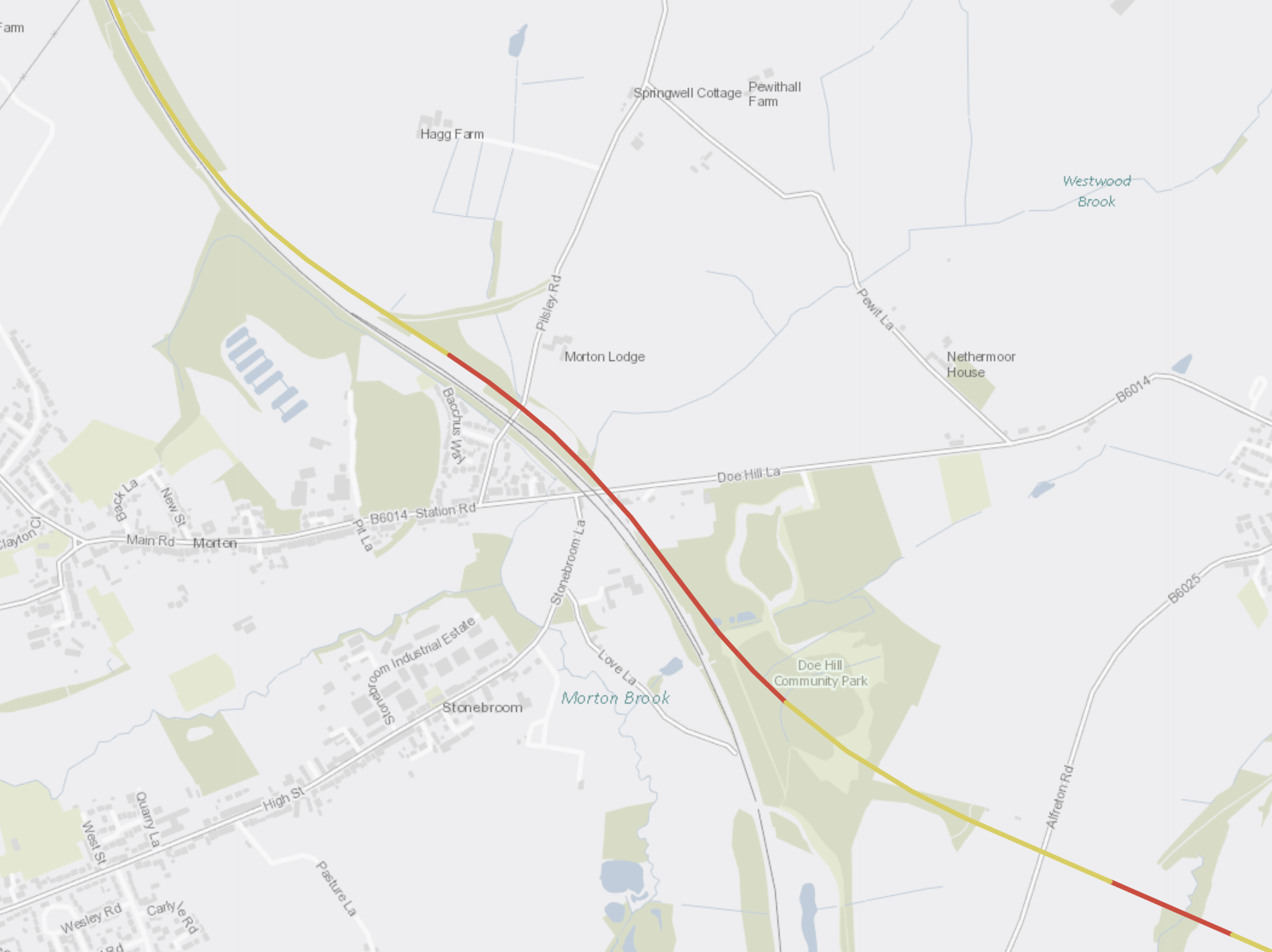
Note.
- Red is an embankment.
- Yellow is a cutting.
- The Sheffield Branch goes North-West to Clay Cross, Chesterfield and Sheffield
- The Sheffield Branch goes South-East to East Midlands Hub station.
- The Sheffield Branch goes through Doe Hill Country Park.
- The Sheffield Branch runs alongside the existing Erewash Valley Line, which goes South to Langley Mill, Ilkeston and the Derby-Nottingham area.
The Sheffield Branch and the Erewash Valley Line appear to share a route, which continues round Clay Cross and is shown in this third map.
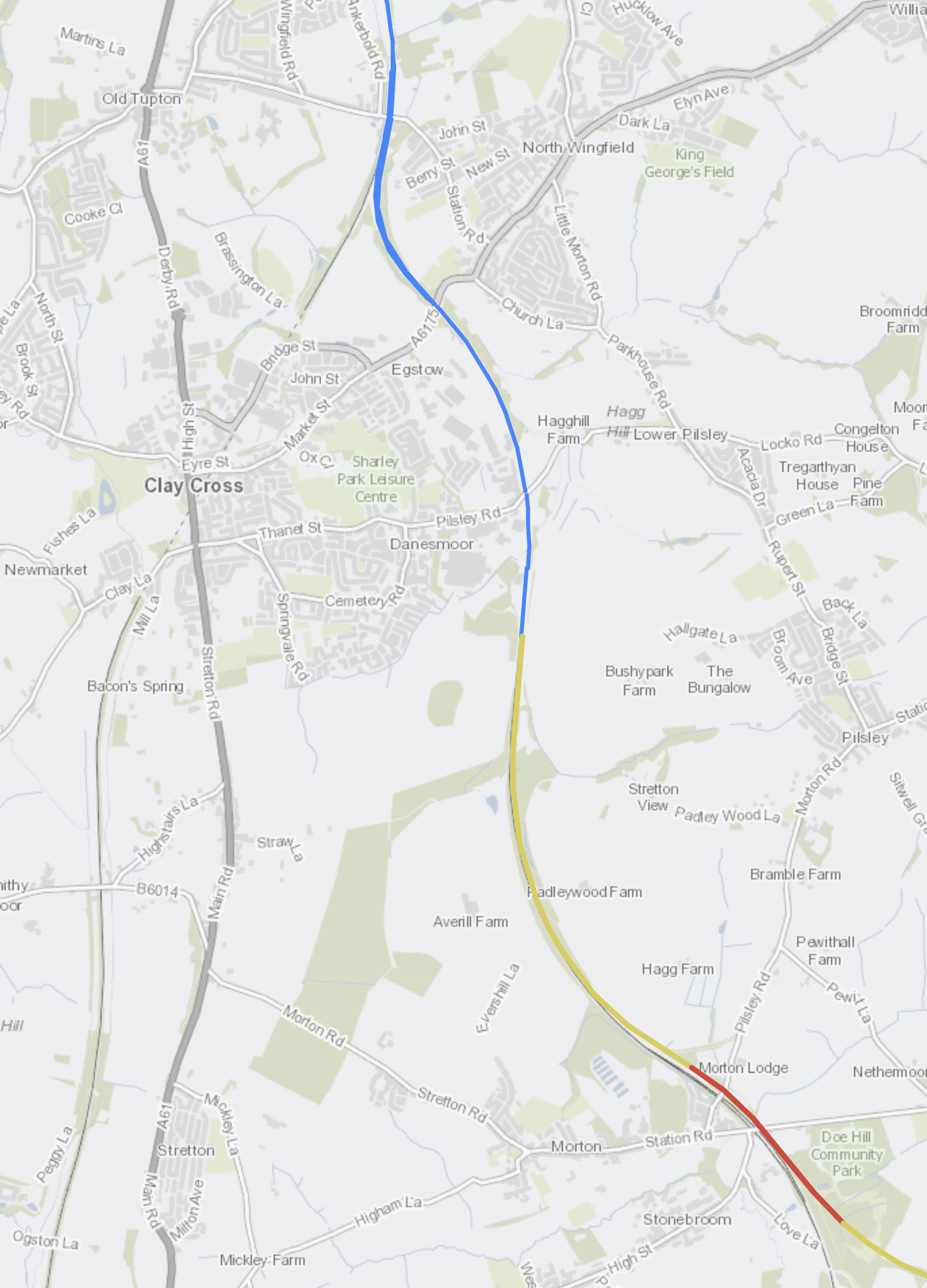
Note
- Doe Hill Country Park is in the South-East corner of the map.
- The dark line running North-South is the A61.
- Running to the West of the A61 is the Midland Main Line, which currently joins the Erewash Valley Line at Clay Cross North junction.
High Speed Two and the Midland Main Line will share a route and/or tracks from Clay Cross North junction to Sheffield.
This fourth map, shows where the combined route joins the Hope Valley Line to Manchester to the South West of Sheffield.
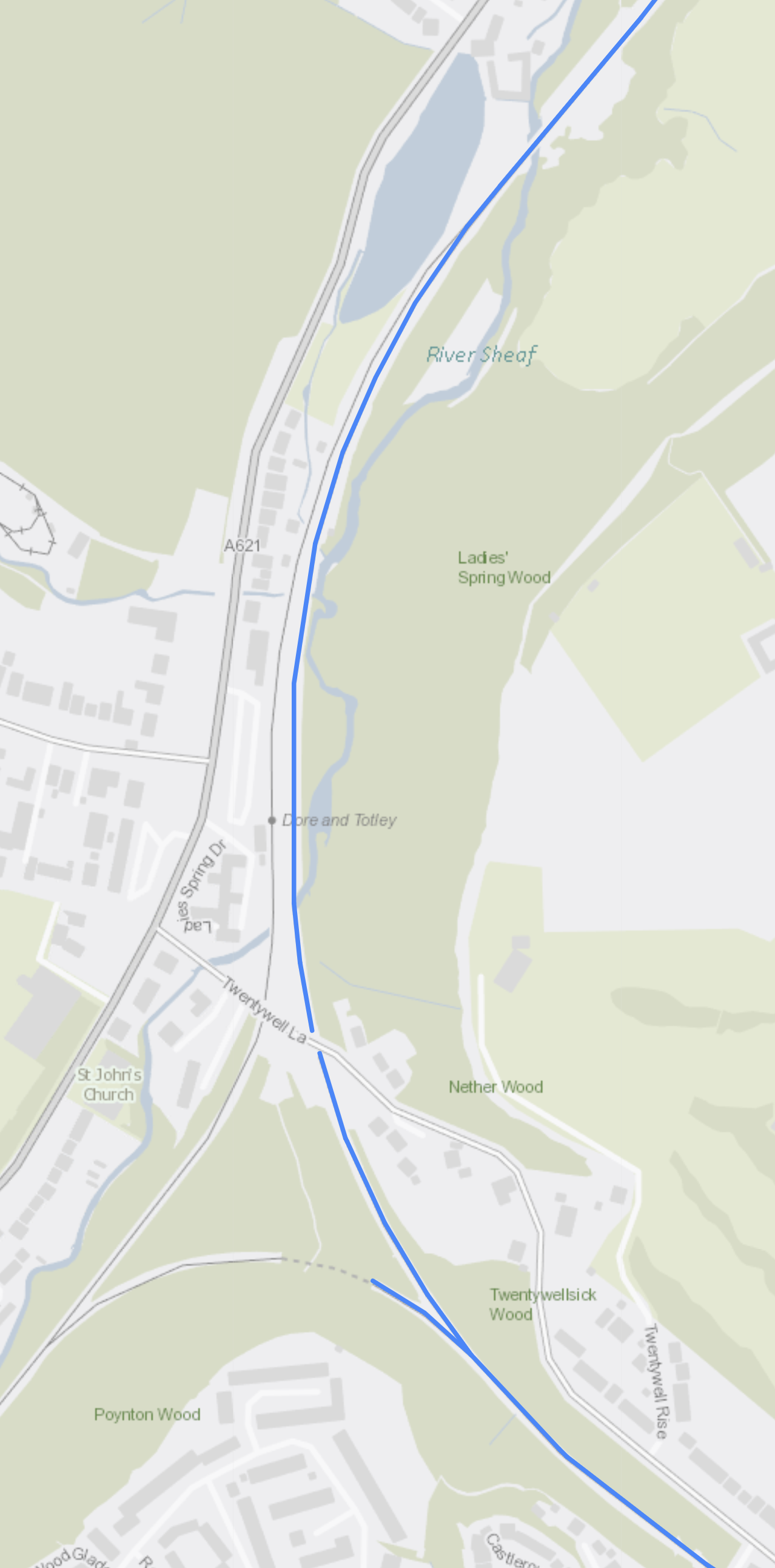
Note.
- Sheffield is to the North East.
- Chesterfield is to the South East,
- Totley junction is a large triangular junction, that connects to the Hope Valley Line.
These are some timings for various sections of the route.
- Clay Cross North Junction and Chesterfield (current) – 4 minutes
- Clay Cross North Junction and Sheffield (current) – 17 minutes
- Chesterfield and Sheffield (current) – 13 minutes
- Chesterfield and Sheffield (High Speed Two) – 13 minutes
- East Midlands Hub and Chesterfield (High Speed Two) – 16 minutes
- East Midlands Hub and Sheffield (High Speed Two) – 27 minutes
As Class Cross North Junction and Sheffield are 15.5 miles, this means the section is run at an average speed of 53 mph.
Can I draw any conclusions from the maps and timings?
- There would appear to be similar current and High Speed Two timings between Chesterfield and Sheffield.
- The various junctions appear to be built for speed.
The Midland Main Line will be electrified from Clay Cross North Junction to Sheffield, so that High Speed Two trains can use the route.
What will be the characteristics of the tracks between Clay Cross North Junction and Sheffield?
- Will it be just two tracks as it mainly is now or will it be a multi-track railway to separate the freight trains from the high speed trains?
- Will it have a high enough maximum speed, so that East Midland Railway’s new Class 810 trains can go at their maximum speed of 140 mph?
- Will it be capable of handling a frequency of 18 tph, which is the maximum frequency of High Speed Two?
Surely, it will be built to a full High Speed Two standard to future-proof the line.
Before finishing this section, I will answer a few questions.
Would It Be Possible For Class 810 Trains Fitted With Batteries To Run Between London St. Pancras And Sheffield?
East Midlands Railway’s new Class 810 trains could be fitted with batteries to become Regional Battery Trains with the specification, given in this Hitachi infographic.

Note.
- This would give the trains a range of 90 kilometres or 56 miles on batteries, if a number of diesel engines were exchanged for batteries.
- The trains would only be a few mph slower on batteries, than the current Hitachi trains on diesel.
- The Class 810 trains have four diesel engines. Is this to enable 125 mph running on diesel?
By perhaps replacing two diesel engines with batteries and using the remaining two diesel engines as range extenders or some other combination, I feel that Hitachi might be able to obtain a longer self-powered range for the train.
Consider.
- Between Sheffield and Clay Cross North Junction will be fully-electrified and at 15.5 miles, it will be long enough to fully-charge the batteries on the train.
- Between London St. Pancras and Market Harborough will be fully-electrified and at 83 miles, it will be long enough to fully-charge the batteries on the train.
- The section between Market Harborough and Clay Cross North Junction is not electrified and is 66 miles.
I feel that Hitachi and their partner; Hyperdrive Innovation can design a battery electric Class 810 train, that can travel between London St. Pancras and Sheffield, without using a drop of diesel.
A great advantage of this approach, is that, as more electrification is added to the Midland Main Line, as it surely will be, the trains will be able to use the wires to reduce journey times.
I believe there are two sections on the Midland Main Line. where traditional electrification is less likely.
- The bridge at the Southern end of Leicester station is low and would need to be rebuilt causing immense disruption to both road and rail in the city.
- Between Derby and Alfreton is the World Heritage Site of the Derwent Valley Mills. Will electrification be fought by the heritage lobby?
Both sections may eventually be electrified at some far off date in the future.
Why Is There A Spur Of Electrification At Totley Junction?
This map clipped from High Speed Two’s interactive map, shows the Southern Leg of Totley Junction, where the Hope Valley Line joins the Midland Main Line.
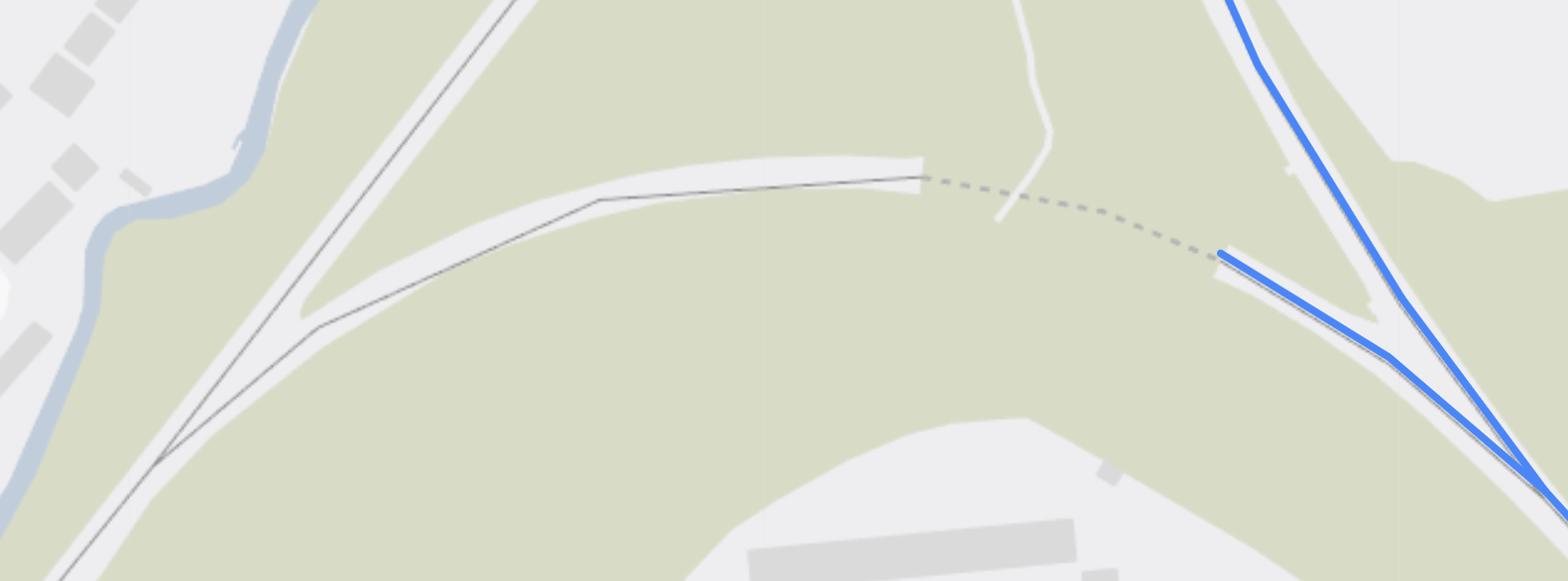
Note that a short length of electrification is shown, between the Midland Main Line and a tunnel on the Southern leg.
This Google Map shows the same area.

Note, that the line disappears into a tunnel.
- In Northern Powerhouse Rail -Significant Upgrades And Journey Time Improvements To The Hope Valley Route Between Manchester And Sheffield, I indicated, that running battery electric trains between Manchester and Sheffield would be a possibility and could be a way of meeting Northern Powerhouse Rail’s objectives for the route.
- A short length of electrification might help battery electric trains turn out to go South.
- I don’t think any passenger trains ever go that way now, but I have seen articles and heard complaints from passengers, that want a better service between Derby and/or Nottingham and Manchester.
- It might also help with the decarbonisation of freight trains to and from the quarries.
I also suspect, that if building High Speed Two in Manchester temporarily reduced the capacity of Manchester Piccadilly station, trains could use the Hope Valley Line to get to the city, as they have done previously, with Project Rio.
Accessing The Infrastructure Depot At Staveley
This map clipped from High Speed Two’s interactive map, shows the location of the infrastructure depot at Staveley.
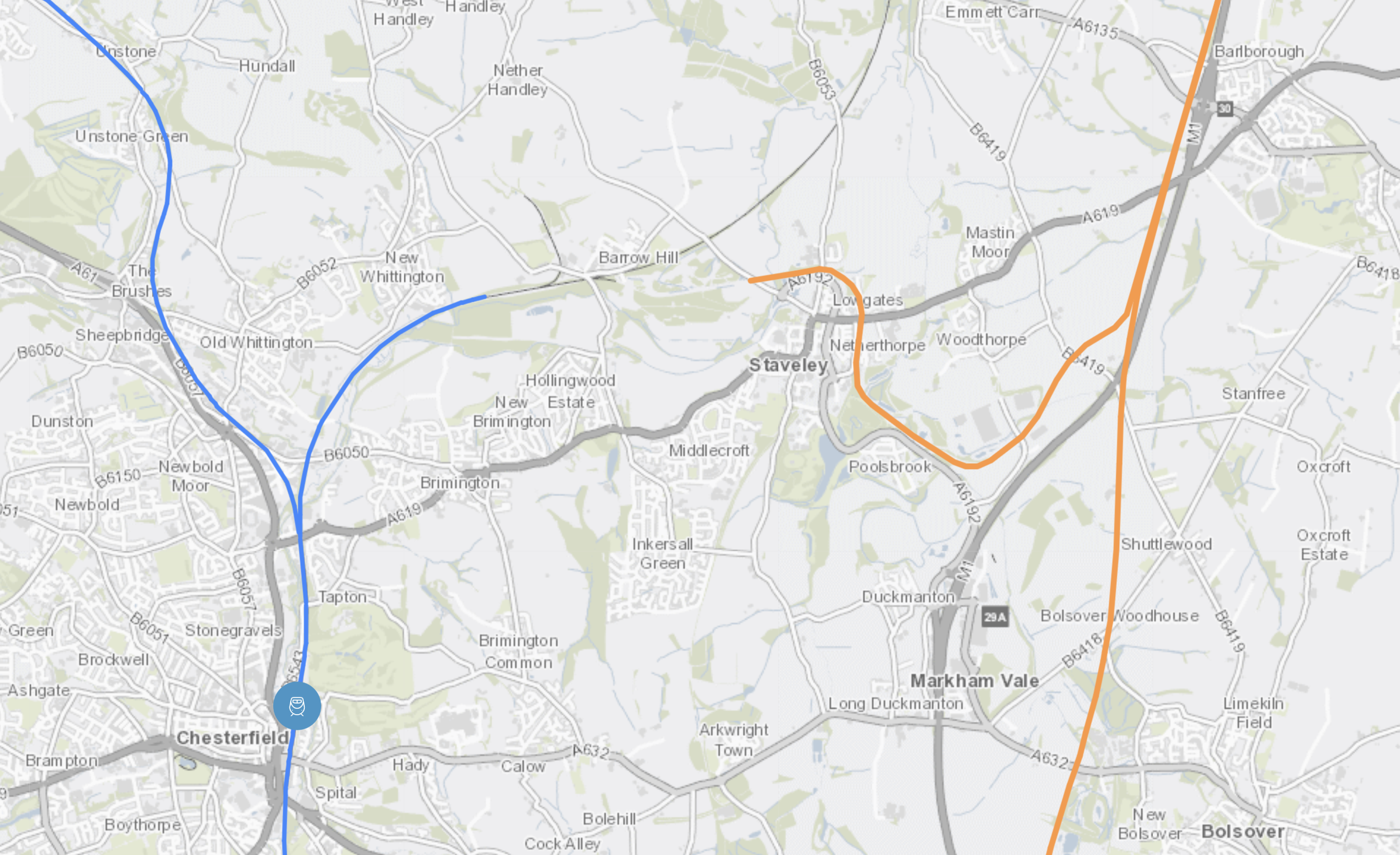
Note.
- Chesterfield is shown by the large blue dot.
- High Speed Two’s Sheffield Branch runs North from Chesterfield station.
- High Speed Two’s Eastern Leg runs down the Eastern side of the map.
- Two spurs from East and West go towards each other and would meet to the North of the town of Staveley.
The infrastructure depot will be located where they meet.
The route from the Sheffield Branch uses the Barrow Hill Line, which might be reopened as another passenger route between Chesterfield and Sheffield.
I wrote about this idea in Reinstatement Of The Barrow Hill Line Between Sheffield And Chesterfield.
If the line is being upgraded and electrified as far as Barrow Hill for the Infrastructure Depot, would it be worthwhile to create a new electrified route into Sheffield?
I also wrote in Could East Midlands Railway’s Liverpool And Norwich Service Avoid A Reverse At Sheffield By Using the Barrow Hill Line?, that the Barrow Hill Line might be an alternative route for the Liverpool and Norwich service.
When the railway routes in the area of the Infrastructure Depot are developed, I wouldn’t be surprised to see some routes changed.
Between Sheffield And Meadowhall Stations
One of the original designs for High Speed Two had it calling at Meadowhall station.
This map clipped from High Speed Two’s interactive map, clearly shows High Speed Two running across Sheffield.
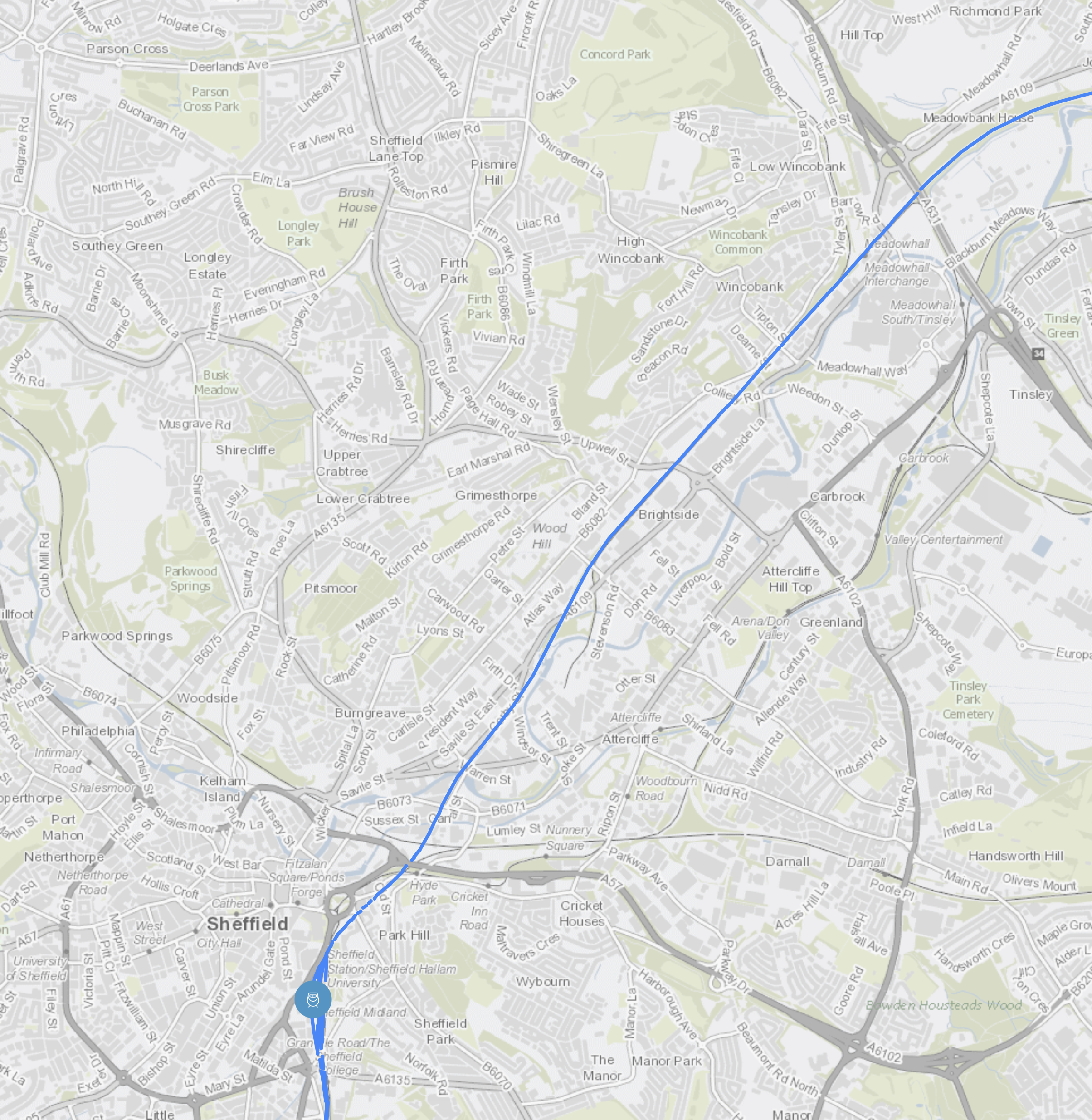
Note.
- Sheffield station is the big Blue dot in the South-West corner of the map.
- The M1 runs across the North-East corner of the map.
- The railway between Sheffield and Meadowhall stations already exists.
- Sheffield and Meadowhall stations are 3.5 miles apart and trains take seven minutes.
Is there any reason, why High Speed Two trains shouldn’t serve both Sheffield and Meadowhall stations, by just taking the existing line across the city?
Taking The Wakefield Line Towards Leeds
In extending to Meadowhall, High Speed Two’s route seems to be taking the current Wakefield Line.
This map clipped from High Speed Two’s interactive map, clearly shows High Speed Two passing through Sheffield and Rotherham and then going towards Leeds.
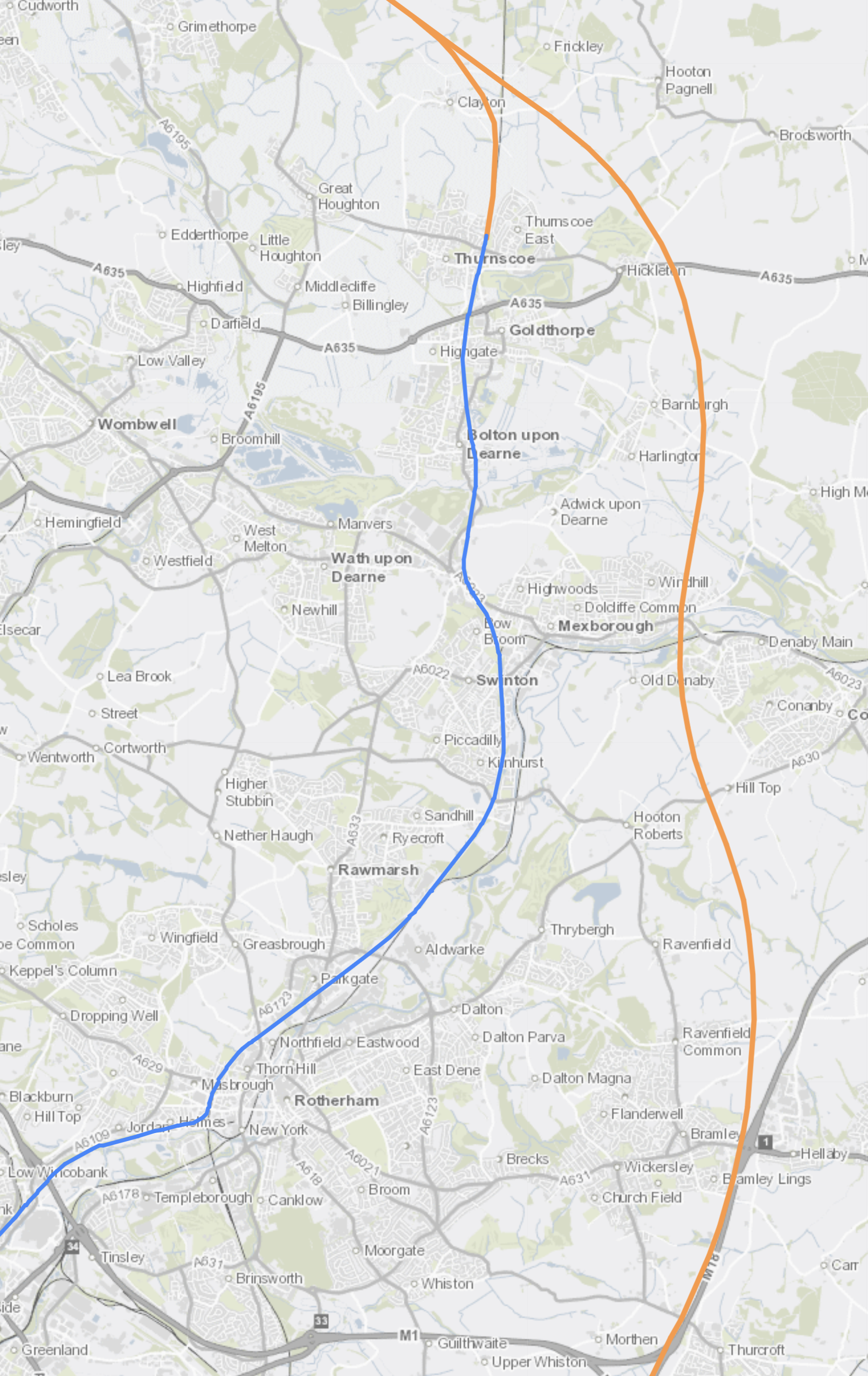
Note.
- Orange indicates new High Speed Two track.
- Blue indicates track that High Speed Two shares with other lines.
- The Wakefield Line is shown in blue and has stations at Meadowhall, Swinton, Bolton-upon-Dearne, Goldthorpe and Thurscoe.
- The main High Speed Two leg to Leeds is shown in orange.
It looks to me, that High Speed Two are aiming to provide a route, so that trains going to Sheffield can extend the journey to Leeds.
As Leeds will have three tph to and from London, why is this service being extended to Leeds?
I will explore a few reasons why in the next few sub-sections.
It’s Convenient For Running Trains
Consider.
- High Speed Two are saying London and Sheffield will be one hour and twenty-seven minutes.
- Northern Powerhouse Rail have an objective of Leeds and Sheffield in twenty-eight minutes.
- One hour and fifty-five minutes could be a convenient time for a London and Leeds service, as it could be a four hour round trip.
But High Speed Two are saying London and Leeds will be one hour and twenty-one minutes.
It looks to me, that it is a convenient way to serve Meadowhall, Rotherham, Bolton-upon-Dearne, Goldthorpe and Thurscoe stations
High Speed Two Through Rotherham
This map clipped from High Speed Two’s interactive map, clearly shows High Speed Two passing through Rotherham to the North of the Parkgate Shopping Park.
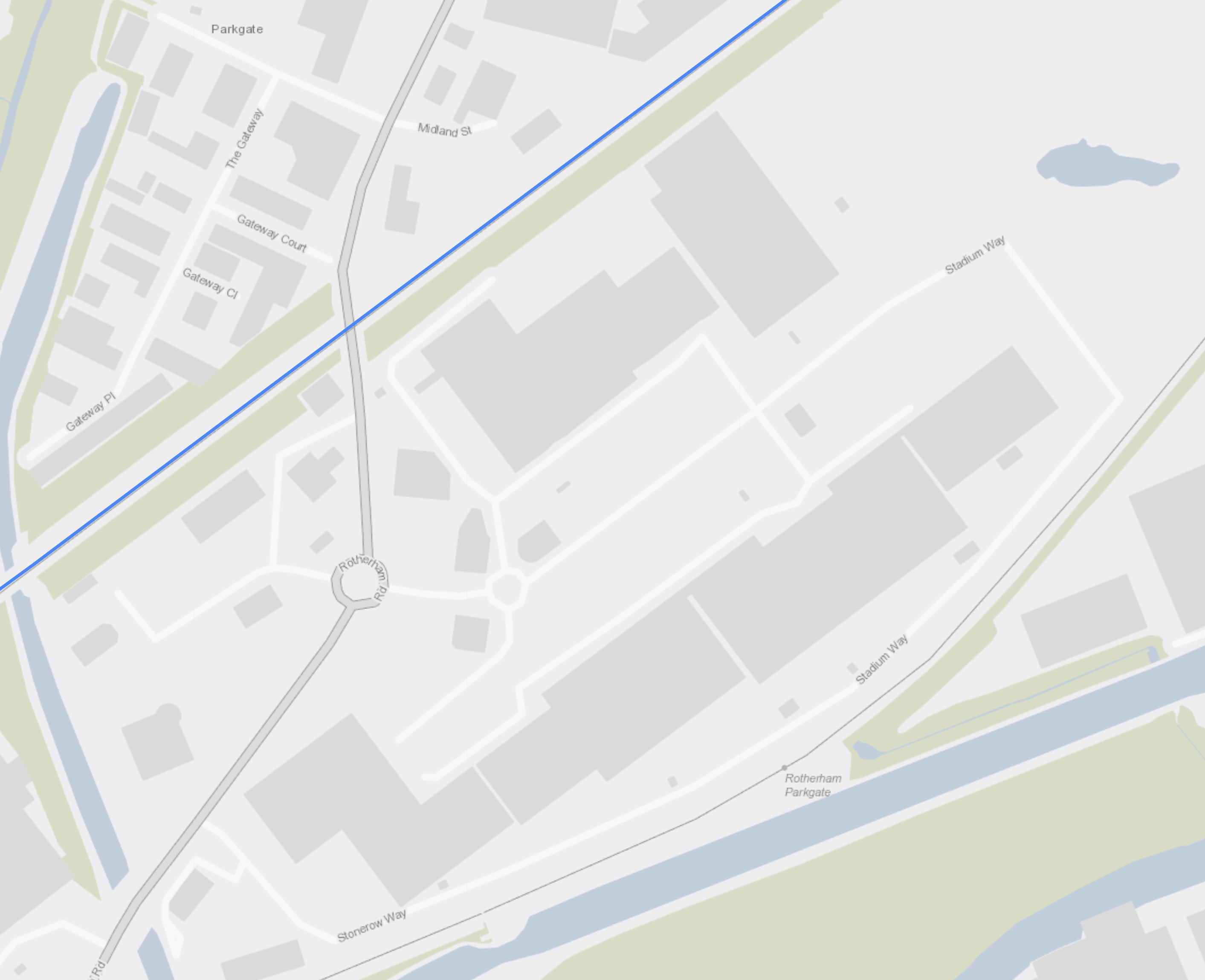
Note.
- High Speed Two is the bright blue line running North-East from the Western edge of the map.
- The grey blocks are the stores in the Shopping Park.
- The Rotherham Parkgate tram-train stop is marked.
This Google Map shows a similar area.
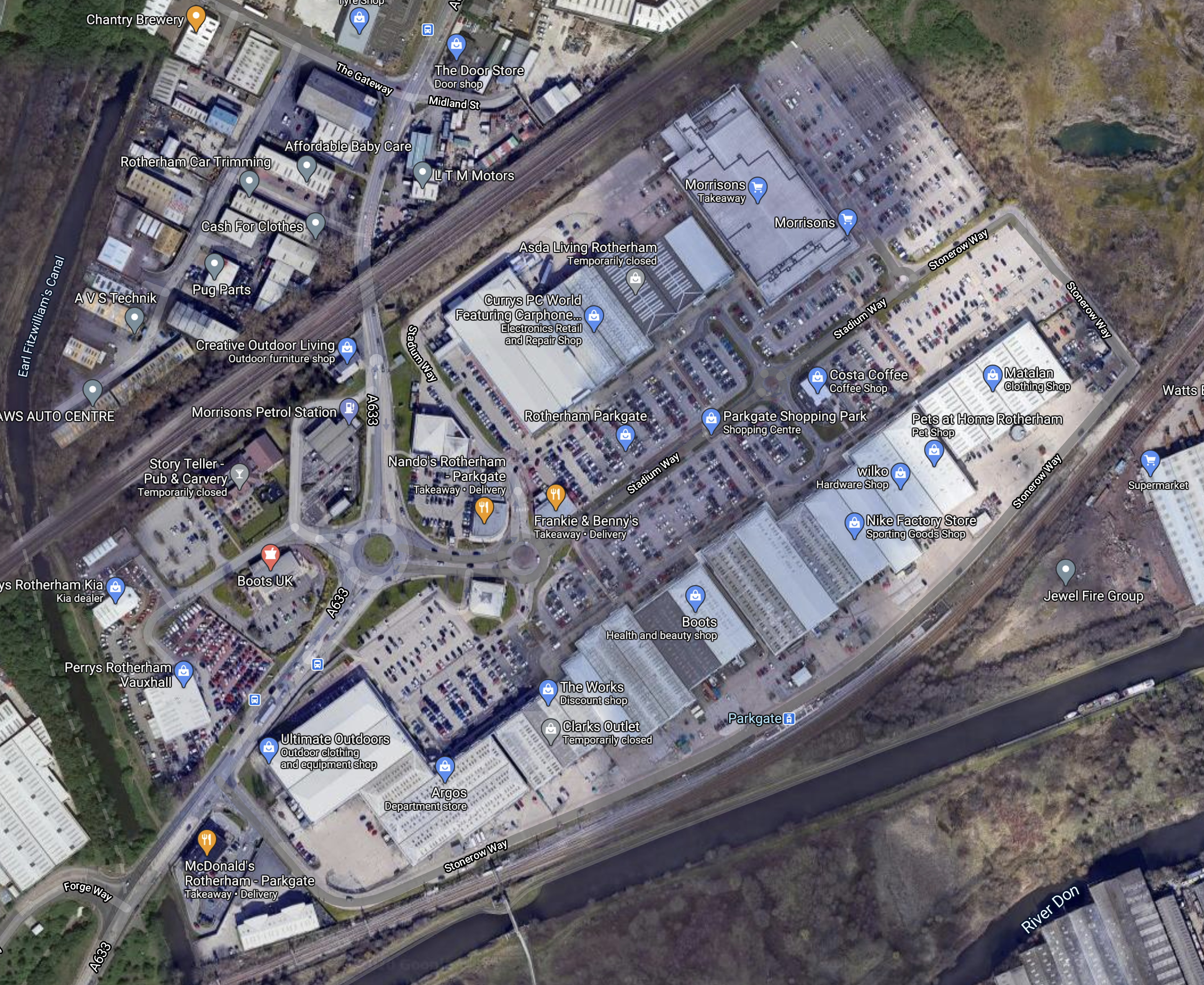
To the East of the Parkgate Shopping Park, is a large brownfield site, as this Google Map shows.

Could Rotherham have a station on the line North of this site?
- The rail line running SW-NE across this map is drawn in blue on High Speed Two’s interactive map.
- Rotherham Masborough station used to be in this area.
If High Speed Two is supposed to be a railway for all the people, or at least as many as possible, surely there should be a station in the town.
High Speed Two Through Bolton-upon-Dearne
In July 2019, I wrote a post called Sheffield Region Transport Plan 2019 – A New Station At Barnsley Dearne Valley.
So have High Speed Two taken on this feature of the Sheffield Region Transport Plan 2019, to add another station to their list of destinations?
Approach To Leeds
This map clipped from High Speed Two’s interactive map, clearly shows route High Speed Two will take to approach Leeds from the South East.
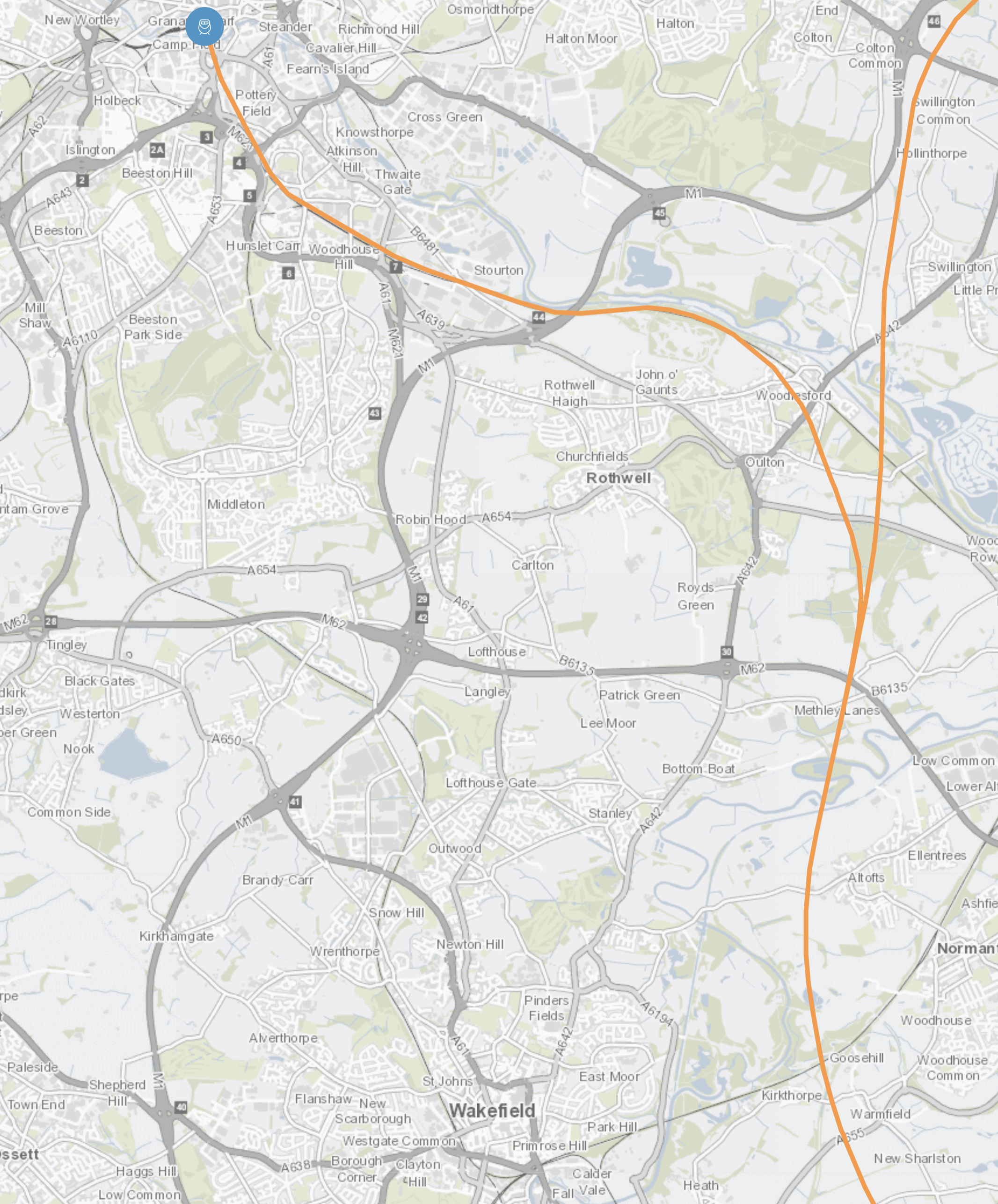
Note.
- Leeds station is the blue dot in the North West corner of the map.
- High Speed Two is shown in orange and continues North to York, where it joins the East Coast Main Line.
- Wakefield is in the middle at the bottom of the map and is on the Wakefield Line and the current route for LNER’s expresses from London.
It looks to me, that Leeds and Sheffield will eventually end up with two faster routes between the two cities.
- An upgraded Wakefield Line
- A route based on the Southern section of the Wakefield Line and the Eastern leg of High Speed Two route to Leeds.
If High Speed Two’s trains are to be able to get across Sheffield and call at Sheffield, Meadowhall, Rotherham and Barnsley Dearne Valley stations, then these conditions must be met.
- The trains must be High Speed Two’s Classic-Compatible trains or a train to a similar specification.
- Some platform lengthening might be needed to allow the two hundred metre long trains to call.
- The Wakefield Line must be electrified between Sheffield and just North of Goldthorpe station, where it will be able to join the link to the Eastern leg of High Speed Two.
It would probably be sensible to electrify the Wakefield Line all the way to Fitzwilliam station, from where the line is electrified all the way to Leeds.
This would enable the following.
- Electric trains to run between Sheffield and Leeds via Wakefield Westgate station.
- Would Northern Powerhouse Rail’s objective of a twenty-eight minute journey be achieved?
- East Midlands Railway could run their Class 810 trains between London St. Pancras and Leeds under electric power.
- High Speed Two could serve Leeds before the Northern infrastructure of the Eastern leg of High Speed Two is complete.
- High Speed Two could offer services to Wakefield, Barnsley and Rotherham via Sheffield.
I can see reasons for early upgrading of the Wakefield Line.
Conclusion
It appears that High Speed Two are planning an electrified route through Sheffield between Clay Cross North Junction on the Midland Main Line and Goldthorpe station on the Wakefield Line.
Once complete it would enable the following.
- Rotherham and Barnsley to have direct electric services to and from the capital.
- When East Midlands Railway introduce their new Class 810 trains, the electrification North of Clay Cross North Junction would mean faster services and less running on diesel power.
- I believe these Class 810 trains could run between London and Sheffield, if their four diesel engines are replaced with batteries, which would power the trains between Clay Cross North Junction and Market Harborough.
- The electrification at Sheffield would allow battery electric trains to work between Manchester and Sheffield as I outlined in Northern Powerhouse Rail -Significant Upgrades And Journey Time Improvements To The Hope Valley Route Between Manchester And Sheffield.
I think it is a good plan.
Project Management Recommendations
It is my view that the following projects should be started as soon as possible.
- Electrification between Clay Cross North Junction and Sheffield station.
- Electrification of the Wakefield Line between Sheffield and Fitzwilliam stations.
- Provision of new stations at Rotherham and Barnsley Dearne Valley on the Wakefield Line.
These projects could deliver worthwhile improvements in services in a couple of years, rather than the tens of years for High Speed Two.
Northern Powerhouse Rail – Significant Upgrades And Journey Time Improvements To The Hope Valley Route Between Manchester And Sheffield
In this article on Transport for the North, which is entitled Northern Powerhouse Rail Progress As Recommendations Made To Government, one of the recommendations proposed for Northern Powerhouse Rail is significant upgrades and journey time improvements to the Hope Valley Line between Manchester and Sheffield.
I shall look at a few of the possibilities for the route.
Northern Powerhouse Rail’s Objective For The Route
Wikipedia, other sources and my calculations say this about the trains between Manchester and Sheffield.
- The distance between the two stations is 42.6 miles
- The current service takes 49 to 57 minutes and has a frequency of two trains per hour (tph)
- This gives an average speed of 52.2 mph for the fastest journey.
- The proposed service with Northern Powerhouse Rail will take 40 minutes and have a frequency of four tph.
- This gives an average speed of 63.9 mph for the journey.
This last figure of 63.9 mph, indicates to me that a 100 mph train will be able to meet Northern Powerhouse Rail’s objective.
Current Trains On The Hope Valley Line
In July this year, I went along the Hope Valley Line between Manchester Piccadilly and Dore and Totley stations, which I wrote about in Along The Hope Valley Line – 13th July 2020.
My train was a pair of refurbished Class 150 trains.
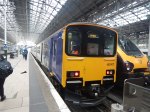

These trains can handled the current timetable but they have an operating speed of only 75 mph.
Looking at Real Time Trains for last week, it now appears that Northern are using new three-car Class 195 trains.
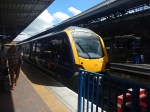
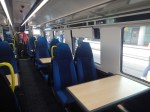
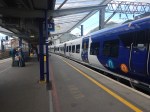
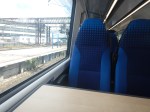
These are much better.
- They are 100 mph trains with much better acceleration.
- The train was still running the timetable for the slower trains.
With thirteen stops, I suspect that these new trains could be under fifty minutes between Manchester and Sheffield.
Will The Hope Valley Line Be Electrified?
Consider.
- Currently, the Hope Valley Line is electrified between Manchester Piccadilly and Hazel Grove stations.
- In the future, the line is likely to be electrified between Sheffield and Dore & Totley stations, in conjunction with rebuilding the Midland Main Line, to the North of Clay Cross North junction for High Speed Two.
- After the electrification at the Eastern end, just over thirty miles will be without electrification.
- The Hope Valley Line has an operating speed of 90 mph.
This Hitachi infographic shows the specification of the Hitachi Regional Battery train.
As these are a 100 mph train with a range of 90 km or 56 miles on battery power, these trains could work Manchester and Sheffield in the required time of forty minutes. provided they could be charged at the Sheffield end of the route.
TransPennine’s Class 802 trains can be fitted with batteries to become Regional Battery Trains, so it would appear that TransPennine’s services on this route could go zero-carbon.
In addition Northern, who are the other passenger operator on the route are working with CAF on battery electric trains, as I wrote about in Northern’s Battery Plans,
I don’t believe there are pressing reasons to electrify the Hope Valley Line to allow passenger trains to meet Northern Powerhouse Rail’s objective.
Will Operating Speed On The Hope Valley Line Be Increased?
Under Plans in the Wikipedia entry for the Hope Valley Line, this is said.
Network Rail, in partnership with South Yorkshire ITA, will redouble the track between Dore Station Junction and Dore West Junction, at an estimated cost of £15 million. This costing is based on four additional vehicles in traffic to deliver the option, however, this will depend on vehicle allocation through the DfT rolling stock plan. This work will be programmed, subject to funding, in conjunction with signalling renewals in the Dore/Totley Tunnel area.
Other proposals include a 3,600 feet (1,100 m) loop in the Bamford area, in order to fit in an all-day (07:00–19:00) hourly Manchester–Sheffield via New Mills Central stopping service, by extending an existing Manchester–New Mills Central service. Planning permission for this was granted in February 2018, but delays mean that this will now not be completed until 2023.
These changes to allow three fast trains, a stopping train and freight trains each hour were also supported in a Transport for the North investment report in 2019, together with “further interventions” for the Northern Powerhouse Rail programme.
It would also probably be a good idea, to increase the operating speed of the line to 100 mph where possible.
Effect On Passenger Services
100 mph trains on a track with an operating speed of 100 mph, could show some impressive timings.
On the Great Eastern Main Line, which is a very busy 100 mph double-track railway, 100 mph trains, achieve a 77 mph average for 90 minutes over the 115 miles, between London Liverpool Street and Norwich with a single stop.
A one-stop Manchester and Sheffield service at this speed would take just 33.2 minutes.
The stopping trains would be more of a challenge to get under forty minutes, but at least if they were battery electric trains, they’d have the better acceleration and deceleration of the electric trains.
- Fifty minutes would be a realistic time.
- Ten minutes turnround time at each end, would be ideal for charging the batteries and give an efficient two hour round trip.
Efficient timetabling could create a very comprehensive service for the Hope Valley Line.
Freight Trains On The Hope Valley Line
Under Freight in the Wikipedia entry for the Hope Valley Line, this is said.
Over a million tons of cement a year is taken away by rail from Earle’s Sidings at Hope.
That is a very large number of freight trains, all of which are currently hauled by diesel locomotives.
- Looking at Real Time Trains, there are nearly always two freight trains in every hour of the day.
- If you look at the routes, they go to a myriad number of destinations.
- Following the routes between Dore Junction and the quarries to the South of the Hope Valley Line, there are several tunnels.
- There are numerous quarries in a cluster, all served by their own rail lines.
Electrifying the delivery of the cement and limestone from the quarries would be a large and very expensive operation.
This Google Map shows Earle’s Sidings at Hope.
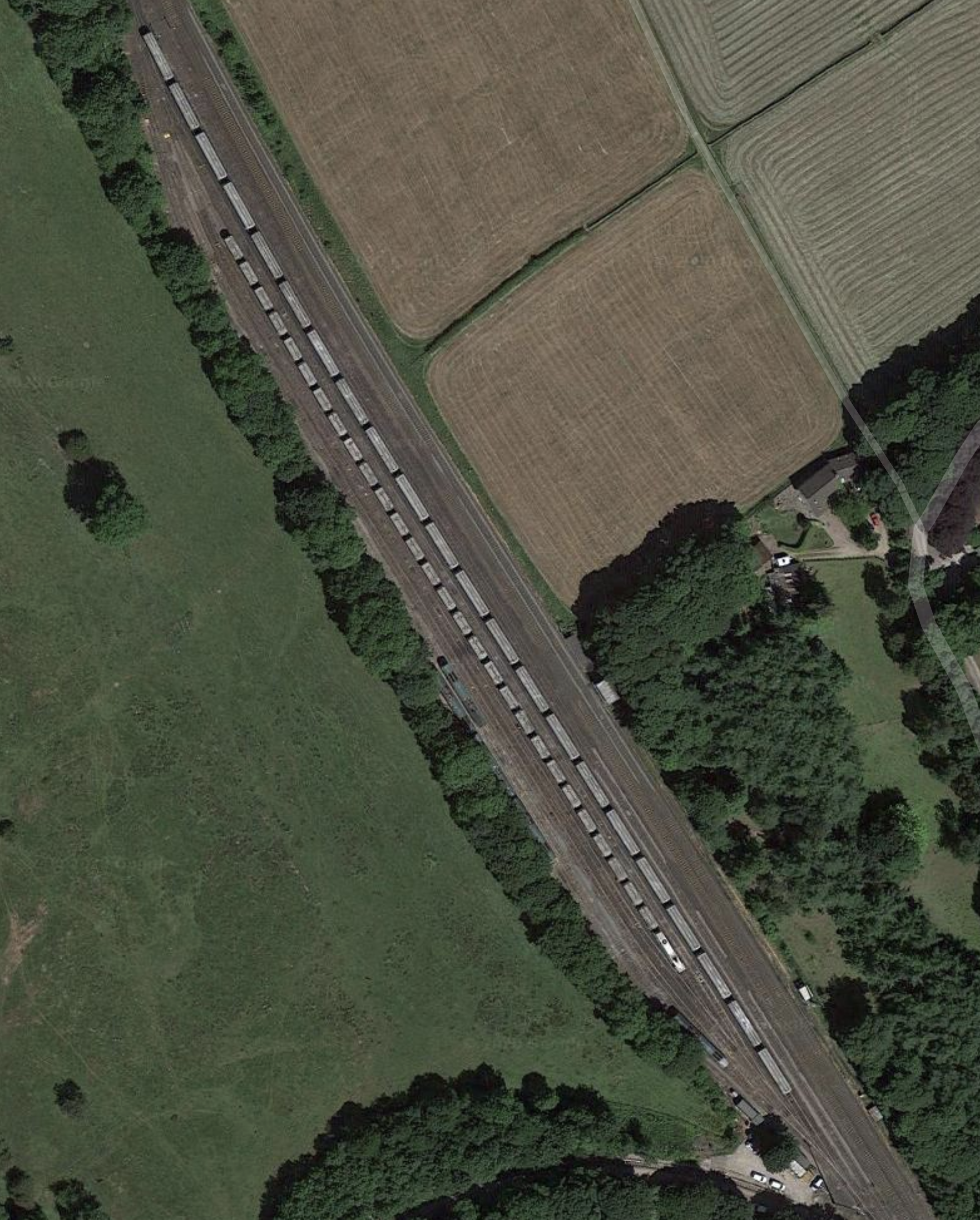
Perhaps a half-way house solution would be to use diesel to haul trains between the quarries and Earle’s sidings, where the locomotive is changed for an electric one?
- But that would then mean that all routes from between the Peak District quarries and their destinations would need to be fully-electrified.
- It should be noted that that the problem of zero-carbon trains, also exists at port and rail freight interchanges, where safe operation with 25 KVAC overhead wires everywhere can be a nightmare.
- Rail freight companies are unlikely to change their old diesel locomotives for new expensive electric locomotives, until all possible routes are fully electrified.
- It is also a big problem, all over the world.
Perhaps, what is needed is a self-powered zero-carbon locomotive with sufficient power to haul the heaviest trains?
I believe such a locomotive is possible and in The Mathematics Of A Hydrogen-Powered Freight Locomotive, I explored the feasibility of such a locomotive, which was based on a Stadler Class 68 locomotive.
The zero-carbon locomotive, that is eventually developed, may be very different to my proposal, but the commercial opportunities for such a locomotive are so large, that I’m sure the world’s best locomotive designers are working on developing powerful locomotives for all applications.
Conclusion
Northern Powerhouse Rail’s ambition for Manchester and Sheffield via the Hope Valley Line is simply stated as four tph in forty minutes. But this may be something like.
- Three fast tph in forty minutes.
- One stopping tph in perhaps fifty minutes.
- One freight tph in each direction to and from the quarries that lie to the South of the line.
I didn’t realise how close that the line is to that objective, once the following is done.
- Introduce 100 mph passenger trains on the route.
- Improve the track as has been planned for some years.
Note that all the passenger trains, that now run the route; Class 185, 195 and 802 trains, are all 100 mph trains, although they are diesel-powered.
With a length of just under 43 miles, the route is also ideal for battery electric trains to work the passenger services, be the trains be from Hitachi, CAF or another manufacturer, after High Speed Two electrifies the Midland Main Line to the North of Clay Cross North Junction, in preparation for high speed services between London and Sheffield.
I would recommend, that one of High Speed Two’s first Northern projects, should be to upgrade the Midland Main Line between Clay Cross North junction and Sheffield station to the standard that will be required for High Speed Two.
I would also recommend, that the Government sponsor the development of a hydrogen electric locomotive with this specification.
- Ability to use 25 KVAC overhead or 750 VDC electrification
- 110 mph operating speed on electrification.
- Ability to use hydrogen.
- 100 mph operating speed on hydrogen.
- 200 mile range on hydrogen.
A locomotive with this specification would go a long way to decarbonise rail freight in the UK and would have a big worldwide market.
Project Management Recommendations
This project divides neatly into three.
- Perform the upgrades at Dore Junction and add the loop in the Bamford area, as detailed in Wikipedia, which will increase the capacity of the Hope Valley Line.
- Electrify the Midland Main Line between Clay Cross North junction and Sheffield, as will be needed for High Speed Two. This electrification will allow battery electric trains to run between Manchester and Sheffield and between Sheffield and London.
- Procurement of the trains. CAF and Hitachi are currently finalising suitable designs for this type of operation.
It would also be helpful, if the freight trains could be hauled by zero-carbon hydrogen electric locomotives, to create a much-improved zero-carbon route between Manchester and Sheffield.
Northern Powerhouse Rail Progress As Recommendations Made To Government
The title of this post, is the same as that of this article on Transport for the North.
This is the introductory paragraph.
Northern leaders have agreed an initial preferred way forward for a new railway network that will transform the region’s economy.
And these are the rail improvements proposed.
- A new line to be constructed from Liverpool to Manchester via the centre of Warrington, Read more…
- A new line to be constructed from Manchester to Leeds via the centre of Bradford. Read more…
- Significant upgrades and journey time improvements to the Hope Valley route between Manchester and Sheffield. Read more…
- Connecting Sheffield to HS2 and on to Leeds. Read more…
- Significant upgrades and electrification of the rail lines from Leeds and Sheffield to Hull. Read more…
- Significant upgrades of the East Coast Mainline from Leeds to Newcastle (via York and Darlington) and restoration of the Leamside Line. Read more…
The Read more links point to my initial thoughts.
No more detail is given, but the list is followed by this paragraph.
The move comes ahead of the much-anticipated publication of a new report that will set out long-term investment plans for rail upgrades in the North. The Government’s Integrated Rail Plan – due to be published by the end of this year – is expected to recommend how investment in rail projects like Northern Powerhouse Rail, HS2 Phase 2b, and the TransPennine Route Upgrade (a separate project) will be delivered.
I am waiting for the Government’s Integrated Rail Plan with interest.
East Coast Main Line Electrification Research Agreement
The title of this post, is the same as that of this article on Railway Gazette.
These are the first two paragraphs.
An outline £10m co-investment agreement has been signed by the University of Leeds and the Rail Electrification Alliance which is undertaking the East Coast Main Line power supply upgrade programme.
The agreement provides for two years of research into the best and most efficient way of managing electrical power flow on the route, with the university’s scientists and engineers having access to data collected from lineside static frequency converters.
Sounds good to me. I have analysed countless projects and systems, in the early stages and in many cases, the budget and project time have been reduced or a better method of operation has been developed.
EMR Set To Retain Liverpool – Nottingham Service
The title of this post is the same as that of this article on Railway Gazette.
This is the introductory paragraph.
The Department for Transport has confirmed to East Midlands Railway that, for the time being at least, it is no longer planning to transfer the Liverpool Lime Street – Nottingham service to TransPennine Express from the December 2021 timetable change.
My experience of the service is limited these days, but occasionally, I do use the Liverpool and Sheffield section of the service to get across the Pennines on trips North.
In January 2020, I had a horrendous trip on an overcrowded train composed of several one-car Class 153 trains, which I wrote about in Mule Trains Between Liverpool And Norwich.
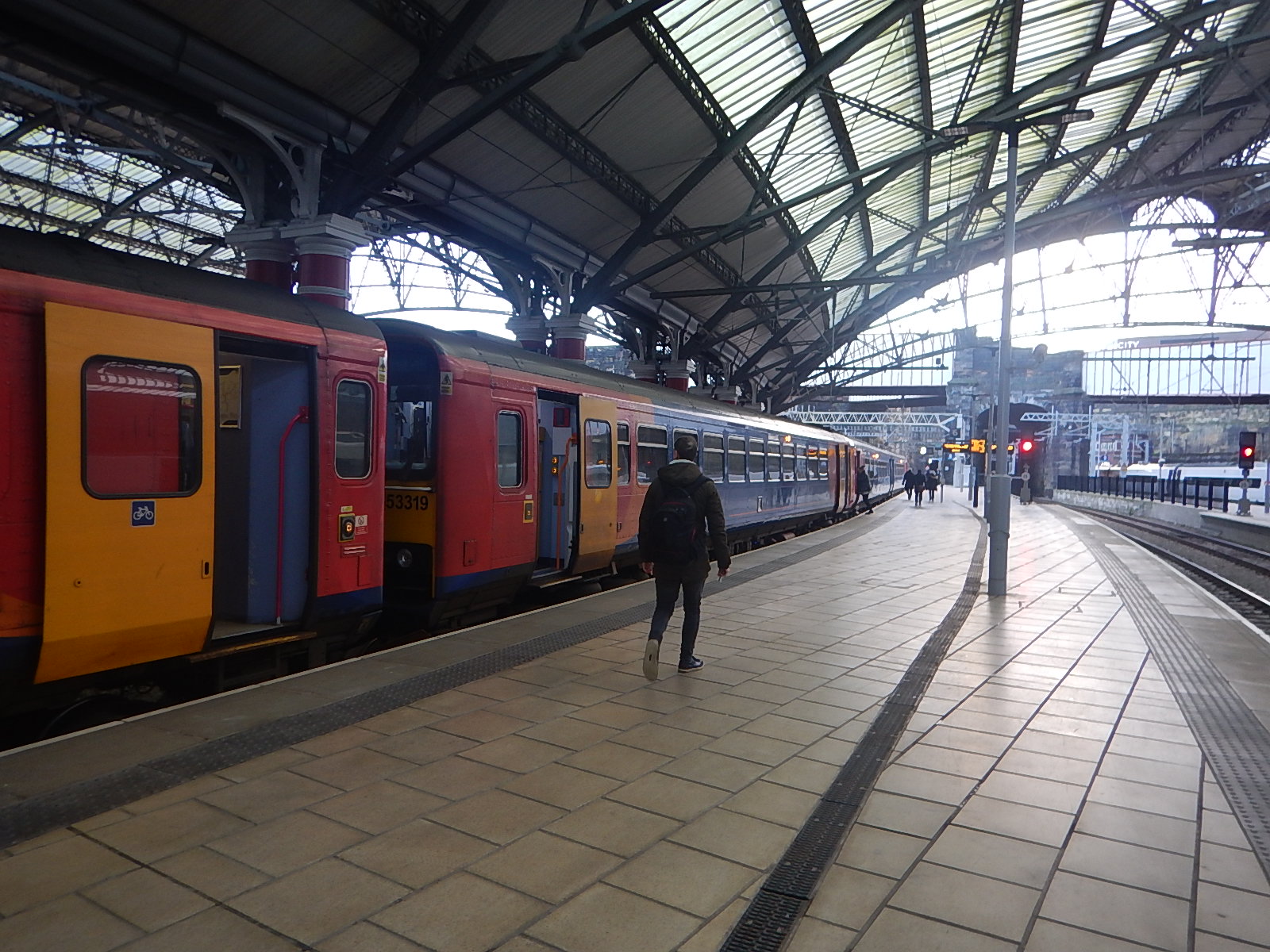
This is not the way to run a long distance service, which takes over five and a half hours.
The plan to improve the service involves splitting it into two from the December 2021 timetable change.
- Liverpool and Nottingham
- Derby and Norwich
It was thought that the Liverpool and Nottingham section would be going to TransPennine Express (TPE).
These points summarise the Railway Gazette article.
- TPE were training drivers and that has now stopped.
- EMR have told staff, they will be keeping both services.
- The service will still be split.
- EMR will not have enough trains to run the split service.
This paragraph sums up what could happen to run the service.
One option favoured by industry insiders would see EMR take on 15 Class 185 Desiro trainsets which are due to be released by TPE during 2021 as its fleet renewal programme concludes. These trains are maintained by Siemens at its conveniently located Ardwick depot in Manchester.
I see this splitting, as being a pragmatic solution to the problems of running a long service, with a very varied loading at various parts of the route.
- As one company runs both sections, the changeover can be arranged to be very passenger-friendly.
- EMR manage the possible change stations at Derby and Nottingham.
- Passengers can be given proper care in the changeover.
- Derby gets a direct connection to Peterborough, Cambridge and Norwich.
With my East Anglian hat on, I can see advantages in the split, as I regularly used to travel as far as Derby or Nottingham, when I lived in the East, but only once took the full service to Liverpool.
I have a few thoughts.
Capacity Between Liverpool And Nottingham
This section of the service is generally run by a pair of Class 158 trains, which have a capacity of around 140 each or 280 in total.
The Class 185 trains have three-cars and a capacity of 180 seats.
Currently, Liverpool and Nottingham takes just under two hours and forty minutes, which would make for a comfortable six-hour round trip. This would mean, that an hourly service between the two cities, will need a fleet of six trains.
Under Future in the Wikipedia entry for Class 185 trains, this is said.
Following the August 2020 decision not to transfer the Liverpool Lime Street to Nottingham route to TransPennine Express, East Midlands Railway could opt to take on the 15 trainsets due to be released from TPE to run this route.
Fifteen trains would be more than enough trains to run a pair on each hourly service and perhaps run some extra services.
Pairs of Class 185 trains between Liverpool and Nottingham would go a long way to solve capacity problems on this route.
Calling At Derby
The current service between Liverpool and Norwich doesn’t call at Derby, as it uses the Erewash Valley Line via Alfreton.
The proposed Eastern portion of the split service has been proposed to terminate at Derby, so passengers would change at Nottingham, if they wanted to travel to Sheffield, Manchester or Liverpool.
As East Midlands Railway, runs both services, they can optimise the service to serve and attract the most passengers.
Preparation For High Speed Two At East Midlands Hub Station
Eventually, the two halves of the Liverpool and Norwich service must surely call at the future East Midlands Hub station for High Speed Two, so future routes must fit in with the plans for High Speed Two.
But there’ll be plenty of time to get that right.
Interchange At Nottingham
I’m sure a quick and easy interchange can be performed at Nottingham.
In the simplest interchange, the two services could share a platform and passengers could just walk between the two trains on the level.
The following sequence could be used at Nottingham.
- The train from Derby to Norwich would arrive in the platform and stop at the Eastern end of the platform.
- The train from Liverpool to Nottingham would arrive in the platform and stop close behind it.
- Passengers on the train from Liverpool, who wanted to take the Norwich train, would simply walk a along the platform and board the train.
- The Norwich train would leave when ready.
- The train from Liverpool would stay where it had stopped and be prepared for the return trip to Liverpool.
- , The next train from Norwich to Derby would pull in behind the Liverpool train.
- Passengers on the train from Norwich, who wanted to take the Liverpool train, would simply walk a along the platform and board the train.
- The Liverpool train would leave when ready.
- Finally, the Norwich to Derby train would leave for Derby.
Only one platform would be needed at Nottingham station, that would need to be long enough to handle the two trains.
Between Norwich And Derby
This is the only section of the Liverpool and Norwich route with any electrification.
- Currently about thirty miles between Grantham and Peterborough are electrified.
- The lines around Ely and Norwich are also electrified.
I think that Ely and Peterborough will be electrified earlier than other lines.
- It would be part of an electrified freight route between Felixstowe and the East Coast Main Line.
- It would enable electric passenger trains between Cambridge and the North.
- It would mean the Ipswich and Peterborough services could be run by battery electric trains.
- It could be a useful electrified diversion route to London, during engineering works.
,This extra electrification, would also mean that Norwich and Derby would probably be within range of battery electric trains.
Stadler have stated that Greater Anglia’s Class 755 trains can be converted from bi-mode into battery electric trains.
So as Greater Anglia and East Midlands Railway are both Abellio companies, could we see battery electric operation on the around 150 miles between Norwich and Derby?
Conclusion
Splitting the Liverpool and Norwich service opens up a lot of possibilities to improve the service.
Testing Begins On Midland Main Line Electrification
The title of this post, is the same as that of this article on Rail Magazine.
- From the article, it looks like the first part of mechanical testing has been completed as planned and unpowered pantograph runs have been performed at up to 110 mph.
- It does seem to me, that this thirty miles of electrification has avoided the troubles that have plagued similar projects in recent years.
Perhaps the good progress on this electrification, is making the government think again about early electrification of all of the Midland Main Line
In Hopes Rekindled Of Full Midland Main Line Electrification. I showed how battery electric Class 810 trains would be able to work the route.
This was my conclusion of that earlier post.
It appears that both the Nottingham and Sheffield services can be run using battery electric Class 810 trains.
- All four diesel engines in the Class 810 trains would need to be replaced with batteries.
- The route between Clay Cross North Junction and Sheffield station, which will be shared with High Speed Two, will need to be electrified.
- Charging facilities for the battery electric trains will need to be provided at Nottingham.
On the other hand using battery electric trains mean the two tricky sections of the Derwent Valley Mills and Leicester station and possibly others, won’t need to be electrified to enable electric trains to run on the East Midlands Railway network.
Will it be the first main line service in the world, run by battery electric trains?
There was one thing, that wasn’t available, a month ago, when I wrote that post – A charging system for battery electric trains, that could be installed at Nottingham.
In Vivarail’s Plans For Zero-Emission Trains, I report on Adrian Shooter’s plans for Vivarail, which are outlined in a video by Modern Railways.
Ar one point he says this see about Vivarail’s Fast Charge system.
The system has now been given preliminary approval to be installed as the UK’s standard charging system for any make of train.
I may have got the word’s slightly wrong, but I believe the overall message is correct.
So could we see a Hitachi Class 810 train using Vivarail’s patented Fast Charge system at Nottingham?
In Interview: Hitachi’s Nick Hughes On Driving Innovation In Rail Propulsion, Nick Hughes of Hitachi is quoted as saying.
Rail is going to become increasingly digitised and integrated into other sectors involved in smart cities, mobility-as-a-service and flexible green grid. Therefore, Hitachi Rail won’t be able to stay at the forefront of innovation by its self. This is why we are focused on building partnerships with other like-minded, innovative, clean tech companies like Hyperdrive Innovation, Perpetuum and Hitachi group companies such as Hitachi ABB.
Does Vivarail fit that philosophy? In my view, it does!
This Hitachi infographic gives the specification of their Regional Battery Train.
Note.
- The range on battery power is 90 km or 56 miles at up to 100 mph.
- Class 810 trains could be converted to battery electric trains by replacing the diesel engines with batteries.
- As the electrification has reached Kettering. there is only 55 miles between London St Pancras and Nottingham without electrification.
I could see Class 810 trains running between St. Pancras and Nottingham on delivery, provided the following projects have been completed.
- Hitachi have been able to give the Class 810 trains a range of say 60 miles on batteries.
- Hitachi have modified their trains, so they can be recharged by a Vivarail Fast Charge system in fifteen minutes.
- Vivarail have installed a Fast Charge facility at Nottingham station.
Network Rail are planning to extend the electrification from Kettering to Market Harborough, which would reduce the distance without electrification to under 50 miles. This would make running battery electric trains between London St. Pancras and Nottingham even easier.
Expanding The Network
If I am putting two and two together correctly and Hitachi have turned to Vivarail to provide a charging system or a licence for the use of the technology, I am sure, it would be possible to create a comprehensive network of battery electric trains.
Consider.
- Hitachi should be able to squeeze a sixty mile range at 90-100 mph from a battery-equipped Class 810 trains.
- Market Harborough and Derby are about 47 miles apart.
- Derby and Sheffield are about 36 miles apart
- Sheffield and Leeds are about 48 miles apart
- Corby and Leicester are about 41 miles apart.
Vivarail Fast Charge systems at Derby, Leicester and Sheffield would enable the following routes to be run using battery electric trains.
- London St. Pancras and Sheffield via Derby – Fast Charging at Derby and Sheffield
- London St. Pancras and Leeds via Derby and Sheffield – Fast Charging at Derby and Sheffield
- London St. Pancras and Sheffield via the Erewash Valley Line – Fast Charging at Ilkeston (?) and Sheffield
- London St. Pancras and Leicester via Corby – Fast Charging at Leicester
Note.
- The only extra electrification needed for the initial network would be between Kettering and Market Harborough.
- The Class 810 trains would all be identical.
- The Class 810 trains might even be built and delivered as battery electric trains
- Trains would also charge the batteries between London St. Pancras and Market Harborough, between London St. Pancras and Corby. and between Leeds and Wakefield Westgate.
The network can be extended by adding more electrification and Fast Charge systems.
Conclusion
The technologies of Hitachi and Vivarail seem complimentary and could result in a fully electric main line train network for East Midlands Railway.
Hull Station
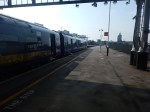
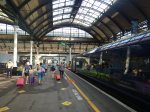
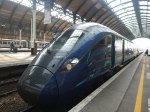
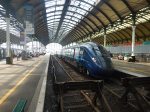
On my recent visit to Hull station I took these pictures.


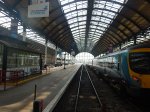




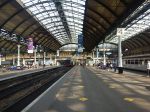
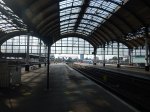
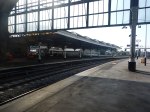
This Google Map shows the station.
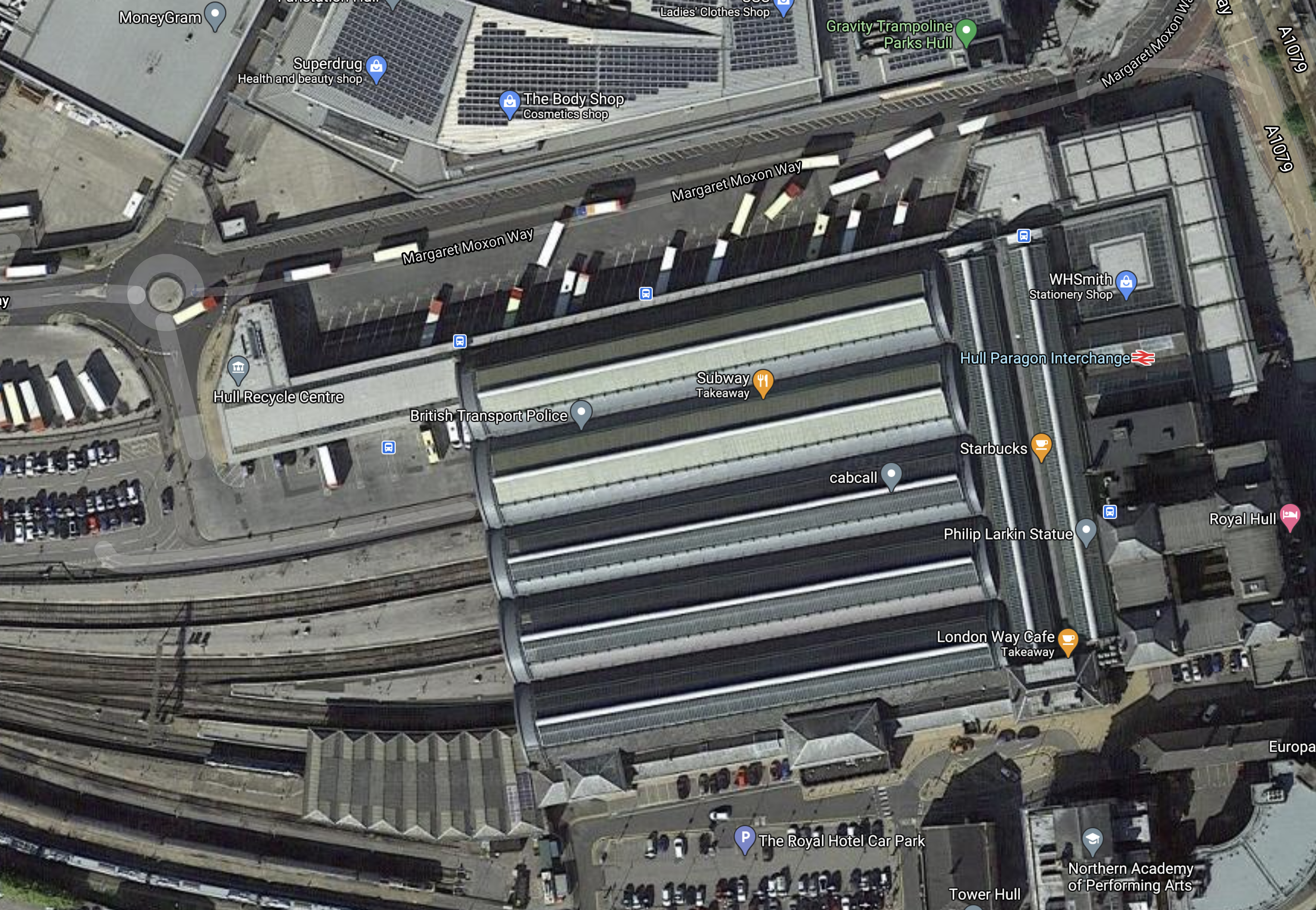
These are my thoughts on the station .
Platforms
Consider.
- The station has seven platforms, which are numbers 1 to 7 from South to North.
- My Hull Trains service from London arrived in the Northernmost platform, which is numbered 7.
- Most Hull Trains services seem to use this platform.
- LNER services also seem to use Platform 7.
- Platforms 4, 5 and 6 seem to be the same length as Platform 7
- A friendly station guy told me, that LNER have run nine-car Class 800 trains into the station. These trains are 234 metres long.
- My pictures show that Platform 7 is more than adequate for Hull Train’s five-car Class 802 train, which is 130 metres long.
- The platforms are wide.
This second Google Map shows the Western platform ends.
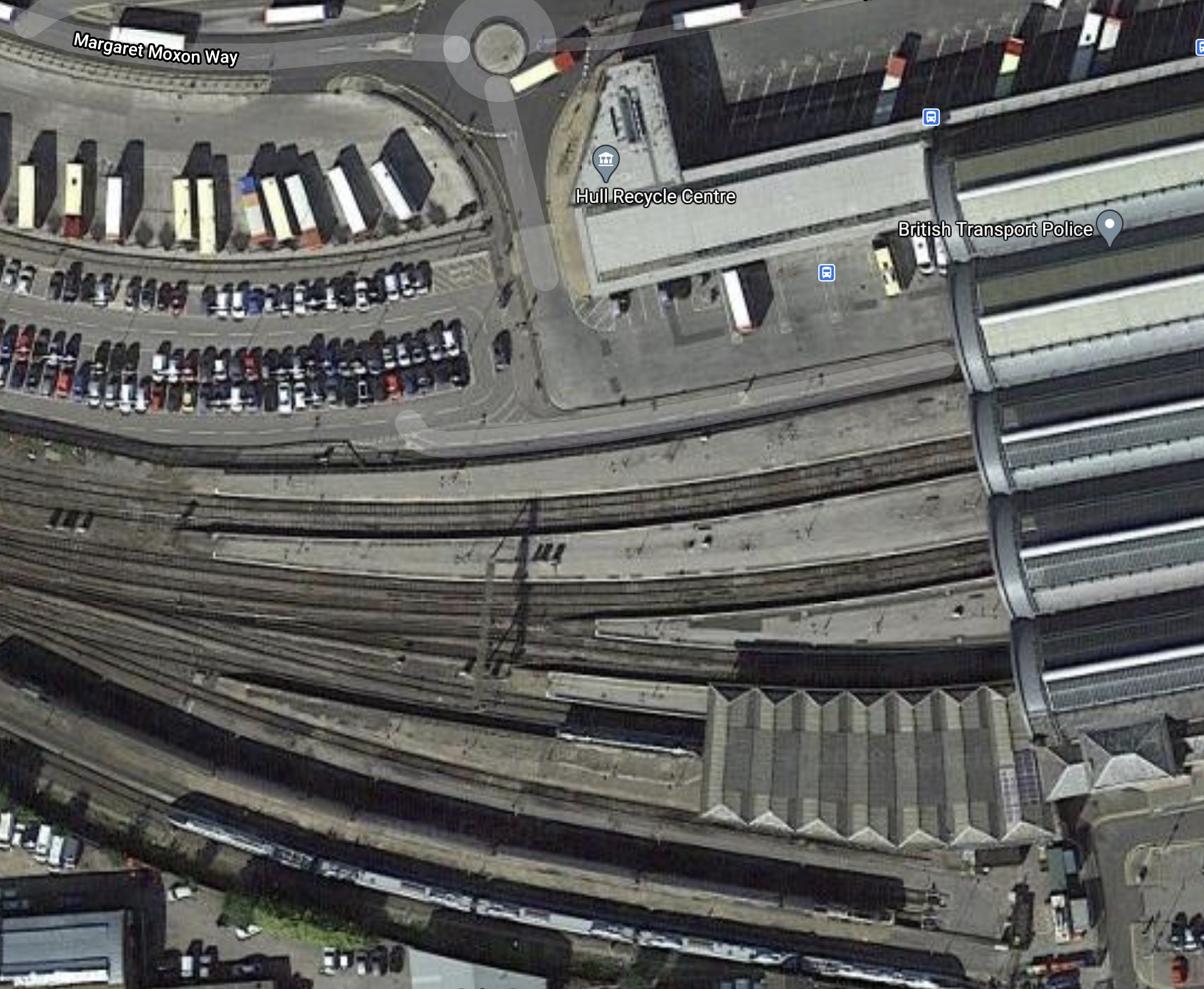
It looks to me, that the station should be capable of updating to have at least four platforms capable of taking trains, that are 200 metres long.
Current Long Distance Services To Hull Station
There are currently, two long distance services that terminate at Hull station.
- One train per hour (tph) – Manchester Piccadilly – two hours
- Eight trains per day (tpd) – London Kings Cross – two hours and forty-four minutes
Both services are run by modern trains.
Improvements To The Current London And Hull Service
I believe Hull Trains and LNER will run between London Kings Cross and Hull using battery-equipped versions of their Hitachi trains, within the next three years.
The trains will also be upgraded to make use of the digital in-cab signalling, that is being installed South of Doncaster, which will allow 140 mph running.
In Thoughts On Digital Signalling On The East Coast Main Line, I estimated that this could enable a two hours and thirty minute time between London Kings Cross and Hull.
It is very likely that the service will be hourly.
Hull Station As A High Speed Station
Plans for High Speed Two are still fluid, but as I said in Changes Signalled For HS2 Route In North, there is a possibility, that High Speed Two could be extended from Manchester Airport and Manchester Piccadilly to Leeds and ultimately to Newcastle and Hull.
In that post, I felt that services across the Pennines could be something like.
- High Speed Two – Two tph between London and Hull via Manchester Airport, Manchester Piccadilly and Leeds
- High Speed Two – One tph between London and Edinburgh via Manchester Airport, Manchester Piccadilly, Leeds, York and Newcastle.
- Northern Powerhouse Rail – One tph between Liverpool and Edinburgh via Manchester Airport, Manchester Piccadilly, Leeds, York and Newcastle.
- Northern Powerhouse Rail – Two tph between Liverpool and Sheffield via Manchester Airport and Manchester Piccadilly
- Northern Powerhouse Rail – Two tph between Liverpool and Hull via Manchester Airport, Manchester Piccadilly and Leeds
There would be four tph between Manchester Airport and Hull via Manchester Piccadilly, Leeds and other intermediate stations.
I estimate that the following timings would be possible.
- London Euston and Hull – two hours and 10 minutes – Currently two hours and forty-four minutes to London Kings Cross
- Liverpool and Hull – one hour and thirty minutes – No direct service
- Manchester and Hull – one hour and three minutes – Currently two hours
As I said earlier London Kings Cross and Hull could be only twenty minutes longer by the classic route on the East Coast Main Line.
I think it will be likely, that both High Speed Two and Northern Powerhouse Rail will use similar High Speed Two Classic-Compatible trains, which will have the following characteristics.
- Two hundred metres long
- Ability to run in pairs
- 225 mph on High Speed Two
- 125 mph and up to 140 mph on Classic High Speed Lines like East Coast Main Line, Midland Main Line and West Coast Main Line and sections of Northern Powerhouse Rail.
It would appear that as Hull station can already handle a nine-car Class 800 train, which is 234 metre long, it could probably handle the proposed High Speed Two Classic-Compatible trains.
I could see the following numbers of high speed trains terminating at Hull in a typical hour would be as follows.
- Two High Speed Two trains from London Euston
- Two Northern Powerhouse Trains from Liverpool Lime Street
- One Hull Trains/LNER train from London Kings Cross
As Hull already has four platforms, that can accept 200 metre long trains, I don’t think the station will have any capacity problems.
Charging Battery Trains At Hull Station
If Hull Trains, LNER and TransPennine Express, decide to convert their Class 800 and Class 802 trains, that run to and from Hull to Hitachi Regional Battery Trains, they will need charging at Hull station, to be able to reach the electrification of the East Coast Main Line at Temple Hirst Junction.
In Thoughts On The Design Of Hitachi’s Battery Electric Trains, I said this about having a simple charger in a station.
At stations like Hull and Scarborough, this charger could be as simple as perhaps forty metres of 25 KVAC overhead electrification.
-
- The train would stop in the station at the appropriate place.
- The driver would raise the pantograph.
- Charging would start.
- When the battery is fully-charged, the driver would lower the pantograph.
This procedure could be easily automated and the overhead wire could be made electrically dead, if no train is connected.
Platforms 4 to 7 could be fitted out in this manner, to obtain maximum operational flexibility.
Full Electrification Of Hull Station
Full electrification of Hull station would also allow charging of any battery electric trains.
I would hope, that any partial electrification carried out to be able to charge trains would be expandable to a full electrification for the station and the connecting rail lines.
A Full Refurbishment
The station would need a full refurbishment and a possible sorting out of the approaches to the station.
But this type of project has been performed at Kings Cross and Liverpool Lime Street in recent years, so the expertise is certainly available.
These pictures are of Liverpool Lime Street station.



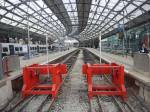

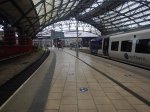
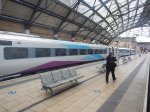
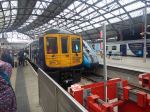
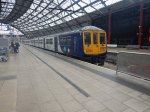

I could see Hull station being refurbished to this standard.
Conclusion
It is my belief that Hull would make a superb terminal station for both High Speed Two and Northern Powerhouse Rail
In the interim, it could be quickly developed as a modern terminal for long-distance battery electric trains to make services across the Pennines and to London zero carbon.
The work could also be organised as a series of smaller work packages, without interrupting train services to and from Hull.
Hopes Rekindled Of Full Midland Main Line Electrification
The title of this post, is the same as that of this article on Rail Magazine.
This is the key section of the article.
During a House of Commons debate on transport on September 17, HS2 Minister Andrew Stephenson said in response to a question from Alex Norris (Labour/Co-op, Nottingham North): “We are currently delivering the Midland Main Line upgrade, which includes electrification from London to Kettering, with additional electrification to Market Harborough being developed.
“Further electrification of the MML is currently at an early stage, but it is being examined by Network Rail.”
Stephenson said the DfT will continue to work closely with NR on the development of a proposal that would include approaches to advancing the delivery of electrification across the route.
The title of the article, probably sums it up well.
Electrification Of The Midland Main Line
Having read lots of stories about electrification of Midland Main Line, I think the following must be born in mind.
- Electrification on the line will reach as far North as Market Harborough station.
- The route between Sheffield station and Clay Cross North Junction will be shared with High Speed Two. It will obviously need to be electrified for High Speed Two.
- The section of the Midland Main Line between Derby and Clay Cross North Junction, runs through the World Heritage Site of the Derwent Valley Mills. The Heritage Taliban will love the electrification, with a vengeance.
- Electrification through Leicester station could be tricky, as the station building and the A6 road are over the tracks and there is limited clearance. Electrification could involve major disruption to the trains for some time.
These are some of the distances involved of sections of the route that are not electrified.
- Market Harborough and Derby are 54 miles apart.
- Market Harborough and Clay Cross North Junction are 67 miles apart.
- Market Harborough and Chesterfield are 70 miles apart.
- Market Harborough and Nottingham are 44 miles apart
- Market Harborough and Leicester are 16 miles apart.
- Derby and Clay Cross North Junction are 21 miles apart.
Since 2017, when electrification for the full route was originally abandoned, there have been big changes in rolling stock technology.
The biggest change has been the development of battery trains.
Hitachi’s Regional Battery Trains
This infographic from Hitachi gives the specification for their Regional Battery Train.
Note.
- The trains have a range of 56 miles on battery power.
- The trains can cruise at 100 mph on battery power.
- Hitachi have said that all of their AT-300 trains can be converted into Regional Battery Trains.
- Trains are converted by removing the diesel engines and replacing them with battery packs.
- I suspect these battery packs look like a diesel engine in terms of control inputs and performance to the driver and the train’s computer.
It is extremely likely, that the bi-mode Class 810 trains, which are a version of the AT-300 train, that have been ordered for the Midland Main Line can be converted into Regional Battery Trains.
These trains have four diesel engines, as opposed to the Class 800 and Class 802 trains, which only have three.
These are reasons, why the trains could need four engines.
- The trains need more power to work the Midland Main Line. I think this is unlikely.
- Four engine positions gives ,more flexibility when converting to Regional Battery Trains.
- Four battery packs could give a longer range of up to 120 kilometres or 75 miles.
It could just be, that Hitachi are just being conservative, as engines can easily be removed or replaced. The fifth-car might even be fitted with all the wiring and other gubbins, so that a fifth-engine or battery pack can be added.
I suspect the train’s computer works on a Plug-And-Play principle, so when the train is started, it looks round each car to see how many diesel engines and battery packs are available and it then controls the train according to what power is available.
London St. Pancras And Sheffield By Battery Electric Train
Any battery electric train going between London St. Pancras and Sheffield will need to be charged, at both ends of the route.
- At the London end, it will use the electrification currently being erected as far as Market Harborough station.
- At the Sheffield end, the easiest way to charge the trains, would be to bring forward the electrification and updating between Sheffield station and Clay Cross North Junction, that is needed for High Speed Two.
This will leave a 67 mile gap in the electrification between Market Harborough station and Clay Cross North junction.
It looks to me, the Class 810 trains should be able to run between London St. Pancras and Sheffield, after the following projects are undertaken.
- Class 810 trains are given four battery packs and a battery range of 75 miles.
- Electrification is installed between Sheffield station and Clay Cross North Junction.
Trains would need to leave Market Harborough station going North and Clay Cross Junction going South with full batteries.
Note.
- Trains currently take over an hour to go between Chesterfield to Sheffield and then back to Chesterfield, which would be more than enough to fully charge the batteries.
- Trains currently take around an hour to go between London St. Pancras and Market Harborough, which would be more than enough to fully charge the batteries.
- Chesterfield station is only three miles further, so if power changeover, needed to be in a station, it could be performed there.
- Leeds and Sheffield are under fifty miles apart and as both stations would be electrified, London St. Pancras and Sheffield services could be extended to start and finish at Leeds.
London St. Pancras and Sheffield can be run by battery electric trains.
London St. Pancras And Nottingham By Battery Electric Train
Could a battery electric train go from Market Harborough to Nottingham and back, after being fully-charged on the hour-long trip from London?
- The trip is 44 miles each way or 88 miles for a round trip.
- Services have either three or eight stops, of which two or three respectively are at stations without electrification.
- Trains seem to take over thirty minutes to turnback at Nottingham station.
Extra power North of Market Harborough will also be needed.
- To provide hotel power for the train, during turnback at Nottingham station.
- To compensate for power losses at station stops.
If 75 miles is the maximum battery range, I doubt that a round trip is possible.
I also believe, that Hitachi must be developing a practical solution to charging a train during turnback, at a station like Nottingham, where trains take nearly thirty minutes to turnback.
If the Class 810 trains have a battery range of 75 miles, they would be able to handle the London St. Pancras and Nottingham service, with charging at Nottingham.
Conclusion
It appears that both the Nottingham and Sheffield services can be run using battery electric Class 810 trains.
- All four diesel engines in the Class 810 trains would need to be replaced with batteries.
- The route between Clay Cross North Junction and Sheffield station, which will be shared with High Speed Two, will need to be electrified.
- Charging facilities for the battery electric trains will need to be provided at Nottingham.
On the other hand using battery electric trains mean the two tricky sections of the Derwent Valley Mills and Leicester station and possibly others, won’t need to be electrified to enable electric trains to run on the East Midlands Railway network.
Will it be the first main line service in the world, run by battery electric trains?

