Midland Main Line Electrification – 4th Jan 2022
I took these pictures from the train today, as I went to Leicester.



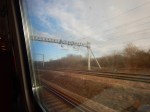

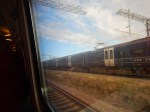
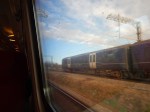
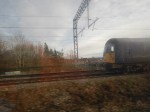
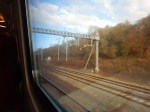
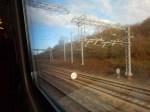



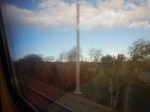
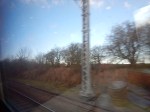

Note.
- We overtook the Class 360 train to Corby, just before it left the main line at Kettering North junction.
- Once past Kettering North junction, the Midland Main Line is only two tracks as far as Leicester station.
- A lot of the gantries on the two slow lines seem tall.
- At least twenty gantries had been installed North of the junction.
Some of the new gantries looked to be lighter than those South of the junction, but then they are only supporting electrification for two tracks, rather than four.
This Google Map shows the junction.
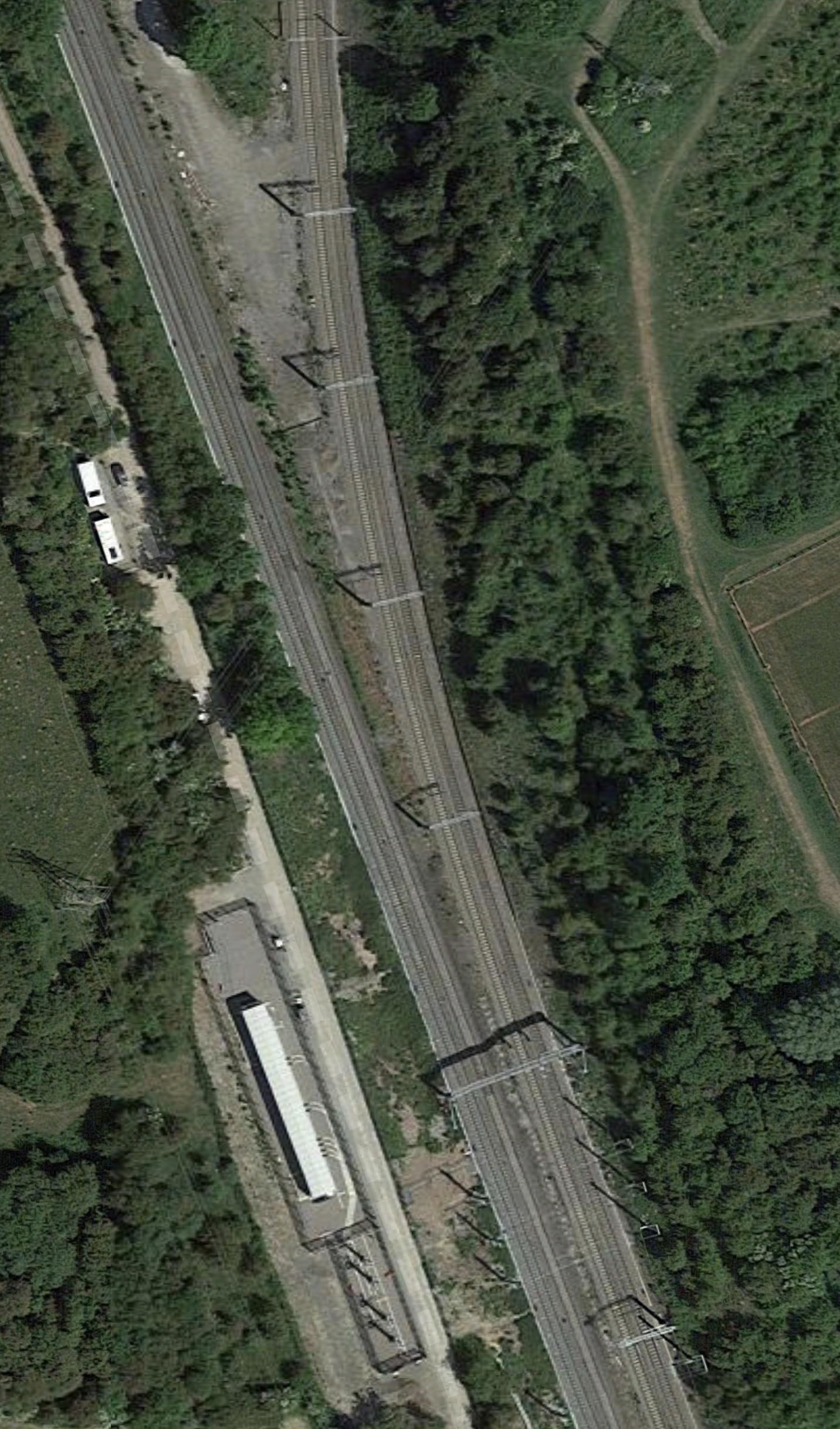
In this section, my train overtook the train to Corby.
- The track going North-West goes to Leicester.
- The track going North-East goes to Corby.
- The track going South goes to Kettering.
- It looks like to the West of the Midland Main Line is a large electricity sub-station.
In the tenth of my pictures you can see the three vertical poles opposite the sub-station, which can be picked out in the map.
The Proposed Mid-Cornwall Metro
In the January 2022 Edition of Modern Railways, there is this description of the Mid-Cornwall Metro.
This would see an hourly service shuttling between the north and south coasts of the county and linking the main population centres at Newquay, St Austell, Truro and Falmouth. This would become the main service on the Newquay branch, and it would take over one of the twice-hourly services on the Falmouth branch, with the other service being a Truro to Falmouth shuttle as now.
Facilitating the Metro idea will be the latest phase of the modernisation of signalling in Cornwall, which will see the upgrade of a level crossing near Truro. Other infrastructure work required is a new passing loop on the Newquay branch at Tregoss Moor and restoration of a second platform face at the terminus at Newquay.
A business case was due to be submitted to the Department for Transport before Christmas 2021.
These are a few thoughts.
The Current Timings
If you look at the distances and timings of the various sections they are as follows.
- Newquay and Par – Five stops – 20.8 miles – 49-52 minutes
- Par and Truro – One stop – 19 miles – 22 minutes
- Truro and Falmouth Docks – Four stops – 11.8 miles – 24 minutes
Note.
- It appears that the Newquay to Par service is three minutes quicker than the other way.
- There will be a reverse at Par, which could take three minutes.
- The Par and Truro times were either GWR Castles or Class 802 trains.
The total time is 98-101 minutes and the total distance is 51.6 miles
Possible Timing
Consider.
- For the ease of timetabling and operation, it is probably best that a round trip between the two Newquay and Falmouth Docks takes an exact number of hours.
- The operating speed between Par and Truro is 75 mph and it is only 50 mph elsewhere.
- Turnround time at Newquay is five minutes.
- Turnround time at Falmouth Docks is 4-6 minutes
For these reasons, I doubt that much improvement could be made on the fastest time of 98 minutes. Certainly, a round trip of three hours would appear impossible.
But a round trip time of four hours would be very sensible.
However, there would be a turnround time of between 19-22 minutes at each end of the route.
This time might seem overly long, but it would be ideal for charging a battery-electric train.
How Many Trains Would Be Needed?
As the round trip will be four hours and an hourly service is needed, there will be a need for four trains to run the service, with the addition of probably two extra trains to allow for one in maintenance and one covering for any breakdowns.
Could The Mid-Cornwall Metro Use Battery-Electric Trains?
This Hitachi infographic shows the specification of the Hitachi Regional Battery Train.

Note
- The range of ninety kilometres is fifty-six miles and a longer distance than Newquay and Falmouth Docks.
- The operating speed of 90-100 mph is ideal.
- The time needed for a full charge at either end is within the timetable, I calculated earlier.
Hitachi Regional Battery Trains would be ideal for working the Mid-Cornwall Metro with a full charge at both ends of the route.
I have used my virtual helicopter to explore the Cornish Main Line between Par and Truro.
If it was decided to electrify the Cornish Main Line between Truro and Par, this could be an alternative way to charge the trains.
- The Mid-Cornish Metro trains should be able to do a return trip to Newquay and Falmouth Docks from the main line without charging at the two terminal stations.
- The electrification would be able to charge battery-electric Class 802 trains between Plymouth and Penzance.
But the extra infrastructure works to raise nine road bridges and several footbridges might blow the budget.
Where Would The Trains Be Serviced?
Great Western Railway has depots at both Penzance and Plymouth and with perhaps a charger at Truro and/or Par stations, the trains should be able to get to either depot at the end of the day.
Trains To Newquay
Wikipedia says this about the services to Newquay station.
The service is irregular with typically one train around every two hours.
As well as the local service, the station handles a number of long-distance trains in the summer. These services include Great Western Railway trains from London Paddington and CrossCountry trains from the North of England and the Scottish Lowlands, which do not stop at intermediate stations between Par and Newquay. On Sundays, there are some local trains and a small number of intercity services. As well as the weekend through trains, in peak summer months there is also a Monday-Friday through Great Western Railway intercity service to and from London, but local trains continue on these days too. Traditionally, there was no Sunday service in the winter, even in the ‘golden age’ between both of the 20th century’s world wars, but the line has a service of three trains each way on Sundays from 11 December 2011.
The Mid-Cornwall Metro will at least come with an hourly service.
But this will mean, that to run other services to the station with the hourly Metro will mean that a second platform will be needed.
I discuss the improvements needed in Beeching Reversal – Transforming The Newquay Line.
This is a quirky video, which describes an architect’s plans for the station.
It is the sort of simple solution, that I like.
Conclusion
I believe that a small fleet of Hitachi Regional Battery Trains could create an iconic Metro for Cornwall, that would appeal to both visitors and tourists alike.
How Much Electrification Will There Be In The TransPennine Route Upgrade?
My visit to Mirfield station which I wrote about in Mirfield Station – 16th December 2021, has prompted me to write this post.
This document on the Network Rail web site, which is entitled Transpennine Route Upgrade , says this about the Huddersfield to Westtown (Dewsbury) section of the project.
Throughout this eight-mile section of the route, we’re proposing to double the number of tracks from two-to-four, electrify from Huddersfield to Dewsbury and make big improvements to the four stations in this section – Huddersfield, Deighton, Mirfield and Ravensthorpe; where we also need to separate the lines going to/from Leeds from the lines going to/from Wakefield, with either a bridge or a tunnel.
This map of the lines was clipped from this article on Modern Railways, shows the proposed track layout.

Note.
- The fast lines are shown in pink.
- The slow lines are shown in blue.
- Huddersfield and Dewsbury stations are eight miles apart and trains typically take ten minutes.
- All fast trains stop at Huddersfield.
- The intermediate stations between Huddersfield and Dewsbury are all on the slow lines.
There will only two tracks West of Huddersfield and East of Dewsbury.
This would very much appear to be a layout built for speed.
These are my thoughts.
The Fastest Run Between Dewsbury And Huddersfield
There will be eight miles of electrified fast line between Dewsbury And Huddersfield and the time will depend on the following.
- The operating speed of the new fast lines.
- How long it takes the trains to accelerate to and decelerate from the operating speed.
- The distance travelled during acceleration and deceleration.
This page on the Eversholt Rail web site, has a data sheet for a Class 802 train, which are used by TransPennine Express and is a bi-mode AT-300 train with three diesel engines.
The data sheet shows that a five-car train can accelerate to 125 mph and then decelerate to a stop in six minutes in electric mode.
A rough estimate gives a distance of 6.25 miles to accelerate and decelerate, so a train will only be at 125 mph for 1.75 miles, which would take 50 seconds.
As trains currently take ten minutes between Huddersfield and Dewsbury, it looks like a saving of three minutes is possible.
This saving could be increased if the trains were able to accelerate and decelerate faster or high speed running were to be possible further towards Leeds.
Will Between Leeds And Dewsbury Be Electrified?
It is likely, that the nine miles of double-track line between Dewsbury and Leeds will be electrified, as this would mean the following.
- TransPennine Express’s Class 802 trains could use electricity all the way between Leeds and Huddersfield.
- Electrification would allow the fast trains to accelerate and decelerate at a maximum rate to and from operating speed, whilst in the new section.
- Electrification would also allow stopping trains to perform their stops on the double-track section to the East of Dewsbury faster.
Timetabling is going to be a challenge.
Will The Slow Lines Between Dewsbury and Huddersfield Be Electrified?
I feel it would be sensible to electrify the slow lines as this would help to make operation simpler and possibly allow stopping services to be run by electric or battery-electric trains.
Battery-Electric Trains Between Huddersfield And Castleford
The current service is as follows.
- It is 21 miles long
- It has a frequency of one train per hour (tph)
- Intermediate stations are Deighton, Mirfield and Wakefield Kirkgate.
- Services seem to take around forty minutes.
- After the completion of the TransPennine Upgrade, all but fifteen miles at the Castleford end of the route, will be electrified.
It looks to me that a battery-electric train with a range of about thirty miles could handle this route.
Battery-Electric Trains Between Wigan And Leeds
The current service is as follows.
- It is 68 miles long
- It has a frequency of one train per hour (tph)
- Intermediate stations are Daisy Hill, Atherton, Walkden, Salford Crescent, Salford Central, Manchester Victoria, Rochdale, Smithy Bridge, Littleborough, Walsden, Todmorden, Hebden Bridge, Mytholmroyd, Sowerby Bridge, Brighouse, Mirfield, Dewsbury, Morley and Cottingley
- Services seem to take around two hours and nine minutes.
- After the completion of the TransPennine Upgrade, the 12.2 mile section to the East of Mirfield station will be electrified.
- Electrification is also planned at the Wigan end of the line and this would electrify the 17.7 mile section between Wigan and Manchester Victoria stations.
- This would leave an electrification gap of 38.1 miles
It looks to me that a battery-electric train with a range of about forty miles could handle this route.
Battery-Electric Trains Between Leeds And Huddersfield
The current service is as follows.
- It is 28 miles long
- It has a frequency of one train per hour (tph)
- Intermediate stations are Bramley, New Pudsey, Bradford Interchange, Low Moor, Halifax and Brighouse.
- After the completion of the TransPennine Upgrade, Huddersfield station will be electrified.
- Under the Integrated Rail Plan for the North And Midlands, it is planned to electrify between Leeds and Bradford Interchange stations.
- This would leave an electrification gap of 18.6 miles
It looks to me that a battery-electric train with a range of about twenty-five miles could handle this route.
Conclusion
By electrifying all the lines in the TransPennine Upgrade, it would allow all the stopping and slower services to be run by battery-electric trains.
This Hitachi infographic shows the specification of the Hitachi Regional Battery Train.
Note that a range on batteries of 90 km is 56 miles.
This train would work all three routes.
I also suspect that CAF’s proposed battery train will have a similar range.
More On Alston’s Hydrogen Aventra and Porterbrook’s HydroFLEX
The December 2021 Edition of Modern Railways has a small article, which is entitled Alstom To Build Hydrogen Aventras.
This is an extract.
Fuel cells will be roof-mounted, and the trains will be powered by hydrogen in conjunction with batteries, without any additional power sources such as overhead electric or diesel. They could be in service in 2025.
I am surprised that the trains can’t use electrification, as surely this would be a great advantage.
Especially, as according to another article, which is entitled New HydroFlex Debuts At Cop, which describes Porterbrook’s converted ‘319’ says this.
The original HydroFlex unit, which like the latest version has been converted from a Class 319 EMU, made its main line debut in September 2020. Porterbrook has invested £8 million in HydroFlex with the new version built over the last 10 months.
Porterbrook says its ability to operate under hydrogen, electric and battery power makes it the world’s first ‘tri-mode’ train. One carriage within the train is given over to the ‘HydroChamber’.
The contents of the ‘HydroChamber’ are given as.
- Storage for 277 Kg. of hydrogen in thirty-six high pressure tanks.
- A 400 kW fuel cell system.
- A 400 kW lithium-ion battery, which can be charged by the fuel cells in 15 minutes.
Does this mean that the battery is a 100 kWh battery that can supply energy at a rate of 400 kW?
This sentence from the article describes the train’s performance.
Porterbrook says the train carries sufficient hydrogen to offer a range of 300 miles and a top speed of up to 100 mph.
A few years ago, I had a chat with a Northern driver about the Class 319 train, which he described as a fast train with good acceleration and superb brakes.
Have Porterbrook and the University of Birmingham just added the ‘HydroChamber’ as an on-board electricity source or have they gone for a full integrated system with new traction motors and regenerative braking to the battery?
The original Class 319 trains worked well without regenerative braking, so I suspect that the simple approach has been used.
But this would make the train ideal for branch lines and extensions without electrification from electrified lines. The following routes come to mind.
- Blackpool South and Colne via Preston
- Manchester Airport and Windermere
- Ipswich and Felixstowe.
- The Borders Railway in Scotland.
The Alstom Hydrogen Aventra might be better on lines without any electrification at all.
Conclusion
My feeling is that both these trains have their good points and limitations and I suspect both will find their niche markets.
Electrifying Derwent Valley Mills
Under the latest plans the Midland Main Line will be electrified.
One problem is electrifying the line through the World Heritage Site of Derwent Valley Mills.
This Google Map shows the Midland Main Line between Belper and Duffield stations.
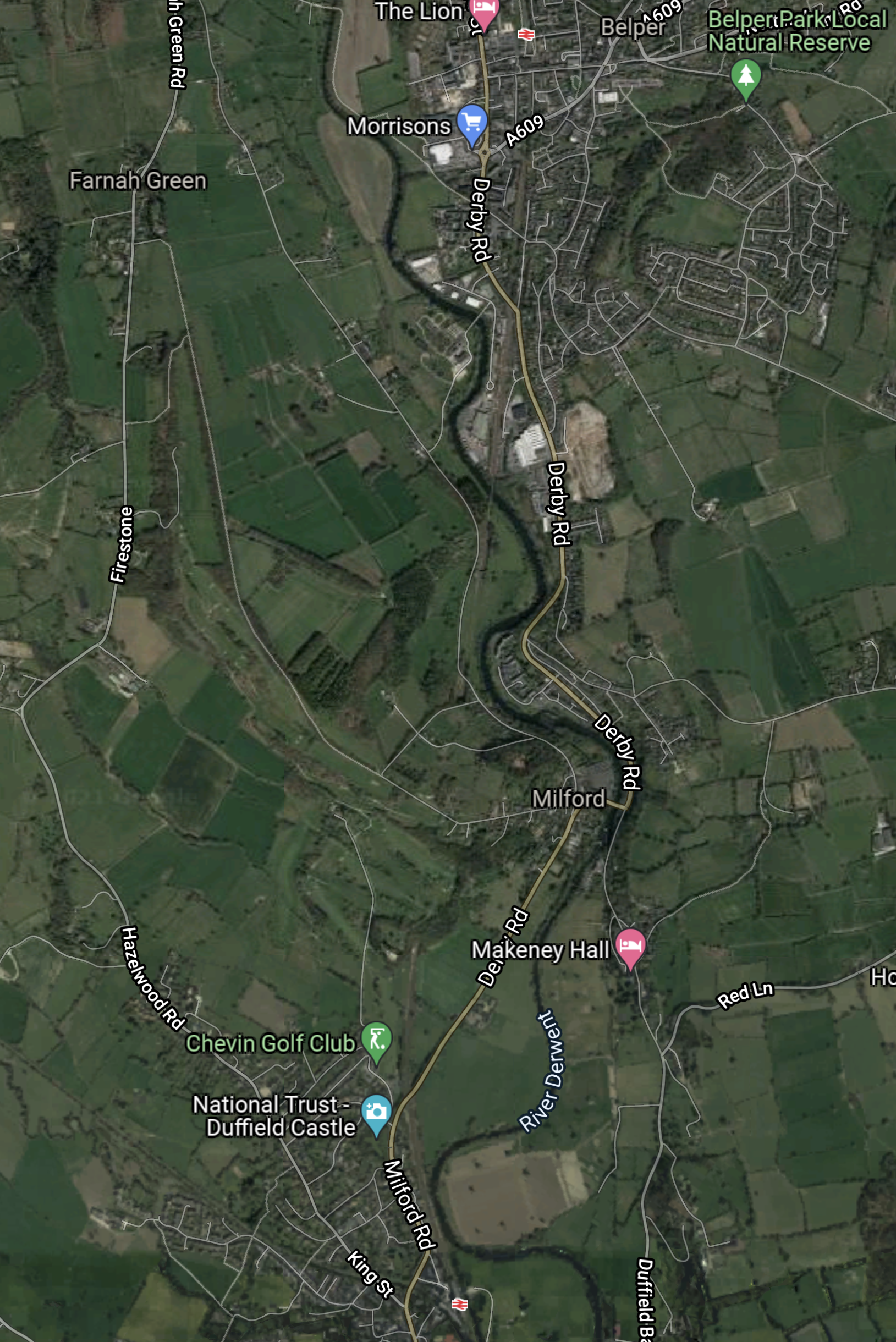
Note.
- Belper with its station is at the North of the map.
- Duffield station is at the South of the map.
In the middle of the map the railway line disappears into Milford Tunnel.
Wikipedia says this about the portals of the tunnel.
Both portals are grade II listed, being part of the Derwent Valley Mills World Heritage Site.
I doubt that the Heritage Taliban would allow the tunnel to be electrified, as they wouldn’t want wires near the tunnels.
But between Belper and Duffield stations is only 4.2 kilometres.
This Hitachi infographic shows their Intercity Battery Hybrid Train, which I described in Hitachi Rail And Angel Trains To Create Intercity Battery Hybrid Train On TransPennine Express.
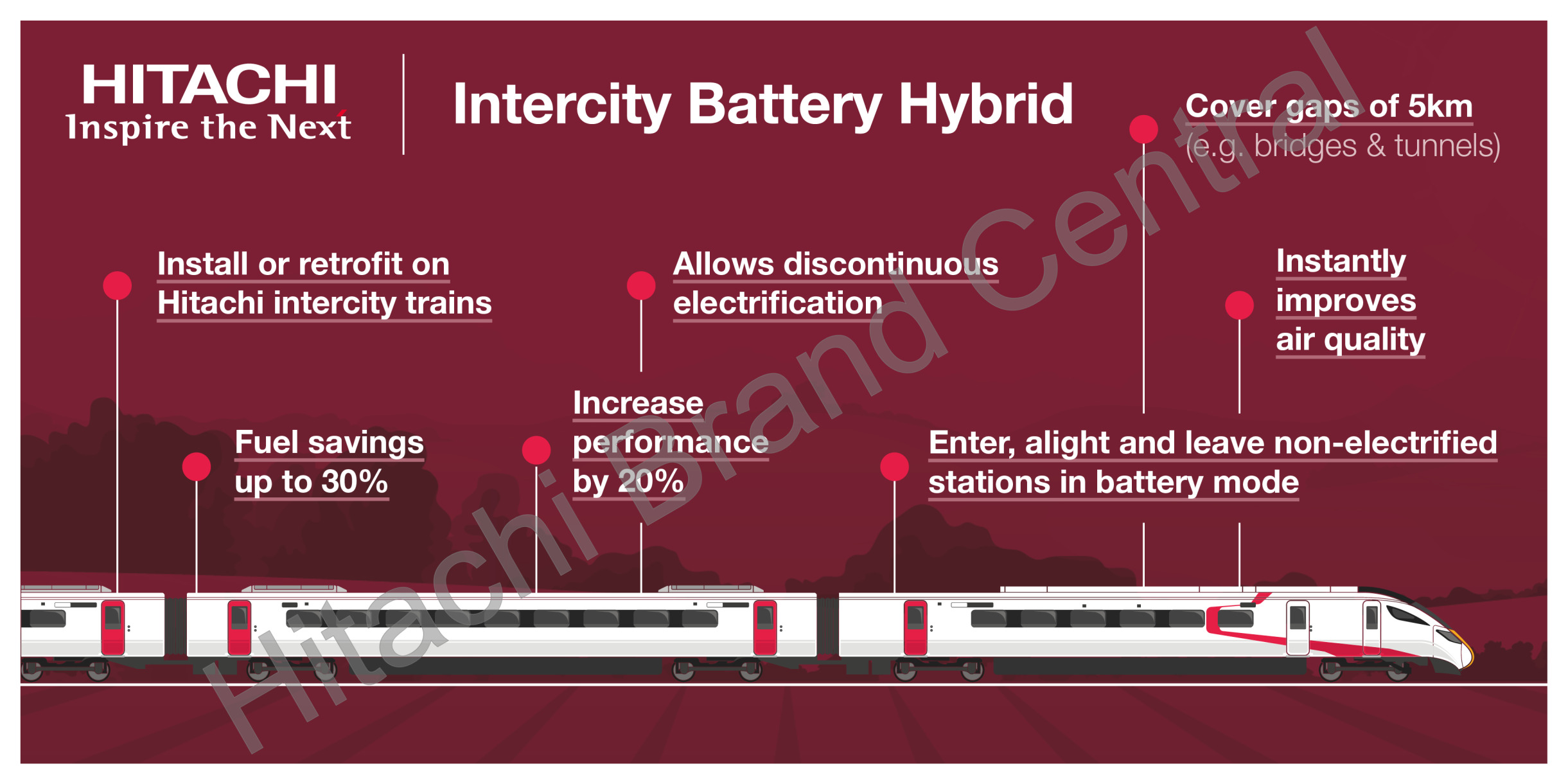
Note that the train can cover gaps of 5 km.
The Class 810 trains, that will be used by East Midlands Railways will have four diesel engines and I’m certain these trains will be able to be retrofitted to be Intercity Battery Hybrid Trains.
The electrification of the line will be discontinuous with no wires between Belper and Duffield stations.
Express trains going between Derby and Sheffield will go through the following procedure.
- Arrive at Duffield station with a full battery, after using the electrification from Derby and the South.
- Drop the pantograph in the area of Duffield station and switch to battery power.
- Proceed through Milford tunnel at an appropriate speed.
- Once under the electrification again at Belper station, they would raise the pantograph and switch to using the electrification.
The problem of electrification of Milford tunnel in the area of the World Heritage Site has been neatly side-stepped.
Alstom Hydrogen Aventras And Extension Of The Birmingham Cross-City Line
In Alstom And Eversholt Rail Sign An Agreement For The UK’s First Ever Brand-New Hydrogen Train Fleet, I give my thoughts on Alstom’s new hydrogen train, which I have called the Alstom Hydrogen Aventra.
In that post, decide that the proposed Alstom Hydrogen Aventras are based on the three-car Class 730/0 trains that have been ordered by West Midlands Trains for Birmingham’s electrified Cross-City Line.
I then go on to say.
There are plans to expand the line in the future and I do wonder if the proposed Alstom Hydrogen Aventras could be the ideal trains for extending the network.
Expansion plans are detailed a section called Future, in the Wikipedia entry for the Cross-City Line, where these plans are indicated.
- Reintroduction of local trains on the Camp Hill Line.
- Extension of electrification and services to Burton-on-Trent via a reopened Alrewas station, which would serve the National Memorial Arboretum.
In addition, the Walsall and Wolverhampton Line is being reopened to passenger trains.
These new and possibly other services will need no new tracks, but more electrification and extra new trains.
In 2015, I wrote Electrification May Be In Trouble Elsewhere, But The Brummies Keep Marching On, which looked at electrification progress in the UK and the Birmingham in particular, where the electrification of the Chase Line seemed to be going well. So unlike in some places, where electrification seems to be accident-prone, Birmingham seems to avoid the sort of problems, that happened in the Preston and Blackpool and GOBlin electrifications.
But the Alstom Hydrogen Aventra gives Birmingham and the West Midlands a unique advantage compared to say Leeds or Manchester.
Birmingham can obtain a unified fleet, which to the passengers and the drivers looks the same, but in fact are two separate classes of three-car trains; the Class 730/0 electric train and the Alstom Hydrogen Aventra.
- Where electrification exists, the Class 730/0 trains will be used and where there is no electrification, the Alstom Hydrogen Aventra will work the route on hydrogen.
- All that is needed is to provide good tracks and signalling and the Alstom Hydrogen Aventras will take you where you want to go.
- Through the centre of Birmingham, these trains will use the existing electrification.
- It would be a network, that would be simple to expand.
The only other English city to use a similar technique will be Liverpool, where Merseyrail’s new Class 777 trains will use battery power outside of the electrified core.
Conclusion
If Birmingham uses their disused but still existing railway lines and adds new trains as required, they can create a world-class suburban network, with the Cross-City Line at its centre
Reopening The Don Valley Section Of The Former Woodhead Line Between Stocksbridge and Sheffield Victoria To Passenger Services
On October 27th this Beeching Reversal Project was given £50,000 to build a case for reopening.
Stocksbridge is introduced like this in its Wikipedia entry.
Stocksbridge is a town and civil parish, in the City of Sheffield, in South Yorkshire, England. Historically part of the West Riding of Yorkshire, it lies just to the east of the Peak District. The town is located in the steep-sided valley of the Little Don River, below the Underbank Reservoir. It blends into the areas of Deepcar, Bolsterstone and the eastern end of Ewden valley around Ewden village, which are also within the civil parish. The population of the civil parish as of the 2011 census was 13,455.
This Google Map shows the area.
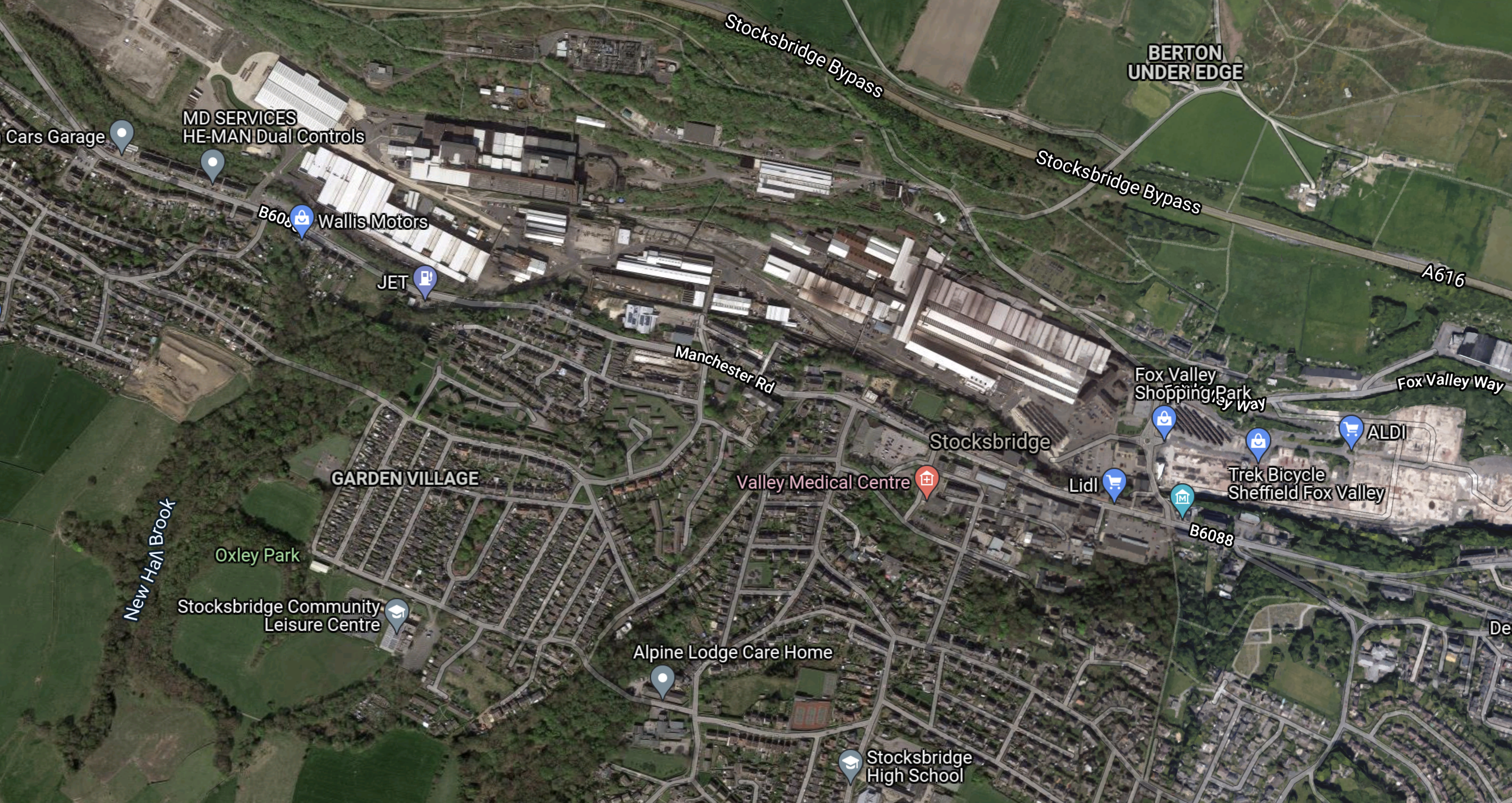
Note there are a large number of steel related industries all connected by an extensive railway system.
This Google Map shows part of the area to a more detailed scale.
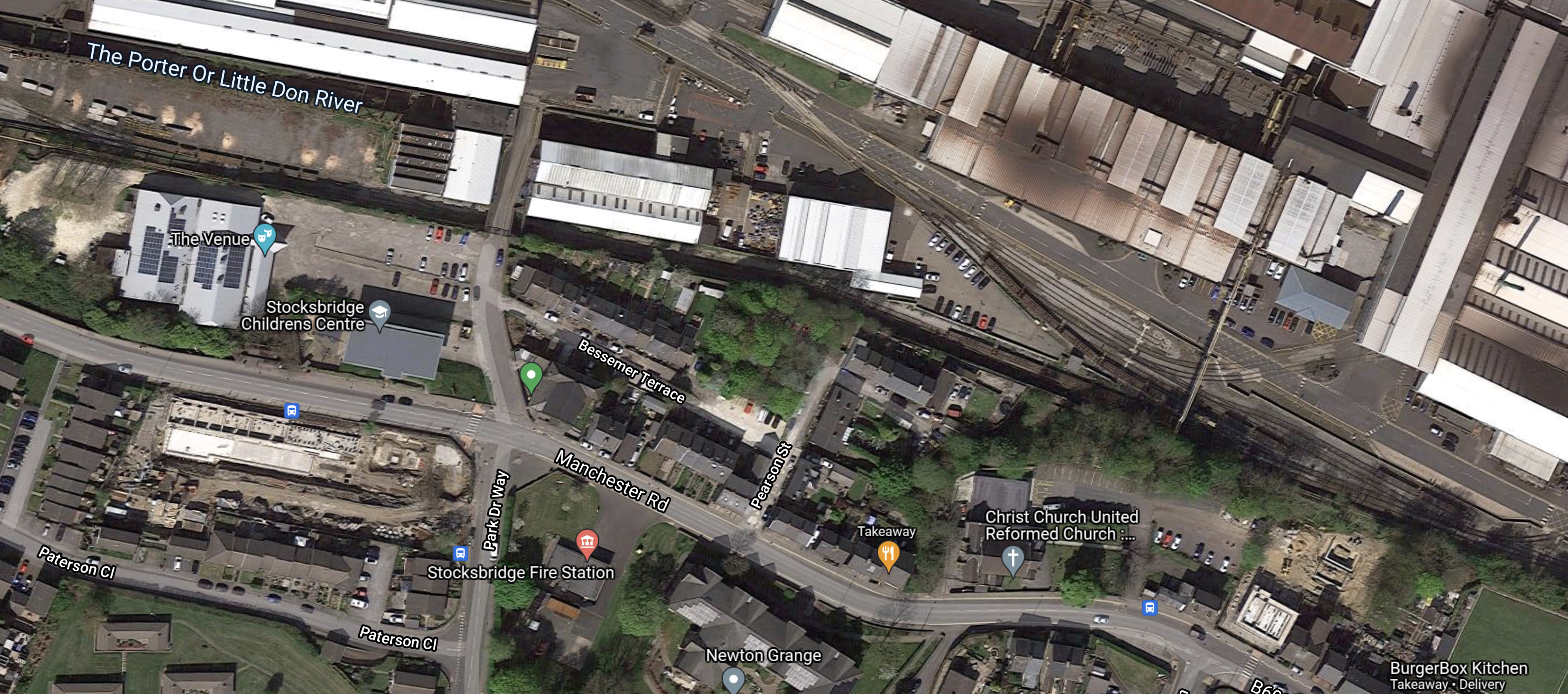
I suspect that a station could be built somewhere to the South of the works.
I have followed the Stocksbridge Railway out to the East and it takes a loop to the South to Deepcar Tram and Railway station, as is shown on this Google Map.
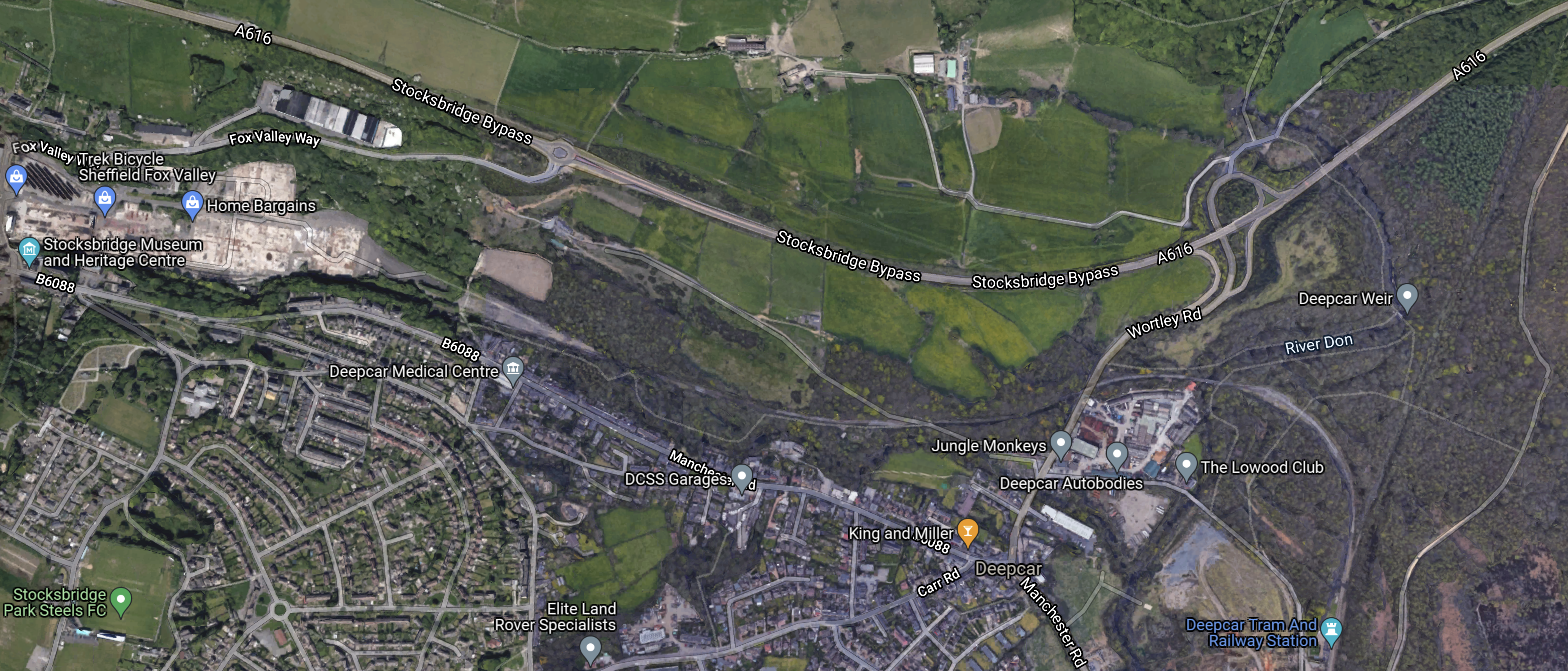
Note.
The Eastern end of the Stockbridge site is in the North-West of the map.
Deepcar station is shown by a blue dot in the South-East corner of the map.
This Google Map shows Deepcar station in greater detail.
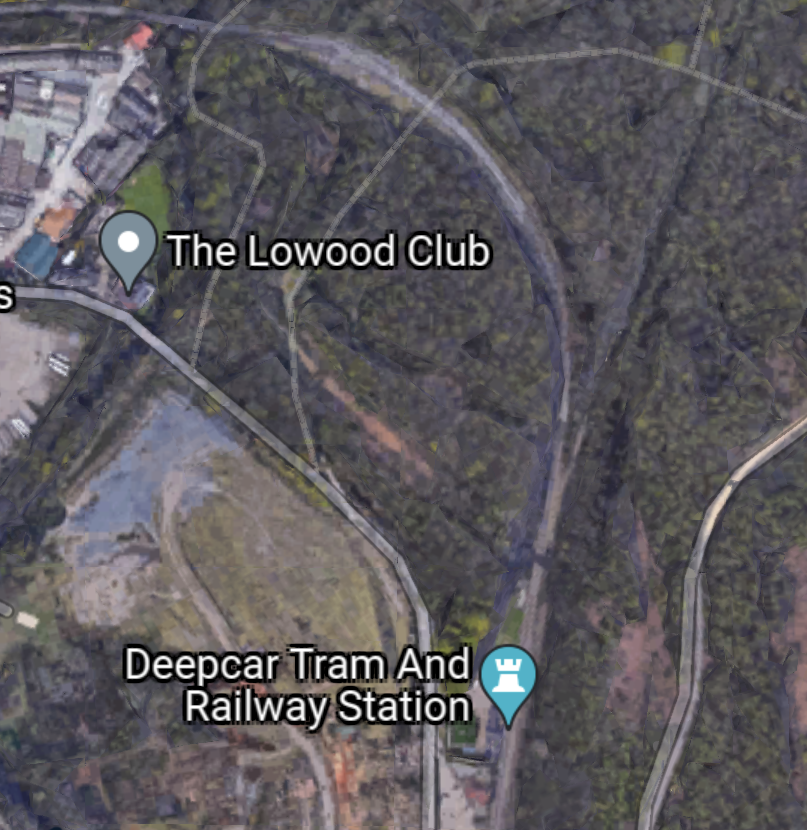
Note.
- The Stocksbridge Railway curving to the West is clearly visible.
- The other railway going North is the former Woodhead Line to Manchester.
This map clipped from Wikipedia shows the Lines through Deepcar station.
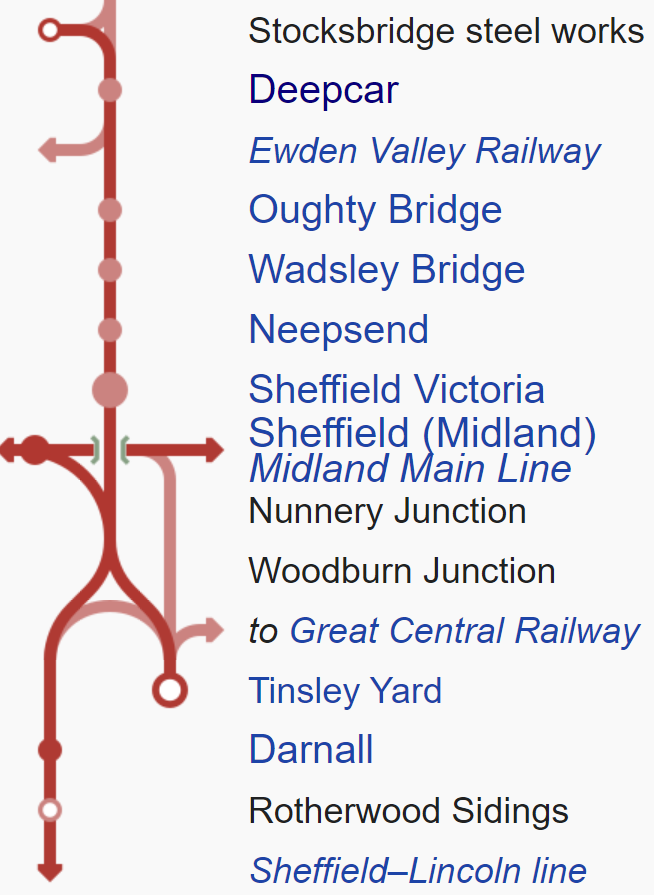
This shows the route between Stocksbridge and the former Sheffield Victoria station.
I have also found this article on the Sheffield Star, which is entitled Passenger Trains Could Return On Sheffield To Stocksbridge Don Valley Railway Line After major Funding Boost.
This is a paragraph.
The plans also involve reopening Sheffield Victoria station, which could serve a new Barrow Hill line to Chesterfield, stopping at Darnall, the Advanced Manufacturing Park, Woodhouse and other new stations, similar funding for which was granted last year.
This would seem to be a sensible plan.
These are my thoughts.
Sheffield Victoria Station
This Google Map shows the site of the Stocksbridge Line going through the centre of Sheffield.

The line starts in the North-West corner of the map and goes diagonally across.
The site of Sheffield Victoria station is at the Eastern edge of the map and is shown enlarged in this Google Map.

The street and hotel names are a giveaway.
There would appear to be space for a simple station with one or two platforms on the single-track through the area.
My preference would be for a single bi-directional platform, as has been used successfully at Galashiels station.
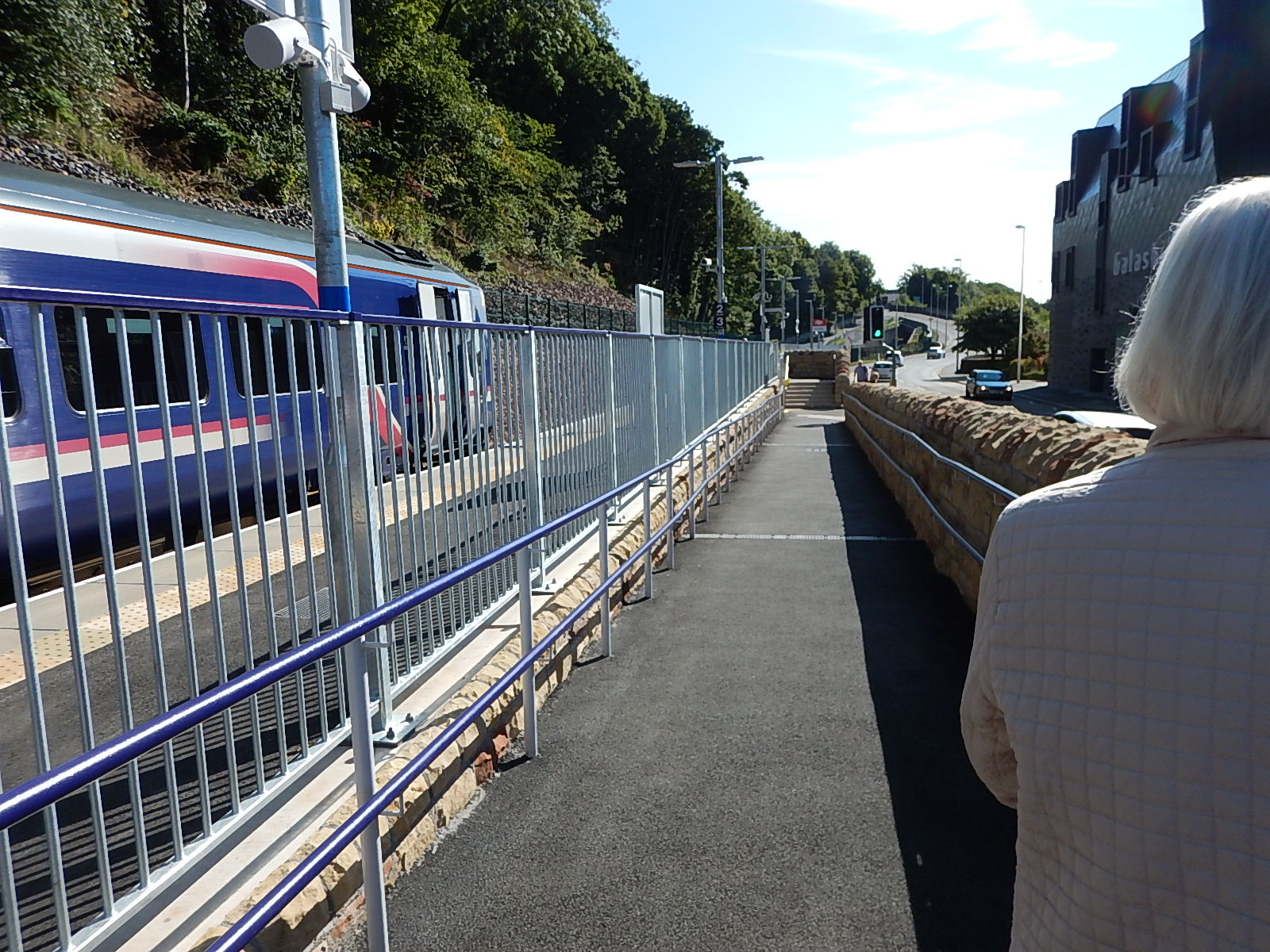
With well-placed passing loops, stations like these can handle two trains per hour (tph) and they can be step-free for all users.
Onward To Chesterfield
The plans as laid out in the paragraph in the Sheffield Star would appear to be feasible.
Darnall and Woodhouse are existing stations.
It would serve the proposed new station at Waverley, that I wrote about in Sheffield Region Transport Plan 2019 – A New Tram-Train Route To A New Station At Waverley.
Chesterfield station will be rebuilt for High Speed Two, so extra platforms could surely be added.
I wrote about plans for the Barrow Hill Line in Reinstatement Of The Barrow Hill Line Between Sheffield And Chesterfield.
It certainly looks to me, that taken together the Barrow Hill and Stocksbridge schemes could be a valuable new railway for Sheffield.
Rolling Stock
I have ridden all over Karlsruhe in Germany on their tram-trains, which are a German variant of Sheffield’s Class 399 tram-trains and I can see no reason, why the combined route couldn’t be designed and built for these trains.
- They are very good on hills.
- They can work on both 750 VDC and 25 KVAC overhead wires.
- The closely-related Class 398 tram-trains in Cardiff will have batteries.
- They are already working successfully in Sheffield.
- There must be design advantages for stations.
- Travellers in Sheffield are used to the tram-trains.
- There is maintenance and operational experience in Sheffield.
It is also my belief, that Class 399 tram-trains would make excellent replacements for Sheffield’s current trams. I wrote about this in Sheffield Region Transport Plan 2019 – Renewal Of Supertram Network.
Electrification
Looking at the Stocksbridge and Barrow Hill Lines together, I believe there is a strong case for electrification of both routes with 25 KVAC overhead wires.
This would enable the following.
- Class 399 tram-trains to work the combined route.
- East Midlands Railway’s Class 810 trains to access Sheffield station via the Barrow Hill Line on electricity.
- Electrified freight trains could use the route.
It could also be an easy route to electrify and be a good start to the electrification of Sheffield, which will happen in the future.
Electrification Between Sheffield And Clay Cross North Junction For High Speed Two
This electrification is needed for High Speed Two’s connection to Sheffield. It will also entail a lot of disruption for trains between Derby and Sheffield.
For these reasons, I believe that opening up the Barrow Hill route early between Sheffield and Chesterfield could be an excellent blockade buster.
Conclusion
There’s more to reopening the Stocksbridge Line, than as a local service in Sheffield.
Railfreight Goes Back To Diesel As Electricity Costs Soar
The title of this post, is the same as that of this article on Railnews.
This is the first paragraph.
Some rail freight operators have abandoned electric traction, at least for now, because the price of electricity has been rising sharply. The electricity tariffs include a 40 per cent renewable energy tax, and following the latest rises diesel traction is now cheaper. The drivers’ union ASLEF is calling for the government to intervene, but Freightliner has already taken action.
This quote from the article is from ASLEF General Secretary; Mick Whelan.
Moving freight by rail rather than road is, inherently, a carbon-efficient mode of transport and an environmentally-friendly way of doing business. Electric-hauled freight services reduce emissions by 99 per cent; even moving goods by diesel traction reduces emissions by 76 per cent.
It looks to me, that a reputable and trusted environmental economist could come up with a compromise price and possibly a solution to improve the situation.
Possible solutions could include.
- Use of Biodiesel or Hydrotreated Vegetable Oil
- More energy storage.
Surely, though, the long term solution is hydrogen-powered locomotives. or dual-fuel locomotives, as I wrote about in Freightliner Secures Government Funding For Dual-Fuel Project.
What Will Happen To The Eighty-Seven Class 350 Trains
At the current time, West Midlands Trains have a fleet of eighty-seven Class 350 trains.
- The trains are being replaced by new Class 730 trains.
- They are of different specifications.
- The interiors vary, but there are a lot of tables.
- All are four-car sets.
- They are 110 mph trains.
- Thirty of the trains are dual-voltage.
- Fifty are owned by Angel Trains.
- Thirty-seven are owned by Porterbrook, who have looked at converting the trains to battery-electric operation.
- They are a bit of a dog’s breakfast, although they are excellent trains.
- The future of the trains is rather uncertain and even Porterbrook’s plans have gone rather quiet.
So perhaps a big dog ought to round up all these trains and turn them into something more useful.
Consider.
- All the trains were built in this century by Siemens in Germany.
- Siemens service the Class 350 trains at Kings Heath Depot in Northampton.
- Siemens have recently opened a factory in Goole to make new trains for the London Underground.
- Siemens are developing the Mireo Plus B, which is a battery-electric multiple unit in Germany.
Siemens must have the knowledge and experience to turn these trains into a quality fleet of battery-electric trains.
- Thirty would be dual-voltage and fifty-seven would be 25 KVAC overhead only.
- All would be 110 mph trains.
- I doubt there would be many places on the UK rail network, where they couldn’t run.
All appear to be in excellent condition, as these pictures show.


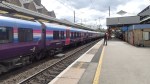
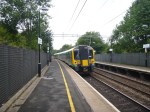
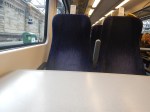
I very much feel, that these fleets could be converted into a quality fleet of very useful battery-electric trains.
Charging The Batteries
Most of the charging would be done from existing electrification, but as all trains have pantographs, they could use specially-erected short lengths of 25 KVAC overhead wires or charging systems like the Furrer + Frey Voltap system.
Possible Routes
I will start with the dual-voltage trains.
- Uckfield Branch, where a charger would be needed at Uckfield station.
- Marshlink Line
- Basingstoke and Exeter, where chargers would be needed at Salisbury and Exeter and possibly Yeovil Junction.
I feel with 25 KVAC overhead applications, we will soon run out of trains.
Battery Train Fast Charging Station Tested
The title of this post, is the same as that of this article on Railway Gazette.
This is the first paragraph.
A prototype Voltap rapid charging station for battery trains has been tested under real-world conditions for the first time.
The Voltap system is from Furrer + Frey and this is the data sheet on their web site, which is entitled Voltap Charging Station For Battery Trains.
Looking at the pictures in the article, the system seems to consist of two components.
- An overhead conductor rail suspended from pantries on the platform.
- A container that contains all the power supplies and control systems.
It certainly looks to be a simple system to install and operate.
- Charging would appear to take place through the pantograph, with no cables to handle.
- It is claimed to be able to charge a train in an extremely short time.
- The system is designed for areas, where the electricity network is perhaps a bit weaker.
- It is available in 15 KVAC and 25 KVAC.
- The system is future-proofed.
I can see these being suitable for several stations in the UK.
Norfolk And Suffolk
As an example, it looks like all the branch lines in Norfolk and Suffolk could be made suitable for battery-electric trains with Voltap systems at Cromer, Felixstowe, Lowestoft, Sheringham, Sudbury and Yarmouth.
Note.
- The Class 755 trains would be converted to battery-electric trains.
- Some stations would need more than one platform to have a charger.
- There may be other chargers to ensure that services like Norwich and Stansted Airport could be run electrically.
These pictures show Class 755 trains in various East Anglian stations.
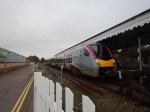

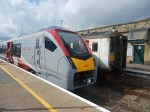
Felixstowe and some other stations may need a slightly different installation due to the narrow platforms, but I’m sure Furrer + Frey have installations for all platforms.
I think Great British Railways are going to need a lot of these chargers and the battery-electric trains to go with them.
The Uckfield Branch
The Uckfield Branch probably needs to have some form of charging at Uckfield station.

The picture shows the single long platform at Uckfield station.
Consider.
- Trains to work the branch will need to be able to use third-rail electrification between London Bridge station and Hurst Green junction.
- Hurst Green junction to Uckfield station and back is probably too far for a battery-electric train, so charging will be needed at Uckfield station.
- Third-rail charging could be used, but I suspect that Health and Safety will say no!
But using a dual-voltage train and a Voltap system at Uckfield station would probably be ideal.
Middlesbrough
From December the 13th, LNER will be running a new daily service between Middlesbrough and London, which I described in LNER’s Middlesbrough And London Service Starts On December 13th.
The route is fully electrified except for between Middlesbrough and Longlands Junction, where it joins the electrification of the East Coast Main Line, which is a distance of twenty-two miles.
Hitachi are developing a battery-train, which they call the Hitachi Intercity Tri-Mode Battery Train, which is described in this Hitachi infographic.

Note.
- LNER’s current Class 800 trains will probably be able to be converted to this train.
- Normally, these trains have three diesel generators.
- A range on battery power of upwards of forty miles would be expected.
If the range on battery-power can be stretched to perhaps sixty miles, this train should be capable of serving Middlesbrough without the need for any extra charging at the terminus.
I have just looked at the planned path of the first train on December 13th.
- The train comes from Heaton depot in Newcastle via Sunderland and Hartlepool.
- It passes through Middlesbrough station.
- It then reverses amongst the chemical and steel works to the East, before returning to Middlesbrough station.
Once back at Middlesbrough station, it waits for eight minutes before leaving for London.
It looks to me to be a safe route, to make sure that the train leaves on time. It also only occupies the platform at Middlesbrough station for less than ten minutes.
But it would also be possible to find space amongst the chemical and steel works to find space for a well-designed reversing siding with refuelling for the diesel-electric trains or a Voltap charging system for a battery-electric train.
Lincoln
I have been looking at the pattern of LNER’s London and Lincoln service today.
- There have been six trains per day (tpd) in both directions.
- Trains going North take up to seven minutes to unload passengers at Lincoln station before moving on to Lincoln Terrace C. H. S., which I would assume is a convenient reversing siding.
- Trains going South wait up to thirty-forty minutes at Lincoln station after arriving from Lincoln Terrace C. H. S., before leaving for Kings Cross.
It looks to me, that if London and Lincoln were to be run by a Hitachi Intercity Tri-Mode Battery Train, that the timings would be ideal for charging the batteries on the train in either the reversing siding or the station.
But surely, the charging system in the station would allow extension of the service to Grimsby and Cleethorpes, which has been stated as being part of LNER’s plans.
This picture shows Lincoln station.

I suspect that Swiss ingenuity could fit a Voltap charging system in the station.
These are a few distances from Lincoln station.
- Cleethorpes – 47.2 miles
- Doncaster – 35.4 miles
- Newark North Gate – 16.6 miles
- Peterborough – 56.9 miles
How many of these destinations could be reached by a battery-electric train, that had been fully-charged at Lincoln station.
 The Anonymous Widower