Is More Capacity Between Heathrow Airport And Central London, Needed On The Elizabeth Line?
I asked Google AI, the title of this post and received this answer.
Yes, additional capacity on the Elizabeth line between Heathrow Airport and Central London is needed to manage high demand, despite it being a major upgrade. While the line has greatly improved connectivity, studies suggest that rising passenger demand, particularly from potential airport expansion, may require increasing services from 6 to 8 trains per hour to prevent future overcrowding.
Key Considerations Regarding Capacity:
High Demand: Passenger demand grew by ~40% between June 2022 and October 2023, with further growth expected.
Infrastructure Constraints: Increasing services beyond 6 trains per hour is challenging due to the need for signaling upgrades and potential platform length limitations.
Alternative Solutions: Experts suggest the Western Rail Link to Heathrow could relieve pressure by allowing direct access from the west, rather than requiring travel into central London first.
Future Upgrades: Further improvements, including enhanced signalling on the Piccadilly line and other rail links, are seen as necessary to handle future passenger surges.
Currently, the Elizabeth line provides up to 12 trains per hour (including Elizabeth line and Heathrow Express) on the relief lines, making it nearly at capacity.
Note.
- When I use the Elizabeth Line, I deliberately avoid trains going to and from Heathrow, unless I’m going that way, as they are too crowded with passengers and oversized cases.
- High Speed Two, the West London Orbital Railway and the North London Line will bring passengers for Heathrow Airport to Old Oak Common station.
- Surely, as Heathrow gets bigger and increases its passenger numbers. the Elizabeth Line will need to be increased in capacity.
I believe Elizabeth Line capacity needs to be increased soon.
The Proposed Lionel Road Station On the West London Orbital Railway
Starting with Lionel Road station may seem a strange place to start, but this important station for supporters of Brentford FC, may in the end define how the new line is designed and built.
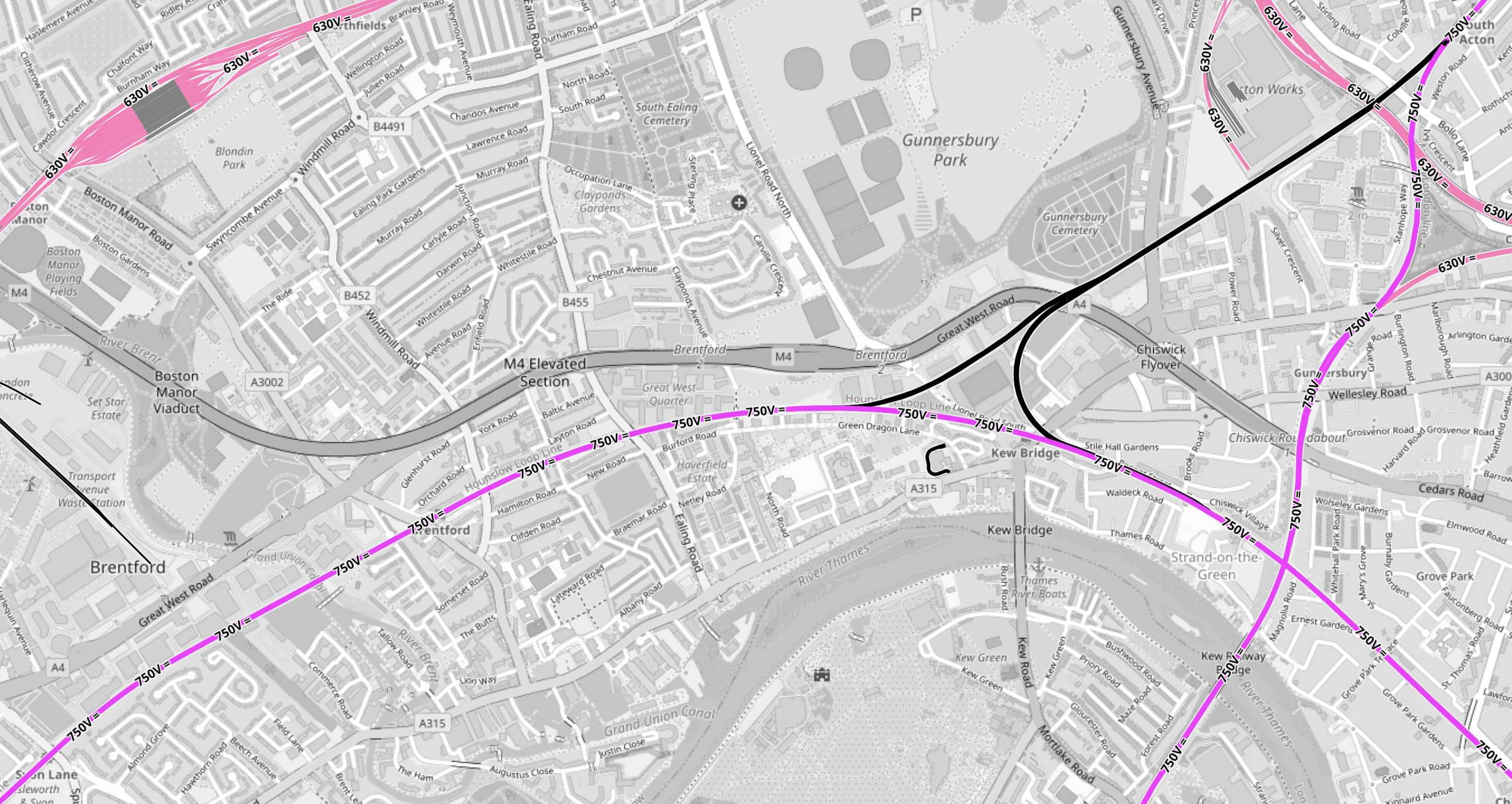
This OpenRailwayMap shows the tracks around the stadium, that has been built for the Premier League football club, which is now called the Gtech Community Stadium.
Note.
- In the North-West corner of the map is the Piccadilly Line branch to Heathrow Airport.
- Northfields Depot is prominent, with the station of the same name to its East.
- South Acton station is in the North-East corner of the map.
- Syon Lane station is in the South-West corner of the map.
- The West London Orbital Railway runs between these two stations.
- Lilac sections are electrified and black sections have none.
- South Acton station is also on the North London Line, which runs North-South to Richmond station off the bottom of the map.
- Syon Lane Station is also on the Hounslow Loop Line, which curves across the bottom half of the map to the South-East corner.
- Click the map to show it to a larger scale.
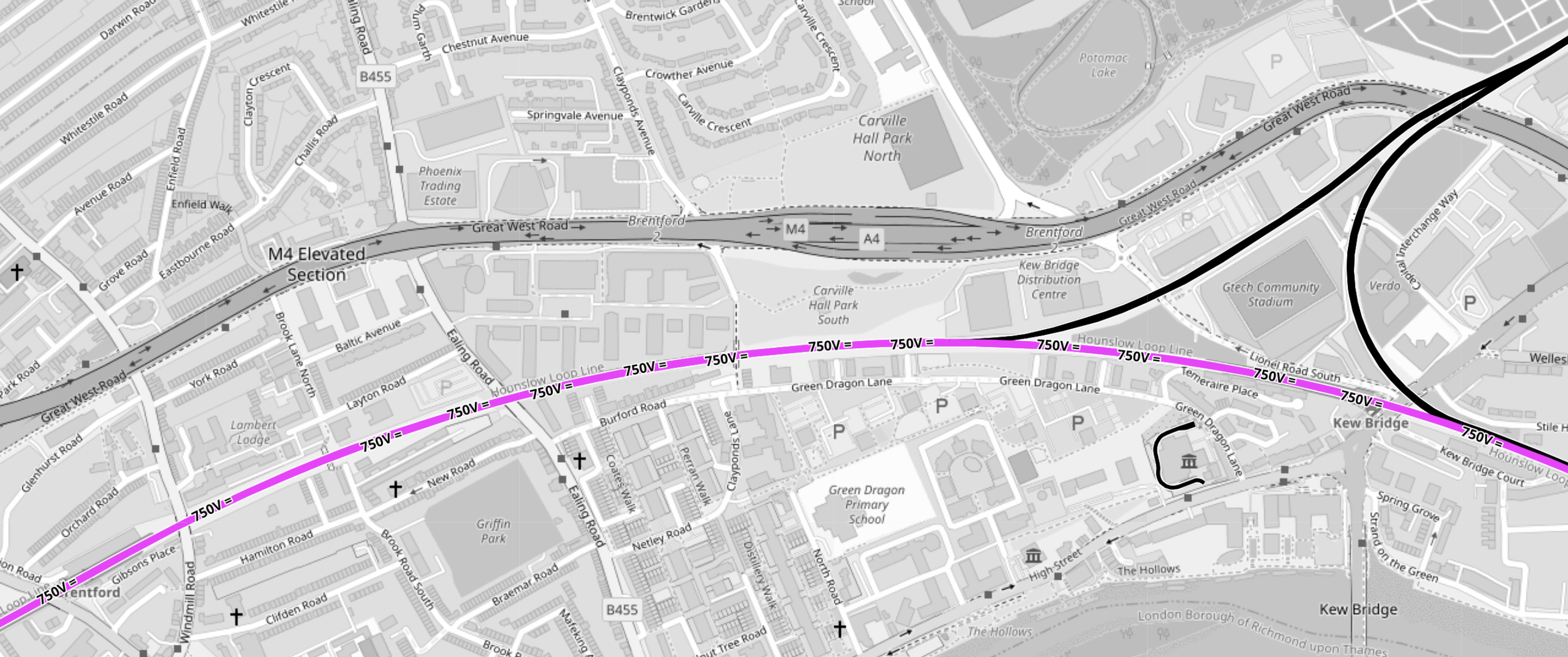
This second OpenRailwayMap shows triangular junction in the middle of the first map to a larger scale.
Note.
- The Gtech Community Stadium sits in the middle of the triangular junction.
- Provision has been made in the layout of the stadium for the station to be on the North-West leg of the triangular junction.
- Kew East Junction is in the North-East corner of the map.
- Old Kew Junction is in the South-West corner of the triangular junction.
- New Kew Junction is in the South-East corner of the triangular junction.
- The lilac track crossing the map is the electrified Hounslow Loop Line.
- The M4/A4 runs across the map
- Only the Southern leg of the triangular junction is electrified.
- Click the map to show it to a larger scale.
These are some of my thoughts.
Lionel Road Station Will Be Unlikely To Be Electrified
Consider
- It will be extremely unlikely that between South Acton station and Old Kew junction will be electrified with third-rail electrification because of safety issues.
- There is a very long chance, that it might be decided to create a 25 KVAC overhead electrified route across London, by means of the North London Line.
- I believe hydrogen trains will be developed for freight services.
- The station will have large numbers of passengers on match-days, so safety may determine an electrification-free station.
- The electrification gap is only 1.4 miles, which is well within range of a battery-electric train.
I think it is more likely that hybrid trains will use what is available.
Will Lionel Road Station Be Step-Free?
Sixty years ago, I used Manchester United station to see a match.
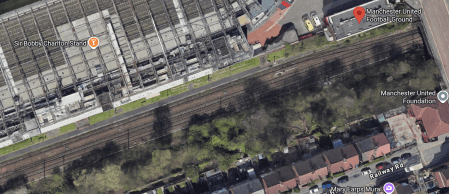
This Google Map shows the station.
Note.
- The station is a single platform tucked in behind the South stand.
- The station entrance is indicated by a red arrow.
- When I went in the 1960s, the train was a steam-hauled shuttle from the city centre.
- This Wikipedia entry gives more details.
I suspect a similar space-saving design could be used at Lionel Road station.
There will be a need for a bridge if the station is used on more than match days.
Will Lionel Road And Kew Bridge Stations Be An Out Of Station Interchange?
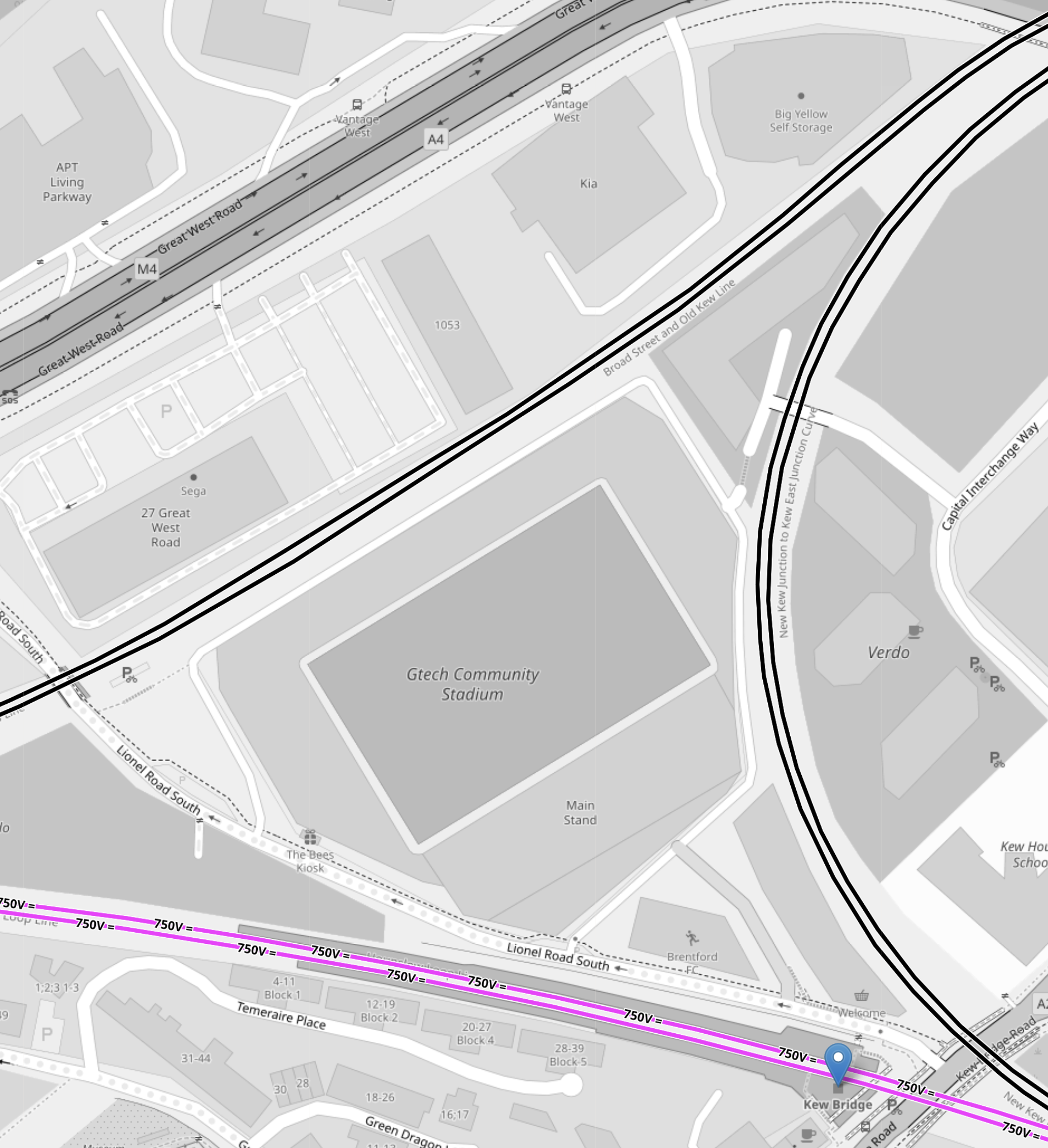
This OpenRailwayMap shows the triangular junction, with the GTech Community Stadium in the middle.
Note.
- Lionel Road station will be on the North-West side of the station.
- Kew Bridge station is marked by a blue arrow.
- There appear to be walking routes all over the plot on which the stadium sits.
- All sides of the junction are double track.
I think an Out-Of-Station Interchange would be useful, especially for those who don’t know the area.
How Easy Will It Be To Get To Lionel Road Station From Major London Stations?
These are my best estimates at a degree of difficulty.
- Bank – 1 Change – Take Central Line with a change at Old Oak Common Lane to Lionel Road.
- Blackfriars – 1 Change – Take Thameslink with a change at Brent Cross West to Lionel Road.
- Bond Street- 1 Change – Take Elizabeth Line with a change at Old Oak Common Lane to Lionel Road.
- Cannon Street – 2 Changes – Get out at London Bridge – Take Thameslink with a change at Brent Cross West to Lionel Road.
- Charing Cross – 1 Change – Take Bakerloo Line with a change at Harlesden to Lionel Road.
- City Thameslink – 1 Change – Take Thameslink with a change at Brent Cross West to Lionel Road.
- Euston – 1 Change – Take Watford DC Line with a change at Harlesden to Lionel Road.
- Farringdon – 1 Change – Take Thameslink with a change at Brent Cross West to Lionel Road.
- King’s Cross – 1 Change – Take Thameslink with a change at Brent Cross West to Lionel Road.
- Liverpool Street – 2 Changes – Get out at Stratford – Take the Overground with a change at South Acton to Lionel Road.
- Liverpool Street – 1 Change – Take Elizabeth Line with a change at Old Oak Common Lane to Lionel Road.
- London Bridge – 1 Change – Take Thameslink with a change at Brent Cross West to Lionel Road.
- Marylebone – 1 Change – Take Bakerloo Line with a change at Harlesden to Lionel Road.
- Moorgate – 1 Change – Take Elizabeth Line with a change at Old Oak Common Lane to Lionel Road.
- Old Street – 2 Changes – Go to Moorgate – Take Elizabeth Line with a change at Old Oak Common Lane to Lionel Road.
- Oxford Circus – 1 Change – Take Bakerloo Line with a change at Harlesden to Lionel Road.
- Paddington – 1 Change – Take Elizabeth Line with a change at Old Oak Common Lane to Lionel Road.
- Piccadilly Circus – 1 Change – Take Bakerloo Line with a change at Harlesden to Lionel Road.
- St. Pancras – 1 Change – Take Thameslink with a change at Brent Cross West to Lionel Road.
- St. Paul’s – 1 Change – Take Central Line with a change at Old Oak Common Lane to Lionel Road.
- Tottenham Court Road – 1 Change – Take Elizabeth Line with a change at Old Oak Common Lane to Lionel Road.
- Vauxhall – 2 Changes – Go to Oxford Circus – Take Bakerloo Line with a change at Harlesden to Lionel Road.
- Victoria – 2 Changes – Go to Oxford Circus – Take Bakerloo Line with a change at Harlesden to Lionel Road.
- Waterloo – Direct – Direct train to Kew Bridge.
- Waterloo – 1 Change – Take Bakerloo Line with a change at Harlesden to Lionel Road
Note.
- It does appear that the connections in stations like Brent Cross West, Harlesden and Old Oak Common Lane, will make a lot of difficult cross-London journeys easier.
- But not many journeys to the GTech Community Stadium, finish at Kew Bridge station.
- Most journeys pick up the West London Orbital at Brent Cross West, Harlesden or Old Oak Common Lane, which probably means these three stations should be step-free.
- As I’ve been writing this, I do wonder if now is the time to create a pedestrian connection between City Thameslink and St. Paul’s stations, that I wrote about in A Pedestrian Connection Between City Thameslink Station And St. Paul’s Tube Station.
I do believe though that there are places on the Central Line, where small projects can give a high return on expenditure.
Conclusion
Surprisingly, this is a lot more than just a station for a Premier League football club.
Can The Signalling Of The London Overground Be Improved?
An article on Modern Railways Online is entitled First To Succeed Arriva On London Overground.
These are two paragraphs of the article.
Under the new concession, which runs for eight years, First Rail London Limited (FRLL) will introduce extra peak time trains on the Mildmay Line from May 2026, more frequent trains on the Windrush Line from December 2026 – up to 18 trains per hour – and upgrade help points and CCTV.
It will also introduce ‘targeted upgrades’ on the Mildmay Line infrastructure to “boost performance for customers.”
It would appear that the signalling is being improved.
So I asked Google AI, the question in the title of this post and received this reply.
Yes, London Overground signalling is actively being improved through major projects like the Windrush Line upgrades (aiming for 18-20 trains per hour) and South London signalling modernisation (Alstom’s new system for better reliability), allowing for increased capacity, faster journeys, and fewer delays, although these upgrades involve planned disruptive works.
It would appear that the improved signalling will lead to more faster and better services.
These have been indicated in the Modern Railways article.
- Extra peak time trains on the Mildmay Line
- More frequent trains on the Windrush Line
I would also expect more freight, open access and other special trains to be able to use London Overground tracks to pass through London.
London has a rail capacity problem, for both freight and passenger trains.
This report from Network Rail is entitled The London Rail Freight Strategy (LRFS).
I have written a series of posts based on this report.
- Decarbonisation Of London’s Freight Routes
- Doubling Harlesden Junction
- East Coast Main Line South Bi-Directional Capability
- Gauge Improvements Across London
- Gospel Oak Speed Increases
- Headway Reductions On The Gospel Oak To Barking, North London and West London Lines
- Heavy Axle Weight Restrictions
- Kensal Green Junction Improvement
- Longhedge Junction Speed Increases
- Moving The West London Line AC/DC Switchover To Kensington Olympia
- Moving The West London Line AC/DC Switchover To Shepherd’s Bush
- Nunhead Junction Improvement
- Stratford Regulating Point Extension
- Will Camden Road Station Get A Third Platform?
- Will Clapham Junction Station Get A Platform 0?
There is certainly work to be performed on London’s railways to increase the total number of freight trains, that pass through and around the capital.
Conclusion
I believe that as has been shown on the Lizzie Line, Thameslink, the East Coast Main Line and other lines around the world, that the number of trains per hour on the Overground can be increased to meet the objectives stated in the Modern Railways article.
What Is The Peak Frequency Of The East London Line?
I asked Google AI, the question in the title of this section and received this reply.
The East London Line (now part of the Windrush Line, London Overground) has peak frequencies of around every 4-6 minutes (10-15 trains per hour) on its busiest sections, though some parts might see higher frequencies, generally offering a very frequent service through East London during peak times. Specific frequency can vary by section (e.g., Stratford-Lewisham, Canary Wharf-Lewisham), but generally, you can expect trains every few minutes during weekday rush hours (around 06:30-09:30 & 16:00-19:00).
I do think that Google AI has got its DLR and its East London Line mixed up.
But even if we accept that current East London Line service needs 15 tph and the new capacity will be the Modern Railways article figure of 18 tph, that’s still an increase of 3 tph through the Thames Tunnel-section of the East London Line.
What Is The Peak Frequency Of The North London Line?
I asked Google AI, the question in the title of this section and received this reply.
The North London Line (NLL), part of London Overground, typically runs 8 trains per hour (tph) during weekday peaks, with plans to increase this with infrastructure upgrades like digital signalling and longer trains to meet growing demand and integrate with Crossrail/HS2. While 8tph has been a target, the line also carries significant freight, impacting passenger service frequency, with older plans aiming for 6-8tph peaks and even longer trains (3-4 cars) for capacity.
The peak frequency of trains on the North London Line appears less than the East London Line, so I would assume, that like the East London Line, it could probably squeeze in another 3 tph.
When you consider that the working day is over eighteen hours, 3 tph means nearly an extra sixty trains per day on both the the East and North London Lines.
Could This Extra Capacity On The East and North London Lines Created By Improved Signalling Be Used For Extra Services?
Consider.
Every train of the service, would need its own path.
- A typical four tph Overground service like Dalston Junction and New Cross would need four paths per hour.
- A typical freight service would need a dedicated path.
- A typical long-distance passenger service would need a dedicated path.
There are certainly possibilities.
Inside A Class 99 – The UK’s Most Powerful Locomotive
The title of this post, is the same as the title of this YouTube video.
This locomotive and its siblings, which can run on both electrification and diesel is the future of rail freight in the UK and GB Railfreight have ordered thirty of them.
Hopefully, by the end of the year, I’ll see one of these locomotives running along the North London Line, through Highbury & Islington and Dalston Kingsland stations.
At the present time, there are 480 Class 66 diesel freight locomotives in the UK. A substantial amount of carbon emissions would be saved, if as many as possible of Class 66 locomotives as possible were replaced by Class 99 locomotives.
These Class 99 locomotives will literally turn the rail freight business upside down.
Can These Locomotives Be Converted from Diesel To Hydrogen Power?
Stadler or Cummins have not said, but Cummins are decarbonising the company.
Already, large American trucks fitted with the latest Cummins engines can be converted to hydrogen. I write about this in Cummins Debuts Integrated HELM Drivetrain At IAA.
Cummins are also supplying Wrightbus with engines for the next generation of low-emission bus, as I wrote about in Wrightbus StreetDeck Ultroliner Next-Gen To Get Cummins Power.
Did Stadler fit a Cummins diesel engine in a Class 99 locomotive, as they know that every Class 99 locomotive or similar locomotives for other markets can be converted to hydrogen?
It is strange but very heartening, that when we have an American President, who thinks that climate change is fake news, one of the United States, largest and most iconic companies is leading the charge to decarbonisation.
Did Plans For Crossrail Ever Include A Station At Holborn?
I have only one North-South bus route, where I live.
The 141 bus connects Palmers Green and London Bridge station.
- The 141 bus was the replacement for the 641 trolley bus, which was the main link between Wood Green, Turnpike Lane and Harringay, and the City of London, when I was a child.
- The vehicles are up to ten years old Wrightbus diesel hybrids.
- The route suffers badly from overcrowding as it connects, Bank and Moorgate stations in the City of London, with the outer reaches of the Piccadilly Line.
The overcrowding on the 141 bus route has got worse in the last couple of years because of the following.
- The rebuilding of London Bridge station brought more passengers to the 141 bus route.
- The opening of the new London Bridge bus station at London Bridge station has improved access to the buses at London Bridge station.
- The improvement of the connection of the buses to the Docklands Light Railway, Central Line and Northern Line at Bank station.
- The opening of the Battersea branch of the Northern Line, which brings more passengers to Bank station.
- The opening of the new Cannon Street entrance to Bank Underground station.
- The opening of the Elizabeth Line through Moorgate station.
- Recently, a new walking route between Moorgate and Liverpool Street was opened, which will bring more passengers to the buses on Moorgate.
- The rebuilding of Old Street station brought more passengers to the 141 bus route.
So what was the response of the Mayor and Transport for London, to all this increase of passenger numbers?
The 21 bus, which shadowed the 141 route, and doubled the number of buses through where I live, was moved to serve Holloway.
It was a big crime against mathematics and the wishes of our long-serving Labour MP; Meg Hillier.
So to handle many more passengers between London Bridge station and Newington Green through the City of London, the number of buses was halved.
I believe that the overcrowding will get worse because of the improvements, that Transport for London have planned.
- The Piccadilly Line will be getting new air-conditioned trains within a couple of years and these will inevitably attract more passengers to the line.
- On the other hand the air-conditioning may persuade passengers to use the Piccadilly Line more than they do now. Instead of changing to the 141 bus at Manor House station, passengers could change at Finsbury Park, King’s Cross St. Pancras or Holborn stations for other routes to the City of London.
- The third line to receive the new air-conditioned trains will probably be the Central Line, which would create another East-West air-conditioned line and bring more passengers to Bank station.
- The Central Line could give some relief for the buses through Bank, if an extra station was built on the Central Line to interchange with Shoreditch High Street station on the East London Line of the London Overground.
- The fourth line to receive the new air-conditioned trains will probably be the Waterloo and City Line, which would create another air-conditioned line and bring more passengers to Bank station.
- It is likely, that more services will be added to the Elizabeth Line, which will bring more passengers to Moorgate station.
- It is likely, that more services will be added to the Northern City Line, which will bring more passengers to Moorgate station.
- The Mayor is also planning to pedestrianise Oxford Street, which may fill up the Central Line with extra passengers.
It looks to me, that there will be a need for a large increase of bus capacity through the City of London on a North-South axis.
On the other hand, the City of London have stated that they will pedestrianise many of their streets.
So what can be done to avoid gridlock in the City of London?
Develop The Northern City Line At Moorgate
I use this route regularly to and from Moorgate station.
- It already has new Class 717 air-conditioned trains.
- The route is already digitally signalled in conjunction with the East Coast Digital Programme.
- It has two platforms at Moorgate station.
- Highbury & Islington station has interchanges with the Victoria Line and the North and East London Lines of the London Overground.
- Finsbury Park station has interchanges with the Victoria Line and National Rail services.
- Bowes Park station has an out of station interchange with Bounds Green station on the Piccadilly Line.
- Step-free access needs improving.
- The Victorians had plans to extend the line to Lothbury near Bank station.
If the Northern City Line could handle more passengers, would passengers get to all parts of the City of London by changing at Finsbury Park and walking from Moorgate or Old Street stations?
I regularly go between my house and Moorgate, by taking a bus to Essex Road station and using the Northern City Line.
I believe that with improvements on the Northern City Line, the line could be turned into a very valuable part of London’s rail infrastructure.
Connect The Central Line And The East London Line At Shoreditch High Street Station
I wrote about this proposal in Will Shoreditch High Street Be Connected To The Central Line?
The Elizabeth Line needed to be completed before this could be started.
Build The Western Extension Of The Docklands Light Railway
I wrote about this proposal in The Bank Station Upgrade And The Western Extension Of The DLR.
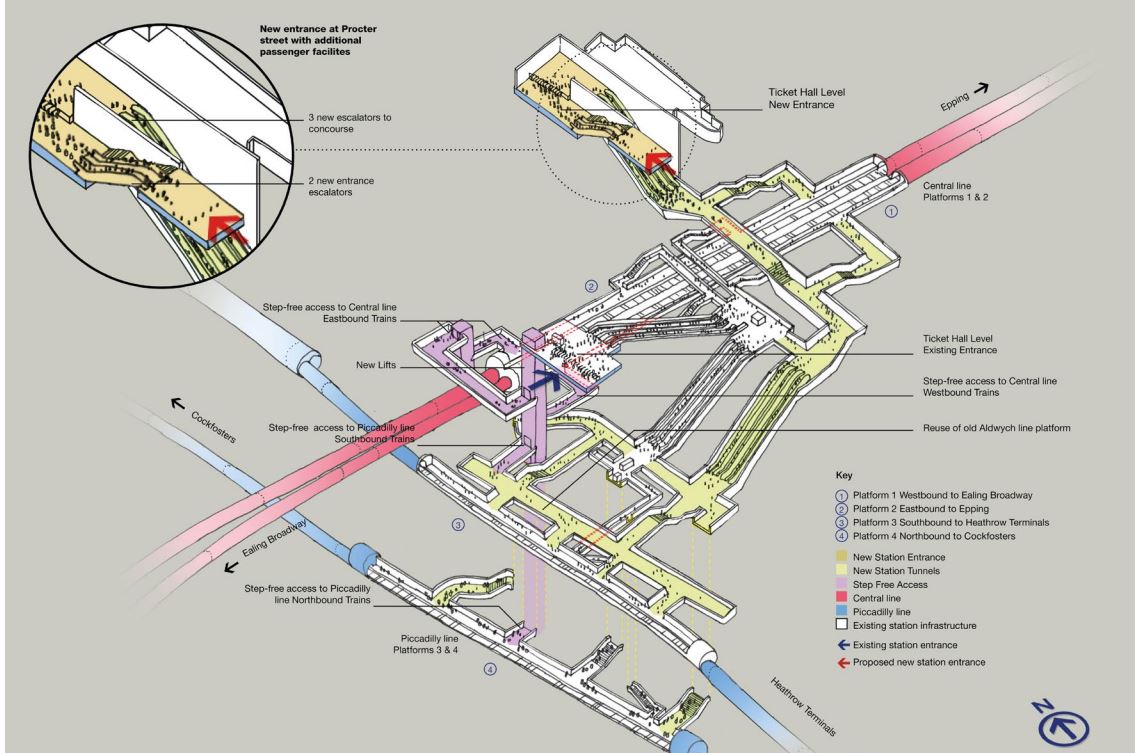
Rebuild Holborn Station
The interchange between Piccadilly and Central Line at Holborn station is difficult to say the least.
Holborn station is being extended with a new entrance. As with Euston, I suspect it has been designed with a feasible place for DLR platforms to be added.
This document on the TfL web site, gives more details of what is proposed at Holborn station.
I extracted this visualisation of the proposed station.
This map from carto.metro.free.fr shows the lines in the through and around the station.
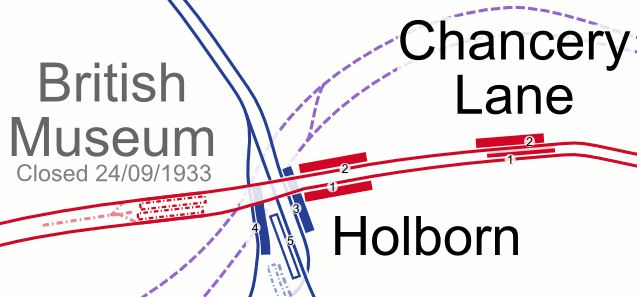
.Note, the Elizabeth Line, which is shown by dotted lines passes to the North of the station.
Conclusion
Not all these improvements need to be done, but each would improve transport in the City of London.
Five-Car Class 710 Train On The North London Line
I had my first ride on a five-car Class 710 train on the North London Line, this week.
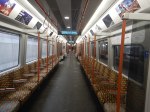
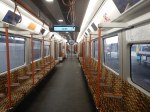
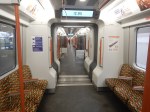
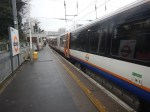
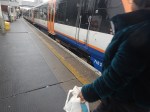
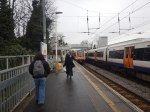
I just took the train from Stratford to Hackney Central stations, so I could get the 38 bus home.
Could Manchester Airport Be Accessed From The West By A Tunnel Under The M56?
This OpenRailwayMap shows the railways of East London between Dalston Junction and Stratford International stations.

Note.
- Dalston Kingsland station is marked with an arrow in the West of the map.
- Stratford International station is marked by the blue lettering in the East of the map.
- The orange line between them is the North London Line.
- There are also two pink lines, which indicate High Speed One, which is dug several metres below the North London Line.
It can’t be much different to dig a high speed railway underneath a motorway. Has anybody done this?
This OpenRailwayMap shows the railways leading to Manchester Airport.
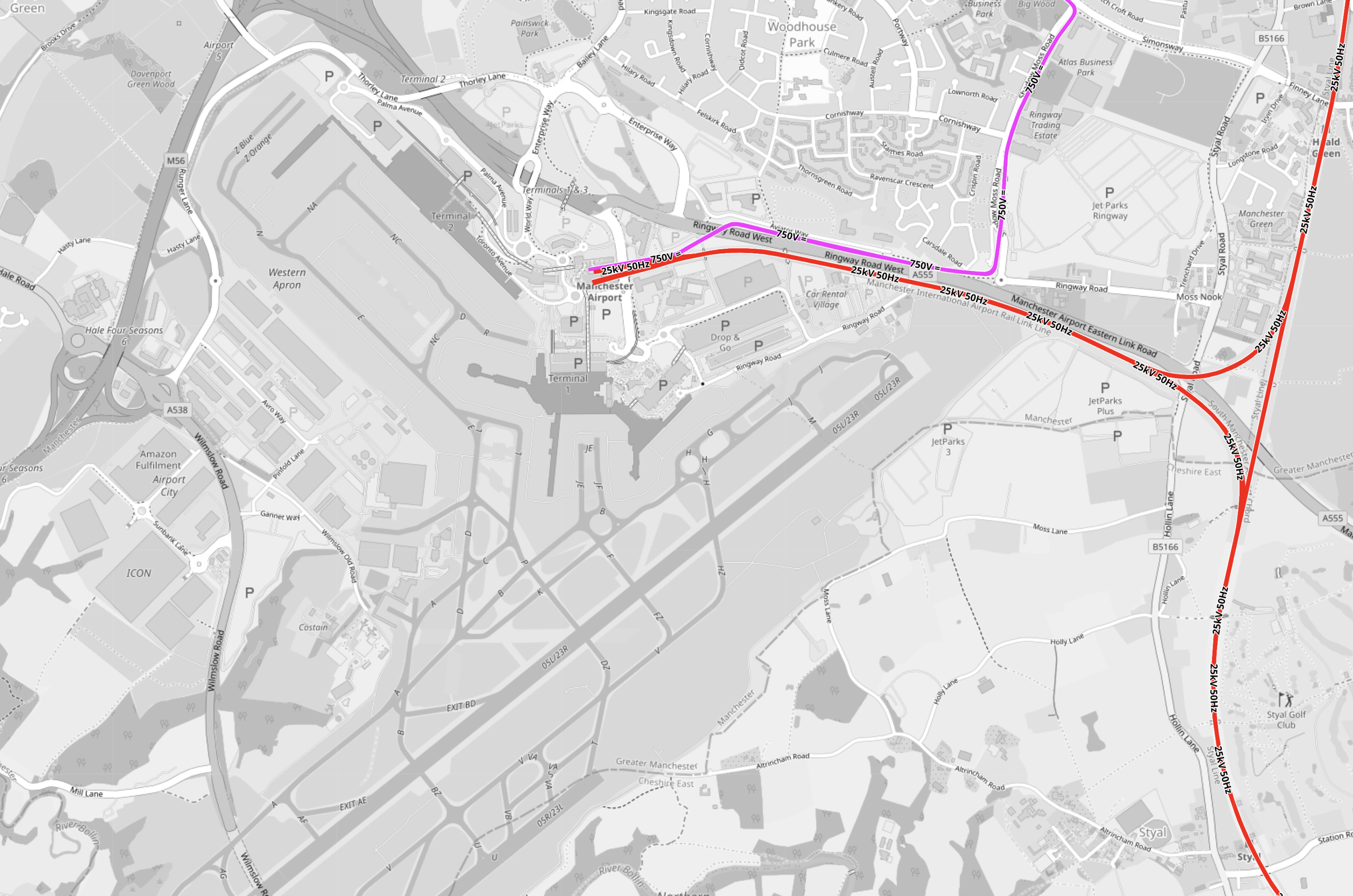
Note.
- Junctions 5 and 6 of the M56 motorway are on the Western edge of the Airport.
- The red tracks are the Styal Line.
- The mauve tracks are the Metrolink.
- It should be noted that railway lines pass under Heathrow Airport’s runways.
Point 4 makes me sure, that Manchester Airport can have a station connected to the West by a railway under the M56.
This OpenRailwayMap shows the railways around Weaver Junction on the West Coast Main Line, where the trains branch off to Liverpool.

Note.
- The West Coast Main Line goes down the Eastern side of the map.
- Warrington Bank Quay is the next station to the North.
- The Liverpool Branch goes off to the West.
- The M56 tuns diagonally across the map from the North-East corner crossing both both branches of the West Coast Main Line.
This Google Map shows where the M56 crosses over the West Coast Main Line to Warrington Bank Quay.
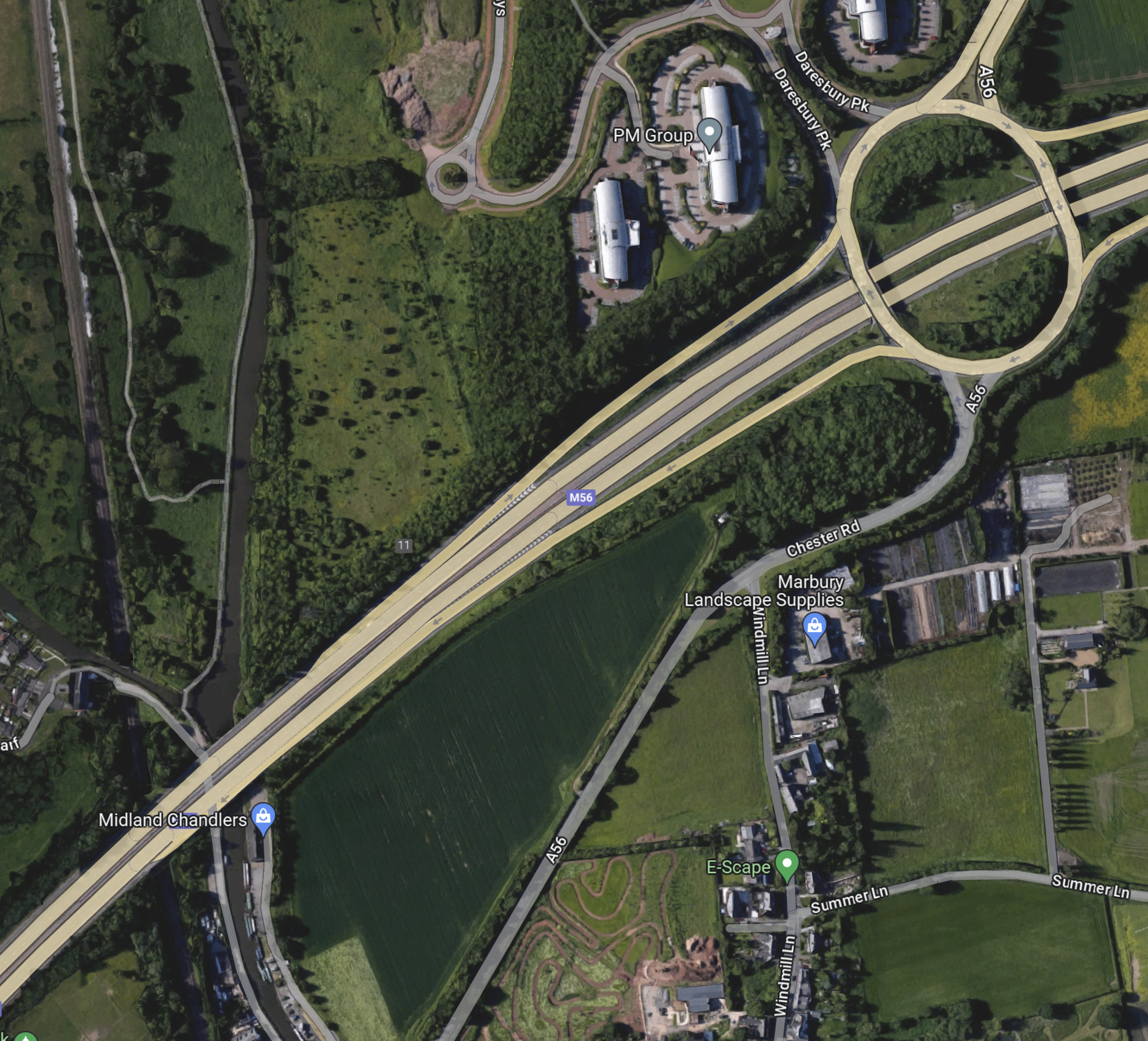
Note.
- The M56 motorway is obvious.
- The Eastbound motorway goes to Manchester Airport and Manchester.
- The junction is numbered 11.
- The railway runs down the Western side of the map.
I believe that it would be possible to connect a railway running East under the motorway to the West Coast Main Line.
This Google Map shows where the M56 crosses over the Liverpool branch of the West Coast Main Line.
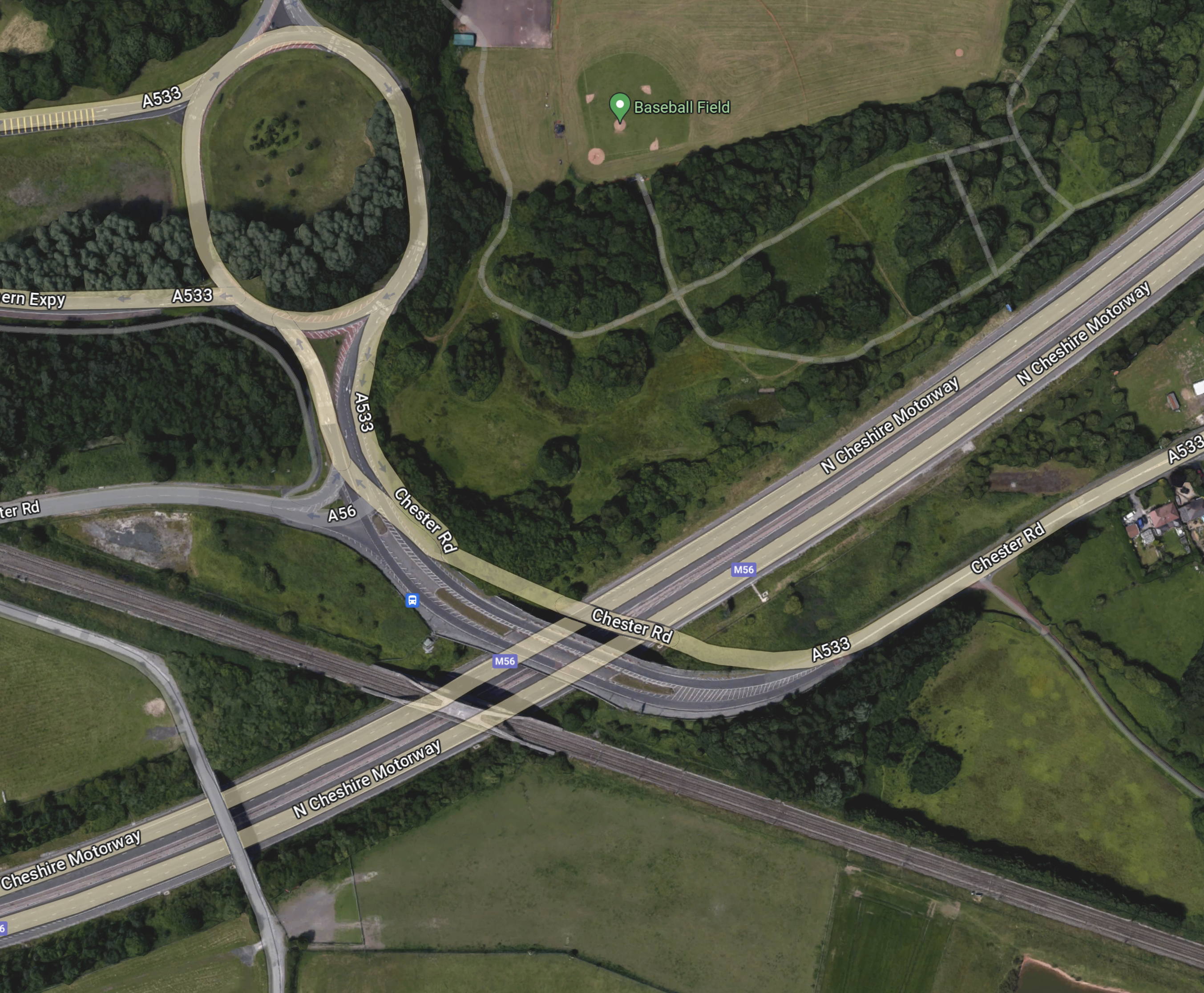
Note.
- There is no motorway junction here.
- The North-East bound motorway goes to Manchester Airport and Manchester.
- The railway runs slightly diagonally across the bottom of the map.
- The Westbound railway goes to Runcorn and Liverpool.
- The Eastbound railway goes to Weaver Junction, Crewe and the South.
There would only need to be a connection between Liverpool and the railway under the motorway going to and from Manchester Airport.
I have some further thoughts and questions.
This Is Just My First Thought
I am happier about the connection to the Liverpool branch than the Northern connection.
But then I feel there are several routes at both junctions, some of which will take a wider route.
How Long Will The Tunnels Be?
Between Junctions 11 and 6 on the M56 is 16 miles.
At What Speed Would The Trains Run?
I suspect that once on the straight section between Junctions 11 and 6, speeds of up to 90 or 100 mph should be possible, but speeds would probably be lower at the junctions to the West Coast Main Line.
How Would It Connect To Manchester Piccadilly?
The tunnel would continue the other side of the Airport and it’s a further 9.4 miles to under Manchester Piccadilly.
In The Rival Plans For Piccadilly Station, That Architects Say Will ‘Save Millions’, I wrote about Weston Williamson’s plan for Manchester Piccadilly station.
This was their visualisation.

Note.
- In the visualisation, you are observing the station from the East.
- The existing railway lines into Piccadilly station are shown in red.
- Stockport and Manchester Airport are to the left, which is to the South.
- Note the dreaded Castlefield Corridor in red going off into the distance to Oxford Road and Deansgate stations.
- The new high speed lines are shown in blue.
- To the left they go to Manchester Airport and then on to London, Birmingham and the South, Warrington and Liverpool and Wigan, Preston, Blackpool, Barrow-in-Furness, the North and Scotland.
- To the right, they go to Huddersfield, Bradford, Leeds, Hull and the North East, and Sheffield, Doncaster and the East.
- Between it looks like a low-level High Speed station with at least four tracks and six platforms.
- The high speed lines could be oriented so they ran East-West, rather than North-South in this visualisation.
- The Manchester Metrolink is shown in yellow.
The potential for over-site development is immense. If the Station Square Tower was residential, the penthouses would be some of the most desirable places to live in the North.
Onward From Manchester Piccadilly
I would hope that a connection could be made to the Huddersfield Line to the East of Manchester Piccadilly station, so that trains could use the TransPennine Upgrade all the way to Leeds.
Are The Elizabeth Line Trains Ready To Be Lengthened?
When Transport for London updated the North and East London Lines of the London Overground in the early years of this century, they felt that four-car Class 378 trains would have enough capacity for the lines. But the lines proved more popular than, they had expected and the trains were very overcrowded. So it was decided to lengthen the trains to the five cars they are today.
This wasn’t as easy as it seems, as platforms at several stations had to be lengthened, which was disruptive and expensive.
One day last week, I was in Farringdon station and took these pictures of the platform edge doors at the back end of a Class 345 train.
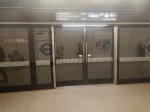
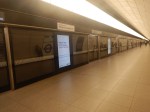
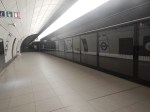
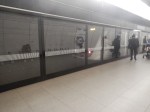
Note how, that when a train is in the station, it doesn’t reach to the end.
But this is not always the case, as this picture from Paddington station shows.
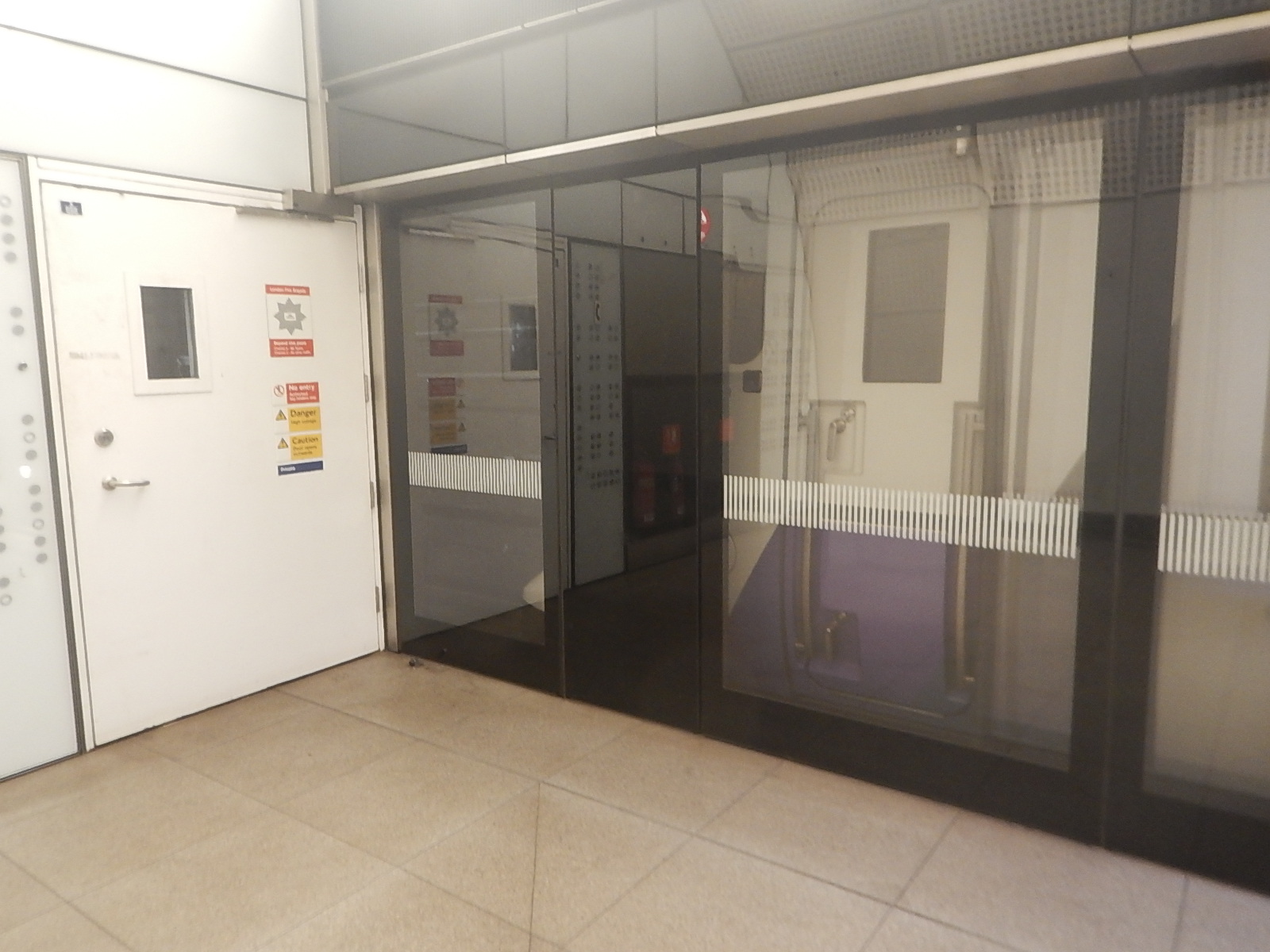
Does this mean that some underground Elizabeth Line platforms are longer than others?
In Bombardier’s Plug-and-Play Train, I discuss the plug-and-play design of Aventras.
- This plug-and-play design allows trains to be lengthened or shortened by adding or removing carriages.
- Class 345 trains are actually two half-trains, with a trailer car in between them.
So is this why Class 345 trains have run services as both seven-car and nine-car trains?
The former have three-car half-trains and the latter have four-car half-trains, with an extra MS car.
Talk Of Eleven-Car Trains
If you search the Internet, you’ll find forums and web pages speculating about. whether the trains will be lengthened to ten-cars or even eleven-cars.
Consider.
- The current trains are 204.73 metres long.
- Extra intermediate cars are all 22.5 metres long.
- The trains also are probably fitted with selective door opening or can be as most modern trains have it.
This would mean, that a ten-car train would be 227.23 metres long and an eleven-car train will be 249.73 metres.
The eleven-car figure is just 27 centimetres short of 250 metres.
I wouldn’t me surprised if the maximum train length was given to Bombardier as 250 metres.
I certainly feel, that if it should be decided to lengthen the trains by adding another carriage or two, that this will not be a problem.
The Elizabeth Line’s Two Problems
These posts talk about the two problems.
In TfL Needs More Elizabeth Line Trains Because Of HS2 Delays At Euston, I talked about what happens, if High Speed Two doesn’t link initially to Euston.
In Elizabeth Line: Commuters Say Service ‘Not What Was Promised’, I talked about problems of overcrowding at the Western end of the line.
The solutions to both problems are either more trains or adding more carriages to existing trains.
In this article on Ian Visits, which has the same title as the first post, Ian says this about ordering more trains.
Although HS2 isn’t expected to open until some point between 2029-33, TfL is warning that it will need to place the orders for the new trains soon, as the cost of doing so later will be significantly more expensive. That’s because the factory lines to build Elizabeth line trains at Alstom’s factory in Derbyshire are still in place, but will be demobilised soon. If the trains aren’t ordered before that happens, then the cost of reactivating the factory lines has to be included in the bill.
I suspect, it probably applies to an order for extra carriages as well.
Problems For Alstom
But will a substantial order for more Class 345 trains or carriages cause problems for Alstom at Derby?
This extract from the Wikipedia entry for High Speed Two rolling stock, describes how the Hitachi-Alstom joint venture will build the Classic-Compatible trains for High Speed Two.
Vehicle body assembly and initial fitting out of the trains will take place at the Hitachi Newton Aycliffe factory, the bogies will be manufactured at the Alstom factory in Crewe, and final assembly and fit-out, including the interiors, electronics and bogies, will take place at Alstom’s factory in Derby.
If more Class 345 trains are to be built at Derby, does it mean a rethink by the joint venture?
In Battery EMUs Envisaged In Southeastern Fleet Procurement, I talked about how Southeastern were looking for new trains. Given that Aventras from Alstom could be in the frame for these new trrains for Southeastern, does that give Alstom more complications?
London Overground: Design Work For West London Orbital Route Begins
The title of this post, is the same as that as this article on the BBC.
This is the sub-heading.
Plans for a new London Overground link in west London are progressing, London’s mayor Sadiq Khan has said.
These paragraphs outline what will happen.
Engineering consultants who worked on the Elizabeth line have been chosen for the West London Orbital service.
“This engineering design will help determine the cost of delivering the scheme, which is currently unfunded,” Transport for London (TfL) said.
It hopes the scheme, which would connect Hounslow with Hendon and West Hampstead, could start next decade.
My feeling, is that they should get on with it.
- There would be no major construction like tunnels.
- Four stations would need to be built.
- I doubt there will be any demolition.
- It wouldn’t need more electrification, as the route is electrified at both ends and battery-electric trains could be used.
- It would create more connections to Old Oak Common for High Speed Two.
But if it does for North West London, what the Overground has done for North and East London, it will be very much worth it.
These are a few thoughts and observations.
The Route
This is a schematic of the route from the BBC article.
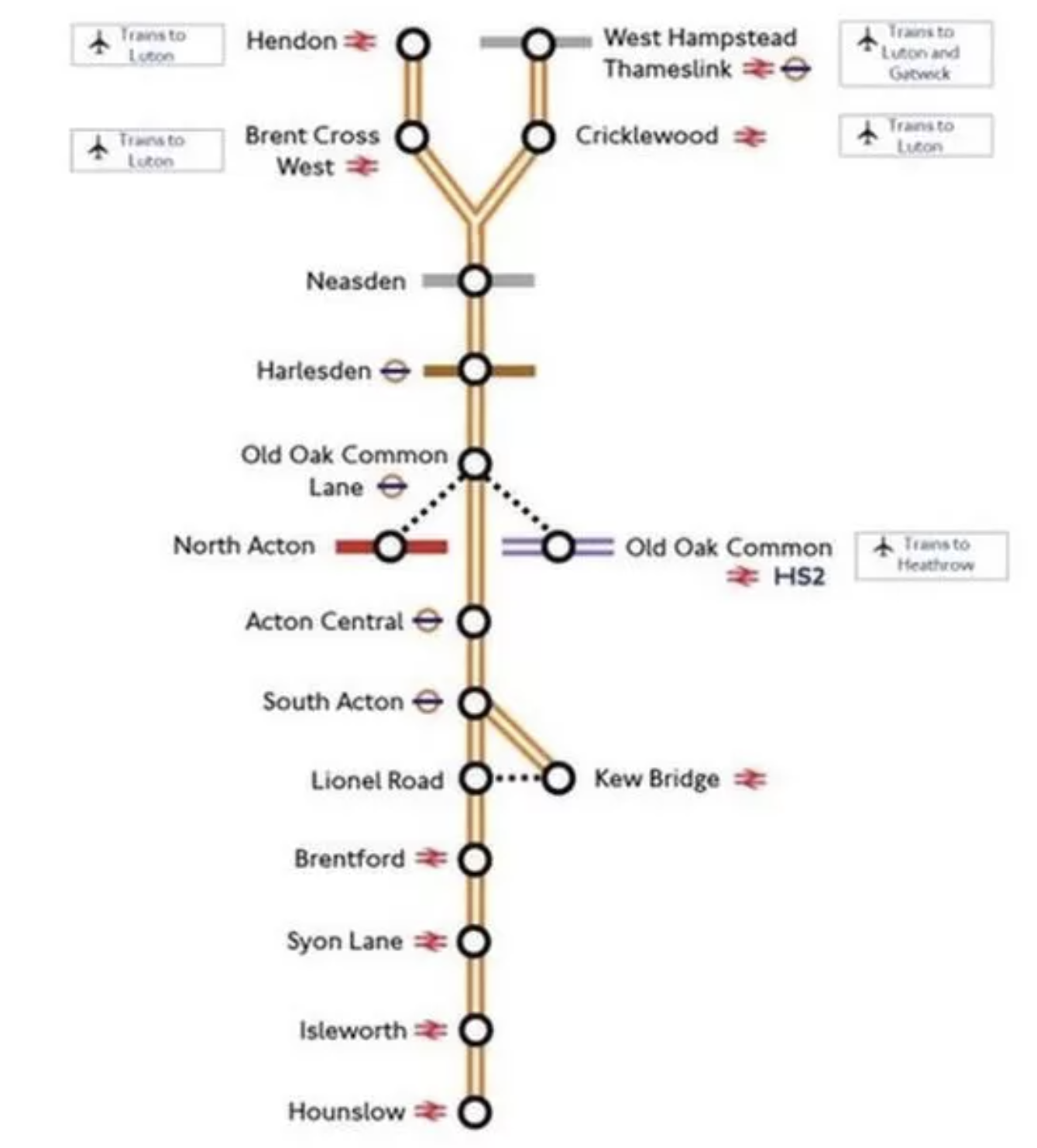
Note.
- Services will be between West Hampstead Thameslink and Hounslow stations and between Hendon and Kew Bridge stations.
- If services follow the London Overground frequency, they will be four trains per hour (tph).
- The new stations are Neasden, Harlesden, Old Oak Common Lane and Lionel Road.
- Acton Central, Brentford, South Acton, Syon Lane and West Hampstead Thameslink are step-free and Isleworth is on the way.
- The fully step-free Brent Cross West station will open soon.
- Lionel Road station will serve the new Brentford stadium.
- Old Oak Common Lane will serve High Speed Two, the Elizabeth Line and the North London Line.
They look to be a useful set of stations.
Kew Bridge Station
There’s been a lot of development at Kew Bridge station, since I was last there.

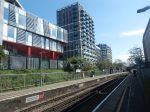
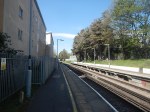
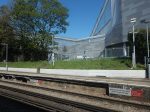
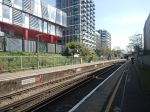
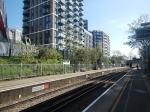
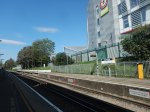
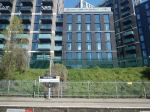
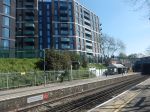
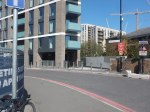

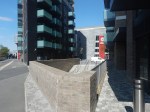
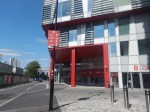
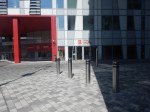
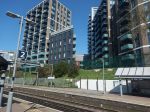
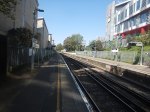
There are lots of flats and Brentford’s new stadium.
I suspect all the stations between Kew Bridge and Hounslow will see similar levels of development.
Electrification Issues On The Dudding Hill Line
The Dudding Hill Line forms the Northern section of the route between the Midland Main Line and the North London Line at Acton Wells Junction.
This map from OpenRailwayMap shows the junction between the Dudding Hill and Midland Main Lines.
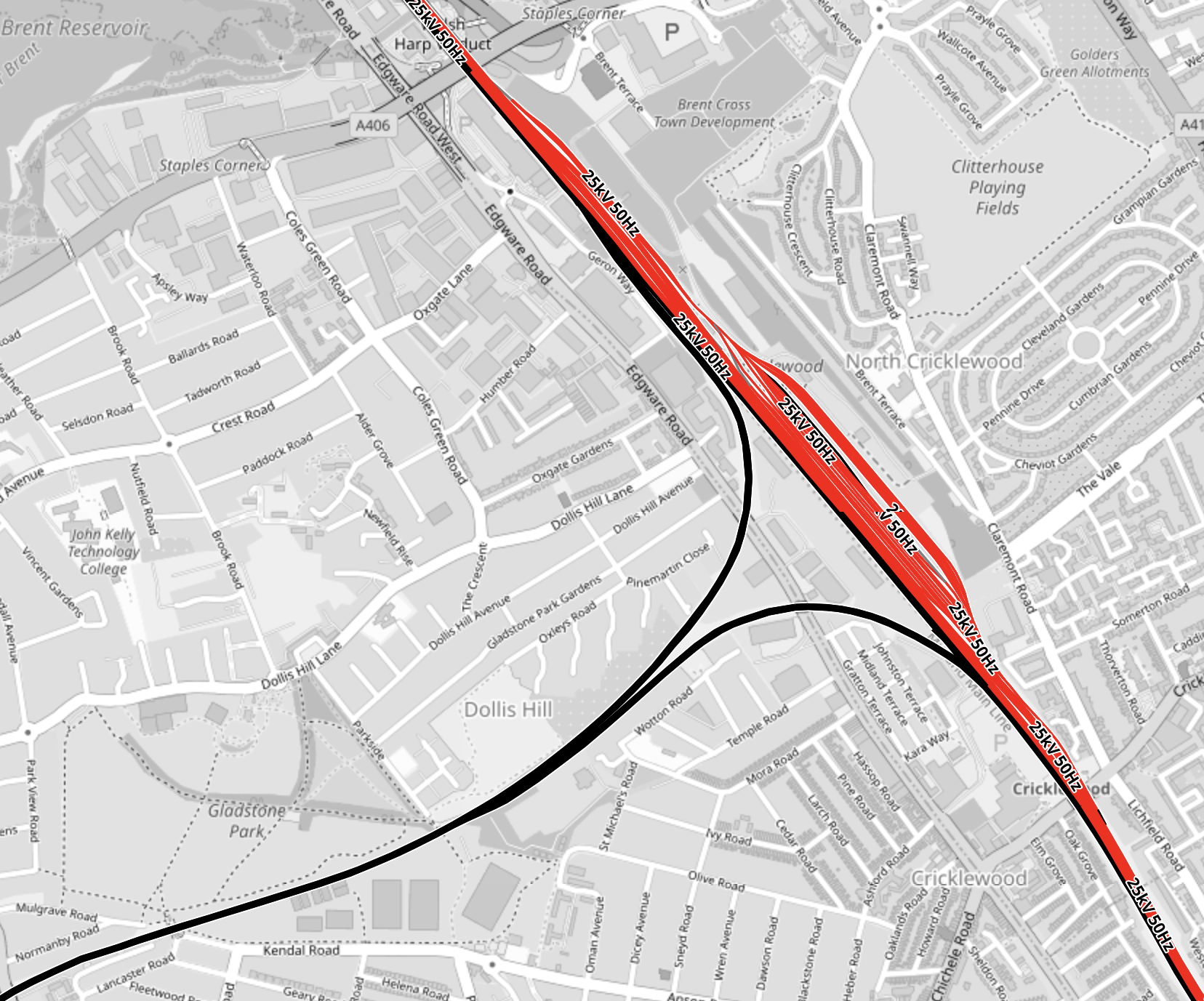
Note.
- The Midland Main Line is shown in red as it is electrified with 25 KVAC overhead wires.
- The Dudding Hill Line is shown in black, as it isn’t electrified.
This second map from OpenRailwayMap shows the junction between the Dudding Hill and North London Lines at Acton Wells junction.
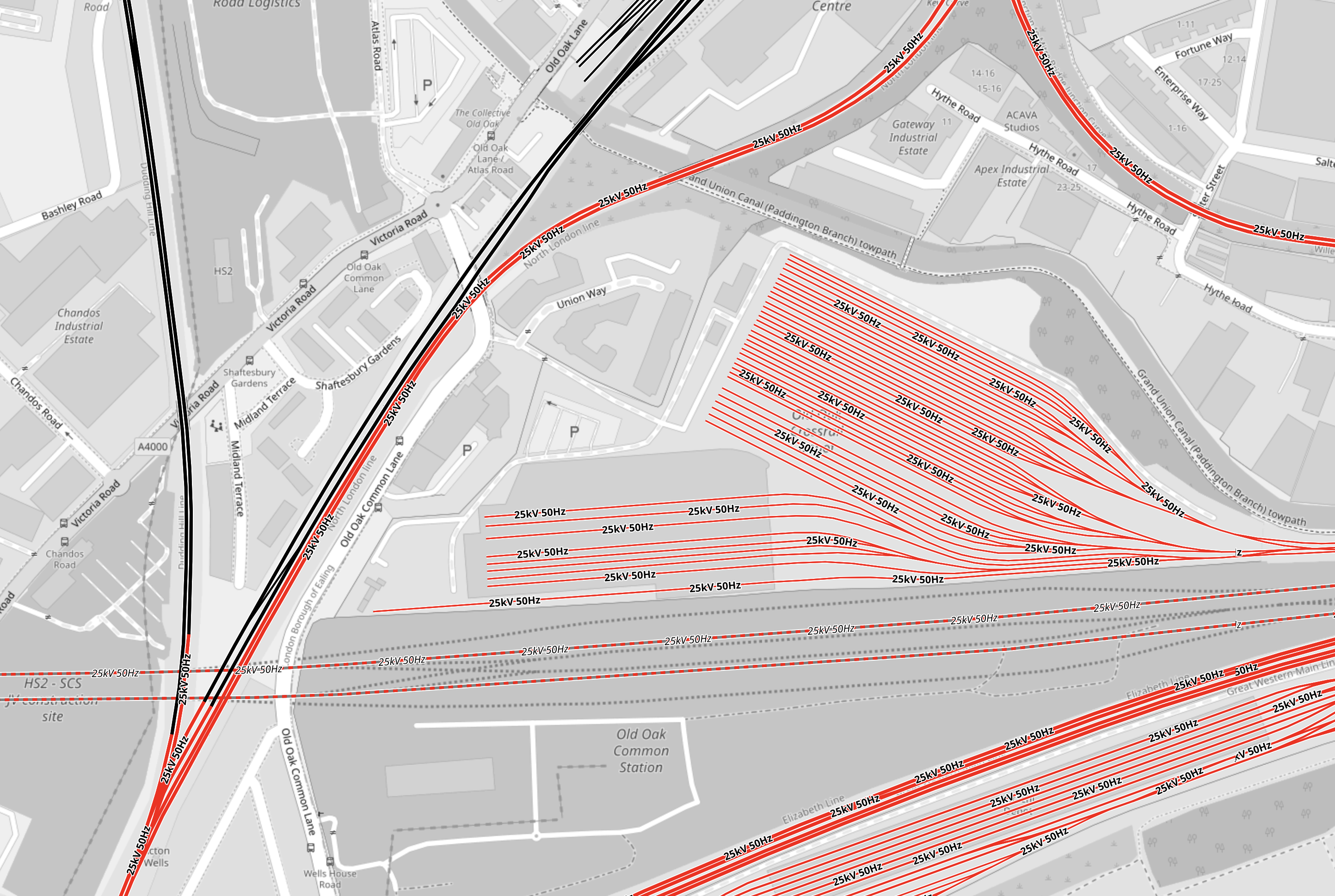
Note.
- As before red tracks are electrified with 25 KVAC overhead wires and black tracks have no electrification.
- The Dudding Hill Line is the black track running North-South at the West of the map.
- Acton Wells junction, where the Dudding Hill and North London Lines join is in the South-West corner of the map.
- The North London Line is shown in red running across the North-West corner of the map.
- The Great Western Main Line is shown in red running across the South-East corner of the map.
- High Speed Two will run East-West across the map and is shown dotted in red.
- The red lines in the middle of the map is the Elizabeth Line depot.
With all the 25 KVAC overhead electrification at both ends of the Dudding Hill Line, it would appear, that if this section is ever electrified, it will be electrified with this form of electrification.
There may be a problem, in that there are three or four bridges over the line.
Electrification Issues At Kew
This map from OpenRailwayMap shows the triangular junction by Kew Bridge station.
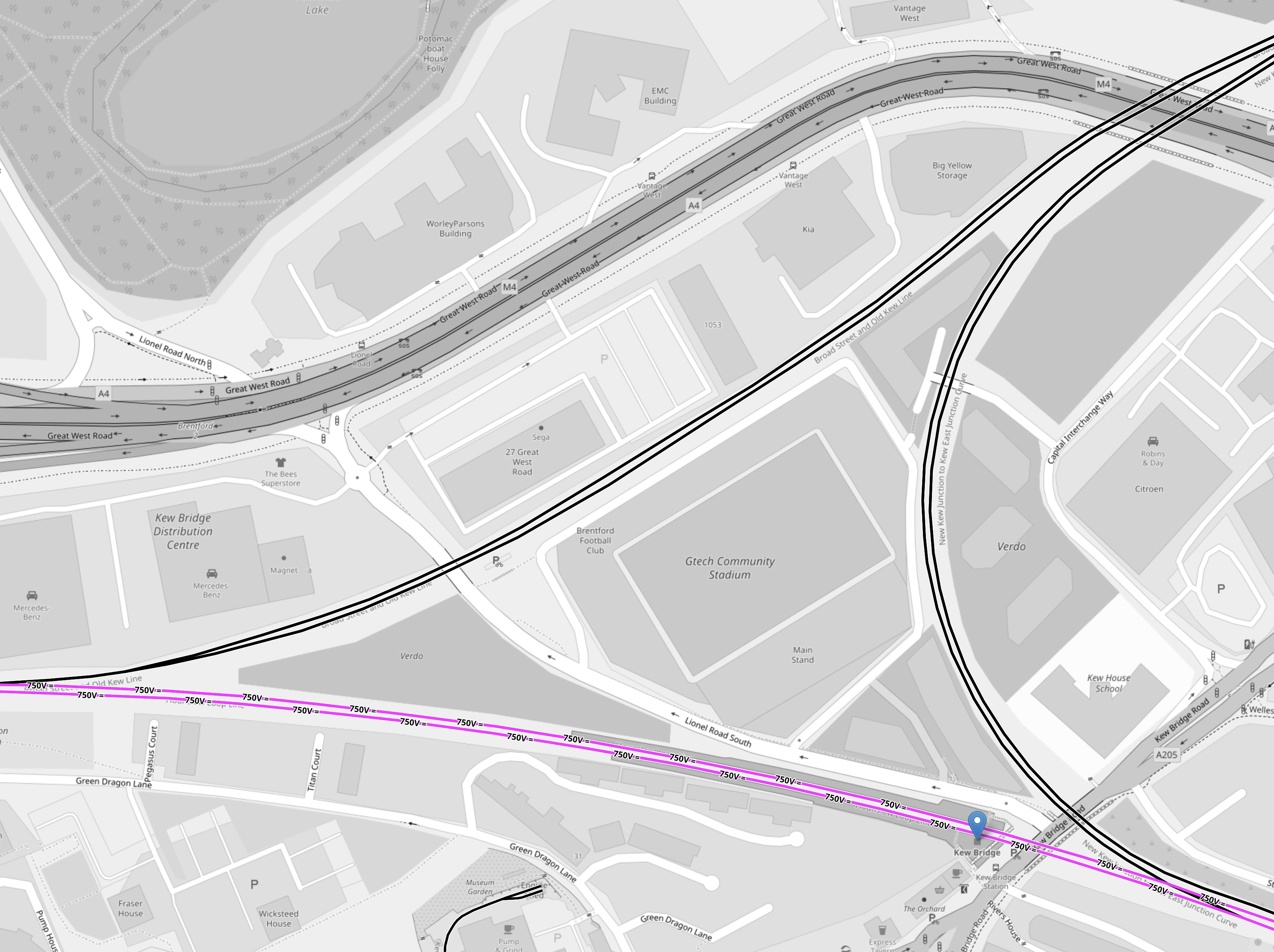
Note.
- As before black tracks have no electrification.
- Mauve tracks are electrified with 750 VDC third-rail electrification.
- Kew Bridge station is indicated by the blue arrow at the Eastern point of the junction.
- Trains to Hounslow will arrive in the North-East corner of the map and go diagonally across the map to leave in the South-West point of the junction.
- Trains to Kew Bridge will arrive in the North-East corner of the map and take the Eastern chord of the junction to a new platform in Kew Bridge station.
Brentford’s new stadium and a lot of housing are in the middle of the junction.
It would seem to be obvious to electrify the triangular junction using 750 VDC third-rail electrification.
But not to the ORR it isn’t, as they won’t allow any new third-rail electrification to be installed on Health and Safety grounds.
Charging Trains At Kew Bridge Station
Consider.
- It looks like trains from Hendon will terminate in a new platform on the chord without electrification to the North of the current Kew Bridge station.
- A short length of 25 KVAC overhead electrification could be used to charge trains.
It may be sensible to build two platforms on the chord, as this could allow more flexible operation of the London Overground during engineering works.
Charging Trains At Hounslow Station
A short length of 25 KVAC overhead electrification could be used to charge trains.
Project Management Issues
I believe this could be one of those projects, where by careful selection of the order of the sub-projects, time and money can be saved and passengers will see benefits earlier.
For example.
- Early delivery of Old Oak Common Lane station would also connect the North London Line to High Speed Two and the Elizabeth Line.
- Early delivery of step-free access at Kew Bridge station would help passengers going to the new Brentford stadium.
There may be other projects, that need an early delivery.
The Feltham And Wokingham Resignalling Programme
The Feltham And Wokingham Resignalling Programme is currently underway and there are pairs of new and old signals everywhere between Kew Bridge and Feltham and also between Feltham and Richmond.
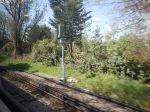
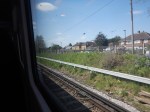
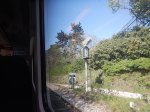
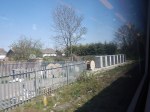
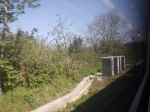
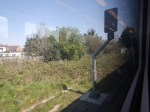
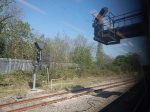
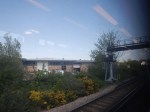
These are digital signals and according to Network Rail, they will increase the capacity, which must surely allow the extra trains between Kew Bridge and Hounslow stations.
This signalling project finishes in mid-2024, so I suspect by then the Southern part of the West London Orbital Railway will not have any problems with interaction with other services.
The Feltham And Wokingham Resignalling Programme could be considered an important enabling sub-project of the West London Orbital Railway, that is being performed early.
Richmond Station
As I came through Richmond station, there was an Overground train in Platform 3 and I noticed that Platforms 3 to 5 were allocated to the Overground.
Has the new signalling given Network Rail and train operators more flexibility and extra capacity at Richmond?
Currently, the London Overground runs four trains per hour (tph) between Stratford and Richmond.
The increased flexibility may allow the following.
- An increase in frequency of trains to Stratford.
- An increase in frequency of District Line trains, if Ealing Broadway station swaps from being a District to a Piccadilly Line terminus, as I wrote about in Extending The Elizabeth Line – Piccadilly Line To Ealing Broadway.
- Could Richmond also act as a terminal of the West London Orbital Railway during construction and engineering works?
Another benefit that could be arranged is to run the current four tph London Overground services into Platform 3.
These pictures show a Waterloo-bound South Western Railway train in Platform 2 and a Stratford-bound London Overground train in Platform 3.
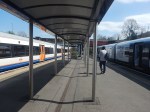
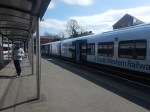
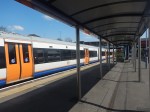
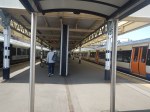
As there are 8 tph between Richmond and Waterloo via Clapham Junction, this could be quite a useful cross-platform interchange for passengers going from say Staines or Windsor to Hampstead.
Trains
Consider.
- The three most likely Northern termini are Brent Cross West, Hendon and West Hampstead Thameslink.
- There could be other terminals on the North London Line or the Gospel Oak and Barking Line.
- All possible Northern terminals have 25 KVAC overhead electrification.
- The two most likely Southern terminals are Hounslow and Kew Bridge.
- There may be other possible Southern terminals like Twickenham or Richmond.
- All possible Southern terminals have 750 VDC third-rail electrification.
- The sections without electrification of the route are less than twelve miles.
- The ORR won’t allow any new third-rail electrification.
It looks like the trains will need to be dual-voltage with a battery capability.
In this article in Global Rail News from 2011, which is entitled Bombardier’s AVENTRA – A new era in train performance, gives some details of the Aventra’s electrical systems. This is said.
AVENTRA can run on both 25kV AC and 750V DC power – the high-efficiency transformers being another area where a heavier component was chosen because, in the long term, it’s cheaper to run. Pairs of cars will run off a common power bus with a converter on one car powering both. The other car can be fitted with power storage devices such as super-capacitors or Lithium-ion batteries if required. The intention is that every car will be powered although trailer cars will be available.
Unlike today’s commuter trains, AVENTRA will also shut down fully at night. It will be ‘woken up’ by remote control before the driver arrives for the first shift
This was published over twelve years ago, so I suspect Bombardier or Alstom have refined the concept.
In an article in the October 2017 Edition of Modern Railways, which is entitled Celling England By The Pound, Ian Walmsley says this in relation to trains running on the Uckfield Branch, which is not very challenging.
A modern EMU needs between 3 and 5 kWh per vehicle mile for this sort of service.
So for a four-car running for twelve miles, the train would need a battery capacity of between 144 and 240 kWh.
These are not large batteries.
I suspect that the best trains for the route, will be dual-voltage Class 710 trains.
- The Class 710/2 variant used on the Gospel Oak and Barking Line is dual-voltage.
- London Overground has 54 Class 710 trains.
- I am certain, that the batteries needed can be fitted to the trains.
- Aventras are still in production in Derby.
A test battery-electric version could probably be created and tested on the short Romford and Upminster Line.
There may be other places in London and the rest of the UK, where a four-car battery-electric Aventra would be the ideal train.
 The Anonymous Widower