Northern Launches New Yorkshire Flyer Fast Service Between Leeds And Sheffield
The title of this post is the same as that of this news item from Northern Trains.
This is the sub-heading.
Northern is running a new fast service which allows customers to travel between Leeds and Sheffield in 47 minutes.
These three introductory paragraphs add more detail.
Known as the Yorkshire Flyer, as it provides a quick and convenient connection between the White Rose county’s two biggest cities, the service was officially launched during an event at Leeds station earlier today.
Cutting journey times and providing more than 30,000 extra seats a week, the service will support economic growth by making it easier for people to get to work and reach new opportunities.
It used to take all Northern customers around an hour or longer to make the journey, with trains calling at various stops along the way.
These further details come from Real Time Trains.
- The trains used appear to be two-car Class 158 trains.
- The total distance is 38.7 miles.
- Between Leeds station and South Kirkby junction is electrified and a distance of 20.6 miles.
- Trains appear to leave Leeds station at xx45.
- CrossCountry services Leeds station for Sheffield at xx15 and make a similar intermediate stop at Wakefield Westgate.
- Leeds trains for Sheffield seem to leave from Platform 12 or 12A.
- Trains appear to leave Sheffield station at xx52.
- CrossCountry services leave Sheffield station for Leeds at xx22 and make a similar intermediate stop at Wakefield Westgate.
- Sheffield trains for Leeds don’t seem to have such a regular platform, as those in the other direction. But I suppose that will be improved.
Effectively, Northern and CrossCountry have paired up two services to give a two trains per hour, fast service between Leeds and Sheffield with one stop at Wakefield Westgate.
I have some further thoughts.
The Route Could Be Run By Battery-Electric Trains
Consider.
- The only part of the route that is not electrified is the 18.1 miles between South Kirkby junction and Sheffield station.
- From talking to engineers, who are working on developing battery-electric trains, a three-car train with a battery range of fifty miles is already a possibility.
- In 2015, I actually rode on a four-car battery-electric Class 379 train, that ran reliably on the Harwich branch for three months.
- Merseyrail’s battery-electric Class 777 trains probably have the performance and are working reliably on Merseyside. But they are probably a bit slow.
I believe that any number of train manufacturers would be very pleased to provide new battery-electric trains for the route.
But Siemens must be in the prime position.
- The German company has built a £200 million train factory at Goole in East Yorkshire, which is currently building London’s Piccadilly Line trains, which have batteries.
- Siemens have already delivered trains in Germany using the technology, they would use in the UK.
- The battery charging technology they would use for other routes in the UK, is described in Technology Behind Siemens Mobility’s British Battery Trains Hits The Tracks.
- Sheffield and Leeds, would make a superb test and demonstration route for battery-electric trains, as 50% of the route is fully-electrified with 25 KVAC.
- The Sheffield and Leeds route is just down the track from the Goole factory.
- I wouldn’t be very surprised, if Siemens were very keen to get a few orders close to their factory, as they would surely be easy to support.
But the clincher must be Juergen Maier, who used to be CEO of Siemens UK, and is now Chair of Great British Energy. Maier holds both British and Austrian citizenship, and was educated in Leeds and Nottingham, so hopefully, he can give this clanger-prone government some excellent advice where they need it, from his position in Great British Energy.
Could A Stop Be Made At Meadowbank Station?
This would give access to other rail routes and the Sheffield Supertram, but most of this access could also be performed at Sheffield.
Looking at the timetable of the route, I feel that there is enough slack to fit in a stop at Meadowhall, but it would need for the route to be electrified, so that the trains had faster acceleration and deceleration.
However, battery-electric trains may have the required performance.
What Maximum Speed Would The Trains Need?
Consider.
- The current Class 158 diesel trains used between Sheffield and Leeds and in many places in the UK are 90 mph trains.
- There are also a large number of Class 170 trains in the UK, that will need to be replaced and these are 100 mph trains.
- The Sheffield and Leeds route has some sections of 85 mph running.
- Train speeds are all accurately computer-controlled.
As a Control Engineer for safety and route availability reasons, I believe the trains will have a 100 mph maximum speed, but train speed will be computer controlled.
Will The Trains Be Driver-Only Operated?
I asked Google AI if Hitachi IET trains are driver only operated (DOO) and received this reply.
Hitachi Intercity Express Trains (IETs, Class 800/802) are designed for versatile operation, capable of Driver-Only Operation (DOO) using in-cab CCTV monitors for door safety checks. While they can operate without a guard, many services, particularly on GWR, still retain a guard on board for passenger service duties, even if the driver controls the doors.
So Hitachi trains can be driver-only operated and these will surely share the tracks with the trains that work the Northern Flyer.
I asked Google AI if Thameslink trains are driver only operated (DOO) and received this reply.
Yes, all Thameslink train services are Driver Only Operated (DOO). This means the driver is solely responsible for operating the doors and ensuring the safe dispatch of the train, without a guard or conductor on board to manage the doors. Through the central London core, these trains often use Automatic Train Operation (ATO).
As I believe that Siemens would be likely to win the battery-electric train order, because of proven technology, factory location and influence of Juergen Maier, Siemens certainly have the ability to produce trains, that are driver-only operated.
I believe that, whoever builds the trains, they will be capable of driver-only operation.
But if driver-only operation is to be used will be down to politics.
- Because of the situation on East West Rail, Heidi Alexander will probably be in favour.
- The Tories and Liberal Democrats will also be in favour.
- The rail unions, the left wing of the Labour Party and the Greens will be strongly against.
- Farage and Reform UK will take a very hard line to enforce driver-only operation everywhere.
The average citizen on the Northern Flyer and all the other trains in the UK, will just want a reliable train service.
Conclusion
- This would make a superb route for a battery electric train.
- No chargers or extra electrification would need to be installed.
- There wouldn’t be much work needed to be done to the platforms or the signalling.
- The trains would use standard 25 KVAC overhead electrification for charging.
- The trains would be running close to where they were built.
I believe the new service will give a large boost to the Yorkshire economy. Even before the arrival of battery-electric trains.
Observations On A Trip To Doncaster And Sheffield
My objectives were.
- Buy a walk-up ticket from a machine at King’s Cross for Doncaster station and then use it.
- Use local trains, tram-trains and trams to get to as quick as possible to Sheffield station.
- Buy a walk-up ticket from a machine at Sheffield station for St. Pancras and then use it.
This is the story of my day.
A Ticket From King’s Cross for Doncaster
This happened at King’s Cross
- I got charged £38.65, but I didn’t get any tickets.
- So I complained in the Booking Office.
- But they didn’t believe me.
- Then I showed them the debit on my credit card account.
- Then a lady came and checked the machine, but couldn’t find any tickets.
- They then issued me with a new ticket for Doncaster.
- But they were these design crimes of flimsy tickets.
- I now have two debits on my credit card account.
They said one will be refunded.
King’s Cross To Doncaster
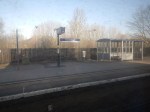
I took these pictures of the trucks along the nearby A1 to the North of Newark.






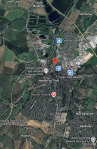
This map shows how the A1 curves round the town.
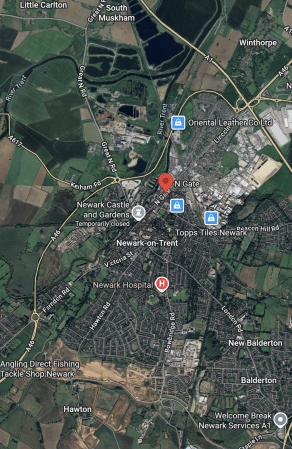
Note.
- The A1 Road curving around the right of the town.
- The red arrow marking Newark Northgate station.
- There is a notorious flat crossing, that needs to be replaced to the North of the station.
I believe as a Control Engineer, that digital signalling might solve the problem of the crossing and I wrote about it in Could ERTMS And ETCS Solve The Newark Crossing Problem?.
But there was no problems on the journey
- The train was ten coaches.
- It was going to Edinburgh.
- It left on time.
- It didn’t appear to be very full.
- It was four minutes late at Doncaster and arrived at 14:47.
These pictures show Doncaster station.
Note.
There are nine platforms and eleven tracks.
The nine platforms are arranged in three island platforms.
Could Doncaster Sheffield Airport Become A Hydrogen Airport?
I asked Google AI, what is the current status of Doncaster Sheffield Airport and received this reply.
Doncaster Sheffield Airport (DSA) is currently in a state of active, public-funded redevelopment after closing in late 2022 due to financial issues, with plans to reopen for passenger flights by late 2027 or 2028, following significant funding (around £160m) secured by the South Yorkshire Mayoral Combined Authority (SYMCA) for the City of Doncaster Council to take over operations and rebuild commercial viability, with freight and general aviation potentially returning sooner.
This Google Map shows the location of the airport.
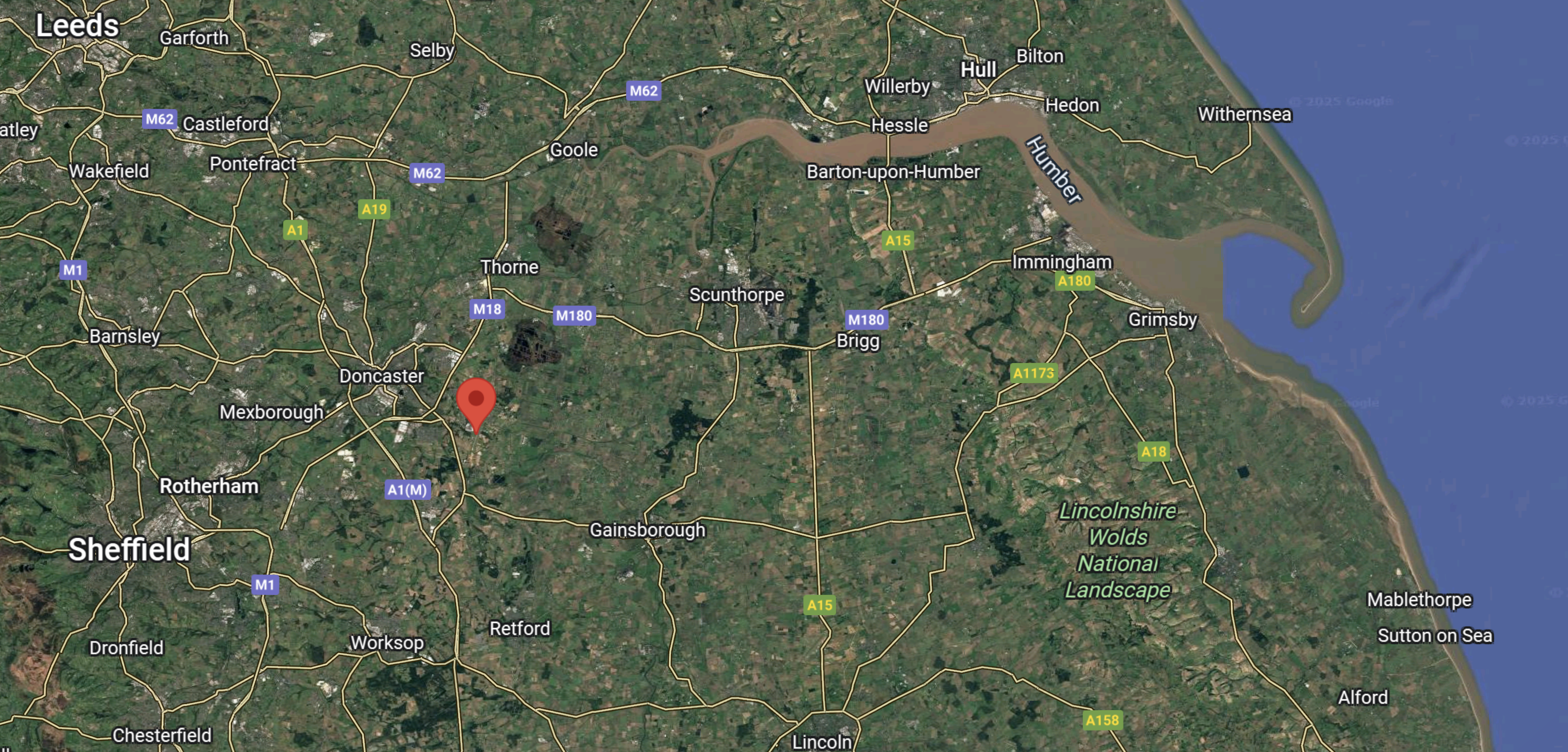
Note.
- The distinctive mouth of the River Humber can be picked out towards the North-East corner of the map.
- Hull and Grimsby sit in the mouth of the Humber.
- The red arrow indicates Doncaster Sheffield Airport.
- Leeds is in the North-West corner of the map.
- The towns and city of Doncaster, Rotherham and Sheffield can be picked out to the West of the airport.
This second Google Map shows a close-up of the airport.

On my visit to NASA in the 1980s, where an Artemis system was used to project manage the turnround of the Space Shuttle, I was asked questions by one of NASA’s support people about RAF Finningley. Nothing too technical, but things like what is Doncaster like.
When I asked why, they said there’s a high chance that a Space Shuttle could land at RAF Finningley, as it has one of the best runways for a very heavy aircraft in Europe.
Looking at the runway, it is a long and wide runway that was built for heavy RAF nuclear bombers like Valiants, Victors and Vulcans.
I believe that we will eventually see hydrogen- and/or nuclear-powered airliners flying very long routes across the globe, just as a nuclear-powered example, attempted to do in the first episode of the TV series Thunderbirds, which was called Trapped in the Sky and has this Wikipedia entry.
Just as the Space Shuttle did, these airliners and their air-cargo siblings will need a large runway.
Doncaster Sheffield Airport already has such a runway.
These hydrogen- and nuclear-powered aircraft will make Airbus A 380s look small and will need runways like the one at Finningley.
But I don’t think we’ll ever see nuclear-powered aircraft in the near future, so the aircraft will likely be hydrogen.
Other things in favour of making Doncaster Sheffield Airport, an airport for long range hydrogen aircraft include.
- The airport is close to the massive hydrogen production and storage facilities being developed on Humberside at Aldbrough and Rough.
- The airport could be connected to the Sheffield Supertram.
- The airport could be connected to the trains at Doncaster station, which has 173 express trains per day to all over the country.
- The airport would fit well with my thoughts on hydrogen-powered coaches, that I wrote about inFirstGroup Adds Leeds-based J&B Travel To Growing Coach Portfolio
- The airport might even be able to accept the next generation of supersonic aircraft.
- The airport could certainly accept the largest hydrogen-powered cargo aircraft.
- The Airport isn’t far from Doncaster iPort railfreight terminal.
Did I read too much science fiction?
I have some further thoughts.
Do Electric Aircraft Have A Future?
I asked Google AI this question and received this answer.
Yes, electric aircraft absolutely have a future, especially for short-haul, regional, and urban air mobility (UAM), promising quieter, zero-emission flights, but battery limitations mean long-haul flights will rely more on hydrogen-electric or Sustainable Aviation Fuels (SAF) for the foreseeable future. Expect to see battery-electric planes for shorter trips by the late 2020s, while hybrid or hydrogen solutions tackle longer distances, with a significant shift towards alternative propulsion by 2050.
That doesn’t seem very promising, so I asked Google AI what range can be elected from electric aircraft by 2035 and received this answer.
By 2035, fully electric aircraft ranges are expected to be around 200-400 km (125-250 miles) for small commuter planes, while hybrid-electric models could reach 800-1,000 km (500-620 miles), focusing on short-haul routes due to battery limitations; larger, long-range electric flight remains decades away, with hydrogen propulsion targeting 1,000-2,000 km ranges for that timeframe.
Note.
- I doubt that many prospective passengers would want to use small commuter planes for up to 250 miles from Doncaster Sheffield airport with hundreds of express trains per day going all over the UK mainland from Doncaster station.
- But Belfast City (212 miles), Dublin (215 miles) and Ostend (227 miles), Ronaldsway on the Isle of Man (154 miles) and Rotterdam(251 miles) and Schipol 340 miles) may be another matter, as there is water to cross.
It looks like it will be after 2035 before zero-carbon aircraft will be travelling further than 620 miles.
My bets would be on these aircraft being hydrogen hybrid aircraft.
What Will The Range Of Hydrogen-Powered Aircraft In 2040?
I asked Google AI this question and received this answer.
By 2040, hydrogen-powered commercial aircraft are projected to have a range that covers short- to medium-haul flights, likely up to 7,000 kilometers (approximately 3,780 nautical miles), with some models potentially achieving longer ranges as technology and infrastructure mature.
The range of these aircraft will vary depending on the specific technology used (hydrogen fuel cells versus hydrogen combustion in modified gas turbines) and aircraft size.
It looks like we’ll be getting there.
This Wikipedia entry is a list of large aircraft and there are some very large aircraft, like the Antonov An-225, which was destroyed in the Ukraine War.
A future long-range hydrogen-powered airline must be able to match the range of current aircraft that will need to be replaced.
I asked Google AI what airliner has the longest range and received this reply.
The longest-range airliner in service is the Airbus A350-900ULR (Ultra Long Range), specifically configured for airlines like Singapore Airlines to fly extremely long distances, reaching around 9,700 nautical miles (18,000 km) for routes like Singapore to New York. While the A350-900ULR holds records for current operations, the upcoming Boeing 777-8X aims to compete, and the Boeing 777-200LR was previously known for its exceptional range.
I believe that based on the technology of current successful aircraft, that an aircraft could be built, that would be able to have the required range and payload to be economic, with the first version probably being a high-capacity cargo version.
What Would An Ultra Long Range Hydrogen-Powered Airliner Look Like?
Whatever the aircraft looks like it will need to be powered. Rolls-Royce, appear to be destining a future turbofan for aircraft called the Ultrafan, which has this Wikipedia entry.
I asked Google AI, if Rolls-Royce will produce an Ultrafan for hydrogen and received this answer.
Rolls-Royce is actively developing the UltraFan architecture to be compatible with hydrogen fuel in the future, but the current UltraFan demonstrator runs on Sustainable Aviation Fuel (SAF). The company has a research program dedicated to developing hydrogen-powered engines for future aircraft, aiming for entry into service in the mid-2030s.
I asked Google AI, if Rolls-Royce have had major difficulties converting engines to hydrogen and received this answer.
Rolls-Royce has not encountered insurmountable difficulties but faces significant engineering and logistical challenges in converting engines to run on hydrogen. The company has made substantial progress in testing both stationary and aero engines using pure hydrogen, confirming its technical feasibility.
Given the company’s success in developing engines in the past, like the R Type, Merlin, RB 211, Pegasus, Trent, mtu 4000 and others, I suspect there’s a high chance of a successful hydrogen-powered Ultrafan.
If you look at a history of large passenger and cargo aircraft over the last sixty years, there has been a lot of the following.
- Conversion of one type of aircraft to a totally different type.
- Fitting new engines to a particular type.
- Fitting new avionics to a particular type.
Examples include.
- Fitting new CFM-56 engines to DC-8s.
- The first two Nimrods were converted from unsold Comet 4Cs.
- Converting Victor bombers to RAF tanker aircraft.
- Converting BA Tristars to RAF tanker aircraft.
- Converting DC-8s to cargo aircraft.
- Airbus converted five Airbus A 300-600 into Belugas, which have this Wikipedia entry.
- Airbus converted six Airbus A 330-200F into BelugaXLs, which have this Wikipedia entry.
- Converting two Boeing-747s to carry Space Shuttles ; one from American Airlines and one from Japan Airlines, which have this Wikipedia entry.
Note.
- Most of these examples have been successful.
- The last three examples have been very successful.
- Most of these applications do not have a human cargo.
This picture shows an Emirates Air Lines’s Airbus A 380 on finals at Heathrow.
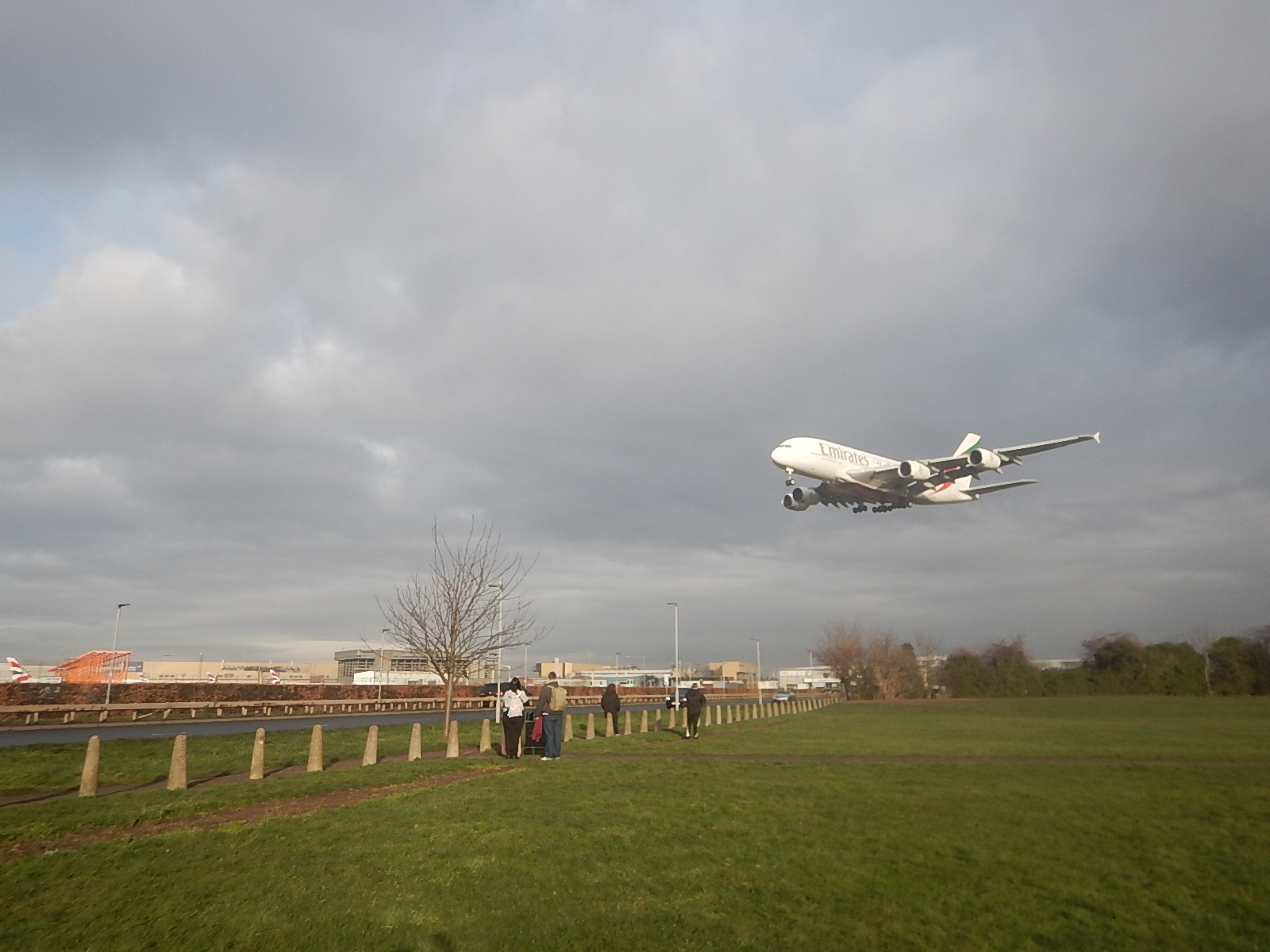
Note.
- The aircraft was landing on Runway 27 L.
- The four engines and the vertical oval cross-section of the fuselage are clearly visible.
- The Wikipedia entry for the Airbus A 380 shows two floors across the fuselage; the upper floor with eight seats in 2-4-2 and the lower floor with ten seats in 3-4-3, and a pair of LD3 cargo containers in the basement.
I’d be interested to know, how much hydrogen could be put in the basement and how far it could take the plane with a full load of passengers!
This link to the Wikipedia entry, shows the cross section in detail.
Note
I wouldn’t be surprised that the first application of large hydrogen aircraft will be for cargo and it could be an Airbus Beluga or perhaps an Airbus A 380 freighter?
How Will The East Coast Main Line Timetable Change Affect Sheffield?
This article in the October 2025 Edition of Modern Railways is entitled Industry Gears Up For December ECML Timetable Change.
This is the first paragraph.
Major changes are planned to trains along the East Coast main line from 14 December as the long-heralded timetable takes effect.
In this post, I will see how the changes detailed in the article in Modern Railways will affect Sheffield and Doncaster.
Aberdeen-Edinburgh
This is said about Aberdeen and Edinburgh services.
Monday-Saturday services will not change between Aberdeen and Edinburgh, with all intermediate stations served at similar times.
The LNER service to and from King’s Cross will call additionally at Doncaster, Newark Northgate and Peterborough; the last LNER Monday-Friday departure from Aberdeen will terminate at Doncaster instead of Leeds, and the first LNER Monday-Saturday train to Aberdeen will start from King’s Cross at 05:48 instead of Leeds.
Note.
- An hourly fast train between Edinburgh and King’s Cross will have a journey time of 4 hours and 10 minutes, which is a saving of at least 12 minutes.
- There is an Aberdeen-Manchester air service, but no Edinburgh-Manchester or Leeds-Scotland air services.
- In Could London And Central Scotland Air Passengers Be Persuaded To Use The Trains?, I speculated about how air passengers could be tempted to use the trains between London and Central Scotland.
- It looks to me, that LNER are strengthening their services between Doncaster and Scotland.
- Will that 05:48 King’s Cross departure for Aberdeen, enable a working day in Aberdeen and return?
Is LNER’s aim to get travellers to use the trains between Doncaster and Scotland, as an alternative to driving or trains from Leeds?
Alnmouth and Berwick
This is said about Alnmouth services.
Quicker LNER journey times are promised to stations South of York, with King’s Cross-Alnmouth journey times up to 15 minutes quicker.
More TPE trains will run between Newcastle, Morpeth, Alnmouth, Berwick, Reston, Dunbar, East Linton and Edinburgh Waverley.
The number of trains calling at Durham on weekdays will fall from 18 to 13 Southbound and from 15 to 10 Northbound.
This is said about Berwick services.
LNER trains will call every two hours during the middle of the day, and the number of weekday trains to King’s Cross falls from 15 to 11 Southbound with a 13 to nine fall Northbound. More TPE trains will call.
Note.
- Lumo serves Newcastle, Morpeth and Edinburgh.
- Reston and East Linton are new stations.
- The stations between Newcastle and Edinburgh need adequate parking to attract commuters.
It looks to me, that LNER are timing the trains to attract day trips along the East Coast Main Line.
Bradford Forster Square/Interchange
This is said about Bradford Forster Square services.
The number of weekday trains will remain as per May 2025, but on Sundays, the number of trains serving Forster Square increases from two to six each way on a two-hourly interval. LNER stopping patterns change, with fewer trains calling at Peterborough and none at Grantham or Retford.
Trains currently stop at Peterborough, Doncaster, Wakefield Westgate, Leeds and Shipley, but surely a more regular six trains per day (tpd) is preferable.
This is said about Bradford Interchange services.
At Interchange, Grand Central Trains will run at different times to the May 2025 timetable, with King’s Cross journeys up to 20 minutes quicker. One GC each way will call at Peterborough, while some will stop at Pontefract Monkhill on Sundays for the first time.
Note.
- Trains currently stop at Peterborough, Doncaster, Pontefract Monkhill, Wakefield Kirkgate, Mirfield, Brighouse, Halifax and Low Moor
- Is the twenty minutes time saving due to the new digital signalling to the South of Doncaster?
- Is this another open access operator being allowed to do what they do best?
This looks to be a very useful service, which serves several stations, with no other service to London.
Doncaster
This is said about Doncaster services.
Additional trains calling at destinations including Birmingham New Street, Sheffield, York, Newark and Berwick-upon-Tweed. LNER Aberdeen/Inverness trains will call at Doncaster. EMR trains will be retimed at Doncaster to provide better connections with LNER’s revised timetables, but journeys from Doncaster to Sleaford and Spalding will require a change at Lincoln. This change has been made to “enable improved connections” at Peterborough, Sleaford, Lincoln and Doncaster. The number of trains calling at Stevenage falls from 24 to 19 Southbound and 24 to 21 Northbound, with Grantham stops dropping by seven trains to 28 Southbound and 4 to 29 Northbound.
If CrossCountry Trains were to switch their trains to Hitachi InterCity Battery trains, I believe that a version of these trains could handle routes like Plymouth and Aberdeen.
- This would speed up services.
- Trains would run close together and thus increase capacity.
- Services could even be faster.
So expect a replacement order for CrossCountry Trains diesel multiple units soon.
Glasgow
LNER gave up serving Glasgow Central from King’s Cross in the December 2024 timetable change.
In Lumo Will Extend Its King’s Cross And Edinburgh Service To Glasgow, I talked about Lumo extending their King’s Cross and Edinburgh service to Glasgow Central station.
Hull
This is said about Hull services.
On Mondays-Fridays, Hull Trains will provide an extra train from London.
The LNER Monday-Friday Hull-Doncaster train will be withdrawn;
Northern will operate a 20:25 departure to Doncaster; calling at Brough and Selby.
Note.
- It looks like Great British Railways have surrendered Hull and Beverley to Hull Trains.
- Hull Trains are converting their Class 802 trains to battery-electric power.
- It is likely that Hull Trains upgraded trains will be able to use the Great Northern and Great Eastern Joint Line via Lincoln on battery power.
The new timetable appears to be ready for the future of Hull Trains.
Leeds
This is said about Leeds services.
LNER services will depart to King’s Cross at xx.10 and xx.40.
Northern will introduce an extra mostly hourly service between Leeds and Sheffield calling at Wakefield Westgate. They will depart about 30 minutes earlier or later than the CrossCountry service.
Note.
- I would expect the two King’s Cross and Leeds services which would both stop at Doncaster and Wakefield Westgate would set the timings between Doncaster and Leeds.
- Currently, of the four trains that run to and from Leeds every two hours, two are planned to terminate at Leeds, one at Harrogate and one at Bradford Forster Square.
- There is also a daily service between King’s Cross and Skipton via Leeds.
- I can envisage another service between King’s Cross and Ilkley via Leeds, Kirkstall Forge, Guiseley, Burley-in-Wharfedale and Ben Rhydding.
- I can envisage another service between King’s Cross and Huddersfield, via Leeds, White Rose, Morley, Batley, Dewsbury, Ravensthorpe, Mirfield and Deighton.
- I can envisage another service between King’s Cross and Hebden Bridge, via Leeds, White Rose, Morley, Batley, Dewsbury, Ravensthorpe, Mirfield, Sowerby Bridge, Mytholmroyd and Brighouse.
- An alternative to Hebden Bridge would be Rochdale, which already has four platforms and is on the Manchester Metrolink
- It appears that Bradford Forster Square, Harrogate, Huddersfield, Leeds and Skipton stations can turn nine or ten-car trains and Ilkley can turn five-car trains.
- I also believe that one of Hitachi’s InterCity Battery trains could use battery power to take the spectacular Settle and Carlisle Line to Carlisle or even Glasgow Central.
- If needed pairs of five-car trains could split and join at Leeds, with one train waiting at Leeds and the other train going on to another destination.
- The CrossCountry and Northern Trains services on the Sheffield and Leeds route via Doncaster and Wakefield Westgate would probably need to be modern battery-electric trains to maximise the capacity on the route.
There certainly seem to be opportunities to give a number of stations in Yorkshire an all-electric service to King’s Cross with a two-hourly frequency, in a time of a few minutes over two hours.
Lincoln
This is said about Lincoln services.
One more LNER train from King’s Cross will run, with the first train arriving earlier and the last train later. There will no longer be an LNER train serving Stevenage with passengers having to change at Newark Northgate or Peterborough. An improved service will run to and from Nottingham, with an increase from one to two trains per hour on Mondays-Saturdays. An hourly service will run to Crewe, and a new Matlock-Nottingham-Lincoln-Cleethorpes service will run. EMR will cease all bar morning peak direct trains to/from Leicester. Newark Northgate-Lincoln trains will be reduced from five to four on Mondays-Fridays, eight to four on Saturdays and ten to eight on Sundays.
Note.
- Travellers between Lincoln/Nottingham and the North/Scotland will have two trains per hour to Newark Northgate, where there will be two tph to the North/Scotland.
- The hourly Crewe service will give access to Liverpool Manchester and the West Coast Main Line.
- Will there still be a Liverpool and Norwich service or will this be replaced by East-West Rail?
There seems to be a big sort out to EMR services.
Newcastle
This is said about Newcastle services.
The number of trains serving King’s Cross increases from 35 to 53 Southbound on weekdays and from 36 to 52 Northbound. One train every hour will run non-stop to York. More TPE trains will run Northbound (see Alnmouth and Berwick), while Northern is retiming services on the Northumberland Line in anticipation of Northumberland Park and Bedlington stations opening in early 2026. A semi-fast hourly service between Newcastle and Middlesbrough will run on Mondays-Saturdays and there will be an hourly stopping service between them.
Note.
- There will be a big increase in services between King’s Cross and Newcastle.
- Is the aim to persuade travellers to use trains rather than airlines?
- LNER also runs one train per day (tpd) between King’s Cross and Middlesbrough.
- Grand Central Trains will be running at a frequency of six tpd between King’s Cross and Sunderland via Thirsk, Northallerton, Eaglescliffe, Hartlepool and Seaham.
Hull appears to have been left to Hull Trains and Glasgow to Lumo, and Sunderland appears to be left for Grand Central Trains.
Conclusions
I am coming to some conclusions about services on the East Coast Main Line, with respect to Sheffield.
Doncaster Is A Well-Equipped Station
Doncaster is the nearest station to Sheffield on the East Coast Main Line.
- Over the last few years, Doncaster station has been improved.
- It has a subway with a more than adequate number of lifts.
- The station has nearly 600 parking spaces.
- There is a taxi rank.
- There is no Marks & Spencer’s food store, which is important for a coeliac like me.
- There are thirty bus stands close to Doncaster station.
- Doncaster station is well-equipped with cafes, a pub and coffee stalls.
- All trains to Aberdeen, Bradford Forster Square, Bradford Interchange, Edinburgh, Hull, King’s Cross, Leeds, Sheffield and Wakefield seem to stop at the station.
- There are several local trains per hour.
- Changing trains is not a strenuous exercise.
Doncaster is one of the UK’s better regional stations.
Doncaster Needs A Connection To The Sheffield Supertram
One of the first things, I do when I arrive in a strange town or city is look for the local public transport network.
In 2019, Sheffield published an ambitious plan for their tram network, which I wrote about in Sheffield Region Transport Plan 2019 – Doncaster Sheffield Airport.
The post contained this map, of Sheffield’s plans for the trams.
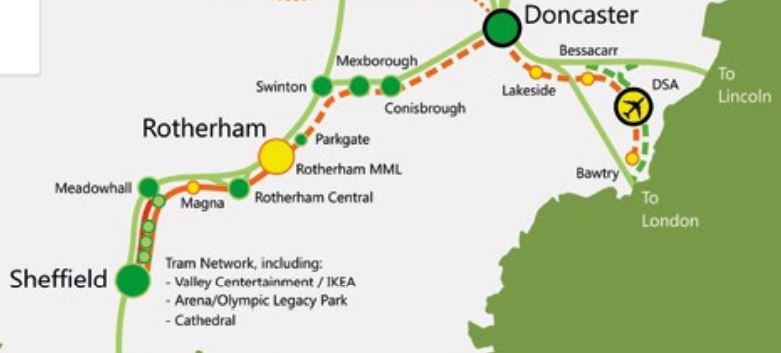
Doncaster and Doncaster Sheffield Airport are connected to the current end of the tram-train route at Rotherham Parkgate.
This OpenRailwayMap shows the rail lines between Rotherham Parkgate and Doncaster.
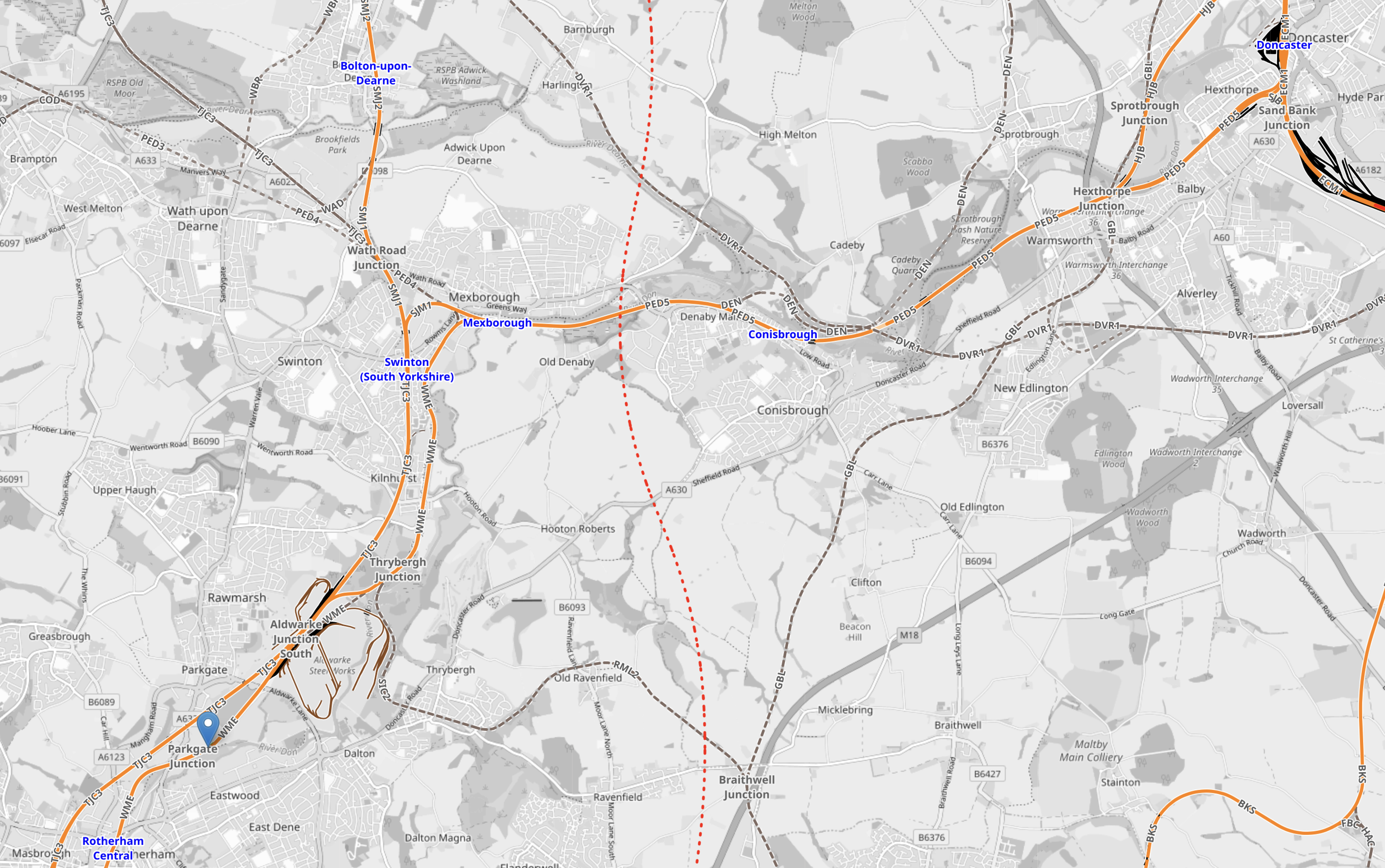
Note.
- Doncaster station is in the North-East corner of the map.
- Rotherham Central station is in the South-West corner of the map.
- The blue arrow in the South-West corner indicates Rotherham Parkgate tram stop.
- Swinton, Mexborough and Conisbrough stations can be picked out.
- The dotted red line running North-South across the map is the route of the ill-fated Eastern Leg of High Speed Two.
It is a simple application of tram-train technology to connect Doncaster station and Doncaster Sheffield Airport to the Sheffield Supertram.
With all the comings and goings on the East Coast Main Line at Doncaster station, I believe that the tram-train connection to Sheffield and Rotherham is essential.
The Cities Of Bradford, Doncaster, Leeds, Sheffield and Wakefield Can Have a High-Frequency Rail Connection
Consider.
- Four stations are all step-free with a bridge or subway served by lifts.
- Bradford Forster Square station has level access to the platforms from the street.
- The rail lines between the five stations are electrified, with the exception of Sheffield and Doncaster.
- Services between the cities are run by CrossCountry Trains, Grand Central Trains, Hull Trains, LNER and Northern Trains.
- Most maximum speeds are not unduly slow.
Consequently the five cities can have a high-frequency rail connection in excess of four tph.
Could this be the basis of a Five-Cities Metro?
Open Access Services
There are six open access services running on the East Coast Main Line.
- Grand Central Trains – King’s Cross-Bradford Interchange via Peterborough, Doncaster, Pontefract Monkhill, Wakefield Kirkgate, Mirfield, Brighouse, Halifax and Low Moor – 4 tpd
- Grand Central Trains – King’s Cross-Sunderland via Peterborough, York, Thirsk, Northallerton, Eaglescliffe and Hartlepool – 6 tpd
- Hull Trains – King’s Cross-Hull via Stevenage, Grantham, Retford, Doncaster, Selby, Howden, Brough – 4 tpd
- Hull Trains – King’s Cross-Beverley via Stevenage, Grantham, Retford, Doncaster, Selby, Howden, Brough, Hull and Cottingham – 2 tpd
- Lumo – King’s Cross-Edinbugh via Stevenage, Newcastle and Morpeth – 5 tpd
- Lumo – King’s Cross-Glasgow Queen Street via Stevenage, Newcastle, Morpeth, Edinburgh and Falkirk High – 2 tpd
Note.
- tpd is trains per day.
- All seem to serve an exclusive area, except Lumo.
- In a couple of years, all could be using Hitachi trains.
- I suspect some services will swap their diesel generators for batteries.
Battery-power would allow some services to be zero-carbon, even when using the GNGE diversion.
Extending The Sheffield Tram-Train To Adwick
I must admit, I very much like the Class 399 tram-trains in Sheffield and their German cousins in Karlsruhe.
I am not alone, as talking to an experienced Sheffield tram driver, he said that the extra power of the Class 399 tram-trains have over the Supertrams, mean they handle Sheffield’s hills with ease, when the tram-trains are full.
They have a top speed of 62 mph compared to a British Rail Class 150 train being able to manage 75 mph.
Passenger capacity of the two trains is probably about the same.
The Current Tram-Train Service
The service has the following characteristics.
- This runs between Sheffield Cathedral and Rotherham Parkgate via Meadowhall South and Rotherham Central stations.
- Services run every thirty minutes.
- I have heard rumours that an extra stop is going to be be added at Magna Science Adventure Centre.
London Overground and local rail services in Birmingham, Liverpool, Manchester and other cities in the UK, seem to run at a frequency of four trains per hour (tph).
The Current Northern Rail Service Between Sheffield And Adwick Via Doncaster
The service has the following characteristics.
- This runs between Sheffield and Aswick stations via Meadowhall, Rotherham Central, Swinton, Mexborough, Conisbrough, Doncaster and Bentley stations.
- Services run every hour.
- The service passes Rotherham Parkway Shopping Centre, but doesn’t stop.
Is there a need for this Northern Rail service to stop at Rotherham Parkway Shopping Centre?
The Current Electrification Between Sheffield And Rotherham
This OpenRailwayMap shows the electrified lines between Sheffield and Rotherham Parkway.
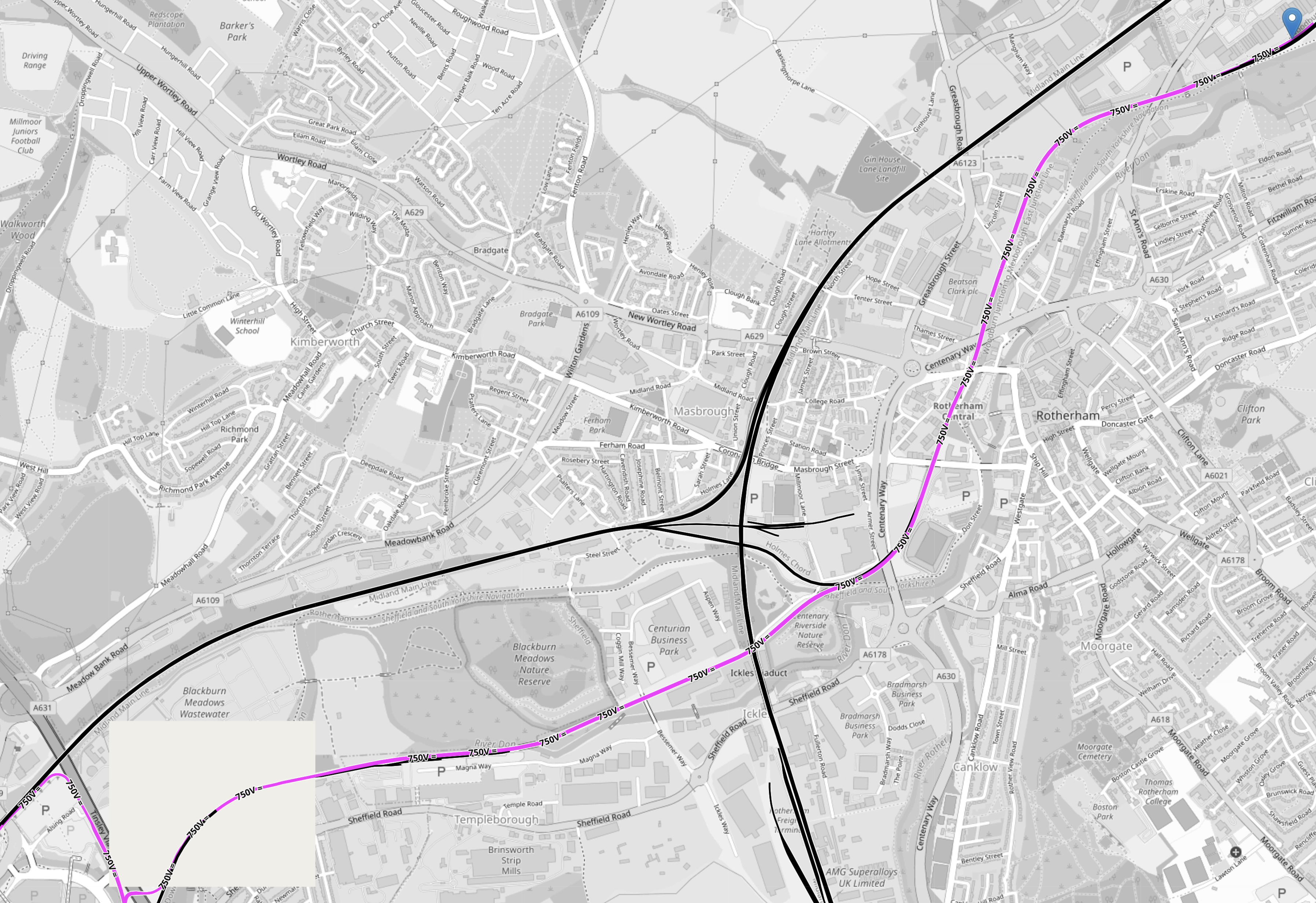
Note.
- Mauve tracks are electrified with 750 VDC overhead wires, so they can power Sheffield’s trams and tram-trains directly.
- Black tracks are not electrified.
- Meadowhall and its rail and tram interchange is in the South-West corner of the map.
- Note how mauve lines indicate the electrified tram tracks, that curve round the Meadowhall Shopping Centre.
- The blue arrow in the North-East corner indicates Rotherham Parkgate tram stop.
- The mauve line diagonally across the map, indicates the current electrification between Meadowhall South and Rotherham Parkgate tram stops.
- Magna Science Adventure Centre, is just to the South of the electrified Sheffield-Rotherham tram-line.
This second OpenRailwayMap shows the rail and tram lines between Sheffield and Rotherham in more detail.
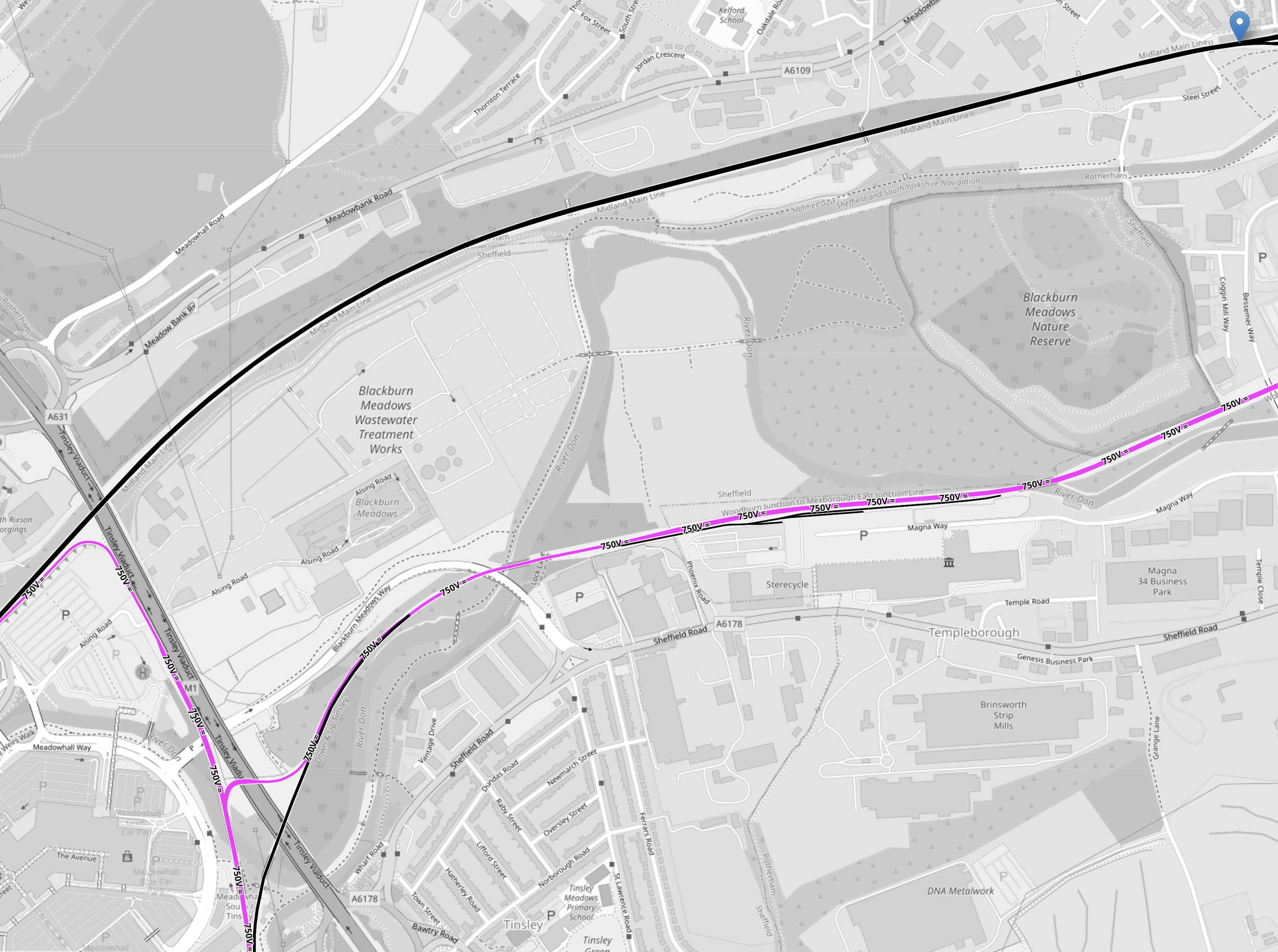
Note.
- Track colours are as in the first map.
- The blue arrow in the North-East corner of the map indicates Holmes junction and is the route that Northern Rail’s current Sheffield and Adwick service takes.
- Sheffield and Rotherham Central stations are 6.1 miles apart.
- Sheffield and Adwick stations are 22.7 miles apart, but the Northern four miles between Doncaster and Adwick are electrified with 25 KVAC overhead wires.
This would indicate that a tram-train with a range of about twenty miles on battery power would be able to handle the route, if it could charge its batteries on the electrified lines.
Terminating a Sheffield And Adwick Service In Sheffield
This OpenRailwayMap shows the rail and tram lines in and through Sheffield station.
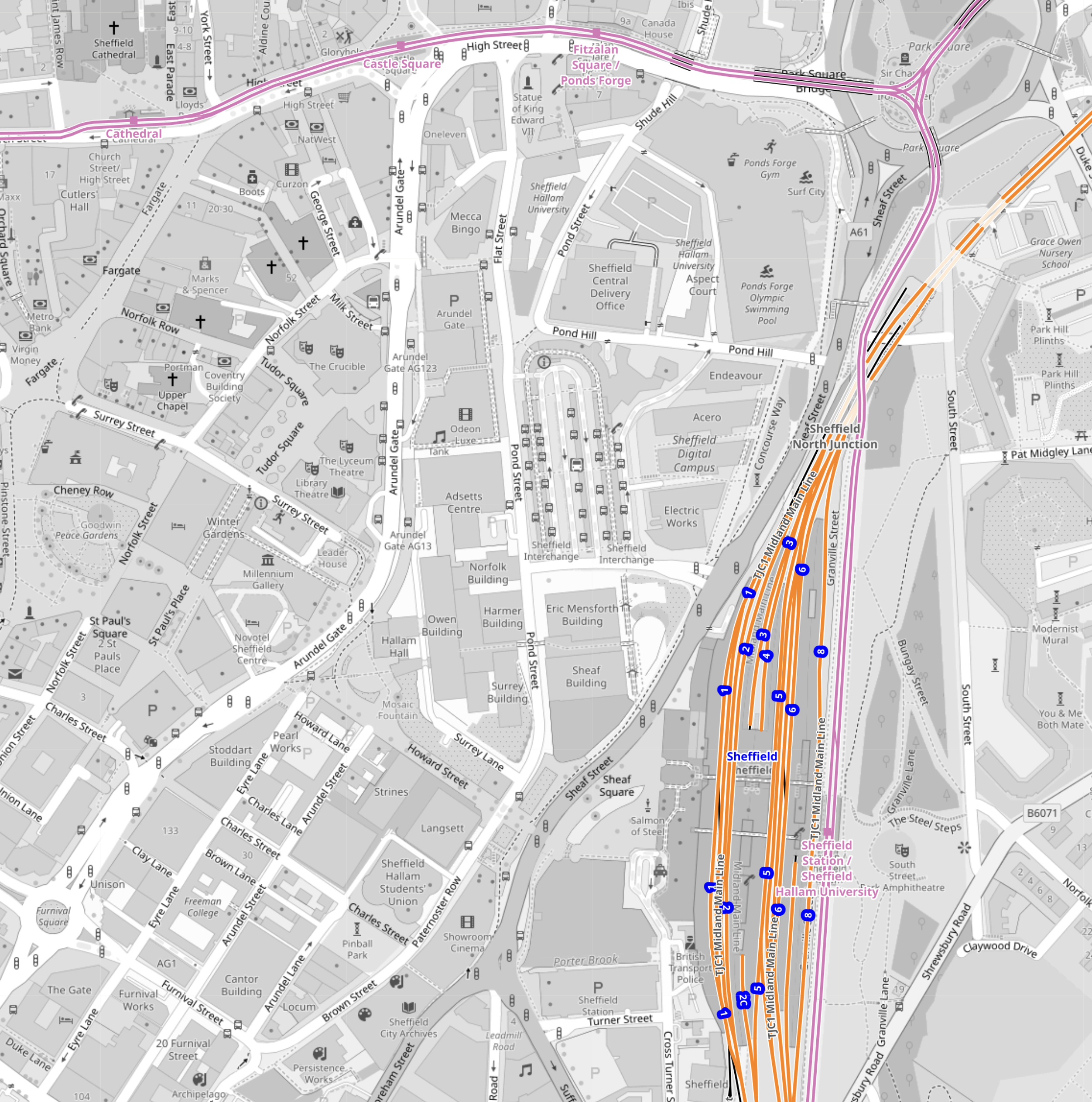
Note.
- Rail lines are in orange.
- Tram lines are in mauve.
- Platform numbers in Sheffield station are shown as blue dots. Click on the map to show it on a larger scale.
- Sheffield Cathedral tram stop is in the North-West corner of the map.
- The triangular junction in the North-East corner of the map, allows trams to use all the main tram lines that go in three directions. A touch of genius as it gives a lot of flexibility, when adding extra services.
Currently, termination of the services from Rotherham and Doncaster is as follows.
- The tram-train terminates at the Sheffield Cathedral tram stop with a frequency of two tph.
- The train terminates in Platform 3 in Sheffield station with an hourly frequency.
- As typically a terminal platform can handle 4 tph, I don’t see why a second Sheffield and Adwick service can’t be running every hour into Sheffield station.
A short length of overhead electrification would need to be added on Platform 3 to recharge any tram-trains terminating in the platform.
It could also become a tram and run to any of the other destinations served from the triangular junction; Halfway, Herdings Park or Malin Bridge. This would allow batteries to be charged as the tram-trains ran across the city.
Remember, Sheffield station is likely to be electrified with 25 KVAC overhead wires in connection with running electric trains between London St. Pancras and Sheffield.
If the four bay platforms at Sheffield station, were to be electrified, then these would be ideal for recharging any battery-electric trains or tram-trains, that terminated in the station.
Battery-Electric Trains Between Manchester And Sheffield
Consider.
- Manchester Piccadilly station is already fully electrified.
- Currently, all Manchester Piccadilly and Sheffield, terminate in Platform 8 at Sheffield station.
- The distance between the electrification at Manchester Piccadilly and Platform 8 at Sheffield station is 40.2 miles.
- CAF are promising battery-electric versions of their Class 331 trains.
With a battery range of fifty miles, which is not outrageous, Manchester and Sheffield could be an electric service for the first time since January 1970, when the Woodhead route was closed.
FirstGroup’s Proposed London King’s Cross And Sheffield Service
This open access service might happen, although with this Government of all the Lawyers we have, who can predict anything.
- If it does happen, it is likely that the trains will be battery-electric Class 802 trains.
- These will be the same as those that will be run by Hull Trains.
- Battery range will be sufficient to handle Retford and Sheffield, which is 23.3 miles and much shorter than Temple Hirst junction and Beverley.
These trains will also need charging at Sheffield.
The current Sheffield and Adwick service terminates in platform 3 at Sheffield station, so this platform would probably need to have tramway electrification, so that it could charge the trams.
Updating Rotherham Parkgate Tram Stop
My preference would be for four tph passing through Rotherham Parkgate tram stop in both directions, so this would be a tram-train every seven minutes and thirty seconds, if there was only one platform as now.
I’m fairly sure, that Rotherham Parkgate tram stop needs to have a platform in both directions.
This Google Map shows the tram stop.
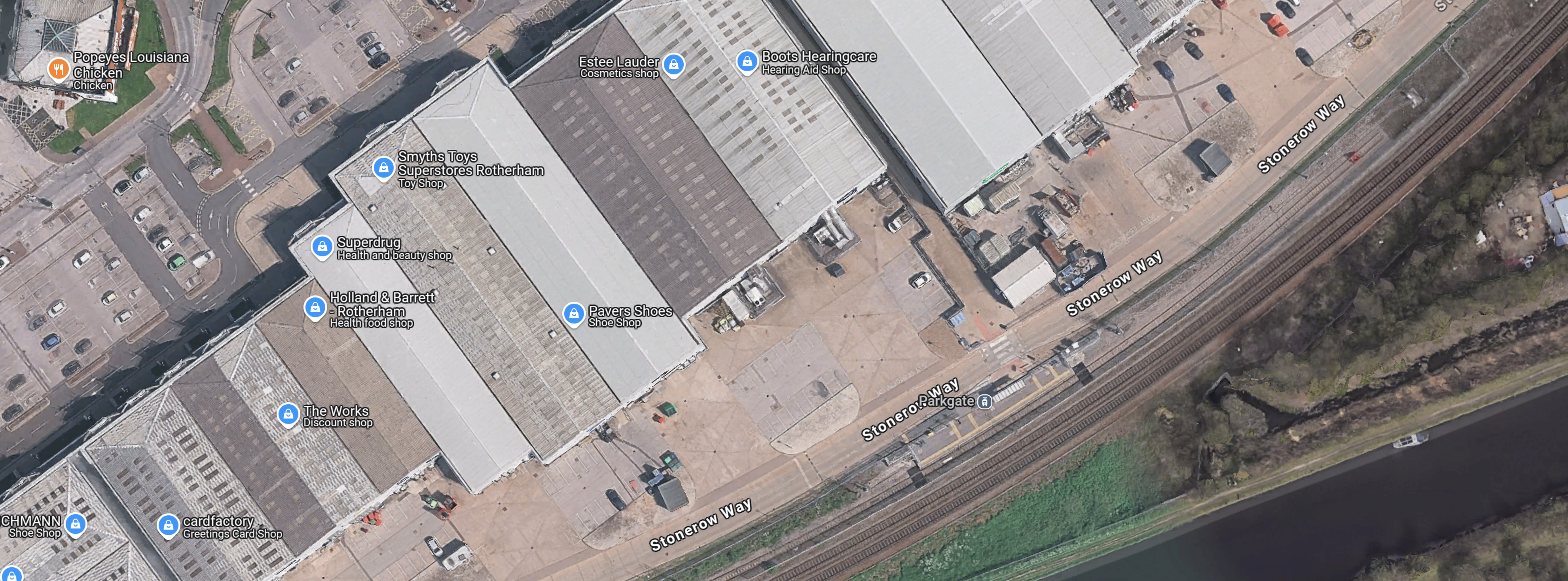
Note.
- The double-track rail line between Meadowhall and Doncaster curving to the South of the Rotherham Parkgate Shopping Centre.
- The Rotherham Parkgate tram stop on a spur from the rail line.
I am pretty certain, that a two-platform station could be squeezed in.
Riding Into the Future: Germany’s Pioneering Hydrogen-Powered Tram Project
The title of this post, is the same as that as this article on bnn Breaking.
This is the sub-heading.
Explore Germany’s groundbreaking project to develop a fuel cell-powered tram, leading the charge in sustainable urban mobility and reimagining the future of public transportation.
These are the first two paragraphs.
In the quiet, industrious corners of Germany, a revolution is unfolding on the tracks of public transportation. A consortium led by Hörmann Vehicle Engineering, alongside partners Heiterblick, Flexiva Automation & Robotik, and Technische Universität Chemnitz, has embarked on a groundbreaking journey to conceptualize, design, and test what could be the world’s next leap in eco-friendly mass transit: a hydrogen-powered tram. The project, aptly named the Hydrogen Tram for Next Generation, merges the realms of innovation, sustainability, and practicality, aiming to redefine urban mobility in ways we’ve only begun to imagine.
The project’s heart beats with a simple yet ambitious goal: to create a fuel cell-powered tram that doesn’t just exist as a prototype but thrives as a model for future public transportation. This initiative isn’t just about building a tram; it’s about reimagining the entire ecosystem surrounding urban mobility. From devising a robust refueling strategy to simulating operations and testing the fuel cell system, the collaborators are leaving no stone unturned. The project, with a generous €8 million budget, is buoyed by support from the federal government’s national hydrogen and fuel cell technology innovation program. This isn’t merely an experiment; it’s a statement of intent by Germany to lead the charge in sustainable transit solutions.
I have a few thoughts.
Chemnitz
These pictures show Chemnitz and its trams.

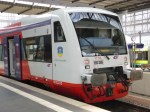
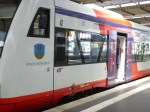
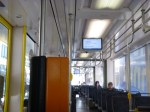



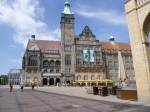
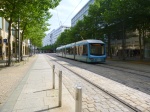












Note.
- Chemnitz used to be called Karl Marx Stadt.
- Chemnitz has some hybrid trams and tram-trains.
- I described how the Chemnitz trams work in Chemnitz Trams And The Chemnitz Model.
Chemnitz could be a very suitable place to try out the technology.
Hence, the involvement of Chemnitz University in the project doesn’t surprise me.
Tram-Trains
This article on Railway Gazette International, which is entitled Hydrogen Tram Development Project Underway, is also about the same project.
This is the first paragraph.
The Hydrogen Tram for Next Generation project has been launched to develop a fuel cell-powered vehicle which would enable services to be extended into new areas and tram-train routes created without the need for electrification.
It looks like this was added in the translation.
Tram Trains In South London
In The Third-Rail Tram-Train, I postulated using third-rail tram trains to extend the London Tramlink.
Since then Merseyrail have tried to extend, their third-rail electrified network and been told they couldn’t.
I have written these posts about using tram-trains to extend the London Tramlink.
- Could There Be A Tram-Train Connection At Reeve’s Corner?
- Would Third-Rail Tram-Trains Affect The Design Of The Proposed Streatham Interchange Station?
- The Cranleigh Line
- Thoughts On The Sutton Loop Line
- Could Third-Rail Tram-Trains Work The Epsom Downs Branch?
- Could Third-Rail Tram-Trains Be Used To Increase Services In South London?
- Could Beckenham Junction To Birkbeck Be Run Using Third-Rail Tram-Trains?
- Could Tram-Trains Be Used To Advantage In Croydon?
So would a hydrogen-powered tram-train be useful technology to extend the London Tramlink?
It just could be!
Zero-Carbon Between Manchester and Sheffield
This OpenRailwayMap shows the electrification across the Pennines.

Note.
- Red lines are electrified with 25 KVAC overhead.
- Mauve lines are tram lines electrified with 750 VDC overhead.
- The mauve lines in the West are the Manchester Metrolink.
- The mauve lines in the East are the Sheffield Supertram
- Black lines are not electrified.
- Red and black lines are currently being electrified.
- The blue arrow at the bottom of the map indicates Buxton.
- To the North of Buxton, the line linking Manchester and Sheffield is the Hope Valley Line.
- Running North-East from Manchester is the main TransPennine route between Leeds and Manchester via Dewsbury and Huddersfield.
This OpenRailwayMap shows the TransPennine route between Morley and Mossley stations.
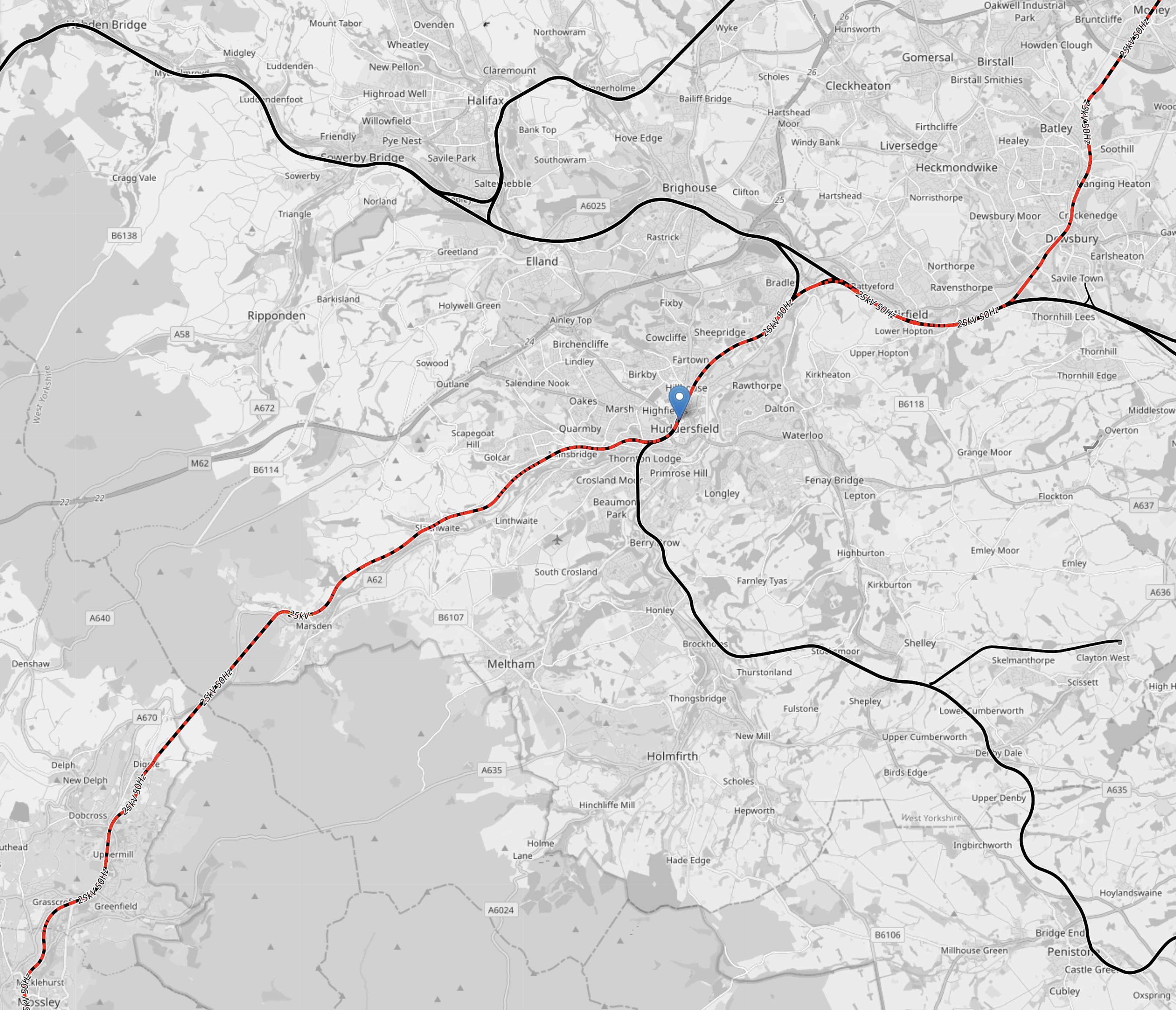
Note.
- Colours are as before.
- Morley station is in the North-East corner of the map.
- Huddersfield station is indicated by the blue arrow in the middle of the map.
- Mossley station is in the South-West corner of the map.
In a few years time, there will be 25 KVAC overhead electrification all the way between Leeds and Manchester via Dewsbury and Huddersfield.
This OpenRailwayMap shows the routes around Manchester and Sheffield and the connecting routes between Barnsley, Huddersfield, Manchester and Sheffield.
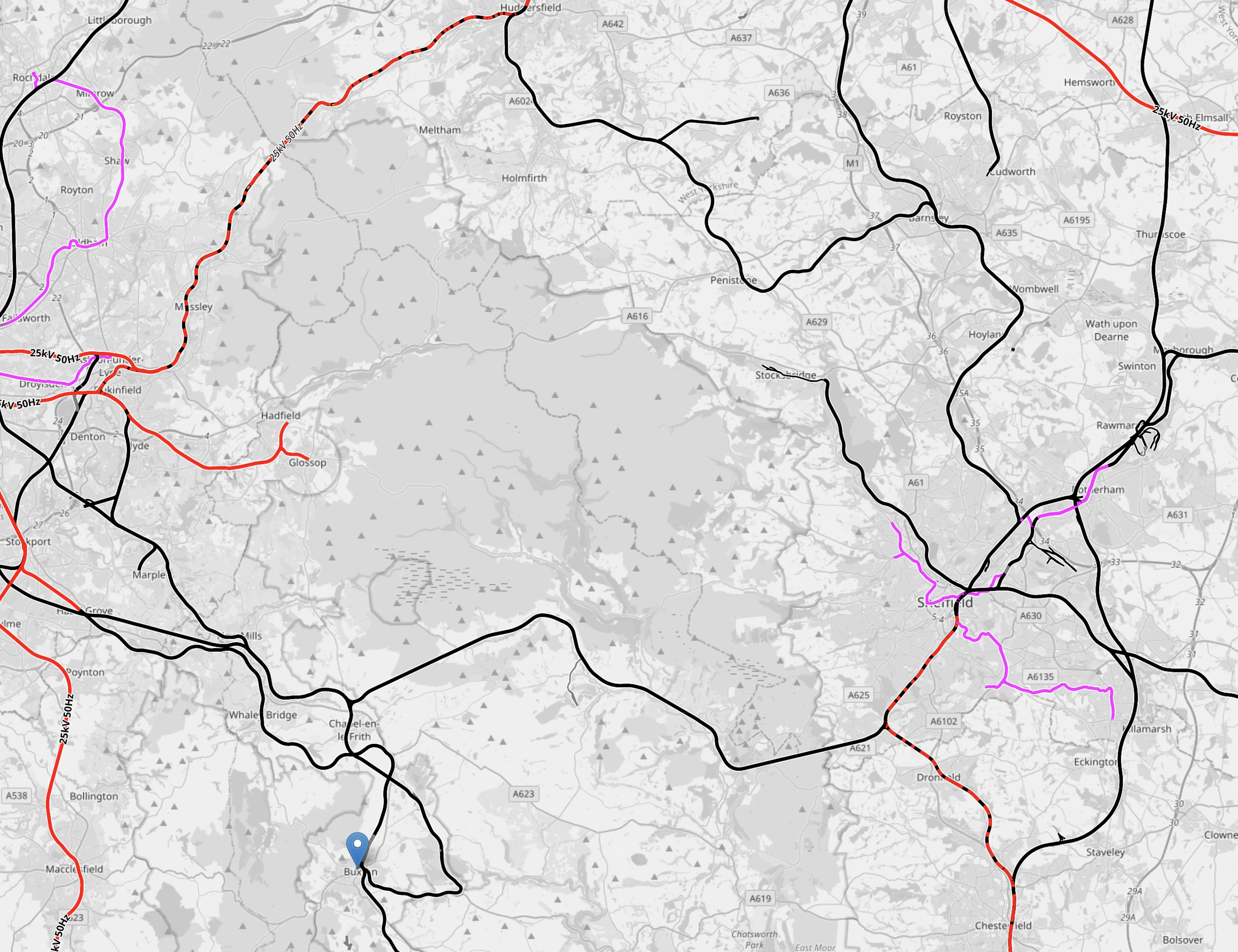
Note.
- Colours are as before.
- The blue arrow at the bottom of the map indicates Buxton.
- The line to Stocksbridge runs North-West from Sheffield.
- To its East the Penistone Line runs to Huddersfield via Barnsley.
- Manchester has a series of lines to the East that need to be electrified.
How many of these lines could be integrated into the tram systems of Manchester and Sheffield, by the use of hydrogen-powered tram-trains?
Hydrogen-powered tram-trains could share lines with battery-electric trains.
Tram-trains could run from say Cathedral in Sheffield to Piccadilly Gardens in Manchester.
Using self-powered trains would cut the need for expensive infrastructure.
The possibilities are endless and carbon free.
Conclusion
Hydrogen-powered trams and tram-trains could be a valuable tool for decarbonising trams and trains.
FirstGroup Applies To Run New London To Sheffield Rail Service
The title of this post, is the same as that of this press release from First Group.
These four paragraphs outline FirstGroup’s initial plans.
FirstGroup plc, the leading private sector transport operator, has today submitted the first phase of an application for a new open access rail service between London and Sheffield to the Office of Rail and Road (ORR).
FirstGroup plans to expand its open access rail operations as part of its award-winning Hull Trains business, building on their successful existing service which has transformed long-distance connectivity between Hull and London.
FirstGroup’s new proposals comprise two return journeys a day from London King’s Cross, calling at Retford, Worksop, Woodhouse and Sheffield, and the company aims to provide a faster link between London and Sheffield than alternative services. Almost three quarters of trips between London and Sheffield are currently made by car, with a further 9% of trips made by coach, and a competitively priced new rail offering will help stimulate a shift in transport mode of choice from road to rail.
The new proposed route will give Sheffield the first regular service from London King’s Cross since 1968 and will also give Worksop in Nottinghamshire the first regular direct London trains in decades. FirstGroup estimates there are 350,000 people in the Worksop and Woodhouse catchment areas who will have direct rail access to London because of these proposals. A sizeable number of rail users in these areas currently drive to Doncaster station to pick up faster services to London rather than travelling via Sheffield, and a convenient rail offering from local stations will also help to reduce the number of these car journeys.
Note.
- The press release says this is only the first phase.
- It appears to be an extension of Hull Trains.
- Comments on a news story based on the press release in The Times, have been generally positive.
These are my thoughts.
The Two Routes Are Similar
Consider.
- Beverley is 44.3 miles from the electrified East Coast Main Line at Temple Hirst Junction.
- Hull is 36.1 miles from the electrified East Coast Main Line at Temple Hirst Junction.
- Sheffield is 23.5 miles from the electrified East Coast Main Line at Retford station.
- There is no electrification at Beverley, Hull or Sheffield.
Note.
- Trains must be capable of having a range sufficient to go from the East Coast Main Line to the destination and back again.
- It is slightly surprising that Sheffield station is closest to the electrification of the East Coast Main Line.
- Hull Train’s electro-diesel Class 802 trains regularly handle the 88.6 miles to Beverley and back.
It does look like an appropriate number of Class 802 trains could handle Hull Trains current and future services to Beverley, Hull and Sheffield.
Hull Trains Need Ten-Car Trains
Consider.
- In Ten-Car Hull Trains, I show some details of Hull Trains using a pair of five-car trains.
- I’ve since seen ten-car Hull Trains regularly.
- There were two ten-car services on the 29th December 2023 between London King’s Cross and Hull.
Hull Trains must procure enough trains for all possible scenarios.
Intermediate Stations Of The Two Routes
Intermediate stations are.
- Going North from London King’s Cross to Hull, trains call at Stevenage (limited), Grantham, Retford, Doncaster, Selby, Howden and Brough.
- Going North from London King’s Cross to Sheffield, trains call at Retford, Worksop and Woodhouse.
There are only a small number of stops on the Sheffield service. Is this to reduce the journey time as much as possible?
What Will Be The Time Of The London King’s Cross And Sheffield Service?
Consider.
- Non-stop trains take 82 minutes between London King’s Cross and Retford, which is 138.6 miles, so it’s an average speed of 101.4 mph.
- Woolmer Green and Retford are 111.7 miles and will in a couple of years, be digitally signalled.
- Non-stop trains take 66 minutes between Woolmer Green and Retford, which is an average speed of 112 mph.
- I have found a direct Retford and Sheffield train, that takes 31 minutes for the 23.5 miles with six stops, which is an average speed of 45 mph.
- The Retford and Sheffield section has a mostly 60 mph maximum speed.
I can now build a table of times between King’s Cross and Retford based on the average speed North of Woolmer Green.
- 125 mph – 72 minutes
- 130 mph – 70 minutes
- 135 mph – 68 minutes
- 140 mph – 66 minutes
Note.
- Getting a high average speed using the power of digital signalling can save several minutes.
- I have measured an InterCity 125 averaging 125 mph on that section.
I can now build a table of times between Retford and Sheffield based on the average speed.
- 45 mph – 31 minutes
- 50 mph – 28 minutes
- 60 mph – 24 minutes
- 70 mph – 20 minutes
- 80 mph – 18 minutes
Note.
- The planned service is expected to stop only twice after Retford, so if we take off two minutes for each of the four stops not taken, this could reduce the time between Retford and Sheffield by 8 minutes.
- There will be a couple of minutes to add for the stop at Retford.
- I feel a typical journey with 125 mph to Retford, 50 mph to Sheffield, could take 94 minutes
- Currently, the fastest London St. Pancras to Sheffield take around 116-118 minutes.
Hull Trains new service could save 22-24 minutes on the current service.
I also feel a fast journey could involve 130 mph to Retford, 60 mph to Sheffield, could take 88 minutes.
Hull Trains new service could save a few minutes over half-an-hour.
Could The Time Of The London King’s Cross And Sheffield Service Be Under 90 Minutes?
I reckon the following is possible.
- After the digital signalling is completed between King’s Cross and Retford, I suspect that a 135 mph average speed can be maintained between Woolmer Green and Retford. This would mean that a King’s Cross and Retford time of 68 minutes would be possible.
- If Network Rail improve the track between Retford and Sheffield, I believe that a 70 mph average could be achieved on the Retford and Sheffield section. This would mean that a Retford and Sheffield time of 20 minutes would be possible.
- I would expect at least six minutes would be saved by missing stops.
This gives a time of 82 minutes between London King’s Cross and Sheffield.
In Anxiety Over HS2 Eastern Leg Future, I said that High Speed Two’s promised London and Sheffield time via a dedicated track would be 87 minutes.
It looks to me that running under full digital signalling on the East Coast Main Line, Hull Trains can beat the HS2 time.
Could Hitachi’s Battery-Electric Trains Handle The Routes?
This page on the Hitachi web site is entitled Intercity Battery Trains.
This is the sub-heading
Accelerate the decarbonisation of intercity rail with batteries.
These paragraphs outline the philosophy of the design of the trains.
A quick and easy application of battery technology is to install it on existing or future Hitachi intercity trains. Hitachi Rail’s modular design means this can be done without the need to re-engineer or rebuild the train and return them to service as quickly as possible for passengers.
Replacing one diesel engine with just one battery reduces emissions by more than 20% and offers cost savings of 20-30%. Our intercity battery powered trains can cover 70km on non-electrified routes, operating at intercity speeds at the same or increased performance.
Wouldn’t it be great, if we could take the diesel engine out of our cars and replace it with an electric power pack?
Paul Daniels would’ve classed it as engineering magic.
But it’s an old engineer’s trick.
As a fifteen year old, I spent time in a rolling mill, building and fitting replacement control systems on large machines. Transistors were used to replace electronic valves and relays.
It’s certainly possible to create a battery pack, that is plug-compatible with an existing diesel generator, that responds to the same control inputs and gives the same outputs.
At the extreme end of this technology, there would be no need to change any of the train’s software.
In The Data Sheet For Hitachi Battery Electric Trains, these were my conclusions for the performance.
- The battery pack has a capacity of 750 kWh.
- A five-car train needs three battery-packs to travel 100 miles.
- A nine-car train needs five battery-packs to travel 100 miles.
- The maximum range of a five-car train with three batteries is 117 miles.
- The maximum range of a nine-car train with five batteries is 121 miles.
As the East Coast Main Line to Beverley is a round trip is 88.6 miles, I suspect that Hull Trains’s five-car Class 802 trains will need to be fitted with a full-complement of three batteries.
Will Hull Trains Have An Identical Fleet Of Trains?
An identical fleet must have advantages for train staff, maintenance staff and above all passengers.
I believe FirstGroup have two choices.
- They buy an appropriately-sized batch of identical Class 802 trains.
- They convert their current fleet to battery-electric operation and buy an appropriately-sized batch of identical new trains.
Note.
- The second option means that they fully-decarbonise Hull Trains.
- Neither option would need any new infrastructure.
- I feel this means that this order is more likely to go to Hitachi.
It’ll probably all come down to the accountants.
Retford Station
This OpenRailwayMap shows the tracks around Retford station.
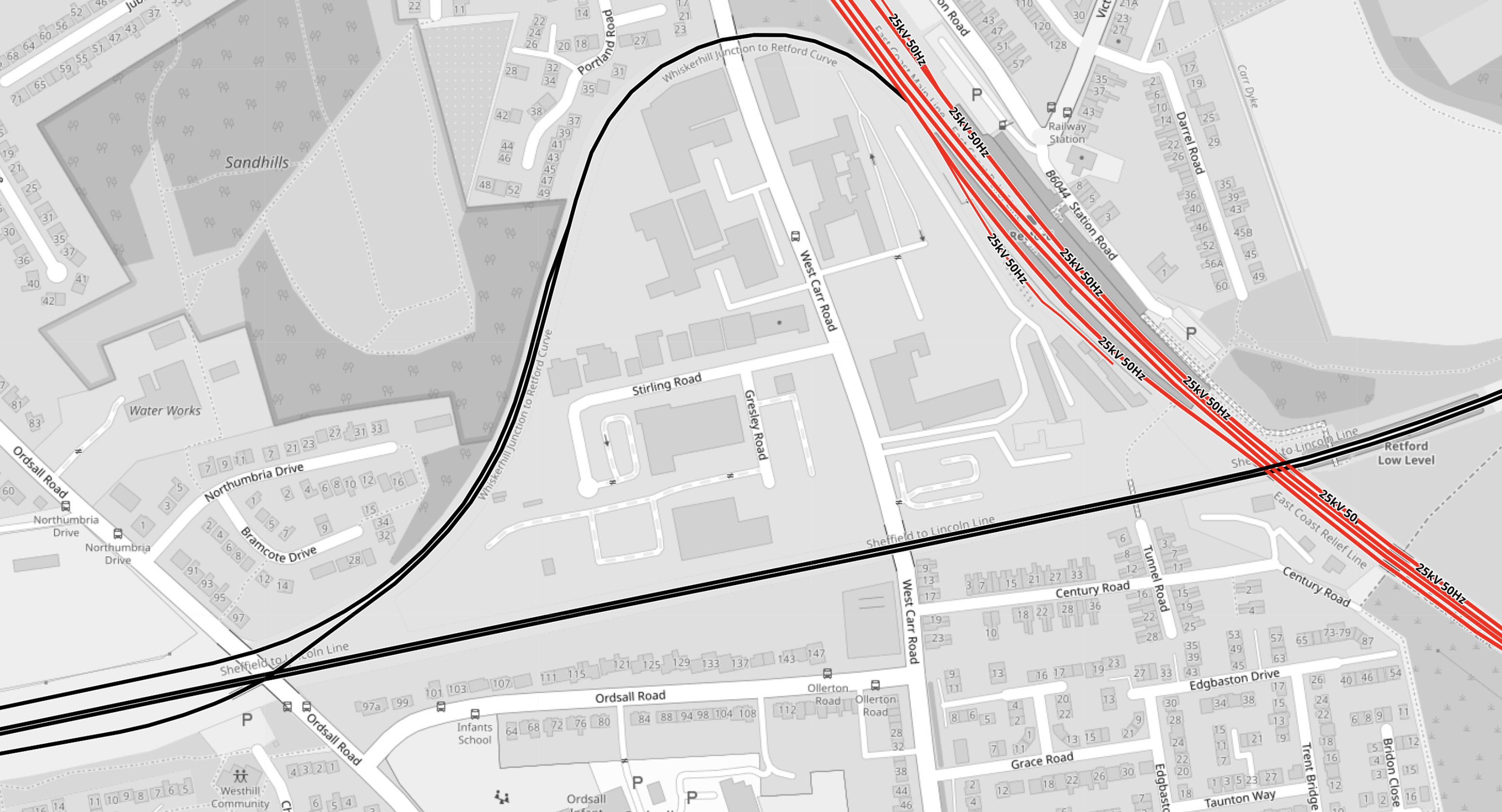
Note.
- The red tracks are electrified and are the East Coast Main Line.
- The black ones aren’t electrified.
- Doncaster is to the North.
- The black line to the East goes to Lincoln
- The black line to the West goes to Sheffield
- The red line going South-East goes to Peterborough and London.
The unusual loop allows trains to connect from one direction to another.
This second OpenRailwayMap shows the tracks in more detail.
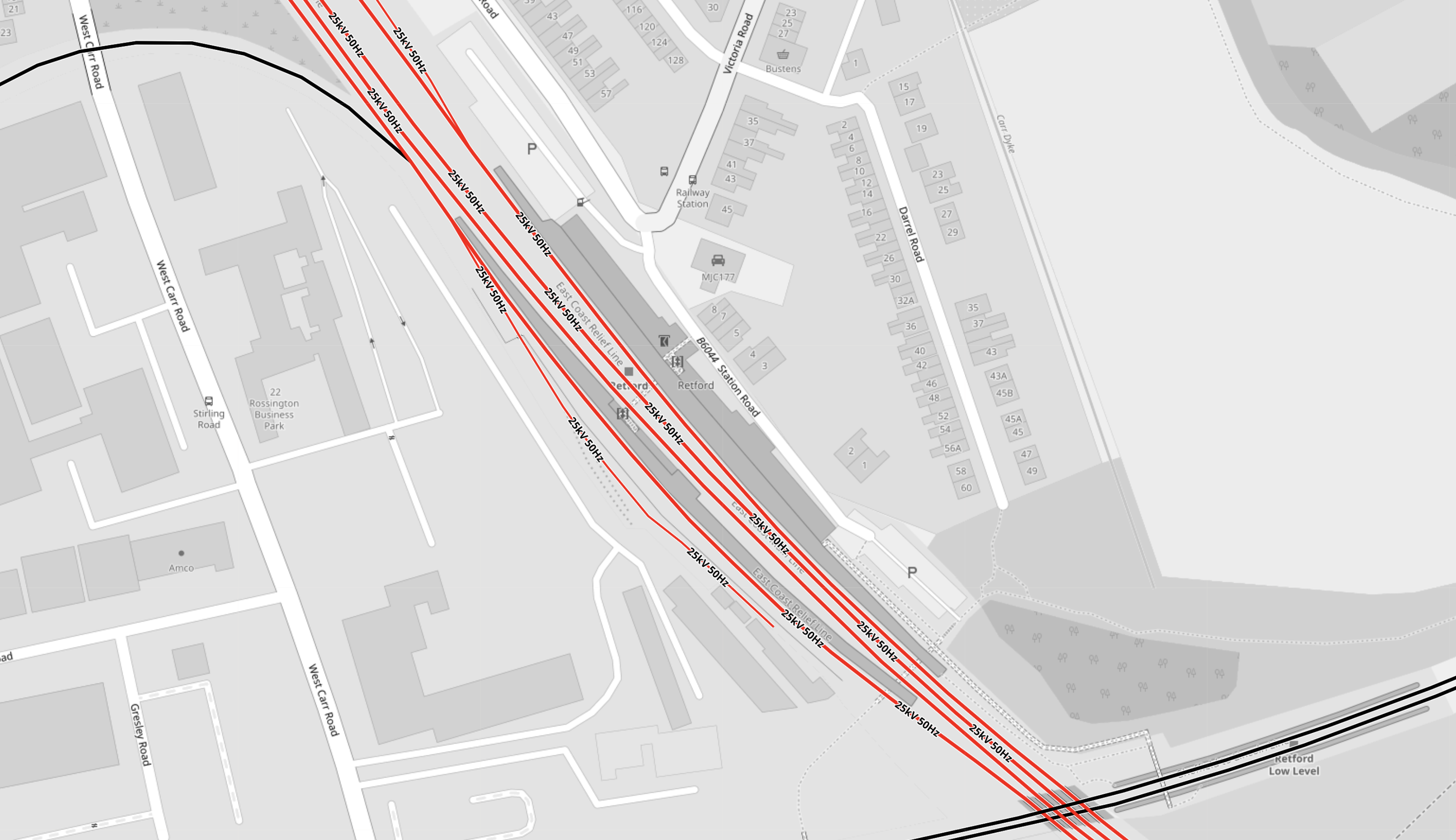
Note.
- As before red lines are electrified and black ones aren’t
- Platforms 1 and 2 are on the East Coast Main Line.
- Platforms 3 and 4 are on the Sheffield and Lincoln Line.
This third OpenRailwayMap shows the platforms in more detail.

Note.
- The yellow tracks are the 125 mph fast lines of the East Coast Main Line.
- The light blue tracks are the 40 mph relief lines of the East Coast Main Line.
- Northbound tracks are to the left of each pair of lines.
- The dark blue track is the 10 mph chord that connects the Northbound relief line of the East Coast Main Line to the Sheffield and Lincoln Line.
- Platform 1 is on the Southbound relief line.
- Platform 2 is on the Northbound relief line.
- Unusually, both platforms are on the same side of the line.
- In The Lengths Of Hitachi Class 800/801/802 Trains, I state that the full length of an InterCity 225 train is 245.2 metres.
- I suspect that both platforms can accommodate a full length InterCity 225, as the trains have been calling at Retford since the 1980s.
I doubt Retford station has any problem accommodating a pair of Class 802 trains, which it does regularly.
How Do Northbound Trains Go To Sheffield From Retford Station?
This OpenRailwayMap shows the tracks to the South of Retford station in detail.
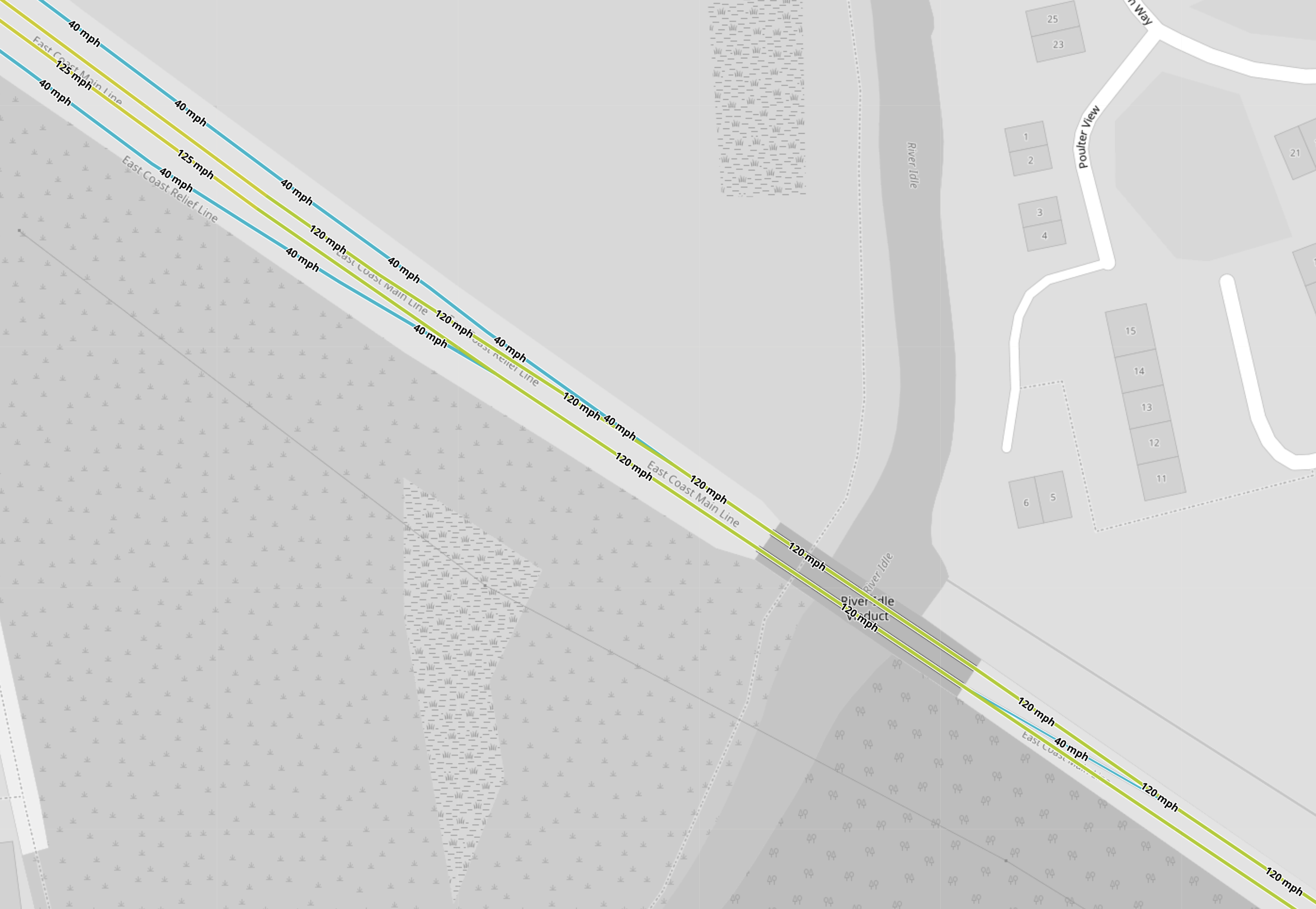
Note.
- The yellow tracks are the 125 mph fast lines of the East Coast Main Line.
- The light blue tracks are the 40 mph relief lines of the East Coast Main Line.
- Northbound tracks are to the left of each pair of lines.
Trains needing to stop in Retford station will need to cross to the Northbound relief line to enter Platform 2 at Retford station.
This OpenRailwayMap shows the curve that connects Platform 2 at Retford station to the Sheffield and Lincoln Line to Sheffield.

Note.
- The green tracks are the 60 mph Sheffield and Lincoln Line.
- Sheffield is to the West.
- The blue tracks are the curve that connects Platform 2 in Retford station to the Sheffield and Lincoln Line.
- There appears to be a grade-separated junction, where the two lines join to the West of Retford station.
A Northbound train to Sheffield will take curve and then join the line to Sheffield.
How Do Southbound Trains Go From Sheffield Through Retford Station?
I suspect trains do the opposite from a train going to Sheffield.
The train takes the curve and then stops in Platform 2 facing South.
This OpenRailwayMap shows the tracks to the South of Retford station in detail.
When the train is cleared by the signals to go South, it will leave Retford station going South on the Northbound relief line.
Note that on the map there are two crossovers, which the train will take to get on the Southbound fast line for Newark and London.
As a Control Engineer, I suspect this is the sort of manoeuvre, that modern digital signalling will make slicker and safer.
How Do Northbound Trains Go To Hull From Retford Station?
On leaving the station, the train will continue along the relief line until it merges with the Northbound fast line for Doncaster.
This is exactly as any Northbound train stopping at Retford does now.
How Do Southbound Trains Go From Hull Through Retford Station?
Currently, trains from Hull stop in Platform 1 on their way to London.
- Trains needing to stop in Retford station will need to cross to the Southbound relief line to enter Platform 1 at Retford station.
- When the train is cleared by the signals to go South, it will leave Retford station going South on the Southbound relief line.
- The Southbound relief line joins the Southbound fast line to the South of the station.
This is exactly as any Southbound train stopping at Retford does now.
Could A Hull And A Sheffield Service Run As A Pair And Split And Join At Retford Station?
Consider.
- Class 802 trains, as used by Hull Trains are designed to be run as a pair of trains, with easy coupling and uncoupling between the two trains.
- Hull Trains regularly run services as a pair of Class 802 trains.
- A pair of trains could leave King’s Cross. They would then split at a convenient station, after which the two trains go to different destinations.
- There are advantages with respect to infrastructure charges.
I feel that Hull Trains two services to Sheffield and Hull/Beverley could work as a pair.
- A pair of trains could leave King’s Cross.
- At Retford station they would split, with one train going to Hull and the other to Sheffield.
Coming South they would join at Retford.
How Would Splitting Of A Hull And Sheffield Service Be Performed At Retford Station?
The procedure would be something like this.
- As the pair of train is stopping in Retford station, it would use the relief line to enter Platform 2.
- It would stop in Platform 2.
- The trains would be uncoupled.
- The front train would go to its destination.
- The rear train would go to its destination.
Note.
- As the track to Doncaster and Hull is faster, the front train should probably be for Hull.
- Platform 2 is electrified, so the Sheffield train could top up its batteries .
- The Sheffield train could lower its pantograph.
Uncoupling takes about two minutes.
How Would Joining Of A Hull And Sheffield Service Be Performed At Retford Station?
Consider.
- Joining would have to be performed in Platform 2, as there is no route for a train from Sheffield to access Platform 1.
- North of Retford station there are two convenient crossovers, to allow a train to cross to the Northbound relief line. There are also a couple of loops, where trains could wait.
- As this is coal-mining country, perhaps, they were part of a freight route between Sheffield and Doncaster?
But this infrastructure would allow, a train from Hull to access Platform 2 at Retford station.
As the Sheffield train can easily access Platform 2, the two trains could meet in Platform 2 and then be joined together for a run to London.
Is There A Problem With Splitting And Joining Of the Hull And Sheffield Services?
Earlier, I said these were the stops of the two services.
- Going North from London King’s Cross to Hull, trains call at Stevenage (limited), Grantham, Retford, Doncaster, Selby, Howden and Brough.
- Going North from London King’s Cross to Sheffield, trains call at Retford, Worksop and Woodhouse.
Surely, if the trains were travelling as a pair, they would need to stop at the same stations to the South of Retford.
But modern digital signalling will allow trains to run closer together, so perhaps this would be the procedure going North.
- The two trains start in the same platform at King’s Cross, with the Sheffield train in front of the Hull train.
- The two trains leave King’s Cross a safe number of minutes apart.
- At its Stevenage and Grantham stops, the Hull train will tend to increase the distance between the two trains.
- The Sheffield train would stop in Platform 2 at Retford station, so that space is left for the Hull train.
- The Hull train will stop behind the Sheffield train in Platform 2 at Retford station.
- The Sheffield train will leave when ready.
- The Hull train will leave when ready.
And this would be the procedure going South.
- The train from Sheffield would line up in Platform 2 at Retford station.
- The train from Hull would line up in Platform 1 at Retford station.
- The train from Sheffield would leave when everything is ready and the train is cleared by the signalling system.
- The train from Hull would leave a safe number of minutes behind the train from Sheffield.
- At its Grantham and Stevenage stops, the Hull train will tend to increase the distance between the two trains.
- The trains could share a platform at King’s Cross.
The digital signalling and the driver’s Mark 1 eyeballs will keep the Hull train, a safe distance behind the faster Sheffield train.
The Capacity Of The Lincoln And Sheffield Line
Looking at the Sheffield and Lincoln Line, it has only an hourly train, that calls at Darnall, Woodhouse, Kiverton Park, Kiverton Bridge, Shireoaks and Worksop between Retford and Sheffield.
- I would suspect that there is enough spare capacity for Hull Trains to run a one train per two hours (tp2h) service between London King’s Cross and Sheffield.
- If LNER feel that a 1 tp2h frequency is viable for Harrogate, Lincoln and other places, surely Hull and East Sheffield could support a similar service from King’s Cross.
If the services could be run by battery-electric trains, capable of running at 140 mph on the East Coast Main Line and giving times of ninety minutes to Sheffield, this could be a success.
Could Woodhouse Station Become A Transport Hub?
This Google Map shows Woodhouse station.
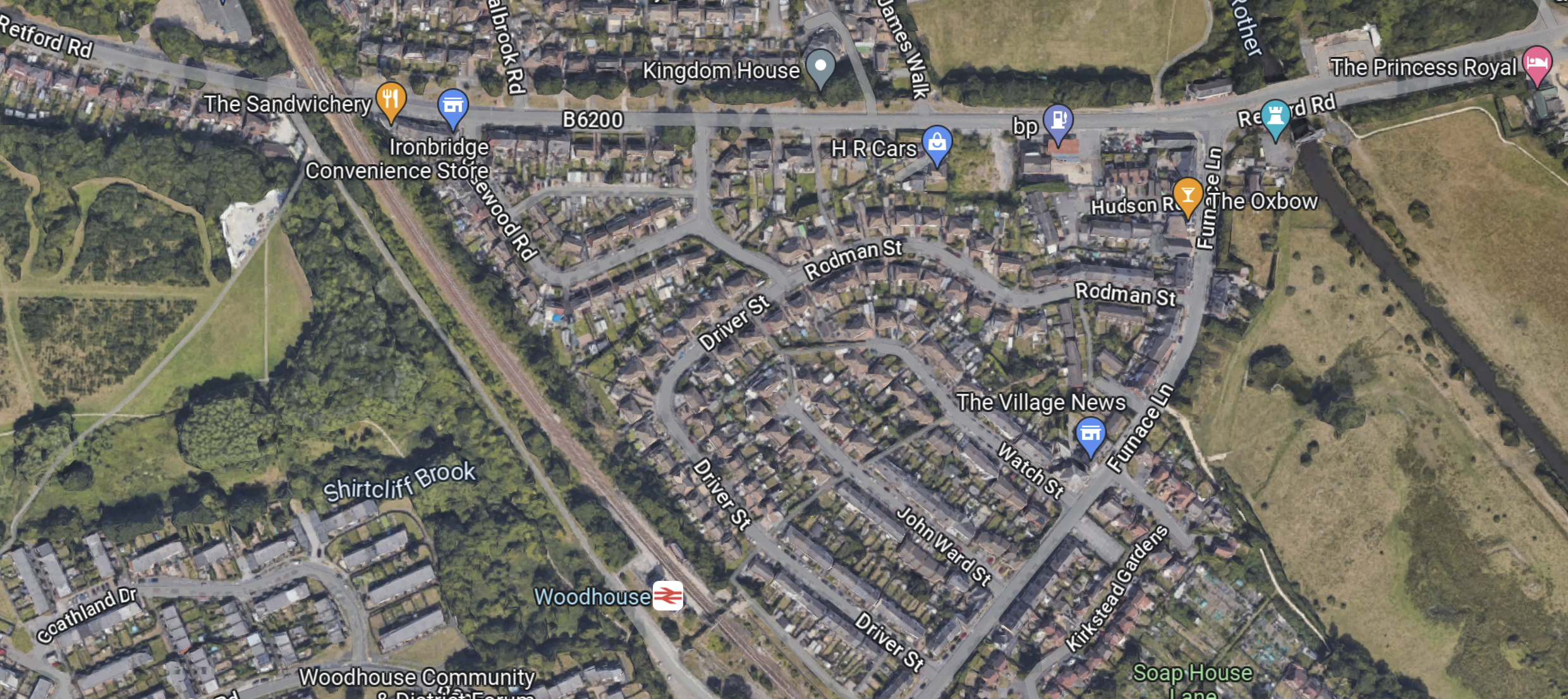
Note.
- It is certainly surrounded by a lot of houses.
- Could it be provided with car-parking?
Although, as this picture shows it is not blessed with lots of facilities.
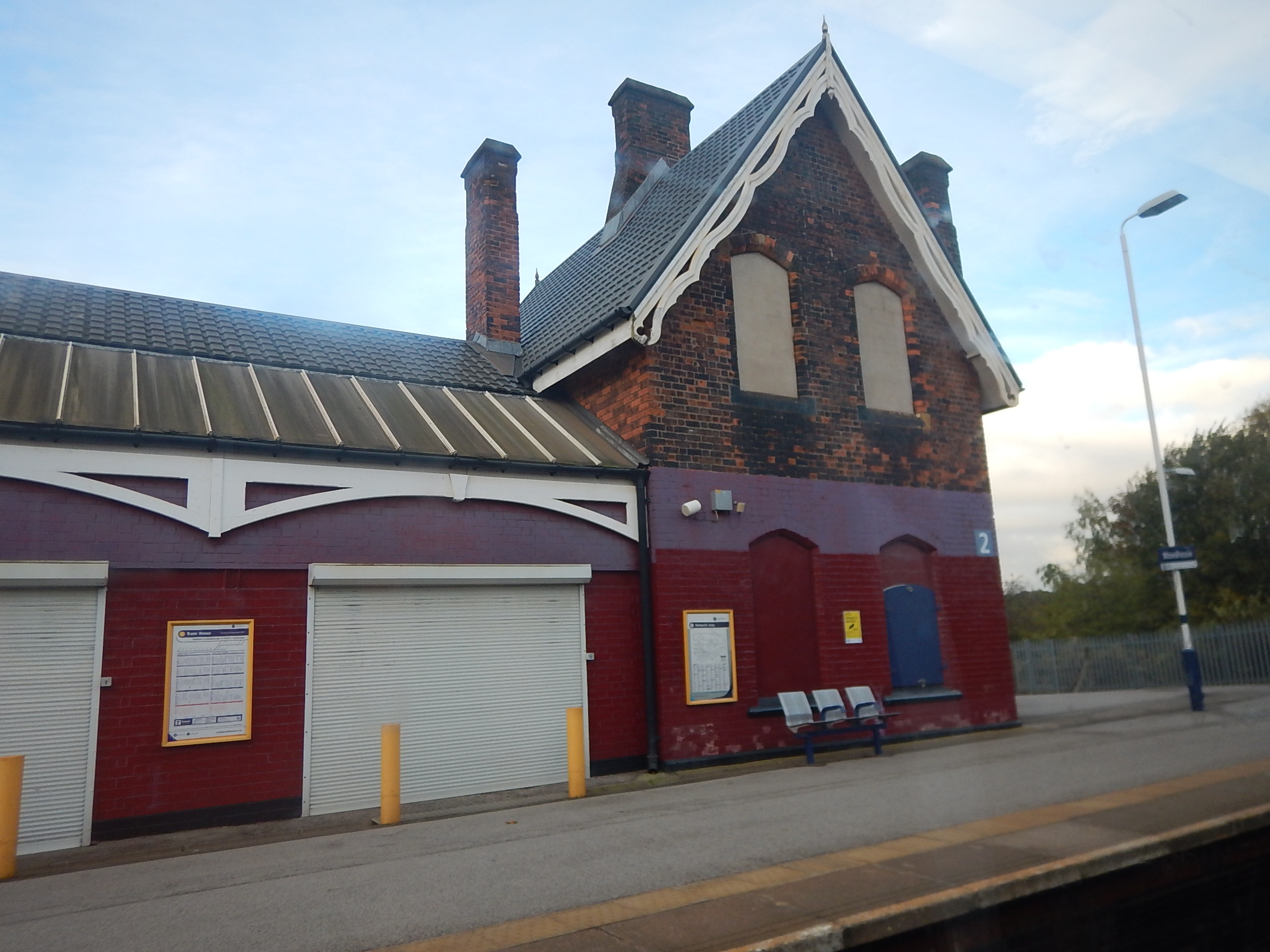
But.
- The station is in an area, which Sheffield want to develop.
- The Advanced Manufacturing Centre is nearby.
- There are aspirations to run a tram-train between Sheffield and Chesterfield via Darnall, Woodhouse and Barrow Hill stations.
- The station could be on the tram-train route to Stocksbridge, that I wrote about in Reopening The Don Valley Section Of The Former Woodhead Line Between Stocksbridge and Sheffield Victoria To Passenger Services.
Woodhouse station could be an interchange or it could become something bigger like a hub station.
How Many Sheffield Services Per Day Could Be Run?
If the Hull and Sheffield trains run as a flight under control of the digital signalling, this will mean that every Hull train can be paired with a Sheffield train.
- There are five trains per day (tpd) to and from Hull and two to and from Beverley.
- It seems a maximum of one tpd in both directions can be a ten-car train.
- Two five-car trains could fit in a platform at King’s Cross.
I suspect that the maximum number of trains per day to and from Sheffield is the same as for Hull. i.e. seven tpd.
But there is no reason, if they have enough trains and paths are available, that Hull Trains couldn’t add extra services to both destinations.
Onward From Sheffield
Several of those, who have commented on the new service have suggested that the service could go further than Sheffield, with Manchester and Leeds being given specific mentions.
This OpenRailwayMap shows the platforms at the Northern end of Sheffield station.
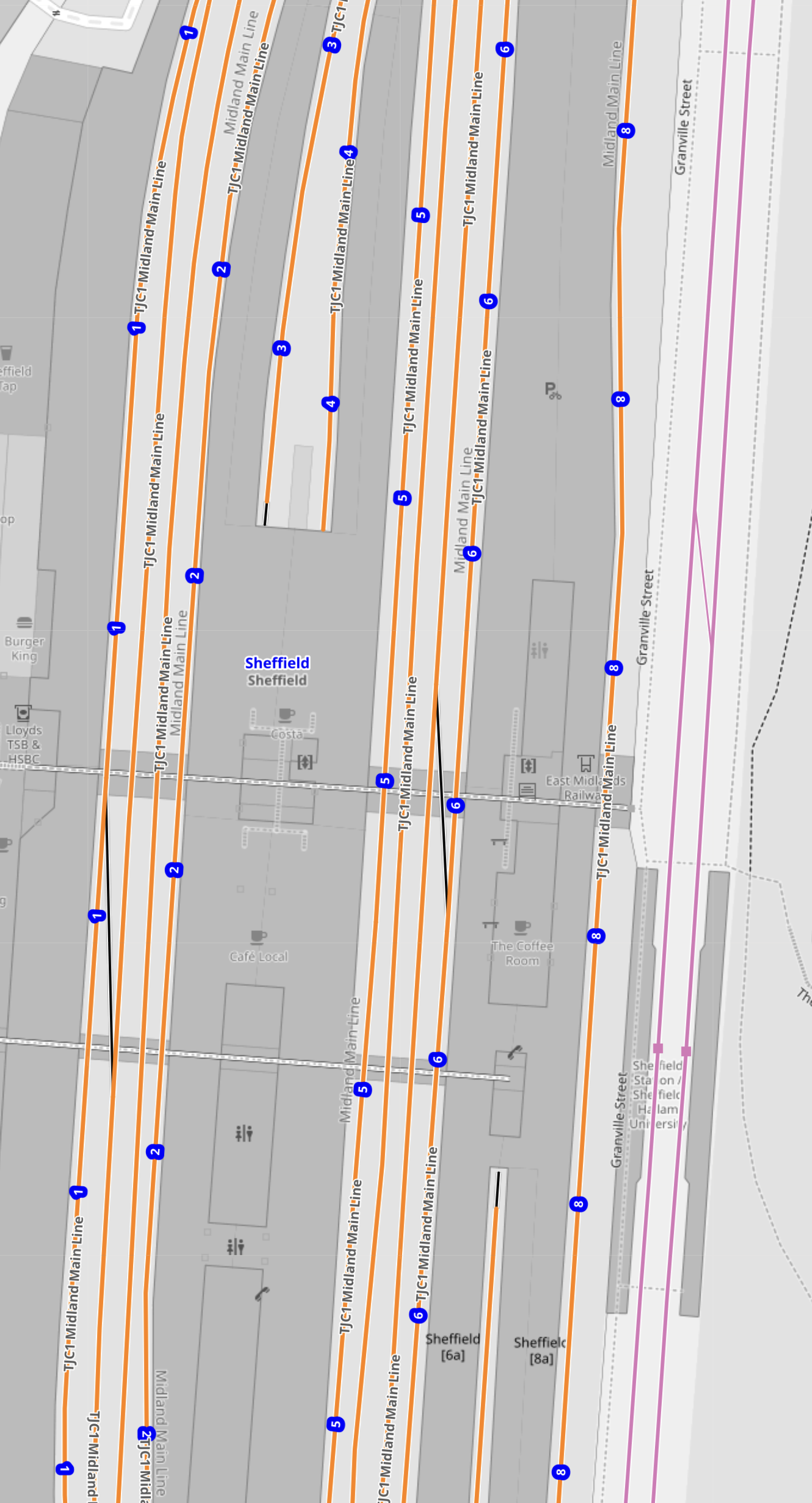
Note.
- The pink tracks at the East are the Sheffield Supertram.
- Trains to and from Barnsley, Huddersfield, Hull, Leeds, Lincoln and Retford access the station from the Northern end.
- Trains to and from Chesterfield, Derby, London, Manchester and Stockport access the station from the Southern end.
- The tracks in Sheffield station are numbered 1 to 8 from the West.
- There are five through platforms. 1, 2, 5, 6 and 8 and two bay platforms at either end.
- An extension of the service to Manchester via the Hope Valley Line, could go straight through the station.
- An extension of the service to Barnsley, Huddersfield or Leeds, would mean the train reversing at Sheffield.
It looks like an extension to Manchester Piccadilly over the recently upgraded Hope Valley Line would be the easiest extension. But would Avanti West Coast, who have FirstGroup as a shareholder want the competition?
Recently, it has been announced that the Penistone Line to Barnsley and Huddersfield will be upgraded to accept two trains per hour (tph) and allow faster running.
Because Sheffield could be around eighty minutes from London, there could be some smart times to and from the capital.
- Meadowhall in 90 minutes
- Barnsley in 112 minutes.
- Huddersfield in 140 minutes.
Huddersfield could be almost twenty minutes faster than the route via Leeds.
Comments From The Times
These are some readers comments from The Times.
- Hope the prices are competitive with LNER. I rarely go to London from Chesterfield with EMR as they’re so expensive. LNER from Newark is much cheaper but a service from Worksop for me would be perfect.
- Excellent News in so many ways. I hope it really takes off which could help ease the congestion on the M1 and also thin out overcrowding on busy LNER services. It really does deserve to succeed.
- This is excellent news. The Lumo service has been a game changer for me and those living in the north east.
The public seem in favour.
Conclusion
I really like this proposal from FirstGroup.
- It has the possibility to provide Sheffield with a fast train link to London.
- It could run about six trains per day.
- It will be faster than High Speed Two was proposed.
It could be the first service of High Speed Yorkshire.
Szeged Tram-Train Service Inaugurated
The title of this post, is the same as that of this article on Railway Gazette.
This is the first paragraph.
The country’s first public tram-train service left Hódmezővásárhely for Szeged at 03.31 on November 29, with guests onboard including János Lázár, the government’s special commissioner for the project, and László Palkovics, Minister of Innovation & Technology.
They are obviously early starters in Hungary.
The Szeged-Hódmezővásárhely Tram-Train has its own Wikipedia entry.
From the Railway Gazette article and Wikipedia, I can ascertain the following.
- It is a 32 km route.
- Journey time will be 51 minutes, with an Off Peak frequency of two trains per hour (tph), with three tph in the Peak.
- The main stations in Hódmezővásárhely and Szeged are served.
- The route between the two cities is not electrified, but has been partially-upgraded to double-track and the speed has been upgraded to 100 kph.
- In both central districts the vehicles run as tram-trains.
The rolling stock will be electro-diesel versions of Stadler Citylink tram-trains.
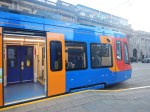
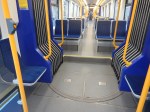
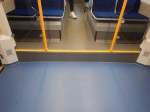
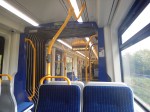
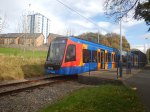
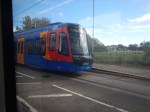
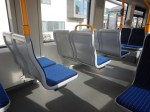
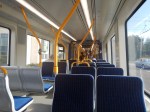
This pictures show Sheffield Supertram’s Class 399 tram-trains, which are also members of the Stadler Citylink family.
The two tram-trains would appear to be very similar in terms of cab design, passenger compartment and an operating speed of 100 kph.
The question has to be asked, if Sheffield could expand their Supertram network with some electro-diesel tram-trains.
They could be ideal for the proposed service to Stocksbridge, that I wrote about in Reopening The Don Valley Section Of The Former Woodhead Line Between Stocksbridge and Sheffield Victoria To Passenger Services.
The route could be tested using diesel engines on sections without electrification and if the route attracted enough passengers, electrification could be erected.
Reopening The Don Valley Section Of The Former Woodhead Line Between Stocksbridge and Sheffield Victoria To Passenger Services
On October 27th this Beeching Reversal Project was given £50,000 to build a case for reopening.
Stocksbridge is introduced like this in its Wikipedia entry.
Stocksbridge is a town and civil parish, in the City of Sheffield, in South Yorkshire, England. Historically part of the West Riding of Yorkshire, it lies just to the east of the Peak District. The town is located in the steep-sided valley of the Little Don River, below the Underbank Reservoir. It blends into the areas of Deepcar, Bolsterstone and the eastern end of Ewden valley around Ewden village, which are also within the civil parish. The population of the civil parish as of the 2011 census was 13,455.
This Google Map shows the area.
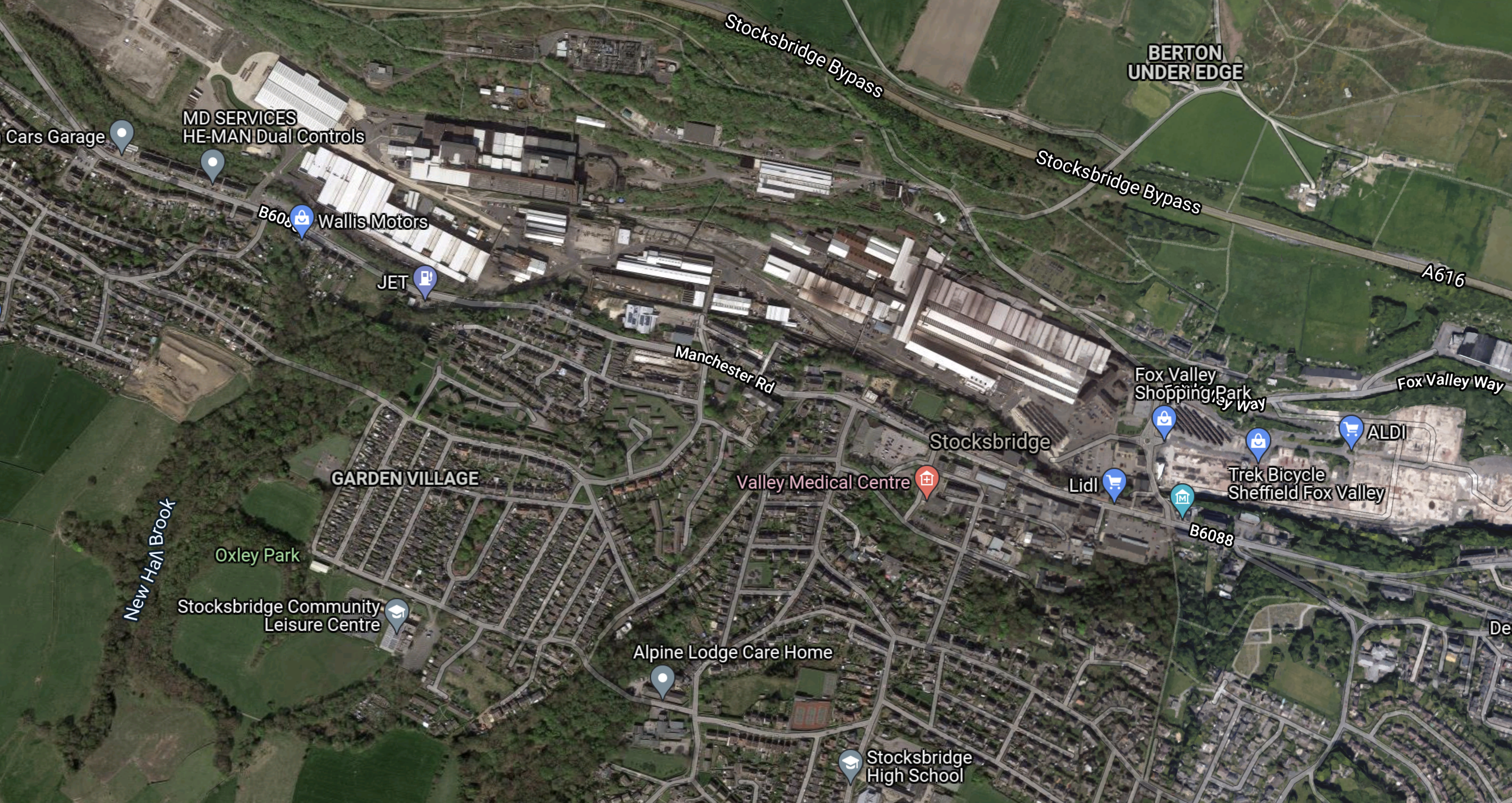
Note there are a large number of steel related industries all connected by an extensive railway system.
This Google Map shows part of the area to a more detailed scale.
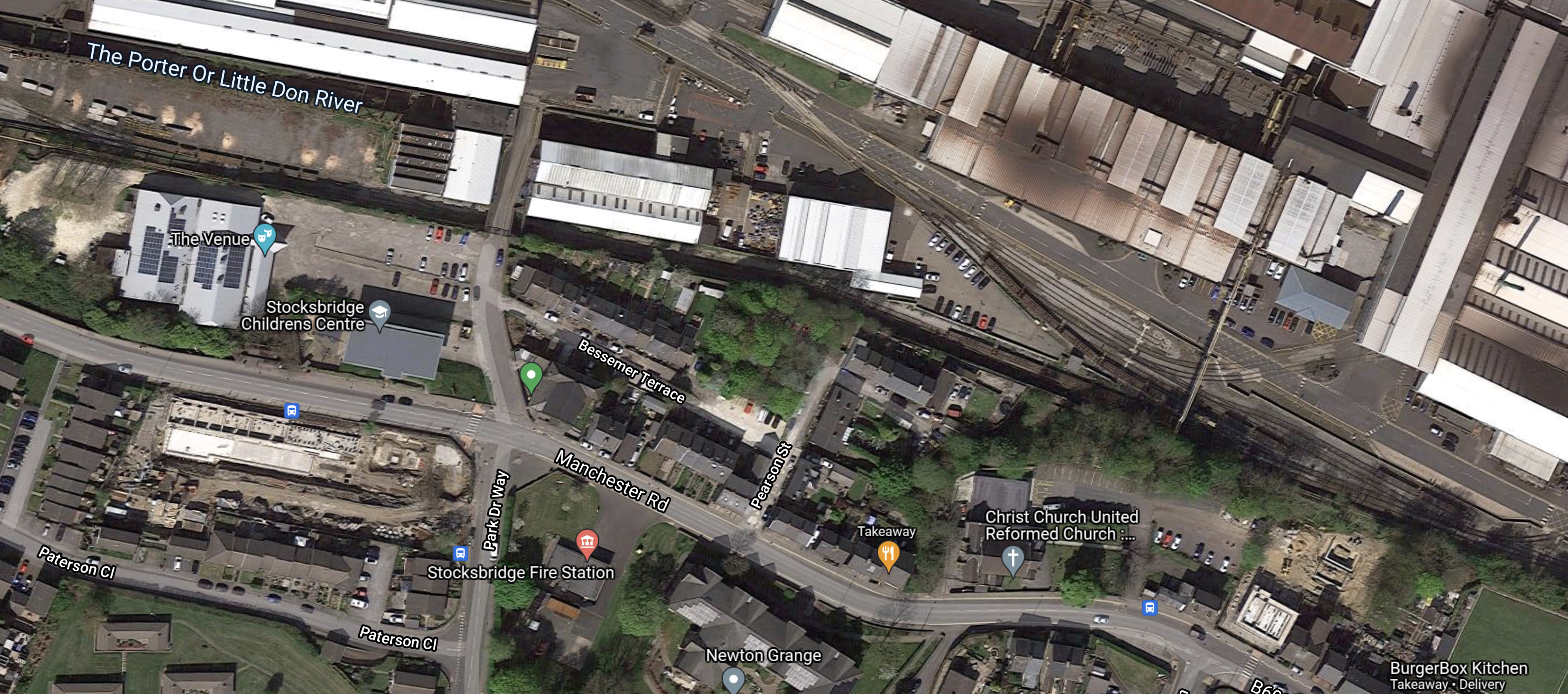
I suspect that a station could be built somewhere to the South of the works.
I have followed the Stocksbridge Railway out to the East and it takes a loop to the South to Deepcar Tram and Railway station, as is shown on this Google Map.
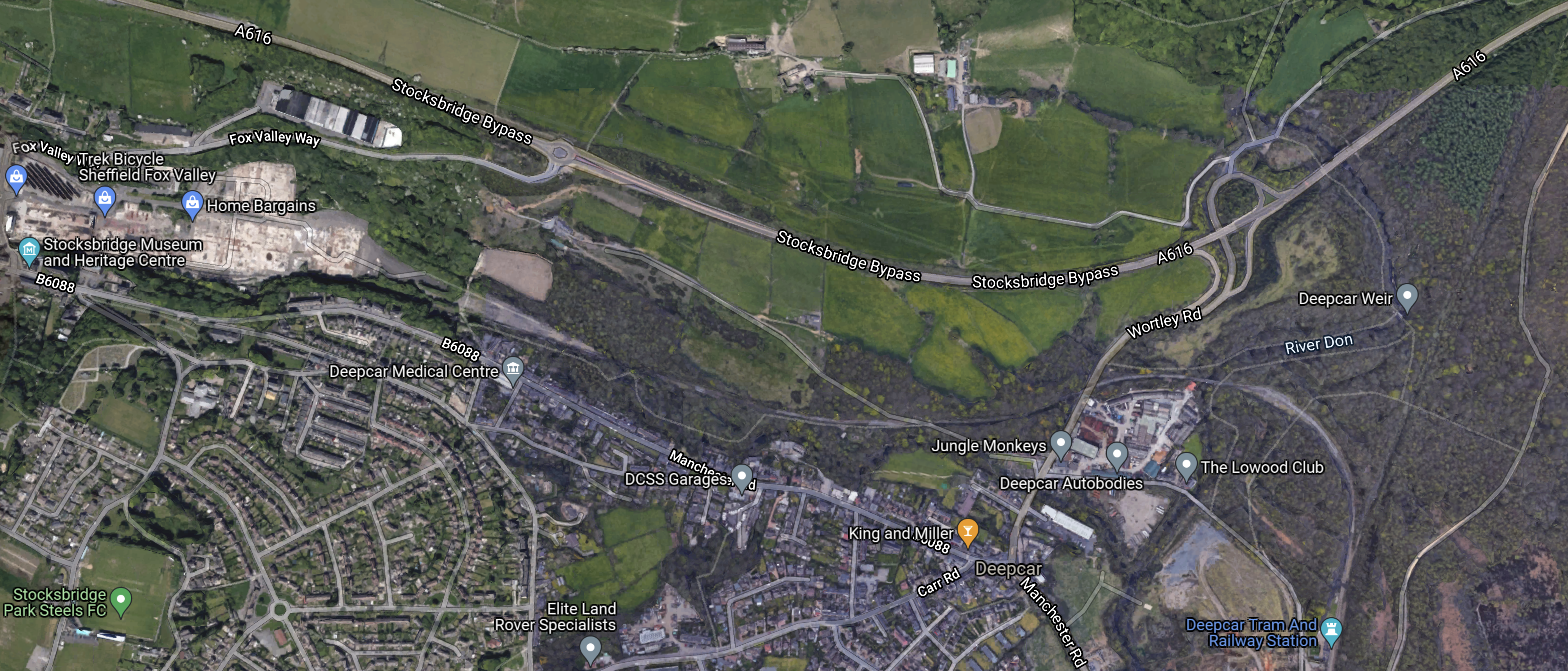
Note.
The Eastern end of the Stockbridge site is in the North-West of the map.
Deepcar station is shown by a blue dot in the South-East corner of the map.
This Google Map shows Deepcar station in greater detail.
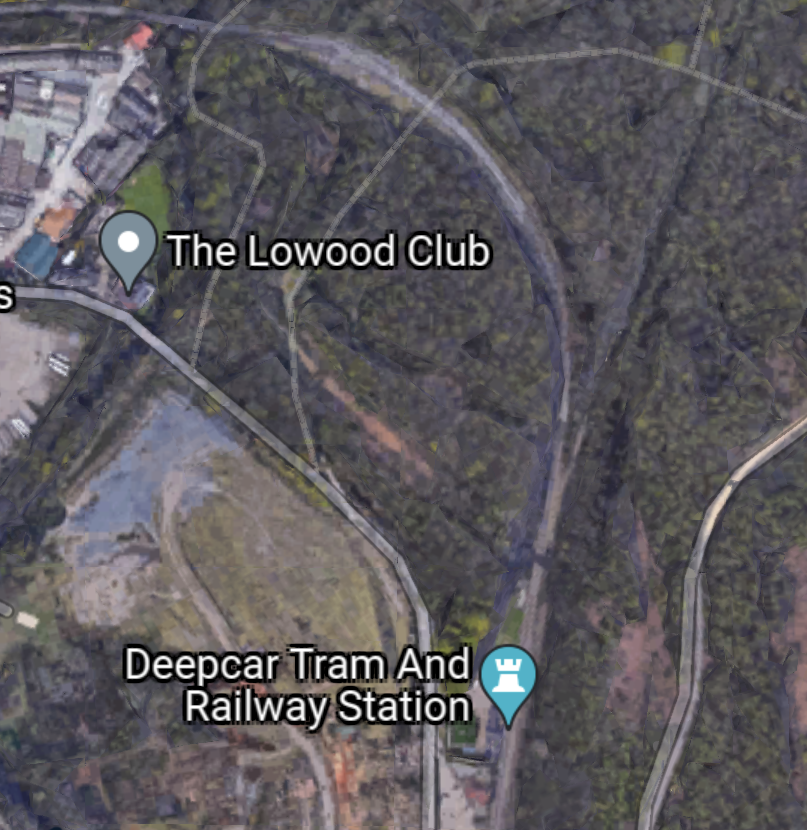
Note.
- The Stocksbridge Railway curving to the West is clearly visible.
- The other railway going North is the former Woodhead Line to Manchester.
This map clipped from Wikipedia shows the Lines through Deepcar station.
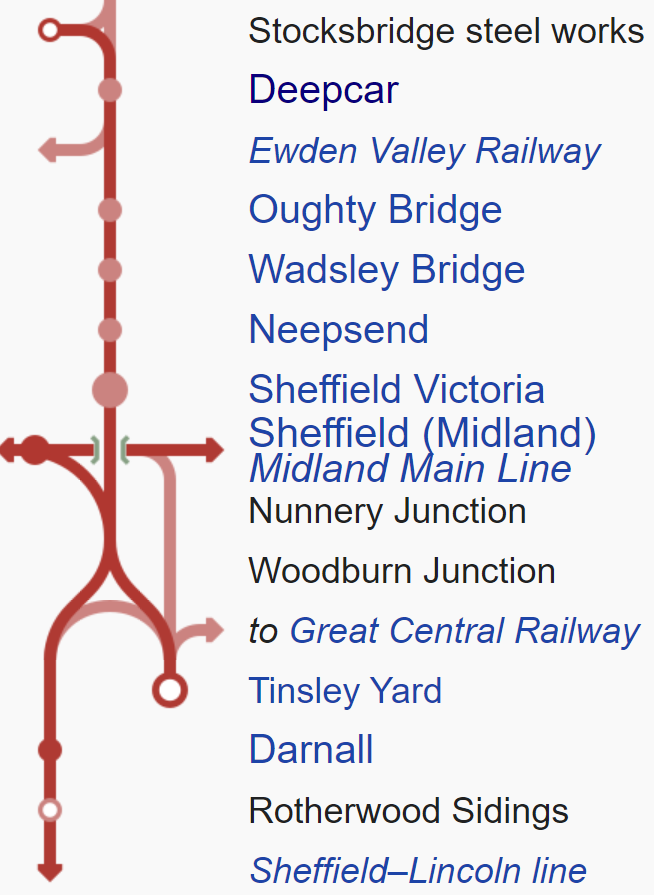
This shows the route between Stocksbridge and the former Sheffield Victoria station.
I have also found this article on the Sheffield Star, which is entitled Passenger Trains Could Return On Sheffield To Stocksbridge Don Valley Railway Line After major Funding Boost.
This is a paragraph.
The plans also involve reopening Sheffield Victoria station, which could serve a new Barrow Hill line to Chesterfield, stopping at Darnall, the Advanced Manufacturing Park, Woodhouse and other new stations, similar funding for which was granted last year.
This would seem to be a sensible plan.
These are my thoughts.
Sheffield Victoria Station
This Google Map shows the site of the Stocksbridge Line going through the centre of Sheffield.

The line starts in the North-West corner of the map and goes diagonally across.
The site of Sheffield Victoria station is at the Eastern edge of the map and is shown enlarged in this Google Map.

The street and hotel names are a giveaway.
There would appear to be space for a simple station with one or two platforms on the single-track through the area.
My preference would be for a single bi-directional platform, as has been used successfully at Galashiels station.
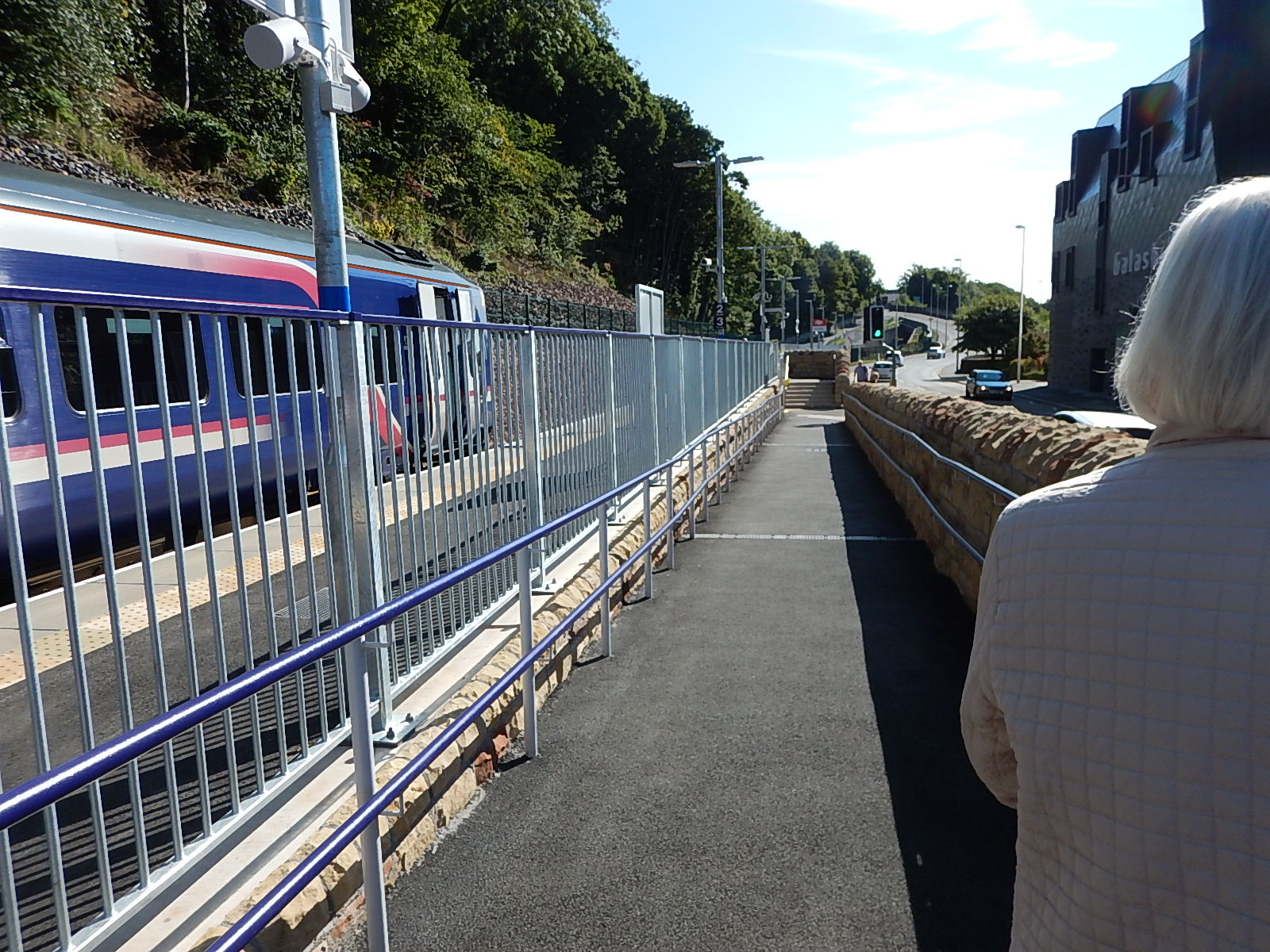
With well-placed passing loops, stations like these can handle two trains per hour (tph) and they can be step-free for all users.
Onward To Chesterfield
The plans as laid out in the paragraph in the Sheffield Star would appear to be feasible.
Darnall and Woodhouse are existing stations.
It would serve the proposed new station at Waverley, that I wrote about in Sheffield Region Transport Plan 2019 – A New Tram-Train Route To A New Station At Waverley.
Chesterfield station will be rebuilt for High Speed Two, so extra platforms could surely be added.
I wrote about plans for the Barrow Hill Line in Reinstatement Of The Barrow Hill Line Between Sheffield And Chesterfield.
It certainly looks to me, that taken together the Barrow Hill and Stocksbridge schemes could be a valuable new railway for Sheffield.
Rolling Stock
I have ridden all over Karlsruhe in Germany on their tram-trains, which are a German variant of Sheffield’s Class 399 tram-trains and I can see no reason, why the combined route couldn’t be designed and built for these trains.
- They are very good on hills.
- They can work on both 750 VDC and 25 KVAC overhead wires.
- The closely-related Class 398 tram-trains in Cardiff will have batteries.
- They are already working successfully in Sheffield.
- There must be design advantages for stations.
- Travellers in Sheffield are used to the tram-trains.
- There is maintenance and operational experience in Sheffield.
It is also my belief, that Class 399 tram-trains would make excellent replacements for Sheffield’s current trams. I wrote about this in Sheffield Region Transport Plan 2019 – Renewal Of Supertram Network.
Electrification
Looking at the Stocksbridge and Barrow Hill Lines together, I believe there is a strong case for electrification of both routes with 25 KVAC overhead wires.
This would enable the following.
- Class 399 tram-trains to work the combined route.
- East Midlands Railway’s Class 810 trains to access Sheffield station via the Barrow Hill Line on electricity.
- Electrified freight trains could use the route.
It could also be an easy route to electrify and be a good start to the electrification of Sheffield, which will happen in the future.
Electrification Between Sheffield And Clay Cross North Junction For High Speed Two
This electrification is needed for High Speed Two’s connection to Sheffield. It will also entail a lot of disruption for trains between Derby and Sheffield.
For these reasons, I believe that opening up the Barrow Hill route early between Sheffield and Chesterfield could be an excellent blockade buster.
Conclusion
There’s more to reopening the Stocksbridge Line, than as a local service in Sheffield.
Beeching Reversal – Sheaf Valley Stations
This is one of the Beeching Reversal projects that the Government and Network Rail are proposing to reverse some of the Beeching cuts.
Stations To Be Rebuilt
As you approach Sheffield station, you pass four station sites, three of which are demolished and the fourth is just a shadow of its former self.
Dore & Totley
Dean & Totley station used to have four platforms and this Google Map, shows what is left after British Rail’s vandalism in the mid-1980s.
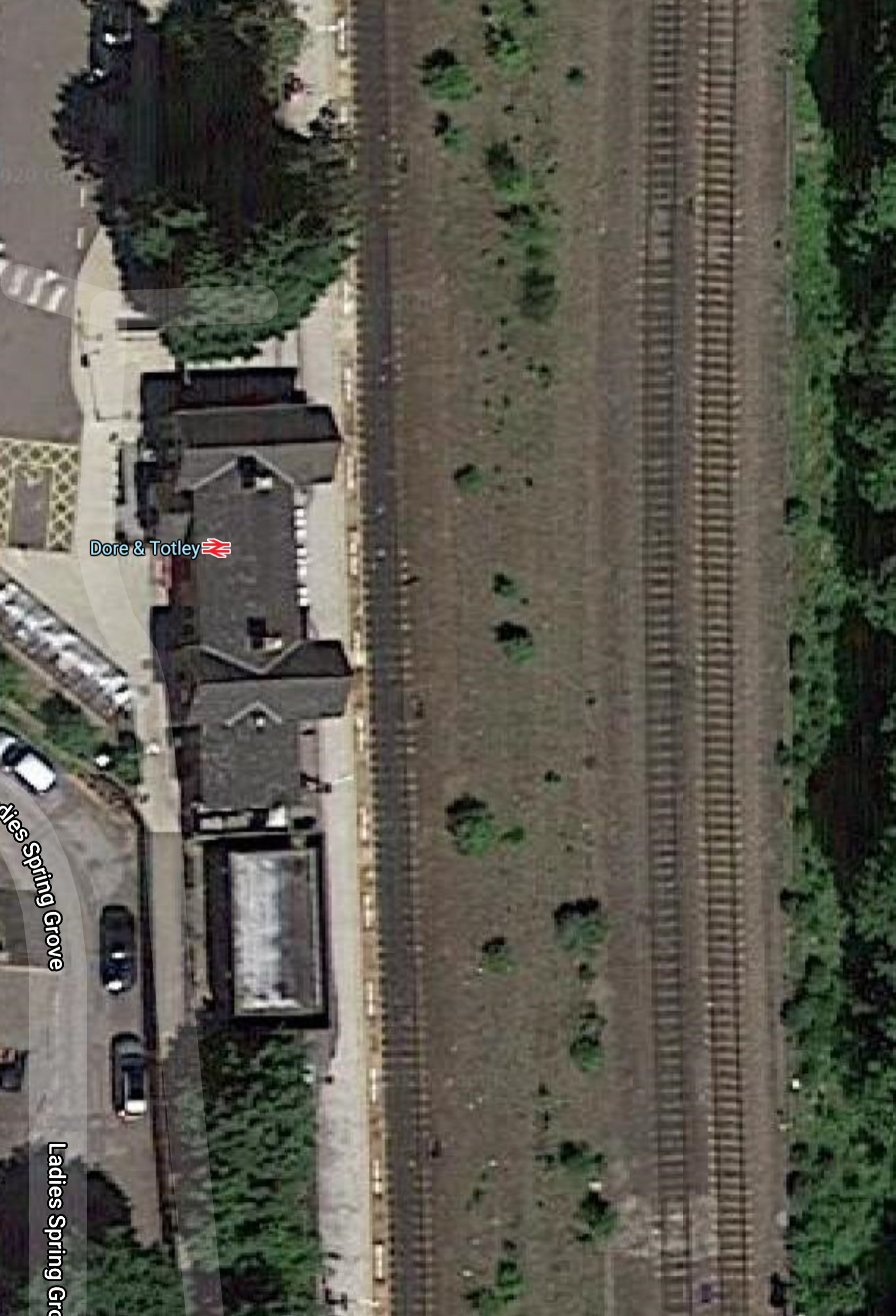
Note.
- The station has only one platform.
- The single track in the platform handles all trains to and from the Hope Valley Line.
- At present it appears to be two trains per hour (tph) in both directions.
- The two tracks at the right are the Midland Main Line.
Transport for the North wants to run four tph between Manchester Piccadilly and Sheffield through here, that will take forty minutes between the two cities.
Updates planned for the station include.
- A second platform for Manchester-bound trains.
- A new bridge with lifts.
- Platforms long enough to take a pair of Class 185 trains or a five-car Class 802 train.
- A full hourly service.
There certainly seems to be enough space for another platform and track through the middle of the station.
At some point in the near future, the two Midland Main Line tracks will be electrified, as part of the upgrade for High Speed Two.
Between Dore & Totley And Beauchief
This Google Map shows a typical section of the line between Dore & Totley and Beauchief stations.
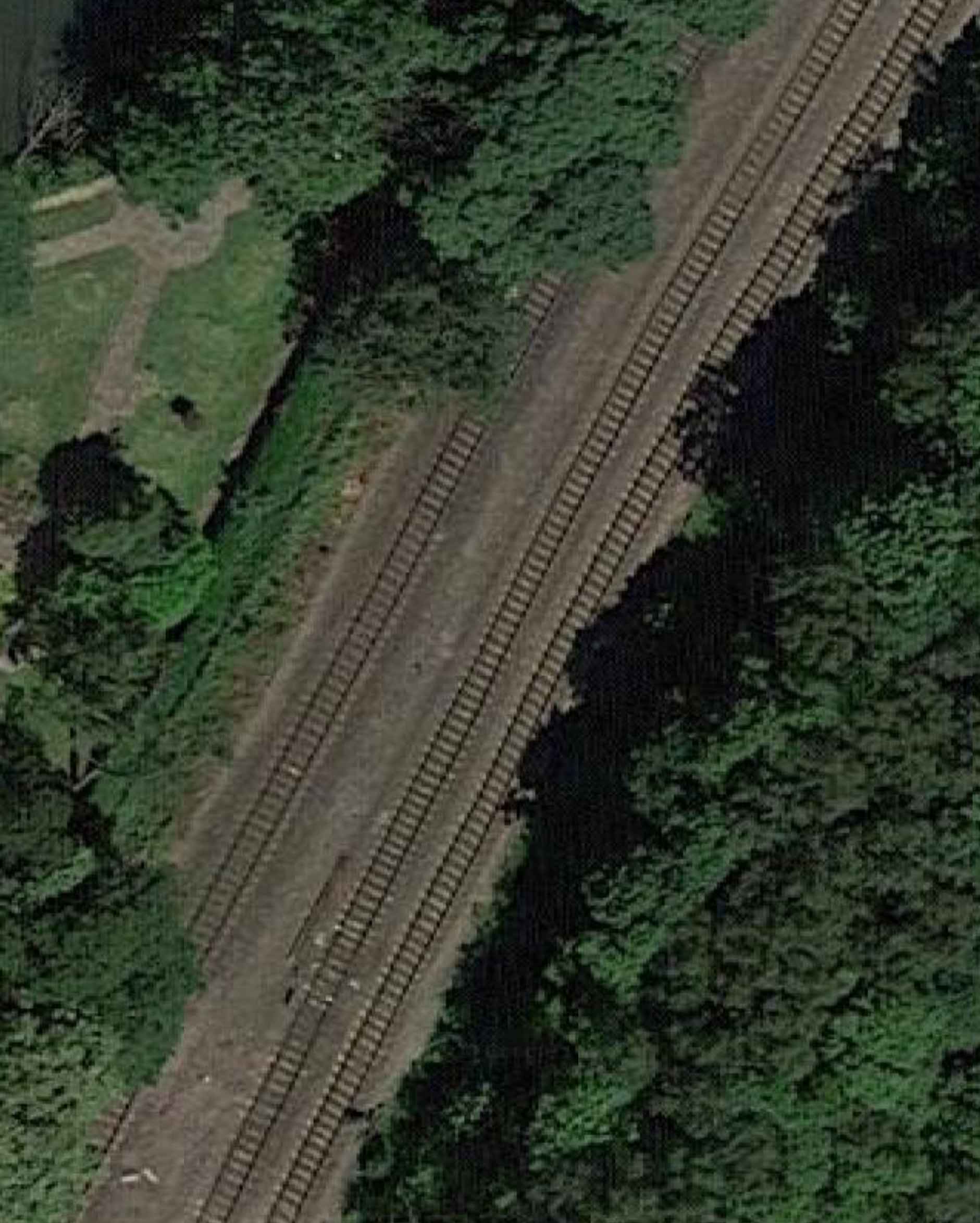
Note the two Midland Main Line tracks on the right and single-track to the Hope Valley Line on the left.
It would appear that the fourth track can be squeezed in between the single track and the Midland Main Line.
Beauchief
Beauchief station used to have four platforms before it was demolished.
This Google Map shows the station’s former location.
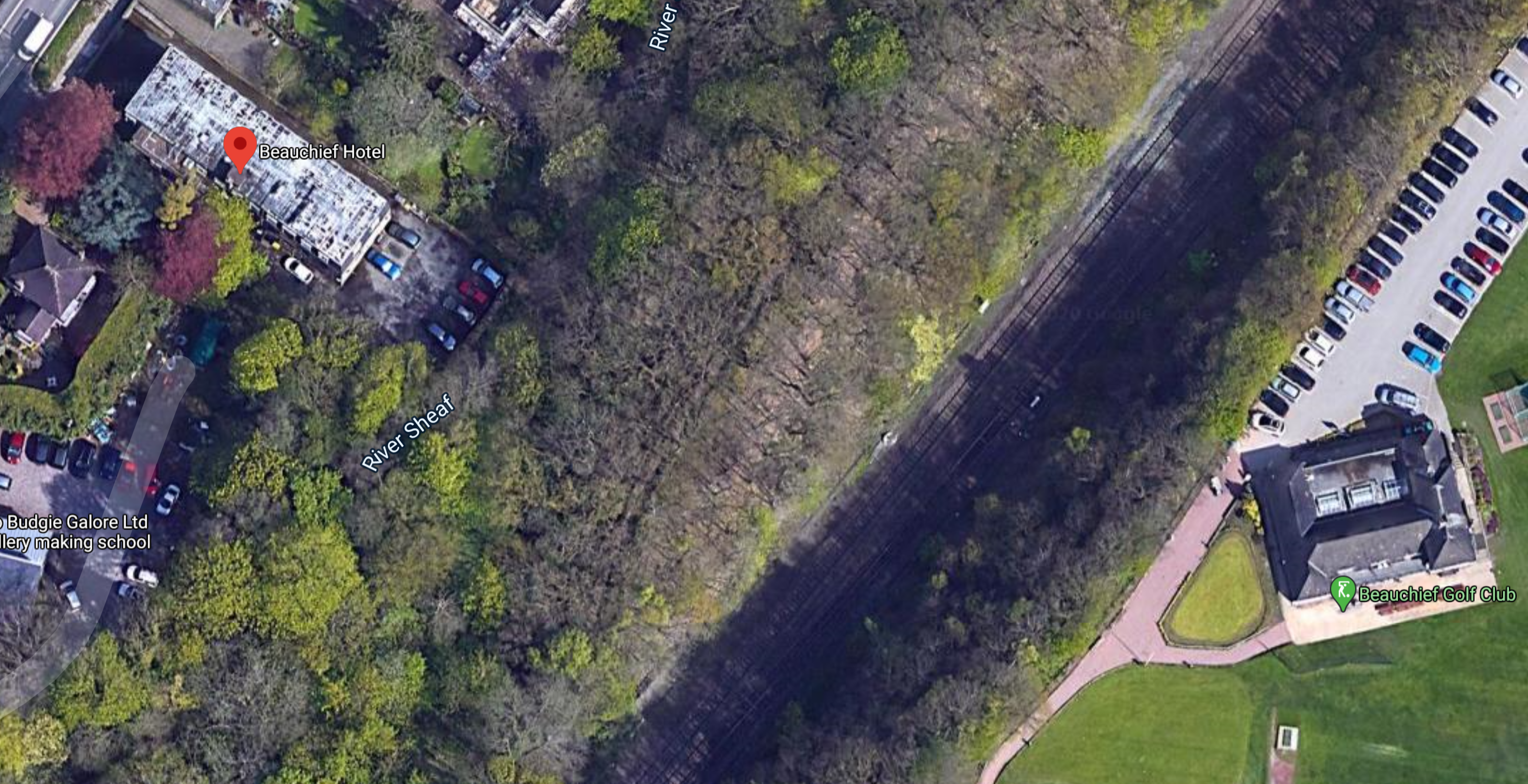
Note.
- The building with the red dot is the former Beauchief Hotel. which was by the station.
- On a larger screen you can see three tracks going into Sheffield.
I’m fairly certain that four tracks and two platforms for a station can be fitted into this narrow trackbed.
Millhouses & Eccleshall
Millhouses and Eccleshall station used to have four platforms before it was demolished.
This Google Map shows the station’s former location.
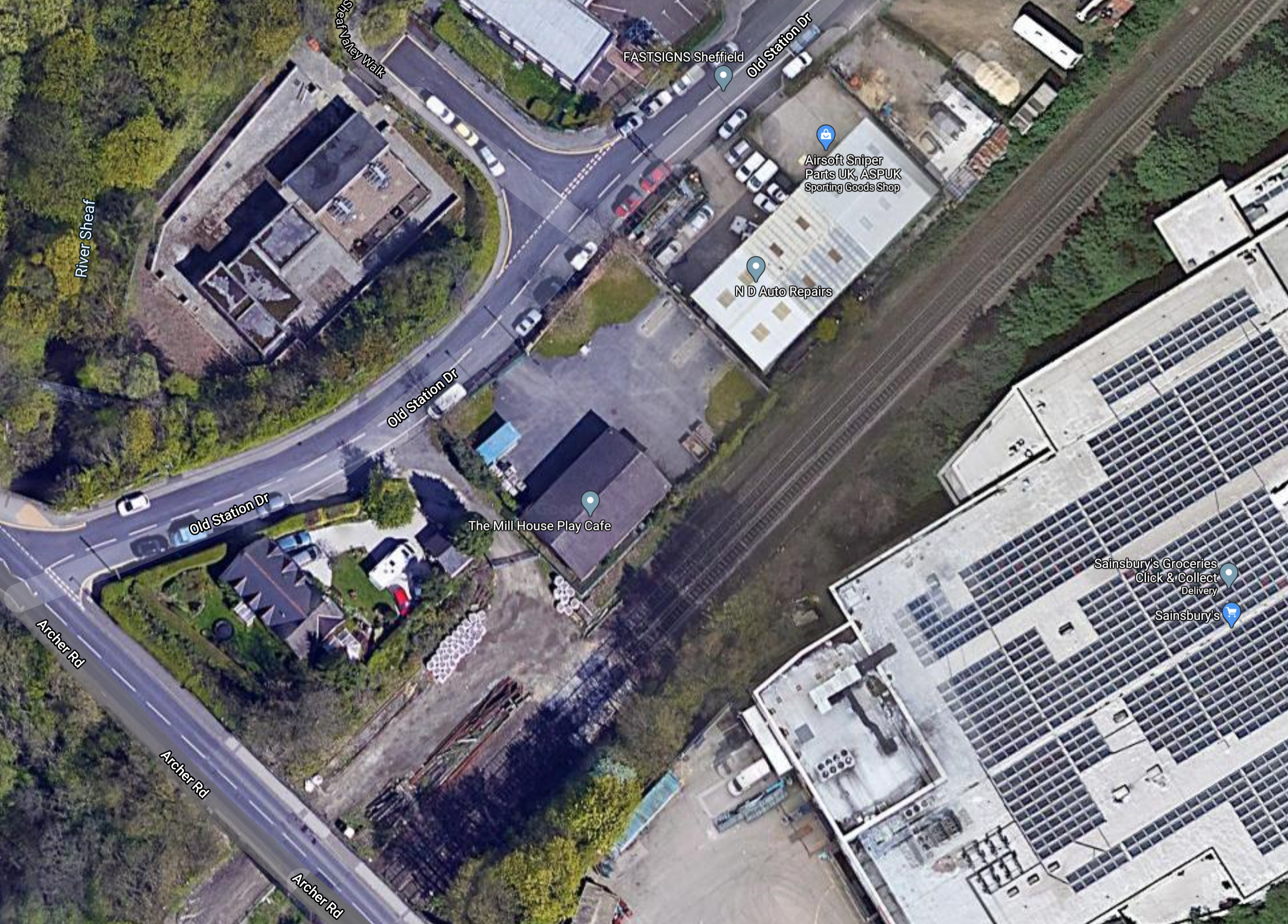
Note.
- Wikipedia says the station was accessed from the Archer Road bridge, which is in the South East corner of the map.
- It looks like there are three tracks with space for four.
- The road to the North-West of the railway is called Old Station Road.
As at Beauchief, it will be tight.
Heeley
Heeley station used to have four platforms before it was demolished.
This Google Map shows the station’s former location.
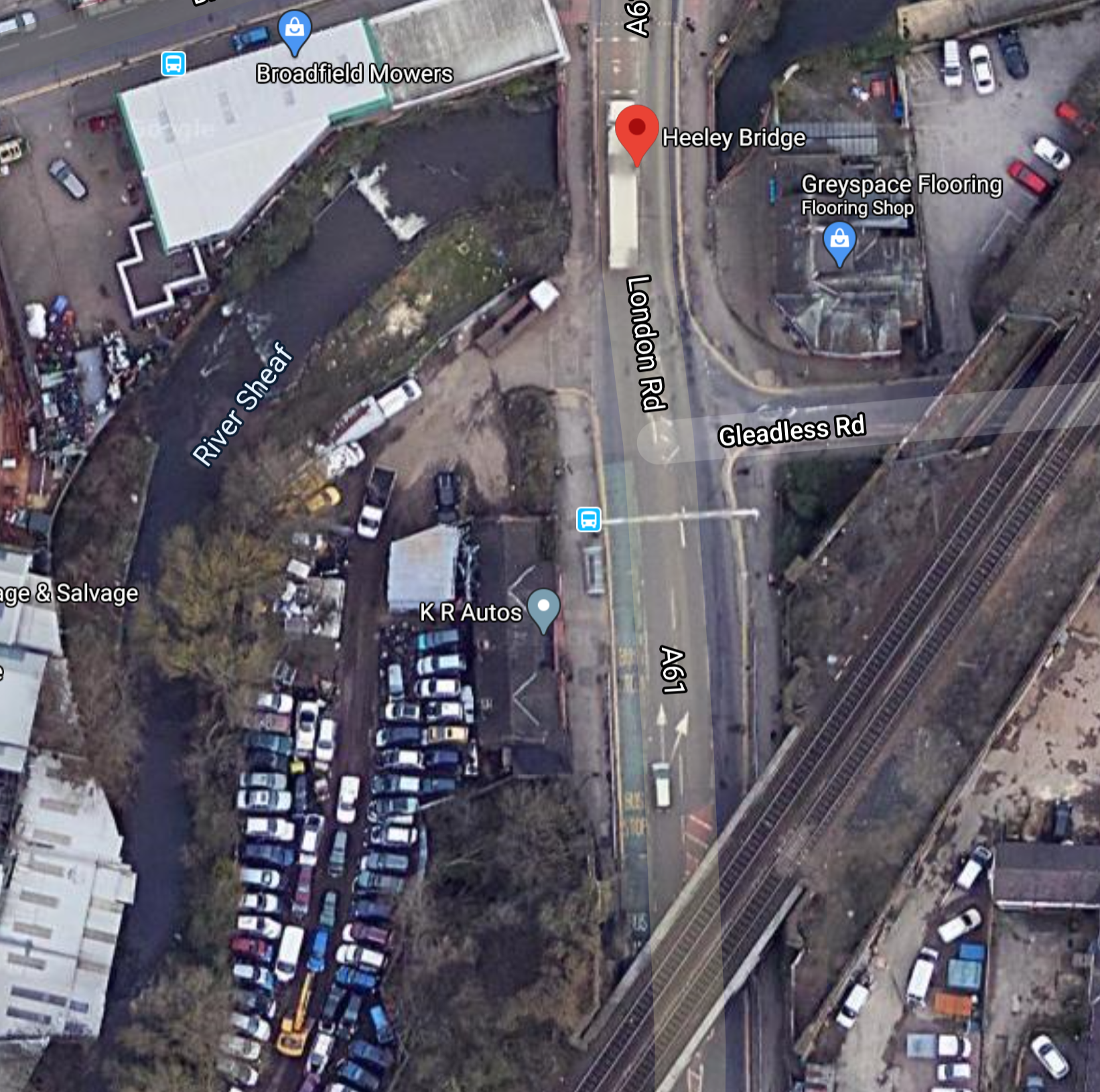
Note.
- The red arrow indicates Heeley Bridge, which Wikipedia says is near the station site.
- There appears to be only two tracks through here.
It is easy to follow the tracks from here to Sheffield station.
Could A Four Track Railway Be Rebuilt Between Dore & Totley And Sheffield Stations?
I’ve not seen anything that says that building a four-track railway through here is not possible.
In a few years, there could be the following tracks and platforms, on this section.
- Two fast tracks for High Speed Two, Midland Main Line and CrossCountry trains, that will be electrified with 25 KVAC overhead electrification, between Clay Cross North Junction and Sheffield station.
- The High Speed Two trains will be classic-compatible and up to 200 metres long.
- The two fast tracks will not have any platforms.
- Two slow tracks for local services, that will be appropriately electrified.
- The slow tracks will have step-free platforms, that will be long enough to take a five-car Class 802 train or a pair of Class 185 trains.
I can’t for the life of me understand, why this stretch of four-track main line between Dore & Totley and Sheffield stations was ever simplified, as at other places on the UK network, extra tracks were being added to the main lines, at the same time.
Future Services On The Fast Lines
Currently, the following services take the fast lines between Sheffield and Chesterfield stations via Dore & Totley station.
- East Midlands Railway – Sheffield and London St. Pancras – 2 tph
- East Midlands Railway – Sheffield and Norwich via Nottingham – 1 tph
- CrossCountry – Edinburgh/Newcastle and Derby/Birmingham and the South – 2 tph
- Northern – Sheffield and Nottingham – 1 tph
That is a very modest six tph.
High Speed Two are currently planning to run two tph between Sheffield and London Euston.
There may or may not be other changes.
- As Birmingham Curzon Street and Sheffield will be just forty-seven minutes by High Speed Two all the way, will these destinations have a direct high speed classic-compatible service? There’s plenty of space capacity on High Speed Two.
- I don’t think the Sheffield and St. Pancras services will be dropped, but they might be.
- CrossCountry will probably be running intelligent multi-mode trains capable of 125 mph running and up to 140 mph in places.
- Northern’s service between Sheffield and Nottingham might go via a reopened Barrow Hill Line.
But the biggest change will be that these two fast lines will be to High Speed Two standards.
- Sheffield and Chesterfield will be electrified.
- There will in-cab digital signalling, which theoretically could probably allow eighteen tph on the route.
- High Speed Two Trains between Sheffield and Chesterfield will take twelve minutes.
- Sheffield station will have been modified as required, to be able to handle all trains very efficiently.
But it would still be carrying a modest eight tph.
If required Sheffield would have the capacity to accept more trains from the South.
I wouldn’t be surprised to see, the following trains added.
- An extra tph to and from London Euston via High Speed Two.
- Two tph to and from Birmingham Curzon Street via High Speed Two.
I also wouldn’t be surprised to see CrossCountry using classic-compatible High Speed Two trains and switching to High Speed Two between Birmingham New Street and Sheffield. But these trains would still use the same tracks to access Sheffield station.
But I am led to the conclusion, that Sheffield will have more than enough capacity linking the City to Chesterfield and the South.
Future Services On The Slow Lines
Or should I use lines connecting to the Hope Valley Line rather than slow lines?
Currently, the following services take the slow lines between Sheffield and Dore & Totley stations.
- East Midlands Railway – Liverpool Lime Street and Sheffield – via Manchester Piccadilly – 1 tph
- TransPennine Express – Manchester Airport and Cleethorpes via Manchester Piccadilly – 1 tph
- Northern – Sheffield and Manchester Piccadilly – 1 tph
Transport for the North aims to run a four tph service with a forty minute journey time between Manchester Piccadilly and Sheffield.
Consider.
- 100 mph TransPennine Express trains take fifty-three minutes between Sheffield and Manchester Piccadilly without a stop.
- Classic-compatible trains with a battery capability could easily handle the route.
- Northern’s services on the Hope Valley Line are timed for 75 mph trains.
- Dore & Totley and Hazel Grove stations are twenty-nine miles apart.
If between Dore & Totley and Sheffield stations were to be electrified and track improvements like passing loops were to be made to the Hope Valley Line, I believe that to achieve a forty minute all-stops timing between Sheffield and Manchester Piccadilly, would need a train with the following specification.
- Electric train with batteries.
- Four cars
- 100 mph or faster operating speed.
- Step-free access between platform and train.
- Sparkling acceleration and deceleration.
- Ability to run under in-cab digital signalling to keep out of the way of freight services.
Looking at Crossrail between London Paddington and Maidenhead stations, the London route is probably as difficult as the Hope Valley Line and it has been designed as a forty minute service with ten stops, using a modern electric train.
If TransPennine fitted batteries to their Class 802 trains, these trains would fit the Northern Powerhouse Rail requirements.
East Midlands Railway and Northern would find that the following trains could be used.
- Bombardier – Aventra with batteries
- Bombardier – Class 377 train with batteries
- Bombardier – Class 379 train with batteries
- CAF – Class 331 train with batteries
- Hitachi – Class 385 train with batteries
- Porterbrook – Battery/FLEX train based on Class 350 train
- Stadler – Flirt with batteries
All would need that between Dore & Totley and Sheffield stations be electrified.
After the upgrades and the new or refurbished trains are running, this would mean that between Dean & Totley and Sheffield would be handling four tph, which would be semi-fast trains between Sheffield and Manchester Piccadilly. Although to current passengers on the line, they would seem to be fast services of a much higher standard.
It would not be very different to how the slow lines into Paddington also handle about four tph of other services, including GWR services and freight.
I believe that to provide an adequate service to the reopened and rebuilt stations of Dore & Totley, Beauchief, Millhouses & Eccleshall and Heeley, that a Turn-Up-And-Go service of at least four tph should be run between Dore & Totley and Sheffield stations.
A Turnback At Dore & Totley
This Google Map shows Dore & Totley station and the area to the South.
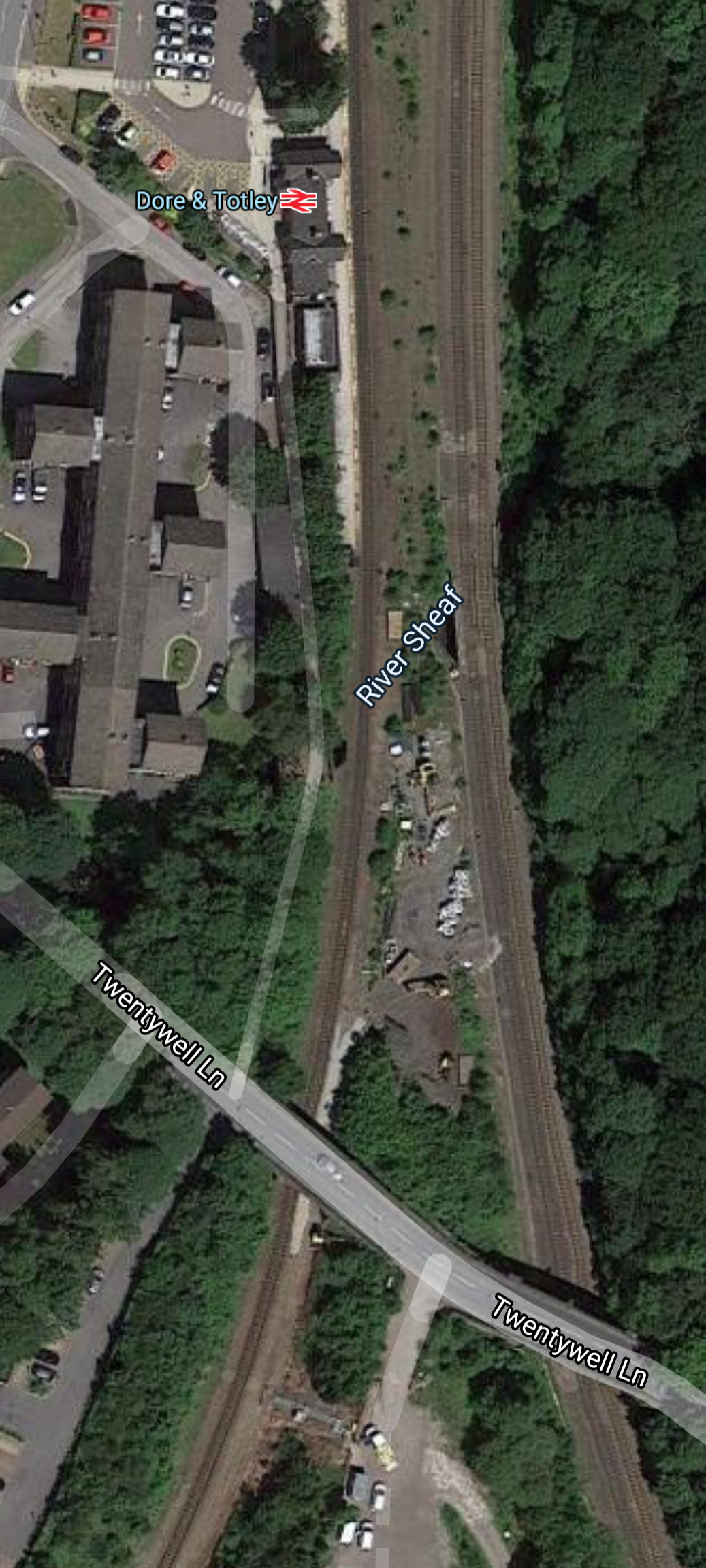
Note.
- There would appear to be a lot of space between the Midland Main Line and the single track, that leads between Dore & Totley station and the Hope Valley Line.
- Flying my helicopter, as low as I dare, it looks like the area is either a rubbish dump or very low grade businesses.
- Crossrail has designed turnbacks at Abbey Wood and Paddington stations, that will handle twelve tph.
I believe that it would be possible to design a turnback at Dore & Totley station, that would handle eight trains per hour, if not twelve tph.
It might even be possible to squeeze in some overnight stabling.
Trains Or Tram-Trains Between Dore & Totley And Sheffield Stations
In my view, it doesn’t matter.
Crossrail’s 12 tph turnbacks can handle a 205 metre long Class 345 train, so I’m sure a well-designed turnback at Dore & Totley could handle a mixture of any trams or tram-trains below a defined maximum length of say 140 metres, which would be defined by a pair of Class 185 trains, which might have to be turned back during service disruption.
Where Would The Services Terminate in The East?
It is my view that cross-city services like Birmingham’s Cross-City Line, Liverpool’s Northern Line, London’s Crossrail and Thameslink, Newcastle’s Metro and Paris’s RER are efficient for both passengers and train operators.
So Dore & Totley station could be one end of a Sheffield cross-city line, with a frequency of at least eight tph through Beauchief, Millhouses & Eccleshall, Heeley and Sheffield stations.
So where would services go on the other side of Sheffield? Wikipedia gives these as services to the East of Sheffield.
- Leeds via Barnsley and Wakefield (fast) – 2 tph
- Leeds via Meadowhall, Barnsley, Wakefield and Castleford (stopping). – 1 tph
- Leeds via Meadowhall, Moorthorpe and Wakefield. – 1 tph
- Scarborough via Meadowhall, Doncaster, Hull and Bridlington. – 1 tph
- Lincoln Central via Worksop and Retford – 1 tph
- Gainsborough Central via Worksop, three trains per week continue to Cleethorpes via Brigg. – 1 tph
- Huddersfield via Meadowhall, Barnsley and Penistone – 1 tph
- Doncaster via Meadowhall and Rotherham, with one train per hour continuing to Adwick – 2 tph
- York via Moorthorpe and Sherburn-in-Elmet. – 3 trains per day (tpd)
For much of the day, that is a frequency of 10 tph, with 5 tph calling at Meadowhall, 2 tph calling at Worksop and two fast tph passing Meadowhall without stopping.
But there are other rail projects under development.
- High Speed Two will enable a new fast service between Sheffield and Leeds via Meadowhall and a new station in the Dearne Valley.
- The Sheffield Region Transport Plan 2019 envisages a new station at Barnsley Dearne Valley. See Sheffield Region Transport Plan 2019 – A New Station At Barnsley Dearne Valley.
- The Sheffield Region Transport Plan 2019 envisages tram-trains running between Sheffield and Doncaster-Sheffield Airport See Sheffield Region Transport Plan 2019 – Tram-Trains Between Sheffield And Doncaster-Sheffield Airport.
- The Sheffield Region Transport Plan 2019 envisages a new Station at Waverley. See Sheffield Region Transport Plan 2019 – A New Tram-Train Route To A New station At Waverley.
- High Speed Two might enable a fast classic-compatible service between Sheffield and Scarborough via York.
- The possible opening of the South Yorkshire Joint Railway to passenger traffic, may open up further opportunities. See Beeching Reversal – South Yorkshire Joint Railway.
- The possible reinstatement of the Barrow Hill Line. See Reinstatement Of The Barrow Hill Line Between Sheffield And Chesterfield.
- The development of the Stocksbridge Railway for passenger services.
I can see classic-compatible High Speed Two trains serving the following places to the East of Sheffield.
- Leeds
- Hull via Doncaster
- Scarborough via York
- Cleethorpes via Doncaster, Scunthorpe and Grimsby.
A train like a five-car Class 802 train would probably be enough for most routes except Leeds.
I can see the following terminals for tram-trains to the East of Sheffield.
- Doncaster and Doncaster-Sheffield Airport
- Waverley station, which could be on a loop from the Sheffield and Lincoln Line.
- Barnsley Dearne Valley
There may well be others.
If Sheffield were Karlsruhe in Germany, the tram-trains would probably serve the following routes.
- Huddersfield via Penistone.
- Lincoln via Worksop and Gainsborough.
- Manchester via the Hope Valley Line.
But the Germans have a much larger electrified core, than Sheffield will have, even if High Speed Two electrifies between Dore & Totley and Thurnscoe stations via Sheffield.
I can make a table of destinations and distances and how they could be served.
- Barnsley – 16 miles – Possible return trip from Sheffield for a battery electric train.
- Barnsley Dearne Valley – 8 miles from Rotherham Parkgate – Possible return trip from Sheffield via Rotherham Parkgate for a battery electric tram-train.
- Doncaster – 11 miles from Rotherham Parkgate – Possible return trip from Sheffield via Rotherham Parkgate for a battery electric tram-train.
- Chesterfield via Barrow Hill – 17 miles – Possible return trip from Sheffield for a battery electric tram-train.
- Doncaster Sheffield Airport – 10 miles from Doncaster – Possible return trip from Sheffield via Rotherham Parkgate and Doncaster for a battery electric tram-train.
- Gainsborough Lea Road. – 32 miles – See Lincoln Central.
- Huddersfield – 36 miles – Possible battery electric train with charging at Huddersfield.
- Hull – 59 miles – Possible battery electric train with charging at Doncaster and Hull.
- Lincoln Central – 48 miles – Possible battery electric train with charging at Lincoln and/or Gainsborough Lea Road. Otherwise diesel.
- Penistone – 23 miles – Possible return trip from Sheffield for a battery electric train, using Newton’s friend on the way back.
- Retford – 23 miles – Possible return trip from Sheffield for a battery electric train.
- Waverley – About 6 miles – Possible return trip from Sheffield for a battery electric tram-train.
- Worksop – 16 miles – Possible return trip from Sheffield for a battery electric train.
It looks to me like a mix of battery electric trains and tram-trains could run most of the services from Sheffield, if services that used new High Speed Two infrastructure used classic-compatible trains or trains like the existing Class 802 trains, that have been converted to battery electric operation.
Note.
- I am assuming, that a battery electric train has a range of 56 miles on a single charge.
- Rotherham Parkgate station is changed to a through station.
- Tram-trains passing through Doncaster can recharge on the station’s 25 KVAC overhead electrification.
- Charging can be provided as required at other stations.
There are lots of possibilities.
Consider, this for tram-train extensions to Barnsley Dearne Valley, Doncaster and Doncaster Sheffield Airport.
- Extend the tram-train service at Rotherham Parkgate to either Doncaster and Doncaster Airport or Barnsley Dearne Valley stations.
- Run tram-trains between Dore & Totley and Rotherham Parkgate via Sheffield, Meadowhall and Rotherham Central.
This would give a double-ended route across Sheffield and Rotherham between Dore & Totley and the existing Supertram network in the West and Barnsley Dearne Valley, Doncaster and Doncaster Sheffield Airport in the East.
Consider how to connect the branch to Waverley station to the Supertram network.
- Waverley station will be either on or on a loop from the Sheffield and Lincoln Line.
- The Sheffield and Lincoln Line has no obvious connection with the Supertram network.
- The Sheffield and Lincoln Line goes straight in to Sheffield station.
- Trains to Lincoln always appear to use Platform 4 in Sheffield station.
- Sheffield station has four through platforms.
This Google Map shows where the Sheffield and Lincoln Line passes behind the Supertram Depot at Nunnery.
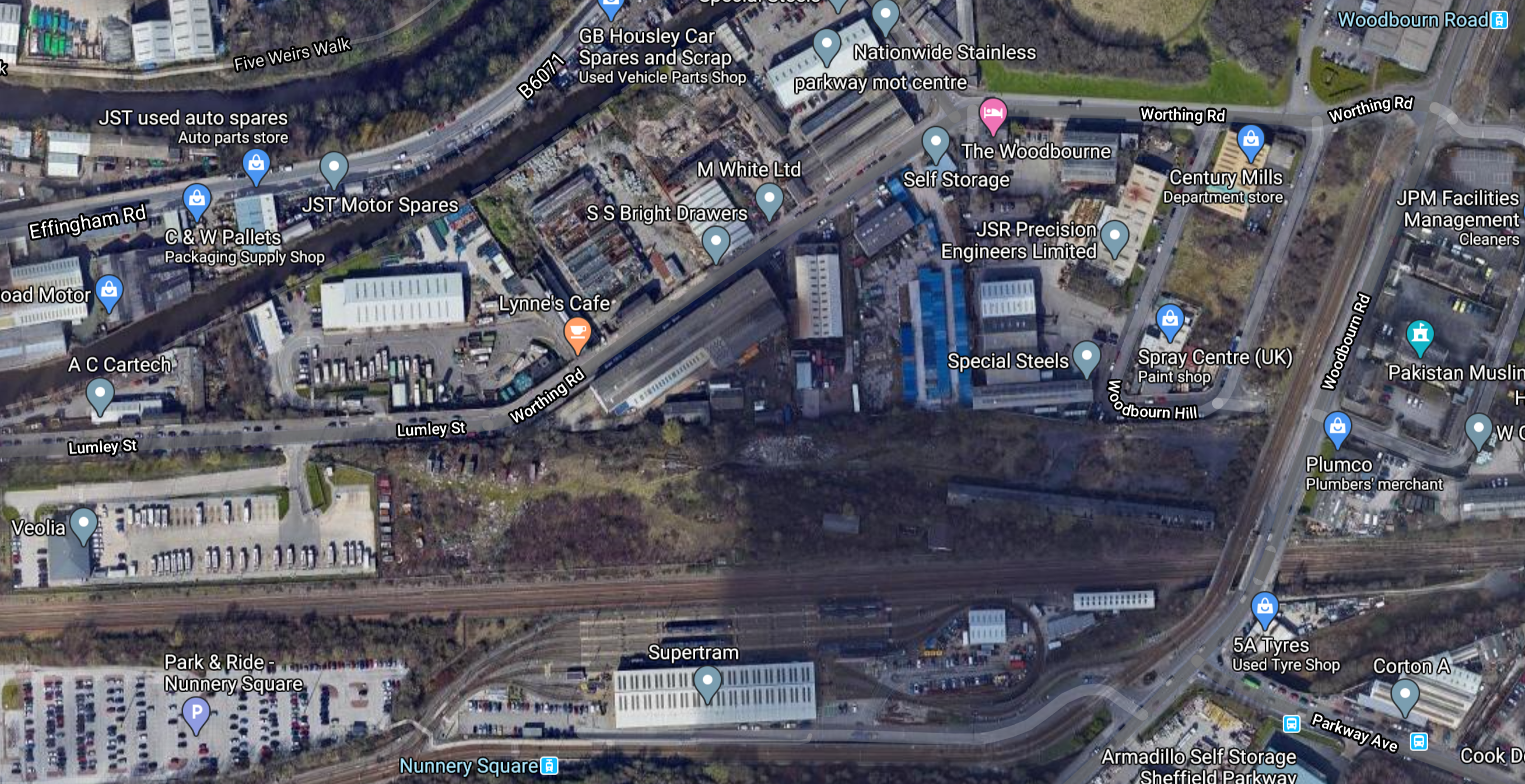
Note.
- The Nunnery Square Park and Ride is in the South West corner of the map.
- The Supertram depot is to the East of the Park-and-Ride, with the Nunnery Square tram stop to the South.
- The Woodbourn Road tram stop is in the North East corner of the map.
This second Google Map shows the lines around the Park-and-Ride.
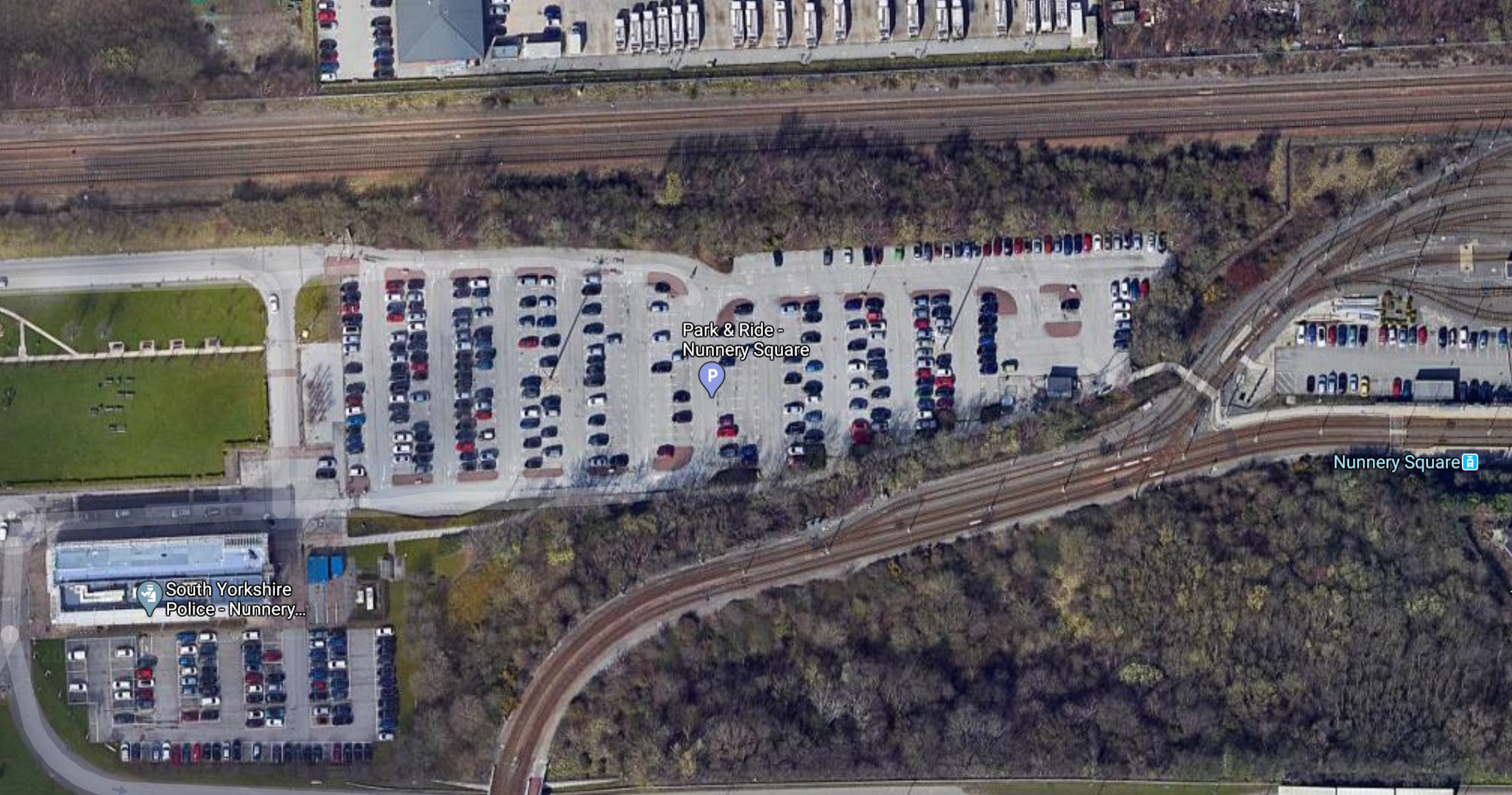
I suspect that a connection between the Supertram system and the Sheffield and Lincoln Line, could be built to the North of the Nunnery Depot.
But would it be easier to continue to Sheffield station or pass through the station and terminate at Dore & Totley station?
I can’t be sure looking at the maps, but it could be logical that trains to and from Lincoln use the Southern pair of tracks past the Nunnery Depot, as they would be on the right side of the tracks for Lincoln.
This would make it easier to do the following.
- Create a connection between the Nunnery Depot and the Sheffield and Lincoln Line, which would surely be needed for efficient maintenance and operation of tram-trains running to and from Waverley.
- Allow tram-trains used to serve the proposed Waverley station to return to the Depot every night.
- Allow tram-trains working between Sheffield and Meadowhall to use the Lincoln and Sheffield Line to enter the Nunnery Depot.
- Build a tram stop/station by the Park-and-Ride.
There would also be less need to build another depot.
Looking at the maps, could there be space to extend the Nunnery Depot?
Conclusion
This could be a very good project.
- It fits in well with the plans and needs of High Speed Two.
- It connects the new Waverley station to Sheffield station.
- It fits well with the Sheffield Region Transport Plan 2019.
- It connects Sheffield, Rotherham and Doncaster to Doncaster Sheffield Airport.
- It opens up the Hope Valley Line to improve services between Manchester and Sheffield.
I also don’t think, there’s any great risk!
I
 The Anonymous Widower
