Teeside’s Refurbished Trains
On my trip around Teeside, I took four trains.
There was none of the usual rubbish, that I have endured in the North like this scrapyard special at Carlisle.
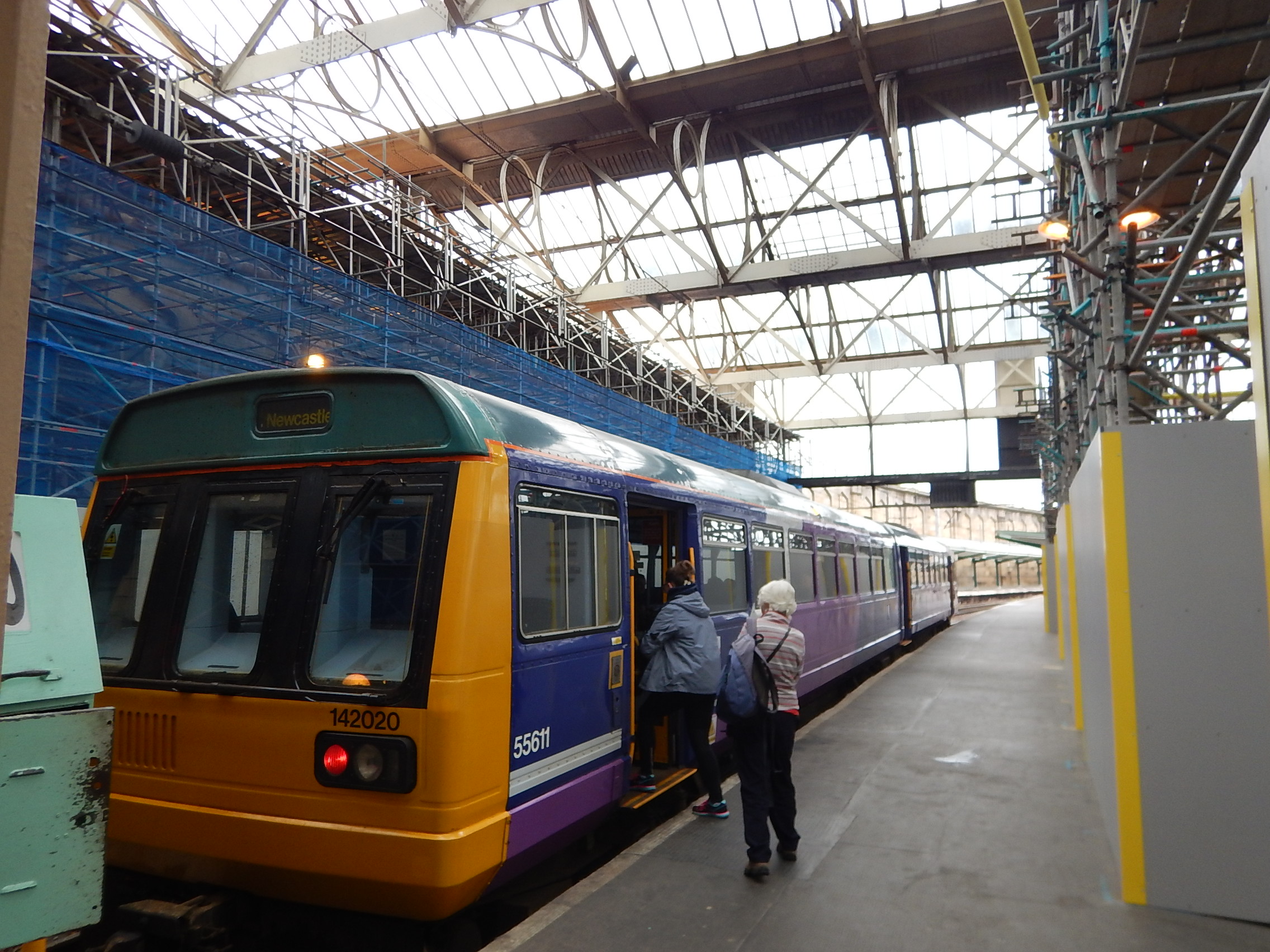
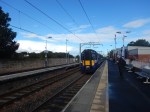
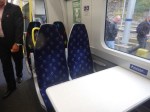
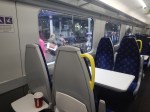
All trains were refurbished Class 158 trains.

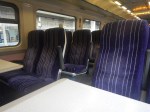
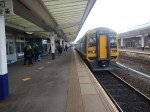
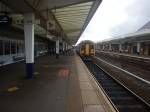
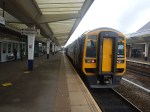
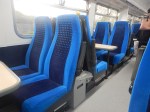
They were a lot better, with tables and clean, working toilets.
But will they get replaced with hydrogen or updated to zero-carbon trains?
Hydrogen Trains
In Fuelling The Change On Teesside Rails, I talked about the local services on Teesside being run by a fleet of hydrogen trains, based on an article in RAIL Magazine.
But the order has not been placed and it must be getting tight if trains are going to run in a few years.
There was this report in the November 2020 Edition of Modern Railways, which is entitled Tees Valley Hydrogen Hub.
This is the first paragraph.
Mott MacDonald is to create a masterplan for the development of a hydrogen transport hub in the Tees Valley. Transport Secretary Grant Shapps made the announcement as he travelled on the HydroFLEX on the 29th of September.
It appears the masterplan could be published in January and would cover several modes of transport.
Battery Electric Trains
There have been developments in the battery electric train field over the past few months.
Hitachi at Newton Aycliffe and Hyperdrive Innovation at Sunderland have partnered up to produce Hitachi’s Regional Battery Train. Three-car trains based on Hitachi’s Class 385 trains would be ideal for trundling around the North East.

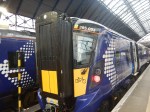
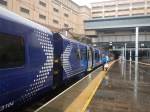
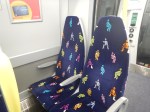
The trains would need charging and what better charging system is there than Vivarail’s Fast Charge system? And they could be produced at Vivarail’s factory at Seaham just up the coast towards Sunderland.
As I indicated in £100m Station Revamp Could Double Local Train Services, where I said this about the location of chargers to power battery electric trains in the Tees and the Tyne.
There will need to be strategically-placed battery chargers around the North-East of England. These could include.
-
- Hexham
- Nunthorpe
- Redcar or Saltburn – This would also be used by TransPennine Express’s Class 802 trains, if they were to be fitted with batteries.
- Whitby
If Grand Central did the right thing and ran battery electric between London and Sunderland, there would probably be a need for a battery charger at Sunderland.
It appears that Adrian Shooter of Vivarail has just announced a One-Size-Fits-All Fast Charge system, that has been given interim approval by Network Rail.
I discuss this charger in Vivarail’s Plans For Zero-Emission Trains, which is based on a video on the Modern Railways web site.
Vivarail might just have another card or should it be train to play.
In the video, Mr. Shooter discusses using Vivarail’s technology to convert British Rail era diesel multiple units to battery electric trains.
Northern have already refurbished the Class 158 trains, so it would surely be an economical route to convert them to battery electric operation.
£100m Station Revamp Could Double Local Train Services
The title of this post, is the same as that of this article on the Northern Echo.
This is the opening paragraph.
Officials behind plans for a £100m-plus transformation of Darlington’s Bank Top Station have confirmed it will remain the only one on the East Coast Mainline without a platform specifically for the London to Scotland service.
Darlington station has made various appearances in my life, all of which have been pleasurable ones.
I went several times to ICI’s Wilton site on Teesside in the 1970s, when the route to London was worked by the iconic Class 55 locomotives or Deltics.
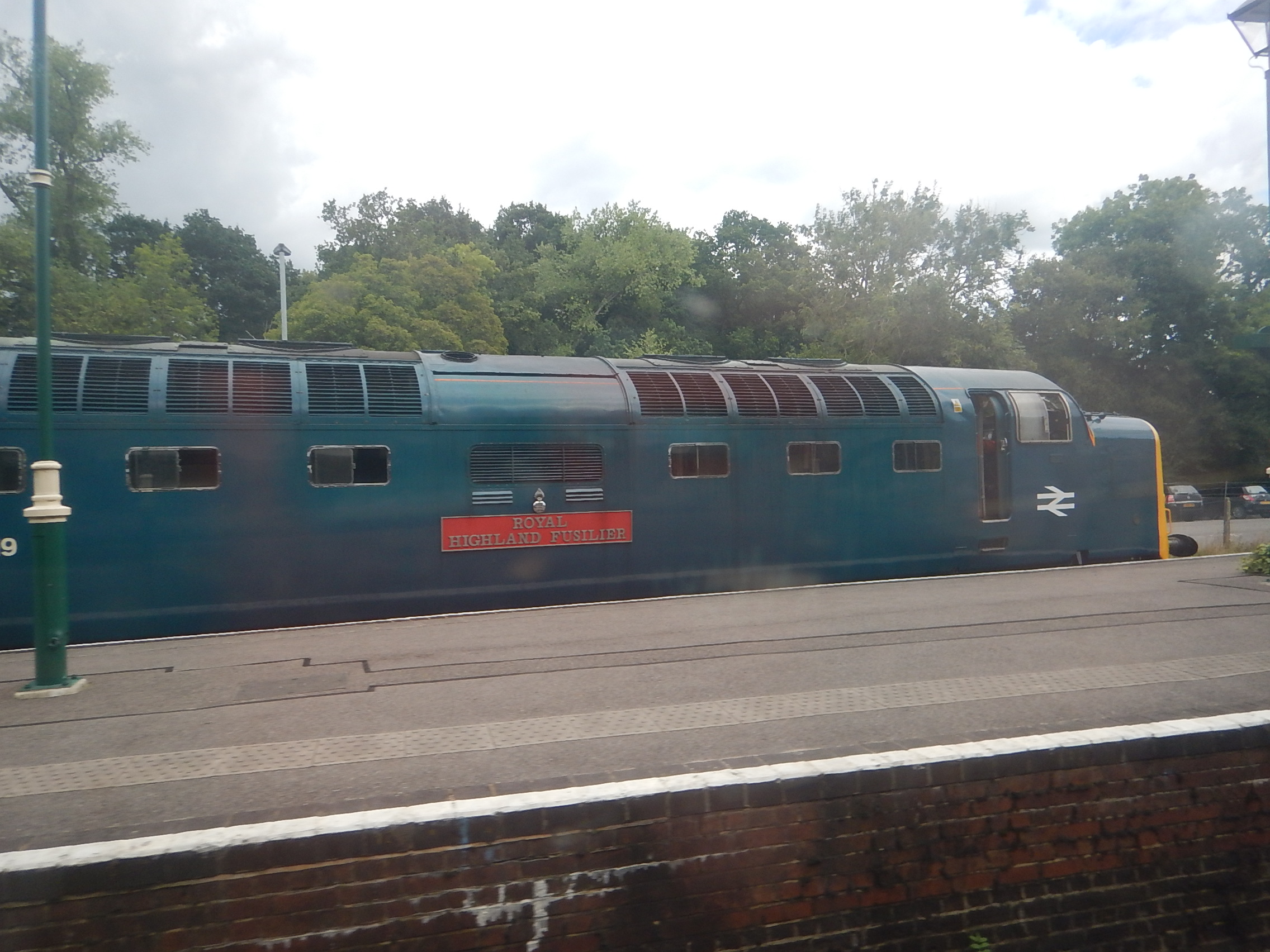
I wrote about one memorable trip home from Darlington in The Thunder of Three-Thousand Three-Hundred Horses.
Over the years, I also seem to have had several clients for my computing skills in the area, including the use of my data analysis software; Daisy at Cummins Engines in the town.
And lately, it’s been for football at Middlesbrough to see Ipswich play, where I’ve changed trains. Sometimes, Town even won.
The improvements planned for the station are two-fold.
Improvement Of Local Services
This paragraph from Wikipedia, sums up the local train services on the Tees Valley Line between Saltburn and Bishop Auckland via Darlington, Middlesbrough and Redcar.
Northern run their Tees Valley line trains twice hourly to Middlesbrough, Redcar and Saltburn (hourly on Sundays), whilst the Bishop Auckland branch has a service every hour (including Sundays). The company also operates two Sundays-only direct trains to/from Stockton and Hartlepool.
If ever a route needed improvement it is this one.
This paragraph from the Northern Echo article, outlines the plans for Darlington station.
The meeting was also told the overhaul, which will see new platforms, a new station building, parking and an interchange for passengers, alongside other improvements, would also double capacity on Tees Valley and Bishop Auckland lines, meaning four trains an hour on the former and two trains an hour on the latter.
I also believe that the route is a shoe-in for zero-carbon services; hydrogen or battery electric.
Hydrogen Trains On Teesside
In Fuelling The Change On Teesside Rails, I discuss using hydrogen powered trains for the lines in the area and they could certainly provide services on more than just the Tees Valley Line.
- Teesside certainly has big plans for hydrogen to fuel its chemical industry.
- Hydrogen powered transport in the area has been backed by the Government, as I wrote about in Tees Valley Wins £1.3million Project To Bring Hydrogen Vehicles To The Region.
- Plans are advancing for a depot for hydrogen-powered trains at Lackenby.
The hydrogen powered trains would probably be this Alstom Breeze.
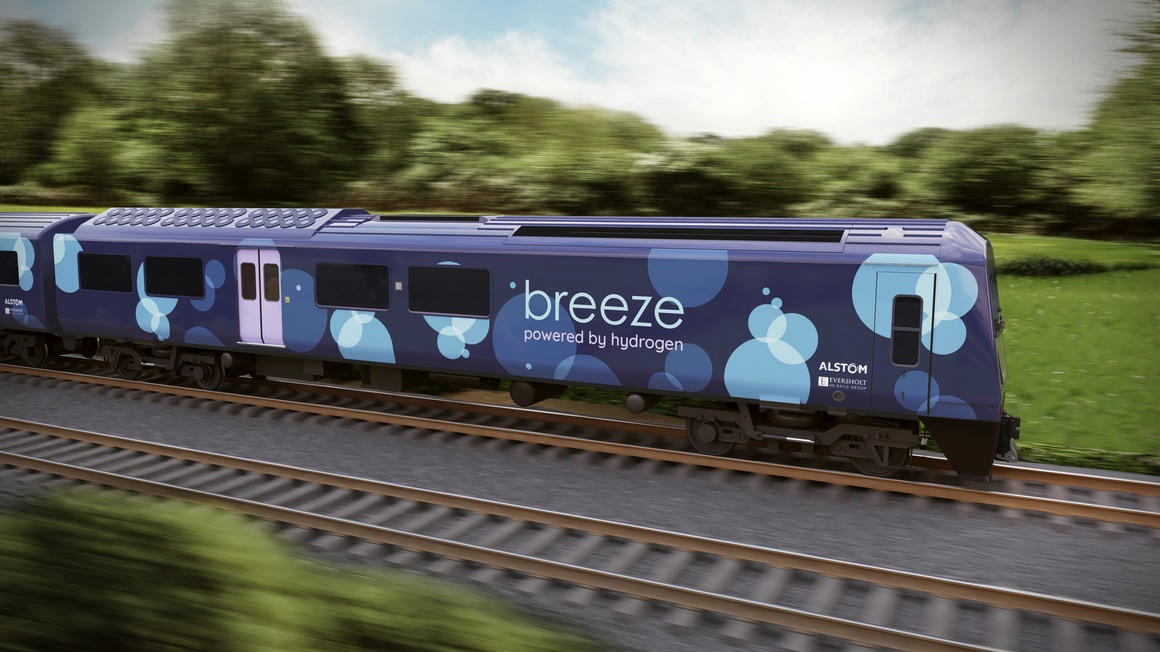
They would appear to be in pole position to change the image of Teesside’s trains.
Battery Electric Trains On Teesside
But I suspect. that an Anglo-Japanese partnership, based in the North-East could have other ideas.
- Hitachi have a train factory at Newton Aycliffe on the Tees Valley Line.
- Hyperdrive Innovation design and produce battery packs for transport and mobile applications in Sunderland.
The two companies have launched the Regional Battery Train, which is described in this Hitachi infographic.

Note than 90 kilometres is 56 miles, so the train has a very useful range.
Hitachi have talked about fitting batteries to their express trains to serve places like Middlesbrough, Redcar and Sunderland with zero-carbon electric services.
But their technology can also be fitted to their Class 385 trains and I’m sure that Scotland will order some battery-equipped Class 385 trains to expand their vigorous electric train network.
Both Scotland and Teesside will need to charge their battery trains.
Example distances on Teesside include.
- Darlington and Saltburn – 28 miles
- Darlington and Whitby – 47 miles
- Darlington and Bishop Auckland – 12 miles
The last route would be possible on a full battery, but the first two would need a quick battery top-up before return.
So there will need to be strategically-placed battery chargers around the North-East of England. These could include.
- Hexham
- Nunthorpe
- Redcar or Saltburn – This would also be used by TransPennine Express’s Class 802 trains, if they were to be fitted with batteries.
- Whitby
If Grand Central did the right thing and ran battery electric between London and Sunderland, there would probably be a need for a battery charger at Sunderland.
It appears that Adrian Shooter of Vivarail has just announced a One-Size-Fits-All Fast Charge system, that has been given interim approval by Network Rail.
I discuss this charger in Vivarail’s Plans For Zero-Emission Trains, which is based on a video on the Modern Railways web site.
There is more about Vivarail’s plans in the November 2020 Print Edition of the magazine, where this is said on page 69.
‘Network Rail has granted interim approval for the fast charge system and wants it to be the UK’s standard battery charging system’ says Mr. Shooter. ‘We believe it could have worldwide implications.’
I believe that Hitachi and Hyperdrive Innovation, with a little bit of help from friends in Seaham, can build a battery-electric train network in the North-East.
The Choice Between Hydrogen And Battery Electric
Consider.
- The hydrogen trains would need a refuelling system.
- The battery electric trains would need a charging structure, which could also be used by other battery electric services to and from the North-East.
- No new electrification or other infrastructure would be needed.
- If a depot is needed for the battery electric trains, they could probably use the site at Lackenby, that has been identified as a base for the hydrogen trains.
Which train would I choose?
I think the decision will come down to politics, money and to a certain extent design, capacity and fuel.
- The Japanese have just signed a post-Brexit trade deal and France or rather the EU hasn’t.
- The best leasing deal might count for a lot.
- Vivarail have stated that batteries for a battery electric train, could be leased on a per mile basis.
- The Hitachi train will be a new one and the Alstom train will be a conversion of a thirty year old British Rail train.
- The Hitachi train may well have a higher passenger capacity, as there is no need for the large hydrogen tank.
- Some people will worry about sharing the train with a large hydrogen tank.
- The green credentials of both trains is not a deal-breaker, but will provoke discussion.
I feel that as this is a passenger train, that I’m leaning towards a battery electric train built on the route.
An Avoiding Line Through Darlington
The Northern Echo also says this about track changes at the station.
A meeting of Darlington Borough Council’s communities and local services scrutiny committee was told a bus lane-style route off the mainline at the station would enable operators to run more high-speed services.
Councillors heard that the proposed track changes would enable very fast approaches to Darlington and allow other trains to pass as East Coast Mainline passengers boarded.
Some councillors seem to be unhappy about some trains passing through the station without stopping.
Are their fears justified?
This Google Map shows Darlington station.
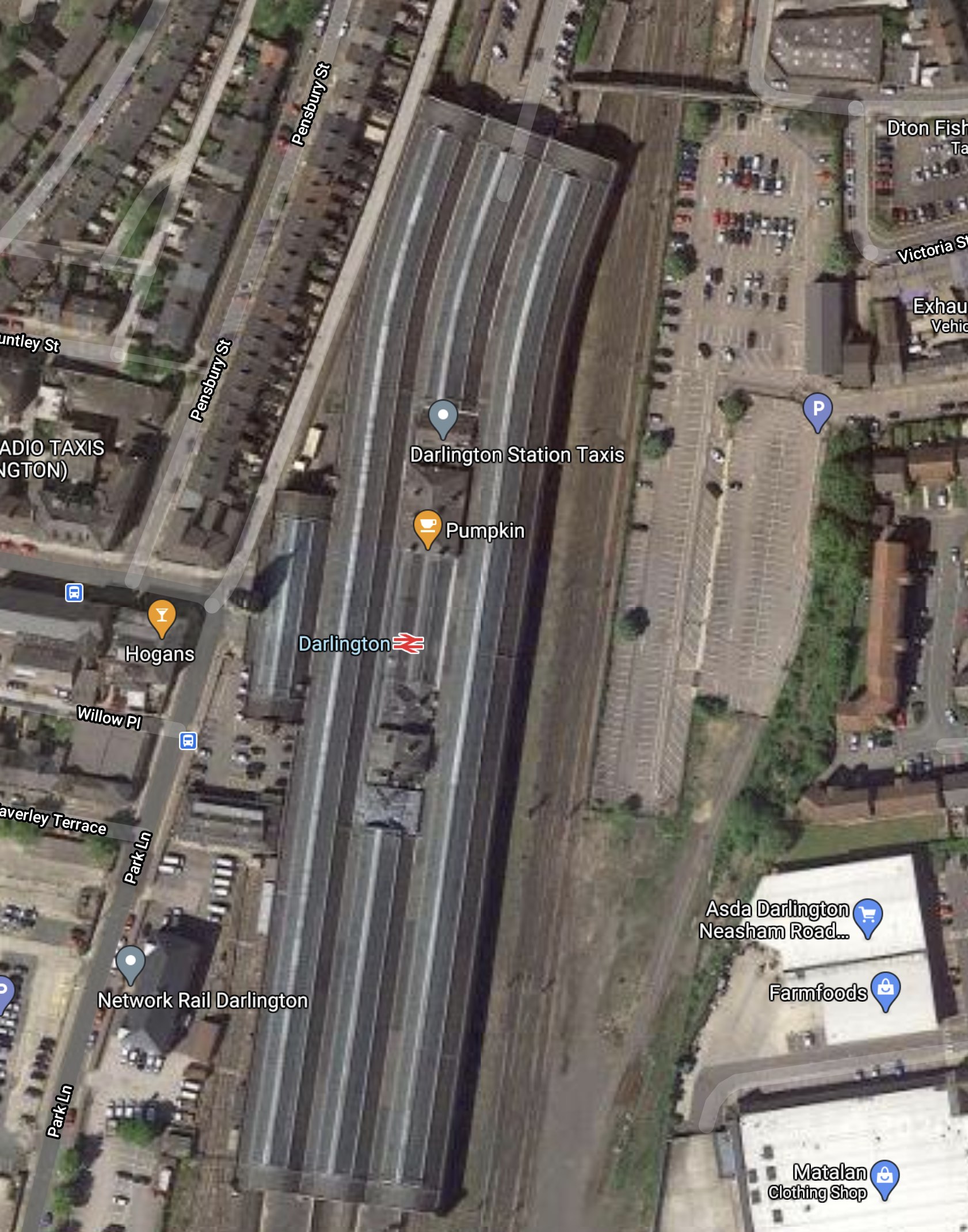
Note.
- The station has two long platforms and two South-facing bay platforms.
- There is plenty of space.
- There already appear to be a pair of electrified avoiding lines on the Eastern side of the station.
Wikipedia also says this about how Darlington station will be changed by High Speed Two.
The new high speed rail project in the UK, High Speed 2, is planned to run through Darlington once Phase 2b is complete and will run on the existing East Coast Main Line from York and Newcastle. Darlington Station will have two new platforms built for the HS2 trains on the Main Line, as the station is built just off the ECML to allow for freight services to pass through.
This would appear to suggest that the two current avoiding lines will be turned into high speed platforms.
Current High Speed Services At Darlington
The current high speed services at Darlington are as follows.
- LNER – two trains per hour (tph) – London Kings Cross and Edinburgh
- Cross Country – one tph – Plymouth and Edinburgh or Glasgow
- Cross Country – one tph – Southampton and Newcastle
- TransPennine Express – one tph – Liverpool and Edinburgh
- TransPennine Express – one tph – Manchester Airport and Newcastle
Northbound, this gives eight tph to Newcastle and four tph to Edinburgh
East Coast Trains
East Coast Trains‘s services are not planned to stop at Darlington.
High Speed Two Trains
Darlington is planned to be served by these High Speed Two trains.
- 1 tph – Birmingham Curzon Street and Newcastle via East Midlands Hub, York and Durham
- 1 tph – London Euston and Newcastle via Old Oak Common and York.
Both will be 200 metre High Speed Two Classic-Compatible trains
Northbound, this gives ten tph to Newcastle and four tph to Edinburgh.
As the Eastern Leg of High Speed Two has some spare capacity, I suspect there could be other services through Darlington.
Improvements To The East Coast Main Line
If you look at the East Coast Main Line between Doncaster and Newcastle, the route is a mixture of two and four-track railway.
- Between Doncaster and York, there are two tracks
- Between York and Northallerton, there are four tracks
- Between Northallerton and Darlington, there are two tracks
- North of Darlington, the route is mainly two tracks.
I have flown my virtual helicopter along much of the route and I can say this about it.
- Much of the route is through agricultural land, and where absolutely necessary extra tracks could possibly be added.
- The track is more-or-less straight for large sections of the route.
- Routes through some towns and cities, are tightly hemmed in by houses.
I also believe that the following developments will happen to the whole of the East Coast Main Line before High Speed Two opens.
- Full ERTMS in-cab digital signalling will be used on all trains on the route.
- The trains will be driven automatically, with the driver watching everything. Just like a pilot in an airliner!
- All the Hitachi Class 80x trains used by operators on the route, will be able to operate at up to 140 mph, once this signalling and some other improvements have been completed.
- All level crossings will have been removed.
- High Speed Two is being built using slab track, as I stated in HS2 Slab Track Contract Awarded. I suspect some sections of the East Coast Main Line, that are used by High Speed Two services, will be upgraded with slab track to increase performance and reduce lifetime costs.
Much of the East Coast Main Line could become a 140 mph high speed line, as against High Speed Two, which will be a 225 mph high speed line.
This will mean that all high speed trains will approach Darlington and most other stations on the route, at 140 mph.
Trains will take around a minute to decelerate from or accelerate to 140 mph and if the station stop took a minute, the trains will be up to speed again in just three minutes. In this time, the train would have travelled two-and-a-half miles.
Conclusion
I think that this will happen.
- The Tees Valley Line trains will be greatly improved by this project.
- Trains will generally run at up to 140 mph on the East Coast Main Line, under full digital control, like a slower High Speed Two.
- There will be two high speed platforms to the East of the current station, where most if not all of the High Speed Two, LNER and other fast services will stop.
- There could be up to 15 tph on the high speed lines.
With full step-free access between the high speed and the local platforms in the current station, this will be a great improvement.
Vivarail’s Plans For Zero-Emission Trains
The title of this post is the same as that of this article on the Modern Railways web site.
This is the introductory subtitle.
Vivarail Chairman Adrian Shooter talks to Modern Railways about the company’s Class 230s and its plans for battery trains.
The article is mainly a video of Mr. Shooter talking in front of various examples of Vivarail trains.
It’s probably easier to watch the video and listen on what is said.
But I have some thoughts on what he said.
Battery Range
Consider.
- Early on in the video he talks about a battery range of forty miles with four battery packs on the train.
- He also talks about switching battery supplier to Hoppecke.
- Later he says that a train with six battery packs in the train, has a hundred mile range.
That is impressive.
The number of battery packs has increased by 50 % and the range has gone up by two-and-a-half times.
If those figures are right and I’ve no reason to disbelieve them, then Hoppecke have done a good job with the batteries.
A very rough calculation indicates their size.
- The current 4 x 100 kWh takes the train 40 miles, which is 10 kWh per mile.
- So to travel a hundred miles will need 1000 kWh.
- Divide by six batteries and you get 167 kWh per battery or a 67 % increase in individual battery capacity.
If these are a new generation of batteries, what would they do for Hitachi’s Regional Battery train, which is proposed to have a range of 56 miles? They could give it a range of around 93 miles.
These ranges of distances would be very useful to manufacturers of battery trains.
Charging Battery Trains Using Vivarail’s Fast Charge System
The video did give a few more details of Vivarail’s Fast Charge system.
I was also able to take this screen capture from the video, which shows the extra rails used to pass charge to the train and the batteries.
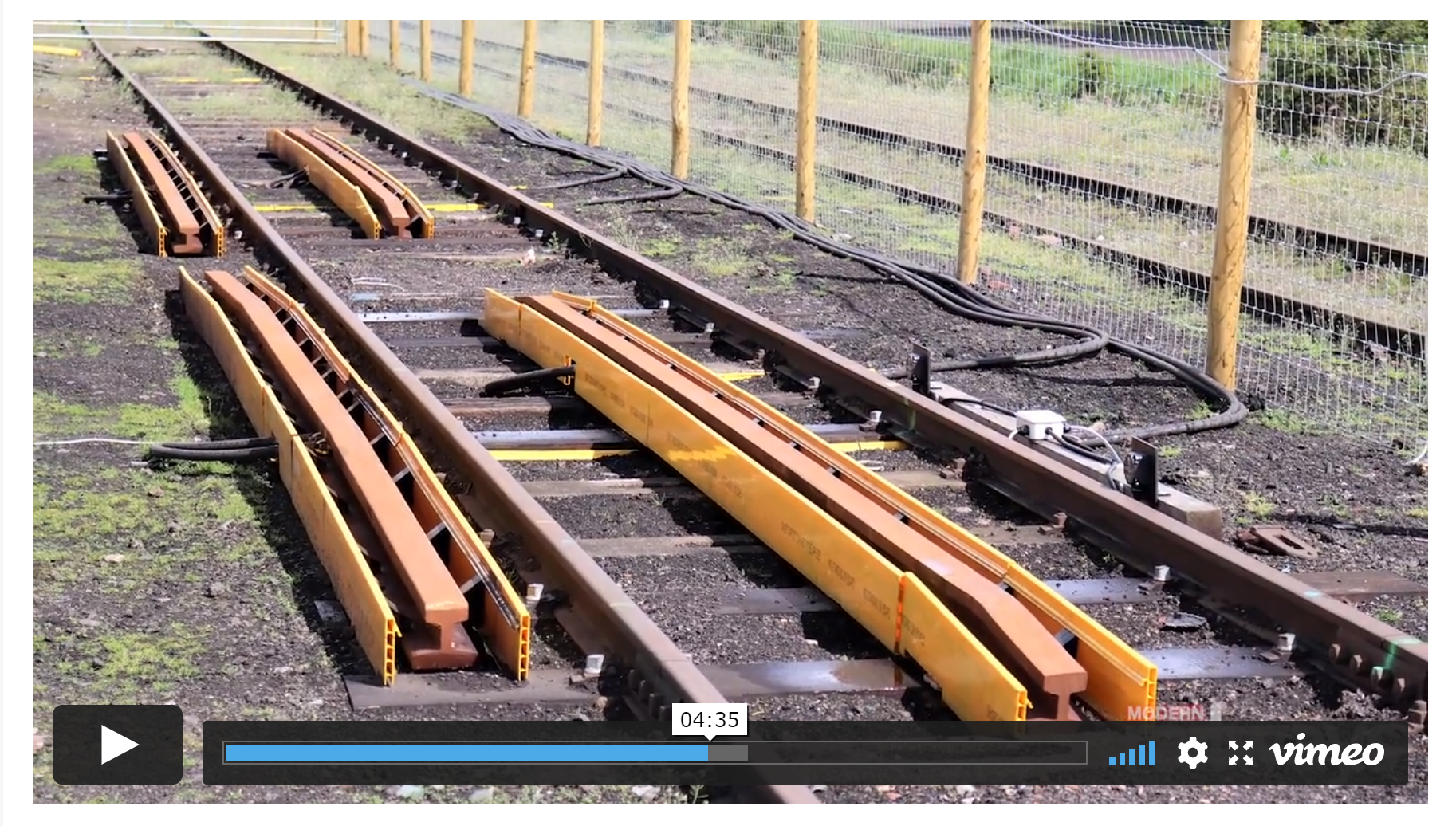
Note.
- The rails are well-shielded. Not that they’re live unless a train is over the top and connected.
- The driver just has to stop the train in the correct place and automation does the rest.
- This image is four minutes and thirty-five seconds into the video.
My only problem with the design is that those thick copper cables used to bring electricity to the train, way be a tempting target for metal thieves.
Vivarail Now Has Permission To Charge Any Train
Mr. Shooter said this about Vivarail’s Fast Charge system.
The system has now been given preliminary approval to be installed as the UK’s standard charging system for any make of train.
I may have got the word’s slightly wrong, but I believe the overall message is correct.
In the November 2020 Edition of Modern Railways, there is a transcript of what Mr. Shooter said.
‘Network Rail has granted interim approval for the fast charge system and wants it to be the UK’s standard battery charging system’ says Mr. Shooter. ‘We believe it could have worldwide implications.’
I hope Mr. Shooter knows some affordable lawyers, as in my experience, those working in IPR are not cheap.
A Prototype Class 230 Train That Can Use 25 KVAC Is Under Construction
Mr. Shooter also announced that a version of the train with a third can in the middle, with a pantograph on the roof and a 35 KVAC transformer is under construction.
This will enable batteries to be charged from existing electrification.
I can already think of a few routes, where this train could be used.
- Bedford and Bletchley – It would replace a diesel-electric Class 230 train.
- Poulton-le-Fylde and Fleetwood
- Oxenholme and Windermere
- Glasgow Central and East Kilbride
- Glasgow Queen Street and Anniesland
- Chester and Crewe – It would replace a battery Class 230 train
- West Ealing and Greenford
- Slough and Windsor Central
- Henley and Twyford
- Maidenhead and Marlow
This could be the standard train in many places.
The November 2020 Edition of Modern Railways, also has more details on this project.
- The centre vehicle is under construction at their factory at Seaham in County Durham.
- Mr. Shooter is quoted as saying. ‘We’ve identified 60 lines on partially electrified tracks’
Vivarail plans to demonstrate the concept on the Northumberland Line to Blyth and Ashington next spring.
West Highland Opportunity
This is a section of the print article, that is not mentioned in the video.
This is the introductory paragraph.
While Mr. Shooter highlights several opportunities south of the border to deploy the 25kV/battery Class 230, he is particularly interested in deployment of Vivarail trains in Scotland.
And this is the last paragraph, describing a possible deployment on the West Highland Line.
Top of the list is the West Highland Line.
Here a 25kV/battery Class 230 would operate under electric power from Glasgow Queen Street to Craigendoran Junction, switching there to battery power. The batteries could be topped up on the way using Vivarail’s fast charge system, with Mr, Shooter suggesting this could take place at Crianlarich, Oban and Fort William. On the West Highland the 60 mph top speed of the Class 230 is not prohibitive as the top speed on the route does not exceed this.
If this sounds familiar, I made a similar proposal in Hitachi Plans To Run ScotRail Class 385 EMUs Beyond The Wires, in a section, which is entitled Electric Trains On The West Highland Line Between Glasgow And Mallaig/Oban. I start with this sentence.
This might be considered as difficult as putting a London bus on the Moon.
But that was done by the Daily Sport newspaper, so perhaps my reasoning is the same as Vivarail’s.
My conclusion of the section was as follows.
What would battery-electric trains to Oban and Mallaig do for tourism in the area?
Hitachi would have one of the most scenic and iconic test tracks in the world!
These statements would surely, apply to a Vivarail train or a battery electric Class 385 train.
Pop-Up Metro
Mr. Shooter shows a battery train, which is going to the United States to trial a concept called a Pop-up Metro.
- In the US, there are hundreds of lightly used freight lines serving towns and cities
- Temporal separation would mean that freight and passenger trains used the lines at different times of the day.
- Battery powered Vivarail trains could provide a Metro service.
He also talked about his US partner and 50 % shareholder in Vivarail, leasing trains for a year, to see if the concept was viable in a given area. He indicated, the cost could be less than a consultant’s report.
Could the Pop-up Metro concept work in the UK?
In these possible Beeching Reversal projects, there could be scope for using the concept.
- Project Wareham – Complete The Link
- Shepton Mallet (Mendip Vale)
- Increased Service Provision Bodmin General-Bodmin Parkway
- Primrose Line
- Cirencester Community Railway
- South Yorkshire Joint Railway
- Upper Wensleydale Railway
- Restoration Of A Daily Train Service On The Keighley & Worth Valley Railway
- The Aston Rowant Extension Of The Chinnor Railway
Note.
- Some of these are on heritage railway infrastructure. Does a Class 230 train count a heritage unit?
- The Aston Rowant Extension is Chiltern territory, so Mr. Shooter could know it well!
- In the Wikipedia entry for the Class 230 train, there is a useful Cost Comparison.
I should say, that I like the concept of a Pop-up Metro.
- The trains have proved they are up to the job.
- A package of one or two trains and a containerised charging system could surely be created.
- Installation of the battery charger in many platforms would not be a major engineering project costing millions.
- On a heritage railway, the enthusiasts could probably do it from their own resources.
But the best point to me, is that a system could probably be leased for a year on a Try-Before-You-Buy basis for less than the cost of a consultant’s report.
Go for it!
Conversion Of Diesel Multiple Units To Battery Electric Multiple Units
This was the bombshell in the tail of the video.
There a lot of diesel multiple units in the UK and Mr. Shooter and Vivarail have developed a plan to convert some of them to battery electric operation.
The trains he is proposing to convert are diesel multiple units, that use a Voith transmission, which I list in How Many Diesel Multiple Units In The UK Have Voith Hydraulic Transmissions?.
Consider.
- There are 815 trains on my list.
- All have a Voith hydraulic transmission, with most having similar type numbers starting with T211.
- Some are 75 mph trundlers and others are full-on 100 mph expresses.
- All have one engine and transmission per car.
They fit into distinct groups.
Sprinters
Sprinters are a group of trains that were produced by British Rail.
The earliest were built in 1984 and all were built in the last century.
- There are 314 trains in total.
- All have a Cummins engine of 213 kW, with one engine per car.
- They have a Voith T211r transmission, which drives two axles per car.
- They have an operating speed of 75 mph.
The trains may be elderly, but like some well-known actresses, they scrub up well with a little TLC.
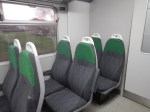
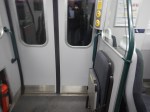
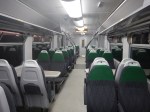
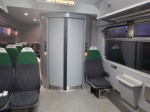
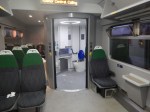
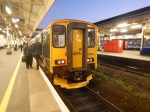
The pictures show an immaculate refurbished Class 150 train, that I travelled on in Devon.
With a battery electric transmission, they would make a superb rural route and branch line train.
Express Sprinters
Express Sprinters are a group of trains that were produced by British Rail.
- The earliest were built in 1990 and all were built in the last century.
- There are 202 trains in total.
- All have a Cummins engine of between 260 and 300 kW, with one engine per car.
- They have a Voith T211r transmission, which drives two axles per car.
- They have an operating speed of 90 mph.
These pictures show a Class 159 train on a visit to the Swanage Railway, where it was shuttling in visitors.
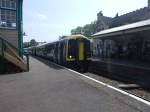
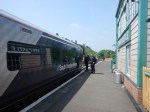
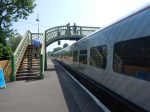
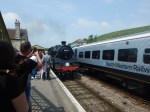
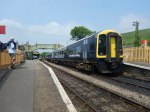
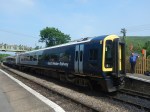
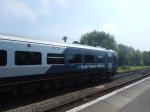
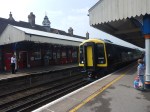
With a battery electric transmission, that gave a range of say 80 miles at 90 mph, they would be low cost competition for Hitachi’s Regional Battery Train on secondary routes.
Scotrail have forty Class 158 trains, which run on the following routes.
- Glasgow Queen Street and Anniesland – 5.5 miles
- Fife Circle Line – 61 miles round trip
- Stonehaven and Inverurie – 66 miles round trip.
- Borders Railway – 70 miles round trip.
- Edinburgh and Arbroath – 76 miles
- Inverness and Kyle of Lochalsh – 82.5 miles
- Inverness and Aberdeen – 108 miles – Inter7City route.
- Inverness and Wick – 174 miles
- Inverness and Edinburgh – 175 miles – Inter7City route.
Note.
- The routes are shown in order of length.
- Anything over a hundred miles would need intermediate charging.
- Some routes would need charging at both ends.
- Glasgow Queen Street and Anniesland would probably not need a Class 158, but is very suitable for a battery electric train.
- The three longest routes from Inverness are probably too long for battery electric power, but two are run by Inter7City trains.
- A battery electric train on the Inverness and Kyle of Lochalsh route, would surely be a tourist asset.
With an eighty mile range, ScotRail could find a battery-equipped Class 158 train very useful.
Networkers
Networkers are a group of trains that were produced by British Rail.
- The earliest were built in 1990 and all were built in the last century.
- There are 96 trains in total.
- All have a Perkins engine of 261 kW, with one engine per car.
- They have a Voith T211r transmission, which drives two axles per car.
- They have an operating speed of 75 or 90 mph.
These pictures show ac selection of Class 165 and Class 166 trains.
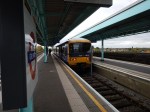
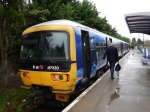
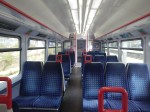
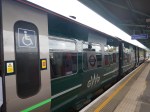
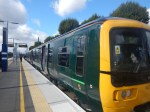
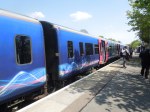
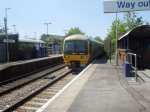
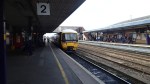
As with the Express Sprinters, with a battery electric transmission, that gave a range of say 80 miles at 90 mph, they would be low cost competition for Hitachi’s Regional Battery Train on secondary routes.
The Networkers are used by Great Western Railway and Chiltern Railways.
- Great Western Railway do run a few long routes with their Networkers, but these routes would probably be too long for battery operation.
- Local routes around Bristol, Exeter and Plymouth and some short branch lines could be possibilities for battery operation.
- Great Western Railway have also leased tri-mode Class 769 trains for the Reading and Gatwick route.
- Chiltern Railways don’t run their Networkers on the longer routes to Birmingham.
- But they do run them on the shorter routes to Aylesbury (39 miles), Aylesbury Vale Parkway (41 miles), Banbury (69 miles), Gerrards Cross (19 miles), High Wycombe (28 miles), Oxford (66 miles) and Stratford-upon-Avon (104 miles).
- Some of these Chiltern routes must surely be possibilities for battery operation. Especially, as all the stations in the list, don’t appear to be the most difficult to add a Fast Charge facility.
With an eighty mile range, battery-equipped Networkers could be very useful.
Turbostars
Turbostars are a group of trains that were produced at Derby.
- The earliest were built in the last few years of the the last century.
- There are 177 trains in total.
- All have an MTU engine of 315 kW, with one engine per car.
- They have a Voith T211 transmission, which drives two axles per car.
- They have an operating speed of 100 mph.
These pictures show a selection of Turbostar trains.
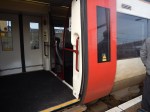
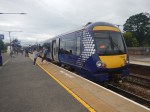
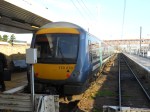
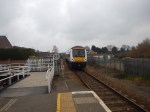
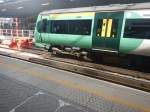
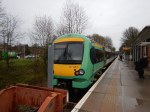
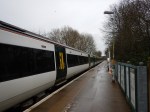
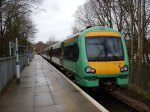
As with the Express Sprinters and the Networkers, with a battery electric transmission, that gave a range of say 80 miles at 100 mph, they would be low cost competition for Hitachi’s Regional Battery Train on secondary routes.
The post; DfT and Arriva CrossCountry Sign Agreement is partly based on this article on Railway News, which has the same name.
This is a paragraph from the original article.
One element of this new contract is a focus on reducing the environmental impact of the operator’s diesel fleet. For instance, Arriva CrossCountry will do a trial of using electrical shore supplies on its Bombardier Turbostar fleet when these trains are in depots for cleaning. Trains are cleaned both in the winter and at night, which means that the interior lighting and heating systems have to be powered. By using electricity to power these systems instead of the trains’ diesel engines, there will be a reduction in both emissions and noise pollution, which is doubly important when the depots are near built-up areas.
If Turbostars were to have their power unit and transmission updated to battery electric, there would be less need to provide shore supplies to where the trains were to be cleaned.
How Would Sprinters, Express Sprinters, Networkers And Turbostars Be Converted To Battery Electric Power?
The layout of the transmission in all these trains is very similar.
That is not surprising, as they are effectively different interpretations of the same theme over four decades.
- A diesel engine provides the power.
- On the back of the diesel engine, a hydraulic transmission is mounted.
- The transmission performs a similar function to an automatic gearbox in a car. Trains like cars perform better in the right gear.
- The transmission is connected to the final drive in one or more of the bogies using a cardan shaft. The propeller shaft in many rear-wheel-drive vehicles, is a cardan shaft.
In the video at about 5 mins 50 seconds, Mr. Shooter outlines how the train will be converted to battery electric drive.
- The diesel engine, hydraulic transmission, radiator, fuel tank and all the other diesel-related gubbins will be removed.
- A 280 kW electric traction motor will be installed, which will be connected to the cardan shaft.
- Batteries will be installed. Possibly, they will fit, where the diesel engine was originally located.
I wouldn’t be surprised if the weight of the battery was similar to that of all the equipment that has been removed, as this would mean the train’s handling wouldn’t change.
- Acceleration will be faster, as it is in electrically-powered road vehicles.
- The traction motor can work in reverse to slow the train and the energy regenerated by braking can be stored in the batteries.
- Mr. Shooter doesn’t say if his battery electric trains use regenerative braking in the video, but it is possible and a common procedure, as it saves energy.
An intelligent control system will control everything according to the driver’s needs and wishes.
This extract from the print edition, gives Mr. Shooter’s advantages of this diesel to battery electric conversion.
‘Unlike cars, trains have a planned duty cycle so you can easily plan for when the batteries should be charged’ says. Mr. Shooter. ‘Our analysis shows the fuel cost would be halved and the maintenance cost would be halved compared to a DMU. And to allay concerns about battery life we would offer to lease batteries on a cost per mile. You get the financial payback within five years, with the greenness free of charge!’ Mr. Shooter reports early work by Vivarail suggests a converted battery train on the Far North line might need fast charge stations at four locations.
Where In The World Is This?
The print edition of the interview poses an interesting question.
Mr. Shooter says the opportunities are significant, and reports Vivarail is in discussions with an overseas customer about a bid for battery trains for a new 500 mile line which would incorporate 12 fast charge points at stations. He also said customers are suggesting the use of solar parks or even tidal power to feed the static batteries at the fast charge stations, rather than power coming from the local supply.
Imagine two large cities about 500 miles apart, with a string of small towns between them.
- The small towns might be on a scenic river or coastline.
- Commuters drive to both cities.
- People from the two cities visit the area to relax.
- There might even be a lightly used freight line or a dismantled railway alignment running between the cities.
- Perhaps, the road network is overloaded and a green alternative is needed.
Given, Vivarail is part-owned, by an American entrepreneur, I would expect, the proposed line is somewhere in North America. But I also think there would be possibilities in Australia, around the coast of the Baltic Sea and India and South East Asia.
Cpnclusion
This is the conclusion of the print article in Modern Railways.
While electrification will be the key component in decarbonising traction emissions, battery technology will have a role to play, and Vivarail is at the forefront of this development.
I wholeheartedly agree.
DfT and Arriva CrossCountry Sign Agreement
The title of this post, is the same as that of this article on Railway News.
This is the introductory paragraph.
The franchisee CrossCountry, which is owned by Arriva, has signed a three-year agreement with the Department for Transport to bring the franchise in line with the Emergency Recovery Measures Agreements (ERMAs).
CrossCountry has the following trains in its fleet.
34 x Class 220 trains
24 x Class 221 trains
This gallery shows Class 220 trains and the closely related Class 222 trains, which are in service with East Midlands Railways.


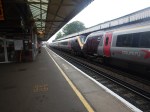
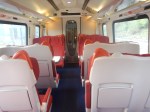
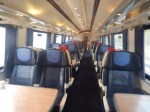
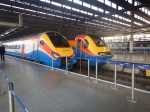
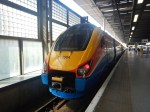
Note that these three fleets of Bombadier Voyager trains are now twenty years old and will probably need a makeover soon.
If they have a problem it is that they are diesel multiple units and create a lot of noise and pollution in stations and depots.
This is said in the Railway News article.
One element of this new contract is a focus on reducing the environmental impact of the operator’s diesel fleet.
, Two separate projects are mentioned.
- Using a separate electrical supply to Turbostars during cleaning.
- Use of on-train batteries on the Voyagers in stations.
In Have Bombardier Got A Cunning Plan For Voyagers?, I gave my thoughts on the second project, when Bombardier proposed it in 2018.
I can see the following scenario happening.
- When the new Class 805 trains are delivered, Avanti West Coast’s Class 220 trains are transferred to Arriva CrossCountry.
- When the new Class 810 trains are delivered, East Midland Railway’s Class 222 trains are transferred to Arriva CrossCountry.
- CrossCountry update their Voyagers with batteries.
- CrossCountry retire their InterCity 125 trains.
CrossCountry may have enough trains to run a mainly Voyager fleet, backed up by a few Turbostars.
Could Bombardier’s Plan Be Revived In A Different Form?
If CrossCountry had all the Voyages, they would have the following fleet.
- 34 x four-car Class 220 trains – Currently with CrossCountry.
- 20 x five-car Class 221 trains – Currently with Avanti West Coast
- 20 x five-car Class 221 trains – Currently with CrossCountry
- 4 x four-car Class 221 trains – Currently with CrossCountry
- 6 x seven-car Class 222 trains – Currently with East Midlands Trains
- 17 x five-car Class 222 trains – Currently with East Midlands Trains
- 4 x four-car Class 222 trains – Currently with East Midlands Trains
This totals to eighty-five trains with a total of 285 intermediate cars, of which 128 were built with tilt for Class 221 trains.
Currently CrossCountry has a total of 58 four- and five-car Voyagers and enough Class 43 power cars for six InterCity 125 trains.
If they rearranged the non-tilting intermediate cars of the Voyagers, 157 intermediate cars is enough for one of the following.
- 78 – four-car trains
- 52 – five-car trains
- 39 – six-car trains
- 26 – eight-car trains
- 22 – nine-car trains
Add in forty five-car Class 221 trains and there is more than enough trains for CrossCountry to run their current services without the retired InterCity 125s.
CrossCountry would also be able to form the trains into the lengths they needed for efficient services.

This formation photographed at Basingstoke could be formed of a single train, if they wished, as they have more than enough coaches.
I suspect in true design engineering fashion, engineers at CrossCountry have got the toy trains or Lego bricks out to shuffle the coaches on a big table to see what are the best train lengths for their network.
If they decided to go the eight-car route, which could give up to twenty-six trains, this would be more than enough to be able to retire the InterCity 125s.
Could one of the Intermediate cars be converted into a pantograph and battery car?
- If the diesel engine and the associated gubbins were to be removed, this would save around two tonnes in weight.
- A two-tonne battery could probably have a capacity of 200 kWh.
- Bombardier probably have ideas about how a car could be converted.
Someone could have a lot of fun playing musical carriages and the following trains could be created.
- A fleet of Voyager bi-mode trains of optimum length for CrossCountry’s route network.
- Most services would be run by single trains, which must give advantages to the operator, their staff and passengers.
- All braking would be regenerative braking to battery to save energy.
- Where electrification exists, the trains could use it.
- All station stops would be performed on battery power.
There might even be some left over driving cars and some intermediate cars to be converted into battery electric trains for another route.
Conclusion
There is a route there for CrossCountry to have a much more environmentally-friendly fleet, better suited to their needs
- The Turbostars would be given a local electricity supply to cut noise and pollution during overnight cleaning.
- The InterCity 125s would be retired.
- CrossCountry acquires as many Voyagers as it needs after Avanti West Coast and East Midlands Railway get their new trains.
- The Voyagers carriages would be shuffled so that they could handle all routes and replace the InterCity 125s.
- The design exists to convert the Voyagers into diesel-electric-battery tri-mode high speed trains.
Note.
- There are enough trains to do a gradual conversion, with CrossCountry having enough trains for a full service at all times.
- All trains will probably have been built this century or nearly so!
I also feel, that the fleet would be a marketing asset, rather than a bit of a discouragement to use CrossCountry’s services again.
Interview: Hitachi’s Nick Hughes On Driving Innovation In Rail Propulsion
The title of this post is the same as that of this article on The Engineer.
As with the article I discuss in Hydrogen On The Line, it is another well-written and informative article from The Engineer, where those at the sharp end of innovative rail technologies give their views.
This is the introductory paragraph.
As part of a series of articles exploring the propulsion technologies that will shape the future of key transport sectors The Engineer spoke to Hitachi Rail’s Nick Hughes about the innovations that will propel the rail sector into a low carbon future.
The Engineer asked these questions.
- What propulsion innovations will help power the rail sector towards net zero?
- Can you outline some of your organisation’s own key activities in this area?
- What are the key obstacles and challenges to developments in this area?
- What is your vision for the long-term future of propulsion in your sector?
I find the answer to the last question most interesting.
Rail is going to become increasingly digitised and integrated into other sectors involved in smart cities, mobility-as-a-service and flexible green grid. Therefore, Hitachi Rail won’t be able to stay at the forefront of innovation by its self. This is why we are focused on building partnerships with other like-minded, innovative, clean tech companies like Hyperdrive Innovation, Perpetuum and Hitachi group companies such as Hitachi ABB.
Hyperdrive Innovation is going to apply its knowledge and expertise from the automotive sector, to develop a market leading battery for Hitachi trains. Perpetuum predictive analytics improve reliability and availability of existing trains. Meanwhile, Hitachi ABB’s experience of the power sector allows our battery train solution to incorporate charging, storage and grid management. These partnerships creates an entry point into the rail market for our partners, potentially leading to future growth and jobs.
However, it is important to recognise that the established technologies of today – battery trains, discontinuous electrification and high-speed trains – are the technologies will help achieve the 2050 net zero emission target.
I would very much agree with all that is said.
West Ealing Station – 12th October 2020
These pictures show the current state of West Ealing station.
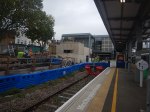
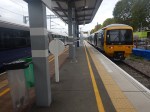
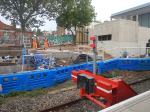
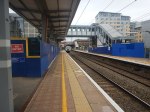
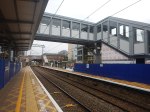
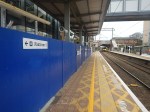
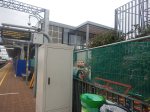
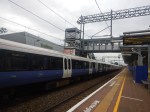
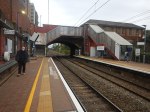
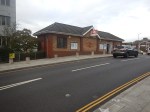
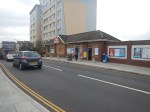

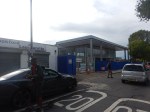
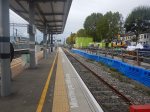
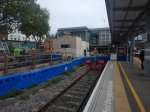
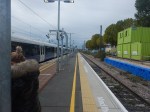
A few of my thoughts.
The Size Of The Station
It is not small!
Will The Current Entrance Be Retained?
From the outside the original entrance looks to be in good condition.
Will it be retained?
I think it won’t be as the stairs are a bit of an accident waiting to happen.
Electrification Of The Greenford Branch
If the Greenford Branch is going to be electrified, the last picture shows that gantries and headspan wires are in place over the Western end of Platform 5.
The electrification could be fixed to the new station building, if it were to be electrified.
Power would not be a problem, as a main sub-station for Crossrail and the Great Western Main Line is nearby.
In Could Class 165 HyDrive Trains Be The Solution To The Greenford Branch?, I showed that a train with better acceleration could provide four trains per hour (tph) on the Greenford Branch.
I feel that a pair of powerful two-car battery electric trains could provide four tph on the branch.
- They would charge using a short length of 25 KVAC overhead electrification in Platform 5 at West Ealing station.
- The route is only 2.5 miles.
- Recharging time wouldn’t be very long, as the battery wouldn’t be enormous.
In Special Train Offers A Strong Case For Reopening Fawley Line, the Managing Director of South Western Railway; Mark Hopwood is quoted as saying, that their Class 456 trains could be converted to two-car battery trains. Converting Class 456 Trains Into Two-Car Battery Electric Trains discusses this conversion in detail.
A two-car Class 456 train equipped with batteries and the ability to use 25 KVAC overhead electrification, would be ideal for the branch and could probably provide four tph.
Conclusion
This station is starting to look like a quality station for Crossrail.
Hitachi Targets Export Opportunities From Newton Aycliffe
The title of this post, is the same as that of this article on Rail Magazine.
This is the introductory paragraph.
Very High Speed Trains (VHSTs) built in Britain could be exported to Europe and even further afield from Hitachi’s Newton Aycliffe factory.
The article would appear to confirm, that the AT-300 family of trains is now a family with a very wide reach.
Trains in the family include.
Very High Speed Trains (VHST)
The article states that VHST trains will form part of the AT-300 family.
The big order to be handed out in the UK, is for 54 Classic-Compatible trains for High Speed Two.
The Classic-Compatible trains are described in this section in Wikipedia, by this sentence.
The classic-compatible trains, capable of high speed but built to a British loading gauge, permitting them to leave the high speed track to join conventional routes such as the West Coast Main Line, Midland Main Line and East Coast Main Line. Such trains would allow running of HS2 services to the north of England and Scotland, although these non-tilting trains would run slower than existing tilting trains on conventional track. HS2 Ltd has stated that, because these trains must be specifically designed for the British network and cannot be bought “off-the-shelf”, these conventional trains were expected to be around 50% more expensive, costing around £40 million per train rather than £27 million for the captive stock.
The trains will have the same characteristics as the full-size High Speed Two trains.
- Maximum speed of 225 mph.
- Cruising speed of 205 mph on High Speed Two.
- Length of 200 metres.
- Ability to work in pairs.
- A passenger capacity around 500-600 passengers.
A seven-car Class 807 train with twenty-six metre long cars would appear to be a partial match and tick all the boxes, except for the following.
- The train’s maximum and cruising speeds are well below what is needed.
- The train is only 182 metres long.
- The train has a passenger capacity of 453.
Would a train with eight twenty-five metre long cars be a better fit?
- The train length would be 200 metres.
- Twenty-five metre cars would not cause a problem!
- I estimate the passenger capacity would be 498 seats.
The trains or members of the same family have already shown.
- They can run on the East Coast, Great Western, Midland and West Coast Main Lines.
- They can run on High Speed One.
- They can split and join automatically.
- When needed they can run on local lines.
If I was Avanti West Coast’s train-Czar, I would be seriously interested in a Classic-Compatible High Speed Two train, that was very similar to one I already had in service. Provided, of course it did what it promised in the specification.
By adjusting the car-length and the number of cars, the Classic-Compatible High Speed Two train can probably made to fit any operators needs.
High Speed Trains (HST)
There are several fleets of these in service.
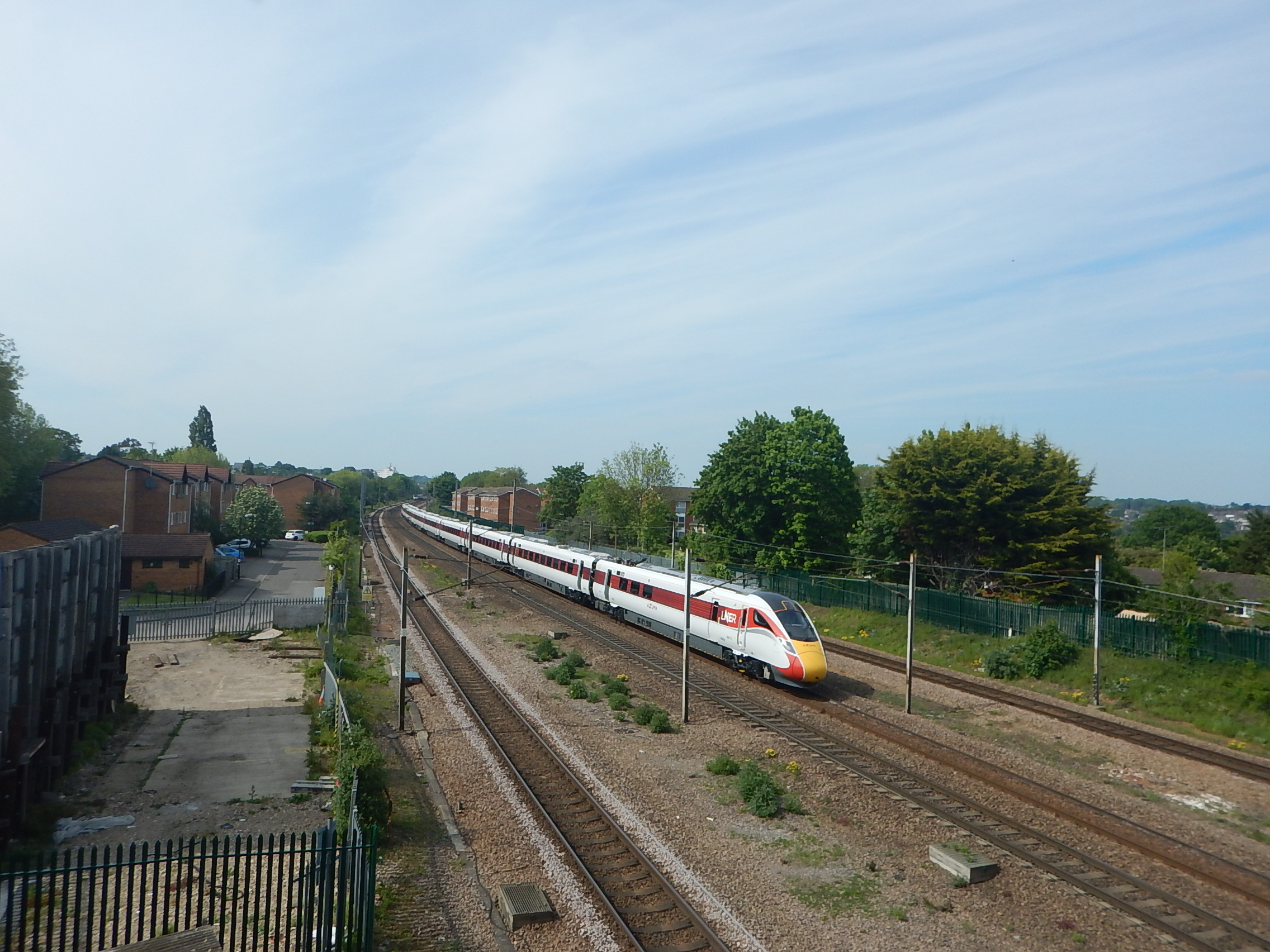
The picture shows one of LNER’s Hitachi trains going through Oakleigh Park station.
It would appear that the trains can be configured to the customers needs.
- Trains have been ordered in lengths of five, seven or nine cars, with a maximum length of up to twelve or more cars.
- Cars have been ordered in lengths of 24 and 26 metres.
- Some fleets will be fitted with diesel engines for bi-mode operation.
Operating speeds will be as follows.
- 100 mph operating speed on diesel.
- 125 mph operating speed on electric power
- 140 mph operating speed on electric power with in-cab signalling.
The signalling required for 140 mph running, is currently being installed between London Kings Cross and Doncaster.
High Speed Commuter Trains
As high speed lines proliferate, there will be a need for faster commuter trains.
In a few years time, the following lines out of London will see High Speed Trains like those made by Hitachi sharing tracks with commuter trains.
- East Coast Main Line
- Midland Main Line
- West Coast Main Line
- Great Western Main Line
Already on the Great Western Main Line services to Bedwyn and Oxford are run by Class 800 or Class 802 trains, so these trains could be considered to be High Speed Commuter Trains.
- Their 125 mph operating speed allows them to mix it, with the other High Speed Trains running into and out of London Paddington.
- Digital in-cab signalling may allow running of both expresses and High Speed Commuter trains at 140 mph.
Other routes, where they could be used, would include.
- London Kings Cross and Ely via Cambridge.
- London Paddington and Cheltenham
- London Paddington and Westbury
- London St. Pancras and Corby.
- Liverpool And Blackpool
- Liverpool And Crewe
The trains would only be doing the same as already happens on High Speed One.
As more and more High Speed Trains run in the UK on existing 125 mph routes, there will be a greater need to increase the operating speed of commuter trains sharing the routes.
Regional Battery Trains
I described these trains in Hyperdrive Innovation And Hitachi Rail To Develop Battery Tech For Trains.
Their specification is given in this Hitachi infographic.
A Regional Battery Train has the following capabilities on battery power.
- 100 mph operating speed.
- Ability to run for 56 miles.
It appears that all AT-300 based trains could be converted into either Regional Battery Trains or AT-300 trains fitted with batteries.
If you take one of Great Western Railway’s Class 802 trains, it will have the following specification.
- 125 mph operating speed on electric power
- 140 mph operating speed on electric power with in-cab signalling.
These speeds will be unaffected by fitting batteries, as when running using electrification, the batteries will effectively be more passengers, just as any diesel engines are today.
I also believe that the trains could be Plug-and-Play, with interchangeable diesel engines and battery packs. The train’s operating system would determine how much power was available and drive the car accordingly.
I also believe that Hitachi are being economical with the truth on range on battery power and that if every car was fitted with an intelligent battery pack, on some routes the range could be much greater in a few years.
As an example of their use, Harrogate is eighteen miles from electrification at Leeds. With a range of 56 miles, a Regional Battery Train could do the following.
- Travel from London Kings Cross to Leeds using the existing electrification.
- Travel from Leeds to Harrogate and back on battery power.
- Travel back to London Kings Cross from Leeds using the existing electrification.
Note.
- Trains would charge their batteries on the run up from London Kings Cross.
- Trains would be travelling at up to 125 mph between London Kings Cross and Leeds.
- Once in-cab signalling is installed between London and Doncaster, this section could be run at up to 140 mph.
This battery train is no glorified milk-float!
There are other services off high speed lines , that could be handled
- Bedwyn – 13 miles
- Harrogate – 18 miles
- Henley – 4.5 miles
- Huddersfield – 17 miles
- Lincoln – 16.5 miles
- Oxford – 10.5 miles
These are just a few of many examples, which are probably increased by a factor of two or three if you have charging at both ends of route without electrification.
Conclusion
Hitachi have developed a family of high speed trains, that can handle anything from fast commuter trains to very high speed trains.
They also probably have battery options to fit all of them.
Hopes Rekindled Of Full Midland Main Line Electrification
The title of this post, is the same as that of this article on Rail Magazine.
This is the key section of the article.
During a House of Commons debate on transport on September 17, HS2 Minister Andrew Stephenson said in response to a question from Alex Norris (Labour/Co-op, Nottingham North): “We are currently delivering the Midland Main Line upgrade, which includes electrification from London to Kettering, with additional electrification to Market Harborough being developed.
“Further electrification of the MML is currently at an early stage, but it is being examined by Network Rail.”
Stephenson said the DfT will continue to work closely with NR on the development of a proposal that would include approaches to advancing the delivery of electrification across the route.
The title of the article, probably sums it up well.
Electrification Of The Midland Main Line
Having read lots of stories about electrification of Midland Main Line, I think the following must be born in mind.
- Electrification on the line will reach as far North as Market Harborough station.
- The route between Sheffield station and Clay Cross North Junction will be shared with High Speed Two. It will obviously need to be electrified for High Speed Two.
- The section of the Midland Main Line between Derby and Clay Cross North Junction, runs through the World Heritage Site of the Derwent Valley Mills. The Heritage Taliban will love the electrification, with a vengeance.
- Electrification through Leicester station could be tricky, as the station building and the A6 road are over the tracks and there is limited clearance. Electrification could involve major disruption to the trains for some time.
These are some of the distances involved of sections of the route that are not electrified.
- Market Harborough and Derby are 54 miles apart.
- Market Harborough and Clay Cross North Junction are 67 miles apart.
- Market Harborough and Chesterfield are 70 miles apart.
- Market Harborough and Nottingham are 44 miles apart
- Market Harborough and Leicester are 16 miles apart.
- Derby and Clay Cross North Junction are 21 miles apart.
Since 2017, when electrification for the full route was originally abandoned, there have been big changes in rolling stock technology.
The biggest change has been the development of battery trains.
Hitachi’s Regional Battery Trains
This infographic from Hitachi gives the specification for their Regional Battery Train.
Note.
- The trains have a range of 56 miles on battery power.
- The trains can cruise at 100 mph on battery power.
- Hitachi have said that all of their AT-300 trains can be converted into Regional Battery Trains.
- Trains are converted by removing the diesel engines and replacing them with battery packs.
- I suspect these battery packs look like a diesel engine in terms of control inputs and performance to the driver and the train’s computer.
It is extremely likely, that the bi-mode Class 810 trains, which are a version of the AT-300 train, that have been ordered for the Midland Main Line can be converted into Regional Battery Trains.
These trains have four diesel engines, as opposed to the Class 800 and Class 802 trains, which only have three.
These are reasons, why the trains could need four engines.
- The trains need more power to work the Midland Main Line. I think this is unlikely.
- Four engine positions gives ,more flexibility when converting to Regional Battery Trains.
- Four battery packs could give a longer range of up to 120 kilometres or 75 miles.
It could just be, that Hitachi are just being conservative, as engines can easily be removed or replaced. The fifth-car might even be fitted with all the wiring and other gubbins, so that a fifth-engine or battery pack can be added.
I suspect the train’s computer works on a Plug-And-Play principle, so when the train is started, it looks round each car to see how many diesel engines and battery packs are available and it then controls the train according to what power is available.
London St. Pancras And Sheffield By Battery Electric Train
Any battery electric train going between London St. Pancras and Sheffield will need to be charged, at both ends of the route.
- At the London end, it will use the electrification currently being erected as far as Market Harborough station.
- At the Sheffield end, the easiest way to charge the trains, would be to bring forward the electrification and updating between Sheffield station and Clay Cross North Junction, that is needed for High Speed Two.
This will leave a 67 mile gap in the electrification between Market Harborough station and Clay Cross North junction.
It looks to me, the Class 810 trains should be able to run between London St. Pancras and Sheffield, after the following projects are undertaken.
- Class 810 trains are given four battery packs and a battery range of 75 miles.
- Electrification is installed between Sheffield station and Clay Cross North Junction.
Trains would need to leave Market Harborough station going North and Clay Cross Junction going South with full batteries.
Note.
- Trains currently take over an hour to go between Chesterfield to Sheffield and then back to Chesterfield, which would be more than enough to fully charge the batteries.
- Trains currently take around an hour to go between London St. Pancras and Market Harborough, which would be more than enough to fully charge the batteries.
- Chesterfield station is only three miles further, so if power changeover, needed to be in a station, it could be performed there.
- Leeds and Sheffield are under fifty miles apart and as both stations would be electrified, London St. Pancras and Sheffield services could be extended to start and finish at Leeds.
London St. Pancras and Sheffield can be run by battery electric trains.
London St. Pancras And Nottingham By Battery Electric Train
Could a battery electric train go from Market Harborough to Nottingham and back, after being fully-charged on the hour-long trip from London?
- The trip is 44 miles each way or 88 miles for a round trip.
- Services have either three or eight stops, of which two or three respectively are at stations without electrification.
- Trains seem to take over thirty minutes to turnback at Nottingham station.
Extra power North of Market Harborough will also be needed.
- To provide hotel power for the train, during turnback at Nottingham station.
- To compensate for power losses at station stops.
If 75 miles is the maximum battery range, I doubt that a round trip is possible.
I also believe, that Hitachi must be developing a practical solution to charging a train during turnback, at a station like Nottingham, where trains take nearly thirty minutes to turnback.
If the Class 810 trains have a battery range of 75 miles, they would be able to handle the London St. Pancras and Nottingham service, with charging at Nottingham.
Conclusion
It appears that both the Nottingham and Sheffield services can be run using battery electric Class 810 trains.
- All four diesel engines in the Class 810 trains would need to be replaced with batteries.
- The route between Clay Cross North Junction and Sheffield station, which will be shared with High Speed Two, will need to be electrified.
- Charging facilities for the battery electric trains will need to be provided at Nottingham.
On the other hand using battery electric trains mean the two tricky sections of the Derwent Valley Mills and Leicester station and possibly others, won’t need to be electrified to enable electric trains to run on the East Midlands Railway network.
Will it be the first main line service in the world, run by battery electric trains?
Redhill To Ashford International Via Tonbridge
I did this trip to find out what the current service was like after writing Gatwick Rail Service Could Link Far Reaches Of The South East.
The journey can be broken into sections.
Changing At Redhill Station
I arrived at Redhill station and took these pictures as I changed to the train for Tonbridge station.

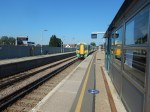
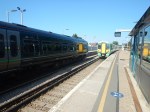
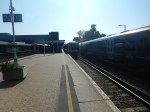
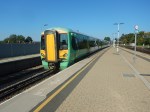
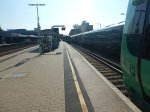
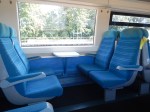
The three services are in Redhill station at approximately the same time.
- The Southern service to and from Tonbridge used Platform 1a.
- The GWR service from Reading to Gatwick used Platform 1.
- The GWR service from Gatwick to Reading used Platform 0.
I think if you’re nippy on the stairs, travellers wanting to go between Reading and Ashford or vice-versa could manage the train, but a direct through service would be preferred by some travellers.
Between Redhill And Tonbridge Stations
I took these pictures as the train ran between Redhill and Tonbridge.








Note.
- The train was a smart three-car Class 377 train.
- It is a route with a quiet calm along the Downs.
- There are new housing and commercial developments along the route.
Some of the stations could do with improvement, which should probably include step-free access, as at Redhill and Tonbridge stations.
Changing At Tonbridge Station
These pictures show Tonbridge station.

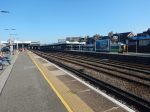
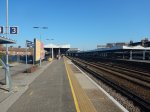
Note.
- The station is step-free with lifts.
- I had to use the bridge to get from one side of the station to the other to catch my next train.
- There seemed to be several passengers, who continued their journey from Tonbridge.
After a wait of nearly thirty minutes I was on my way to Ashford International station.
Thoughts On The Service
These are my thoughts on the service.
Battery Electric Trains
Having seen this service in operation, I feel that this must be one of the most suitable services for battery electric trains in the UK.
In Gatwick Rail Service Could Link Far Reaches Of The South East, I broke the route down into electrified and non-electrified sections.
- Ashford and Tonbridge – Electrified – 26.5 miles – 38 minutes
- Tonbridge and Redhill – Electrified – 20 miles – 35 minutes
- Redhill and Gatwick – Electrified – 7 miles – 8 minutes
- Gatwick and Redhill – Electrified – 7 miles – 8 minutes
- Redhill and Reigate – Electrified – 2 miles – 4 minutes
- Reigate and Shalford Junction – Not Electrified – 17 miles – 20 minutes
- Shalford Junction and North Camp – Electrified – 9 miles – 11 minutes
- North Camp and Wokingham – Not Electrified – 11 miles – 14 minutes
- Wokingham and Reading – Electrified – 7 miles and 9 minutes
Note.
- Ashford, Tonbridge, Redhill, Gatwick, Guildford, Wokingham and Reading are all fully-electrified main line stations.
- Most of the route and the two ends are electrified.
- All electrification is 750 VDC third rail.
- All sections without electrification are less than twenty miles.
- The route is more than 75 % electrified.
There are several trains, which have been fitted with batteries, plans to fit them with batteries exist or would be suitable to be fitted with batteries.
- Class 379 trains – Have already been fitted with batteries for experimental purposes.
- Class 387 trains – Similar to Class 379 trains.
- Class 377 trains – Similar to Class 379 trains.
- Class 350 trains – Being converted to battery operation by Porterbrook
- Class 450 trains – Similar to Class 350 trains.
All trains have similar specifications.
- Four cars.
- 100 mph operating speed.
- All are modern trains.
- They either have third-rail shoes or can be fitted with them.
In addition, no infrastructure changes would be needed.
I also feel, that the same class of train could be used on these services in the South-East.
- Oxted and Uckfield
- Ashford International and Hastings
Why not use one class of battery electric trains for all these routes?
The Three Reverses
The full service between Reading and Ashford International stations will require three reverses at Gatwick and Redhill (twice).
Having seen the current system in operation at Redhill station, I feel the following operation would work, using a version of London Underground’s stepping-up.
From Reading to Ashford International the following sequence would apply.
- The train from Reading would stop in Platform 1 at Redhill, as they do now.
- A second driver would step-up into the rear cab and take control of the train.
- The original or first driver, who’d driven the train from Reading would stay in the cab.
- The second driver would drive the train to Gatwick.
- When, the train is ready to leave, the first driver takes control from his cab.
- The second driver, who’d driven the train from Redhill would stay in the cab.
- The first driver would drive the train back to Platform 0 at Redhill, as they do now.
- When, the train is ready to leave, the second driver takes control from his cab.
- The first driver would step down and probably have a break, before he is needed to drive another train.
- The second driver would drive the train to Ashford International.
Trains going the other way would do a similar sequence in reverse.
Other than the battery system, the trains may need a communication and safety system between the two cabs.
Hydrogen Trains
Consider these points about using a hydrogen-powered train between Reading and Ashford International.
- The maximum distance without electrification is just 20 miles.
- The route is over 75 % electrified.
- Hydrogen fuelling and supply systems would need to be provided.
- Hydrogen trains would require changes to maintenance.
In my view, using a hydrogen-powered train would be like using a sledgehammer to crack a nut.
Gatwick Connect
Could the service be considered to be a Gatwick Connect service?
The full Reading and Ashford International service would call at these major locations
- In the West – Reading, Winnersh, Wokingham, Crowthorne, Farnborough, Guildford, Dorking and Reigate
- In the East – Ashford International, Paddock Wood and Tonbridge.
Both the Eastern and Western legs also call at Redhill.
Could the service be extended in the West?
The obvious destination would be Heathrow.
Once the future of Heathrow is sorted, there will probably be some form of Southern or South-Western access into Heathrow.
Could this service connect Gatwick and Heathrow?
- Perhaps there would be a reverse at Reading!
- Or it might use one of numerous schemes put forward to access Heathrow from the West.
In any case, as Reading is one of the best-connected stations in England, passengers will use this connectivity to get to Gatwick.
Could the service be extended in the East?
Like Reading, Ashford International is a well-connected station.
It would be possible to extend the service to perhaps Canterbury or Dover?
There must also be the possibility of running a service to Maidstone West or Strood in the East!
Conclusion
There could be a lot of possibilities for this route.
I also feel, that it is one of the best routes to be run by battery trains in the UK. These trains could also be the same, as those working Oxted-Uckfield and Ashford International-Hastings.
There would be no need for any new infrastructure, as there is electrification at both ends of the route.
Gatwick Rail Service Could Link Far Reaches Of The South East
The title of this post, is the same as that of this article on Surrey Live.
Despite being reported on Surrey Live and the fact that Gatwick is in Sussex, the plan has been proposed by Kent County Council’s Rail Project Manager.
The plan would extend the existing Great Western railway line – which runs from Reading to Gatwick via Redhill – to mid and east Kent.
The article suggests the service could go between Reading and Canterbury West stations.
This table sums up the connectivity.
- Reading – West and South West England, Wales, Oxford, Hereford and Worcester and the West Midlands – Future – East West Rail
- Guildford – Portsmouth Direct Line
- Dorking – Mole Valley Line
- Redhill – Brighton Main Line
- Gatwick Airport – Brighton Main Line
- Tonbridge – South Eastern Main Line
- Ashford International – Amsterdam, Brussels and Paris – Future – Bordeaux, Cologne, Frankfurt and Geneva
I have a few thoughts.
The Terminal Stations
The suitability of the two proposed terminals can be summed up.
- Reading has been designed as a terminal station, with five bay platforms, three of which can be used by Gatwick services.
- Canterbury West has not been designed as a terminal station and has no bay platforms.
Perhaps Ashford International station would be a better Eastern terminal?
- It has Eurostar services.
- Trains can terminate in Platform 1 and go to Tonbridge.
- It has lots of car parking.
Dover Priority and Ramsgate could also be possibilities as they have terminal platforms.
Connecting At Gatwick Airport
It looks like a combined service might get complicated in the Redhill/Gatwick area.
- Trains between Reading and Gatwick go via Redhill station, where they reverse.
- There is no direct route between Tonbridge and Gatwick, so trains will probably have to reverse at Redhill, to go between Tonbridge and Gatwick.
Would a service between Reading and Ashford, that reversed twice at Redhill and once at Gatwick, be rather tricky to operate? Or even unpopular with passengers?
This Google Map shows Redhill station and the lines leading South from the station.
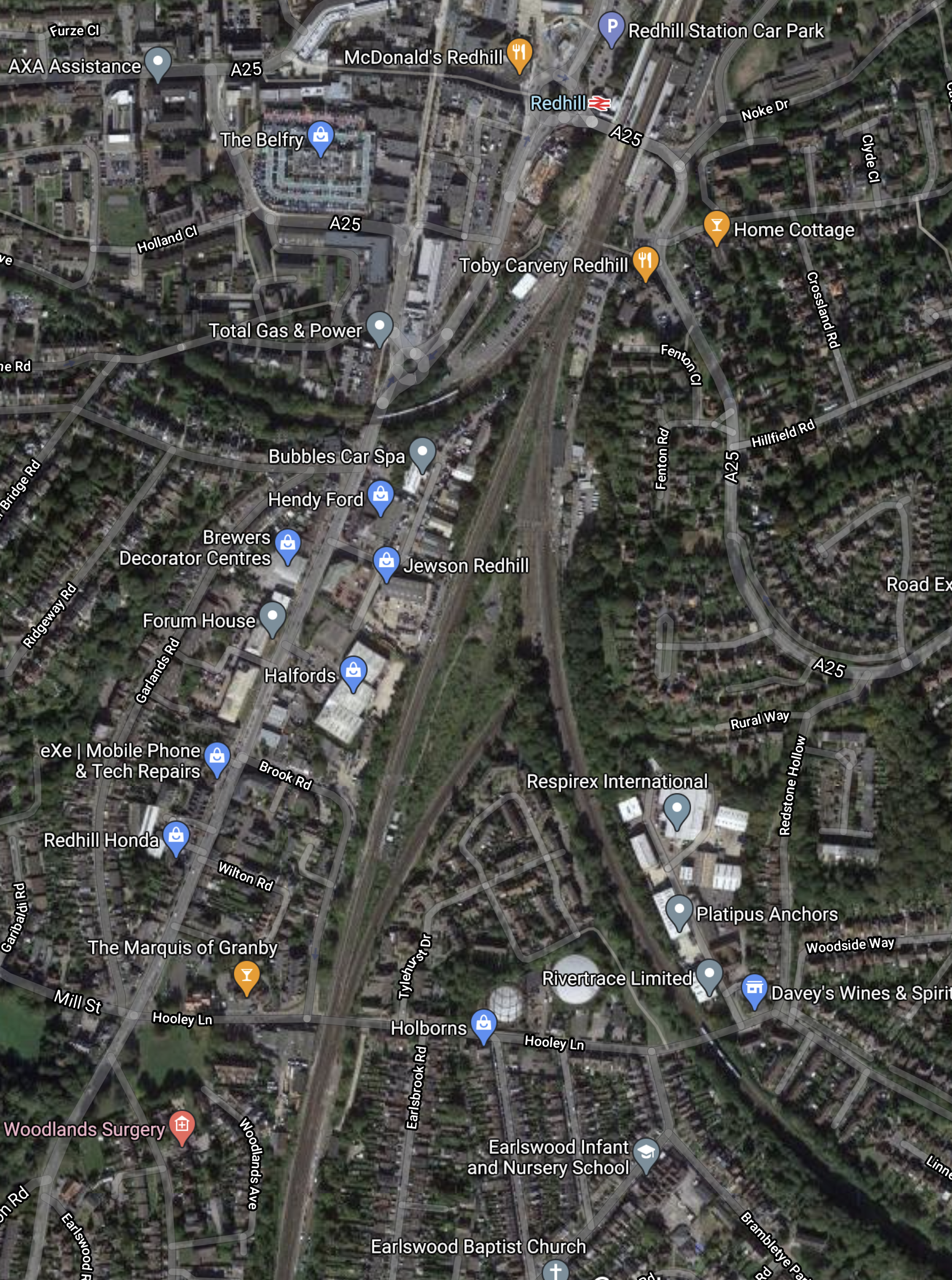
Note.
- Redhill station at the top of the map.
- The Brighton Main Line running North-South in the middle of the map.
- The North Downs Line to Guildford and Reading curving West from the station.
- The Redhill and Tonbridge Line to Tonbridge and Ashford leaving the map in the South-East corner.
I suspect that adding extra tracks in a very crowded area will be very difficult.
What Do The Timings Show?
A quick calculation, which is based on current timings, can give a journey time for between Ashford and Gatwick Airport.
- Ashford and Tonbridge – Southeastern timing – 38 minutes
- Tonbridge and Redhill – Southern timing – 35 minutes
- Reverse at Redhill – GWR timing – 4 minutes
- Redhill and Gatwick – GWR timing – 8 minutes
This gives a total of eighty-five minutes.
- Google says that you can drive it in sixty-three minutes.
- If you took the train today, between Ashford International and Gatwick Airport stations, the fastest rail journey is around 110 minutes with a change at St. Pancras International.
It does look though that a faster train between Kent and Gatwick Airport could be competitive, as going via London certainly isn’t!
Could Simplification And Automation Provide A Solution?
Consider.
- The Ashford International and Tonbridge timing, that I have used includes five stops.
- The Tonbridge and Redhill timing, that I have used includes five stops.
- How much time would be saved by only stopping at Tonbridge between Ashford International and Gatwick?
- Could automation handle a fast reverse at Redhill, where passengers couldn’t board or leave the train?
- Would a driver in each cab, allow the reverses to be done faster?
Trains going between Reading and Ashford International, would call at the following stations between Guildford and Tonbridge.
- Dorking Deepdene
- Reigate
- Redhill
- Gatwick Airport
- Redhill – A quick Touch-And-Go.
- Tonbridge
- Paddock Wood
If two minutes a stop could be saved at each of the nine omitted stops and at each reverse, this would save twenty minutes East of Gatwick, which would give the following timings.
- Gatwick and Tonbridge – 27 minutes
- Gatwick and Ashford International – 65 minutes
Timings would be compatible with driving.
West of Gatwick, the service would be as the current GWR service.
- After arriving at Gatwick from Ashford, the train would reverse.
- En route it would reverse at Redhill, to continue to Reading.
Passengers wanting to go between say Tonbridge and Redhill, would use this reverse at Redhill to join and leave the train.
It would be an unusual way to operate a train service, but I feel it could be made to work, especially with the right automation and/or a second driver.
Trains For The Service
The service can be split into various legs between Ashford and Reading.
- Ashford and Tonbridge – Electrified – 26.5 miles – 38 minutes
- Tonbridge and Redhill – Electrified – 20 miles – 35 minutes
- Redhill and Gatwick – Electrified – 7 miles – 8 minutes
- Gatwick and Redhill – Electrified – 7 miles – 8 minutes
- Redhill and Reigate – Electrified – 2 miles – 4 minutes
- Reigate and Shalford Junction – Not Electrified – 17 miles – 20 minutes
- Shalford Junction and North Camp – Electrified – 9 miles – 11 minutes
- North Camp and Wokingham – Not Electrified – 11 miles – 14 minutes
- Wokingham and Reading – Electrified – 7 miles and 9 minutes
Note.
- Ashford, Tonbridge, Redhill, Gatwick, Guildford, Wokingham and Reading are all fully-electrified main line stations.
- Most of the route and the two ends are electrified.
- All electrification is 750 VDC third rail.
- All sections without electrification are less than twenty miles.
This route would surely be ideal for a battery electric train.
As both the Heathrow and Gatwick Express services are run using Class 387 trains and the Stansted Express has used Class 379 trains for the last few years, similar trains to these might be an ideal choice, if they could be fitted with battery power and the ability to use 750 VDC third-rail electrification.
The facts seem to be on the side of this service.
- There are spare Class 387 trains and some more will be released by c2c in the next few years.
- Greater Anglia will be replacing their Class 379 trains with new Class 745 trains.
- A Class 379 train was used to test the concept of battery electric trains.
- Both class of trains could be fitted with third-rail gear.
Either of these trains could be used for the service.
As they are 100 or 110 mph trains with good acceleration, they might even save a few minutes on the journey.
Infrastructure Changes
I suspect they could be minimal, once it was worked out how to handle the three reverses in the Gatwick and Redhill area.
Conclusion
I think it would be a feasible plan to run an Ashford and Reading service via Gatwick.
I would also decarbonise the route at the same time, as it must be one of the easiest routes in the country to run using battery electric trains.
- There is electrification at both ends and in the middle.
- The longest stretch of track without electrification is just seventeen miles.
- All charging could be done using existing electrification.
- There are platforms at both ends, where trains can get a full charge.
- There are trains available, that are suitable for conversion to battery trains for the route.
- No extra infrastructure would be needed.
- Battery electric trains would allow extension of the route to Oxford in the West.
How many extra passengers would be persuaded to take the train to Gatwick, by the novelty of a battery electric Aurport Express?
Marketing men and women would love the last point!
 The Anonymous Widower