Severn Valley Railway Announces Network Rail Partnership
The title of this post, is the same as that of this article on the BBC.
This is the sub-heading.
A heritage railway is to work in partnership with Network Rail to share expertise and resources.
These are the first two paragraphs.
Severn Valley Railway, which runs trains between Kidderminster and Bridgnorth, said it would receive spare materials, trackside equipment and track components.
In exchange, Network Rail will be able to train its teams on the railway.
This sounds like the sort of sensible deal, that was negotiated in a real ale pub, by engineers from both parties.
The article also has this paragraph.
The railway said this contract was the first of its kind in Britain and could become a model for other heritage railways to adopt.
I certainly agree with that statement.
I have also written two posts about co-operation with the Mid-Norfolk Railway.
- Aerial Pictures Show New Trains Housed In Mid-Norfolk.
- Mid Norfolk Railway Completes Work On ‘First For UK’ Railway Level Crossing.
It also appears from its Wikipedia entry that the Mid-Norfolk Railway, is regularly used to load freight for transport out of Norfolk. Items moved include Army vehicles and damaged rolling stock.
Is London’s ULEZ Already Having An Affect On Train Travel?
Consider.
- There has been a lot of negative publicity about the ULEZ expansion, which starts on Tuesday, the 29th August, 2023.
- I doubt there are few people who will be affected by the expansion, who don’t know about it.
- I suspect many have calculated how much the ULEZ expansion will cost them.
I also suspect that some will have taken actions, which will have included.
- Bought a vehicle, that is ULEZ compliant to avoid the cost.
- Moving house or changing job may sound drastic, but the ULEZ expansion could be one of several reasons to make a large change to your lifestyle.
The easiest action, will be to increase their use of train travel, when they go inside the ULEZ.
Some may have already started to do this, so they know all the pitfalls before doing it seriously on a daily basis.
The Elizabeth Line
Over the last few months, I have written three posts about how busy the Western section of the Elizabeth Line can get.
- Very Busy Lizzie
- Elizabeth Line: Commuters Say Service ‘Not What Was Promised’
- So Many Cases On A Train!
I use the Elizabeth Line regularly and it seems to be getting even busier.
In May 2023, I wrote, these two posts.
- Elizabeth Line’s £29million Fares Bonanza As Passenger Numbers Hit New High
- Elizabeth Line Takes Fliers Away From Heathrow Express
Certainly, the Elizabeth Line is an undoubted success.
In the first of these linked posts, I suggest now might be the time to expand Elizabeth Line services.
Over the last week, I have made three trips to the outer reaches of the Metropolitan Line and I have been surprised at how busy the trains were.
Could it be that travellers are changing their routes before the ULEZ expansion kicks in?
New Trains And More Parkway Stations
Greater Anglia have replaced their commuter trains with new Class 720 trains and are building a new parkway station at Beaulieu Park.
This looks to me, that Beaulieu Park could be a ULEZ avoider.
Will other train companies use a similar strategy to attract more passengers?
Heathrow Is In The Expanded ULEZ
This page on the Heathrow web site is entitled London’s Ultra Low Emission Zone, Or ULEZ, Is Expanding To Encompass All Of Greater London, Including Heathrow Airport, From The 29 August 2023.
The Heathrow page is very informative and I suggest you read it, if you are taking a vehicle near Heathrow.
But the ULEZ will surely drive some Heathrow workers and travellers to use public transport, even if they live far from the ULEZ.
Conclusion
I suspect that more travellers will use the trains because of the ULEZ.
Beyoncé Funds Metro Service
The title of this post, is the same as that of this article on Railway Gazette.
This is the first paragraph.
Singer Beyoncé’s Renaissance World Tour funded an extra hour of operation of the Washington metro at a cost of $100 000, ensuring that fans could get home after bad weather delayed the start of her concert at the FedEx Field stadium.
Reading the whole article, it looks like everyone was a winner and it is to be hoped that it sets a precedent and under similar circumstances, other promoters take similar actions.
I remember a few years ago, Ipswich and Charlton in the League Cup overran badly one evening and we all got back to Ipswich station well after the last train had gone.
But Greater Anglia made sure that everybody got home, even sending a fleet of taxis to Sudbury.
Government Agrees To Fund £200m Cambridge South Station
The title of this post, is the same as that of this article on the BBC.
This is the sub-heading.
The government has agreed to fully fund a new £200m railway station.
These are a few points.
- Work has already started.
- The station is next to the city’s Biomedical Campus and Addenbrooke’s Hospital.
- Cambridge South station will be on the East West Railway.
It is expected to be open within two years.
I have a few thoughts.
Services At Cambridge South Station
In a typical hour, it seems the following trains go through the proposed site of Cambridge South station.
- 2 tph – Greater Anglia – Liverpool Street and Cambridge North via Tottenham Hale, Cheshunt, Broxbourne, Roydon (1tph), Harlow Town, Harlow Mill (1tph), Sawbridgeworth (1tph), Bishop’s Stortford, Stansted Mountfitchet (1tph), Elsenham (1tph), Newport (1tph), Audley End, Great Chesterford (1tph), Whittlesford Parkway, Shelford (1tph) and Cambridge.
- 1 tph – Greater Anglia -Norwich and Stansted Airport via Wymondham, Spooner Row (1tpd), Attleborough, Eccles Road (1tpd), Harling Road (1tpd), Thetford, Brandon, Shippea Hill (1tpd), Ely, Cambridge North, Cambridge, Whittlesford Parkway and Audley End
- 1 tph – Great Northern – King’s Cross and Ely via Cambridge, Cambridge North and Waterbeach.
- 1 tph – Great Northern – King’s Cross and King’s Lynn via Cambridge, Cambridge North, Waterbeach, Ely, Littleport, Downham Market and Watlington.
- 1 tph – Great Northern – King’s Cross and Cambridge via Finsbury Park, Alexandra Palace, Potters Bar, Hatfield, Welwyn Garden City, Welwyn North, Knebworth, Stevenage, Hitchin, Letchworth Garden City, Baldock, Royston, Meldreth, Shepreth and Foxton.
- 2 tph – Thameslink – Cambridge and Brighton via Royston, Ashwell & Morden, Baldock, Letchworth Garden City, Hitchin, Stevenage, Finsbury Park, St Pancras International, Farringdon, City Thameslink, London Blackfriars, London Bridge, East Croydon, Gatwick Airport, Three Bridges, Haywards Heath and Burgess Hill
- 1 tp2h – CrossCountry – Birmingham New Street and Stansted Airport via Coleshill Parkway, Nuneaton, Leicester, Melton Mowbray, Oakham, Stamford, Peterborough, March, Ely and Cambridge.
Note.
- tph is trains per hour.
- tp2h is trains per two hours.
This gives a base frequency through Cambridge South, Cambridge and Cambridge North of 8.5 tph.
Could some services be extended to Cambridge South or Stansted Airport?
- 1 tph – Greater Anglia – Ipswich and Cambridge via Needham Market, Stowmarket, Elmswell, Thurston, Bury St Edmunds, Kennett (1tp2h), Newmarket and Dullingham (1tp2h).
- 1 tp2h – CrossCountry – Birmingham New Street and Cambridge via Coleshill Parkway, Nuneaton, Leicester, Melton Mowbray, Oakham, Stamford, Peterborough, March and Ely.
These two trains would gives frequencies of.
- Cambridge South – 10 tph
- Cambridge – 10 tph
- Cambridge North – 9 tph
I have assumed these services would terminate at Cambridge South.
There could also be some new services.
1 tph – Greater Anglia – Wisbech and Cambridge via March, Ely and Waterbeach, Cambridge North and Cambridge.
1 tph – East West Railway – Oxford and Great Yarmouth via Oxford Parkway, Bicester Village, Winsford, Bletchley, Bedford, Tempsford, Cambourne, Cambridge, Cambridge North, Ely, Brandon, Thetford, Attleborough, Wymondham and Norwich.
1 tph – East West Railway – Oxford and Manningtree via Oxford Parkway, Bicester Village, Winsford, Bletchley, Bedford, Tempsford, Cambourne, Cambridge, Newmarket, Bury St. Edmunds, Stowmarket, Needham Market and Ipswich.
These three trains would gives frequencies of.
- Cambridge South – 13 tph
- Cambridge – 13 tph
- Cambridge North – 11 tph
I have assumed these services would terminate at Cambridge South.
The A14 Parkway Station
The A14 Parkway station is a proposal from the East West Railway.
- It would be just to the East of Chippenham junction and would be served by both Greater Anglia’s services between Ipswich and Cambridge and Ipswich and Peterborough.
- It would also be close to the major road junction, where the A11 and the A14 meet.
- It would be a Park-and-Ride station.
I believe it could be a major factor in cutting road mileage in East Anglia, as drivers going to Cambridge from Ipswich, Norwich, a large area of North-East East Anglia and North Essex could find that using the A14 Parkway station an easier and faster route. But the A14 Parkway would need a frequent service to the soon-to-be-three main Cambridge stations.
A Soham and Cambridge service could reverse at the A14 Parkway station or by careful timetabling, passengers would be able to change trains in a minute or two.
A Soham and Cambridge service, that terminated at Cambridge South, would give an extra train between Cambridge South and Newmarket and these frequencies at the three Cambridge stations.
- Cambridge South – 13 tph
- Cambridge – 14 tph
- Cambridge North – 12 tph
There would be a minimum interval of no more than five minutes between trains, if you wanted to hop between any of the three Cambridge stations.
Frequencies between Cambridge station and other main stations in the area would be as follows.
- A14 Parkway – 2 tph
- Attleborough – 2 tph
- Bishop’s Stortford – 2 tph
- Bletchley – 2 tph
- Bury St. Edmunds – 2 tph
- Ely – 6 tph
- Great Yarmouth – 1 tph
- Harlow Town – 2 tph
- Hitchin – 3 tph
- Ipswich – 2 tph
- King’s Lynn – 1 tph
- Letchworth Garden City – 3 tph
- Manningtree – 1 tph
- March – 1 tph
- Needham Market – 2 tph
- Newmarket – 2 tph
- Norwich – 2 tph
- Peterborough – 1 tph
- Royston – 3 tph
- Soham – 1 tph
- Stansted Airport – 2 tph
- Stevenage – 3 tph
- Stowmarket – 2 tph
- Thetford – 2 tph
- Wisbech – 1 tph
- Wymondham – 2 tph
Looking at this list, I think that the timetable needs reinforcing, to perhaps Colchester, Haverhill, March, Peterborough, Soham and Sudbury.
But these services will help.
- 1 tph – Greater Anglia – Ipswich and Peterborough via Stowmarket, Bury St Edmunds, Soham, Ely, Manea, March and Whittlesea.
- 1 tph – East Midlands Railway – Liverpool and Norwich via Liverpool South Parkway, Widnes, Warrington Central, Manchester Oxford Road, Manchester Piccadilly, Stockport, Sheffield, Chesterfield, Alfreton, Nottingham, Grantham, Peterborough, Ely and Thetford
But I can’t help feeling that the Stour Valley Railway needs to be reopened.
Was Baldrick An Essex Man?
I have been looking at Network Rail’s page for Beaulieu Park station.
This is the heading.
Network Rail and Essex County Council are working together to develop proposals for the first railway station to be built on the Great Eastern main line for over 100 years.
These two paragraphs outline the project and where the finance is being obtained.
The new station is part of a wider regeneration of the Beaulieu Park estate in Chelmsford with new road infrastructure and up to 14,000 homes.
Essex County Council, in partnership with Chelmsford City Council, successfully secured £218m of funding from the Government’s Housing and Infrastructure (HIF) fund together with £34m contributions from the South East Local Enterprise Partnership and the developers of Beaulieu, Countryside and L&Q.
These features of Beaulieu Park station are listed on the page.
- Three platforms with a central loop line and new tracks to enable stopping services to call at the station while allowing fast trains to pass through unimpeded
- Step free access to all platforms via 2 lifts
- Accessible toilets, baby change facilities, waiting area and space for retail/catering
- Ticketing facilities, with ticket vending machines and a gate line
- Pedestrian and cycle access routes to the station
- 500 spaces for cycle parking and storage
- A bus interchange including bus stands for local services
- Pick up and drop off area with dedicated taxi bays
- Parking for over 700 cars, 5% of which to be designated Blue Badge bays, and motorcycle spaces, as well as dedicated parking for station staff, emergency services, and a dedicated space for service access.
Note.
- How many other parkway stations, other than Ebbsfleet International station have 700 parking spaces?
- The parking at Whittlesford Parkway can only hold 377 vehicles.
- How many other parkway stations have an overtaking loop for faster trains?
Beaulieu Park is not your average parkway station!
I have a few thoughts.
Which Of The Current Services Will Call?
The Network Rail page says this about services.
It will provide additional access to the railway with regular connections to the capital (only 40 minutes from London Liverpool Street station) and other destinations in the east of England. New tracks will enable stopping services to call at the station while allowing fast trains to pass through unimpeded.
Note.
- Trains between London and Hatfield Peverel station typically take under forty minutes.
- Two fast trains per hour (tph) between Liverpool Street and Norwich via Colchester, Ipswich and Stowmarket pass through.
- Only one of the fast trains stops at Chelmsford.
- Four stopping tph, one to each of Braintree, Clacton-on-Sea, Colchester Town and Ipswich pass through.
If all the stopping trains stopped, Beaulieu Park would have the following services.
- Braintree – 1 tph
- Chelmsford – 4 tph
- Clacton-on-Sea – 1 tph
- Colchester – 3 tph
- Colchester Town – 1 tph
- Hatfield Peverel – 1 tph
- Ingatestone – 2 tph
- Ipswich – 1 tph
- Kelvedon – 2 tph
- London Liverpool Street – 4 tph
- Marks Tey – 2 tph
- Romford – 1 tph
- Shenfield – 3 tph
- Stratford – 4 tph
- Witham – 4 tph
All trains are new Class 720 electric trains.
I also feel, that Network Rail could be being cunning.
Suppose, the Liverpool Street and Norwich express, that doesn’t stop at Chelmsford, stopped instead at Beaulieu Park.
- This would give an hourly express service between Beaulieu Park and Norwich, which stopped at Colchester, Manningtree, Ipswich, Stowmarket and Diss.
- It would also enable two tph between Beaulieu Park and Ipswich.
The 700 parking spaces at Beaulieu Park now start to make sense.
- Both Ipswich and Norwich stations are within walking distance of the town centres and the football grounds.
- Ipswich station has a shuttle bus service to the town centre and the hospital.
- Both stations have several local train services.
Beaulieu Park station appears to have been designed as a Park-and-Ride station for the Great Eastern Main Line and all its branches.
Services To And From Lowestoft
In Making Sense Of The New East Anglia Franchise, I looked in detail at Greater Anglia’s promises.
In a section, which is entitled London – Lowestoft – Yarmouth Services, I said this.
There are going to be four direct services between London and Lowestoft each day. This probably initially means two trains to London in the morning peak and two trains back in the evening one.
When, I first moved back to Suffolk in the 1970s, I regularly caught a diesel-hauled train from Wickham Market to London for the day.
This is all motherhood and apple pie for those in Lowestoft wanting to go to London, but I suspect it isn’t the easiest service for a train operator to schedule efficiently and make money.
Would a train operator really want to start a full train at Lowestoft at say six in the morning and then have it wait around all day in London before returning in the evening?
The service hasn’t started.
Services To And From Cambridge Or Peterborough
At some time in the last decade, one of the predecessors of Greater Anglia, used to run a service to Peterborough via Colchester and Ipswich, so that travellers in Essex could catch trains to the North.
Given too that Cambridge has an employment problem, if a service was run, it might attract passengers.
The Class 755 trains Could Serve Bury St. Edmunds, Cambridge, Lowestoft, Newmarket, Peterborough And Yarmouth
Consider.
- A pair of Class 755 trains would leave Liverpool Street.
- They would use electric power to run to Ipswich.
- The trains would run in one of the paths of the current hourly Ipswich service.
- Like their all electric siblings; the Class 745 trains, they would probably run most of the journey at near 100 mph.
- At Ipswich the trains would split.
- One train would go to on to Lowestoft and Yarmouth and the other would go to Cambridge and Peterborough.
If passenger numbers felt it was a good idea, I’m certain, it could be timetabled.
The Chelmsford Avoiding Line
In Will The Chelmsford Avoiding Line Be Rebuilt?, I described the avoiding line, that used to be between the two tracks at Chelmsford station.
It probably saved a few minutes, by allowing fast expresses to pass stopping trains.
Effectively, a new avoiding line is being built at Beaulieu Park, a few miles from the original position at Chelmsford.
So will the fast expresses save a few minutes?
Could The Elizabeth Line Run To Beaulieu Park?
Consider
- The end sections of the Elizabeth Line seem to be busy, as I wrote in Very Busy Lizzie.
- The City of Chelmsford is between Shenfield and Beaulieu Park.
- Paddington and Reading is 35.9 miles.
- Liverpool Street and Hatfield Peverel is 35.9 miles.
So Beaulieu Park is actually closer to London than Reading.
Perhaps, at some time in a few years, passenger traffic between Beaulieu Park and Shenfield will be such, that the Elizabeth Line will be extended to Beaulieu Park.
The ideal service from Beaulieu Park would surely be two tph to Heathrow, as getting to Heathrow from East Anglia by train needs a change at Liverpool Street.
The only drawback is that to work effectively on the Great Eastern Main Line, a sub-variant of the Class 345 trains will be needed with a 100 mph operating speed. I wrote about these trains in Extending The Elizabeth Line – High Speed Trains On The Elizabeth Line.
But they may have the advantage of being able to take the fast lines between Shenfield and Stratford.
Conclusion
Beaulieu Park may just look like any other station to serve a housing development.
But it’s a lot more than that!
- It’s a Park-and-Ride for the whole Great Eastern Main Line and London.
- It should speed up expresses between London and Colchester, Ipswich or Norwich.
- It should improve local connectivity.
- It could take a lot of traffic off the nearby A12.
- It could give the City of Chelmsford its own local metro.
- It could give Heathrow a direct link to much of Essex.
- How much carbon will be saved by passengers?
We need many more well thought out Park-and-Ride stations.
Metro Operator Opts For Better Mobile Signal Instead Of Wi-Fi
The title of this post, is the same as that of this article on Railway Gazette.
This is the first paragraph.
Tyne & Wear Metro operator Nexus has chosen to eliminate mobile phone connectivity ‘not spots’ instead of deploying on-train wi-fi as previously planned.
I agree with this, as it is so much more convenient. Especially, if like me, your eyesight isn’t a hundred percent.
If Greater Anglia were able to offer it on their Mark 3 coaches, the technology must be easy to implement.
Extending The Elizabeth Line – Connection To Southeastern High Speed One Services
The Two Stratford Stations
In this post, Stratford station is the station handling Greater Anglia and London Overground, Underground and Docklands Light Railway services, with Stratford International station handles High Speed services.
The Elizabeth Line And The Great Western Railway Services
One of the most important stations on the Elizabeth Line is Paddington, where it connects to the London terminus of the Great Western Railway.
I would expect that quite a few passengers going to the West and Wales on the Great Western Railway, will be transported to Paddington by the Elizabeth Line.
The Elizabeth Line And Greater Anglia Services
Another of the important stations on the Elizabeth Line is Liverpool Street, where the station is the London terminus of the Greater Anglia.
I would expect that quite a few passengers going to East Anglia on the Greater Anglia, will be transported to Liverpool Street by the Elizabeth Line.
Southeastern High Speed One Services
Southeastern runs some High Speed services on High Speed One to provide Kent with an improved service to London.
Current services are
- London St Pancras International to Ramsgate via Faversham.
- London St Pancras International to Ramsgate via Dover Priory.
- London St Pancras International to Margate via Canterbury West.
Note
- All trains are one train per hour (tph).
- All trains stop at Stratford International and Ebbsfleet International.
- All trains are run by 140 mph Class 395 trains.
There has also been talk of running a fourth service to Hastings and Eastbourne via Stratford International, Ebbsfleet International and Ashford International.
St. Pancras Station
All of these trains terminate in three platforms; 11 to 13 at St. Pancras International station.
St. Pancras is not the ideal terminal for the Southeastern High Speed services.
- St. Pancras is not on the Elizabeth Line.
- St.Pancras doesn’t have good connections to Heathrow.
- All connections to the Underground are a long walk.
- Eurostar services are a longer walk.
- East Midland services are also a longer route, with stairs and escalators for good measure.
St. Pancras station was designed by a committee, as a museum to Victorian architecture, rather than as a working station.
Ebbsfleet International Station Must Be The Largest Parkway Station In The UK
It holds nearly five thousand cars and it is served by Southeastern High Speed Services.
Thanet Parkway Station Will Open This Year
Thanet Parkway station is under construction.
- It will have nearly three hundred parking spaces.
- It will be served by Southeastern High Speed Services.
- It should open in May 2023.
This station will need a good connection to London.
Could An Interchange Between The Elizabeth Line And Southeastern High Speed Services Be Provided At Stratford?
Such an alternative interchange would be popular with passengers.
- The Elizabeth Line from Stratford currently serves the West End, the Northern section of the City of London, East London, Liverpool Street, Paddington and the West End directly.
- The Elizabeth Line from Stratford currently serves Canary Wharf, Cannon Street, Charing Cross, Euston, Heathrow, King’s Cross. Reading, St. Pancras and Victoria with a change at Whitechapel.
- The Central Line, which shares platforms with the Elizabeth Line serves Bank and the West End directly.
- The Overground is easily accessed for travel across North London to Richmond.
- The Jubilee Line is easily accessed for travel to London Bridge, Waterloo and Westminster.
It would be connected to two large parkway stations and lots of parking all over Kent.
I believe that Stratford must be promoted as an alternative terminus for Southeastern High Speed Services.
Today, I walked both ways between two Stratford stations.
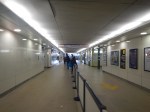
These pictures show the route I took between Stratford and Stratford International stations, through the Eastfield Shopping Centre.
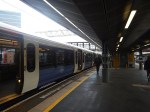
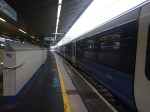
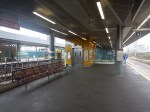
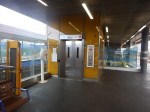
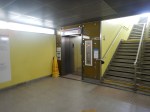
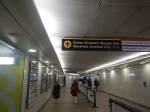
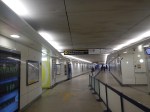

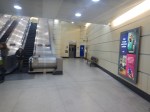



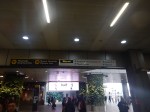








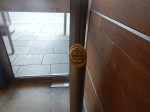

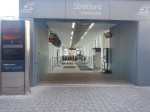
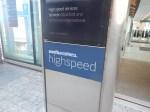

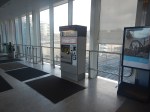
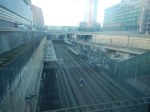
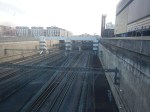
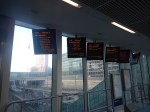
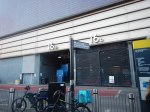

Note.
- I went through the Shopping Centre.
- I passed Marks & Spencer’s large food hall, excellent toilets and a Food Court.
- By the Food Court is an exit that leads to an entrance to Stratford International station.
- The walk took about 10 minutes.
- It was vaguely level.
- Lifts by-passed the escalators.
- One thing that makes the journey to London easier, is to travel in the Eastern end of the train, as the lifts and escalators at Stratford International station, are at that end.
It does need some better signage, but they were doing a bit of refurbishment, so that may already be underway.
It could be a very high quality interchange and it is already better than St. Pancras.
Coming back I took the longer route outside the Shopping Centre.


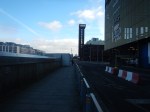





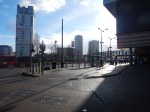
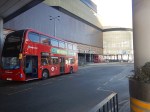


Note.
- I just turned left out of the entrance, walked along the road and turned right past the bus station.
- If the weather had been colder or wetter, I’d have gone back via the Shopping Centre.
- The walk took about 12 minutes.
I think normally, I’d go back through the Shopping Centre, as there’s a Marks and Spencer Food Hall on the route and it’s slightly quicker and often warmer.
Could Stratford Station Be A London Superhub Station?
When you consider the stations connected to Stratford in London, East Anglia and Kent, it has an excellent collection.
- Airports – Gatwick, Heathrow, Luton, Southend and Stansted
- Cities – Cambridge, Canterbury, Chelmsford, Colchester, Ipswich, Norwich and Southend-on-Sea
- London Main and Terminal Stations – Cannon Street, Charing Cross, Clapham Junction, Euston, Farringdon, King’s Cross, London Bridge, Liverpool Street, Marylebone, Moorgate, Paddington, Victoria and Waterloo
- Major Areas – Canary Wharf, City of London, Hampstead, Olympic Park and West End
- Ports – Dover, Felixstowe, Folkestone and Harwich
You can even get a train to Slough, with a change at Whitechapel.
I would think it already is a London Superhub Station.
Extending The Elizabeth Line – Serving South-East London
The Inadequacies Of Abbey Wood Station
Abbey Wood station is the Elizabeth Line’s main terminus in South-East London.
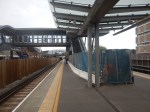
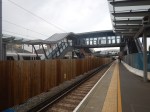

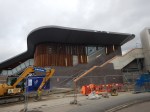


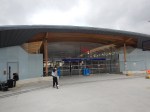

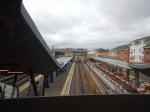
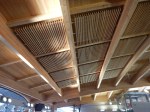
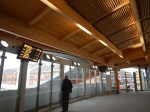
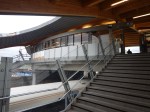
The architecture is impressive, as the pictures taken before the station was finished show.
But other things are less than impressive.
- There is no station parking.
- Central London rail terminals served by Elizabeth Line services are only Liverpool Street/Moorgate and Paddington.
- Central London rail terminals served by National Rail services are Cannon Street, London Bridge, King’s Cross and St. Pancras.
In my view, Abbey Wood is a lost cause, as a commuter station, unless substantial parking is built at the station.
Parking At Stations In West Kent
This list shows the number of car parking spaces at stations in West Kent and South East London.
- Barnehurst – 162 *
- Belvedere – None *
- Bexleyheath – 83 *
- Chatham – 276 *
- Dartford – 186 *
- Ebbsfleet International – 4945 #
- Erith – None *
- Eynsford – 15
- Farningham Road – None
- Gillingham – 152 *
- Gravesend – 94 *
- Greenhithe – 8 *
- Longfield – 88
- Meopham – 167
- Northfleet – None *
- Plumstead – None *
- Rochester – None *
- St. Mary Cray – 31
- Slade Green – 25
- Sole Street – 61
- Stone Crossing – None *
- Strood – 112 *
- Swanley – 106
- Swanscombe – None *
- Welling – 117
Note.
- An asterisk (*) indicates direct trains to and from Abbey Wood station for the Elizabeth Line.
- An hash(#) indicates direct trains to and from Stratford International for the Elizabeth Line.
These figures are according to the National Rail web site.
It looks like unless you can walk to your nearest station and that has an easy connection to Abbey Wood, you’re probably better off going to Ebbsfleet and parking there.
Travelling Between Ebbsfleet International And The Elizabeth Line At Stratford International
Consider.
- Southeastern’s Highspeed service between Ebbsfleet International and Stratford International has a frequency of three trains per hour (tph)
- It takes less than twelve minutes between the two stations.
- It takes ten minutes to walk between Stratford International and Stratford Station for the Elizabeth Line and Greater Anglia services.
- There are eight Elizabeth Line tph to Paddington, calling at all stations. For Heathrow change at Whitechapel station.
Note.
- From these points, it should be possible to estimate the time you should park at Ebbsfleet to get to an event in London or East Anglia, if you live in Kent and are parking at Ebbsfleet International.
- I think four tph between Ebbsfleet International and Stratford International would make the route more attractive.
- If you’re going to Norwich or Ipswich be careful, as only one of the two tph stop at Stratford.
I catch the 12:30 from Liverpool Street for matches at Ipswich on Saturdays. This is the 12:38 from Stratford, so I suspect if you parked at parked at Ebbsfleet before 12:00, you’d make it.
Who’d have thought, that when they built the massive car parks at Ebbsfleet international, that they would be a Park-and-Ride for football at Ipswich. And Norwich too!
Changing Trains At Stratford
This map from Cartometro shows the two Stratford stations.
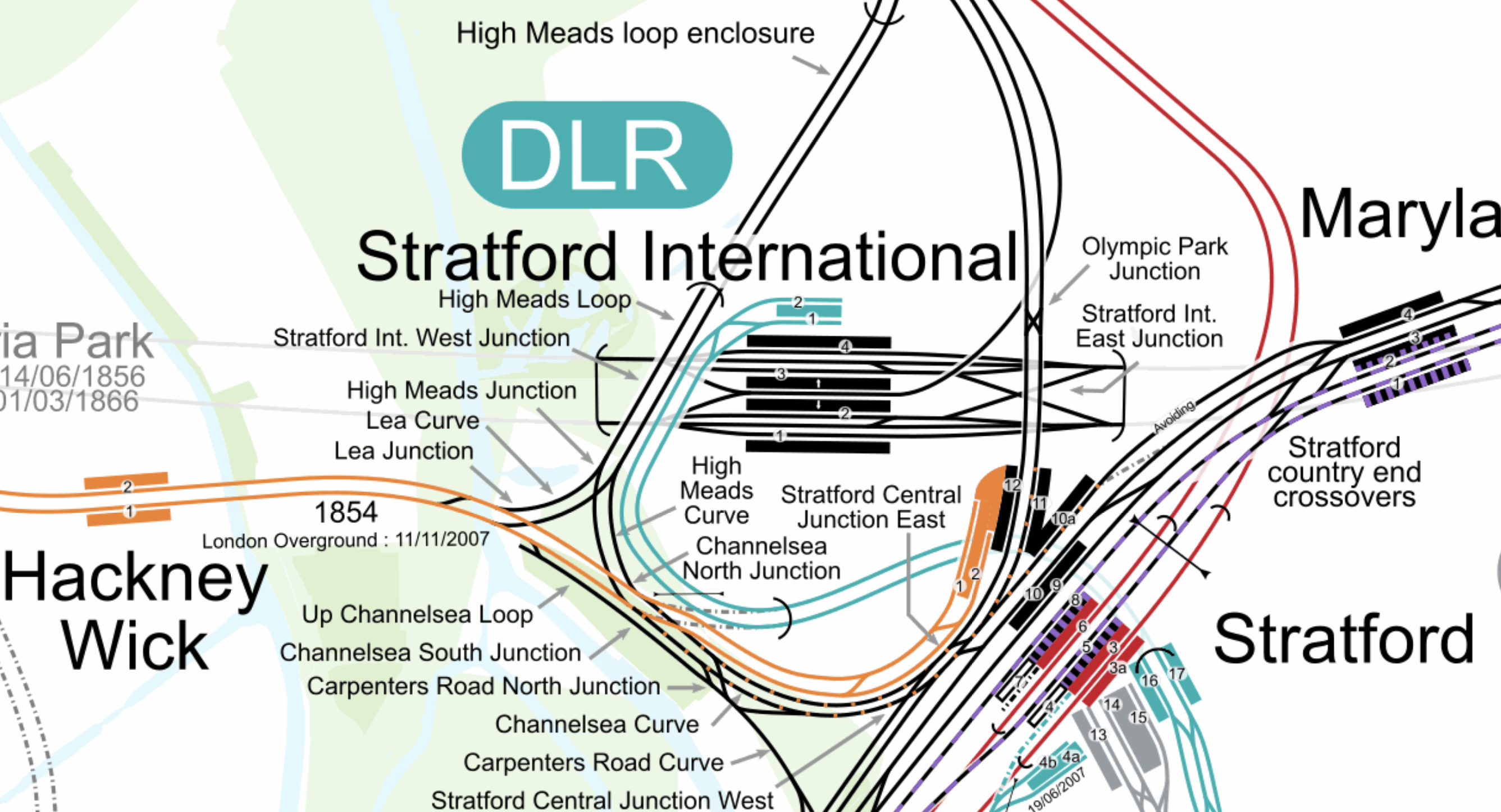
Note.
- The Elizabeth Line is shown in purple.
- The Central Line is shown in red.
- The Jubilee Line is shown in silver.
- The Overground is shown in orange.
- Lifts and escalators take passengers to and from the surface from between platforms 2 and 3 at Stratford International station.
Two pedestrian tunnels connect all the platforms in Stratford station.
- Elizabeth Line trains use platforms 5 and 8.
- Central Line trains use platforms 3, 3a and 6.
- Great Eastern Main Line trains use platforms 9, 9a and 10.
- Overground trains use platforms 1 and 2.
All platforms have lifts.
I suspect, that when you get to know the Stratford complex well, it’s easier than it looks.
But it does need better signage.
Full Step-Free Route Between Ebbsfleet And Heathrow Central
I have just used Transport for London’s Journey Planner, as if I was in a wheelchair and need full step-free access to go from Ebbsfleet to Heathrow Central.
This was the route.
- Southeastern to Stratford International station – 10 mins
- Walk to Stratford station – 21 mins
- Jubilee Line to Bond Street – 24 mins
- Bond Street to Heathrow Central – 32 mins
Note.
- The times are slower than say myself.
- I think it is possible to pick up the Elizabeth Line at Stratford.
But the route is certainly possible in a wheel-chair.
The Penge Interchange
This map from Cartometro shows where the East London Line of the London Overground and the Chatham Main Line between Victoria and Chatham cross in Penge.
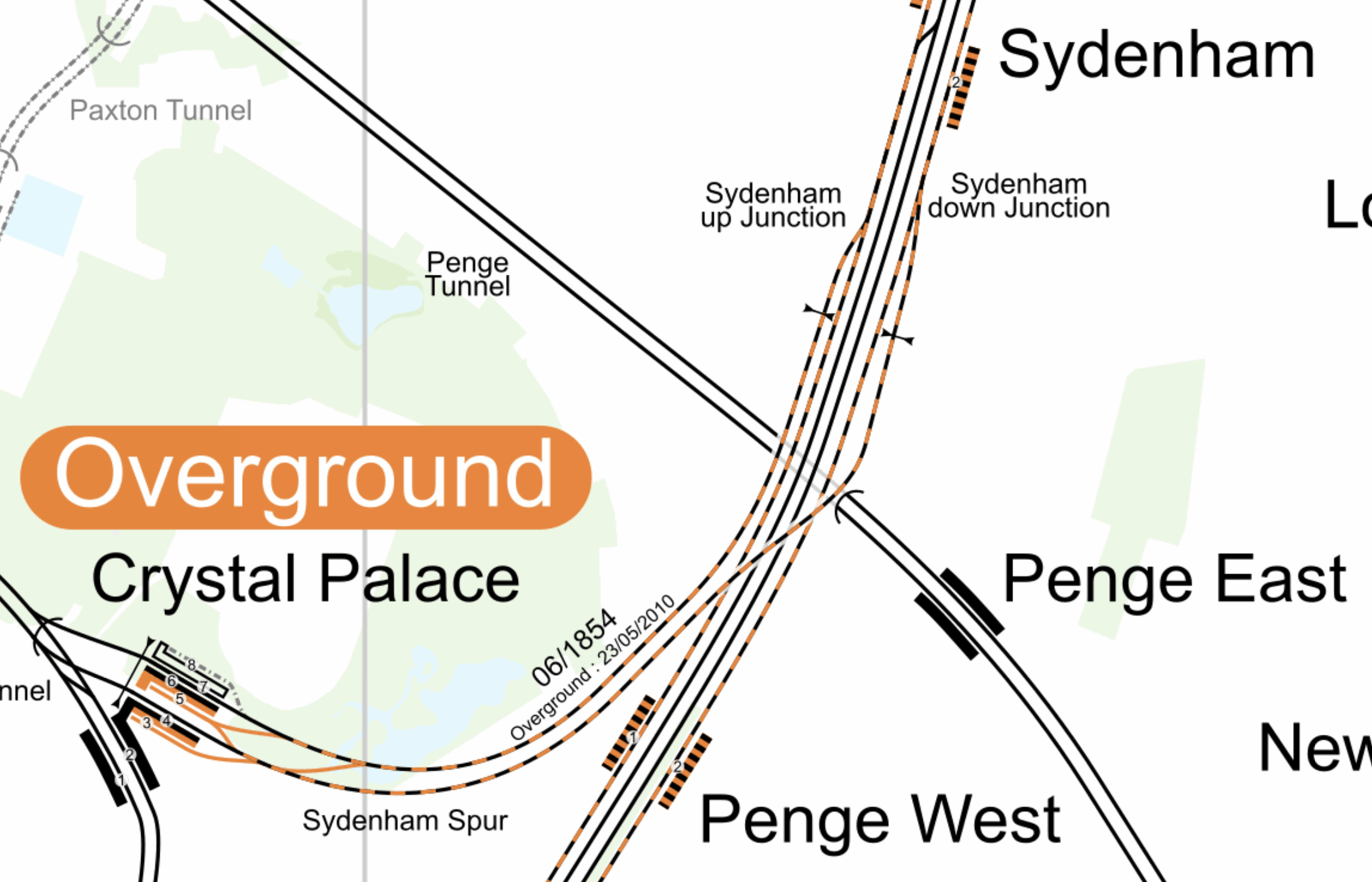
Note.
- The East London Line runs North-South through Sydenham and Penge West stations.
- The Chatham Main Line runs through Penge East station.
There is a plan by Transport for London to create a Penge Interchange station on railway land, where the two lines cross.
- The station could replace Penge West and Penge East stations.
- It would be fully step-free.
- Interchange would be allowed between the East London Line and the Chatham Main Line.
This would increase connectivity for those travelling to and from South-East London and West Kent.
I brlieve that this one interchange could help level-up a large area of South-East London.
Suffolk: Sizewell C To Explore ‘Innovative’ Waste Heat Lido
The title of this post, is the same as that, of this article on the East Anglian Daily Times.
This is the sub-heading.
The developers of the new Sizewell C nuclear power station have expressed an interest in an “innovative” plan to use waste heat from the plant to heat a new lido.
And this is the first paragraph.
Creating the outdoor pool was one of a number of ideas contained within the Leiston masterplan – a blueprint for transforming the Suffolk town – and now the Sizewell C company has pledged to explore the proposal with the town council.
This map shows the town of Leiston and the Sizewell power stations site.
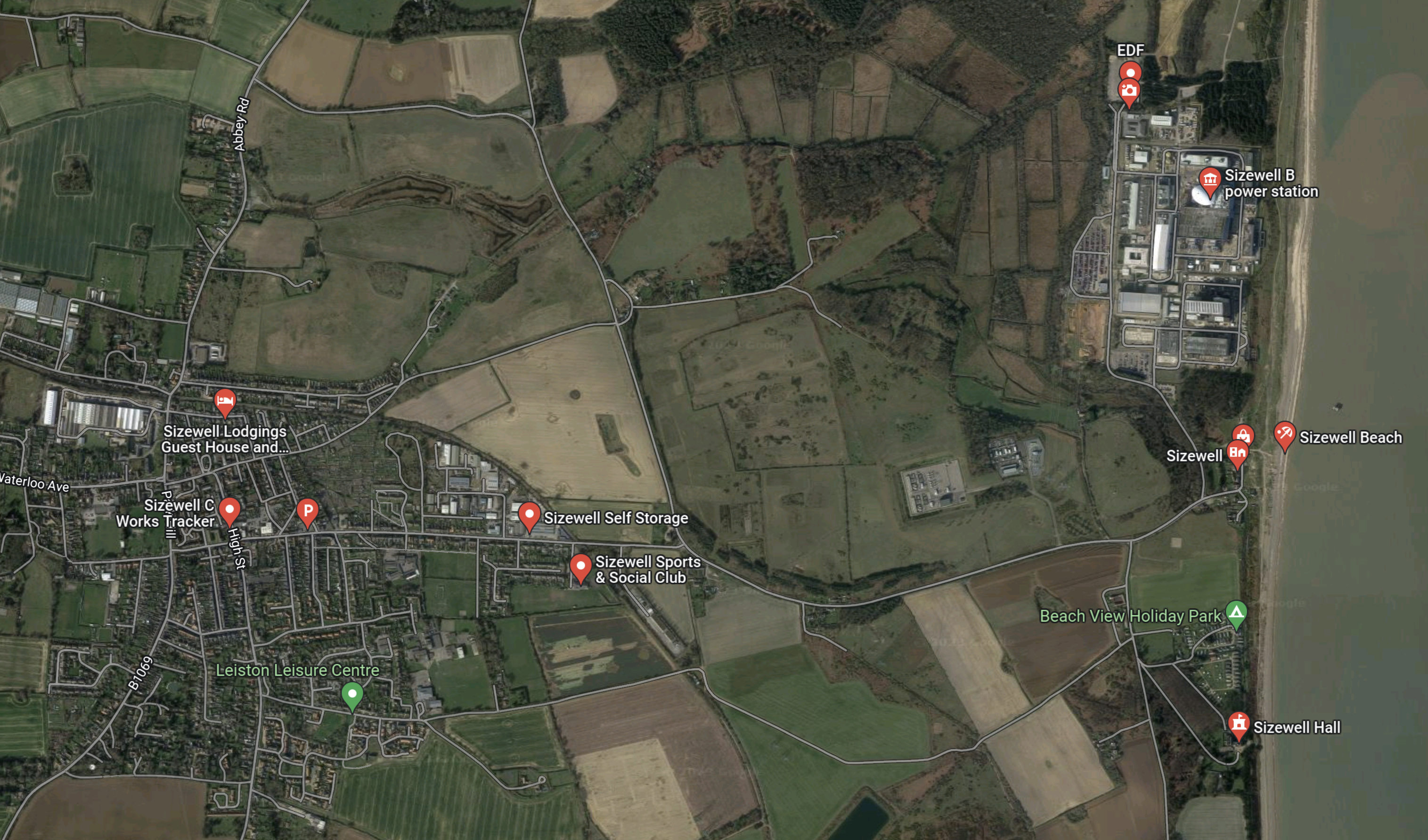
Note.
- Leiston is in the South-West corner.
- The power station site is in the North-East corner.
I have a few thoughts.
Pink Hydrogen
Pink hydrogen is zero-carbon hydrogen produced using nuclear power.
The production of hydrogen is already part of the plans for Freeport East, which I wrote about in Ryze Hydrogen’s Suffolk Freeport Hydrogen Vision Takes Shape.
In that article, I said this.
This would mean that Sizewell’s 6 MW electrolyser could be producing around a thousand tonnes of hydrogen per year or 2.6 tonnes per day.
The more efficient high temperature electrolysis can be used, using some of the waste heat from the nuclear power station. I wrote about this in Westinghouse And Bloom Energy To Team Up For Pink Hydrogen.
I also suspect that it may be more efficient to use seawater to produce the hydrogen.
Could high temperature electrolysis be used at Sizewell?
District Heating
The waste heat can also be used for district heating.
A Train Service To Ipswich
This Google Map shows the railway through Leiston, which is currently used to bring fuel to Sizewell B power station and remove waste.

Note.
- The railway starts in the North-West corner of the map.
- The green dot in that corner marks Leiston cemetery.
- The railway then goes East before turning to the South-East corner of the map.
- In that corner, there are two sidings for loading and unloading the flasks.
Surely, Leiston also needs a new railway station, with at least an hourly service to Saxmundham, Wickham Market, Woodbridge and Ipswich. And possibly even Aldeburgh!
This map from OpenRailwayMap shows the route of the Aldeburgh branch.
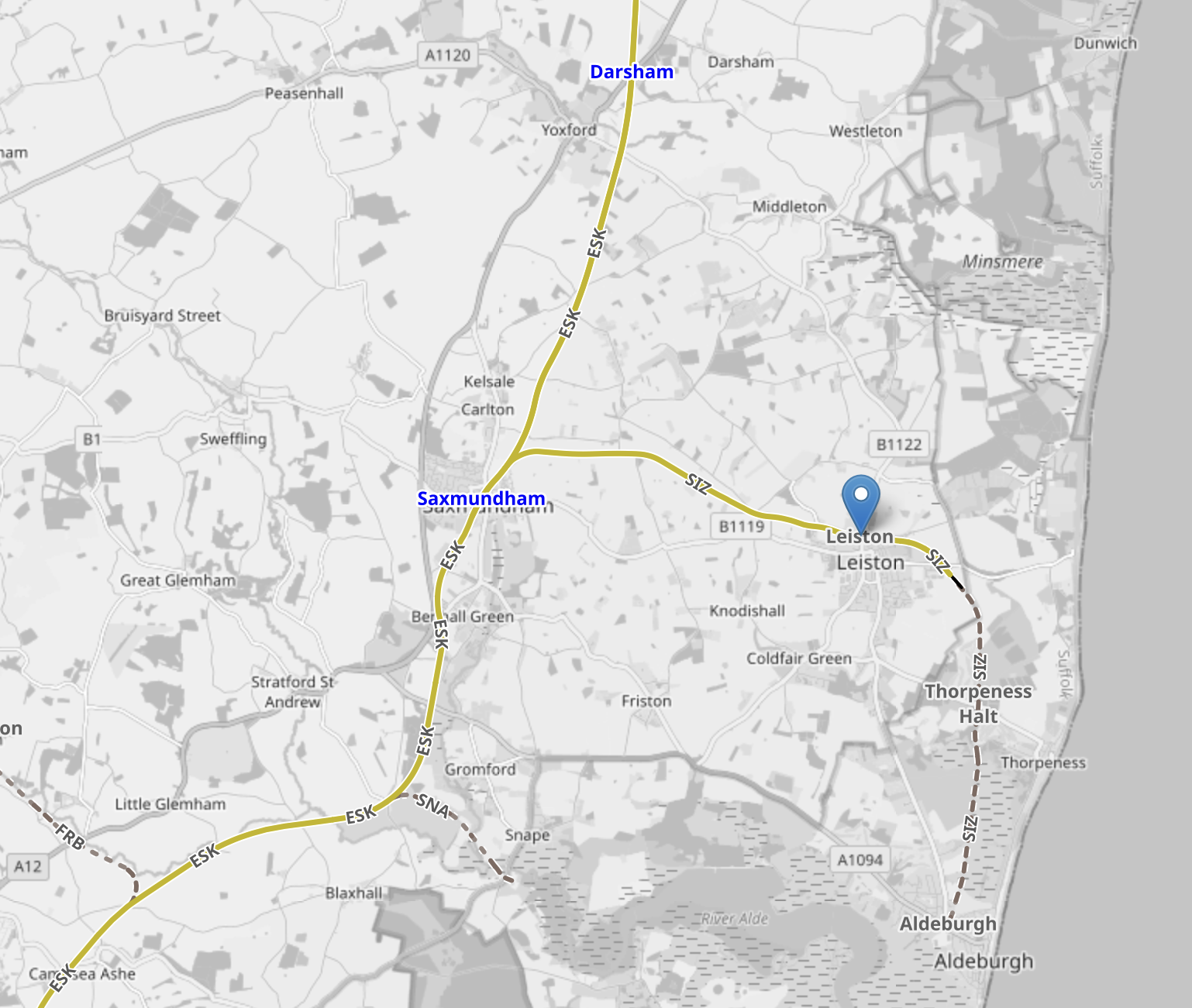
Note.
- The North-South yellow line is the East Suffolk Line.
- Their were three stations; Leiston, Thorpeness Halt and Aldeburgh.
- Leiston station was in the North of the town.
The intact section of the branch is shown in yellow.
There would be no need for any electrification, as Stadler, who built Greater Anglia’s Class 755 trains, are the masters of battery-powered trains and could convert these trains to battery operation. Recently, one of the smaller metro trains, that Stadler are building for Liverpool, ran for nearly 90 miles on battery power alone, which I wrote about in New Merseyrail Train Runs 135km On Battery.
An hourly train service would double the frequency of the train service between Saxmundham and Ipswich.
Does the Leiston masterplan include a train service?
And if it does, does it terminate at a new Aldeburgh station?
Conclusion
Integrating development around a nuclear power station could be a way of levelling up.
It would bring electricity, heat, a rail link and jobs to an area.
Will Rolls-Royce use these benefits to sell one of their SMRs to those living around a site?
Low Carbon Construction Of Sizewell C Nuclear Power Station
Sizewell C Nuclear Power Station is going to be built on the Suffolk Coast.
Wikipedia says this about the power station’s construction.
The project is expected to commence before 2024, with construction taking between nine and twelve years, depending on developments at the Hinkley Point C nuclear power station, which is also being developed by EDF Energy and which shares major similarities with the Sizewell plant.
It is a massive project and I believe the construction program will be designed to be as low-carbon as possible.
High Speed Two is following the low-carbon route and as an example, this news item on their web site, which is entitled HS2 Completes Largest Ever UK Pour Of Carbon-Reducing Concrete On Euston Station Site, makes all the right noises.
These three paragraphs explain in detail what has been done on the Euston station site.
The team constructing HS2’s new Euston station has undertaken the largest ever UK pour of Earth Friendly Concrete (EFC) – a material that reduces the amount of carbon embedded into the concrete, saving over 76 tonnes of CO2 overall. John F Hunt, working for HS2’s station Construction Partner, Mace Dragados joint venture, completed the 232 m3 concrete pour in early September.
The EFC product, supplied by Capital Concrete, has been used as a foundation slab that will support polymer silos used for future piling works at the north of the Euston station site. Whilst the foundation is temporary, it will be in use for two years, and historically would have been constructed with a more traditional cement-based concrete.
The use of the product on this scale is an important step forward in how new, innovative environmentally sustainable products can be used in construction. It also helps support HS2’s objective of net-zero construction by 2035, and achieve its goal of halving the amount of carbon in the construction of Britain’s new high speed rail line.
Note.
- Ten of these slabs would fill an Olympic swimming pool.
- I first wrote about Earth Friendly Concrete (EFC) in this post called Earth Friendly Concrete.
- EFC is an Australian invention and is based on a geopolymer binder that is made from the chemical activation of two recycled industrial wastes; flyash and slag.
- HS2’s objective of net-zero construction by 2035 is laudable.
- It does appear that this is a trial, but as the slab will be removed in two years, they will be able to examine in detail how it performed.
I hope the Sizewell C project team are following High Speed Two’s lead.
Rail Support For Sizewell C
The Sizewell site has a rail connection and it appears that this will be used to bring in construction materials for the project.
In the January 2023 Edition of Modern Railways, there is an article, which is entitled Rail Set To Support Sizewell C Construction.
It details how sidings will be built to support the construction, with up to four trains per day (tpd), but electrification is not mentioned.
This is surprising to me, as increasingly, big construction projects are being managed to emit as small an amount of carbon as possible. Sizewell C may be an isolated site, but in Sizewell B, it’s got one of the UK’s biggest independent carbon-free electricity generators a couple of hundred metres away.
The writer of the Modern Railways article, thinks an opportunity is being missed.
I feel the following should be done.
- Improve and electrify the East Suffolk Line between Ipswich and Saxmundham Junction.
- Electrify the Aldeburgh Branch Line and the sidings to support the construction or agree to use battery-electric or hydrogen zero-carbon locomotives.
Sizewell C could be a superb demonstration project for low-carbon construction!
Sizewell C Deliveries
Sizewell C will be a massive project and and will require a large number of deliveries, many of which will be heavy.
The roads in the area are congested, so I suspect rail is the preferred method for deliveries.
We already know from the Modern Railways article, that four tpd will shuttle material to a number of sidings close to the site. This is a good start.
Since Sizewell A opened, trains have regularly served the Sizewell site to bring in and take out nuclear material. These occasional trains go via Ipswich and in the last couple of years have generally been hauled by Class 88 electro-diesel locomotives.
It would be reasonable to assume that the Sizewell C sidings will be served in the same manner.
But the route between Westerfield Junction and Ipswich station is becoming increasingly busy with the following services.
- Greater Anglia’s London and Norwich services
- Greater Anglia’s Ipswich and Cambridge services
- Greater Anglia’s Ipswich and Felixstowe services
- Greater Anglia’s Ipswich and Lowestoft services
- Greater Anglia’s Ipswich and Peterborough services
- Freight services serving the Port of Felixstowe, which are expected to increase significantly in forthcoming years.
But the Modern Railways article says this about Saxmundham junction.
Saxmundham junction, where the branch meets the main line, will be relaid on a slightly revised alignment, retaining the existing layout but with full signalling giving three routes from the junction protecting signal on the Down East Suffolk line and two in the Down direction on the bidirectional Up East Suffolk line. Trap points will be installed on the branch to protect the main line, with the exit signal having routes to both running lines.
Does the comprehensive signalling mean that a freight train can enter or leave the Sizewell sidings to or from either the busy Ipswich or the quieter Lowestoft direction in a very safe manner?
I’m no expert on signalling, but I think it does.
- A train coming from the Lowestoft direction needing to enter the sidings would go past Saxmundham junction on the Up line. Once clear of the junction, it would stop and reverse into the branch.
- A train coming from the Ipswich direction needing to enter the sidings would approach in the wrong direction on the Up line and go straight into the branch.
- A train leaving the sidings in the Lowestoft direction would exit from the branch and take the Up line until it became single track. The train would then stop and reverse on to the Down line and take this all the way to Lowestoft.
- A train leaving the sidings in the Ipswich direction would exit from the branch and take the Up line all the way to Ipswich.
There would need to be ability to move the locomotive from one end to the other inside the Sizewell site or perhaps these trains could be run with a locomotive on both ends.
The advantage of being able to run freight trains between Sizewell and Lowestoft becomes obvious, when you look at this Google Map, which shows the Port of Lowestoft.
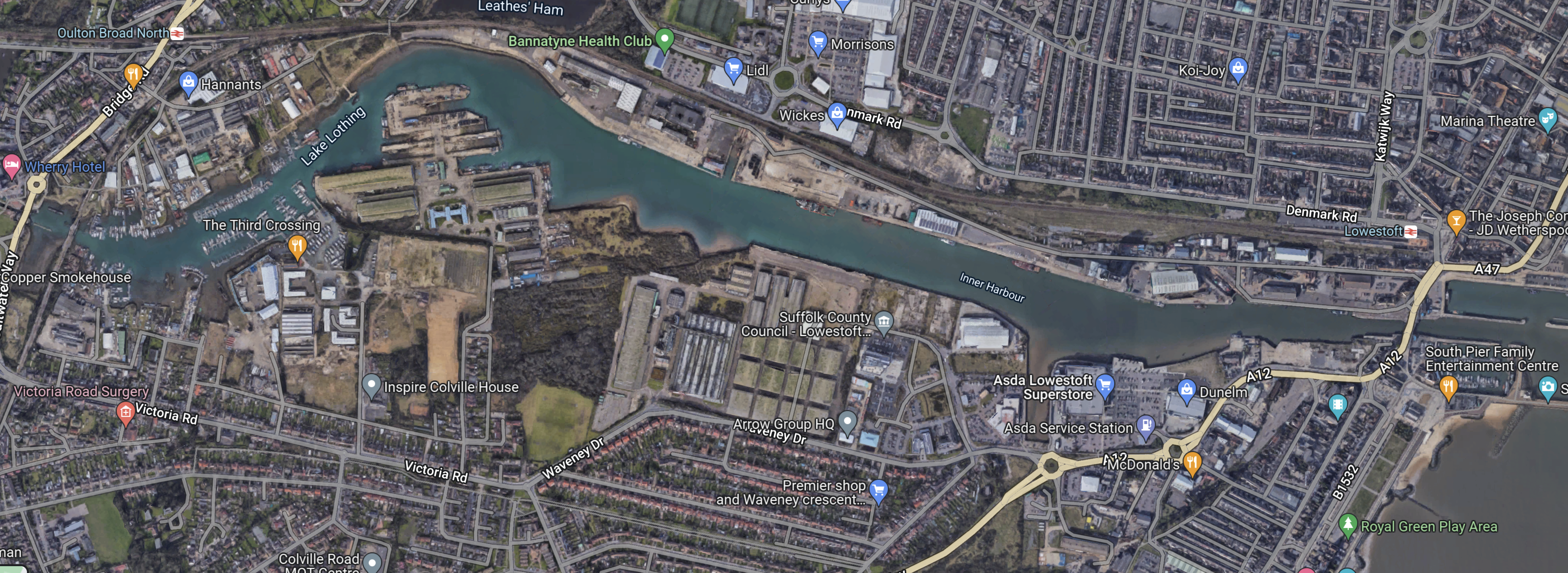
Note.
- The Inner Harbour of the Port of Lowestoft.
- The East Suffolk Line running East-West to the North of the Inner Harbour.
- Lowestoft station at the East side of the map.
I doubt it would be the most difficult or expensive of projects to build a small freight terminal on the North side of the Inner Harbour.
I suspect that the easiest way to bring the material needed to build the power station to Sizewell would be to do the following.
- Deliver it to the Port of Lowestoft by ship.
- Tranship to a suitable shuttle train for the journey to the Sizewell sidings.
- I estimate that the distance is only about 25 miles and a battery or hydrogen locomotive will surely be available in the UK in the next few years, that will be able to provide the motive power for the return journey.
In The TruckTrain, I wrote about a revolutionary freight concept, that could be ideal for the Sizewell freight shuttle.
In addition, there is no reason, why shuttle trains couldn’t come in from anywhere connected to the East Suffolk Line.
Zero-Carbon Construction
Sizewell C could be the first major construction site in the UK to use electricity rather than diesel simply because of its neighbour.
Conclusion
I shall be following the construction methods at Sizewell C, as I’m fairly sure they will break new ground in the decarbonisation of the Construction industry.
 The Anonymous Widower