Between Oxford And Reading Stations – 24th September 2026
Returning from Oxford to Reading, I took a nine-car Class 800 train, that was travelling between Oxford and Paddington stations.
- It was pathed at 125 mph.
- It only stopped at Reading.
- It was running on diesel
- I was sitting on the left side of the train in the sixth coach.
These are some pictures I took out of the window.
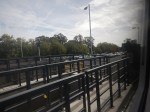


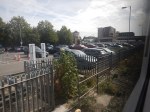




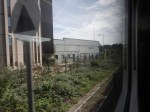

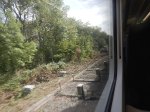

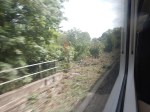

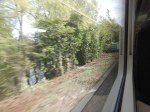









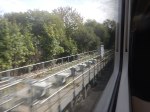
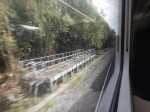
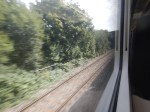
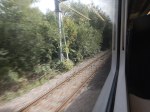
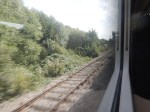
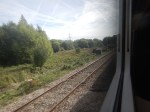
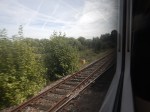
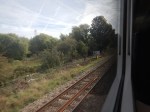
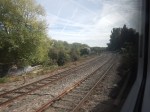


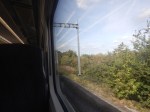

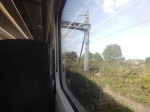
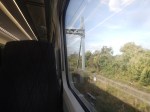
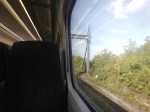



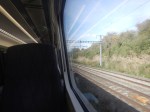
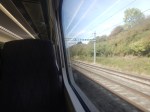
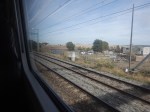
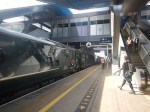
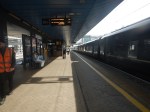
Note.
- There seems to be a lot of car parking at Oxford station.
- The Student Castle Oxford is student accommodation and has this Internet link.
- The Cowley Branch leads to BMW’s Mini factory and is being updated to a two-station branch for passenger trains as well.
- The Cowley branch appears to be double track, which should allow for two trains per hour, which is the initial desired frquency.
- There appears to be signs of more electrification.
- There is a solar-powered sewage farm as you approach Reading.
I am very puzzled about image of an electrification stanchion between Oxford station and the Cowley branch.
Consider.
- Between Oxford North junction, where the Chiltern Line joins the Cotswold Line and the Cowley branch is about 3.5 miles and takes about seven minutes, with a stop at Oxford station.
- The Cowley branch is only three miles long.
- There are also some electrification stanchions between the Cowley branch and the Great Western Main Line.
- There are no signs of electrification work in Oxford station.
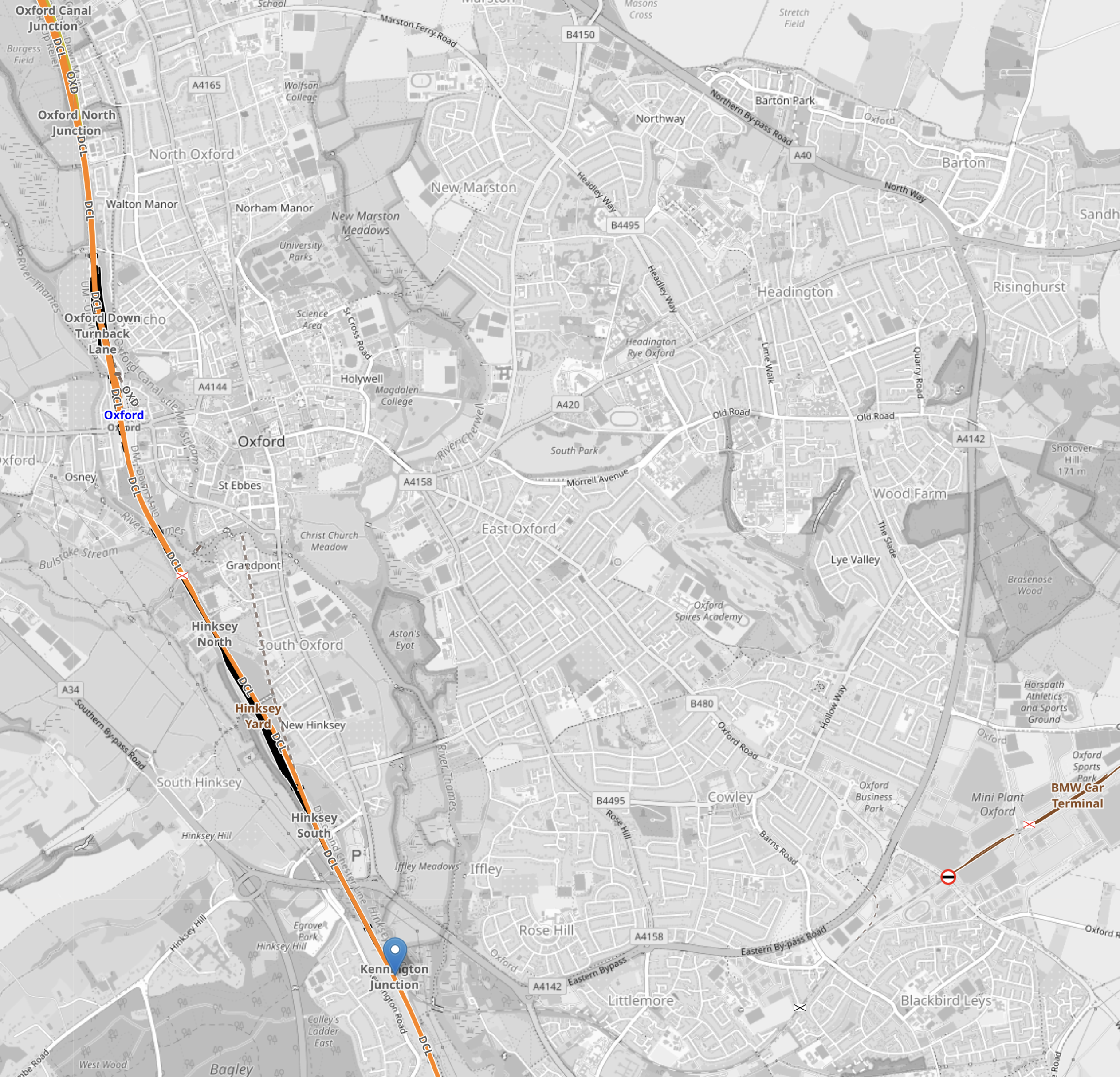
This OpenRailwayMap shows the Cotswold Line through Oxford station.
Note.
- The Cotswold Line through Oxford is shown in orange.
- There is no current electrification and original plans have been dropped.
- At the North-East corner of the map, the Chiltern Line joins from Oxford Parkway station at Oxford Canal and Oxford North junctions.
- The blue arrow marks Kennington junction, where the Cowley branch joins the Cotswold Line.
- The BMW terminal is at the Eastern edge of the map.
Chiltern Railway’s trains will need to go between Oxford Canal junction and the two stations on the Cowley branch and return.
Are There Any Plans To Electrify The Chiltern Line?
I asked Google AI this question and received this answer.
There are no fully funded or confirmed plans for complete electrification of the Chiltern Main Line, but Chiltern Railways and Network Rail are developing a business case for discontinuous electrification combined with battery-electric trains to replace the ageing diesel fleet from the early 2030s.
Current Plans and Decarbonisation Strategy
Discontinuous Electrification:Instead of wiring the entire route from London Marylebone to the West Midlands, the proposal relies on wiring select sections (such as north of High Wycombe towards Oxford or Banbury) to charge battery-electric rolling stock while avoiding costly bridge modifications and clearance issues.
Business Case Progress: Chiltern Railways has completed a strategic business case and is working with Network Rail and the Department for Transport (DfT) on an outline business case.
Interim Fleet Upgrades: As part of its 2030 Vision, Chiltern is introducing newly leased Mark 5A carriages to boost capacity and reliability, while continuing long-term discussions regarding a power supply and infrastructure package for cleaner trains.
It would appear to me, that if the Southbound line between Oxford Canal junction and Kennington junction, that this would be enough electrification to allow Chiltern’s Oxford services to serve the Cowley branch and return.
Could GWR’s Cotswold Services Be Run On Batteries?
Consider.
- Didcot Parkway and London Paddington is fully electrified.
- Battery-electric Class 800, 801 and 802 trains have an off-wires range of around 120 miles.
- Between Oxford and Great Malvern is 75.9 miles.
- Between Oxford and Hereford is 86.3 miles.
- Between Oxford and Worcester Shrub Hill is 57 miles.
I believe with charging at the country end, these services could be run using battery-electric Hitachi trains.

