Sheffield Station – 14th October 2026
I went to Sheffield station and took these pictures.

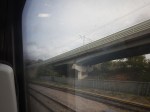
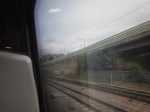
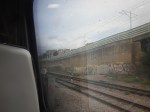



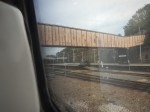
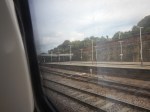
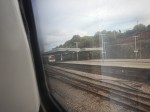
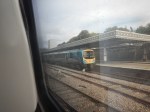
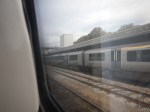
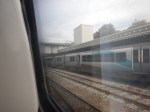
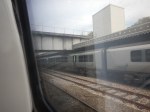
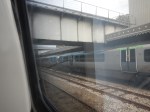
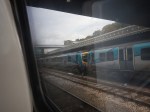
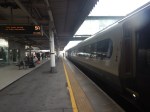


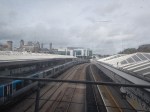

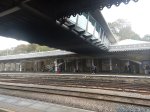
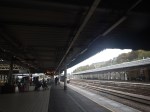
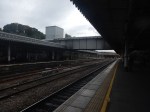
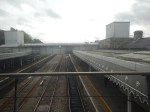
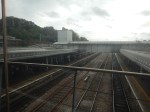
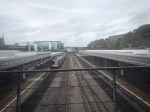
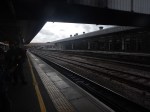
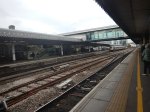
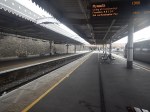
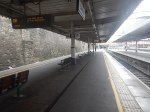
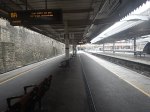
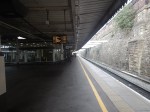
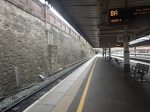
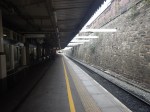
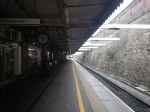
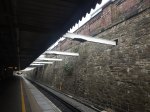
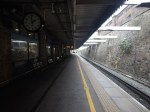
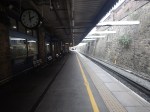
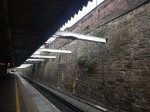
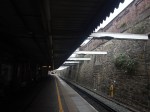
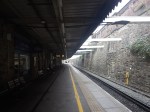
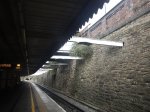
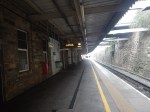
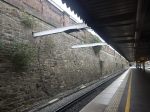
Note.
- The tram electrification clearly shows, where the Sheffield Supertram runs above the railway.
- My Class 222 trains arrived in Platform 5 from London.
- A five-car Class 810 train is 120 metres long.
- Platform 8 is a 378 metre through platform.
- What is the purpose of the white iron beams over the track, in the pictures of Platform 8?
- The beams are fairly substantial
- Platform 7 is a 135 metre bay platform.
- There are also similar shorter beams over the bay Platform 7.
- The platforms are well-provided with lifts.
- In the past, I have used Platform 7 to take a train to Manchester Piccadilly station along the Hope Valley Line. This could be an ideal route for battery-electric trains, as it is scenic and only 42.1 miles long.
If these beams are to hold overhead electrification cables to charge battery-electric trains, then the bay Platform 7 could charge a single train and Platform 8 could charge a pair of trains.
I have some thoughts and questions.
Could Sheffield Station With A Charger In Platform 8, Return a Class 810 Battery-Electric Train To London?
In Electrification Project’s Major Milestone Delivered On Time And Under Budget, I had a section, which was entitled Battery-Electric Trains Between St. Pancras And Sheffield Stations, where I said this.
Real Time Trains reveal the following about current St. Pancras and Sheffield services, that are run by the new Class 810 trains.
- Trains switch between electric and diesel power at Kilby Bridge junction.
- Between Kilby Bridge junction and St. Pancras station, overhead electrication provides train power.
- Between Kilby Bridge junction and Sheffield station diesel generators provide train power.
- Kilby Bridge junction and Sheffield station are 71.4 miles apart.
This would mean.
- For a one-way journey a battery range of 71.4 miles would be needed.
- For a return journey a battery range of 142.8 miles would be needed.
- Leicester, Loughborough, East Midlands Parkway, Long Eaton, Derby and Chesterfield stations would be served on battery power.
I suspect charging could be installed if required at Sheffield station.
This charging would need to put enough electricity in the batteries to get back to Kilby Bridge junction.
It certainly looks like.
- Platform 7 is long enough to charge a five-car train.
- Platform 8 is long enough to charge a ten-car train.
I don’t think the world’s first battery-electric 125 mph battery-express train is far away.
Could Two Trains Be Charged At The Same Time?
I don’t see why not, if the electrification has enough capacity.
Could Rigid Overhead Conductor Rails As At St. Pancras Thameslink Station Be Used?
These pictures show those rails.
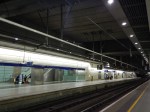
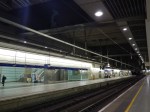
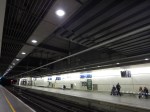
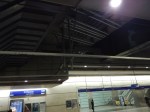
I don’t see why not.
How Long Will Trains Take Between London St. Pancras And Sheffield?
I asked Google AI, how long the current trains take and received this reply.
East Midlands Railway (EMR) trains between London St Pancras International and Sheffield Station take an average of 2 hours and 12 minutes to 2 hours and 15 minutes, with the fastest direct services completing the journey in 1 hour and 57 minutes to 2 hours 1 minute.
I suspect that for marketing reasons, all services will be a minute or so, less than two hours.
Will The Trains Be Five- Or Ten-Cars?
As it appears, that trains of both lengths can be charged at both ends of the route, East Midlands Trains can run the trains, so that they maximise the numbers of passengers.
But I suspect, it will be a two trains per hour, guaranteed two hour service between London St. Pancras and Sheffield.
Could Trains Between London St. Pancras And Sheffield Be Extended To Leeds?
Consider.
- According to Google AI, historically, there have been trains that have run between between London St. Pancras and Leeds via Sheffield and the Midland Main Line.
- Trains would use Platform 8 at Sheffield, as it is an electrified through platform.
- The route between Sheffield and Leeds would be something like Meadowhall, Rotherham Central, Swinton, Bolton-on-Dearne, Moorthorpe, Fitzwilliam, Westfield Westgate and Outwood.
- Trains could also charge their batteries at Leeds, if required.
- Sheffield and Leeds is only 39 miles
Note.
All the intermediate stations between Sheffield and Leeds, would get direct services to Chesterfield, Derby, Long Eaton, East Midlands Parkway, Loughborough, Leicester and London St. Pancras.
- Trains would not leave Sheffield until the batteries were full.
- As my pictures show that Sheffield will have two platforms capable of fully-charging trains for London St. Pancras, I suspect that Sheffield will still have two trains per hour to London St. Pancras.
- As Platform 8 at Sheffield can handle ten-car trains, five- and 10-car trains can be run between London St. Pancras and Leeds.
Could Manchester And Sheffield Trains Along The Hope Valley Be Run By Battery-Electric Trains?
Consider.
- The Hope Valley Line between Manchester Piccadilly and Sheffield is only 42.1 miles.
- The service is currently hourly.
- The Hope Valley Line has recently been upgraded.
- Could the upgrade allow two trains per hour?
- Some trains between Manchester Piccadilly and Sheffield already use Platform 7 in Sheffield station.
Note.
- The Hope Valley Line is a scenic route.
- The service would use Platform 7 at Sheffield station.
- All platforms at Manchester Piccadilly station are electrified, so could top up the battery-electric trains.
- A two trains per service would have a cross-platform interchange with London trains in Platform 8.
- I’m sure that Hitachi could create a battery-electric version of their Class 185 train.
- I also suspect that CAF would be able to provide a battery-electric version of their Class 332 train, that Northern uses.
I believe that travellers using the Hope Valley Line would welcome an improved service.
Could A Battery-Electric Train With A Range Of 70 Miles Run A London And Nottingham Service?
In Electrification Project’s Major Milestone Delivered On Time And Under Budget, I had a section, which was entitled Battery-Electric Trains Between St. Pancras And Nottingham Stations, where I said this.
Real Time Trains reveal the following about current St. Pancras and Nottingham services, that are run by the new Class 810 trains.
- Trains switch between electric and diesel power at Kilby Bridge junction.
- Between Kilby Bridge junction and St. Pancras station, overhead electrication provides train power.
- Between Kilby Bridge junction and Nottingham station diesel generators provide train power.
- Kilby Bridge junction and Nottingham station are 33.1 miles apart.
This would mean.
- For a one-way journey a battery range of 33.1 miles would be needed.
- For a return journey a battery range of 66.2 miles would be needed.
- Leicester, Loughborough, East Midlands Parkway and Beeston stations would be served on battery power.
I suspect charging could be installed if required at Nottingham station.
But would it be needed, as the battery range for for Sheffield is more than that needed for a return journey to Nottingham?

