Tisbury Station – 26th August 2026
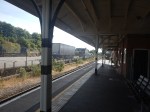
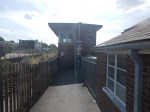
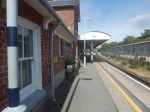
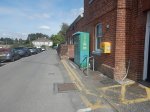
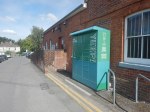
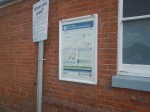
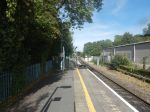
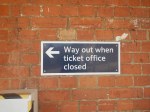
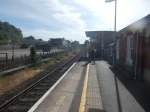
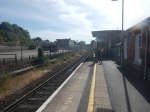
I took these pictures during my time at Tisbury station.
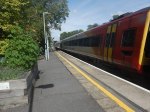
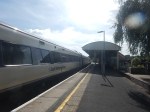
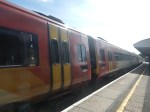
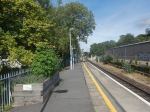
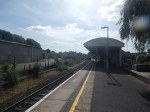


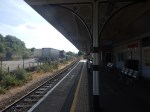
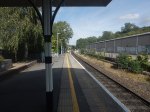

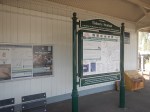









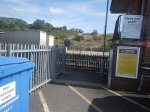
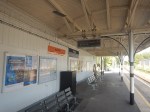

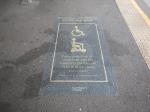

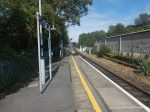

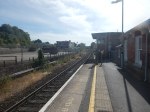
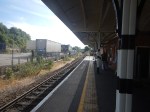
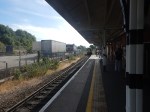
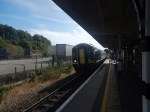
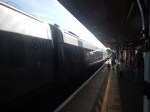
Note
- The Flowers Were From The Bee Friendly Trust.
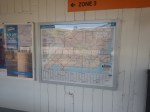
- The Station Has A London Rail Map.
- The Station Has A Parcel Pick-Up.
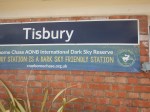
- The station is dark sky friendly. It is the only one in the UK.
It seems to have most things you need.
Basingstoke And Salisbury – 26th August 2026
The next leg was between Basingstoke and Salisbury, as I just missed the train at Basingstoke.

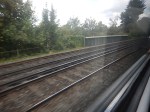
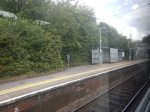

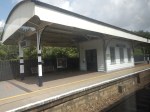



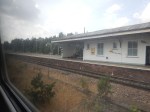
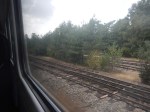
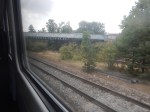
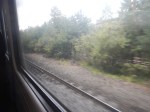











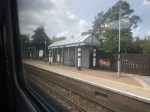
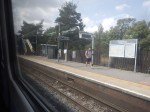
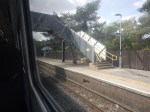
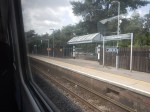


Note.
- The four electrified tracks continue between Basingstoke and Worting Junction, where the West of England Line diverges from the South West Main Line.
- The Ludgershall Branch leaves the West of England Main Line between Andover and Grately stations and goes North.
On arrival at Salisbury station I took these pictures.
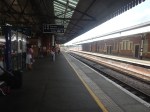
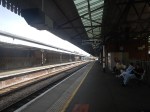
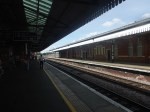
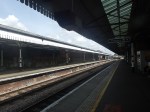
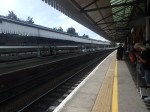
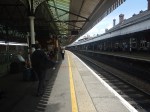
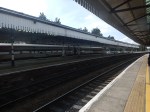
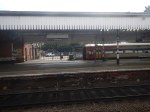



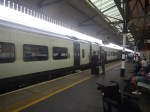
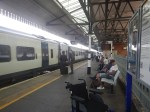

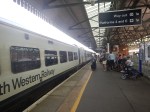

Note.
- The platforms are long as they are used for splitting and joining trains.
- The Class 159 Trains don’t seem to be as good at splitting and joining as are Hitachi trains.
- There is a typical Costa coffee stall.
- But there is nowhere to sit or stand with your drink.
GC Applies For Manchester Paths
The title of this post, is the same as that of a short news item in the August 2026 Edition of Modern Railways.
This is the body of the news item.
Open Access Operator Grand Central has applied to operate five trains per day between St. Pancras International and Manchester Piccadilly from December 2029. These would operate via the Midland Main Line using GC’s five-car Class 180 DMU fleet currently employed on its East Coast Main Line operations. These are due to be replaced by a fleet of tri-mode Class 820s being constructed by Hitachi Rail, which were ordered last year and are being financed by Angel Trains.
Meanwhile, GC is also bidding to operate trains between London Waterloo and Bristol Temple Meads, running via the South West Main Line and Salisbury. The operator says that under these proposals, trains would begin operating from December 2027 with seven trains per day running using stock currently off lease.
These are my thoughts on the St. Pancras International and Manchester Piccadilly service.
The Route Between The Midland Main Line And Manchester Piccadilly
This OpenRailwayMap shows Dore Junction, where the Midland Main Line meets the Hope Valley Line between Chesterfield and Sheffield stations.
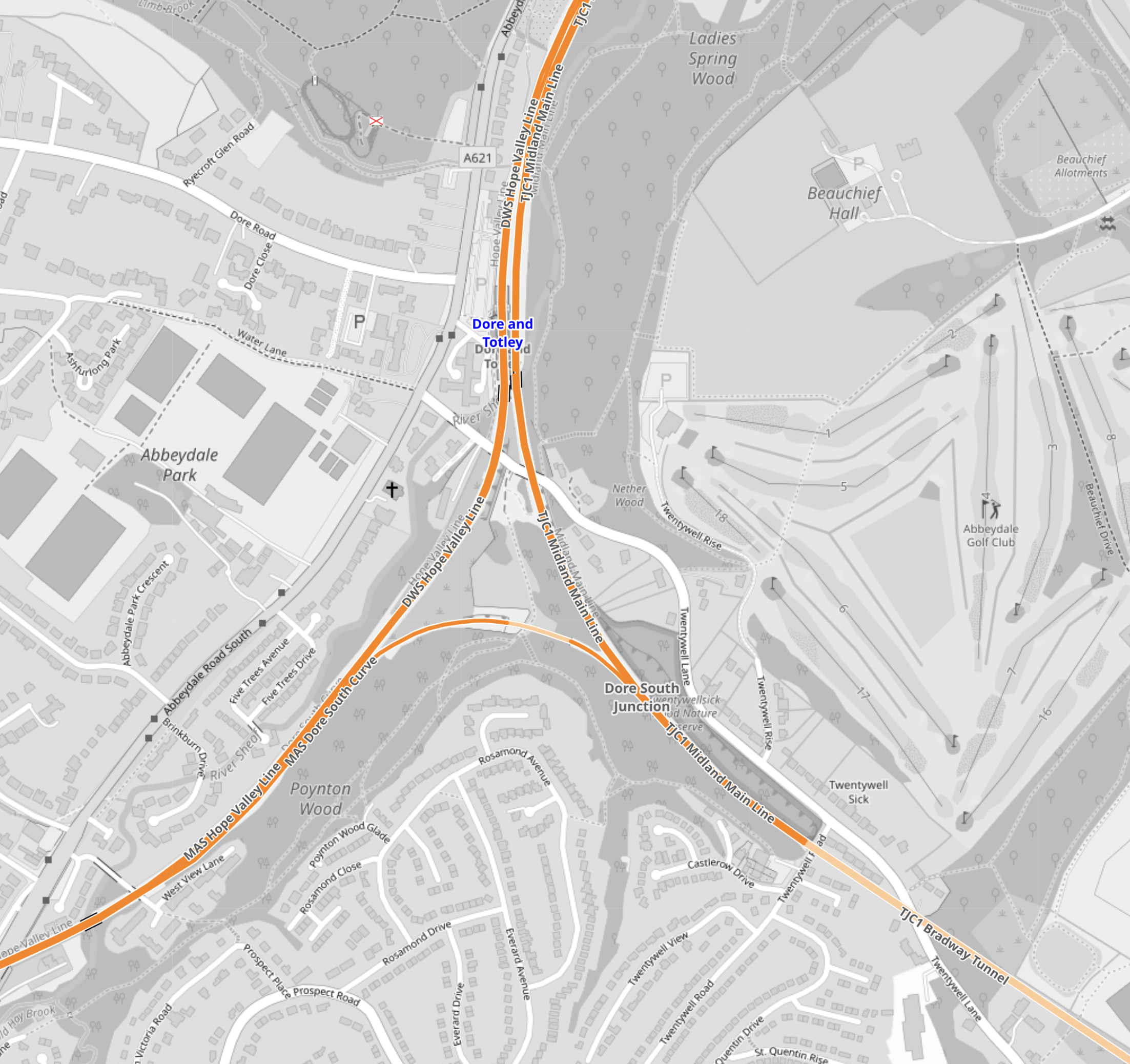
Note.
- Dore Junction is a triangular junction in the middle of the map.
- Dore and Totley station is on the North point of the junction, which leads to Sheffield station.
- Dore & Totley Station – 1st April 2025 shows the station before and after its rebuilding.
- The South-East point of the junction leads to Chesterfield station.
- The South-West point of the junction leads to the Hope Valley Line and eventually to Manchester Piccadilly station.
There are three routes that trains can take between the Midland Main Line at Chesterfield station and the Hope Valley Line.
- They can take the Dore South Curve shown in the map.
- They can go directly into Sheffield station and reverse.
- They can go via Barrow Hill and enter Sheffield station from the East.
Note.
- The first route doesn’t call at Sheffield.
- The second route is taken by trains between Liverpool and Norwich.
- I wrote about the third route in Reinstatement Of The Barrow Hill Line Between Sheffield And Chesterfield.
The reinstatement of the Barrow Hill Line may ease operations in Sheffield and allow a new station or two.
The Current Hope Valley Service Between Manchester Piccadilly And Sheffield
There are two passenger services between Manchester Piccadilly and Sheffield stations.
- A Northern Trains local train that stops everywhere.
- An East Midlands Railway faster train, that only stops at Stockport.
Both trains are hourly.
The Northern End Of Grand Central’s St. Pancras International And Manchester Piccadilly Service
I would feel that the ideal route for Grand Central’s new service would call at Chesterfield, Sheffield, Stockport and Manchester Piccadilly.
Hopefully, it could use the Barrow Hill Line to avoid a reverse at Sheffield.
Where Would Grand Central’s St. Pancras International And Manchester Piccadilly Service Call On The Midland Main Line?
East Midlands Railway services to Sheffield call at Leicester, Loughborough, East Midlands Parkway, Long Eaton, Derby and Chesterfield.
I would expect Grand Central’s service would only call at a selection of those stations.
Would St. Pancras International Be Able To Handle The Extra Trains?
East Midlands Railway run the following services from St. Pancras International.
- Nottingham
- Sheffield
- Corby
Note.
- All services are two trains per hour (tph)
- Nottingham and Sheffield services can be five- or ten-car trains.
- Corby services can be four- or eight-car trains.
- There are only four East Midlands Railway platforms at St. Pancras International, but they are 260 metres long.
- 260 metre platforms will take a pair of five-car Class 800/801/802 Hitachi trains, which have the standard Hitachi car length of 26 metres. The architects got that right,
- Each platform can take one ten-car train or two five-car trains.
- East Midlands Railway’s Class 810 trains are 120 metres long.
- East Midlands Railway’s Class 360 trains are 80 metres long.
- Grand Central Trains’s Class 180 trains are 116.52 metres long.
- The train length of Grand Central Trains’s Class 820 trains has not been disclosed, but if they had the standard Hitachi car length of 26 metres, they’d be 130 metres long.
I am fairly certain, that St. Pancras International can handle two Hitachi trains in the same platform.
This leads me to believe that Grand Central Trains Class 180 and Class 820 trains could also share a platform with an East Midlands Railway Class 810 train.
The Route And Electrification Between Manchester Piccadilly And Hazel Grove
This OpenRailwayMap shows the Manchester Piccadilly end of the route.
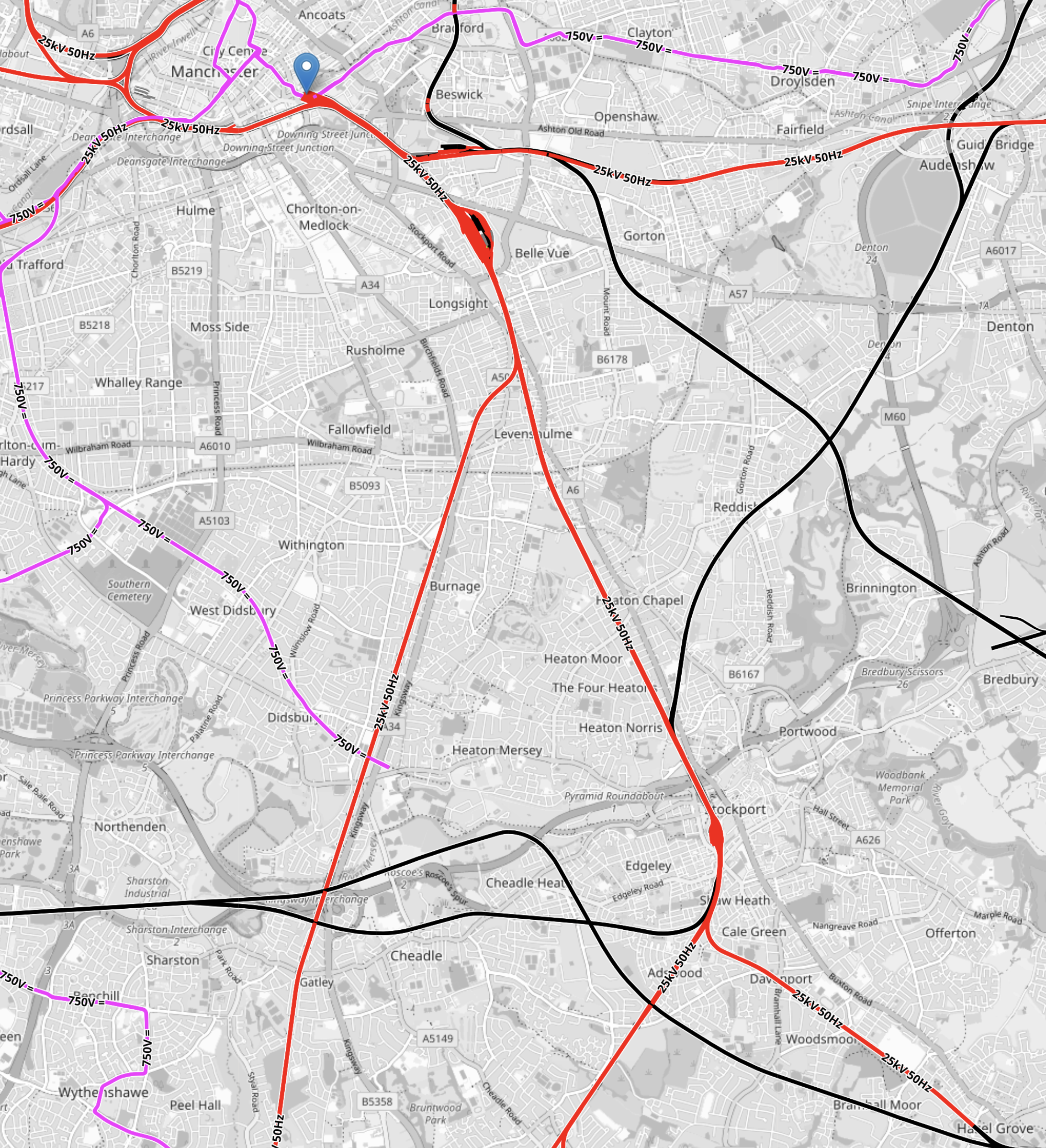
Note.
- Tracks shown in black are not electrified.
- Tracks shown in red are electrified with 25 KVAC overhead.
- Tracks shown in mauve are the Manchester Metrolink.
- Manchester Piccadilly station is indicated by the blue arrow.
- Hazel Grove station is in the South-East corner of the map.
- Between Manchester Piccadilly and Hazel Grove stations is fully-electrified.
- The red knot of electrified tracks close to Manchester Piccadilly station is Longsight depot.
- The Southern red knot of electrified tracks is Stockport station.
- Manchester Piccadilly and Hazel Grove stations are 8.7 miles apart and local trains take about 15 minutes.
The Route And Electrification Between Hazel Grove And Sheffield
This OpenRailwayMap shows the route between Hazel Grove and Sheffield.
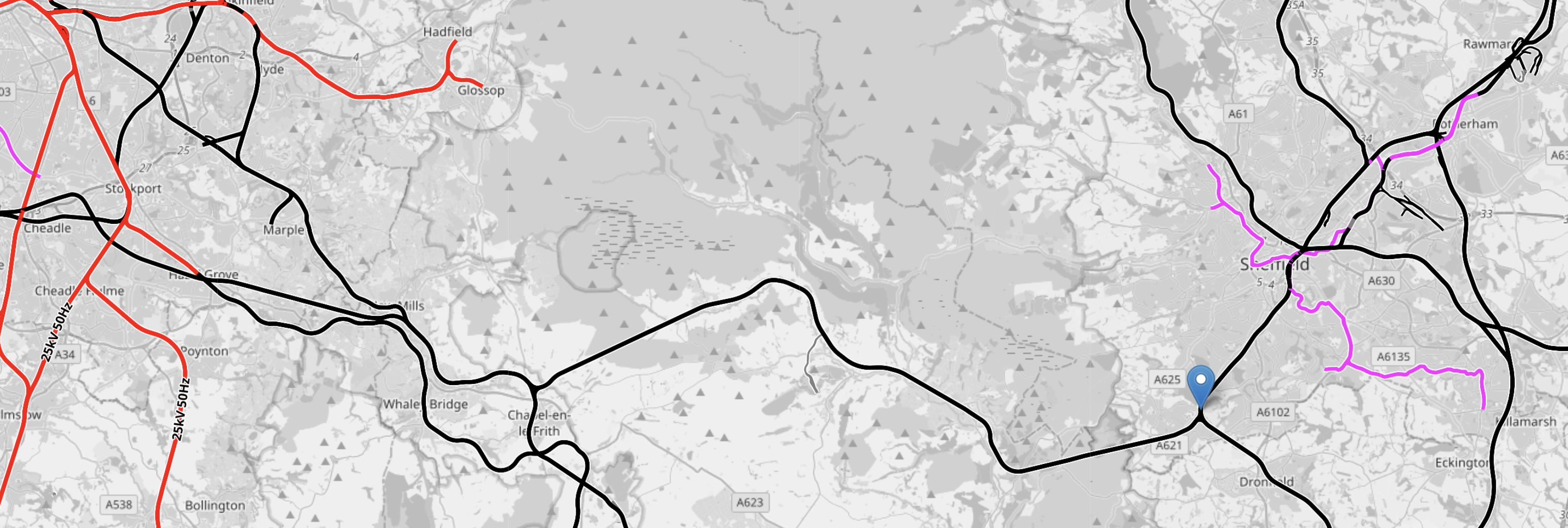
Note.
- Tracks shown in black are not electrified.
- Tracks shown in red are electrified with 25 KVAC overhead.
- Tracks shown in mauve are the Manchester Metrolink and Sheffield Supertram.
- Stockport and Hazel Grove can be picked out on the electrified tracks in the North-East corner of the map
- Dore and Totley station is indicated by the blue arrow.
- Sheffield station is to the North-East of Dore and Totley station.
- The mauve tracks are the Sheffield Supertram.
- Leading West from Dore and Totley station is the Hope Valley Line which connects Sheffield and Hazel Grove stations.
- Dore and Totley and Hazel Grove stations are 29.7 miles apart.
- Leading South-East from Dore and Totley station is the Midland Main Line to Chesterfield, Derby and the South.
- The electrification from St. Pancras International finishes just North of Market Harborough station.
Dore and Totley and Market Harborough stations are 67.1 miles apart.
Will Tri-Mode Trains We Able To Go Between St. Pancras International And Manchester Piccadilly Stations
It would appear that the gap in the electrification between Market Harborough and Hazel Grove is a few miles under a hundred miles.
Both Hitachi Rail and CAF have said that their five-car trains should be able to handle up to 122 miles.
So there should be enough range to go via Barrow Hill, which would remove the reversal at Sheffield station.
These are my thoughts on the London Waterloo and Bristol Temple Meads service.
The Route Between Bristol Temple Meads And Salisbury
Currently, there are two Great Western Railway services between Bristol Temple Meads and Salisbury.
- One calls at Bath Spa, Bradford-on-Avon, Trowbridge, Westbury, Dilton Marsh and Warminster.
- One calls at Keynsham, Oldfield Park, Bath Spa, Freshford, Avoncliff, Bradford-on-Avon, Trowbridge, Westbury and Warminster.
Note.
- Both services call at Bath Spa, Bradford-on-Avon, Trowbridge, Westbury and Warminster.
- Only Bath Spa and Westbury have a frequent service to London.
- There are five other stations, that are called at occasionally by Bristol Temple Meads and Salisbury services.
I do feel that Grand Central Trains have a lot of scope to create a very passenger-friendly timetable.
Tales Of Woe And Opportunity On The West Of England
The title of this post, is the same as that of the Railtalk editorial in the September 2027 Edition of Modern Railways.
These is the opening four paragraphs.
The West of England Line from London Waterloo to Exeter was once an important main line, the London & South Western Railway’s great rival to Brunel’s ‘billiard’ table, but its role is much diminished since the glory days.
Largely singled west of Salisbury in the 1960s, and with many of its coastal branches closed, a casual onlooker might conclude it has rather lost its purpose.
Yet recent journeys on the route suggest otherwise. Travelling from Waterloo on the way West one late afternoon was instructive.
On a baking hot day in London, the six-car South Western Railway Class 159 departed on time, full and standing. More passengers joined at Clapham Junction, and Woking.
The two problems of the line are mentioned in the text from the article.
- The singling of the West of England Line, to the West of Salisbury was typical of many short-sighted acts of vandalism inflicted by the Treasury on British Rail.
- The Class 159 diesel trains date from the early 1990s and probably need replacing.
This OpenRailwayMap shows middle part of the route between Basingstoke and Salisbury.
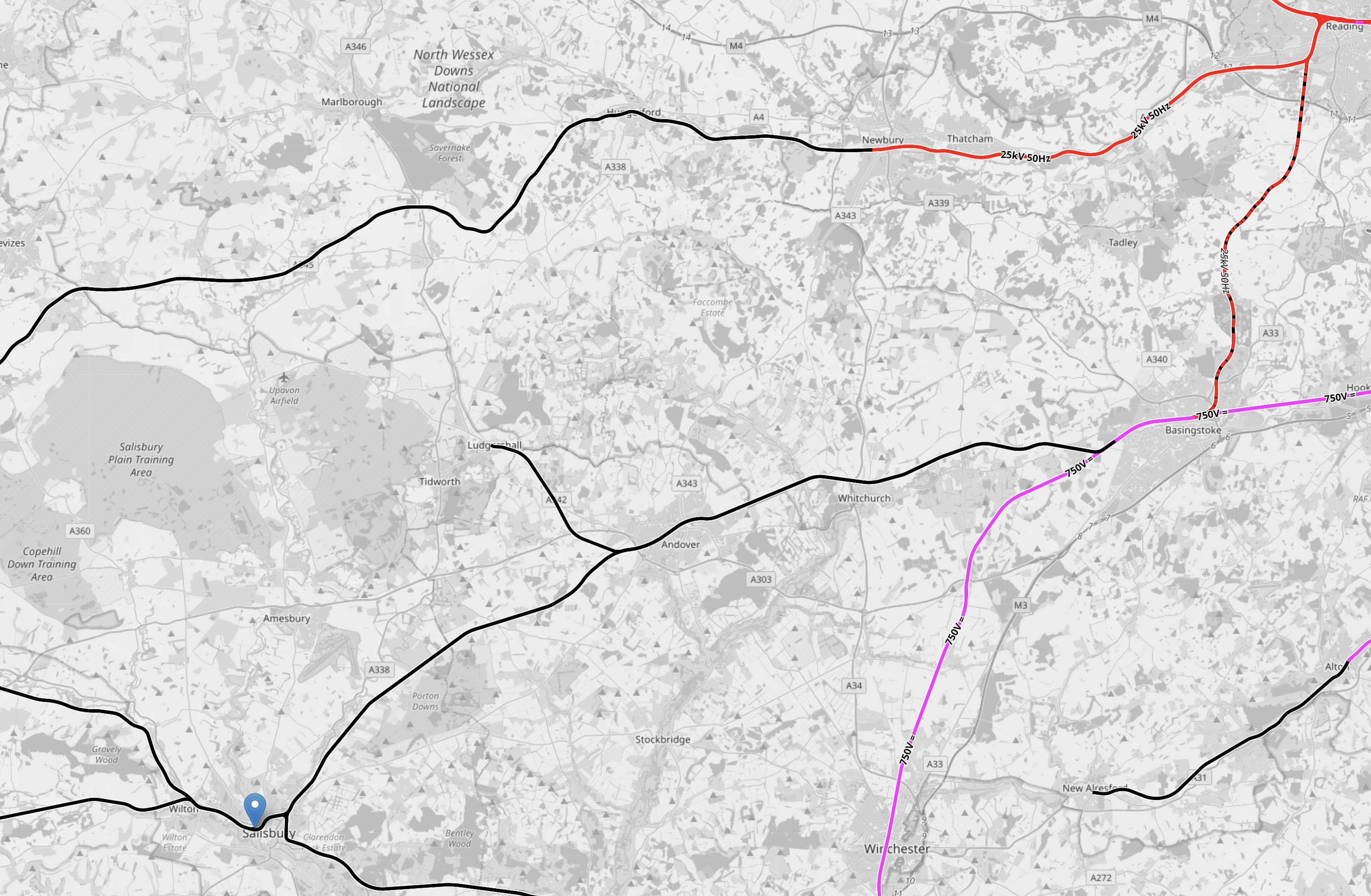
Note.
- Tracks shown in black are not electrified.
- Tracks shown in red are electrified with 25 KVAC overhead,
- Tracks shown in dashed red and black are proposed to be electrified.
- Tracks shown in mauve are electrified with 750 VDC third rail.
- Reading station is in the North-East corner of the map.
- The Reading and Basingstoke Line runs South from Reading station and is shown dashed.
- Basingstoke station is on the third-rail electrified South West Main Line between London Waterloo and Southampton.
- Salisbury station is indicated by the blue arrow.
- Linking Basingstoke and Salisbury is the unelectrified West of England Main Line between London Waterloo and Exeter.
- The branch line going North from the West of England Main Line to the East of Salisbury is used by the Army to move tanks.
- Ludgershall Town Council want passenger trains on the branch line to support housing at Tidworth with trains to Andover on the West of England Main Line.
- I wrote about this branch line in A Branch Line For Ludgershall
- Across the top of the map is the Reading and Taunton Line, which is electrified as far as Newbury.
I will now look at replacing the Class 159 trains.
Consider.
- Between Exeter St. David’s and Basingstoke stations is not electrified and is 124.3 miles.
- I believe that both Hitachi and CAF have the capability to produce a zero-carbon train with a range of 125 miles.
- The Office of Rail and Road will not allow any more third-rail electrification.
- Trains could have a generous turnround time at Exeter St. David’s which could allow trains to be charged, before returning to London.
- Basingstoke and Salisbury is only 35.8 miles, so a train terminating at Salisbury from London, should be able to return to London.
- Trains could be charged using short length of overhead electrification.
- Five-car trains, which could run in pairs might be ideal.
- I believe several manufacturers could make trains capable of running the route.
I also believe that once the charging strategy is known and any infrastructure has been installed, the new trains can be introduced into service to run alongside the Class 159 trains.
This would hopefully avoid, the current problems of the Class 820 trains on the Midland Main Line.
A Quick Visit To Okehampton Interchange Station – 4th August 2026
Today, I went to the new Okehampton Interchange station and took these pictures, between Exeter St. Davids and the new station.


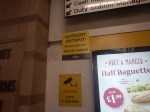
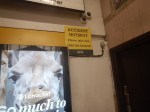







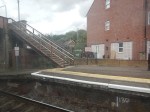
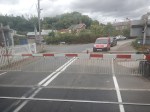
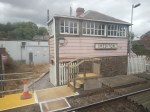
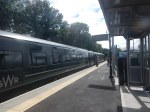
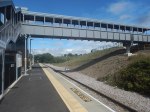
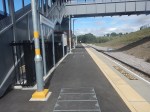
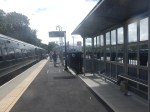
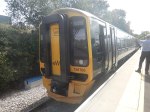
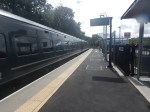
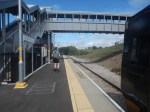

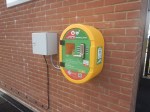
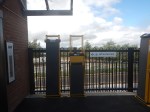








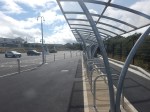



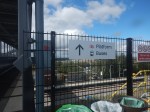
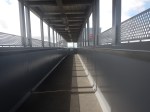



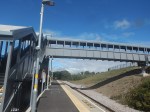
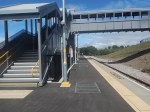





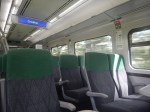
Note.
- Exeter St. Davids station has some interesting artwork and some less than ideal stairs.
- Have you ever seen accident hotspot signs in a station before? I haven’t!
- Crediton station is shared with trains to Barnstaple.
- The bridge at Okehampton Interchange is an unusual cost-saving design, that only uses one lift.
- The car park is generous with 200 spaces.
- All-day parking is available for £2.
- There is storage for cycles.
- There is a defibrillator on the platform.
- The platform is 100 metres long.
- I suspect that with selective door opening a five-car Class 800 or 802 train could use the station.
- The Class 158 train was in excellent condition and was rattling along at a good speed without too much fuss.
I caught the same Class 158 train back to Exeter St. David’s on its return from Okehampton station.
I have some further thoughts.
Buses From Okehampton Interchange Station
Google AI gave me this information.
Bus services connecting directly to the newly opened Okehampton Interchange station include local and regional routes linking to Tavistock, Bude, Exeter, and Launceston.
Active Bus Routes
Service 6: Runs between Bude, Holsworthy, and Okehampton (Stagecoach South West).
Service 66: Connects Okehampton, Cheriton Bishop, and Exeter (Dartline / Stagecoach).
Service 118: Links Tavistock, Brentor, and Bridestowe to the new Interchange station instead of the older town station (Stagecoach).
Service 306: Connects Launceston and Okehampton via Lifton and Lewdown (Go Cornwall Bus).
Okehampton Interchange station appears not to be for just trains only.
The Location Of Okehampton Interchange Station
This Google Map shows the location of Okehampton Interchange station.
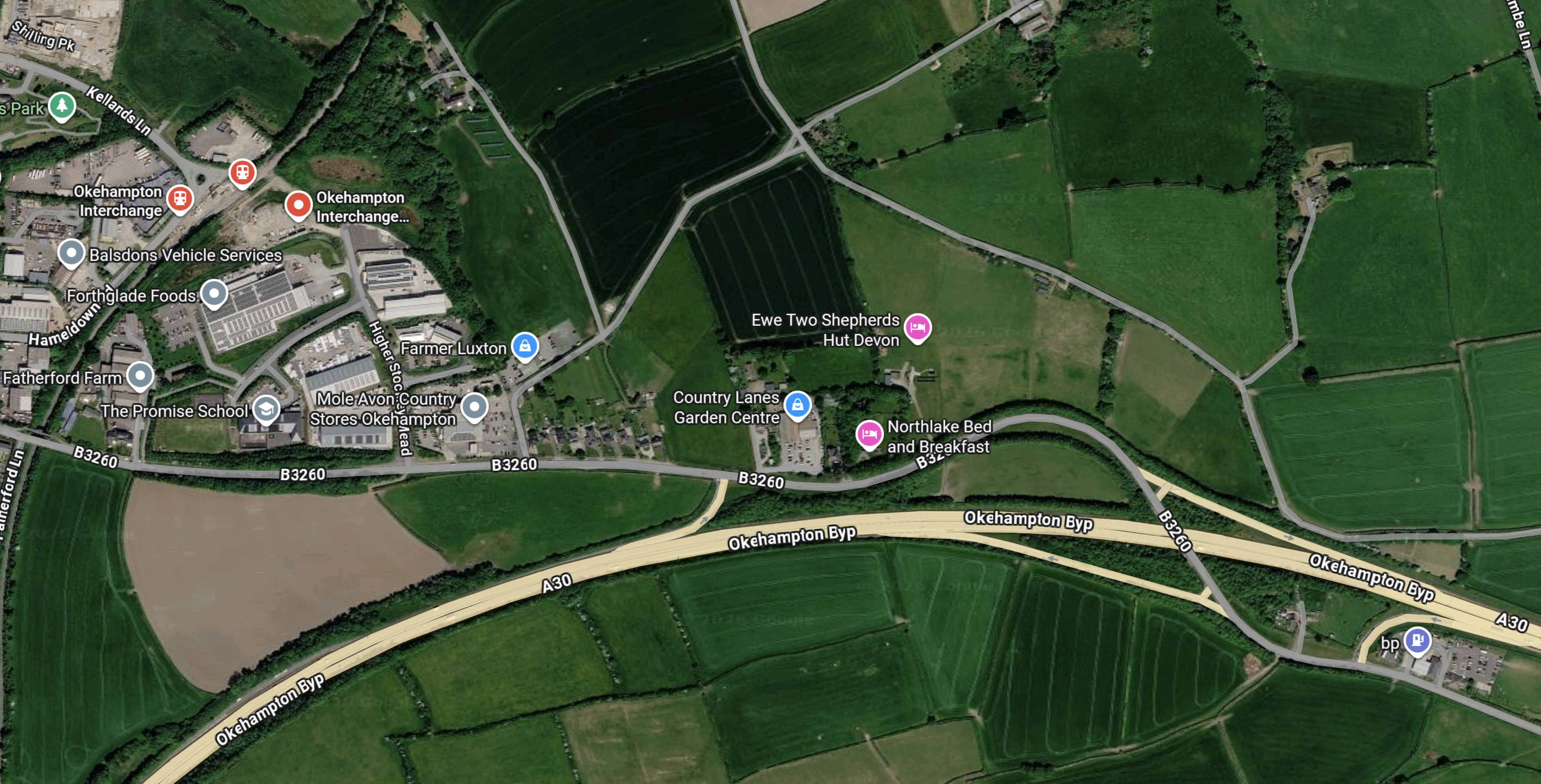
Note.
- This map was created before the station opened.
- Okehampton Interchange station is towards the North-West corner of the map and is indicated by three red dots and
- The distinctive roundabout by the station, that is shown in the pictures, can clearly be seen.
- The station is to the East of the town.
- Running across the bottom half of the map is the Okehampton by-pass.
- The B 3260 appears to connect the town and Okehampton Interchange station to the Okehampton by-pass in the South-East corner of the map, at a comprehensive interchange.
This opening paragraph from the Wikipedia entry for the route, gives a brief description of the road.
The A30 is a major road in England, running 284 miles (457 km) WSW from London to Land’s End.
These towns and cities are served.
- Heathrow Airport
- Staines-upon-Thames
- Basingstoke
- Salisbury
- Shaftesbury
- Yeovil
- Honiton
- Exeter
- Okehampton
- Launceston
- Bodmin
- Newquay
- Truro
- Redruth
- Penzance
Note.
- A good proportion of the route is dual-carriageway.
- It is dual-carriageway between Exeter and Cambourne.
- I suspect some people in North Cornwall may find it more convenient to drive to Okehampton Interchange station for access to trains.
- I wouldn’t be surprised to see some of the new generation of mouse-quiet hydrogen coaches connecting Okehampton Interchange station and the far South-West.
I believe that the usage of the station will exceed the predictions, by a large margin.
Could Okehampton Interchange Station Have Trains To And From London?
This OpenRailwayMap show how the various lines connect at Exeter St. David’s station.
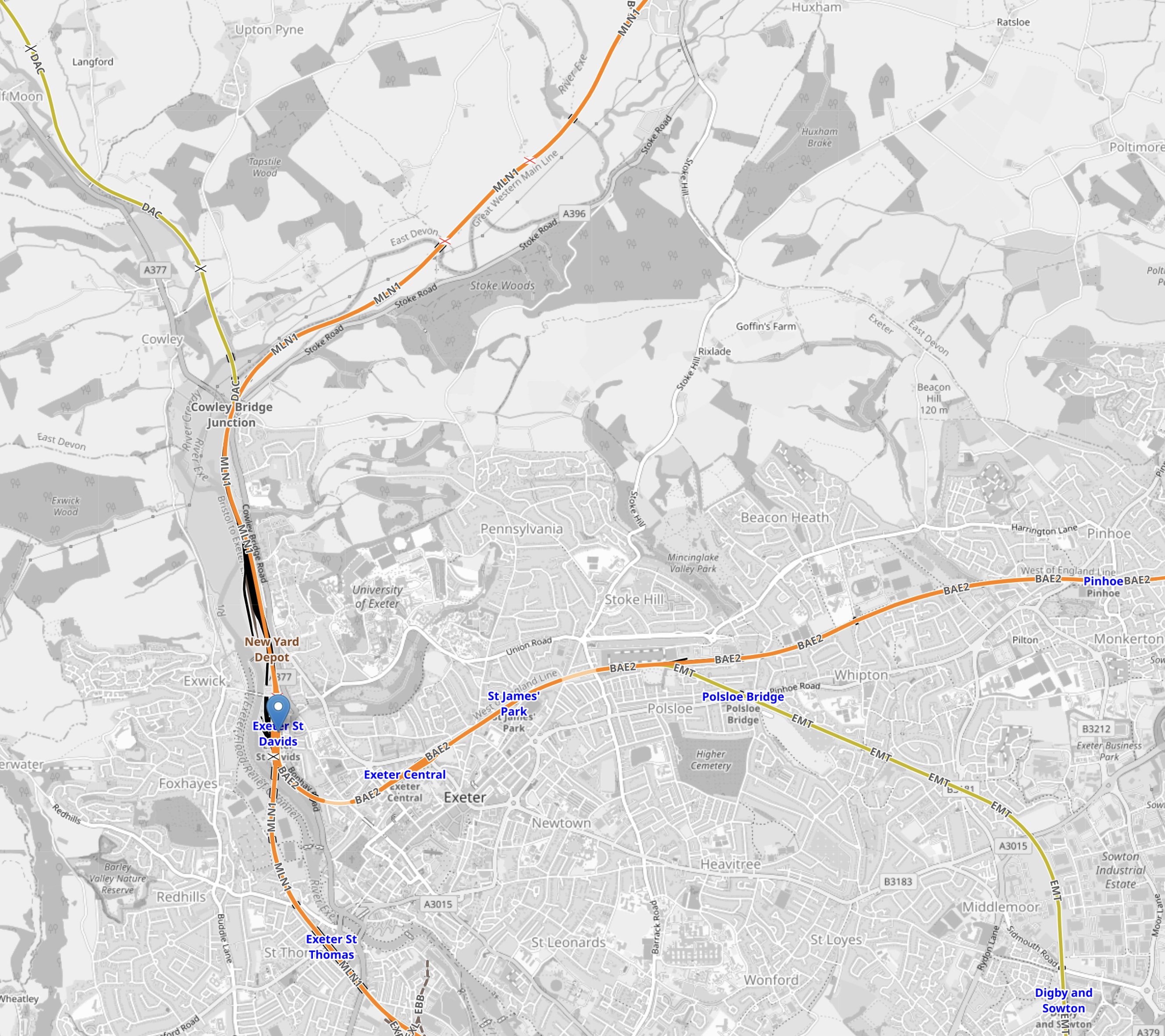
Note.
- Exeter St. David’s station is indicated by the blue arrow.
- The yellow track going North-West leads to the Tarka Line for Barnstaple station and the Dartmoor Line to the Okehampton stations.
- The orange track going North-East is the Great Western Main Line to Taunton, Swindon, Reading and London Paddington.
- The orange track going East is the West of England Main Line to Salisbury, Basingstoke and London Waterloo.
- The yellow track going South-East is the Avocet Line to Exmouth station.
- The orange track going South is the South Devon Main Line to Dawlish, Newton Abbot, Plymouth and ultimately to Penzance.
To access the Dartmoor Line and Okehampton Parkway station.
- Trains from the Great Western Main Line would need to reverse in Exeter St. David’s station.
- Trains from the West of England Main Line would go straight through Exeter St. David’s station.
Note.
- Currently, some trains go between the Tarka Line and Exmouth, by going straight through Exeter St. David’s station.
- I said earlier in this post, that trains serving Okehampton Parkway station would need to be short or use selective door opening.
- South Western Railway have an hourly service between Exeter St. David’s and London Waterloo, that starts from Exeter St. David’s station and could be occasionally extended to Okehampton Parkway station.
- Great Western Railway have a two-hourly service between Exeter St. David’s and London Waterloo, that starts from Exeter St. David’s station and could be occasionally extended to Okehampton Parkway station.
I believe it would be possible to run occasional services between London and Okehampton Parkway station.
 The Anonymous Widower