Naked Football
My house was designed by an architect, but built by the worst form of cost-cutting builder. As the house has a lot of windows facing South, I suspect the architect specified air-conditioning. But the builder left it out!
I fitted a single unit, which helped keep the temperatures fairly good.
Then it failed and the rip-off firm who fitted it couldn’t fix it. They told me, they’d never seen a system like it, when they came for the service. They took my money and now it sits there like a folly in my living room.
Last week, I finally got my TV aerial system fixed and for the first time in about two years I can get a good signal in my bedroom, as well as my living room and the downstairs bathroom.
My bedroom is at times, the only reasonably cool room in hot weather in the house.
So now, by getting naked, I can watch the football in comfort.
A Redbrick Station For A Redbrick University
My late wife; C and myself, met at Liverpool University in the 1960s.
Liverpool considers itself as the Original Redbrick on its web site.
This Google 3D visualisation shows why.

Note.
- This 3D picture was taken from the East.
- The white building in the bottom-right corner is the Electrical Engineering and Electronics, where I did most of my studying.
- The building above it is the Harold Cohen Library.
- The clock tower in front is part of the Victoria Building.
There’s a lot of redbrick on the University site.
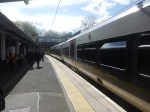
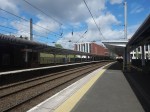
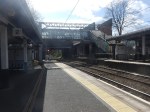
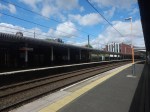
These pictures show University (Birmingham) station.
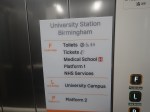
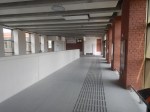


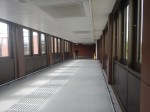
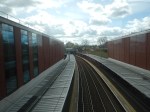
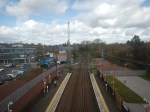
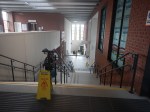
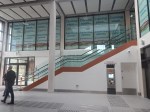
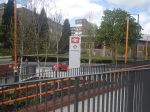
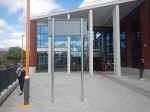

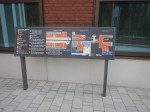
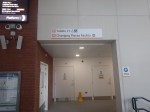
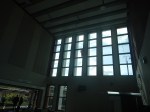
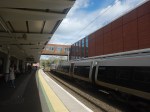
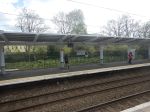
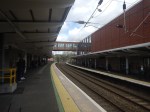
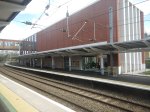
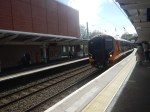
Note.
The Architects didn’t spare the red bricks.
- The station has an NHS Clinic
- The bridge has lifts and steps.
- There is a lot of glass.
There are a pair of bi-sexual toilets, which seems to the standard for new stations these days.
Will Other Universities Want A Station?
Here are a few thoughts.
Liverpool University
I wrote about the possibility in A Railway Station At Liverpool University.
This is an extract.
In Liverpool’s Forgotten Tunnel, I showed this map, which shows a proposed reopening of the Wapping Tunnel as a passenger route between Liverpool Central and Edge Hill stations.
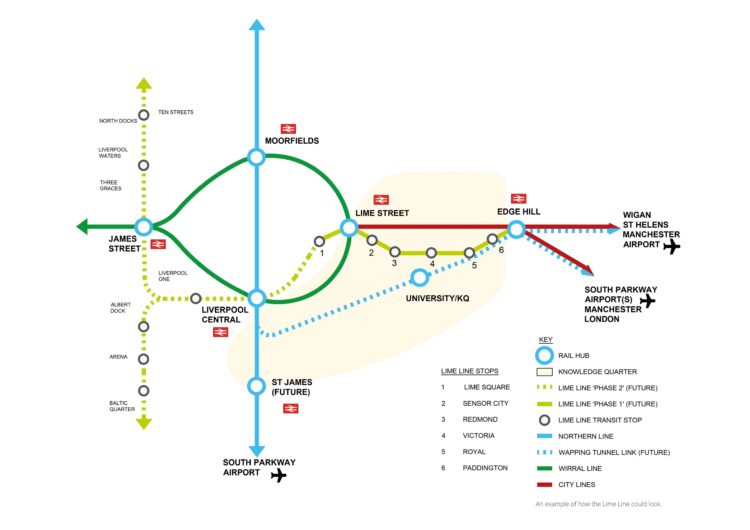
Note.
- The map shows a station at University
- The Wapping Tunnel is shown as a dotted blue line.
- Between four and eight trains per hour (tph) would be running through University station.
Liverpool has other projects on its mind at present, but I wouldn’t rule it out in the future.
Manchester University
This Google Map shows the location of Manchester University.
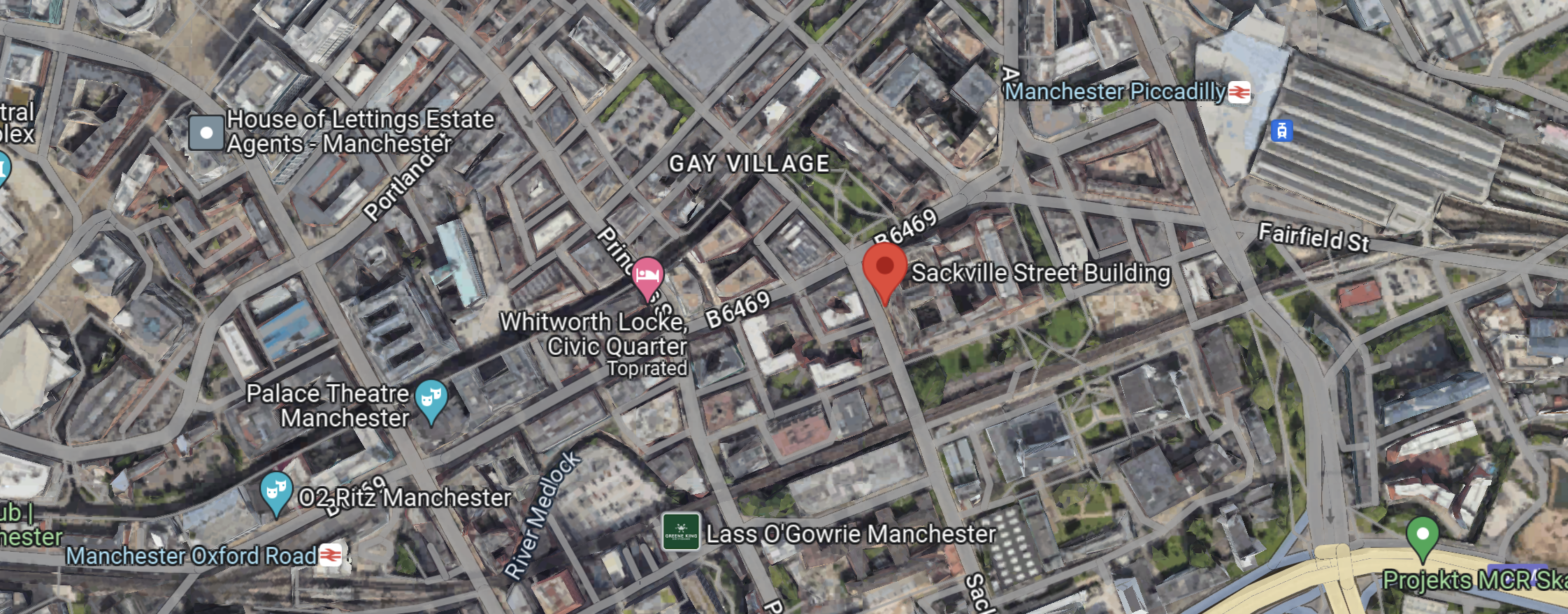
Note.
- The red arrow picks out a notable building in the University.
- Manchester Piccadilly station is in the North-East corner of the map.
- Manchester Oxford Road station is in the South-West corner of the map.
- In recent years I’ve walked between the two stations.
- The Castlefield Corridor passes through the University.
A station on the Castlefield Corridor could be a possibility.
Bruce Grove Station Restored To 1872 Glory
The title of this post, is the same as that of this article on the BBC.
This is the sub-heading.
Renovations at Tottenham’s Bruce Grove Station have breathed life into its disused rooms and paid homage to its Victorian history.
These three paragraphs outline the project.
Following structural repairs, the London Overground station now has a new community space and waiting room.
Haringey Council has worked in partnership with others to improve the station and its accessibility.
Work was completed in December 2023 and arrangements for using the community space will be finalised soon.
These are pictures I took this morning.
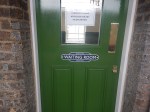

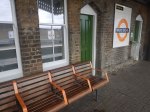
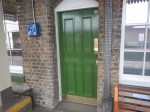
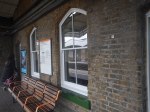
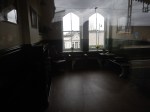
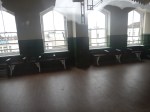
Note.
- The work is to a very high standard.
- Two rooms have been refurbished.
Other stations probably have rooms like these, that could be refurbished.
Improvements To Southbury Station
This post on IanVisits is entitled Enfield Council Outlines Possible Rail Station Upgrades.
By reading Enfield Council documents, Ian has found possible station improvements that might happen.
Ian says this about Southbury station.
A mixed-use redevelopment of the Morrisons and Tesco supermarkets on either side of the station which could add about 820 new homes would also be expected to contribute to improvements at the railway station.
The redevelopment of the Crown Road lorry park would be expected to improve cycle and pedestrian routes to the station.
This Google Map shows the station.
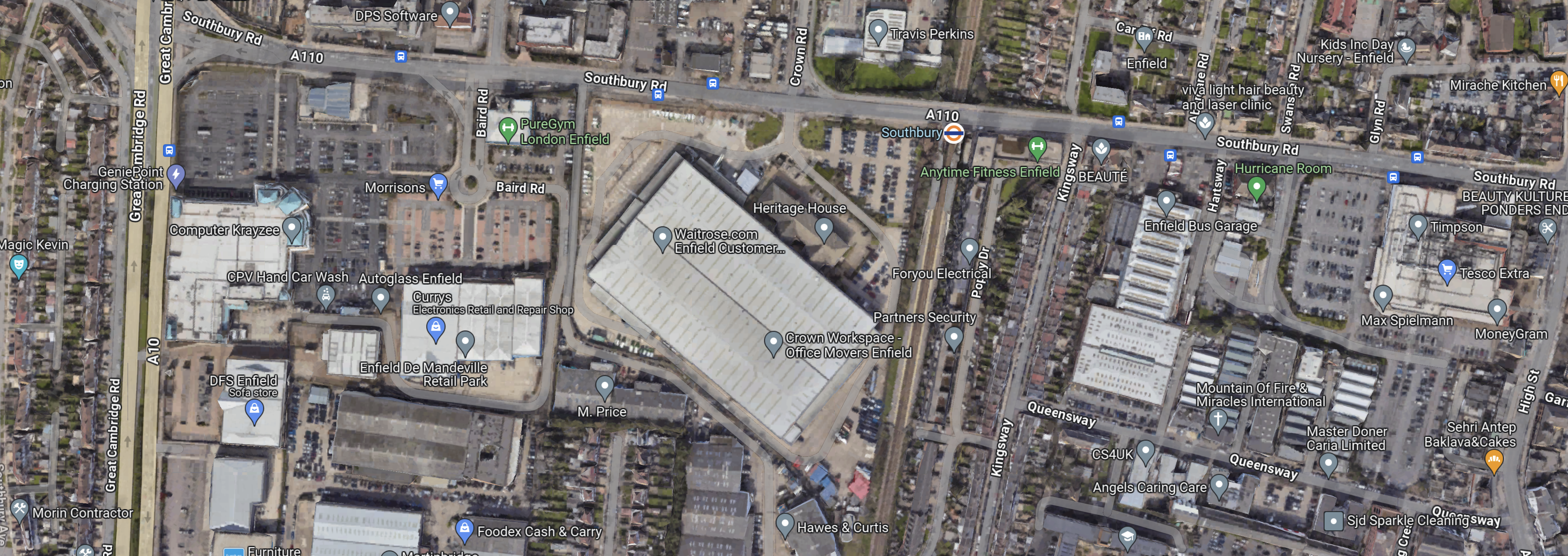
Note.
- The London Overground orange roundel indicates the station.
- The station is on Southbury Road, which runs East-West across the map.
- At the Western edge of the map, the dual-carriageway is the A10.
- Morrisons is to the South-East of the junction.
- Tesco is at the Eastern edge of the map.
This Google Map shows the Morrison’s site.
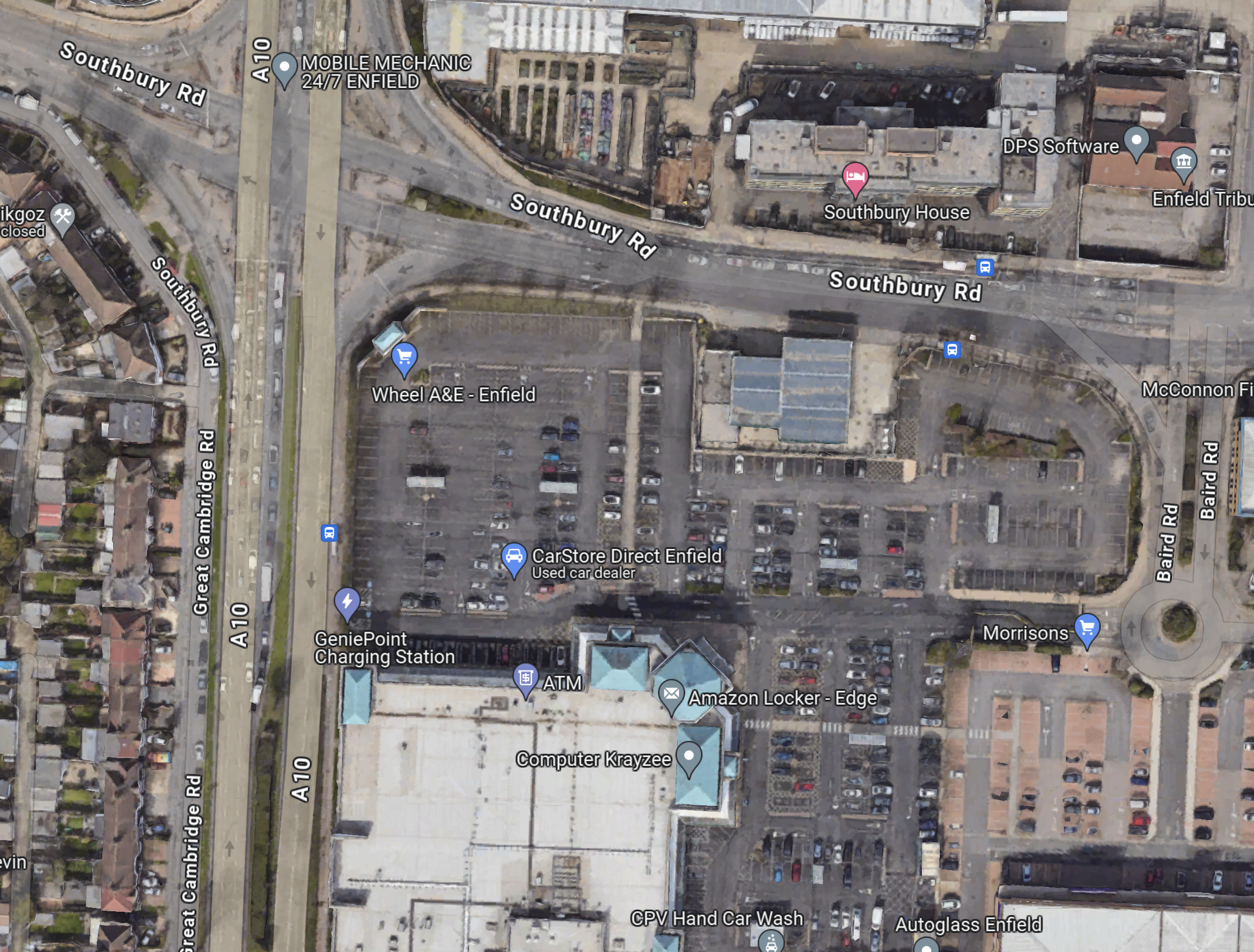
Today, there is an article in The Times, which is entitled Morrisons To Sell Petrol Forecourts.
Perhaps, Morrisons have told Enfield Council, that they wouldn’t be against a mixed development.
This Google Map shows the Tesco site.
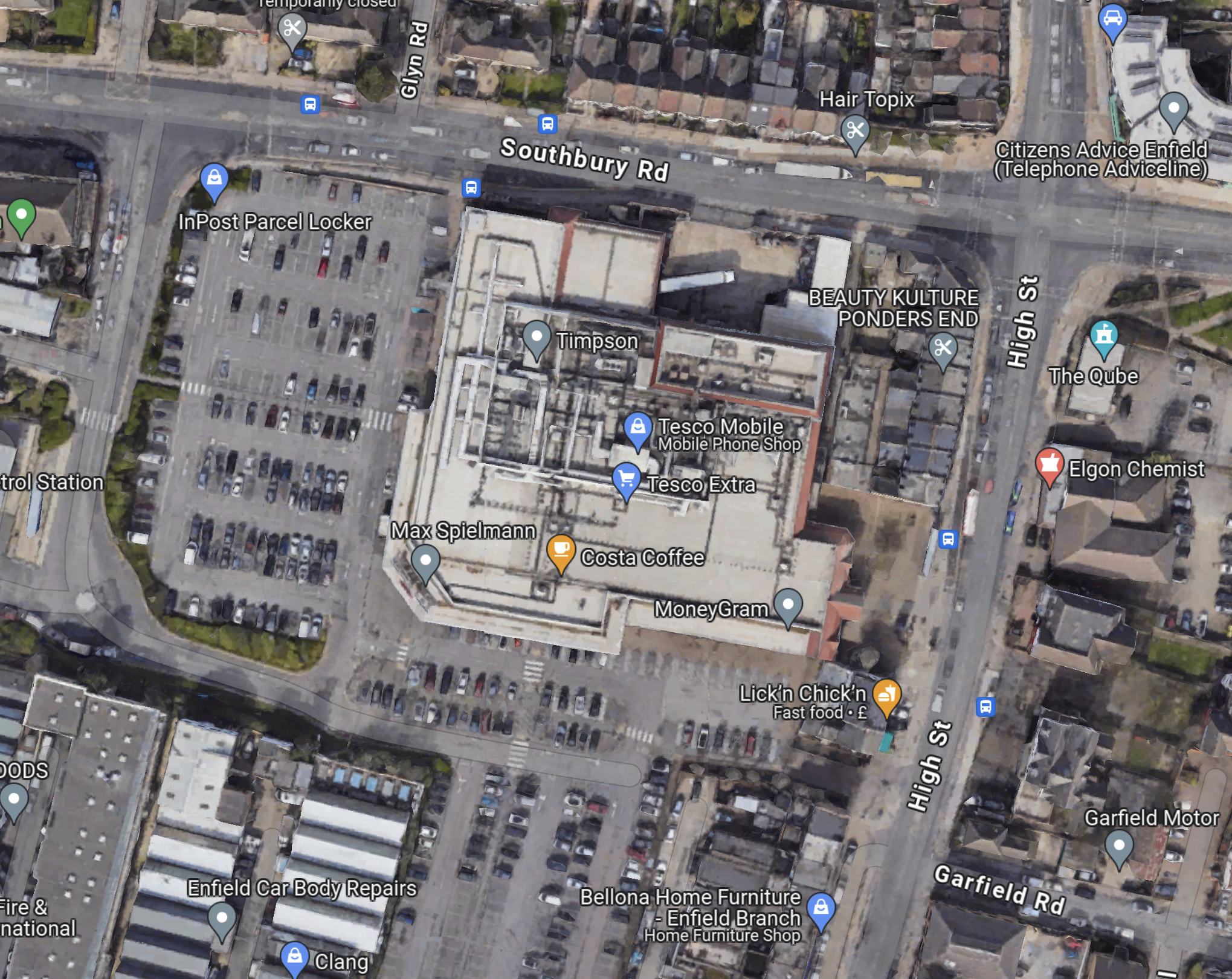
The two sites, if they were rebuilt with flats on top of new supermarkets could yield a lot of new housing.
I took these pictures of the station.
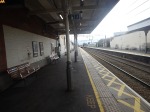
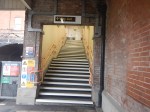

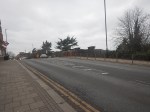
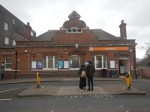

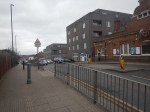
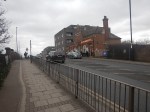


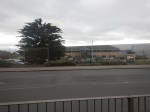

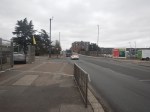
Note.
- The station has an attractive building.
- The station sits on a bridge over the railway.
- The station needs lifts, a light-controlled crossing across the busy road and a professional makeover.
- The two supermarkets are about 500 metres from the station.
- The bus stops are badly-placed for the station entrance.
- The art-deco building is the former Ripaults factory and is Grade II Listed.
But by spending a bit of money, it could be a much better station.
The Platform 1 End Of Victoria Station – 2nd August 2023
I took these pictures of Platform 1 at Victoria station and Wilton Road, which runs along the side of the station.
This gallery shows Platform 1, how it is accessed and the retail units that you pass to access the platform.
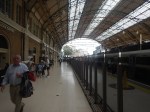


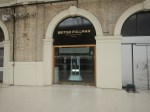
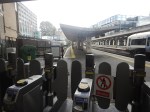
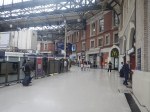
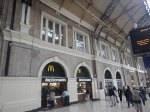
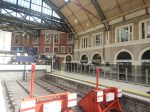
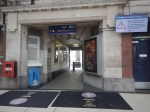
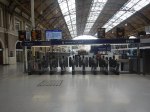
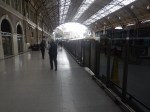

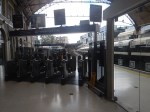
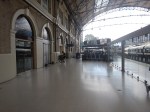
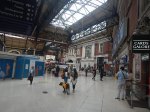
Note.
- The glass barrier between the retail units and the toilets and Platform 2.
- Passengers for Platform 1 have to walk down to gates that are at the far end of the retail units.
- The Victoria end of Platform 1 is set back from the other platforms.
This gallery shows Wilton Road.






Note.
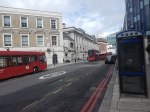
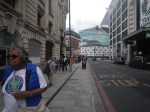
- Wilton Road is immediately outside of the station
- Parts of the outside of the station has quality stonework.
- There is a bus stand close to the station.
- There is a taxi rank on the other side.
- There is an entrance to the station.
- There is also an entrance to the Underground station, if you walk to the front of the station.
This gallery shows Hudson’s Place.




Note.
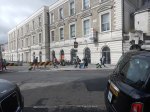
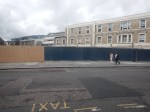
- The shops inside the station by Platforms 1 and 2 are behind the three-story Victorian facade.
- An M & S sign is in one window.
- There is an entrance to the station.
What is happening behind the hoardings in the middle of Hudson’s Place?
This gallery shows Platforms 1 and 2.
Note.
- Platform 1 is surprisingly long,
- I’ve seen steam specials in the platform with the engine at the country end.
- Platform 2 is also long.
This gallery shows the gateline upgrade and a few odds and sods.

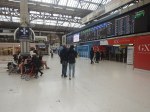
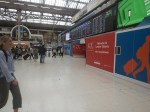
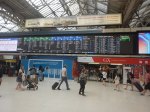
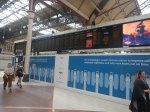
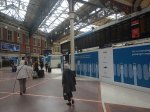
Note.
- The platforms 3 and 4 would appear to be shorter and can only take eight-car trains.
- The gatelines in the two halves of the station are being upgraded and new destination boards are being upgrade.
This table gives the platform lengths for Platforms 1 to 7.
- Platform 1 – 270 metres
- Platform 2 – 359 metres
- Platform 3 – 180 metres
- Platform 4 – 203 metres
- Platform 5 – 247 metres
- Platform 6 – 245 metres
- Platform 7 – 286 metres
Note.
- Platforms 3 and 4 will only take eight-car trains, which are 160 metres long.
- All other platforms will take twelve-car trains, which are 240 metres long.
- A single High Speed Two Classic Compatible Train os 200 metres long.
This OpenRailwayMap shows the platforms at Victoria station.
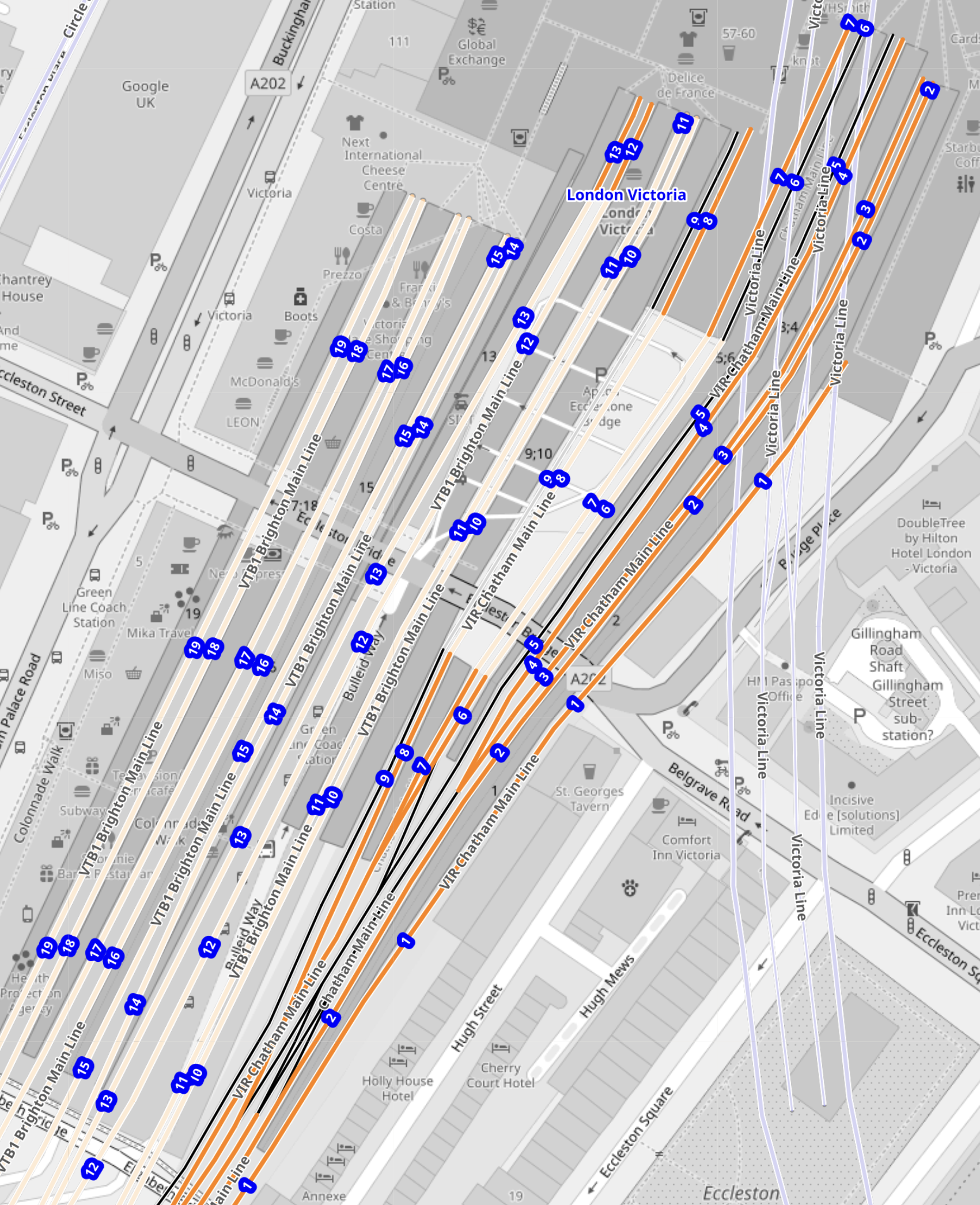
Note.
- The platforms are numbered starting with one on the right.
- The blue numbers give the platform numbers.
- Platform 1 is stepped-back from all the others.
- Platform 2 is the longest platform.
- Platforms 1 and 2 share an island platform.
This second OpenRailwayMap shows the North-East corner of the previous map to a larger scale.
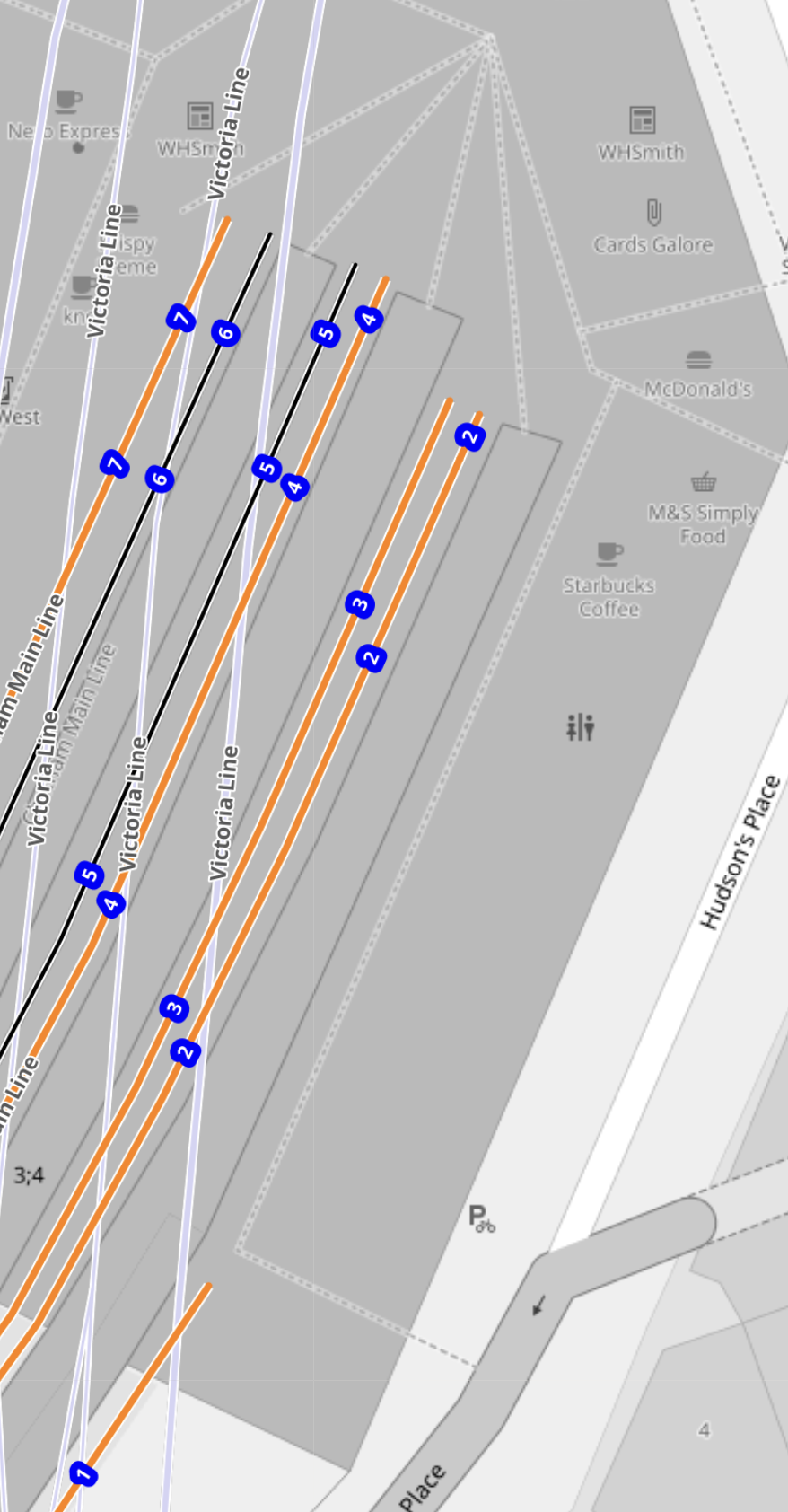
Note that there are retail units for WH Smith, Cards Galore, McDonalds, M & S Simply Food and Starbucks, toilets and a reception area for British Pullman.
Could this area be revamped to be a Customs and Immigration are for passengers going to and from Europe?
- I estimate the area available is about twenty-five metres wide over a hundred metres long.
- There are also two extra floors above the ground floor.
- It might be possible to build over part of Hudson’s Place outside of the station.
I suspect that, if the space is efficiently used, that a secure and efficient Customs and Immigration facility, that would handle perhaps four trains per hour (tph) could be created.
Thanet Parkway Station – 31st July 2023
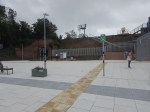
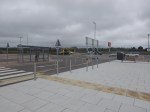
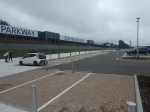
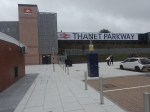
Thanet Parkway station opened yesterday, so I went to have a look.
I took these pictures.
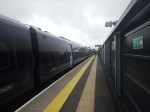
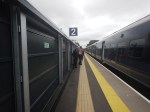
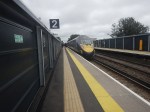
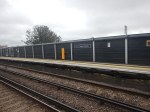
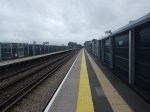
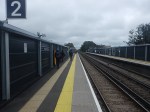
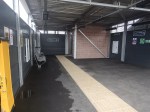
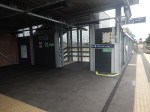
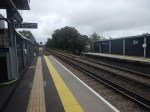
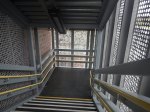

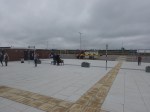
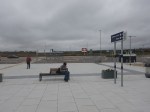
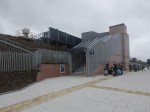
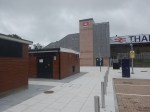
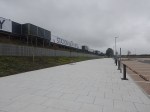
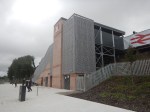
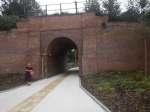
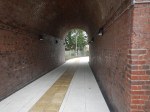
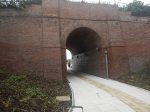
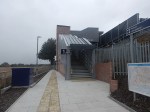

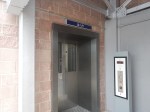
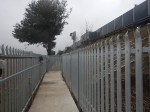
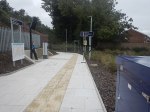
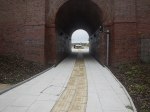
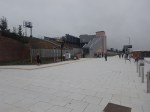
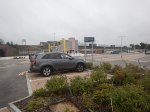
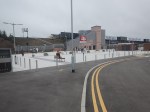
Note.
- I arrived in a twelve-car Class 395 train and the platforms handled it with ease.
- Both platforms are served by steep stairs and a lift.
- There seems to be 293 car parking spaces and 16 accessible spaces according to the National Rail information page.
- The only worthwhile architectural feature is the use of the existing tunnel to cross under the tracks.
But this station seems to be defined more by what it doesn’t have.
- No cafe or pub within walking distance.
- No convenience store to pick up a few supplies on the way home.
- No chargers for electric vehicles.
- No toilets.
- No staff.
It is a rather underwhelming station.
I have some further thoughts.
Last Train Home
In the early years of this century, C and myself would often spend a day in London, shopping, watching a show and probably having a meal.
- We generally used to drive up from Suffolk and would park near King’s Cross.
- Although, sometimes we would take the train from Whittlesford Parkway station to the South of Cambridge.
So out of curiosity, I looked at the last train to Thanet Parkway yesterday.
It had these times.
- St. Pancras International – 22:37
- Stratford International – 22:44
- Thanet Parkway – 23:50
- Ramsgate – 23:57
- Broadstairs – 00:02
- Margate – 00:07
It could enable long days out or late working in London.
Not Enough Trains
I believe that one train per hour (tph) is not a frequent enough service to London for this station.
Other nearby stations have the following HighSpeed services to St. Pancras International.
- Ramsgate – 3 tph
- Broadstairs – 2 tph
- Margate – 2 tph
In addition, these three stations get a 1 tph stopping service to Victoria.
Perhaps there could be a Thanet Loop service from St. Pancras International.
- It would run via Stratford International, Ebbsfleet International, Gravesend, Strood, Rochester, Chatham, Gillingham, Rainham, Sittingbourne, Faversham, Whitstable, Herne Bay, Birchington-on-Sea, Margate, Broadstairs. Ramsgate, Thanet Parkway, Canterbury West, Ashford International, Ebbsfleet International and Stratford International.
- It would also run both ways at a frequency of 1 tph.
- I estimate that a train to go round the loop would take three hours and thirteen minutes.
This would probably mean fourteen trains would be needed to run the service.
I don’t think they probably have enough.
Eltham Station – 6th July 2023
I’d never used Eltham station until yesterday. But as I’d documented half of bus route 132 for Exploring London Bus Route 132, it seemed a good place to start following the second part.
I took these pictures as I passed through.
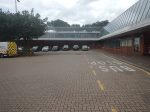
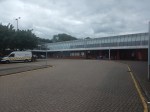


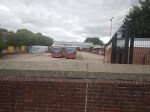


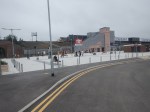
The station is an unusual design, which is summed up, in this paragraph from the stations, Wikipedia entry.
Both stations were closed and replaced by the current station which was opened by British Rail on 17 March 1985 when a new section of the A2, the Rochester Way Relief Road, was opened. A bus station that was built on a raft above the A2 was opened at the same time.
This Google Map shows the layout of the station.
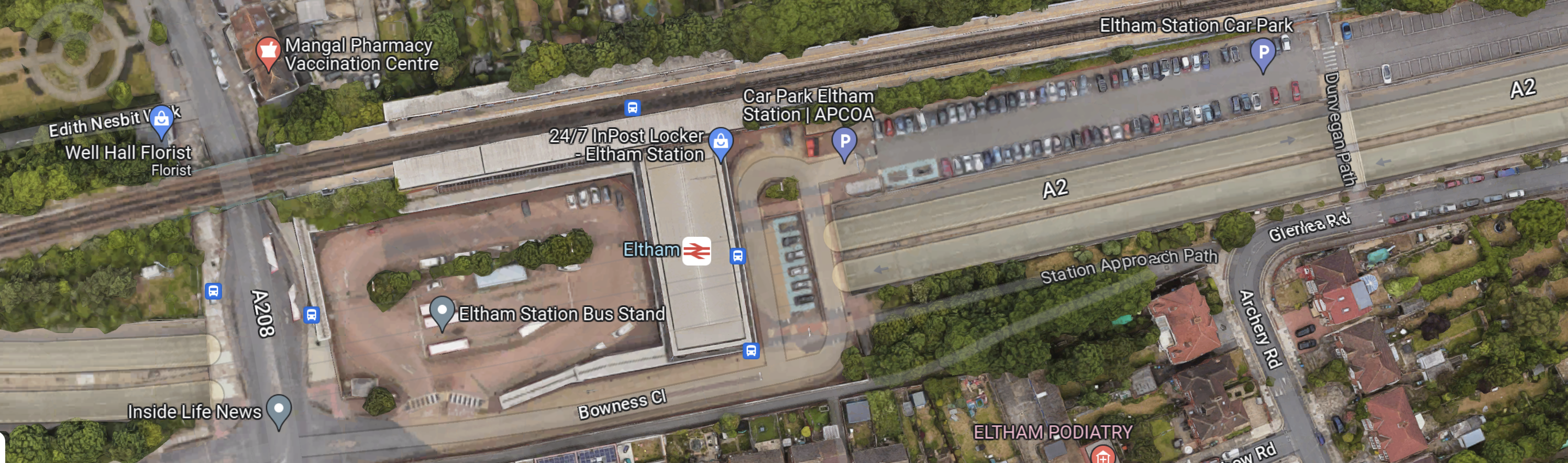
Note.
- The station is step-free using ramps.
- There are no lifts, but I suspect they could be easily added.
- On my visit yesterday, I hadn’t realised that there was a dual-carriageway road underneath the station.
- It is a comprehensive interchange between trains and buses.
For the 1980s, it is an excellent example of a station built to modern principles.
The underlying principle of this station could be used to create transport interchanges where railways, major rods and busy bus corridors intersect.
Could Hull Station Be Electrified?
I took these pictures, as I passed through Hull station yesterday.
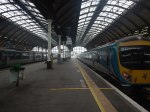
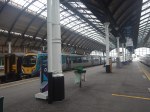
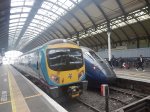
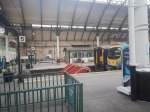
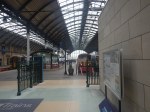


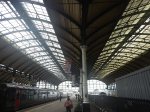
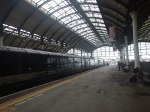
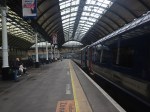

It appears that Hull station has a similar Victorian roof to Liverpool Lime Street and London Paddington, so I suspect the answer is yes.
These pictures show the platforms and overhead electrification at Liverpool Lime Street station, since the recent remodelling.


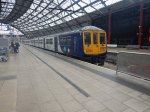
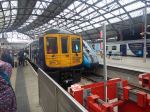
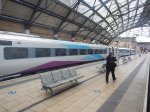


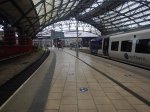

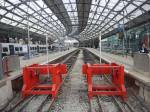
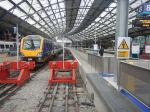

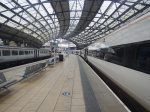

The electrification seems to be very traditional, with lots of steel gantries over the tracks.
These pictures show the platforms and overhead electrification at London Paddington station.
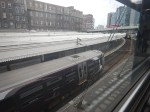
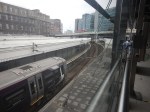
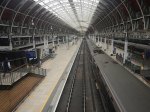
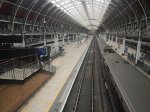
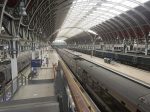
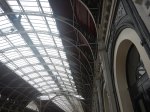

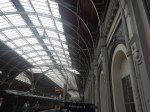
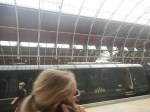
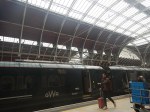
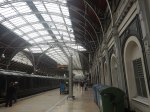
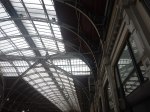
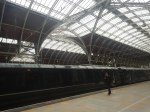
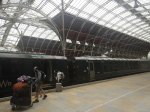
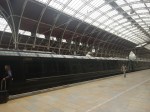
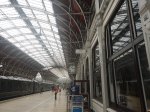
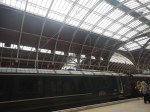
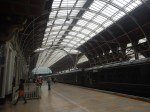
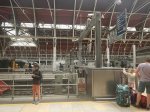
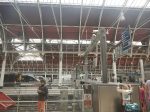
Note.
- The roof seems to have extra tie-bars reaching across.
- The wires seem to be hung from the roof.
- At the end of the platform they are fixed to large arch supports.
- Because Liverpool Lime Street’s electrification is newer than Paddington’s, it seems to have much more professional look.
After looking at the electrification in Liverpool Lime Street and Paddington, I believe that Hull station could be successfully electrified.
This map from OpenRailwayMap shows the platform layout at Hull station.
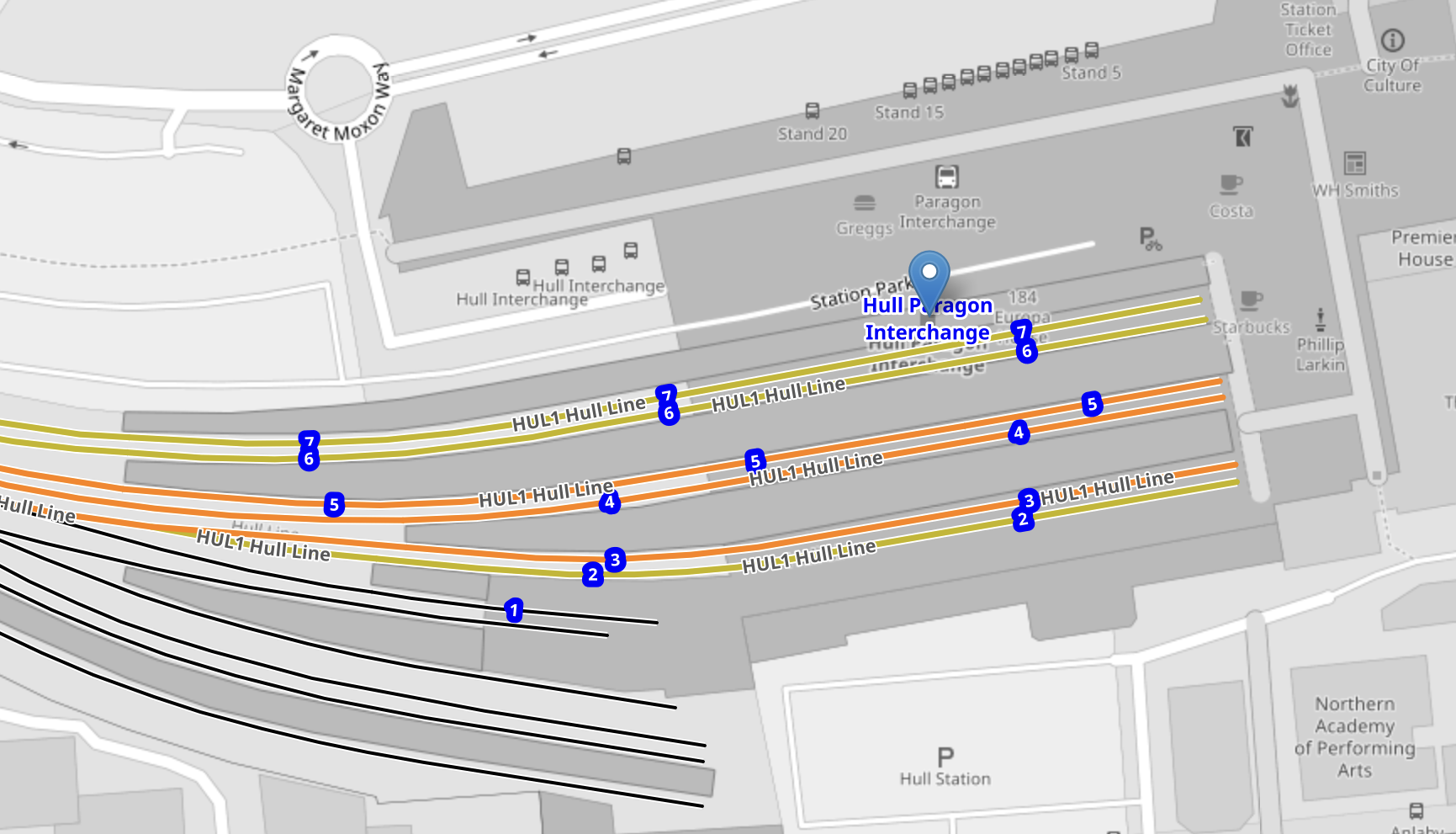
Note.
- Yesterday, my trains arrived in and left from Platform 7, which is the Northern-most platform.
- Other pictures in this blog show Hull Trains’s London service in Platform 7.
- Yesterday all Class 802 trains to and from London run by Hull Trains and LNER used Platform 7.
- I have been told by station staff, that Platform 7 can take a nine-car LNER Azuma.
- In Ten-Car Hull Trains, I talk about ten-car Class 802 trains running to and from Hull.
- Platform 7 or another platform at Hull station must be able to handle a ten-car train, which means that Hull station can handle a train, that is 260 metres long.
Looking at the station map, I believe that Hull station’s capacity for long express trains, is on a par with that of Liverpool Lime Street station.
I could see both stations handling two trains per hour (tph) across the Pennines and to and from London, with if necessary trains being formed of a pair of five-car trains.
How Many Services From Hull Station Can Be Run With Battery Trains?
Hull Trains service between London and Beverley travels for 44.5 miles on unelectrified track between Temple Hirst junction and Beverley.
Typically Hull Trains services wait in Hull station for the following times.
- Going between London King’s Cross and Beverley – Between ten and fifteen minutes.
- Returning to London King’s Cross – Upwards of twenty-five minutes.
I believe these waits in Hull station would mean that.
- A train going North to Beverley will have a battery containing enough electricity to get the train to Beverley and back, which is a distance of 16.7 miles.
- A train going South from Hull will have a battery containing enough electricity to get the train to Temple Hirst junction, which is a distance of 36.1 miles.
I believe that Hull Trains are currently working a timetable, that has been designed for operation by trains with a range on batteries of around fifty miles, provided there is electrification in at least one platform at Hull station to charge the trains.
It is also interesting to look at LNER’s two services that serve Hull.
- The 0700 to London, is scheduled to arrive at Hull station at 0635 from stabling at Doncaster and waits up to twenty-five minutes before leaving for London.
- The 2004 from London, is scheduled to arrive at Hull station at 2004 and waits up to twenty-five minutes before going South to overnight stabling in Doncaster.
It looks like LNER’s two trains follow Hull Trains rules.
- They use Platform 7 in Hull station.
- Trains going South have up to twenty-five minutes in the station.
It appears to me, that both Hull Trains and LNER are running a timetable, that would allow their services to be run using trains with a battery that had a range of around fifty miles, that could be fully-charged at Hull station before going South.
TransPennine Express run an hourly service to Liverpool Lime Street via Leeds and Manchester Victoria.
According to OpenRailwayMap’s map of electrification, when the TransPennine Upgrade is complete, the only section of the route without electrification will be the 42.1 miles between Hull and Micklefield.
As TransPennineExpress have some of the same Class 802 trains as Hull Trains, if there were at least two electrified platforms in Hull station, then Hull and Liverpool services could be run by battery-electric trains, with a similar specification to those of Hull Trains.
Northern Trains run an hourly service to Halifax via Leeds.
According to OpenRailwayMap’s map of electrification, , the only sections of the route without electrification will be the 42.1 miles between Hull and Micklefield and the 17.5 miles between Leeds and Halifax.
As Leeds and Micklefield is timetabled for seventeen minutes, I suspect this would be enough time to fully charge a battery-electric version of CAF’s Class 331 train and with charging in Hull station, then this route could be electrified.
Northern Trains also run other services, but because the Goole swing bridge is closed, I can’t get all the distances without electrification from Hull.
Ones I can find are.
- Beverley – 16.7 miles for return trip.
- Bridlington – 31.1 miles
- Doncaster – 40.8 miles
- Micklefield – 42.1 miles
- Scarborough – 53.8 miles
- Sheffield – 59.4 miles
- Temple Hirst – 36.1 miles
- York – 41.1 miles – Hull and Church Fenton
Note.
- York and Doncaster are electrified.
- Bridlington and Scarborough have suitable platforms where 25 KVAC overhead electrification could be installed to charge trains.
- Sheffield and Doncaster is only 18.6 miles and this may be the way to electrify between Sheffield and Hull.
- In The Data Sheet For Hitachi Battery Electric Trains, I state that Hitachi’s battery-electric trains have a range of 43.5 miles
It looks if enough platforms are electrified at Hull, all current services from the city could be run by battery-electric trains.
Conclusion
I believe that by electrifying Hull station, that Hull could have a station consistent with the HumberZero philosophy, with battery-electric trains running hither and thither, handling all rail traffic to and from the City.
SWR Complete Major Refurbishment On 85-Year-Old Malden Manor Station
The title of this post, is the same as that of this article on Global Railway Review.
So I thought I’d go and take a look at Malden Manor station.
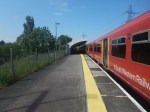

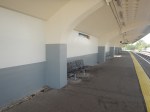

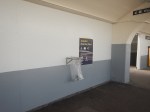


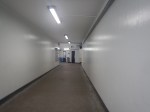
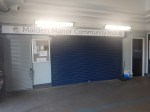

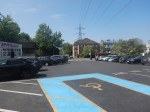
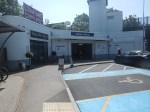


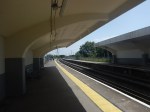

Note.
- The station was built in the 1930s.
- It will be part of Crossrail 2, if it’s ever built.
- The cafe is worth a visit.
The station certainly seems to have benefitted from a deep clean up and a new coat of paint.
Peckham Rye Station – 26th May 2023
The roof of the station now appears to be complete.


This article on Ian Visits, describes the use of real gold in the work.

