Clapham High Street Could Gain Direct Overground Routes To Victoria Station
The title of this post, is the same as that of this article on the Clapham Nub News.
These two paragraphs introduce the article.
Local councillors and the Clapham Transport Users Group have been in discussions with Network Rail about the direct route once the current ‘Networker’ trains are replaced.
Clapham High Street lost its direct services to Victoria in December 2012 when the South London Line was withdrawn in favour of the London Overground to Clapham Junction.
This forces passengers onto the Northern Line, which through Clapham has two dangerous-looking stations; Clapham Common and Clapham North.

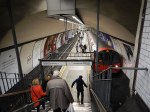
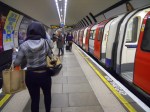
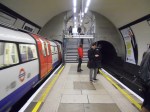
I have a few thoughts and observations.
Clapham High Street Station
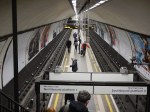
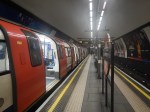
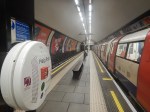
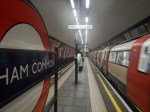
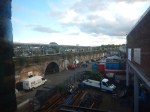
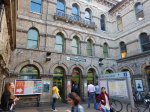
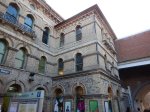
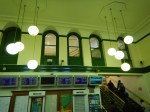
These pictures show Clapham High Street station.
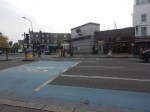
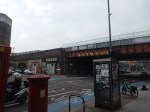
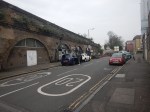
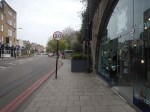
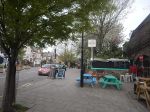
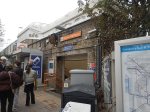
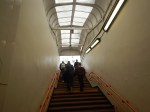
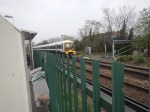
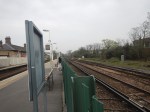
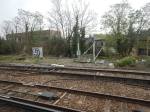
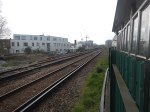
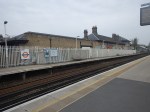
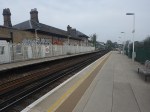
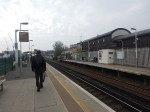
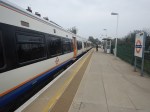
Note.
- The station is Grade II Listed.
- There are four tracks through Clapham High Street station.
- Only the lines used by the London Underground have platforms.
- I don’t think it will be difficult to add platforms to the other two tracks.
- The platforms will probably take five-car trains.
- Access to the platforms is by a subway, which could probably be extended to the other side of the tracks.
- A second entrance would be closer to Clapham North station.
- I suspect step-free access would not be too difficult to install.
- The tracks are over railway arches, which could be developed to add to the quality businesses in the area.
This Google Map shows the station.
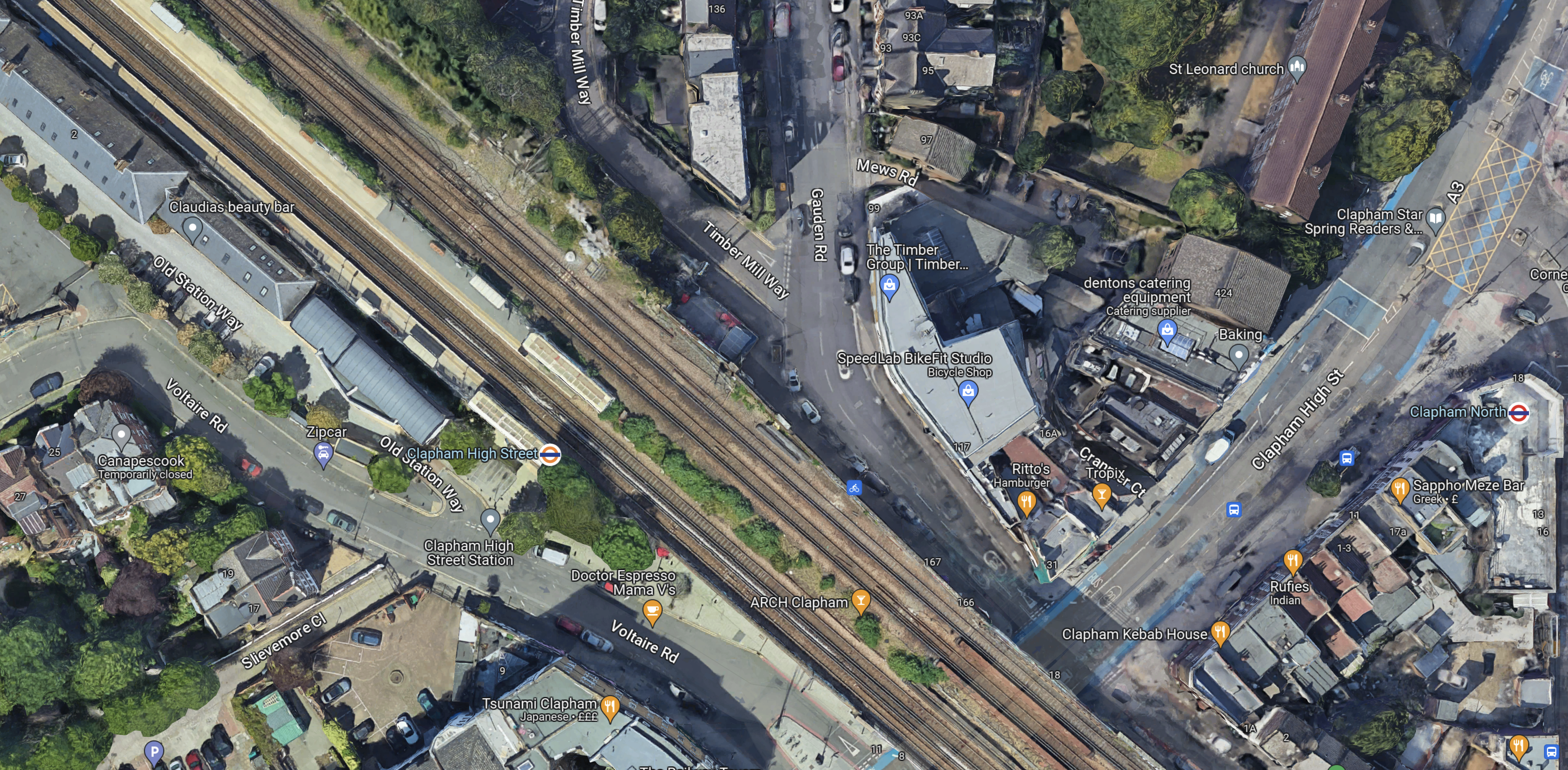
Note.
- Clapham High Street station is in the North-West corner of the map.
- Clapham North station is at the Eastern edge of the map in the middle.
- There seems plenty of space for two more platforms.
I think there is a lot of scope to improve this station.
Tracks Through Clapham High Street Station
This map from cartometro.com shows the tracks through Clapham High Street station.

Note.
- The Overground tracks are shown in orange and black.
- The fast lines, which are to the North of the Overground lines are shown in black.
- Shepherds Lane and Voltaire Road junctions allow trains on the fast lines to call in Clapham High Street station.
I suspect full digital signalling will be employed for efficiency of handling the junctions.
Services Through Clapham High Street Station
These services run through Clapham High Street station.
- London Overground – Dalston Junction and Clapham Junction – four tph – Goes via Denmark Hill and Peckham Rye
- Southeastern – London Victoria and Ashford International – one tph – Goes via Brixton, Herne Hill and West Dulwich
- Southeastern – London Victoria and Dartford – two tph – Goes via Denmark Hill, Peckham Rye, Nunhead and Lewisham
- Southeastern – London Victoria and Dover Priory – one tph – Goes via Brixton, Herne Hill and West Dulwich
- Southeastern – London Victoria and Gillingham – one tph – Goes via Denmark Hill, Peckham Rye, Nunhead and Bromley South
- Southeastern – London Victoria and Orpington – two tph – Goes via Brixton, Herne Hill and West Dulwich
- Southeastern – London Victoria and Ramsgate – one tph – Goes via Brixton, Herne Hill and West Dulwich
Note.
- tph means trains per hour.
- The London Overground services could be increased to 6 tph.
- Only the London Overground services stop in Clapham High Street station.
- The Dartford, Gillingham and Orpington trains are pathed for 90 mph trains.
- The Ashford International, Dover Priory and Ramsgate trains are pathed for 100 mph trains.
It is a comprehensive timetable.
Southeastern’s New Trains
In Battery EMUs Envisaged In Southeastern Fleet Procurement, I wrote about Southeastern’s proposed new trains.
Full details haven’t been announced yet, but I think we can be sure of the following.
- The first trains to be replaced will be the Networker trains, because they are the oldest and slowest.
- The new trains will have selected door opening (SDO), as this a feature of nearly all modern trains.
- I also suspect the trains will be capable of running at 100 mph and will be five cars long, with the ability to run in pairs.
This will enable the new trains to cross over from the fast lines to the Overground lines to stop in Clapham High Street station.
How Many Trains Would Stop At Clapham High Street Station?
Currently trains passing through the station are as follows.
- London Overground – 4 tph – Stopping
- Southeastern – 3 tph – 100 mph services to Ashford International, Dover Priory and Ramsgate – Non-stop
- Southeastern – 5 tph – 90 mph services to Dartford, Gillingham and Orpington – Non-stop
Note.
- It is likely that the London Overground service will go to 6 tph.
- Would 100 mph services always go through without stopping?
- In an ideal world would it be best if services alternated?
I suspect that a better service could be provided between Clapham High Street and Victoria with very little expenditure on infrastructure.
High Speed One Issues
An article in the July 2017 Edition of Modern Railways is entitled Kent On The Cusp Of Change.
The article suggests that Fawkham junction, could be used to allow Southeastern Highspeed services to access Victoria as a second London terminal, to increase capacity on High Speed One.
The route could be via Clapham High Street, Denmark Hill, Bromley South, St. Mary Cray, Swanley and Farningham Road.
The Arches Underneath
There are several railway arches underneath the tracks at Clapham High Street station.
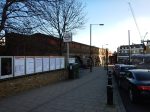
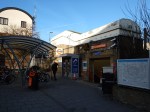
Some of the businesses look good and there are several other arches that are boarded up.
Railway arches are now generally owned by The Arch Co.
In Findlater’s Corner At London Bridge – 11th February 2023, I wrote about the company’s restoration of some arches at London Bridge station, which included these pictures.
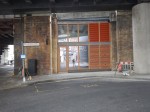
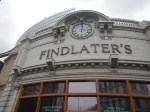

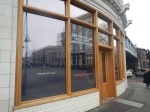
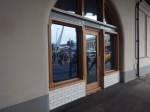
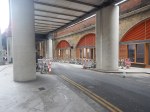
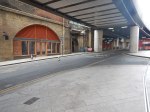
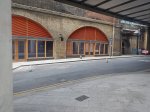
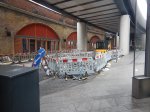
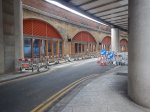
I suspect that a similar restoration in up-market Clapham could be a good investment for The Arch Co.
A Four-Platform Clapham High Street Station
Consider.
- There is space for two new platforms alongside the fast lines.
- The station entrance is in an arch, that goes right under the tracks.
- Putting lifts in an arch would not be the most challenging of tasks.
- A second entrance in Gauden Road would be nearer Clapham North Underground station.
- It should also be remembered that the Government is giving out levelling up funding.
- Hackney is to receive this type of funding and I wrote about it in Hackney Central Before Levelling Up.
I can see a fully-accessible four-platform station being built at Clapham High Street station.
Denmark Hill Station
Denmark Hill station is the next station to the East of Clapham High Street station and after a rebuild is now a high quality station, with these features.
- Four tracks and platforms.
- Frequent trains to Ashford International, Clapham Junction, St. Pancras, Victoria and Whitechapel.
- Full step-free access with lifts.
- A solar roof.
- A Grade II listing.
- King’s College and Maudsley Hospitals are next door.
- A pub.
I wrote about the station in Denmark Hill Station – 4th September 2021.
These are a few pictures.

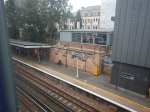


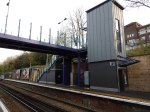
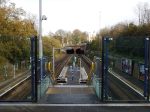
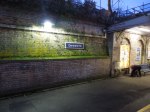
Note the solar roof. There’s more about the roof on this page of the BiPVco web site.
On the About page, there is a section called Our Story, where this is said.
BIPVco was established in April 2015 following five years of collaborative research between Tata Steel LCRI (Low Carbon Research Institute) and Swansea University with support from the Welsh government.
The research program developed ways of integrating thin-film CIGS PV cells directly onto the same substrates that make roofs and walls so that true BIPV functionality would become integral to the building envelope and could be achieved without having to resort to heavy on site mounting systems.
Our manufacturing processes were further enhanced to suit commercial production, and the products and procedures were tested and accredited before commercial launch.
Working with select partners, we designed and built many pilot PV integrated roofs between 2015 and 2017 in varying climates, including Nigeria, Canada, UAE and the UK, to demonstrate product suitability in all environments. The full commercial launch was effected in June of 2017.
They certainly seem to have taken solar panels to a new level.
I would also rate Denmark Hill station one of the finest suburban railway stations in the world!
Peckham Rye Station
The next station to the East of Denmark Hill station is Peckham Rye station.
Like many other stations and buildings in London, including the original Denmark Hill station, Peckham Rye station was designed by Charles Henry Driver.
These are some pictures, I’ve taken over the years at Peckham Rye station.
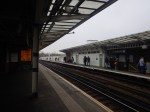
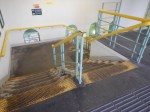
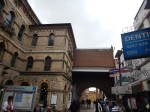
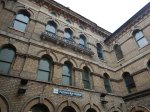
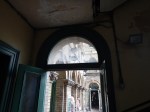
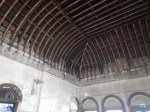
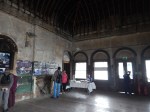
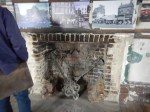
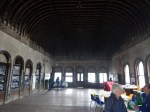
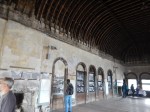
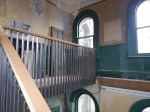
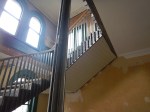
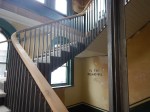
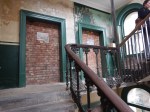
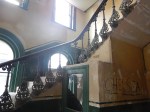
Note.
- It is a very busy station.
- I’ve read somewhere, that it is the busiest station in the UK, without any step-free access.
- It could be a magnificent station.
- One of the people driving this project is the architect; Benedict O’Looney.
This page on the Network Rail web site is entitled Peckham Rye Station Upgrade and it starts with this statement.
On 7th March 2022, we submitted Planning Permission and Listed Building Consent applications to upgrade Peckham Rye station to make it fully accessible with more capacity and better facilities for passengers.
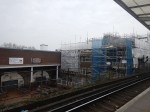
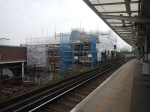
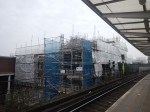
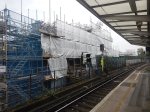
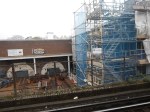
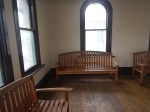
It’s all a bit out of date, but these pictures, that I took this morning, indicate that something is progressing.

This article on IanVisits gives a few more details.
South London Crosslink
The South London Crosslink, doesn’t seem to have a website or a Wikipedia entry.
But it is mentioned in a question and answer to the London Mayor.
In response to this question.
Will you consider bringing the Victoria rail service back to Clapham High Street station and providing direct trains to Brixton, Herne Hill, and Bromley South?
The Mayor gave this answer.
The Department for Transport (DfT) is responsible for these services, as they run Southeastern railway as operator of last resort. Transport for London (TfL) is not opposed to the existing Southeastern services to and from Victoria making additional calls at Clapham High Street should the DfT, wish to take the idea forward.
There are however several practical issues that would need to be taken into consideration, and any changes to the service would be subject to cost-effective solutions being found to these.
The Clapham High Street platforms are too short for the eight-car trains used on the Victoria to Dartford and Orpington metro routes, and the existing rolling stock lacks a safety intervention called “Selective Door Opening” that enables trains to call at a station where the platform is shorter than the train. There are also technical restrictions, such as the frequent routing of these services along an adjacent pair of tracks which do not have any platforms, which would make implementation difficult using the existing railway infrastructure. Finally, there would need to be clear consideration on the wider capacity of the rail network and the robustness of the timetable. All of these concerns could affect the value for money of any proposal for these services to call at Clapham High Street station.
As I showed earlier, it looks like new trains will solve most of these problems. If they don’t, then the wrong trains have been ordered.
But there’s still not much about where the route will go after Peckham Rye, except for vague mentions of Dartford and Orpington.
I asked a friend and they said the South London Crosslink could possibly go to Bellingham.
This map from cartometro, shows the route between Denmark Hill and Crofton Park stations.
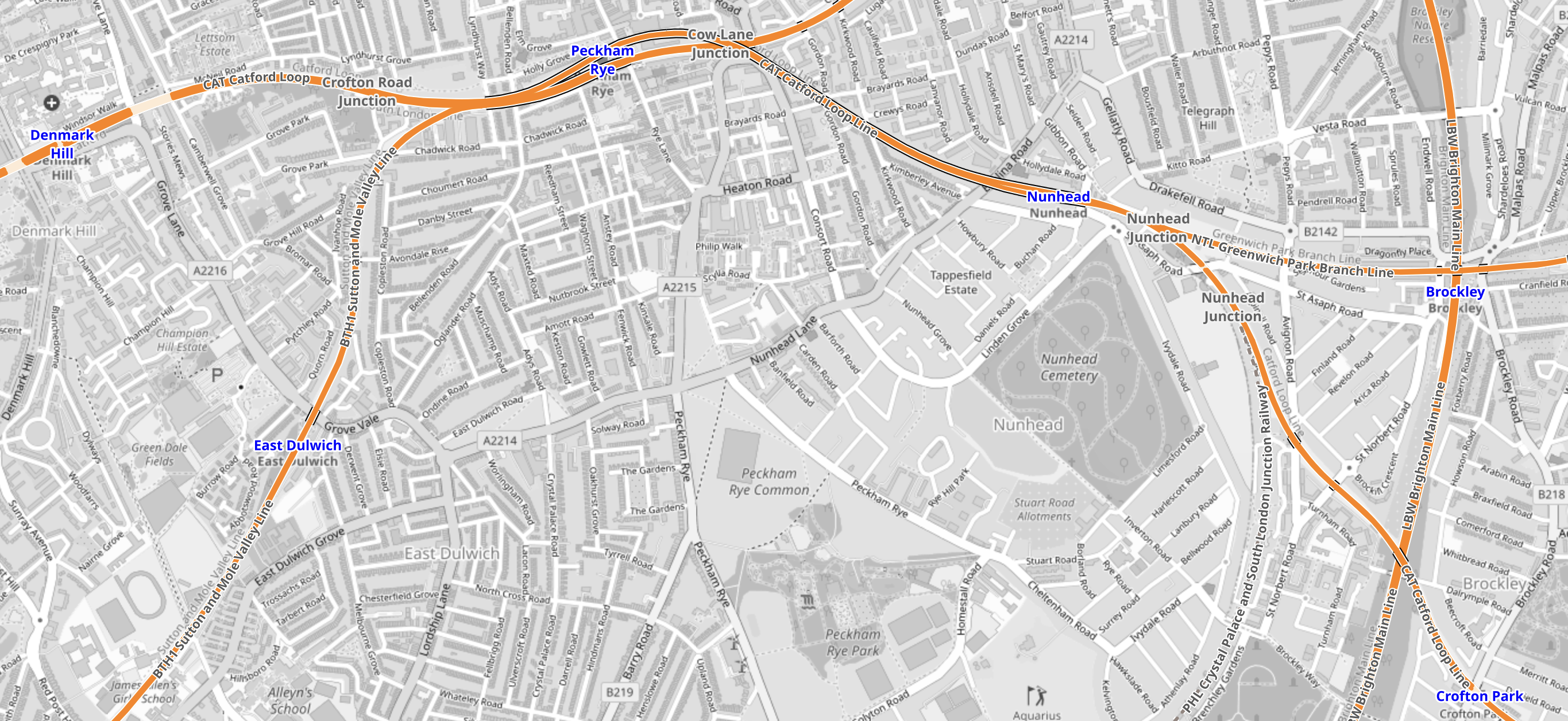
Note.
- Denmark Hill station is in the North-West corner of the map.
- Crofton Park station is in the South-East corner of the map.
- The route would be via Peckham Rye and Nunhead stations.
- It is not a very fast route with an operating speed of 50-60 mph.
- In Nunhead Junction Improvement, I wrote about improvements needed at Nunhead junction to the East of Nunhead station to improve capacity for freight trains.
This second map from cartometro, shows the route between Crofton Park and Bellingham stations.
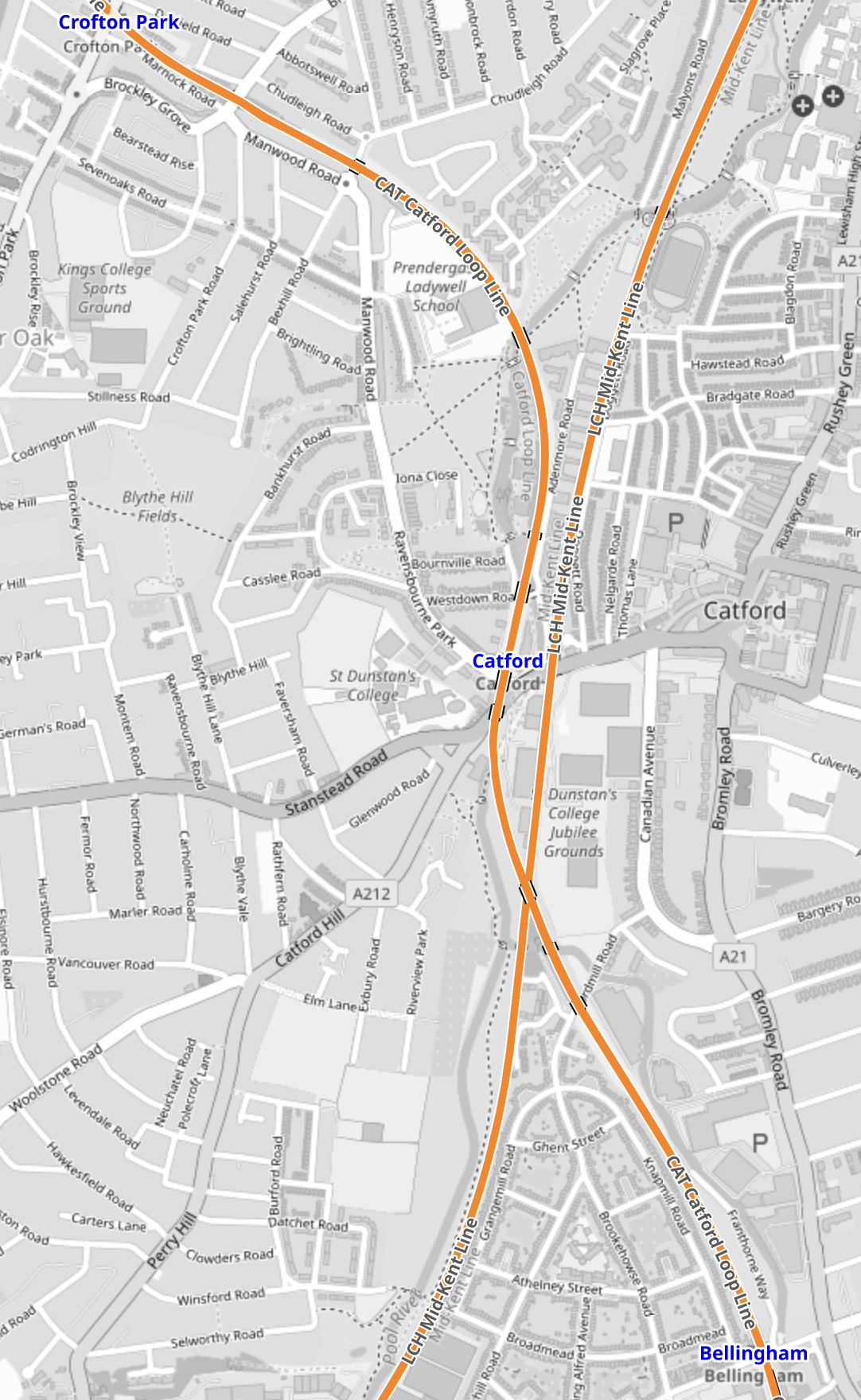
Note.
- Crofton Park station is in the North-West corner of the map.
- Bellingham station is in the South-East corner of the map.
- The line going diagonally across the map from North-East to South-West is the Hayes Line to Hayes.
- There are plans to create an interchange station at Catford.
This Google Map shows Bellingham station.
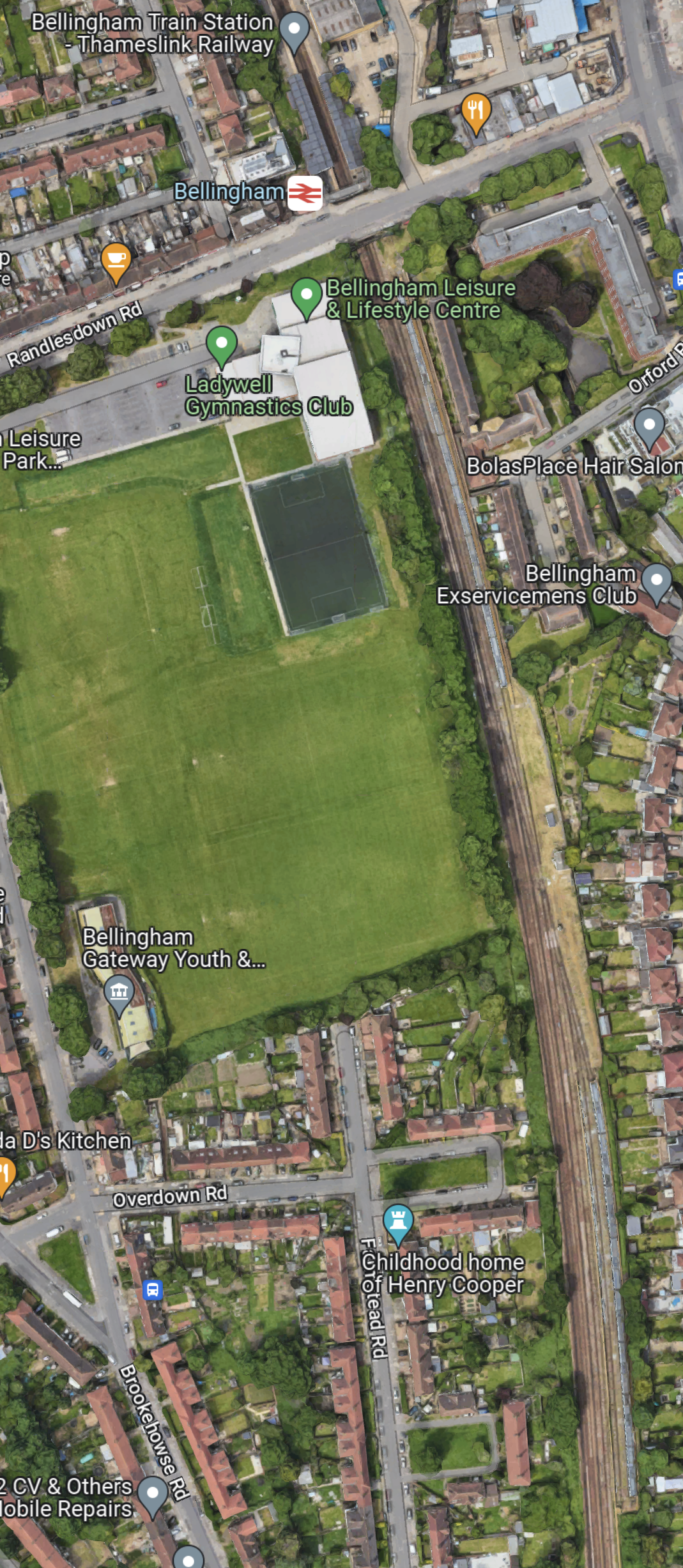
Note.
- Bellingham station is at the top of the map.
- Bellingham station is on the Catford Loop Line.
- South of Bellingham station are a series of sidings.
Is the reason, that Bellingham station was proposed as a terminus, that with a proper interchange at Catford, it creates a very efficient operational railway with some convenient sidings thrown in?
This map from cartometro, show the track layout at Bellingham station.
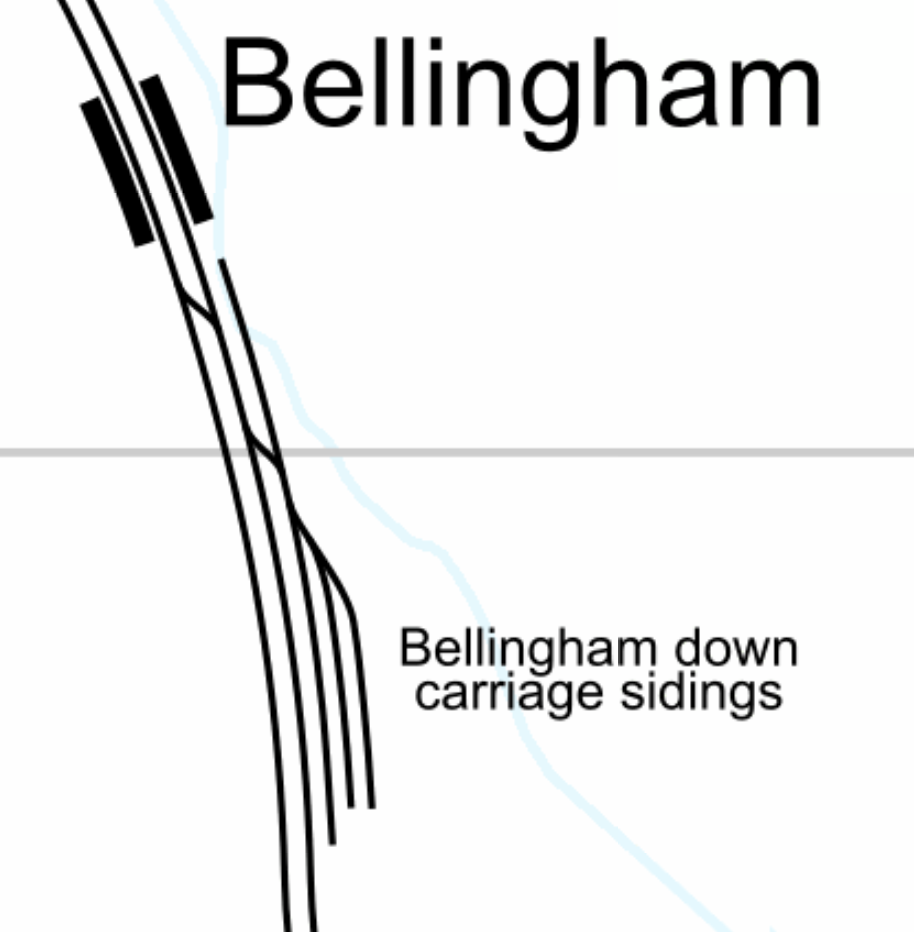
I believe that the sidings could be used as a turnback siding for trains from both directions.
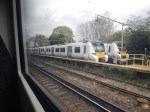
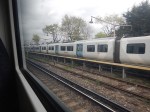
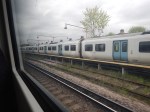
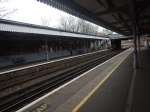
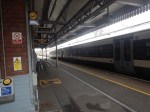
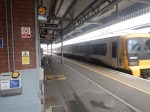
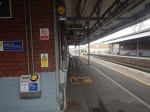
These pictures show trains in the sidings.
And these are of the station.
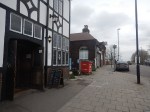
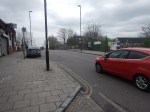
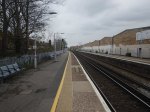
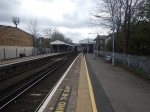
Note.
West Croydon Bus Station – 28th March 2023
This morning I went to West Croydon Bus Station, to catch the X26 bus between West Croydon station and Heathrow Airport.
This was to investigate TfL’s Superloop.
I took these pictures of the bus station.
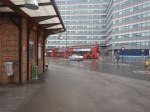
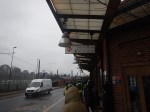
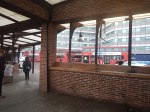
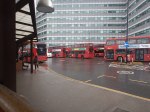
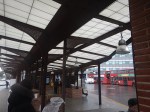
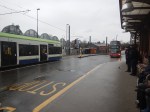
It was nice to see a well-designed bus station, that had been built to a high standard.
Into The Realm Of The Rabbits
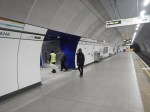
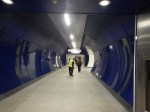
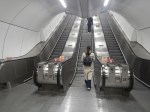
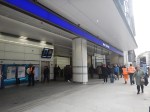
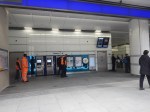
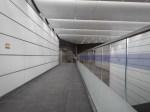
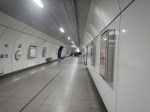
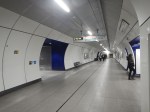
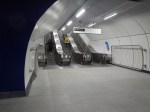
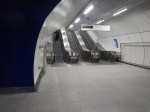
The completed Bank Station Upgrade opened today and I went and took these pictures of what is now a rabbit warren of a station.
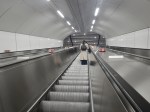
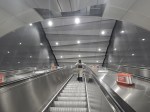
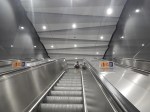
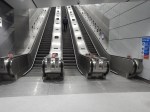
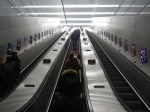

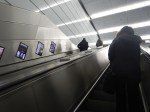
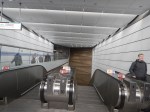
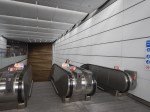

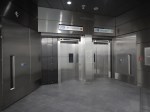
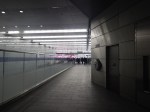
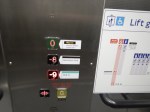

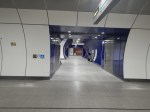
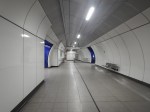
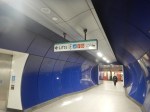
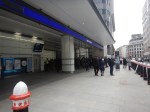
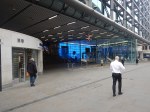
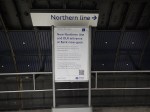
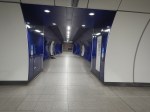
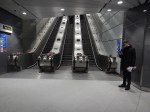
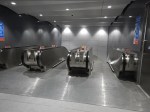
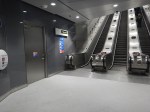
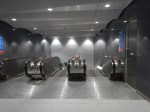
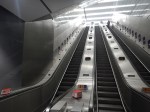

Note.
- There are now three cross passages between the two Northern Line platforms.
- There are two lifts between Cannon Street and the Northern Line and one extends to the Docklands Light Railway.
- The Northern Line and Cannon Street are now connected by two sets of three very long escalators.
- I took a walk to Cannon Street, whilst taking this pictures and from leaving the new entrance to being on a train out of Cannon Street, took mt five minutes.
- After photographing the station, I walked to the bus stop for the 141 bus, which took me home. As there is now a new passage between the gate-line and the bus stop, it took just two minutes.
The new Cannon Street entrance is a practical, stylish and well designed and built addition to the Bank station complex.
I would let the same architects and builders loose on Camden Town, Holborn and Oxford Circus/Bond Street stations.
Skegness Wind Turbine Trial To Light Up Pier In UK First
The title of this post, is the same as that of this article on the BBC.
This is the sub-heading.
A Lincolnshire seaside pier is being lit up at night with the help of a new mini wind turbine.
These are the first three paragraphs.
One of the 6ft (2m) vertical turbines has been installed on Skegness Pier with another fitted on a factory roof in Spalding.
They are able to capture wind from all directions without turning, making them low maintenance.
Both are made by Norwegian company Ventum Dynamics, which is testing the technology with local councils.
I believe it is one of those ideas, that proves the Sliced-Bread Theory of Innovation.
I have a few thoughts.
Design
The design looks clean, modern and unobtrusive.
I don’t know what the noise level is like, but I suspect good design means, it could be fairly low.
I’ll just have to visit Skegness on a windy day, which won’t be a difficult thing to arrange.
Easy To Add To An Existing Or New Building
The Ventum web site has some good pictures.
From my flying experience, I suspect that the higher a turbine is mounted, the more power will be generated.
The only problem would be the heritage lobby.
This picture shows Oakwood station on the Piccadilly Line.
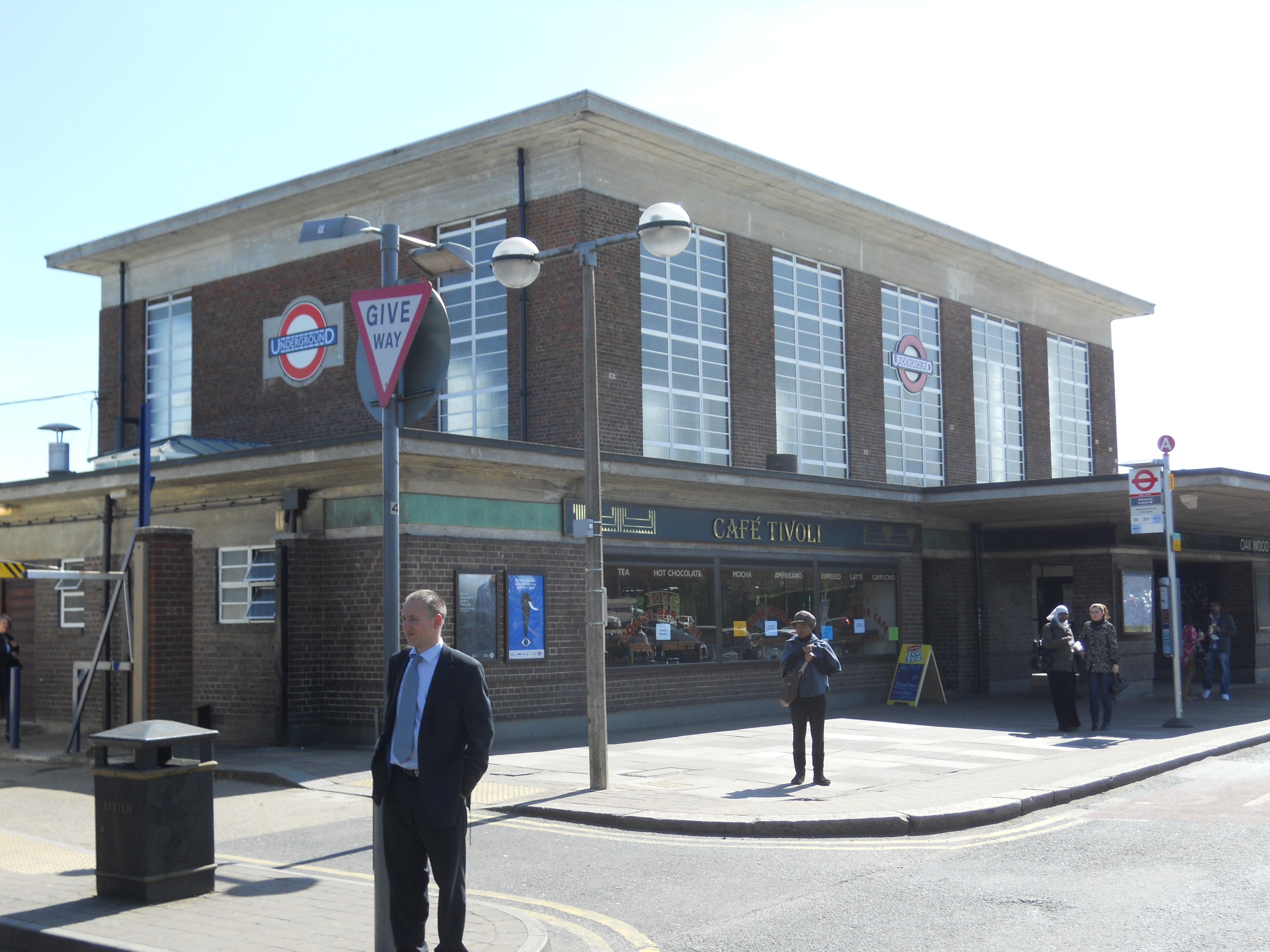
Note.
- The station is the second most Northerly on the line.
- It opened in 1933.
- It is a classic Charles Holden design.
- It is a Grade II* Listed building.
- The station is on top of a hill and has an elevation of 71 metres above sea level.
It might be the ideal place to put perhaps six turbines on the roof.
But would the heritage lobby allow it?
Remote Power
Teamed with a battery, they would be the ideal remote power solution for buildings and locations without a mains supply.
Finance
I used to part-own a finance company and feel that these turbines would be attractive to a finance company, if ethically sold.
Conclusion
I like them!
Arrest Warrants For Architects Over Collapsed Buildings in Turkey Earthquake
The title of this post, is the same as that of this article on the Architects’ Journal.
This is the sub-heading.
Turkish government officials have issued 113 arrest warrants for people involved with the construction of buildings that collapsed in last week’s earthquake – including architects, contractors and engineers – reports claim
The article is a serious review of what happened in Turkey, that might have contributed to the scale of the disaster.
These are three paragraphs.
The Guardian claimed the arrests were ‘likely to be seen as an attempt by Turkish president Recep Tayyip Erdoğan … to deflect blame’, saying that the president ‘faces tough elections in May’.
As already reported by the AJ, regulations introduced in Turkey after a previous earthquake 24 years ago should have ensured that modern buildings were able to withstand quakes of this magnitude.
But it has been widely reported that tens of thousands of buildings were granted ‘construction amnesties’ over several decades. These enabled owners of structures built without the required safety certificates to gain legal exemption upon payment of a fee, a situation that critics say has long risked catastrophe.
The last paragraph sounds very much like institutionalised bribery.
The article is very much a must read.
Findlater’s Corner At London Bridge – 11th February 2023
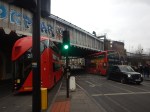
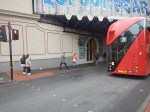
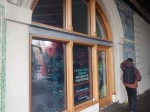
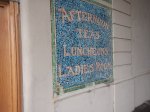
This restoration was shown on the BBC London news in a story, which was entitled London Bridge: Derelict Railway Arches Restored To Past Glory, and I thought it was worth a visit.
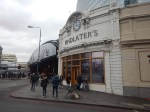

Note.
- It is a fine restoration.
- I shall be interested to see, the tenants it attracts.
- The railway bridge needs an appropriate repainting, to eliminate the graffiti.
I think, that with the right tenants, the tea room could be a gem.
The BBC article says this about the tea room.
The project team also made a surprise discovery when removing a section of plaster from a wall to another of the arches; a glass mosaic for an Express Dairy Tea Room dating back to the early 1900s.
Railway stations were a popular location for tea rooms because at the time they had access to the freshest milk, often transported from farms on trains before being sent to urban milk dairies.
“The tea rooms were one of the first places that ladies, who couldn’t necessarily go and eat in bars or eat in chop houses, could come, get together as single women and meet their friends, so this is perhaps an important part of the emancipation of urban woman in London”, said Mr O’Looney.
Mr. O’Looney is the architect of this project, who is the gloriously named; Benedict O’Looney.
He featured in this blog before in It’s Not April The First, where I wrote about his restoration of the waiting room at Pekham Rye station.
KPF Unveils Plans For Old Street Skyscraper
The title of this post, is the same as that of this article on the Architects’ Journal.
This is the sub-heading.
Kohn Pedersen Fox Associates (KPF) has unveiled early plans for a 160m office tower by Old Street roundabout in East London
These three paragraphs describe the development.
The site at 99 City Road is currently occupied by a 10-storey postmodern office block developed in the late 1980s as headquarters for satellite telecommunications company Inmarsat. However, Inmarsat relocated last year and developer Endurance Land bought the site in spring for £150 million.
The new owner now wants to demolish 37 per cent of the existing building, before vertically extending it to create an approximately 37-storey tower providing an additional 45,000m2 of office space, according to early plans published for consultation.
The tower scheme would feature improved public realm around the building, as well as active frontages, café space and 510m2 of flexible community space – including a triple-height ‘great room’, which could hold markets, exhibitions, and performances.
I took these pictures these morning as I passed the site at the front of the top-deck of a 21 bus.
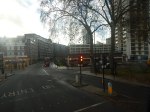
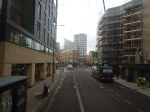
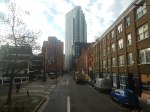
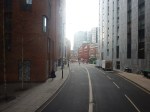
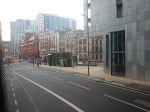
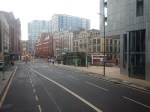
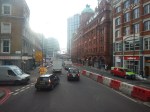
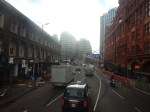
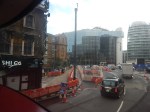
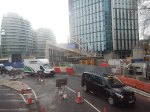
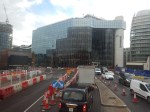
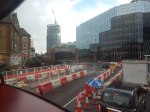
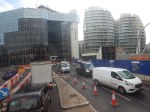
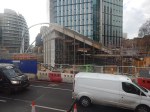
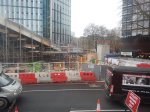
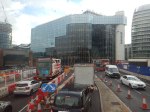
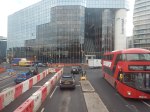
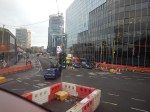
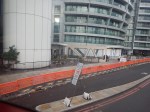
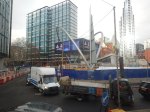
Note.
- I showed the approach to the station, to show the number of high rises in the area.
- The Inmarsat Headquarters at 99 City Road is on the South-East corner of the roundabout, with a new station entrance alongside.
- Unusually it has Inmarsat shown vertically on the front.
- The double-fronted curved building is the Bezier Apartments, which made the short-list for the Carbuncle Cup in 2010.
- The building on the South-West corner is the White Collar Factory.
The construction of the new Old Street station seems as slow as ever.
I have some thoughts.
Will The Building Fit In?
The architects’ Journal article says this.
Consultation documents said the tower’s design is ‘rooted in the distinct history of the local areas’, its appearance ‘tak[ing] inspiration from the Victorian buildings in the neighbouring conservation areas of Bunhill Fields, Finsbury Square and South Shoreditch’.
I can see some arguments as at 37 stories, it’s two higher than the Barbican towers.
Will Access Between The New Building And Old Street Station Be Good?
This map from Transport for London shows the future layout of Old Street Roundabout.
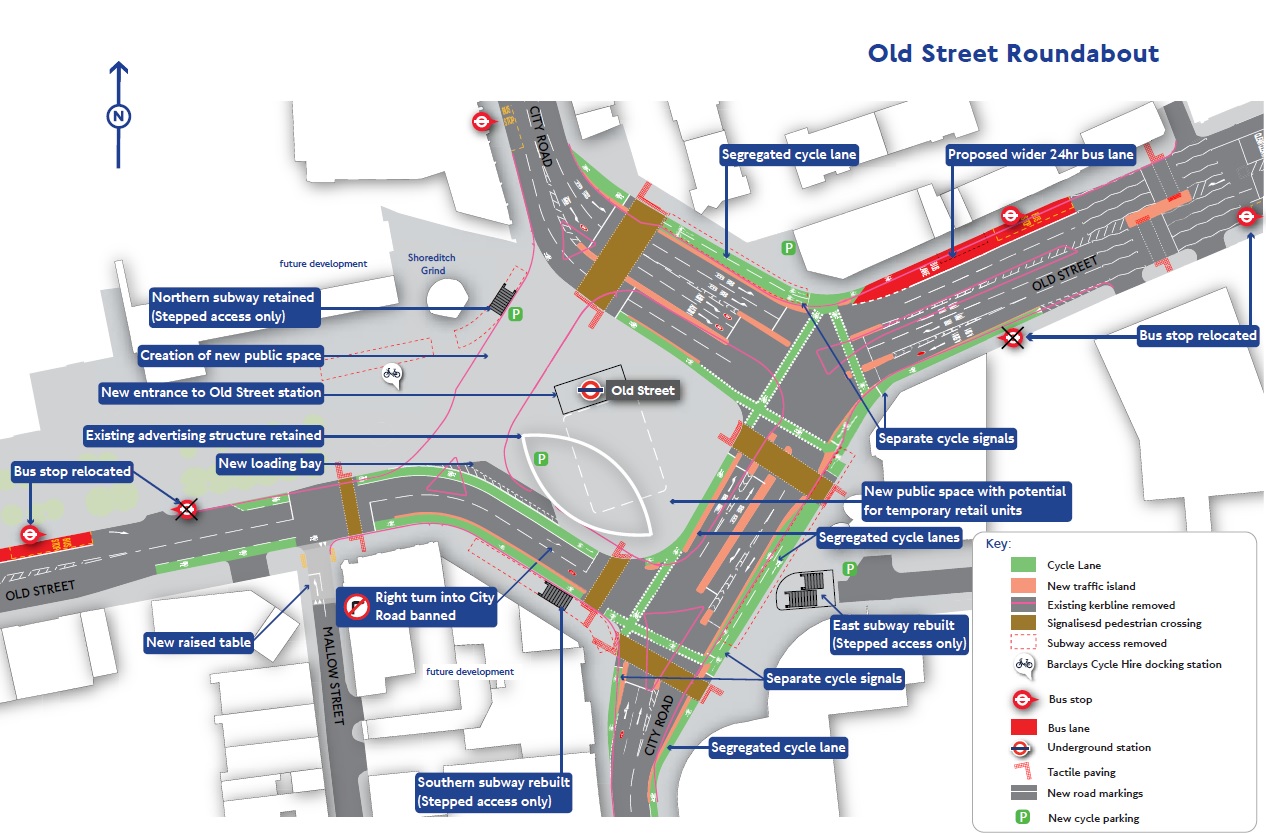
Note.
- The Inmarsat Headquarters is in the South-East corner of the roundabout.
- There is a new entrance to the station between the building and the Bezier apartments.
- The new main entrance to the station in the middle of the roundabout.
- Original plans showed a lift to the main station entrance from the surface, but two may have been built.
There appears to be a subway and two light-controlled pedestrian crossings between the new development and the station.
This Google Map shows the current state of Old Street Roundabout and the front of the Inmarsat Headquarters.
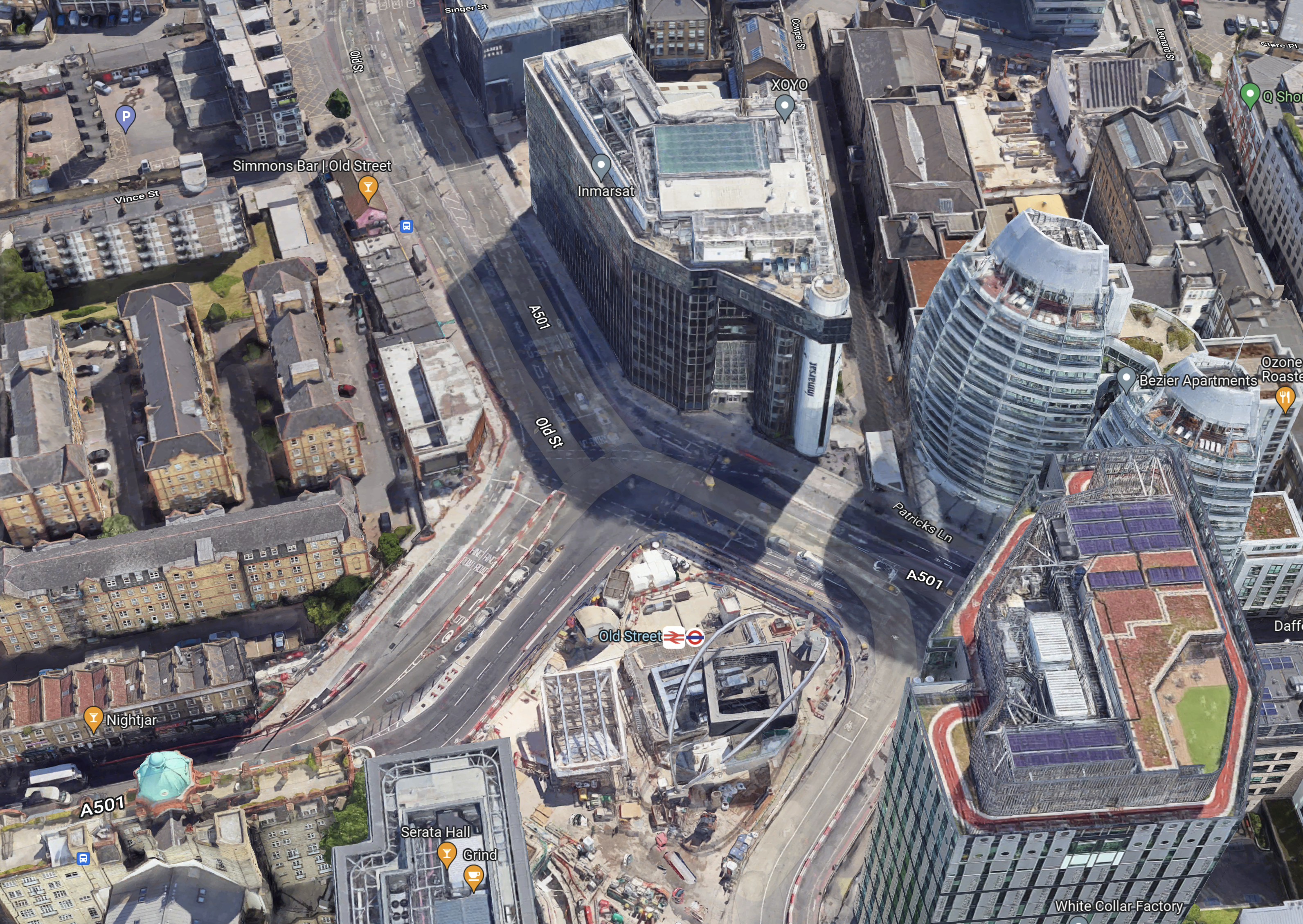
It can’t be long before developers build on the other two sides of the roundabout.
Who Will Be The Tenants?
This article on the Hackney Gazette, is entitled New 36-Storey Office Tower Proposed For Old Street.
It says this about the tenants.
The new site would contain approximately 4,000 sqm of new affordable workspaces that would be accessible to local businesses and organisations.
I suspect that these offices will be much better than some of the dumps Metier worked out of in the 1970s and 1980s.
Just promising to show the view could get a few visitors and some possible sales
Will The Building Have An Observation Platform?
At 160 metres tall, this building will be 150 metres shorter than The Shard, but it will be 27 metres than the Barbican towers.
So why not have an observation platform?
I suspect that from there, you will be able to see Hackney Mashes, as there are few buildings in between.
Battersea Power Station – 14th October 2022
I went to Battersea Power Station today and took these pictures.

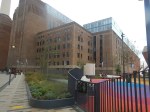
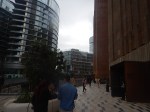
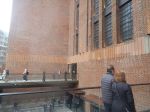
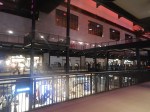
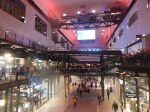
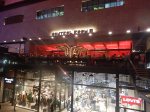

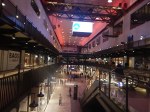
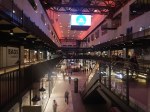

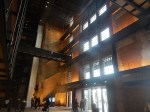
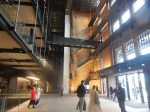
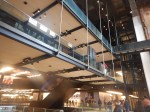

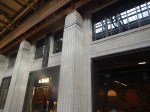
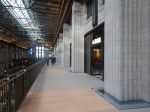
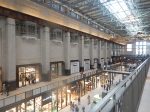
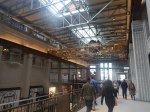
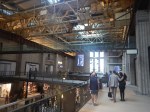

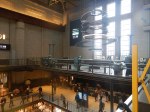
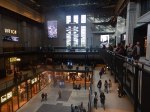


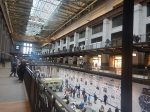
Note.
- The picture of my jacket was taken in the toilet. All male toilets should have a hook for jackets.
- The crane is still in place.
- There are a number of shops still to open.
- There was no food store, although a Marks and Spencer’s food store is coming soon.
- The only place to have a coffee and cake and sit down was Starbucks. But I never eat in an American cafe or eat American food, as I don’t trust their gluten labelling.
One guy I met described it as Dubai without the sand.
I have some thoughts.
Getting There
There are two main routes.
- Northern Line to Battersea Power Station station.
- Thames Clipper to Battersea Power Station pier.
I went by the Northern line, changing both ways at Tottenham Court Road station to and from the Elizabeth Line.
- This interchange is a short walk and step-free, if you use the lift.
- There are no trains to Battersea Power Station on the Bank branch of the Northern Line.
- There are five trains per hour (tph) to Battersea Power Station, with an extra two tph in the Peak.
- There are no Night Tube trains to Battersea Power Station.
I can see this service being improved.
Arriving At Battersea Power Station By Underground
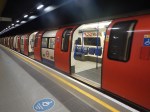
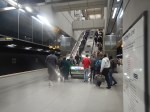
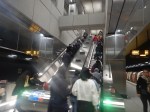
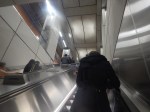
Punters were certainly arriving.
Gluten-Free Food
There was absolutely none, that I could find.
At least though a Gordon Ramsay restaurant is opening soon.
Signage
It wasn’t good. But then I have found several modern shopping centres work on this principle.
Conclusion
Canary Wharf is better.
- Partly because the shops are more useful and to my taste.
- But mainly because it is on the Elizabeth and Jubilee Lines, and the DLR.
- All rail lines go through Canary Wharf rather than terminate there.
Battersea Power Station might be better, when the Northern Line is extended to Clapham Junction station.
Carbon-Neutral Concrete Prototype Wins €100k Architecture Prize For UK Scientists
The title of this post, is the same as that of this article on the Architect’s Journal.
Under a picture of two white-coated scientists with their protective boots on concrete samples, the story and their invention is outlined.
A pair of PhD students at Imperial College London have won a global architecture prize for devising a groundbreaking method of creating carbon-neutral concrete
Material scientists Sam Draper and Barney Shanks landed the €100,000 2022 Obel Award with their ‘simple way’ to capture carbon from industrial production processes and create an end product that can eliminate the CO₂ footprint of concrete.
The prototype technology, dubbed Seratech, takes industrial CO₂ emissions directly from flues and produces a carbon-negative cement replacement material (silica). According to the scientists, when this is used in combination with Portland cement, the carbon capture associated with producing the silica means the concrete products can be zero carbon.
One of the products, we will need in the world is concrete and if we can make it in a carbon-neutral manner, then that will surely reduce worldwide carbon emissions.
The Technology Explained
This page on the Seratech website is entitled Our Technology.
It gives this description of the technology.
Seratech has developed a process that consumes olivine and waste CO₂ from flue gases and produces two products which both have significant value in construction.
Silica is produced which can be used as a supplementary cementitious material (SCM) in concrete meaning the amount of Portland cement in the concrete can be reduced by up to 40%. As the silica comes from a process that captures CO₂ it is “carbon negative” and the concrete can become carbon neutral.
Magnesium carbonate is produced that can be used to make a range of zero carbon construction materials and consumer products, including alternatives to building blocks and plasterboard.
The aim is for humanity to be able to continue building robust cities and infrastructure, but without the climate cost of traditional cement mixes and with the Seratech technology this goal is achievable!
Note that olivine in Europe is generally mined in Norway.
Replacement Of Steel By Concrete
Could we also replace steel in some applications with concrete?
In UK Cleantech Consortium Awarded Funding For Energy Storage Technology Integrated With Floating Wind, I talked about some of ground-breaking methods used by a company called RCAM Technologies to create infrastructure using 3D printing of concrete.
If Imperial’s concrete, which is called Seratech can be 3D printed, I can see lots of applications for the technology.
So you could kill two sources of large carbon emissions with one technology.
Conclusion
I have said on this blog before, that we will have to keep or even build more gas-fired power stations, as they can be an efficient source of pure carbon dioxide, that will be needed as a feedstock to create an increasing number of agricultural and building products.
A New Garden Bridge Proposed For London
This article on Ian Visits is entitled Plans Open A Disused Railway Bridge To Pedestrians.
This is the introductory paragraph.
A section of the Thames with few bridges could become a lot easier for pedestrians and cyclists to cross if plans to convert a disused railway bridge for pedestrian use go ahead.
The disused railway bridge to be used is the original 1849 Barnes Railway Bridge, which was closed to trains, when a new stronger bridge was built alongside in 1890.
This Google Map shows the two bridges.
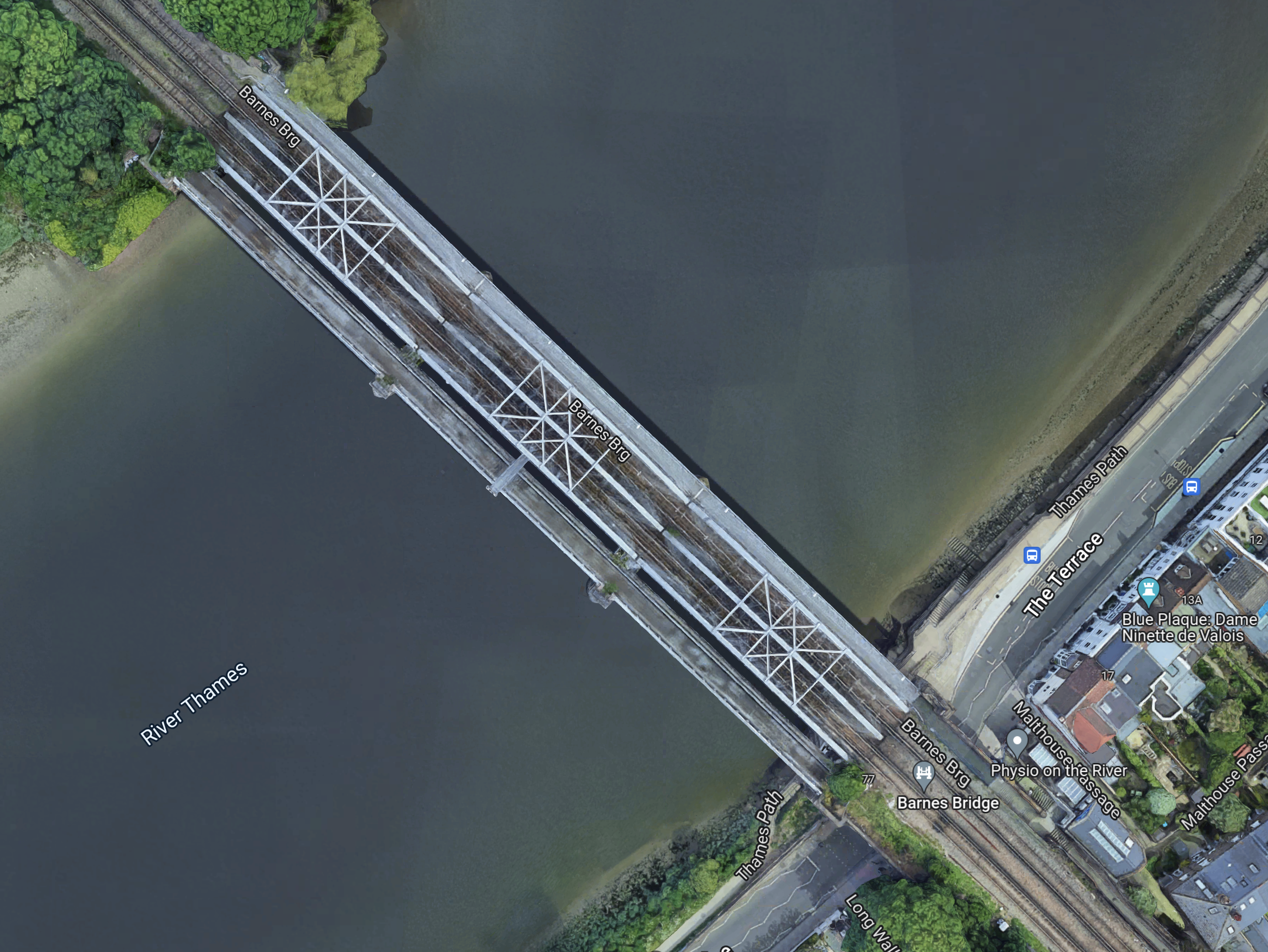
Note.
- The railway tracks in the centre on the 1890 three-arch bridge.
- The Thames flows from South-West to North-East under the bridge.
- A walkway on the North-Eastern side of the is still in use.
- The original 1849 bridge is on the South-Western side of the bridge.
The pedestrian garden bridge will be built on the 1849 bridge, which will be refurbished.
This second Google Map shows the bridge and Barnes Bridge station.
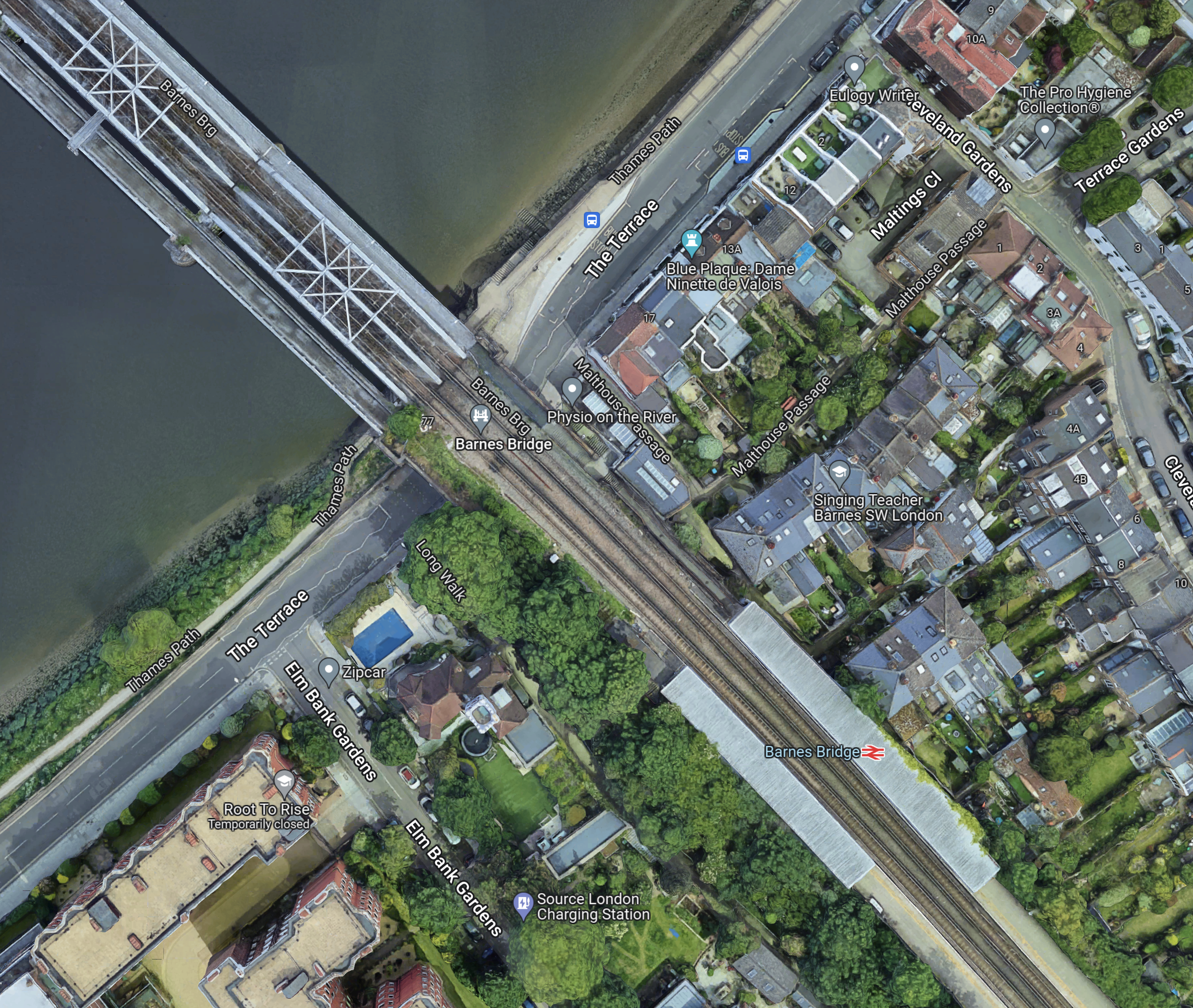
Note.
- Barnes Bridge in the North-West corner of the map.
- Barnes Bridge station in the South-East corner of the map.
Part of the plan envisages connecting the South-Western platform to the pedestrian garden bridge.
It looks a plan with a lot of good possibilities.
The Project
It appears that Network Rail, the London Boroughs of Richmond and Hounslow are all supportive and Moxon Architects have been appointed to the project.
The project now appears to be called The View at Barnes Bridge and it has an impressive web site, with lots of information and pictures.
I have a few thoughts.
I Am Not Surprised That Network Rail Are Supportive
Network Rail must be pleased to be getting a Grade II Listed structure off their hands.
Could Barnes Bridge Station Be Made Step-Free?
I suspect that Moxon will produce designs for this and it will probably be a question of money, if they are implemented.
But as the garden bridge will attract more visitors, this will surely increase the need for full step-free access at Barnes Bridge station.
Could A Refurbished Bridge Carry Utilities?
I suspect that this will be looked at, as it could be a nice little earner.
Could This Project Be An Example Of a Levelling-Up Project?
In my travels around the UK and Europe, I’ve seen several disused railway bridges that could be reused as footbridges to provide walking and cycling.
Many are being converted, but this high-profile bridge could inspire architects to create other worthwhile bridges.

