New Train Service Connects Finland And Sweden For First Time In Decades
The title of this post, is the same as that of this article on the BBC.
This is the sub-heading.
A new passenger train linking Finland and Sweden has begun running, creating the first rail connection between northern Finland and southern Europe in nearly 40 years.
These three paragraphs add more detail.
Shortly after 05:00 local time (03:00 BST) on Monday, a double-decker train set off from the coastal Finnish city of Oulu, rumbling its way across the border to Sweden.
As the inaugural service crossed the Torne river from Finland and pulled into Sweden’s Haparanda station, it was met by crowds of people waving Finnish and Swedish flags.
The route was initially suspended in the late 1980s to the early 1990s, due to low passenger numbers and technical differences in the tracks between Finland and Europe.
This OpenRailwayMap shows the route between Oulu and Haparanda stations.
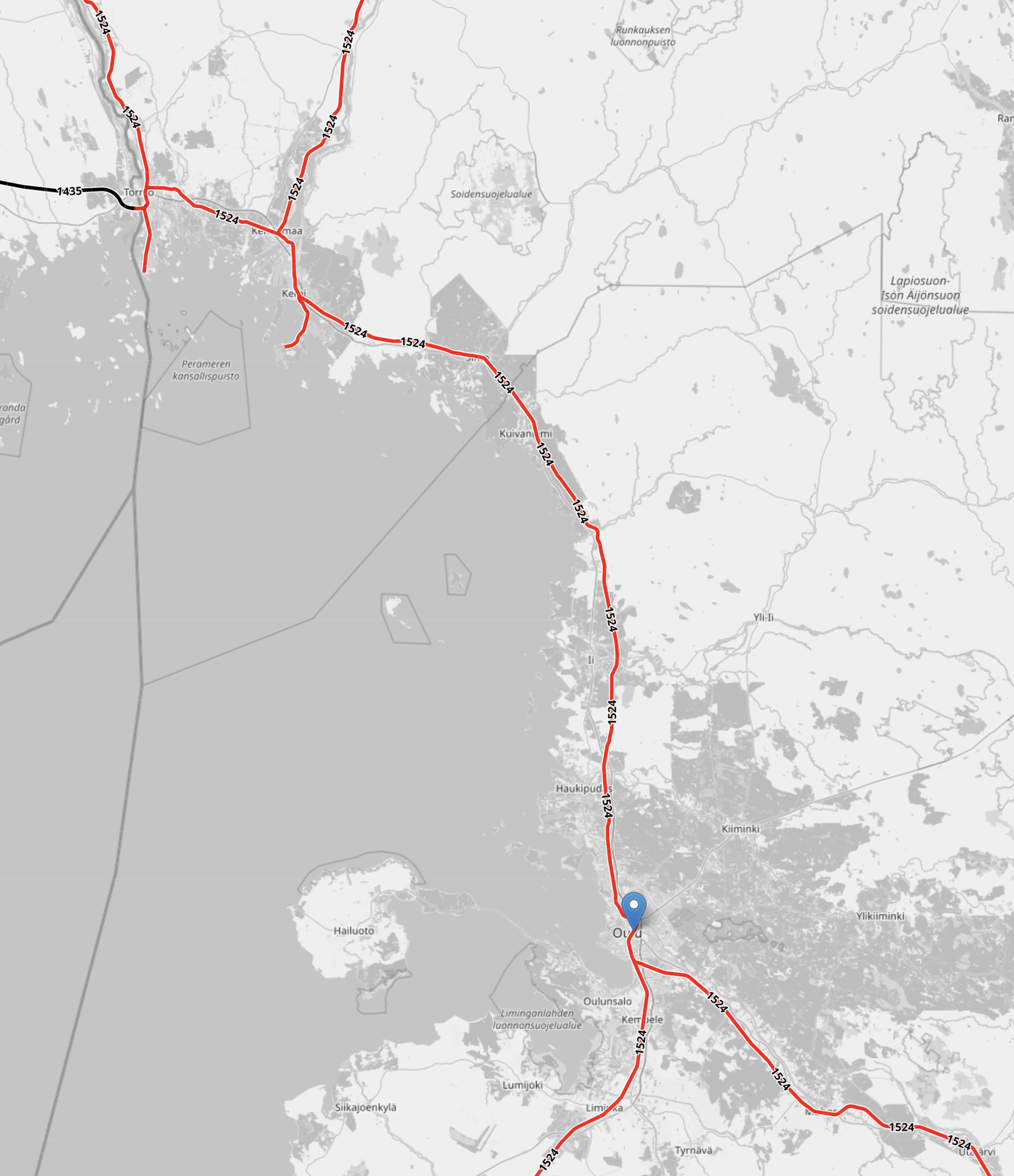
Note.
- The map is drawn by track gauge.
- Finnish gauge tracks are shown in red.
- Swedish gauge tracks are shown in black.
- The location of Oulu in Finland is shown by the blue arrow.
- The location of Haparanda in Sweden is at the Eastern end of the black track in the North-Western corner of the map.
- The route seems very much along the coast.
- I wouldn’t be surprised that the sea views are excellent.
This second OpenRailwayMap shows the route between Kemi and Haparanda stations.
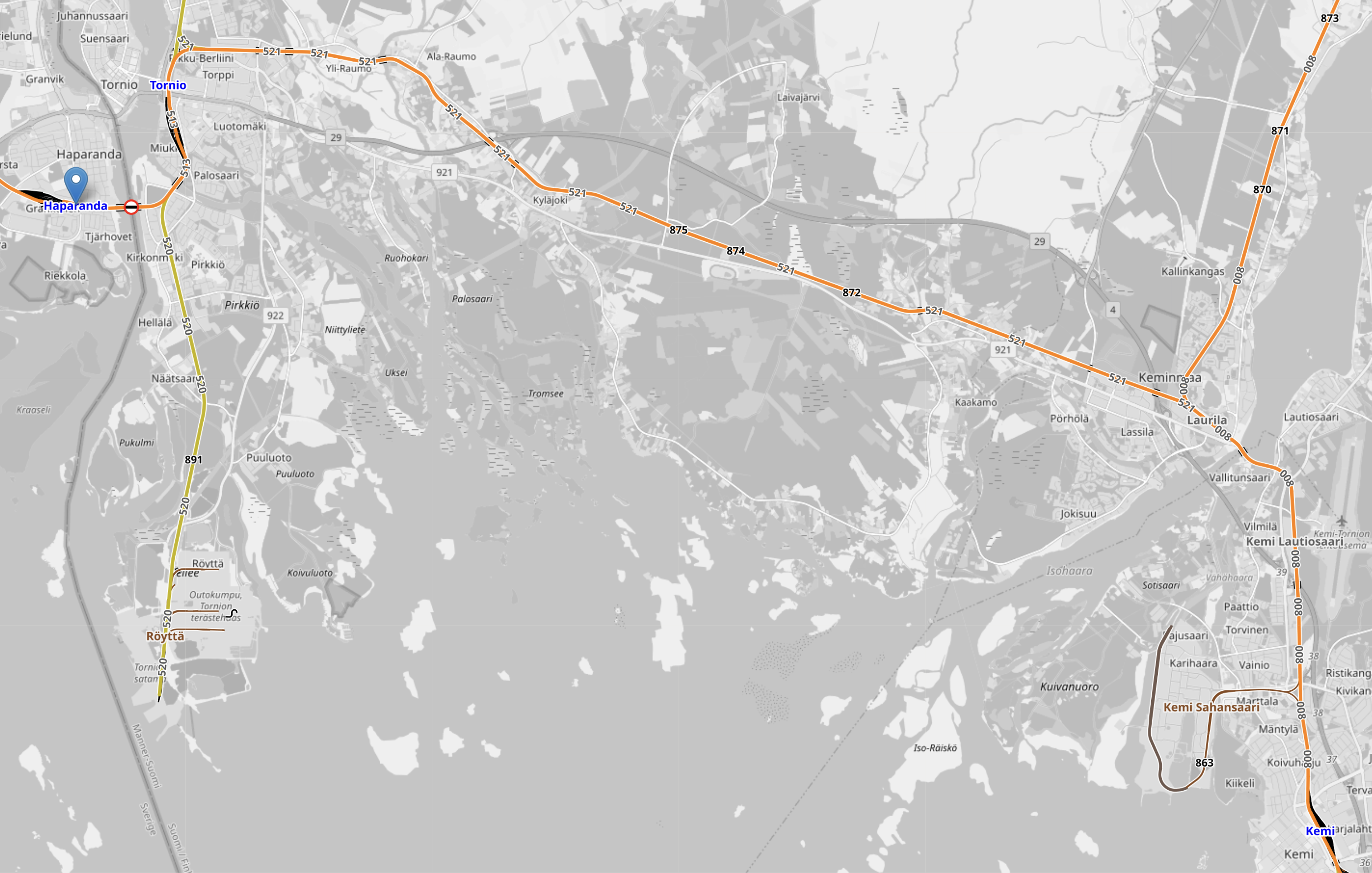
Note
- The location of Haparanda in Sweden is shown by the blue arrow.
- The location of Tornio in Finland is indicated by the blue lettering to the North-East of Haparanda.
- The location of Kemi in Finland is indicated by the blue lettering to the South-East corner of the map.
This third OpenRailwayMap shows the route between Tournio and Haparanda stations.
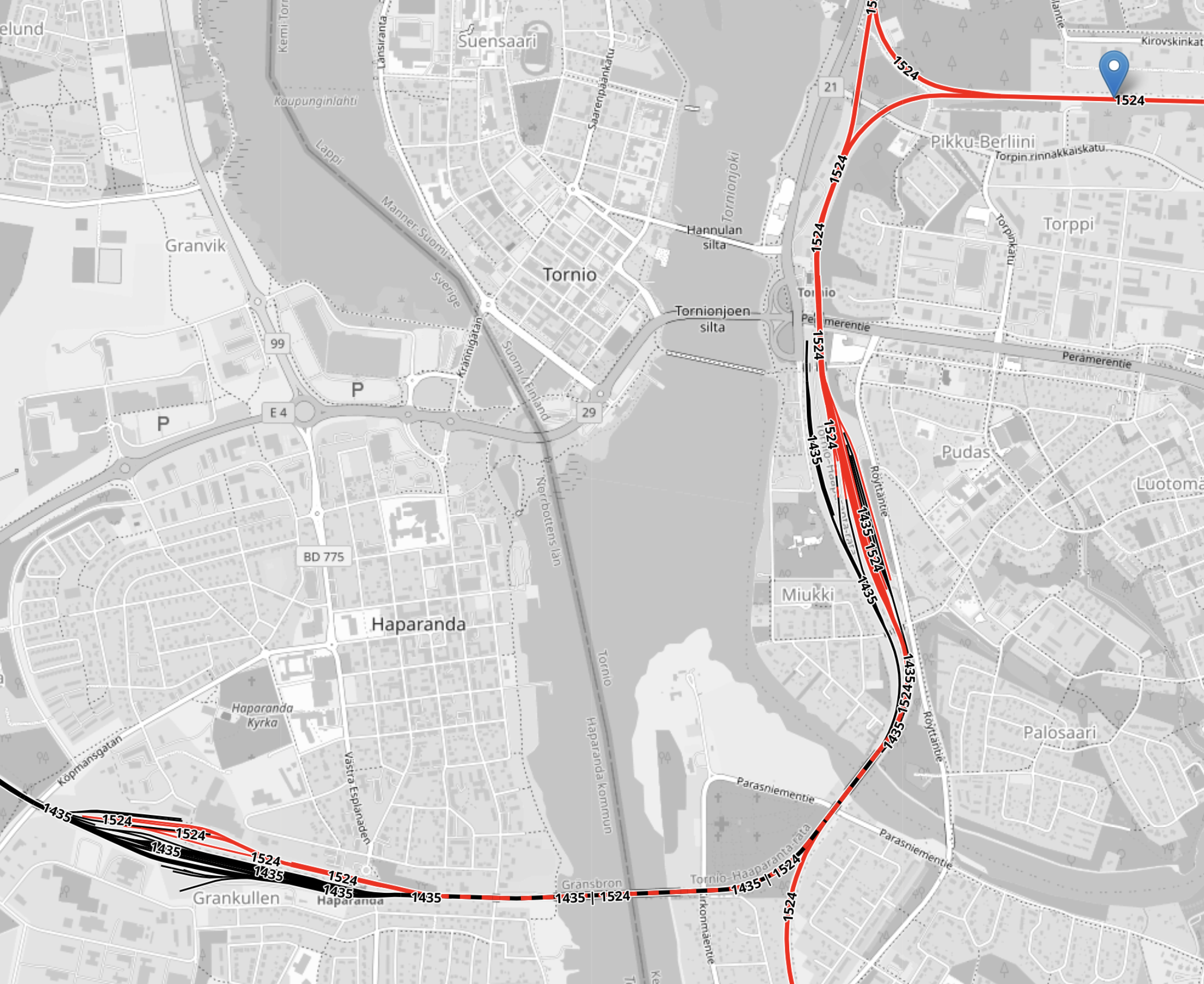
Note.
- The map is drawn by track gauge.
- Finnish gauge tracks are shown in red.
- Swedish gauge tracks are shown in black.
- The track to Oulu in Finland is shown by the blue arrow.
- Tornio station is by the marshalling yard on the Finnish side.
- Haparanda station is by the marshalling yard on the Swedish side.
- The track between Haparanda and Tornio is shown dashed red and black, as it accepts trains of both Finnish and Swedish gauges.
I have some thoughts.
Torne River Railway Bridge
This is is the first paragraph of the Wikipedia entry for the Torne River Railway Bridge.
The Torne River Railway Bridge is a dual gauge railway bridge on the Tornio–Haparanda railway between Haparanda, Sweden and Tornio, Finland; the bridge can be used by the 1524mm gauge trains of Finland, as well the 1435mm gauge trains used in Sweden. A temporary ice river track was built over the Torne River in 1917.
Note
How Do Trains Cross The Torne River Railway Bridge?
I asked Google AI the title of this section and received this answer.
Trains cross the Torne River Railway Bridge on dual-gauge tracks featuring four rails.
This setup accommodates both Finland’s wider 1,524 mm track gauge and Sweden’s standard 1,435 mm track gauge, allowing freight and specialized rail equipment to pass directly between Tornio, Finland, and Haparanda, Sweden, without stopping.
Bridge and Track Design
Dual-Gauge System: Four physical rails are laid on the bridge deck. They interlace the wide-gauge and standard-gauge tracks so different wheel sets fit.
Electrification: The 410-meter truss bridge and connecting line feature overhead catenary wires aligned with Finnish electric standards.
Control and Operations: Train movements across the bridge and its shared dual-gauge sections are managed by Finnish rail traffic control.
Cross-Border Travel
Freight Transport: Freight trains and containerized goods (such as shipments from Outokumpu) use the dual-gauge tracks to move directly between the marshalling yards of both countries.
Passenger Services: While regional passenger train connections operate across the border via the Tornio–Haparanda railway, regular passenger operations involve seamless station transfers at Haparanda rather than continuous through-running for all service types.
It is a simple but ingenious system.
I’ve never seen one anywhere else, although I have ridden on the three rail track at Zwickau.
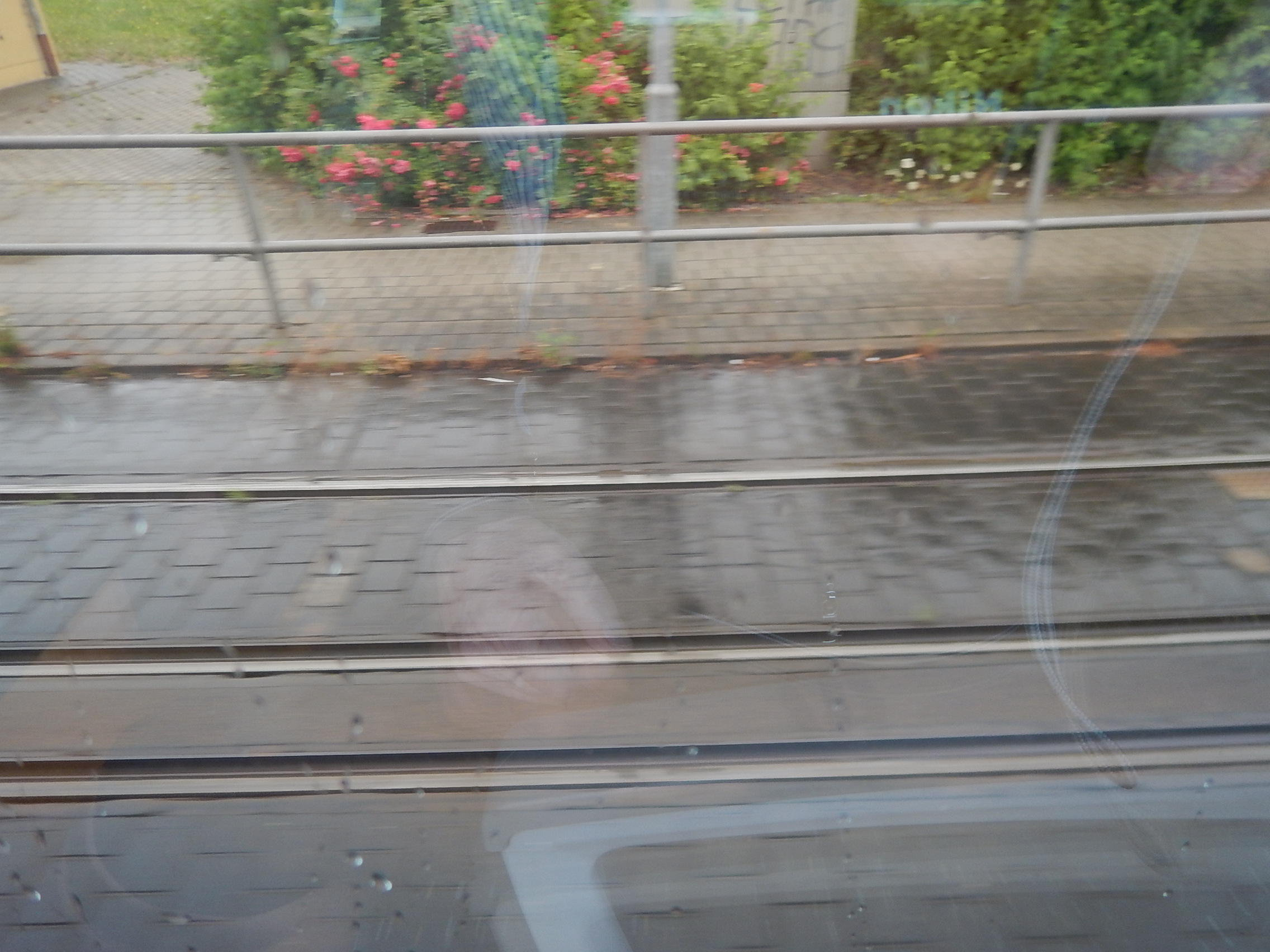
Note.
- Standard gauge trains use the two outer rails.
- Metre gauge trams use the two far rails, which are a metre apart.
- In the UK, all modern trams are standard gauge, so we don’t have the problem.
But say a narrow-gauge heritage railway wanted to connect into a standard gauge station, I’m sure that the Zwickau system could be used.
Do Other Bridges Use The Same Interleaved Dual Gauge Track As The Torne River Railway Bridge
I asked Google AI the title of this section and received this answer.
Yes, other rail locations use an interleaved dual-gauge track setup (technically known as a gauntletted or four-rail configuration) when two track gauges are too close together to share a common rail.
Why Interleaved Tracks are Used
Gauge Proximity: When the difference between two track widths is small (such as Finland’s 1,524 mm and European standard 1,435 mm, a difference of only 89 mm), a standard three-rail shared setup cannot fit the necessary rail-fastening hardware.
Space Constraints: Interleaving four separate rails inside the same restricted width allows different trains to cross narrow infrastructure like bridges or tunnels without building entirely separate parallel spans.
Examples of Similar Infrastructure
Russia-North Korea Border: The crossing over the Tumen River utilizes multi-gauge configurations to accommodate Russian broad gauge and standard gauge connecting to the port of Rajin.
Historical and Industrial Lines: Short interlaced stretches have been historically deployed on restricted-width civil engineering structures like the Boyne Viaduct in Ireland during structural renewals, or on specific quarry tramways (such as the Ravenglass and Eskdale Railway in the UK) to temporarily interchange standard and narrow gauge wagons.
Chinese Offshore Wind Foundation Manufacturer Inks MoU With Scotland’s Ardersier Port
The title of this post, is the same as that of this article on offshoreWIND.biz.
This is the sub-heading.
Dajin Heavy Industry and Haventus, the owner and developer of Ardersier Port in Scotland, have signed a Memorandum of Understanding (MoU) to explore combining Dajin’s manufacturing and transport capability with Ardersier’s port infrastructure to support both fixed-bottom and floating wind projects in the UK and across Europe.
These two paragraphs add more details.
Dajin and Haventus will also work together to identify potential new commercial opportunities and how Ardersier Port could provide a site for storage, marshalling, assembly and transportation of offshore wind components to the offshore wind foundation manufacturer.
According to Haventus, Ardersier Port’s extensive quayside land, deep-water access and a high-voltage power connection can support the manufacturing, fabrication, assembly and storage of large-scale structures for offshore wind and other energy-related projects.
These are my thoughts.
Where Is Ardesier?
This Google Map shows the location of the Port of Ardesier in relation to Inverness, the Orkneys and Shetlands, and Norway.
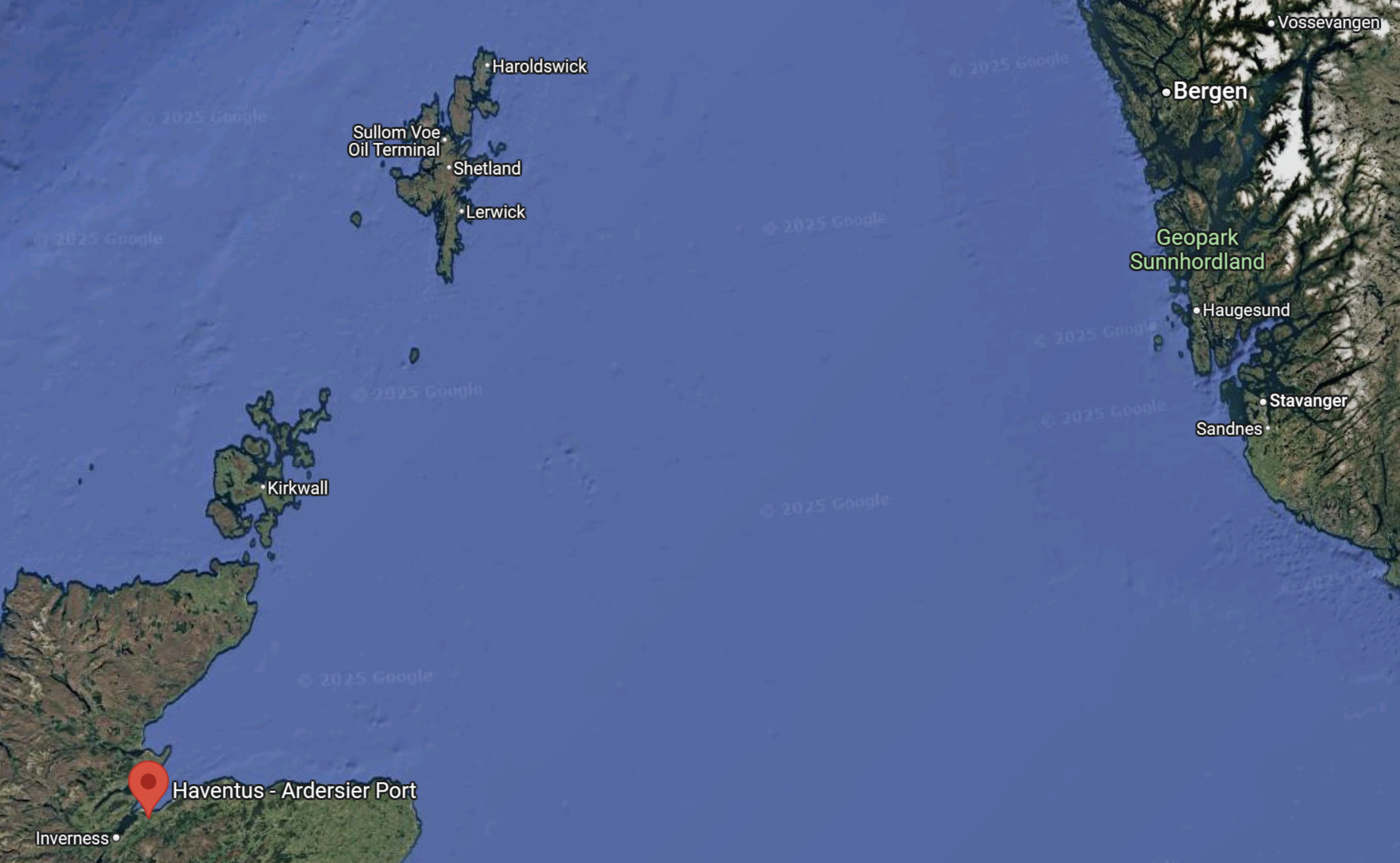
The Port of Ardesier would appear to be ideally placed to bring in business for the partnership.
This Google Map shows more detail around Haventus – Ardesier Port.
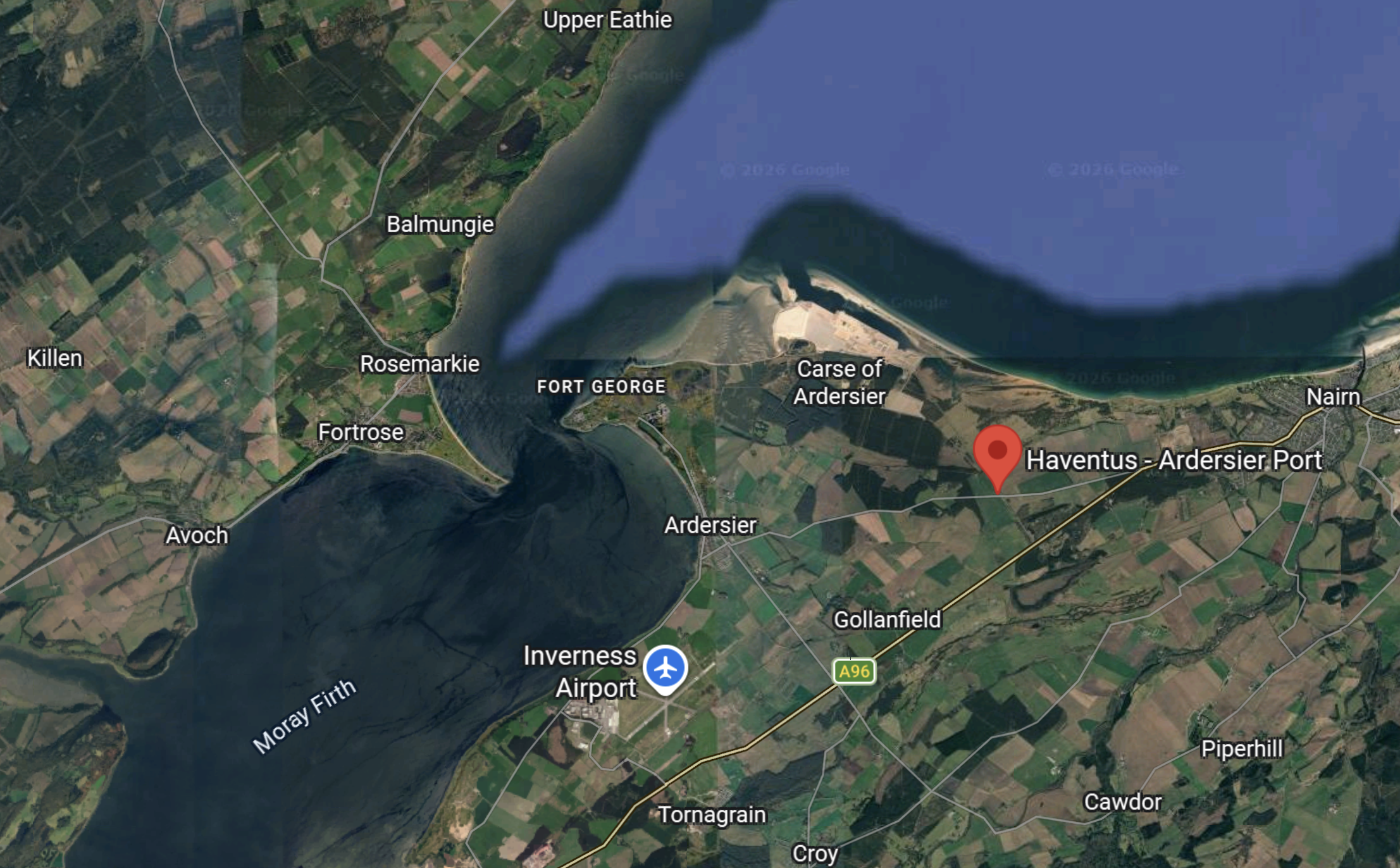
Note.
- Haventus appears to be located close to Inverness Airport, which has a railway station on the Inverness and Aberdeen Line.
- Inverness is on the Moray Firth.
Are Haventus A British Company?
I asked Google AI the question in the title of this section and received this answer.
Yes, Haventus is a British company.
It is registered in the UK with its corporate headquarters in London, and its primary operations focus on redeveloping the Ardersier Port in the Scottish Highlands to support offshore wind energy.
Company Details
Registration: Registered in England and Wales (Haventus Limited).Head Office: London, United Kingdom.
Project: Transforming the former fabrication yard at Ardersier Port near Inverness, Scotland, into an energy transition facility for offshore wind.
Key Backing: Funded by British institutions like the UK Infrastructure Bank and the Scottish National Investment Bank, alongside major private equity investment from US-based Quantum Capital Group.
Could The Port Of Ardersier Have A Rail Connection?
This OpenRailwayMap shows the Port of Ardersier, the Aberdeen and Inverness Line and Inverness Airport.
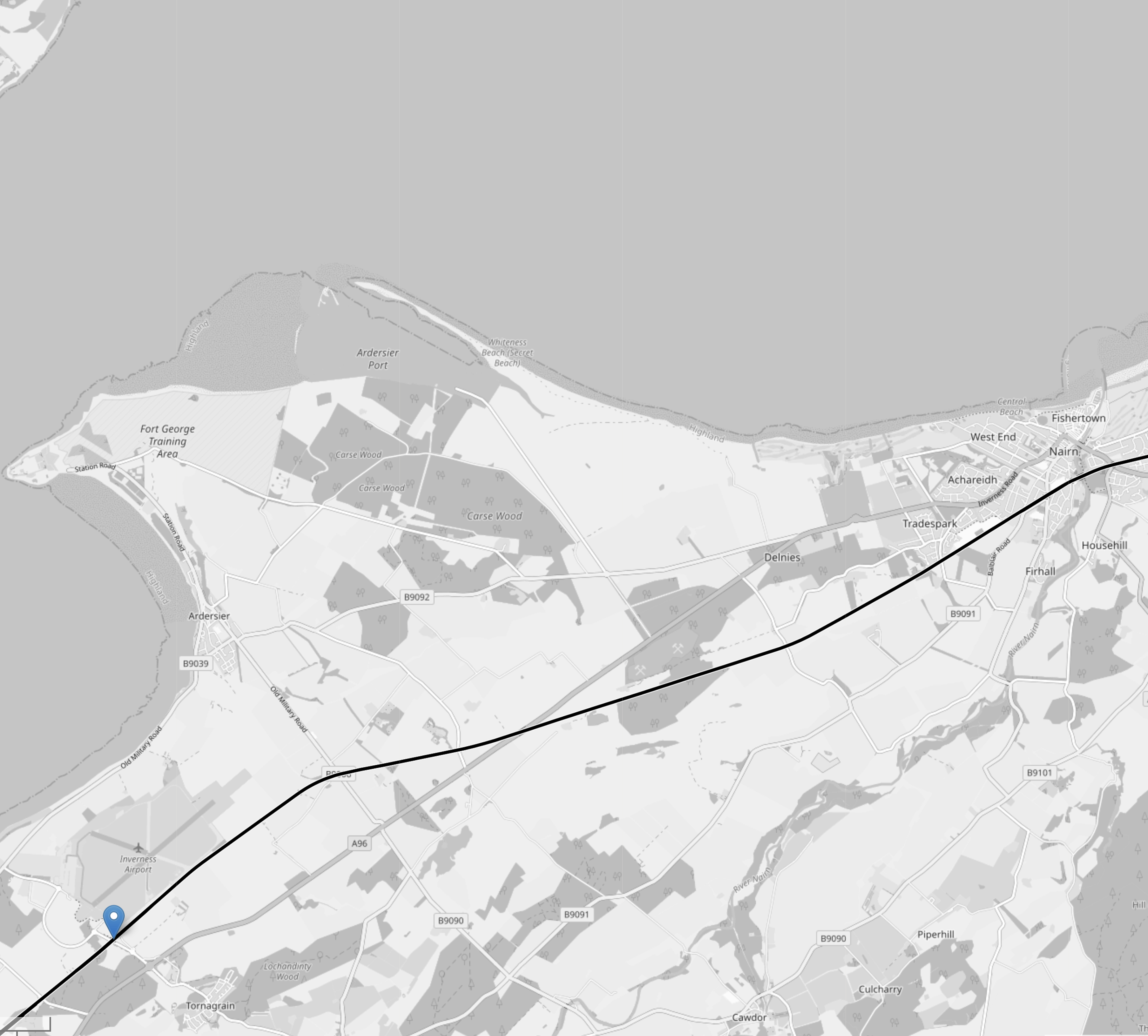
Note.
- The heavy black track is the Aberdeen and Inverness Line.
- The Port of Ardersier is above it in the middle of the map.
- Inverness Airport is marked by the blue arrow.
There seems to be a lot of space in the area.
Could A Steel Mini-Mill Be Built In The Area?
Consider.
- Dajin Heavy Industry could need a lot of steel.
- A steel mini-mill would need a lot of energy.
- The UK has a lot of scrap steel, that could be of good enough quality to make the steel gubbins needed for offshore wind components.
- Scrap could be brought in by sea or rail.
- That part of Scotland has lots of offshore wind power.
- Three pumped storage hydro systems are being built in the Scottish Highlands to store electricity.
- Workers could be brought in by train from as far as Aberdeen.
The Port of Ardersier could be an ideal place for a steel mini-mill.
How Many Acres Do You need for a Small Steel From Scrap Mill?
I asked Google AI the question in the title of this section and received this answer.
A small scrap-based steel mini-mill requires roughly 5 to 20 acres of land for basic production, casting, and rolling units.
If you include a dedicated on-site scrap yard and heavy inventory storage buffers, the requirement expands closer to 25 to 50+ acres.
Core Space Breakdown
Melt Shop & Electric Arc Furnace (EAF): 2 to 4 acres for the core melting furnace, ladle metallurgy furnace, and pollution control equipment.
Casting & Rolling Mill: 2 to 5 acres for continuous casting (billets or blooms) and the hot re-rolling lines.
Scrap Yard & Raw Materials: 5 to 20 acres depending on how much local scrap inventory you need to stockpile.
Finished Goods & Logistics: 3 to 10 acres for cooling beds, product staging, truck loading docks, and internal roadways.
From this crude analysis with Google AI, I believe that there is enough space to put a small steel mill in the area.
Ideas Borrowed From Failures During The Years Of North Sea Oil and Gas
I suspect there are a few of these, which might be possible to develop at Ardersier.
Conclusion
The Port of Ardersier has lots of possibilities,
What Is MiQ-Certification?
This is one for AI
I asked Google AI and received this answer.
MiQ certification is an independent, third-party framework that grades natural gas and oil based on how well operators manage and reduce their methane emissions.Developed by RMI and SYSTEMIQ, the MiQ standard assigns facilities a transparent grade from A through F to help create a market for certified low-emissions gas.
Key Evaluation Pillars
Methane Intensity: Measures the quantity of methane lost relative to the total amount of gas produced.
Company Practices: Evaluates internal corporate policies and operational management procedures.
Monitoring Technology: Checks the deployment and effectiveness of advanced detection and measurement tools.
How the System Works
Independent Auditing: Certified, accredited third-party auditors perform rigorous on-the-ground asset evaluations.
Grading and Issuance: Facilities receive a grade (A-F) determined by their lowest score across the core pillars.
MiQ has a web site.
Centrica And MiQ
In February 2026, I wrote Centrica Energy And Seneca Resources Company Sign First-of-Its-Kind Long-Term MiQ Methane Emissions Certificates Agreement, which was based on a Centrica press release with the same title.
This is the sub-heading of the press release.
Centrica Energy and Seneca Resources Company are proud to announce a groundbreaking agreement, marking the first long-term deal of its kind to support independently verified methane emissions from an MiQ-certified US natural gas producer, helping to underpin reductions over time. This ten-year agreement underscores the commitment of Centrica and Seneca to support global efforts to reduce methane emissions.
It looks to me, that Centrica have put down a marker for the sort of gas deals they would like.
Could MiQ Certification For Methane Be A Bit Like Organic Certification For Food?
Google AI gave this answer to my question.
MiQ certification for methane and organic certification for food share a similar core concept: both are independent, third-party verification systems that audit production standards to provide transparency, market differentiation, and trust for buyers.
How They Are Alike
Independent Auditing: Both systems rely on certified, independent third parties to inspect operations and verify claims rather than trusting self-reporting by producers.
Graded Labels: Organic food uses labels like “100% Organic” or “Made with Organic Ingredients” to show quality levels, while MiQ uses a letter grading scale (from A to F) based on methane intensity, quantification accuracy, and company practices.
Market Incentives: Both create economic value for cleaner practices, allowing producers to market their goods at a premium or meet growing demand from eco-conscious buyers and regulators.
How They Are Different
Core Focus: Organic certification measures a broad set of agricultural practices (avoiding synthetic pesticides, GMOs, or artificial fertilizers), whereas MiQ strictly measures methane emissions intensity and management in oil and gas operations.
Measurement Approach: Organic food rules are largely binary compliance standards (you use or do not use forbidden substances), while MiQ uses continuous or periodic performance metrics to score the precise volume of leaked or vented gas.
Regulatory Role: Organic standards are heavily codified by government bodies (like the USDA or EU rules), whereas MiQ operates as an independent, non-profit standard backed by market adoption rather than direct government mandates.
I think it is a classic case of great minds thinking alike or did MiQ just apply, what they saw was working with Organic food and apply it to methane?
How Much Does Each Ride On The Silvertown Cycle Shuttle Cost Taxpayers?
This post was suggested by an article in the Daily Express, which was picked up by one of my Google Alerts.
Google AI gave me this answer.
The Silvertown Cycle Shuttle costs taxpayers between £43 and over £100 per passenger ride, depending on fluctuating daily usage data.
Because the zero-emission shuttle is a free service, the entirety of its operational funding is subsidized by Transport for London (TfL).
Cost Breakdown
According to official figures scrutinized by the Greater London Authority and London Assembly members, the service features the following financial profile:
Total Annual Cost: Approximately £2 million per year (£1,967,010 contractual cost).
Daily Running Cost: Roughly £5,400 per day to operate the buses on a continuous 12-minute frequency.
Average Cost Per Ride (£43): Calculated when the shuttle sees a typical baseline demand of 100 to 130 cyclists per day.
Peak Cost Per Ride (£100+): Triggered during low-demand periods, such as select winter weeks when numbers plummeted to just 51 cyclists per day.
Context of the Subsidy
The shuttle service was launched to provide a river-crossing alternative because bicycles are strictly prohibited from riding through the motor-vehicle-only Silvertown Tunnel.
Despite ongoing criticisms from assembly members regarding low passenger turnout and value for money, TfL is legally required by a Department for Transport Development Consent Order to maintain the service until at least 2028. To maximize utility, TfL has explored opening the shuttle to pedestrians.
Conclusion
This post shows how easy it is to use AI to check a fact and then post it.
Hopefully, as more people get familiar with simple AI systems, governments around the world will be called to account.
Between Cardiff Queen Street And Cardiff Bay In A Class 398 Tram-Train
Yesterday, I made a quick trip to Cardiff to see the new Class 398 tram-train, which runs as a shuttle betteen Cardiff Queen Street and Cardiff Bay stations.
These are some of the pictures, that I took.

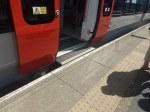
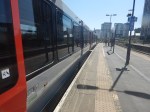
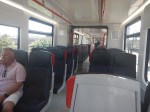
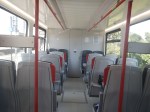
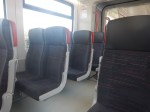









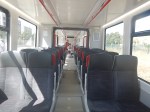

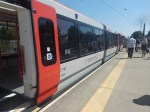
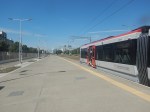
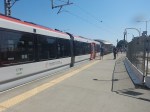
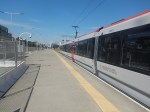
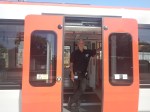
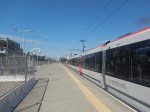
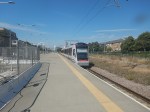
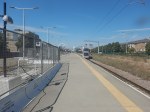
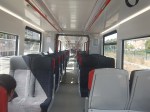
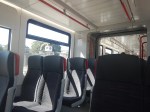
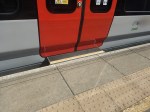

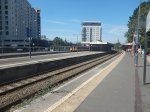
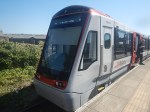
Note.
- Transport for Wales Rail are acquiring 36 Class 398 tram-trains.
- Each can hold 126 seated and 126 standing passengers.
- Both stations have step-free access to the tram-train.
- A second platform will be built at Cardiff Bay station.
- Google AI says the second platform at Cardiff Bay station will be electrified.
- The platform appears to be wide.
- In Karlsruhe, their German cousins regularly climb hills, as they will in South Wales.
This OpenRailwayMap shows the stations to the East of Cardiff Central station.
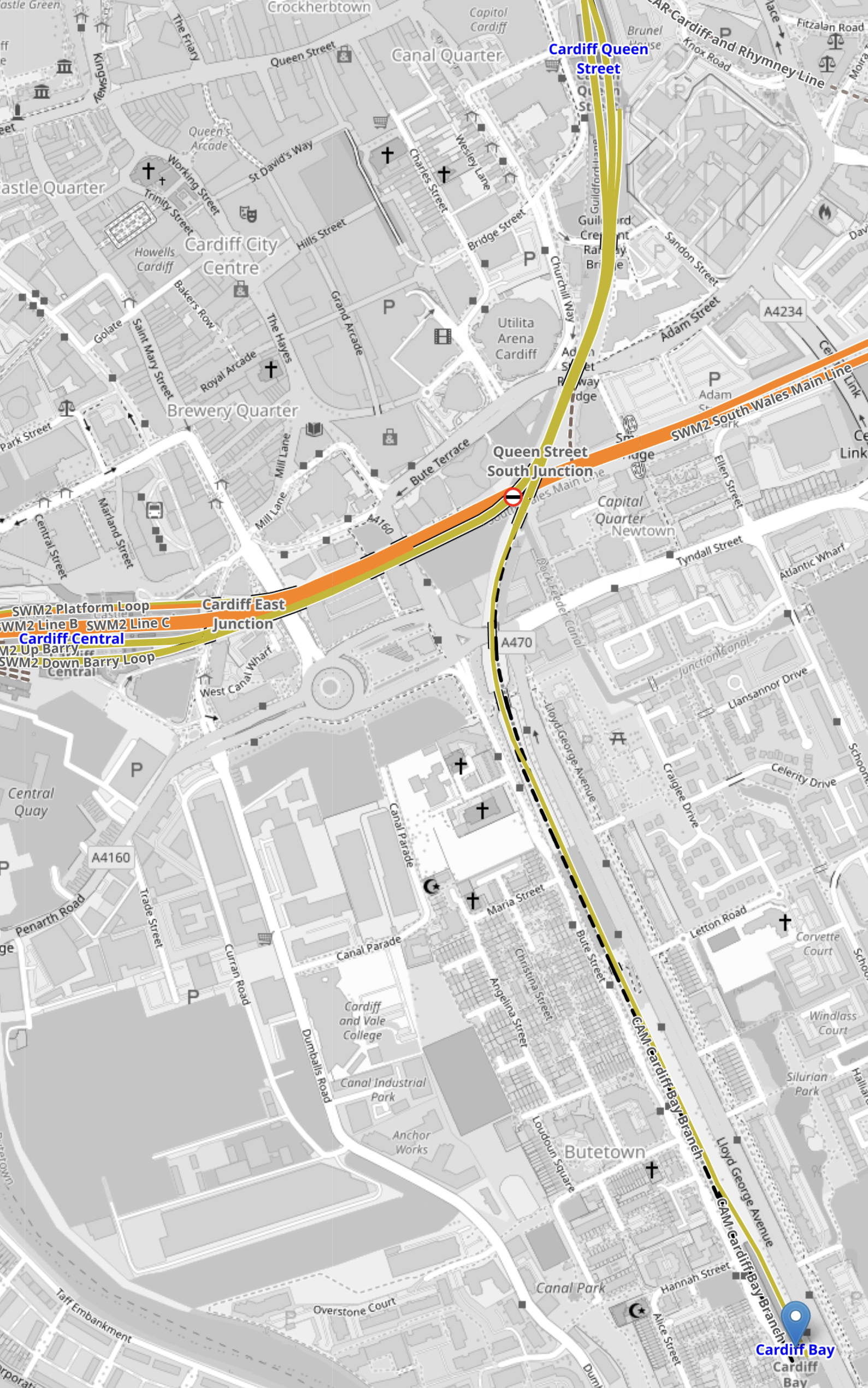
Note.
- Cardiff Bay station is in the South-East corner of the map and marked with the blue arrow.
- Cardiff Queen Street station is at the top of the map.
- The orange tracks are the South Wales Main Line.
- Cardiff Central station is on the main line at the left of the map.
The Cardiff Crossrail will link Cardiff Bay and Cardiff Central stations as a street tram.
I wonder how many short rail routes could be improved or even extended using tram-train technology?
Gwynt Glas Offshore Wind Project Strengthens Development And Welcomes New Partner, Sumitomo
The title of this post, is the same as that of this news item from Gwynt Glas.
These three initial paragraphs add some detail.
The Gwynt Glas offshore wind project has today announced a significant strengthening of its joint venture with Sumitomo Corporation joining as an equal partner alongside EDF power solutions UK and Ireland and ESB. Each partner now holds a 33.33% stake, while DP Energy continues to provide critical development support, leveraging its expertise in early stage project delivery and local engagement.
This strategic collaboration brings together three global leaders in renewable energy combining deep expertise in large scale development and delivery. The partnership positions Gwynt Glas to advance confidently through its next phases, reinforcing its role in delivering clean, homegrown energy for Wales and the UK while supporting energy security and economic growth.
Gwynt Glas is a proposed innovative floating offshore wind farm in the Celtic Sea. The up to 1.5 GW project continues to make strong progress and successfully submitted its Scoping Report to the Planning Inspectorate this summer.
Are Sumitomo Involved In Offshore Wind?
I asked Google AI, the question in the title of this section and received this answer.
Since making its first investment in a European offshore wind project in 2014, Sumitomo Corporation
has accumulated extensive expertise throughout the development, construction and operation phases of offshore wind projects.This marks Sumitomo Corporation’s first participation in a floating offshore wind project.
Are Sumitomo learning about floating offshore wind, by participating in a major project or are they up to something very innovative technically?
In Is Sumitomo Heavy Industries Highview Power Energy Storage System On Line At Hiroshima?, I talked about how Sumitomo’s engineers had taken Highview Power’s ideas for energy storage using liquid-air and downsized it to improve the efficiency of an LNG Terminal at Hiroshima, by adding a 4MW/20 MWh battery.
I just wonder, if some of the steel floats that will support the wind turbines, will also be used for liquid-air tanks as part of one of Highview Power’s batteries. As initially, there will be 66 turbines at Gwynt Glas, the battery could be a monster, but a very environmentally-friendly one!
Hopes Railway Station In Picturesque Village Could Become ‘Gateway’ To Northumberland Coast
The title of this post, is the same as that of this article on the Chronicle Live.
This is the sub-heading.
A rail company boss said there was a “real opportunity” for the station to have a bigger role
These three paragraphs add more details.
A key railway boss has provided hope that one of Northumberland’s quietest railway stations could finally see more trains pulling in. Chathill Station on the East Coast Mainline is close to two of the county’s most popular tourist destinations in Seahouses and Bamburgh.
Despite the excellent location it is one of the county’s least-used stations. Just 1,580 passengers were recorded between April 2024 and March 2025 – although this was up 25% on the previous 12 months.
Locals have been urging rail companies to make more stops in the village. Now, the boss of operator First Rail Open Access, which runs Lumo services, has visited the station and claimed there is a “real opportunity” to strengthen its role. Lumo provides services on the East Coast between King’s Cross and Edinburgh Waverly, passing through Chathill.
It seems that Lumo must think it is worthwhile stopping at Chathill.
Chathill: The Station That The Nation Forgot
This feature has the same title as this section.
It is well worth a read and gives a good background to the history of Chathill station and the other stations on the East Coast Main Line, and the former branch to Seahouses.
Could Modern Digital Signalling Be The Key For Lumo?
Lumo runs between London Kings Cross and Edinburgh Waverley and Glasgow Queen Street six time per day, calling at Stevenage, Newcastle, Morpeth, Edinburgh Waverley, Haymarket and Falkirk High.
Note.
- Stevenage calls only pick up Northbound and put down Southbound, so have Lumo developed procedures to get passengers on and off the train, as fast as possible?
- The East Coast Main Line is also under control of full digital signalling at Stevenage, so is that used to expedite the stop?
- Going North the trains seem to have a time where they leave Stevenage like 0606 and in reality they might arrive at 0604 and leave at 0606. So do they go as fast as traffic will allow between Kings Cross and Stevenage, using the digital signalling and the Mark 1 eyeball to keep tabs on the train in front?
- Going South a similar procedure seems to be used.
A typical stop at Stevenage seems to take between one and two minutes.
I have just checked Morpeth and all Lumo services seem to stop at Morpeth and they seem to take between one and two minutes.
It looks to me, as a Graduate Control Engineer, that full digital signalling on the East Coast Main Line might allow a couple extra stops to be added to Lumo’s timetable.
Will East Coast Main Line Digital Signalling Allow 140 mph Running?
I asked Google AI the question in the title of this section and received this reply.
Yes, the digital signalling being installed via the East Coast Digital Programme is a key technical enabler for future 140 mph (225 km/h) operation on parts of the East Coast Main Line.
This will surely, allow trains to pick up enough time on 140 mph sections of the line, to give enough time for the extra stops.
How Much Time Will 140 mph Running Save?
A quick calculation shows that if a train ran at 140 mph instead of 125 mph for a hundred miles, there would be approximate five minutes saved.
I suspect this would allow two extra stops.
Could An Extra Stop Be Made At Reston?
This OpenRailwayMap shows Chathill and South-East Scotland.
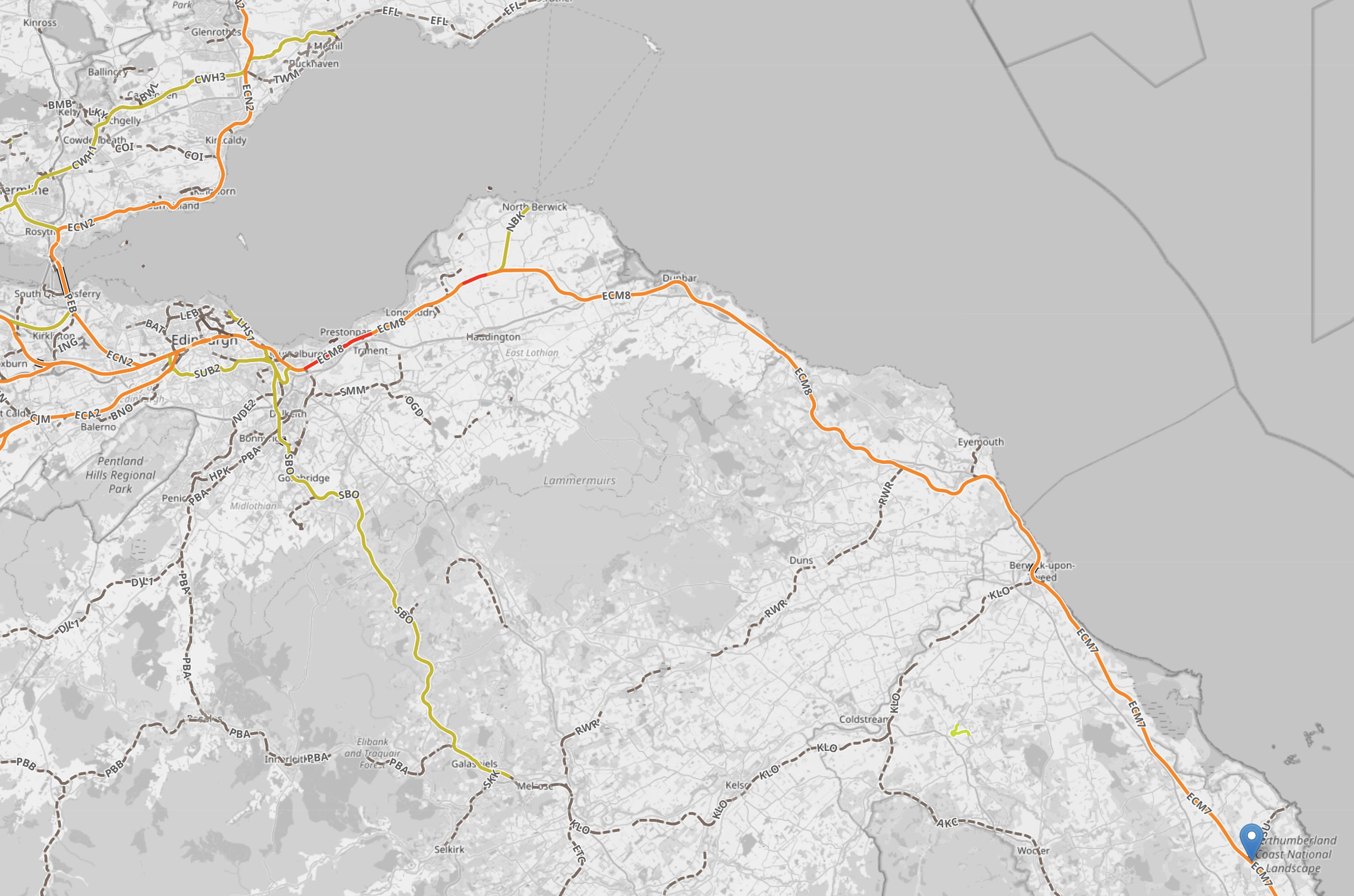
Note.
- The orange track going up the coast is the East Coast Main Line between London Kings Cross and Edinburgh.
- Chathill station is marked by the blue arrow in the South-East corner of the map on the East Coast Main Line.
- The East Coast Main Line crosses the Firth of Forth on the Forth Bridge to the West of Edinburgh.
- The yellow track coming down from the Edinburgh area is the Borders Railway to Galashiels and Tweedbank.
- Two former railways lead between Tweedbank and Berwick-upon-Tweed and Reston stations on the East Coast Main Line.
- Important stations, that are North of Chathill, are Berwick-upon-Tweed, Reston, Dunbar and East Linton.
- Berwick-on-Tweed and Dunbar are well-served by LNER, with Reston getting one train per day.
I could see Lumo stopping at Reston, just as they share business at Morpeth with LNER.
Are There Any Plans To Connect The Borders Railway To Berwick-On-Tweed?
Looking at the map, I just had to ask Google AI the question in the title of this section.
I received this reply.
Official feasibility and business case studies are instead focused on extending the current Tweedbank terminus south toward Hawick and Carlisle along the old Waverley Route.
Grassroots Proposals
Tweed Valley Campaign: A volunteer group called the Tweed Valley Railway Campaign has lobbied to restore a link running east from St Boswells toward Berwick-upon-Tweed.
Local Benefits: Proponents argue an east-west connection would link the Borders directly to the East Coast Main Line, helping tourism and commuters.
Official Status: Despite local campaigns, transport authorities and councils have not adopted the Berwick route as part of official funded transport strategies.
Official Extension Plans
Carlisle Route: Government backing and funding are directed toward an extension study heading toward Hawick and Carlisle.
Timeline: Consultants are advancing a strategic business case for the Carlisle alignment, expected to report by late 2027.
I wonder if there might be a simpler interim plan.
Consider.
- Galashiels has a vert smart rail and bus interchange.
- Google AI says that Galashiels interchange can handle coaches.
- Wrightbus are launching hydrogen coaches in the next year or so.
- Hydrogen coaches will be powerful and silent.
- Hydrogen coaches will have a working range of 1,000 km.
I could see that hydrogen coaches running from Galashiels to Carlisle and Berwick-on-Tweed could be a winner.
Could There Be Better Transport Connections Between Leeds/Bradford and Glasgow/Edinburgh?
I shall start this post with eleven questions, that I will ask Google AI.
How Many People Live In the Greater Leeds/Bradford Area?
I received this answer from Google AI.
The greater Leeds-Bradford urban and larger urban zone has an estimated population of about 1.65 million to 2.4 million people. The core combined Leeds-Bradford continuous built-up area holds roughly 1.66 million people, while the wider Leeds City Region and Larger Urban Zone reaches approximately 2.4 million.
How Many People Live In the Greater Glasgow Area?
I received this answer from Google AI.
The Greater Glasgow urban area has an estimated population of over 1 million people. Depending on how the boundaries are drawn, the wider NHS health board region contains about 1.2 million, and the broader Glasgow City Region counts roughly 1.8 million residents.
How Many People Live In the Greater Edinburgh Area?
I received this answer from Google AI.
The greater Edinburgh metropolitan or wider city region has an estimated population of approximately 912,000 to 1.35 million, depending on the regional boundary used. The City of Edinburgh council area itself holds 531,370 residents.
How Many Sheduled Air Services Are There Between Leeds/Bradford and Glasgow Airports?
I received this answer from Google AI.
There are currently zero direct, scheduled non-stop air services operating between Leeds Bradford Airport (LBA) and Glasgow Airport (GLA).
How Many Scheduled Air Services Are There Between Leeds/Bradford and Edinburgh Airports?
I received this answer from Google AI.
There are currently zero direct, scheduled non-stop air services operating between Leeds Bradford Airport (LBA) and Edinburgh Airport (EDI).
How Many Scheduled Direct Rail Services Are There Between Leeds or Bradford and Glasgow?
I received this answer from Google AI.
There is typically only 1 scheduled direct train service per day in each direction between Leeds and Glasgow (operated via CrossCountry), and n0 direct scheduled services between Bradford and Glasgow.
How Many Sheduled Direct Rail Services Are There Between Leeds or Bradford and Edinburgh?
I received this answer from Google AI.
There are typically only 1 to 2 scheduled direct train services per day running from Leeds to Edinburgh (usually operated by CrossCountry or via select extensions), taking roughly 3 hours. Bradford has zero regular scheduled direct rail services to Edinburgh; journeys from Bradford require at least one change (commonly transferring at Leeds).
How Long Does It Take To Drive Between Leeds And Glasgow?
I received this answer from Google AI.
Driving between Leeds and Glasgow takes about 3 hours and 50 minutes to 4 hours and 15 minutes under normal conditions, covering a distance of roughly 210 to 222 miles via the A1(M) and M74.
How Long Does It Take To Drive Between Leeds And Edinburgh?
I received this answer from Google AI.
Driving between Bradford and Glasgow takes about 3.5 to 4 hours under normal conditions. The total distance is roughly 200 miles (322 km), mostly following the A1(M) or M6 motorways depending on your chosen route.
How Long Does It Take To Drive Between Bradford And Glasgow?
I received this answer from Google AI.
Driving between Leeds and Glasgow takes about 3 hours and 50 minutes to 4 hours and 15 minutes under normal conditions, covering a distance of roughly 210 to 222 miles via the A1(M) and M74.
How Long Does It Take To Drive Between Bradford And Edinburgh?
I received this answer from Google AI.
Driving between Bradford and Edinburgh takes about 4 hours to 4.5 hours under normal traffic conditions. The total driving distance is roughly 196 to 202 miles, primarily heading north via the A1(M) or M1 and A69/M74 routes.
But I do think that Northern England and Scotland could be getting closer together in the next few years.
Consider.
- LNER stopped running between King’s Cross and Glasgow a couple of years ago.
- No airlines fly between Leeds/Bradford and Glasgow or Edinburgh Airports.
- TransPennine Express run direct rail services between both Liverpool and Manchester, and Glasgow.
- There are only occasional direct rail services between Leeds or Bradford, and Glasgow or Edinburgh.
- Driving is not an easy or quick option.
- Lumo run a few limited rail services between Glasgow and Stirling, and London.
There is a big gap in rail and air services between the 1.5 million people in Leeds/Bradford and nearly 2 million in Central Scotland.
But.
- Between Bradford and Carlisle is the Settle and Carlisle Line.
- The Settle and Carlisle is one of the most scenic lines in Europe, if not the world.
- The Settle and Carlisle is not electrified.
- Until 1974, it was used by the Thames-Clyde Express between London St. Pancras and Glasgow.
- Avanti have used the route for engineering diversions, using their new five-car Class 805 trains in pairs.
- Bradford Forster Square station has been updated so that ten-car trains on the route can call at both Leeds and Bradford Forster Square stations
- I believe that in a couple of years, LNER will have CAF tri-mode trains and Hitachi battery-electric trains, that will be able to bridge the gap in the electrification between Skipton and Carlisle.
Selected Kings Cross and Bradford Forster Square services could be extended to Skipton, Settle, Carlisle, Dumfries, Kilmarnock and Glasgow.
There will be three major benefits.
- Several towns and cities will gain a London service.
- The extra services will help to take on the airlines between London and Glasgow.
- Leeds and Bradford will be connected to Glasgow.
No major infrastructure would need to be created.
I have other thoughts.
Can Ten-Car Trains Use The Settle And Carlisle?
This article on the BBC is entitled Rail Operator Crosses Picturesque Line.
There is a picture in the article of two Avanti five-car Class 805 trains crossing the Ribblehead Viaduct on the Settle and Carlisle Line.
If they can do it, I suspect that a new 10-car CAF Class 897 train can also run on the line.
Could High-Class Food Be Served Between London And Glasgow?
Google AI gives this history of Pullman Dining on current GWR services.
Great Western Railway (GWR) has been running Pullman Dining on its Intercity Express Trains (Class 800 and sister Class 802 units) for about seven years, since the new Hitachi-built fleets rolled out fine-dining menus around 2017 to 2018 to replace the legacy High Speed Train (HST) sets.
In On The 10:45 From Paddington, I describe one of the best simple meals I’ve ever had.
I’m sure there are a few Scottish chefs, who could create a Scottish-themed menu for services to Scotland via the Settle and Carlisle.
Passengers Would Have A Choice Between London And Glasgow
These would be the options.
- Fast – Ryanair and lose a lot of brownie points.
- All-Electric Semi-Fast – Avanti or Lumo.
- Slower, but enjoying the scenery and why not a meal – LNER via Settle and Carlisle.
Five trains per day each way would add 3,000 seats per day, which would be around 15 of Ryanair’s 737s per day.
Will Leeds/Bradford Airport Have A Glasgow Or Edinburgh Flight Some Time Soon?
Consider.
- Between Leeds-Bradford and Glasgow airports is 177.4 miles.
- Between Leeds-Bradford and Edinburgh airports is 159.5 miles.
- The all-electric Eviation Alice has a range of 250 miles with 10 passengers.
- The all-electric Heart Aviation ES-30 has a range of 220 miles with 30 passengers.
Google AI gives this view on when the Heart Aviation ES-30 will enter service.
The Heart Aerospace ES-30 hybrid-electric airplane is scheduled to enter commercial service in 2028, though some industry analysis and program updates suggest development adjustments could stretch the timeline closer to 2029 or 2031.
The Eviation Alice doesn’t give a date at present.
Given the option, I suspect some travellers would prefer to fly.
Do LNER Have Some Cunning Plans For The Serenzas?
Along with some others, I was surprised, when LNER ordered a fleet of new trains in 2023, to run alongside the Azumas, that it wasn’t some more Azumas.
I wrote about the order in First Tri-Mode Long Distance Trains For The East Coast Main Line.
Why Didn’t LNER Just Order More Azumas?
I asked Google AI, the question in the title of this section and received this reply.
When London North Eastern Railway (LNER) needed additional trains for the East Coast Main Line, they chose to order 10 new “tri-mode” (electric, diesel, and battery) trains from Spanish manufacturer CAF in November 2023 rather than buying more Hitachi Azumas.
Why LNER Didn’t Order More Azumas?
Desire for New Technology: LNER wanted cutting-edge “tri-mode” capability—incorporating battery technology alongside electric and diesel power—to reduce carbon emissions and future-proof the fleet. Hitachi’s corresponding tri-mode platform was centered in Italy, making CAF a more ready and accessible option with an established UK manufacturing platform in Newport, Wales.
Procurement and Pricing: Industry discussions and reports noted varying challenges with Hitachi regarding pricing and availability for small add-on batches, prompting a competitive procurement process where CAF ultimately won the contract to replace remaining older InterCity 225 sets.
Operational Resilience: The new CAF battery-hybrid trains provide unique operational flexibility for diversions on un-electrified routes (such as the Joint Line) that standard electric Azumas cannot traverse under their own power without external help.
These are my current thoughts on LNER’s plans for the Serenzas.
Will The Serenzas Run To Harrogate?
As the seven trains per day to Harrogate use diesel between Leeds and Harrogate, I suspect the new trains will take over Harrogate services and run silently on batteries North of Leeds, which is less than 40 miles out and back.
How will the lack of noise affect ridership? London Kings Cross and Harrogate will be an interesting test case, as it looks like from the in service date of the trains of 2028, that they could be one of the first battery-electric train services, run over a distance of over two hundred miles.
So it will be an interesting test route in several ways for the new Serenzas.
Could The Serenzas Go Further Than Harrogate?
This OpenRailwayMap shows the electrification in Yorkshire between Bradford, Harrogate, Leeds and York.

Note.
- Electrified lines are shown in red.
- Unelectrified lines are shown in black.
- Lines in the process of being electrified are shown in dotted red and black.
- The City of Bradford is in the South-West corner of the map.
- The electrification entering the city from the North goes to Bradford Forster Square station, where LNER services from London terminate.
- On the opposite side of the city centre is Bradford Interchange station, where Grand Central services from London terminate.
- North of Bradford is the electrified triangular junction at Shipley station
- Trains go West from Shipley junction to Skipton, where the electrification ends and the iconic Settle and Carlisle line to Carlisle and eventually Glasgow.
- Trains go North from Shipley junction on an electrified line to Ilkley station.
- Trains go East from Shipley junction on an electrified line to Leeds station.
- From the Leeds area an unelectrified line leads to the North and Harrogate station, which is marked by a blue arrow.
- The City of York is in the North-East corner of the map.
- A partially-electrified line leads from Leeds to York.
- The Leeds and York line is being fully-electrified so that electric trains can reach Neville Hill depot in Leeds.
- Harrogate and York are connected by an unelectrified line, that goes via Knaresborough.
Between Bradford, Harrogate, Leeds and York, there are a coomprehensive layout of lines many oy of which are electrified.
Could The Serenzas Go On From Harrogate To York?
Consider.
- Leeds and York is only 38.8 miles via Harrogate, so I suspect that this is possible using battery power.
- Harrogate has seven trains per day (tpd) from London Kings Cross via Leeds, at a frequency of one train per two hours (tp2h).
- York has six tpd from London Kings Cross, at a frequency of one tp2h.
Could LNER be thinking of a train, that does a Grand Tour of Yorkshire from London Kings Cross?
- It could call at Stevenage, Newark Northgate, Doncaster, Wakefield Westgate, Leeds, Horsforth, Harrogate, Knaresborough, York, Doncaster, Retford and Peterborough.
- It is the sort of concept, that is made possible by using a tri-mode train, that can go anywhere, there’s a railway.
- Was an idea like this, thought up by CAF to sell trains?
It is certainly possible.
Could The Serenzas Go On From Bradford Forster Square To Glasgow?
Consider.
- Until 1974, there used to be a Thames-Clyde Express, which has this Wikipedia entry.
- The route was between London St. Pancras and Glasgow Central.
- Intermediate stops were Luton, Kettering, Leicester, Nottingham, Derby, Chesterfield, Sheffield, Wakefield, Leeds, Skipton, Settle, Carlisle, Dumfries and Kilmarnock.
- LNER gave up serving Glasgow in 2024.
- Currently, Leeds and Bradford have no direct train service to Glasgow.
- The Settle and Carlisle route is one of the most scenic railway lines in Europe, if not the world.
- Do any airlines fly Leeds/Bradford and Glasgow? No according to Google AI!
Remember, that the Rail Minister; Lord Hendy, is an Economic Geography graduate of Leeds University, so he must know something about Yorkshire and its people.
I believe a modern-day Thames-Clyde Express could be run, by extending a number of LNER’s London and Bradford Forster Square services.
- The route would be between London Kings Cross and Glasgow Central.
- Intermediate stops would be Stevenage, Newark Northgate, Doncaster, Wakefield Westgate, Leeds, Shipley, Bradford Forster Square, Skipton, Settle, Carlisle, Dumfries and Kilmarnock.
- The route is now substantially electrified.
- It would take on the airlines on the London and Glasgow route.
- Class 805 bi-mode trains have used the Settle and Carlisle.
This could become one of the great railway journeys of Europe.
A Quick Visit To Okehampton Interchange Station – 4th August 2026
Today, I went to the new Okehampton Interchange station and took these pictures, between Exeter St. Davids and the new station.



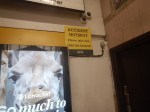

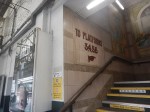

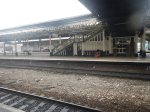
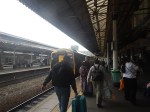


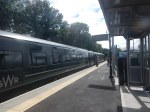
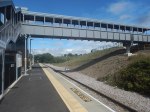
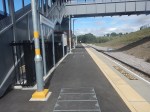
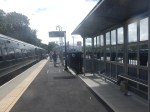
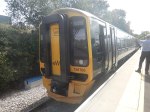
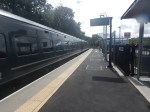
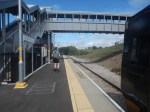

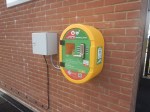
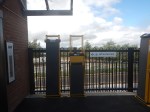



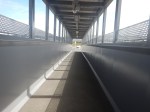




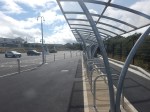
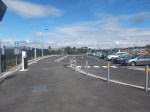



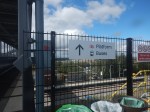
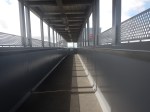


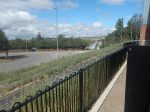
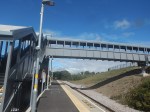
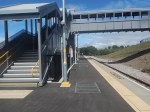
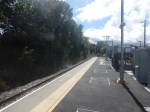
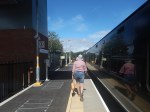


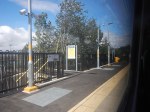

Note.
- Exeter St. Davids station has some interesting artwork and some less than ideal stairs.
- Have you ever seen accident hotspot signs in a station before? I haven’t!
- Crediton station is shared with trains to Barnstaple.
- The bridge at Okehampton Interchange is an unusual cost-saving design, that only uses one lift.
- The car park is generous with 200 spaces.
- All-day parking is available for £2.
- There is storage for cycles.
- There is a defibrillator on the platform.
- The platform is 100 metres long.
- I suspect that with selective door opening a five-car Class 800 or 802 train could use the station.
- The Class 158 train was in excellent condition and was rattling along at a good speed without too much fuss.
I caught the same Class 158 train back to Exeter St. David’s on its return from Okehampton station.
I have some further thoughts.
Buses From Okehampton Interchange Station
Google AI gave me this information.
Bus services connecting directly to the newly opened Okehampton Interchange station include local and regional routes linking to Tavistock, Bude, Exeter, and Launceston.
Active Bus Routes
Service 6: Runs between Bude, Holsworthy, and Okehampton (Stagecoach South West).
Service 66: Connects Okehampton, Cheriton Bishop, and Exeter (Dartline / Stagecoach).
Service 118: Links Tavistock, Brentor, and Bridestowe to the new Interchange station instead of the older town station (Stagecoach).
Service 306: Connects Launceston and Okehampton via Lifton and Lewdown (Go Cornwall Bus).
Okehampton Interchange station appears not to be for just trains only.
The Location Of Okehampton Interchange Station
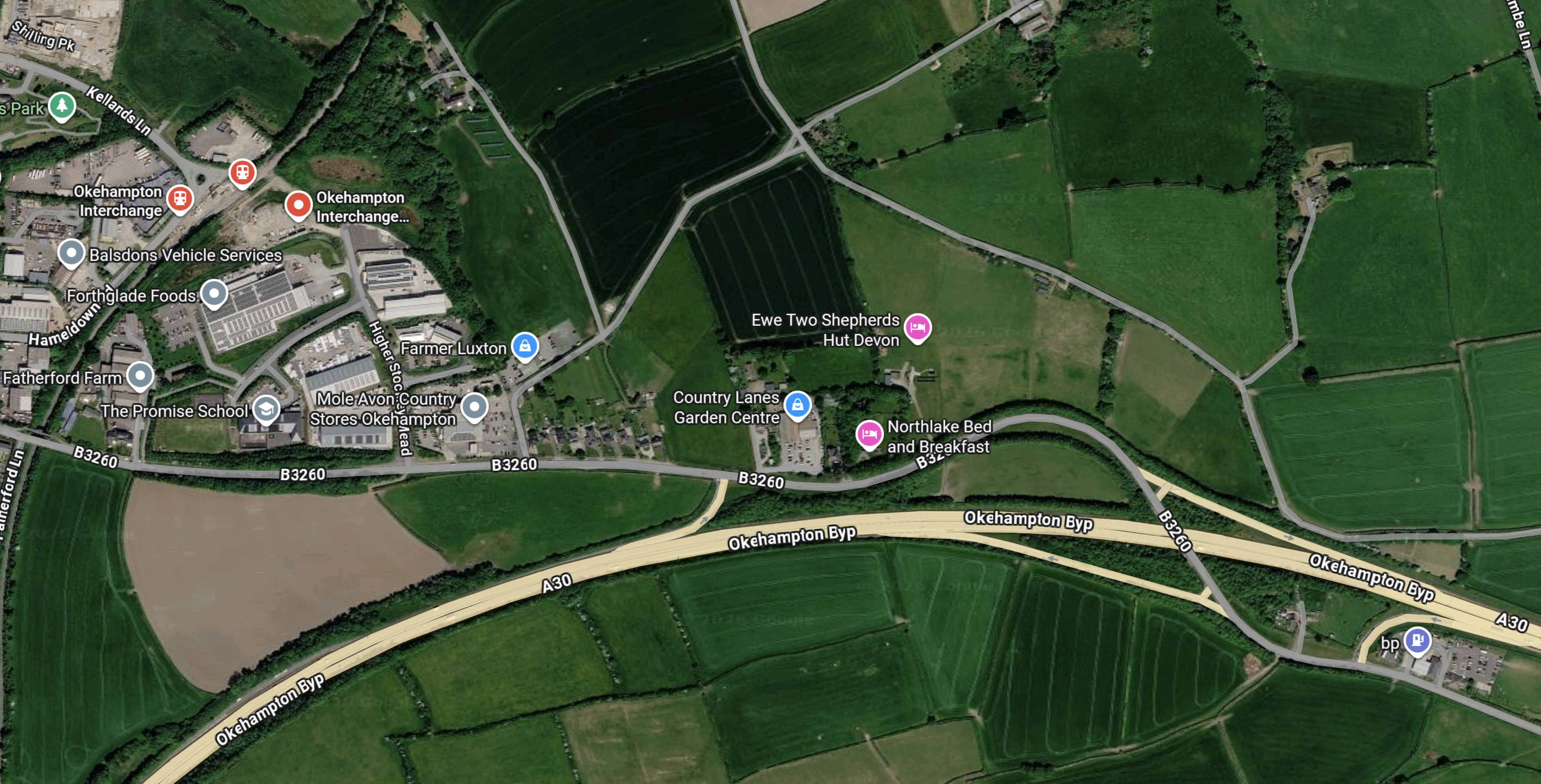
This Google Map shows the location of Okehampton Interchange station.
Note.
- This map was created before the station opened.
- Okehampton Interchange station is towards the North-West corner of the map and is indicated by three red dots and
- The distinctive roundabout by the station, that is shown in the pictures, can clearly be seen.
- The station is to the East of the town.
- Running across the bottom half of the map is the Okehampton by-pass.
- The B 3260 appears to connect the town and Okehampton Interchange station to the Okehampton by-pass in the South-East corner of the map, at a comprehensive interchange.
This opening paragraph from the Wikipedia entry for the route, gives a brief description of the road.
The A30 is a major road in England, running 284 miles (457 km) WSW from London to Land’s End.
These towns and cities are served.
- Heathrow Airport
- Staines-upon-Thames
- Basingstoke
- Salisbury
- Shaftesbury
- Yeovil
- Honiton
- Exeter
- Okehampton
- Launceston
- Bodmin
- Newquay
- Truro
- Redruth
- Penzance
Note.
- A good proportion of the route is dual-carriageway.
- It is dual-carriageway between Exeter and Cambourne.
- I suspect some people in North Cornwall may find it more convenient to drive to Okehampton Interchange station for access to trains.
- I wouldn’t be surprised to see some of the new generation of mouse-quiet hydrogen coaches connecting Okehampton Interchange station and the far South-West.
I believe that the usage of the station will exceed the predictions, by a large margin.
Could Okehampton Interchange Station Have Trains To And From London?
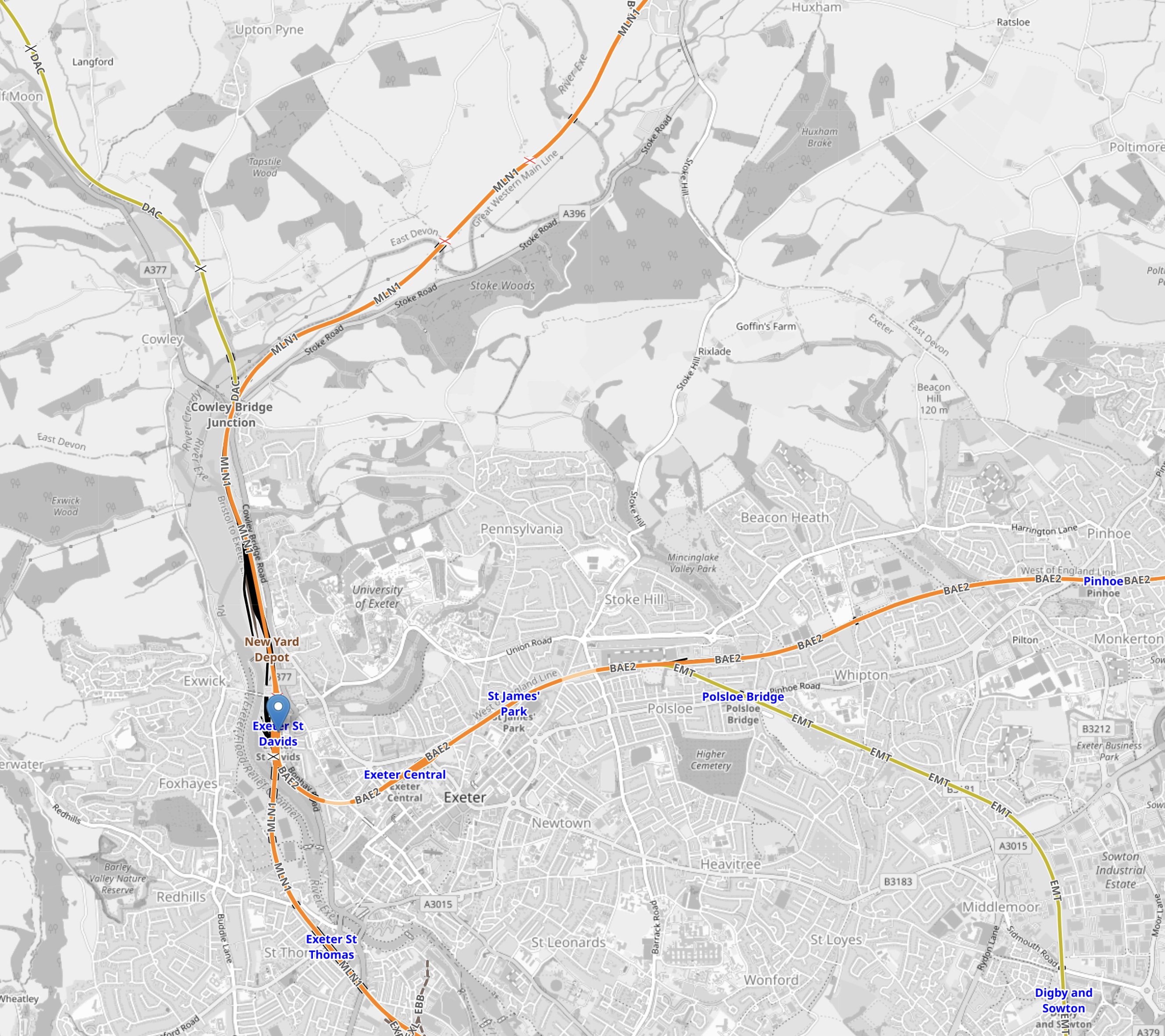
This OpenRailwayMap show how the various lines connect at Exeter St. David’s station.
Note.
- Exeter St. David’s station is indicated by the blue arrow.
- The yellow track going North-West leads to the Tarka Line for Barnstaple station and the Dartmoor Line to the Okehampton stations.
- The orange track going North-East is the Great Western Main Line to Taunton, Swindon, Reading and London Paddington.
- The orange track going East is the West of England Main Line to Salisbury, Basingstoke and London Waterloo.
- The yellow track going South-East is the Avocet Line to Exmouth station.
- The orange track going South is the South Devon Main Line to Dawlish, Newton Abbot, Plymouth and ultimately to Penzance.
To access the Dartmoor Line and Okehampton Parkway station.
- Trains from the Great Western Main Line would need to reverse in Exeter St. David’s station.
- Trains from the West of England Main Line would go straight through Exeter St. David’s station.
Note.
- Currently, some trains go between the Tarka Line and Exmouth, by going straight through Exeter St. David’s station.
- I said earlier in this post, that trains serving Okehampton Parkway station would need to be short or use selective door opening.
- South Western Railway have an hourly service between Exeter St. David’s and London Waterloo, that starts from Exeter St. David’s station and could be occasionally extended to Okehampton Parkway station.
- Great Western Railway have a two-hourly service between Exeter St. David’s and London Waterloo, that starts from Exeter St. David’s station and could be occasionally extended to Okehampton Parkway station.
I believe it would be possible to run occasional services between London and Okehampton Parkway station.

